

3.6 million Americans receive a basal cell carcinoma diagnosis every year — more cases than all other cancers combined. Most post-diagnosis advice boils down to "wear SPF 30+" without acknowledging that a Cochrane systematic review found sunscreen has no proven BCC prevention benefit.
Patients leave the doctor's office with chemical lotions, assuming they're protected. This guide covers the evidence-backed shade-first protection hierarchy, the Vitamin D dilemma, and how to live actively with a 50% five-year recurrence risk.
What Makes Basal Cell Carcinoma Different from Other Skin Cancers?
Basal cell carcinoma develops from cumulative lifetime UV exposure rather than intense sunburns, making daily consistent protection more important than occasional extreme measures.
BCC accounts for approximately 80% of all nonmelanoma skin cancers diagnosed annually. Men face twice the diagnosis rate of women, though rates are rising among younger adults under forty. Melanoma traces back to severe, blistering childhood sunburns. Basal cell carcinoma correlates with the total lifetime UV dose absorbed by the skin. Walking to the mailbox, driving with the window down, sitting on a patio — every hour outdoors adds up over decades.
Why Cumulative Exposure Changes the Strategy
A consistent morning protection routine blocks more cellular damage than aggressive beach-day interventions. But childhood and adolescent sun exposure creates a permanent baseline risk that compounds over decades. This demands a shift in daily behavior, not just vacation habits.
Those managing sun protection after melanoma often focus on avoiding acute exposure during peak hours. Basal cell carcinoma patients must instead manage chronic daily UV loads from dawn until dusk. Sunscreen fails as a standalone solution against constant low-level exposure over years. Understanding this cumulative nature raises a question about the default protection advice.
Does Sunscreen Prevent Basal Cell Carcinoma?
A 2016 Cochrane systematic review found no evidence that sunscreen prevents basal cell carcinoma, reporting a risk ratio of 1.03 with low certainty evidence.
The medical data presents an uncomfortable reality. Cochrane researchers examined long-term daily sunscreen use versus discretionary application. The resulting risk ratio of 1.03 (95% CI 0.74 to 1.43) showed no statistically significant benefit for basal cell carcinoma prevention. This systematic review (CD011161) analyzed clinical trial data spanning multiple demographics and found no definitive proof that daily chemical application stops BCC from forming.
Sunscreen Still Has a Role
Sunscreen remains a necessary tool for overall dermatological health. Squamous cell carcinoma and melanoma risk both drop with regular use. The data indicates that basal cell carcinoma requires a broader strategy. Relying on SPF alone creates a false sense of security — patients stay in the sun longer because they applied lotion, potentially increasing their total cumulative exposure.
Most medical guidance documents default to broad recommendations: apply broad-spectrum SPF 30+ daily. They almost never cite the Cochrane findings regarding basal cell tumors. This leaves a gap in patient education that a shade-first approach can fill.
The Shade-First Protection Hierarchy for BCC Patients
Evidence-backed BCC protection prioritizes physical barriers: seek or create shade first, then UPF 50+ clothing, then a wide-brim hat, with sunscreen covering remaining exposed skin.

Layer 1: Create or Seek Shade
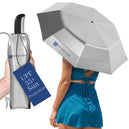
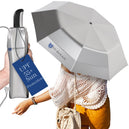
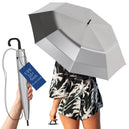
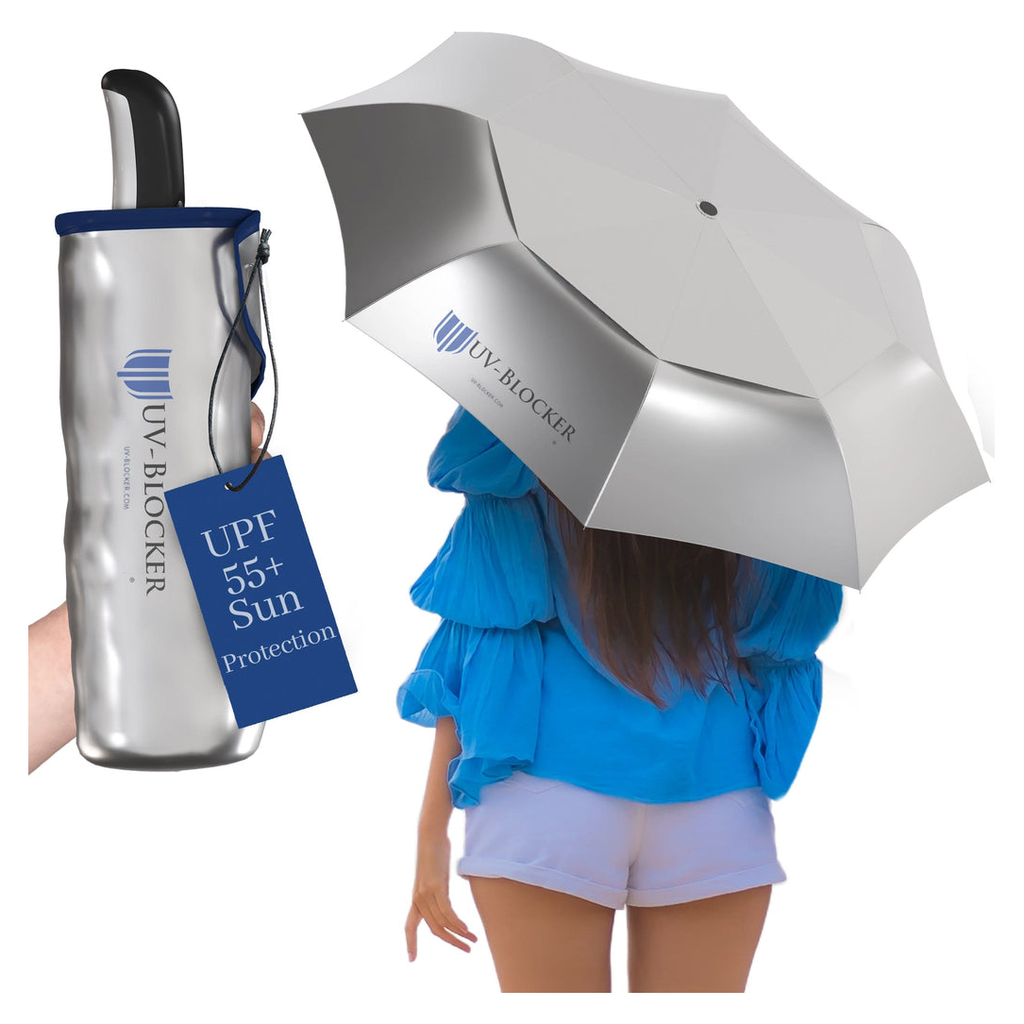
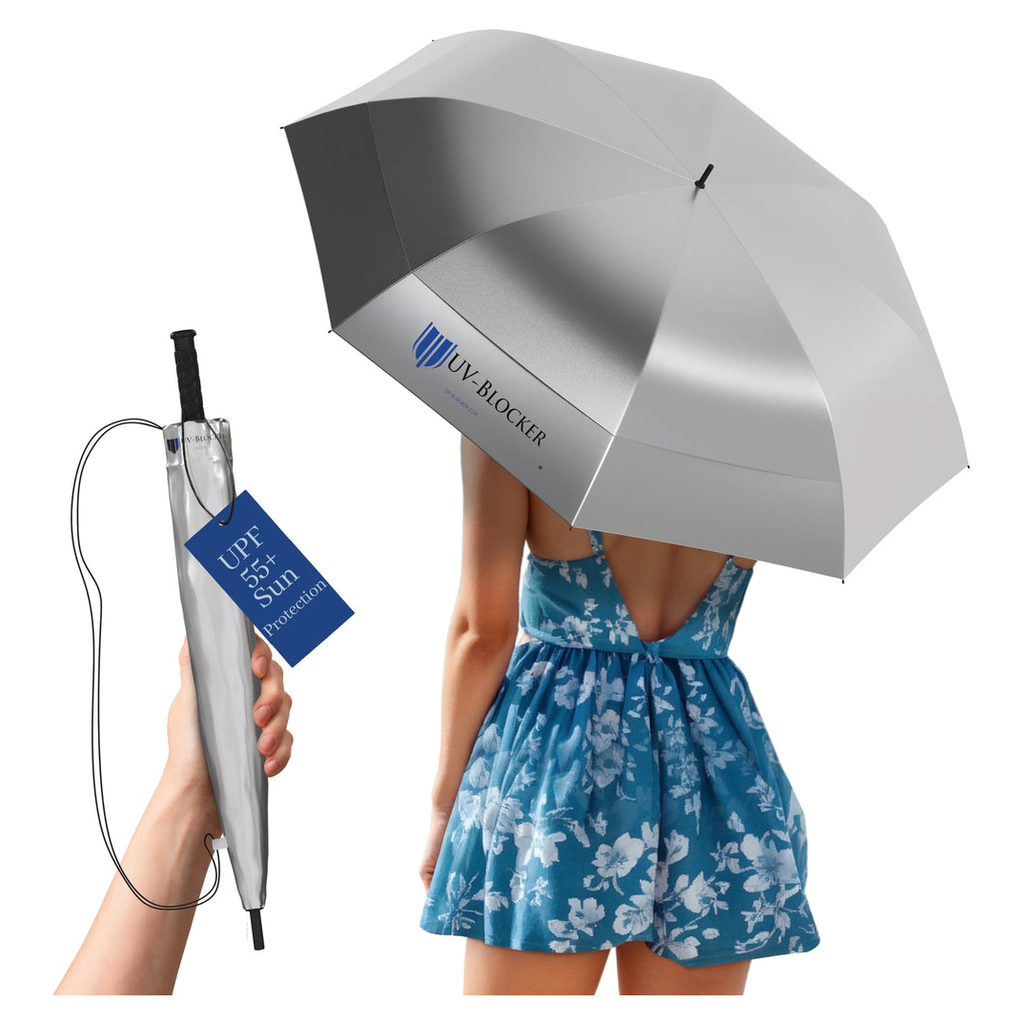
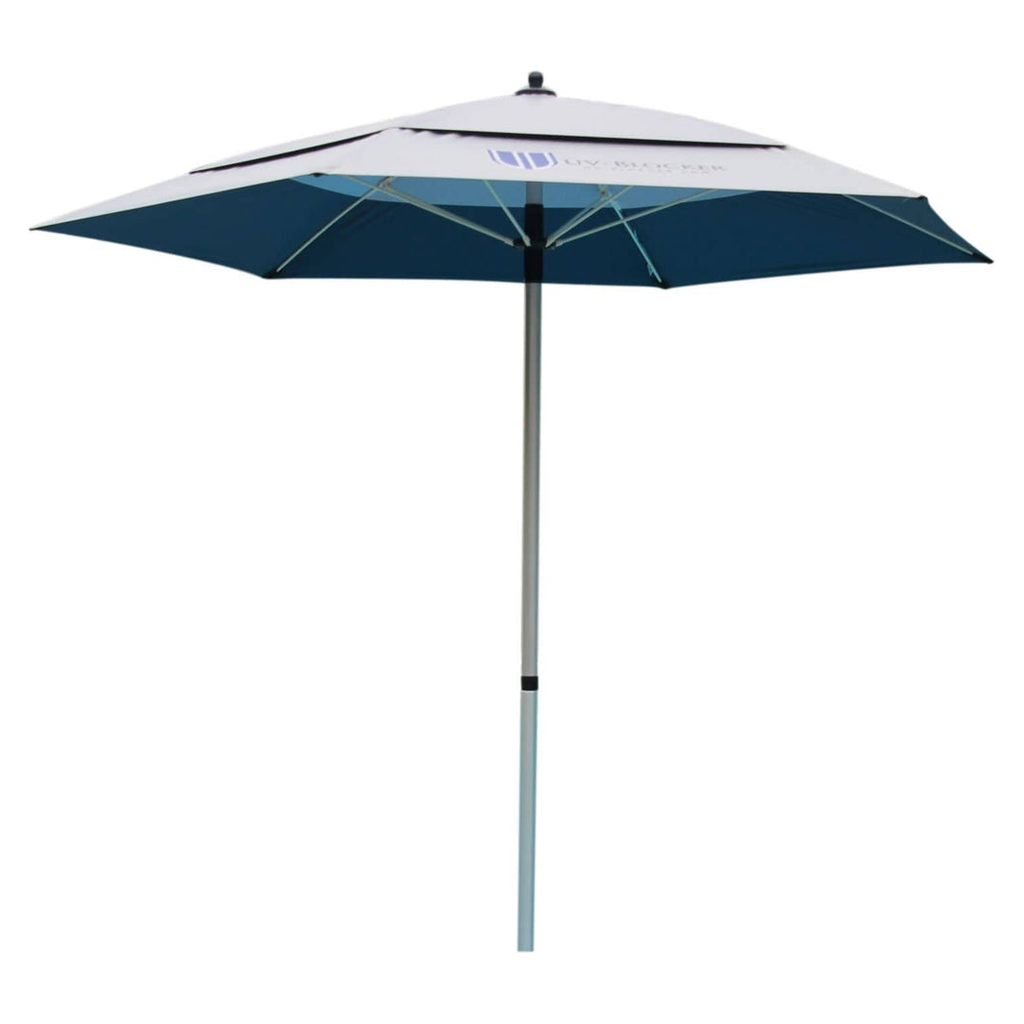
A UPF 50+ UV umbrella blocks 99% of incoming ultraviolet rays and provides portable shade for any outdoor situation. The UV protection compact umbrella from UV-Blocker serves as a reliable daily-carry option for BCC patients. Its patented Solarteck® reflective coating reduces temperatures by 15 degrees beneath the canopy. AATCC TM183-2020 certification confirms rigorously tested performance, and Melanoma International Foundation approval adds independent validation. For lighter portability, the UV protection travel umbrella fits commuter bags and backpacks.
Layer 2: UPF 50+ Clothing
Specialized, tightly woven fabrics protect the arms, legs, and torso with a guaranteed physical UV block. UPF clothing never washes off or requires reapplication during long days outdoors.
Layer 3: Wide-Brim Hat
A minimum three-inch brim protects the face, ears, and neck from direct overhead exposure. Standard baseball caps leave the ears and lateral neck exposed.
Layer 4: Sunscreen (Last, Not First)
Broad-spectrum SPF 30+ goes on remaining exposed skin — backs of hands, lower face if no hat is available. Sunscreen supplements the physical defenses above. Reapply every two hours.
| Protection Layer | UV Block | Reapplication | Coverage Area |
|---|---|---|---|
| UPF 50+ umbrella | 99%+ UVA/UVB | None needed | Head, shoulders, upper body |
| UPF 50+ clothing | 98%+ | None needed | Covered areas |
| Wide-brim hat (3"+) | ~95% face/neck | None needed | Face, ears, neck |
| SPF 30+ sunscreen | ~97% (when fresh) | Every 2 hours | Exposed skin only |
Even with this strategy in place, BCC patients face a statistical reality that demands lifelong vigilance.
How Do You Manage the 50% Recurrence Risk After BCC?
After a BCC diagnosis, the risk of developing another skin cancer reaches 50% within five years, requiring consistent daily protection habits and regular dermatologist monitoring.

The numbers deserve attention. Patients face a documented 35% risk at three years and 50% at five years of developing a new skin cancer after their first diagnosis. This creates understandable anxiety. Every new freckle, bump, or dry patch triggers concern. Acknowledging that emotional burden is a necessary step in long-term management.
Monthly Self-Check Protocol
A monthly self-examination provides tangible control:
- Examine the full body in a well-lit room using a mirror
- Apply the ABCDE rule to all new or changed spots — Asymmetry, Border irregularity, Color variation, Diameter growth, Evolution over time
- Call the dermatologist if any spot meets one or more ABCDE criteria
- Schedule clinical skin checks every six to twelve months without exception
Building Daily Habits
Keep a compact UV umbrella in the car or daily bag — it fits in a purse or standard briefcase. Make long-sleeved UPF clothing the default choice for outdoor wear. Those undergoing treatment should review prescriptions carefully, as many common medications cause sun sensitivity and increase the baseline risk. Managing sun protection after Mohs surgery requires specific care around healing surgical sites.
Recurrence anxiety is real, but outdoor activities don't have to stop. Structured protection allows a safe return to nature. One side effect of diligent sun avoidance, though, catches many patients off guard.
Can You Get Enough Vitamin D While Protecting Against BCC?
Skin cancer patients are three times more likely to be Vitamin D deficient according to Stanford research, making supplementation and flexible shade tools essential alongside sun avoidance.
Stanford University researchers published findings in the Archives of Dermatology showing that skin cancer patients who avoid the sun are three times more likely to be Vitamin D deficient than matched healthy controls. This deficiency raises long-term risk for cardiovascular disease and autoimmune conditions. The body requires Vitamin D for bone health, immune function, and mood regulation.
Supplementation and Testing
Oral supplementation offers a reliable path forward. Patients should discuss dosage with a dermatologist — a simple blood test establishes baseline levels. Medical professionals typically recommend between 1,000 and 2,000 IU daily for maintenance. Working with a doctor removes the guesswork.
The Flexibility Advantage
A UV umbrella provides flexible protection: shade when needed, fold it when brief controlled exposure is appropriate. Unlike staying indoors or wearing full UPF coverage all day, an umbrella gives the user environmental control without sacrificing quality of life. Understanding whether you can get Vitamin D in the shade helps patients balance these competing needs.
Frequently Asked Questions About Basal Cell Carcinoma Sun Protection
BCC patients commonly ask about sun exposure safety, sunscreen effectiveness, recurrence rates, and whether BCC can spread. Here are evidence-based answers.
Can I go in the sun after basal cell carcinoma?
Yes, with proper protection. Use the shade-first hierarchy: UV umbrella or shade structure, UPF 50+ clothing, hat, then sunscreen on exposed skin.
Outdoor activity remains healthy and important for mental health after a cancer diagnosis. The goal is protection, not isolation. A portable UV umbrella makes outdoor time safer without requiring total sun avoidance.
Does sunscreen prevent basal cell carcinoma?
Cochrane review CD011161 found no statistically significant evidence that sunscreen prevents BCC, though it remains valuable for SCC and melanoma prevention.
Sunscreen is still part of the protection strategy as the final layer covering skin that clothing and shade can't reach. The evidence gap means relying on sunscreen alone isn't enough for BCC patients.
What is the recurrence rate for basal cell carcinoma?
After a BCC diagnosis, there is a 50% chance of developing another skin cancer within five years and a 35% chance within three years.
This statistic refers to new primary skin cancers, not recurrence of the treated tumor. Mohs surgery cure rates for the original BCC exceed 99%. Regular dermatologist visits catch new occurrences early.
What SPF should I use after skin cancer?
SPF 30+ broad-spectrum sunscreen on exposed skin, reapplied every two hours, but only as the last layer after shade, UPF clothing, and a hat.
Higher SPF numbers offer diminishing returns. SPF 30 blocks 97% of UVB rays, while SPF 50 blocks 98%. Consistent reapplication matters more than the SPF number on the bottle.
Can basal cell carcinoma spread to other parts of the body?
BCC very rarely metastasizes — fewer than 0.5% of cases spread. However, untreated BCC can grow and damage surrounding tissue, bone, and nerves.
This localized behavior distinguishes BCC from melanoma, which has a higher metastasis rate. Early detection and treatment keep BCC curable, with 5-year survival rates above 99%.
Should I take Vitamin D if I avoid the sun after BCC?
Discuss Vitamin D supplementation with a dermatologist, as skin cancer patients are three times more likely to be deficient according to Stanford research.
A blood test measures current Vitamin D levels. Most adults need 600-2,000 IU daily. Planning around Vitamin D and shade exposure is important for long-term bone health. Oral supplements bridge the nutritional gap safely.
Conclusion
- Basal cell carcinoma sun protection requires a different strategy than "wear sunscreen." Shade and physical barriers come first, backed by Cochrane evidence.
- The 50% five-year new skin cancer risk demands daily habits, not occasional vigilance.
- Vitamin D management is a real concern — talk to a dermatologist about supplementation.
Basal cell carcinoma changes the relationship with the sun, but it doesn't have to end it. For daily portable shade that blocks 99% of UV rays, UV-Blocker's Compact and Travel umbrellas are UPF 50+ tested, Melanoma International Foundation approved, and HSA/FSA eligible.
2026 Update: Basal Cell Carcinoma Prevention Guidelines
Basal cell carcinoma (BCC) remains the most common cancer in the United States in 2026, with over 3.3 million cases diagnosed annually. Despite its high treatability when caught early, BCC treatment carries real costs — both financial (average treatment costs range from $500 to over $5,000 depending on location and method) and physical (Mohs surgery on the face carries recovery time and potential scarring).
The primary prevention message has not changed: consistent UVB reduction over a lifetime is the most effective prevention. What has evolved is the understanding that UVA exposure also contributes to BCC risk (particularly for certain subtypes), reinforcing the importance of broad-spectrum protection that addresses both wavelengths.
For high-risk individuals — including those with prior BCC diagnosis, fair skin, or significant occupational or recreational sun exposure — dermatologists increasingly recommend layered sun protection as a daily habit, not just a beach-day precaution. This includes UPF 50+ certified shade tools such as UV-Blocker umbrellas, which provide complete UVA and UVB elimination for the area they cover — without the application gaps and degradation issues of sunscreen alone. See the UV-Blocker umbrella collection for medically validated sun protection tools.
Basal Cell Carcinoma Sun Protection: Frequently Asked Questions
Why is sunscreen alone often insufficient for preventing Basal Cell Carcinoma recurrence?
Clinical studies show most individuals apply only 25% to 50% of the recommended amount of sunscreen, failing to achieve the SPF rating listed on the bottle. UV-Blocker garments provide a consistent physical barrier that blocks 98% or more of harmful rays regardless of application technique. This UPF 50+ protection is essential for BCC patients because it eliminates the gaps in coverage common with topical lotions.
How does Solarteck® technology compare to standard clothing for UV defense?
A typical white cotton t-shirt may provide a UPF rating as low as 5, allowing up to 20% of UV radiation to reach your skin. UV-Blocker products utilize Solarteck® technology to ensure a UPF 50+ rating, which limits UV transmission to less than 2%. This superior level of protection has earned the Melanoma International Foundation seal of approval for effectively reducing cumulative sun exposure.
Does a history of BCC require specialized protection even when sitting in the shade?
Indirect UV radiation reflected from surfaces like concrete or water can account for up to 50% of total UV exposure even while under a standard shade structure. UV-Blocker umbrellas are engineered with a patented double-canopy design to block 99% of UVA and UVB rays, including reflected radiation. This is a critical secondary defense for BCC survivors, as sunscreen often wears off or is applied unevenly in shaded environments.
What specific fabric standards should I look for to ensure maximum skin safety?
To ensure clinical-grade safety, look for fabrics that meet the UPF 50+ standard, which is the highest rating achievable for sun-protective textiles. UV-Blocker apparel uses Solarteck® technology to maintain this 98% blockage rate even when the fabric is wet or stretched. These rigorous standards are vital for those with a history of skin cancer to prevent further DNA damage from incidental sun exposure.
For patients recovering from Mohs surgery or excision procedures, UV exposure is the most preventable risk for recurrence. See how dermatologists recommend UV-Blocker protection for patients recovering from skin cancer procedures — zero skin-contact UV blocking trusted by cosmetic dermatology practices.
Frequently Asked Questions
How does this skin condition interact with UV exposure?
Many skin conditions are directly triggered or worsened by ultraviolet radiation. UV light causes DNA damage in skin cells, triggers inflammatory cascades, and can activate dormant conditions. For immune-mediated conditions, UV exposure can disrupt immune regulation and cause flares. Understanding your specific UV sensitivity is critical for effective condition management.
What level of sun protection do dermatologists recommend for this condition?
Dermatologists typically recommend broad-spectrum SPF 50+ sunscreen for patients with UV-sensitive skin conditions, combined with physical sun protection: UPF 50+ clothing, wide-brim hats, and shade during peak UV hours (10am–4pm). For conditions like xeroderma pigmentosum or porphyria, near-total sun avoidance is required.
Are certain UV wavelengths more problematic than others for this condition?
Yes. UVB (290–320nm) is primarily responsible for sunburn and direct DNA damage. UVA (320–400nm) penetrates deeper, causing photoaging and activating certain photosensitive conditions. Most photosensitive skin disorders respond to specific wavelength ranges. A phototest by a dermatologist can identify your exact sensitivity spectrum.
Can a UV-blocking umbrella replace sunscreen for sensitive skin conditions?
No — a UV-blocking umbrella complements but doesn't replace sunscreen. Umbrellas block direct overhead UV but not reflected UV from surfaces (sand, water, concrete). The combination of SPF 50+ sunscreen + UPF 50+ umbrella reduces UV exposure by over 99% and is recommended for high-sensitivity patients. UV-Blocker umbrellas are dermatologist-recommended.
How do I find a dermatologist experienced with photosensitive conditions?
Look for board-certified dermatologists with a subspecialty in photodermatology or pigmented skin disorders. The American Academy of Dermatology (AAD) has a physician finder at aad.org. For rare conditions like porphyria, seek specialists at academic medical centers. Some conditions require coordination between dermatology, hematology, or rheumatology.
Expert Dermatology Recommendations for Sun-Sensitive Skin
- Use a UV index app daily and plan outdoor activities around low UV periods — typically before 10am and after 4pm
- Test new sunscreen formulations on a small patch first — some ingredients trigger reactions in sensitive skin
- Invest in UV-protective windows and car film — indoor UV exposure through glass is underestimated
- Carry a UV-blocking umbrella for everyday use — it's the easiest way to create personal shade on demand
- Photograph any skin changes and keep a symptom log to share with your dermatologist
- Wear sun-protective clothing rated UPF 50+ — regular clothing often provides only UPF 6–15
Frequently Asked Questions
How does this skin condition interact with UV exposure?
Many skin conditions are directly triggered or worsened by ultraviolet radiation. UV light causes DNA damage in skin cells, triggers inflammatory cascades, and can activate dormant conditions. For immune-mediated conditions, UV exposure can disrupt immune regulation and cause flares. Understanding your specific UV sensitivity is critical for effective condition management.
What level of sun protection do dermatologists recommend for this condition?
Dermatologists typically recommend broad-spectrum SPF 50+ sunscreen for patients with UV-sensitive skin conditions, combined with physical sun protection: UPF 50+ clothing, wide-brim hats, and shade during peak UV hours (10am–4pm). For conditions like xeroderma pigmentosum or porphyria, near-total sun avoidance is required.
Are certain UV wavelengths more problematic than others for this condition?
Yes. UVB (290–320nm) is primarily responsible for sunburn and direct DNA damage. UVA (320–400nm) penetrates deeper, causing photoaging and activating certain photosensitive conditions. Most photosensitive skin disorders respond to specific wavelength ranges. A phototest by a dermatologist can identify your exact sensitivity spectrum.
Can a UV-blocking umbrella replace sunscreen for sensitive skin conditions?
No — a UV-blocking umbrella complements but doesn't replace sunscreen. Umbrellas block direct overhead UV but not reflected UV from surfaces (sand, water, concrete). The combination of SPF 50+ sunscreen + UPF 50+ umbrella reduces UV exposure by over 99% and is recommended for high-sensitivity patients. UV-Blocker umbrellas are dermatologist-recommended.
How do I find a dermatologist experienced with photosensitive conditions?
Look for board-certified dermatologists with a subspecialty in photodermatology or pigmented skin disorders. The American Academy of Dermatology (AAD) has a physician finder at aad.org. For rare conditions like porphyria, seek specialists at academic medical centers. Some conditions require coordination between dermatology, hematology, or rheumatology.
Expert Dermatology Recommendations for Sun-Sensitive Skin
- Use a UV index app daily and plan outdoor activities around low UV periods — typically before 10am and after 4pm
- Test new sunscreen formulations on a small patch first — some ingredients trigger reactions in sensitive skin
- Invest in UV-protective windows and car film — indoor UV exposure through glass is underestimated
- Carry a UV-blocking umbrella for everyday use — it's the easiest way to create personal shade on demand
- Photograph any skin changes and keep a symptom log to share with your dermatologist
- Wear sun-protective clothing rated UPF 50+ — regular clothing often provides only UPF 6–15