

About 150 million women worldwide use hormonal contraceptives, and melasma risk can be up to 8 times higher among oral contraceptive users, according to StatPearls. This significant statistic underscores a common, yet often overlooked, side effect that can profoundly impact skin health and appearance.
Most women don't hear that part at the prescription counter. The conversation typically covers spotting, mood shifts, and instructions for missed pills, but birth control sun sensitivity rarely gets a mention. The result? Dark patches mysteriously show up on the face, or a routine 20-minute walk leaves a severe sunburn that wasn't experienced before. This can be particularly distressing, as these changes are often unexpected and can be challenging to manage.
This comprehensive guide delves into why hormonal contraceptives can make your skin more vulnerable to the sun. We'll cover which contraceptives carry the highest risk, what hormone-linked sun sensitivity actually looks like, and most importantly, how to protect your skin with a physical-first routine that doesn't depend solely on perfect sunscreen habits. For individuals at higher risk of melasma or those with a history of skin cancer, understanding these nuances is critical for maintaining long-term skin health.
☀️ Quick Reference Summary
- Estrogen-containing birth control stimulates melanocytes, which can significantly increase melasma risk and make UV exposure hit harder, leading to faster burning and deeper pigmentation.
- Combined oral contraceptives, patches, and rings generally carry the highest risk due to their systemic estrogen content, while progestin-only methods and non-hormonal IUDs pose a lower risk.
- Melasma from birth control often improves or fades after discontinuing the medication, but deep pigmentation can be persistent and linger for months or even years, requiring ongoing management.
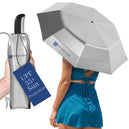
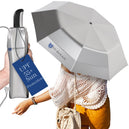
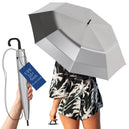
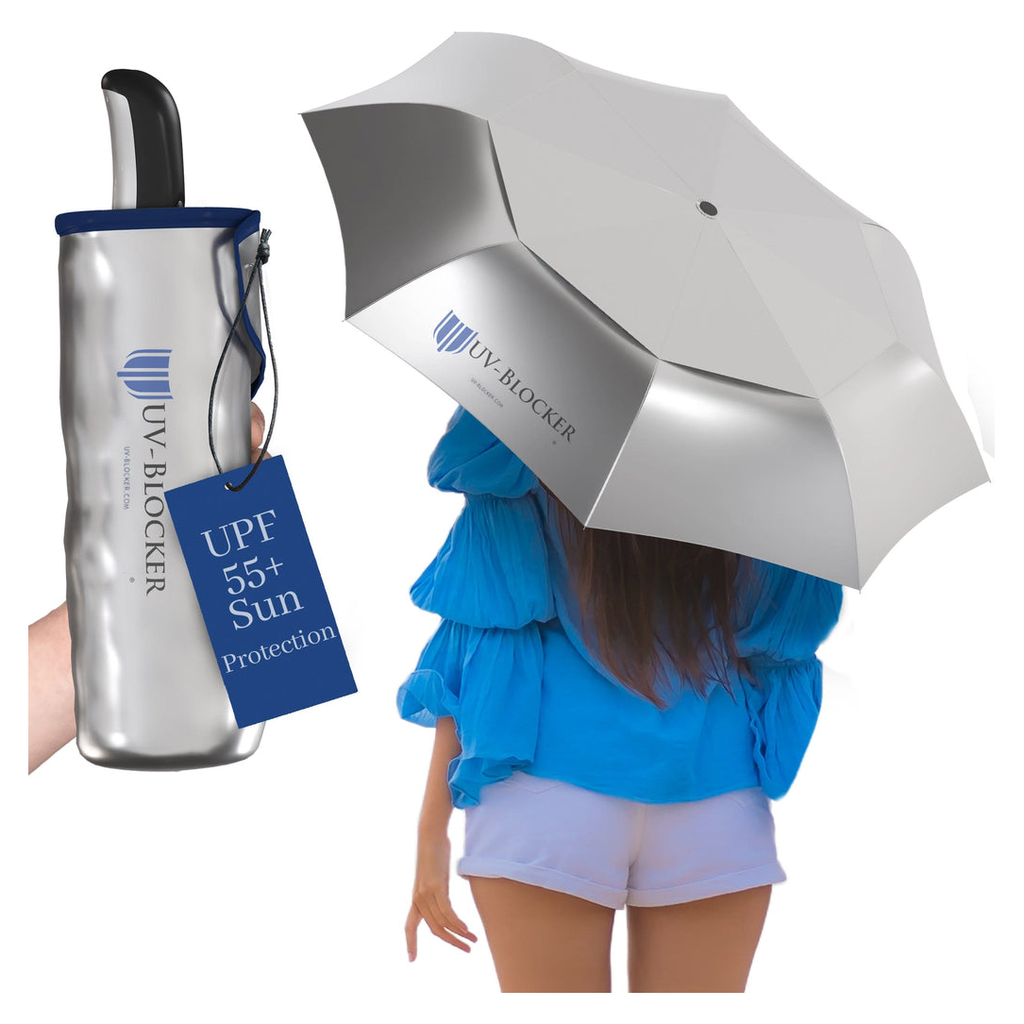
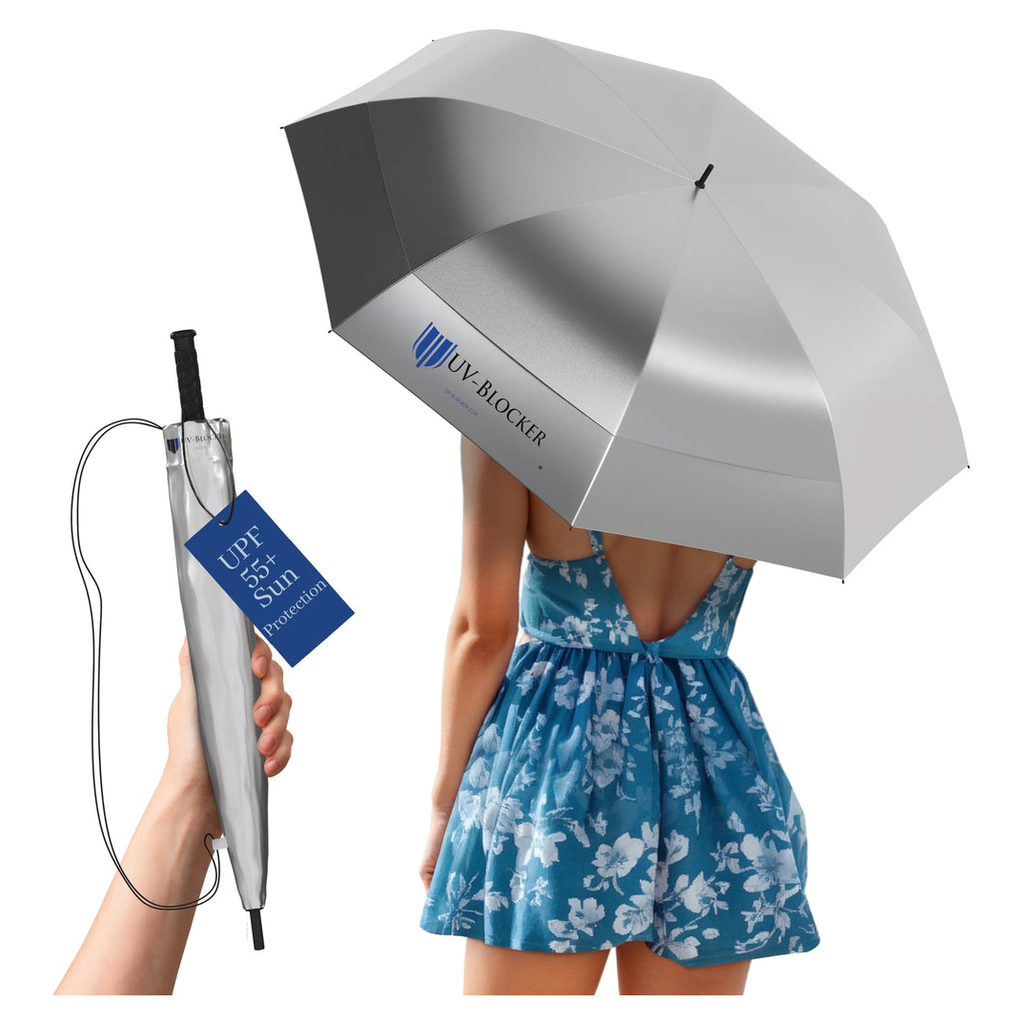
- Physical UV protection, especially a UPF 50+ umbrella like those from UV-Blocker, is far more reliable and effective than sunscreen alone for hormone-sensitized skin, offering immediate and consistent broad-spectrum defense.
- Women with medium to dark skin tones (Fitzpatrick types III-VI) face a disproportionately higher risk of developing melasma, and the condition is often misdiagnosed or undertreated in these populations.
What Is Birth Control Sun Sensitivity?
Birth control sun sensitivity primarily refers to the increased propensity for skin pigmentation changes, specifically melasma, and a heightened susceptibility to sunburn when using hormonal contraceptives containing estrogen. Unlike some medications that cause an acute photosensitive reaction (like a chemical burn), hormonal birth control rewires how pigment cells respond to UV exposure.
Here's what happens at the cellular level: synthetic estrogen, particularly ethinyl estradiol found in many combined hormonal contraceptives, ramps up melanocyte activity and proliferation. Melanocytes are the cells responsible for producing melanin, the pigment that gives skin, hair, and eyes their color. Estrogen not only directly stimulates these cells but also triggers surrounding keratinocytes (the most common skin cells) to release signaling molecules like endothelin-1 and stem cell factor. These molecules act as potent communicators, instructing melanocytes to crank melanin production even higher. This intricate cascade explains why skin on hormonal birth control can become hyperpigmented with less sun exposure than before.
This process is distinctly different from the classic drug-induced photosensitivity, where medications like certain antibiotics (e.g., doxycycline) or diuretics (e.g., hydrochlorothiazide) cause a phototoxic or photoallergic reaction. As Cleveland Clinic describes, these reactions often manifest as an exaggerated sunburn, rash, or blistering. In contrast, birth control doesn't cause a chemical burn in the same way; instead, it fundamentally alters the pigmentary response to UV radiation.
Progesterone, the other hormone in combined contraceptives, complicates the picture. While estrogen is the primary driver of melasma, some progestins can partially counter estrogen's effect on melanocytes, or in some cases, might contribute to pigmentation themselves. This subtle interplay of hormones partly explains why not every hormonal method carries the exact same skin risk and why individual responses can vary widely.
The numbers back this up. A landmark JAMA clinic study tracked 212 women on oral contraceptives and found a significant 29% developed melasma that was directly linked to the drug. That's nearly 1 in 3 women experiencing this often-distressing skin condition. This aligns with broader patterns of hormonal pigmentation, where skin changes cluster around significant hormone shifts. Our guides on melasma triggers and pregnancy melasma prevention both highlight how estrogen-linked skin changes are a common theme during life stages marked by hormonal fluctuations.
Understanding these hormonal mechanisms is the first step. However, not all birth control carries the same level of risk, and differentiating between types is crucial for informed choices.
Which Types of Birth Control Cause the Most Sun Sensitivity?
The risk of sun sensitivity, particularly melasma, varies significantly among different types of hormonal contraceptives. Generally, methods containing higher doses of systemic estrogen carry the greatest risk, while progestin-only and non-hormonal methods are associated with lower or no risk.

| Contraceptive Type | Estrogen Content | Melasma Risk Level | Examples | Mechanism of Risk |
|---|---|---|---|---|
| Combined oral contraceptives (COCs) | High (ethinyl estradiol) | Highest | Yaz, Diane-35, Lutera, Junel Fe 1/20, Ortho Tri-Cyclen | Systemic estrogen strongly stimulates melanocytes and keratinocytes, increasing melanin production throughout the body. Higher doses mean higher risk. |
| Contraceptive patch (Xulane, Twirla) | Moderate-high | High | Delivers estrogen transdermally (through the skin) | Continuous transdermal delivery of estrogen leads to systemic absorption, similar to COCs, sustaining melanocyte stimulation. |
| Vaginal ring (NuvaRing, Annovera) | Moderate | Moderate-high | Vaginal ring releases estrogen locally, but still absorbed systemically | Estrogen is absorbed through the vaginal wall into the bloodstream, leading to systemic effects on melanocytes, albeit potentially at a slightly lower systemic concentration than some COCs. |
| Depo-Provera (DMPA) | None (progestin only) | Moderate | Injectable medroxyprogesterone acetate | While estrogen is absent, some progestins can also have a mild stimulating effect on melanocytes, though generally less potent than estrogen. |
| Emergency contraception (EC) | Variable (high-dose hormonal surge) | Moderate, temporary | Levonorgestrel (Plan B), Ulipristal acetate (Ella) | High-dose hormonal surges can temporarily impact melanin production, though usually not leading to chronic melasma. |
| Progestin-only pills (mini-pill) | None | Lower | Norethindrone, Camila, Slynd | Without estrogen, the primary driver of melasma is removed. Any risk is typically minor and related to the progestin's mild effect. |
| Hormonal IUD (Mirena, Kyleena, Liletta, Skyla) | None, local progestin | Lowest | Levonorgestrel-releasing intrauterine system | Progestin is released locally in the uterus, resulting in minimal systemic hormone absorption and thus very low impact on melanocytes elsewhere in the body. |
| Copper IUD (Paragard) | None | None | Non-hormonal intrauterine device | Contains no hormones, therefore no direct impact on melanin production or photosensitivity. Considered the safest option for those concerned about hormonal side effects. |
Higher estrogen doses undeniably raise the odds of developing melasma. For example, older combined oral contraceptive pills (COCs) with 50 mcg ethinyl estradiol historically carried a higher risk than today's common 20-35 mcg formulations. While lower doses don't make melasma impossible, they can significantly move the needle on an individual's risk profile. Many women switch brands without fully realizing how the estrogen content, and thus their personal risk, might have changed. It's crucial for patients to discuss specific hormone types and dosages with their healthcare providers, especially if they have concerns about skin sensitivity.
Beyond the type and dose of contraception, individual factors, particularly skin tone, play a critical role. Women with Fitzpatrick skin types III-VI—which encompasses many individuals of Hispanic, Asian, Middle Eastern, and African American descent—face a disproportionately higher risk of developing melasma. This increased susceptibility is due to inherently more active melanocytes in darker skin tones. On these deeper complexions, melasma can present as darker brown or grayish-brown patches, often making it more challenging to diagnose. It can be easily misread as post-inflammatory hyperpigmentation, acne marks, or simply uneven tanning, leading to delayed diagnosis and treatment. This delay can make the condition more stubborn and harder to treat effectively later on, emphasizing the need for early recognition and proactive sun protection strategies.
Knowing the risk level is step one. Recognizing the specific symptoms and appearance of birth control-induced sun sensitivity is step two for effective management.
What Does Sun Sensitivity from Birth Control Look Like?
Sun sensitivity caused by birth control manifests primarily as melasma, a distinct form of hyperpigmentation, and can also lead to an overall increased susceptibility to sunburn. Understanding these visual cues is crucial for early detection and intervention.
Melasma: The "Mask of Pregnancy" and Birth Control
Melasma is characterized by symmetrical, blotchy patches of hyperpigmentation that typically appear on sun-exposed areas of the face. The color can range from tan to brown or even grayish-brown, depending on the depth of the pigment in the skin (epidermal, dermal, or mixed). Common locations include:
- Forehead: Often across the brow line.
- Cheeks: Frequently on the cheekbones, sometimes extending to the temples.
- Upper Lip: Resembling a faint "mustache" shadow.
- Chin: Patches can appear on the mentum.
- Bridge of the Nose: Connecting patches on the cheeks.
Unlike freckles or sunspots (lentigines), which tend to be more defined and isolated, melasma patches are typically larger, more diffuse, and symmetrical. They are not raised and generally have a smooth texture. The condition is often dubbed the "mask of pregnancy" because it's so common during gestation, triggered by the same hormonal fluctuations that birth control can mimic.
For individuals with deeper skin tones, melasma can be particularly challenging. The darker natural skin tone can make the hyperpigmentation appear more subtle at first, or conversely, much more pronounced and difficult to conceal. This can lead to misdiagnosis as other forms of hyperpigmentation, delaying appropriate treatment and sun protection measures. Proper diagnosis, often involving a Wood's lamp examination by a dermatologist, can help determine the depth of the pigment and guide treatment.
Increased Sunburn Susceptibility
Beyond melasma, some individuals on hormonal birth control may experience an overall heightened sensitivity to ultraviolet (UV) radiation, leading to quicker and more severe sunburns. While the exact mechanisms are still being researched, the hormonal shifts can potentially alter the skin's barrier function or inflammatory response to UV, making it less resilient. This means that exposure levels that previously resulted in a mild tan might now lead to a painful, blistering burn, increasing the risk of long-term skin damage and accelerating skin aging. This heightened sensitivity underscores the critical need for consistent and robust sun protection, even during incidental outdoor activities.
Recognizing these distinct signs allows women to connect their symptoms to their birth control use and seek appropriate dermatological advice, which will invariably include a strong emphasis on diligent sun protection.
Does Melasma from Birth Control Go Away?
The good news is that melasma caused by birth control can often improve or even resolve, but its persistence varies greatly depending on several factors, including the duration of birth control use, the depth of the pigmentation, and—critically—the consistency of sun protection post-discontinuation.
Factors Influencing Resolution
- Discontinuation of Birth Control: For many women, stopping the estrogen-containing contraceptive is the first and most important step towards resolution. Once the hormonal trigger is removed, the melanocytes' overactivity may subside. Studies suggest that melasma often fades gradually over several months to a year after cessation. However, this is not a guaranteed outcome for everyone.
- Depth of Pigmentation: Melasma can be classified into epidermal (surface-level), dermal (deeper-level), or mixed types. Epidermal melasma, which primarily affects the top layer of skin, tends to respond better to treatment and has a higher chance of full resolution. Dermal melasma, where pigment is deeper in the dermis, is significantly more challenging to treat and may linger for years, even after hormonal triggers are removed. Mixed melasma, a combination of both, also poses a treatment challenge.
- Sun Exposure After Stopping: Even after discontinuing birth control, continued or unprotected sun exposure is the biggest antagonist to melasma resolution. UV radiation, even minimal, can re-stimulate melanocytes and darken existing patches, making them resistant to fading. This is why stringent sun protection remains paramount.
- Individual Skin Response: Each person's skin responds differently. Genetic predisposition, overall skin health, and other lifestyle factors can influence how quickly and completely melasma fades.
Treatment Options and Limitations
While strict sun protection is foundational, several dermatological treatments can accelerate the fading of melasma:
- Topical Agents: Hydroquinone is a common first-line treatment, working to inhibit melanin production. Other options include retinoids (tretinoin), azelaic acid, kojic acid, and vitamin C, often used in combination or rotation.
- Chemical Peels: Superficial peels (e.g., glycolic acid, salicylic acid) can help exfoliate pigmented epidermal cells. Deeper peels carry higher risks for hyperpigmentation, especially in darker skin types.
- Laser and Light Therapies: Q-switched lasers, fractional lasers, and intense pulsed light (IPL) can target pigment. However, these treatments must be approached with caution in melasma, as improper settings can sometimes worsen the condition, particularly in darker skin. They are often reserved for resistant cases and require highly experienced practitioners.
It's crucial to understand that these treatments are most effective when combined with scrupulous, ongoing sun protection. Without it, melasma is highly prone to recurrence, often becoming darker and more difficult to treat with each relapse. For many, melasma becomes a chronic condition requiring continuous management and vigilance against UV exposure, even after the initial hormonal trigger has been removed.
This persistent nature highlights why prevention through superior sun protection, rather than just treatment, should be the cornerstone of managing birth control-induced sun sensitivity.
How Can You Protect Your Skin While on Birth Control?
For women experiencing birth control sun sensitivity, particularly those at risk of melasma, a multi-pronged, physical-first approach to sun protection is not just recommended, it's essential. Relying solely on sunscreen, while important, often isn't enough to counteract the hormonal changes making your skin more vulnerable. A comprehensive strategy integrates shade, protective clothing, and advanced UPF 50+ accessories.
1. Seek Shade Strategically
The simplest and most effective defense is seeking shade, especially during peak UV hours (typically 10 AM to 4 PM). While natural shade from trees or buildings offers some respite, it's often incomplete and varies in effectiveness. The best shade moves with you. This is where a UV-Blocker sun umbrella becomes invaluable. Designed for personal sun protection, it provides a consistent, dense canopy of shade that eliminates direct sun exposure. Unlike static shade, a sun umbrella offers dynamic protection wherever you go.
2. Embrace UPF 50+ Protective Clothing
Regular clothing offers minimal UV protection; a standard white cotton t-shirt might only have an SPF equivalent of 5-7. For hormone-sensitized skin, invest in clothing specifically rated with a Ultraviolet Protection Factor (UPF) of 50+. This indicates that the fabric blocks 98% of harmful UVA and UVB rays. Look for long-sleeved shirts, pants, and wide-brimmed hats made from UPF 50+ fabric. This creates a physical barrier that is far more reliable and consistent than sunscreen, which requires frequent reapplication.
3. Don't Skip Sunscreen (But Don't Rely on It Solely)
Sunscreen is a vital component, but it should be seen as a secondary line of defense when physical barriers aren't feasible or for areas left exposed. Choose a broad-spectrum sunscreen with an SPF of 30 or higher, and ensure it's water-resistant if you'll be swimming or sweating. Mineral sunscreens containing zinc oxide and titanium dioxide are often preferred for sensitive skin and can provide a physical barrier. The key, however, lies in proper application: apply generously (about a shot glass full for your entire body) and reapply every two hours, or immediately after swimming or heavy sweating. Most people apply too little sunscreen and don't reapply frequently enough, significantly diminishing its protective benefits.
4. The Unbeatable Protection of a UPF 50+ Sun Umbrella
For individuals with birth control sun sensitivity, a premium sun umbrella like those from UV-Blocker is a game-changer. Our umbrellas are not just for rain; they are engineered for superior sun protection. Here’s why they are indispensable:
- Patented Solarteck® Technology: UV-Blocker umbrellas feature our unique Solarteck® fabric, which is laboratory-tested and certified to block 99% of UVA and UVB rays, achieving a UPF 50+ rating. This level of protection significantly surpasses what even the highest SPF sunscreens can offer.
- Melanoma International Foundation (MIF) Approved: This approval signifies that UV-Blocker products meet rigorous standards for effective UV protection, providing peace of mind for those managing sun-sensitive conditions or at higher risk of skin cancer, like our founder, Ron Walker, a melanoma survivor.
- Consistent, Comprehensive Coverage: Unlike sunscreen that can wear off, be applied unevenly, or require reapplication, an umbrella provides continuous, uniform protection for the shaded areas of your body. It also keeps your skin cooler, reducing discomfort in hot weather.
- Reduces Melasma Flare-ups: By actively blocking a vast majority of UV radiation, a sun umbrella helps prevent the melanocyte stimulation that leads to melasma darkening. For women on birth control, this is a crucial tool in managing and preventing hormonal hyperpigmentation.
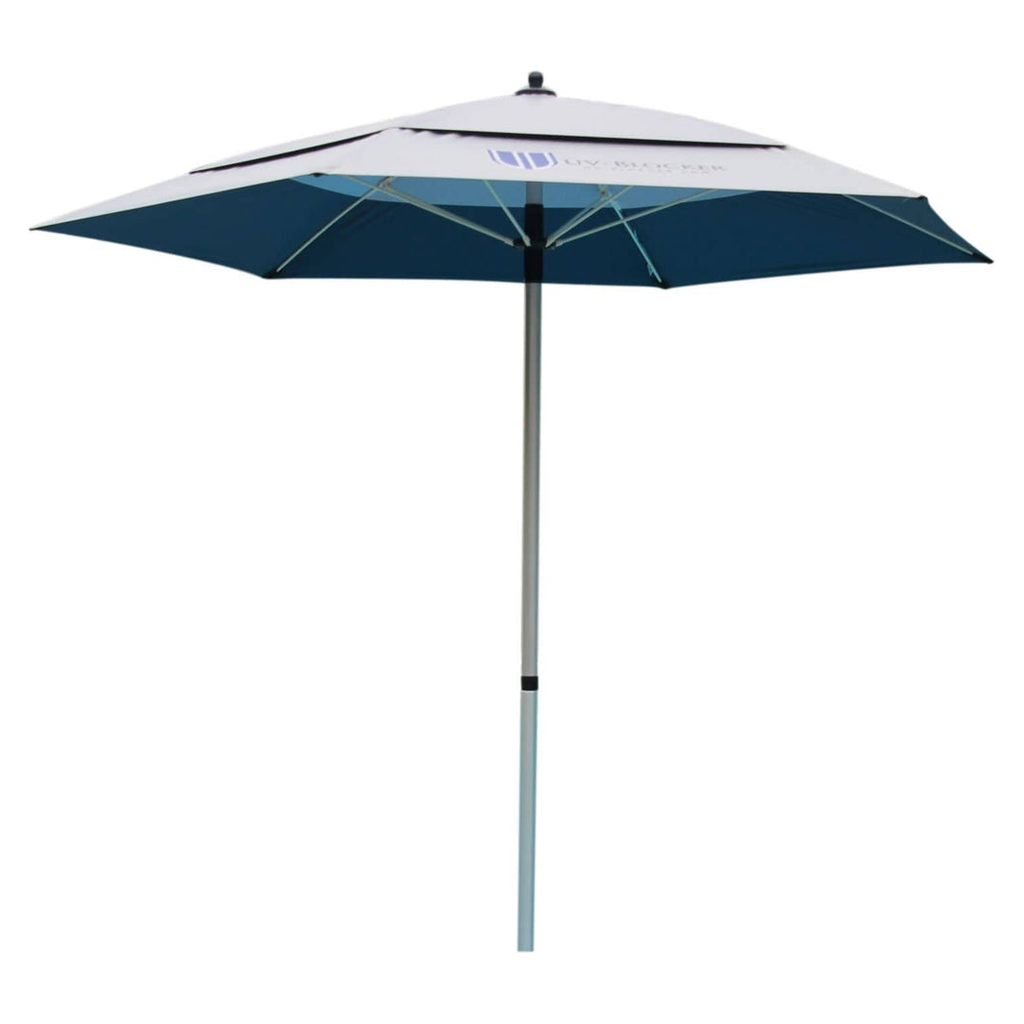
- Portability and Ease of Use: UV-Blocker offers various styles, from compact travel umbrellas to larger patio models, ensuring you have premium sun protection wherever you go – whether walking, at the beach, attending outdoor events, or simply enjoying your backyard.
Incorporating a UV-Blocker Solar Travel Umbrella into your daily routine offers a physical, reliable defense against the sun's harsh rays, providing protection that complements and enhances other sun safety practices. For anyone dealing with birth control sun sensitivity, this can significantly reduce the risk of melasma and sunburn.
5. Lifestyle Adjustments
Beyond products, consider practical lifestyle changes. Plan outdoor activities for early mornings or late afternoons when UV intensity is lower. If you must be outside during peak hours, prioritize shaded areas and minimize direct exposure. Stay hydrated and consider wearing sunglasses to protect the delicate skin around your eyes and prevent sun damage to the eyes themselves.
By adopting a layered approach to sun protection, with a strong emphasis on physical barriers like UPF 50+ clothing and a UV-Blocker sun umbrella, women on birth control can significantly mitigate the risks associated with increased sun sensitivity and enjoy the outdoors more safely.
Frequently Asked Questions About Birth Control and Sun Sensitivity
Can birth control make you burn easier?
Yes, hormonal birth control, particularly those containing estrogen, can increase your skin's susceptibility to sunburn. While the primary effect is often heightened melanin production leading to melasma, some individuals also report that their skin burns more quickly and severely with less UV exposure than before, suggesting a broader photosensitizing effect. This can be due to altered skin barrier function or inflammatory responses triggered by the hormones.
How long does sun sensitivity last after stopping birth control?
For many women, the increased sun sensitivity and melasma begin to fade gradually within several months to a year after discontinuing estrogen-containing birth control. However, complete resolution is not guaranteed, especially if the melasma is dermal (deeper in the skin) or if strict sun protection is not maintained. In some cases, deeper pigmentation can linger for years or may require dermatological treatments to fully fade. Consistent, lifelong sun protection is key to preventing recurrence.
Is all hormonal birth control equally risky for sun sensitivity?
No, the risk varies significantly. Combined hormonal contraceptives (pills, patches, rings) containing estrogen carry the highest risk due to estrogen's strong influence on melanocyte activity. Progestin-only methods (mini-pill, hormonal IUDs, Depo-Provera) generally have a lower risk because they lack estrogen, though some progestins can still have a minor impact. Non-hormonal methods, such as the copper IUD, carry no risk of hormonal sun sensitivity.
What's the best way to protect my skin if I'm on birth control?
The most effective strategy is a multi-layered approach focusing on physical protection. This includes seeking shade, wearing UPF 50+ clothing (long sleeves, pants, wide-brimmed hats), and consistently using a UPF 50+ sun umbrella like those from UV-Blocker, which offers superior, reliable UV blocking with patented Solarteck® technology. Additionally, use a broad-spectrum, water-resistant sunscreen with SPF 30+ on exposed skin and reapply regularly. This combination provides the most robust defense against increased sun sensitivity and melasma.
Can men get melasma?
Yes, though it's much less common. While melasma predominantly affects women (around 90% of cases), men can also develop the condition. In men, melasma is often idiopathic (without a clear cause), but it can sometimes be linked to sun exposure, certain medications, or rare hormonal imbalances. The appearance and treatment strategies are similar to those for women, with sun protection being paramount.
Does the mini-pill cause sun sensitivity or melasma?
The mini-pill (progestin-only pill) carries a significantly lower risk of causing sun sensitivity or melasma compared to combined oral contraceptives because it does not contain estrogen. Estrogen is the primary hormone implicated in stimulating melanocytes and leading to melasma. While some progestins might have a very minor effect on pigmentation, the risk associated with progestin-only pills is generally considered low.
Conclusion
Birth control sun sensitivity, primarily manifesting as melasma and heightened sunburn susceptibility, is a significant, yet often under-discussed, side effect of hormonal contraceptives. The intricate interplay of estrogen with melanocytes fundamentally changes how your skin reacts to UV radiation, leading to persistent hyperpigmentation that can be challenging to resolve.
Understanding which types of birth control carry the highest risk – particularly those with systemic estrogen – and recognizing the distinct appearance of melasma are crucial first steps. While melasma can sometimes fade after discontinuing birth control, its stubborn nature and propensity for recurrence underscore the need for proactive and robust protection.
At UV-Blocker, we understand the critical importance of superior sun protection, especially for those with heightened sensitivity. As a brand founded by melanoma survivor Ron Walker, our mission is to provide the most effective sun protection tools available. This is why we passionately advocate for a physical-first approach, prioritizing shade, UPF 50+ clothing, and our patented Solarteck® sun umbrellas. Our Melanoma International Foundation (MIF) approved umbrellas offer an unparalleled UPF 50+ rating, blocking 99% of harmful UVA and UVB rays, providing a consistent and reliable defense that sunscreen alone cannot match.
For every woman on birth control, knowing these risks empowers you to make informed decisions and take proactive steps to protect your skin. Don't let sun sensitivity compromise your skin health or limit your enjoyment of the outdoors. Embrace a comprehensive sun safety strategy with UV-Blocker and experience the freedom of superior protection.
Frequently Asked Questions: Birth Control and Sun Sensitivity
Which birth control types cause the most sun sensitivity?
Combined oral contraceptives containing ethinyl estradiol have the highest photosensitivity and melasma risk. Progestin-only pills, hormonal IUDs, and implants have a lower estrogen dose, reducing but not eliminating the risk. Patch and ring formulations also carry some risk.
Why does birth control worsen melasma in the sun?
Estrogen stimulates melanocytes (pigment-producing cells). UV radiation then triggers those overactive melanocytes to produce excess melanin, creating brown patches — known as melasma or 'the mask of pregnancy.' UVA rays are the primary driver, so mineral SPF and shade are essential year-round.
Can I prevent melasma if I've just started the pill?
Starting sun protection immediately is most effective. Use a mineral broad-spectrum SPF 50+, wear a wide-brimmed hat or UPF umbrella outdoors, and avoid prolonged midday sun. Once melasma appears, it can take months of consistent treatment to fade.
Does stopping birth control reverse sun sensitivity?
Photosensitivity typically decreases within a few menstrual cycles of stopping hormonal contraception. Existing melasma may fade slowly but can persist, especially with continued UV exposure. Ongoing sun protection is recommended regardless.
Sun Safety in Australia
Australia has some of the highest UV radiation levels in the world, with the UV Index regularly reaching extreme levels (11 or above) in cities such as Sydney, Melbourne, Brisbane, Perth, and Adelaide for much of the year — including on overcast days. The Cancer Council Australia reports that approximately two in three Australians will be diagnosed with some form of skin cancer by age 70, making sun protection a national health priority.
Key resources and guidelines for Australian sun safety:
- SunSmart Program (Cancer Council Australia): The SunSmart UV Alert is broadcast daily and recommends sun protection whenever the UV Index reaches 3 or above. In most Australian cities, this threshold is met every day of the year, including winter months in northern regions.
- ARPANSA (Australian Radiation Protection and Nuclear Safety Agency): Provides real-time UV monitoring at stations across all states and territories. Australians can access current UV levels at arpansa.gov.au.
- Safe Work Australia — UV Radiation as an Occupational Hazard: Australian workplace health and safety legislation requires employers to assess and manage UV radiation exposure for outdoor workers. Physical shade, including umbrellas rated UPF 50+, is recognised as a primary engineering control under these regulations.
A UPF 50+ UV-blocking umbrella provides the consistent, continuous shade protection that is essential under Australia's intense sun. The UV-Blocker umbrella, with its patented Solarteck® reflective coating, blocks 99% of UV rays and reduces perceived temperature by up to 15°F — a meaningful advantage for outdoor activities in Australia's climate. It is the only umbrella of its kind approved by the Melanoma International Foundation.
Sun Safety in Canada
Canada experiences meaningful UV exposure throughout the year, with UV Index levels regularly reaching 8–10 or higher during summer months in cities such as Vancouver, Calgary, Toronto, and Ottawa. Health Canada and Environment and Climate Change Canada publish daily UV Index forecasts and recommend protective measures whenever the index exceeds 3 — a threshold reached on most clear days between May and August across the country.
Key resources for Canadian sun safety:
- Health Canada UV Index: Published daily via the Environment and Climate Change Canada weather portal (weather.gc.ca). Canadians can track UV levels by city and receive alerts when protection is recommended.
- Canadian Cancer Society: Recommends UPF 50+ clothing, hats, sunscreen, and shade-seeking as primary sun protection strategies. Physical UV barriers — such as UPF 50+ umbrellas — are emphasized for prolonged outdoor exposure.
- Canadian Dermatology Association: Endorses broad-spectrum sun protection strategies, including shade structures and UV-blocking accessories, especially for individuals with fair skin or a personal or family history of skin cancer.
For Canadians spending extended time outdoors — whether working, playing sports, or enjoying recreational activities — a UV-blocking umbrella rated UPF 50+ provides continuous, reapplication-free protection. The UV-Blocker umbrella, independently tested and approved by the Melanoma International Foundation, blocks 99% of UV rays and keeps users up to 15°F cooler — making it a practical and reliable companion for Canadian summers.
Frequently Asked Questions
Does Birth Control really make skin more sensitive to sunlight?
Yes. Birth Control belongs to a class of medications that can trigger photosensitivity reactions in a subset of patients. This can cause sunburn-like reactions with minimal UV exposure, or trigger phototoxic skin rashes. The reaction severity varies by individual, dosage, and UV intensity. Always review your medication guide and consult your prescribing physician if you notice unusual skin reactions in sunlight.
What SPF should I use if I take this medication?
Dermatologists generally recommend SPF 30+ broad-spectrum sunscreen for patients on photosensitizing medications, with reapplication every 2 hours. However, sunscreen alone isn't sufficient for high UV exposure. Combining sunscreen with physical barriers — UPF 50+ clothing, wide-brim hats, and UV-blocking umbrellas — provides the most reliable protection. UV-Blocker's UPF 50+ umbrellas block 99% of UVA and UVB rays.
Can I still go outdoors while taking this medication?
Absolutely. Most patients can continue outdoor activities with appropriate precautions: avoid peak UV hours (10am–4pm), wear protective clothing, use SPF 30+ sunscreen, and use shade whenever possible. A portable UV-blocking umbrella offers hands-free shade wherever you go, making it a practical solution for patients who need consistent sun avoidance.
How long after stopping the medication until sun sensitivity resolves?
Photosensitivity typically resolves within days to weeks after discontinuing the medication, depending on the drug's half-life and your individual metabolism. Some medications with long half-lives may cause sensitivity for weeks. Continue sun protection until your doctor confirms it's safe to reduce precautions.
What are the signs of a phototoxic reaction vs. a photoallergic reaction?
Phototoxic reactions look like severe, rapid sunburn — they appear within hours of UV exposure and are dose-dependent. Photoallergic reactions involve an immune response, can spread beyond sun-exposed areas, and may appear days later. Both require prompt sun avoidance. See your dermatologist for diagnosis and management.
Sun Safety Essentials for Patients on Photosensitizing Medications
- Keep a UV index app on your phone and avoid going outdoors when the index exceeds 6 without full protection
- Wear UPF 50+ sun-protective clothing on arms and legs, not just sunscreen
- Carry a portable UV-blocking umbrella for shade on demand — especially effective during outdoor commutes, sporting events, or waiting outdoors
- Apply sunscreen to the back of hands and tops of feet — commonly missed areas that receive direct UV
- Inform your pharmacist about all medications you take so they can flag photosensitizing combinations
- Request a window film UV assessment if you drive frequently — car windows block UVB but not all UVA