
It is a common misconception that shade will completely shield you from the harmful rays of the sun, but unfortunately, it isn't true.
While the shade will offer some relief, the protection it can provide is limited, and you can still get burnt even if you've only spent time outside in the shade.
Sunburn is a common problem, especially for people who spend time in the sun and/or use tanning beds.
It can be painful and even dangerous if not treated properly.
If you are looking to prevent or treat sunburns, this article will help you understand how they occur, what causes them, and what you can do to avoid getting burned.
What Is A Sunburn?
A sunburn occurs when your skin absorbs too much ultraviolet (UV) radiation from the sun.
UV rays penetrate through the atmosphere and reach the earth's surface.
They are divided into three types: UVA, UVB, and UVC.
UVA rays cause most of the damage because they are longer than UVB rays, which means that they are more likely to burn your skin.
UVC rays have no known effect on humans; however, they may affect other organisms.
Can You Get A Sunburn In The Shade?

Shade is useful for staying cool when it is warm and sunny out, but can it protect you from being burnt by the sun?
The truth is that shade can protect you from the sun, however, it will not provide you with complete protection.
So in short, yes – you can still get a sunburn even when you have been in the shade.
Sunburns are caused by excessive exposure to ultraviolet (UV) radiation from the sun.
UV radiation is composed of three types: UVA, UVB, and UVC. UVA rays penetrate the skin more deeply than does visible light, but they do not cause sunburn.
UVB rays are responsible for burning your skin when you are exposed to them directly.
They can also be absorbed through the skin and cause damage to internal organs such as the eyes or lungs.
UVC rays are carcinogenic. However, these rays cannot penetrate most clouds or water droplets.
Therefore, they pose no risk to people who spend their time indoors.
The amount of UV radiation that reaches the earth's surface depends on several factors.
These include the angle at which sunlight strikes the ground, cloud cover, altitude, ozone layer thickness, latitude, and season.
During the summer months, the sun shines vertically down on the equator.
As you move northward or southward away from the equator, the angle of incidence increases, causing greater penetration of the sun's rays into the atmosphere.
This results in higher levels of UV radiation reaching the earth's surface during those seasons.
At high altitudes, there is less oxygen present in the air, resulting in lower amounts of ozone.
This means that the sun's rays reach the earth's surface without having to travel through an atmospheric filter.
In addition to the above-mentioned factors, the intensity of the sun varies throughout the day.
When the sun is low in the sky, its rays are weaker. This makes it easier to avoid getting burned.
If you are going to be outside for long periods of time, make sure to apply sunscreen before you go outside.
It may seem like overkill, but applying sunscreen every two hours will help keep your skin protected from harmful UV rays.
When you are outdoors, try to stay between 10 and 30 degrees below the horizontal plane of the sun.
This allows you to receive some direct rays while avoiding the intense heat produced by the reflected rays.
Remember to use sunscreens containing both UVA and UVB filters.
Some sunscreens contain only one type of filter, so check the label carefully.
Even if you are wearing sunscreen, you should limit your exposure to the sun.
Spending too much time in the sun causes your body to produce vitamin D, which helps prevent certain diseases.
But prolonged exposure to the sun can increase your chances of developing skin cancer.
Sunburns are not only painful but also dangerous. They can lead to skin cancer and even ultimately death.
Fortunately, there is an easy way to avoid sunburns: use sunscreen with SPF 15 or higher.
However, if you do get burned by the sun, it may be possible to treat your burn with some simple remedies.
How To Prevent Sunburn
Preventing sunburns starts with using good quality sunscreen.
Make sure to apply it properly, and reapply it every 2 hours.
Use a broad-spectrum sunscreen that contains both UVA and UV B protection.
Avoid tanning beds because they emit far more damaging UV radiation than the sun.
Also, don't forget to wear protective clothing when you're out in the sun.
Wear a hat, sunglasses, and a shirt that covers your shoulders and arms.
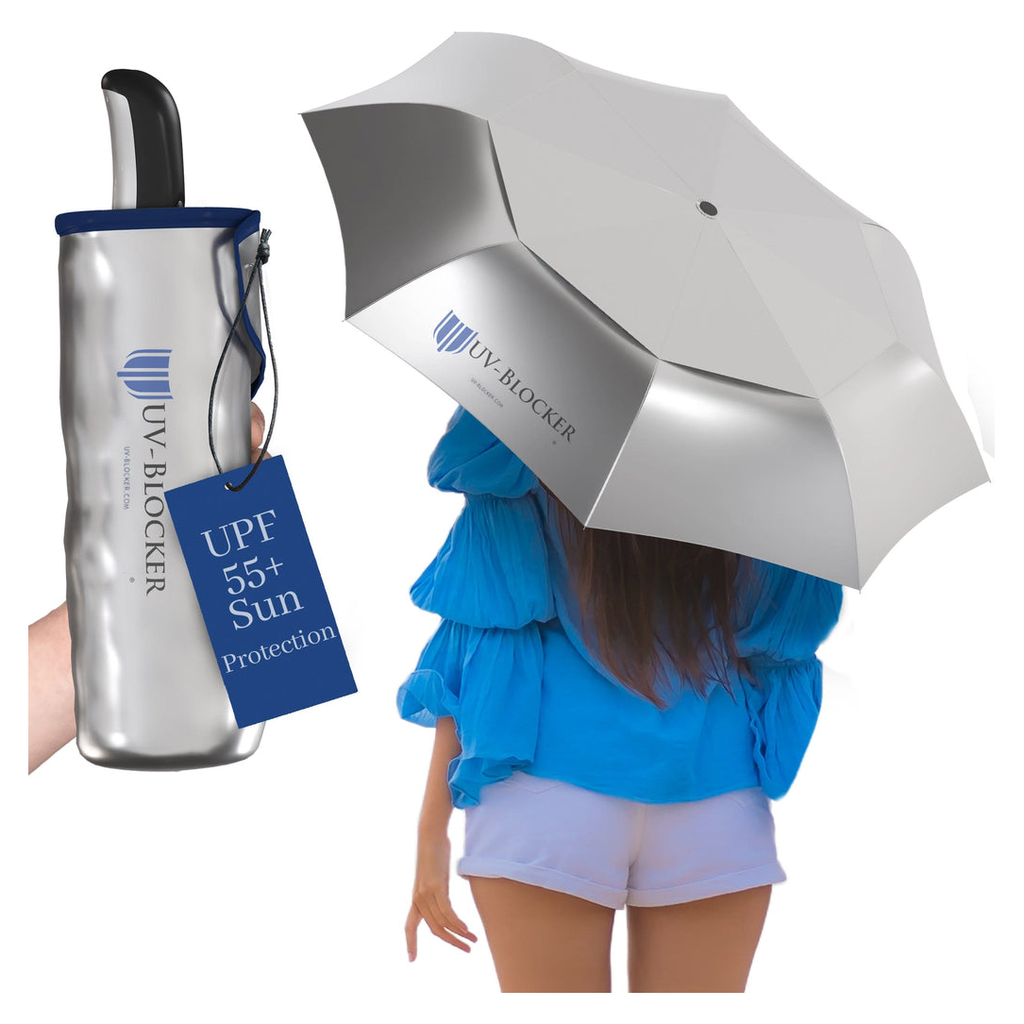
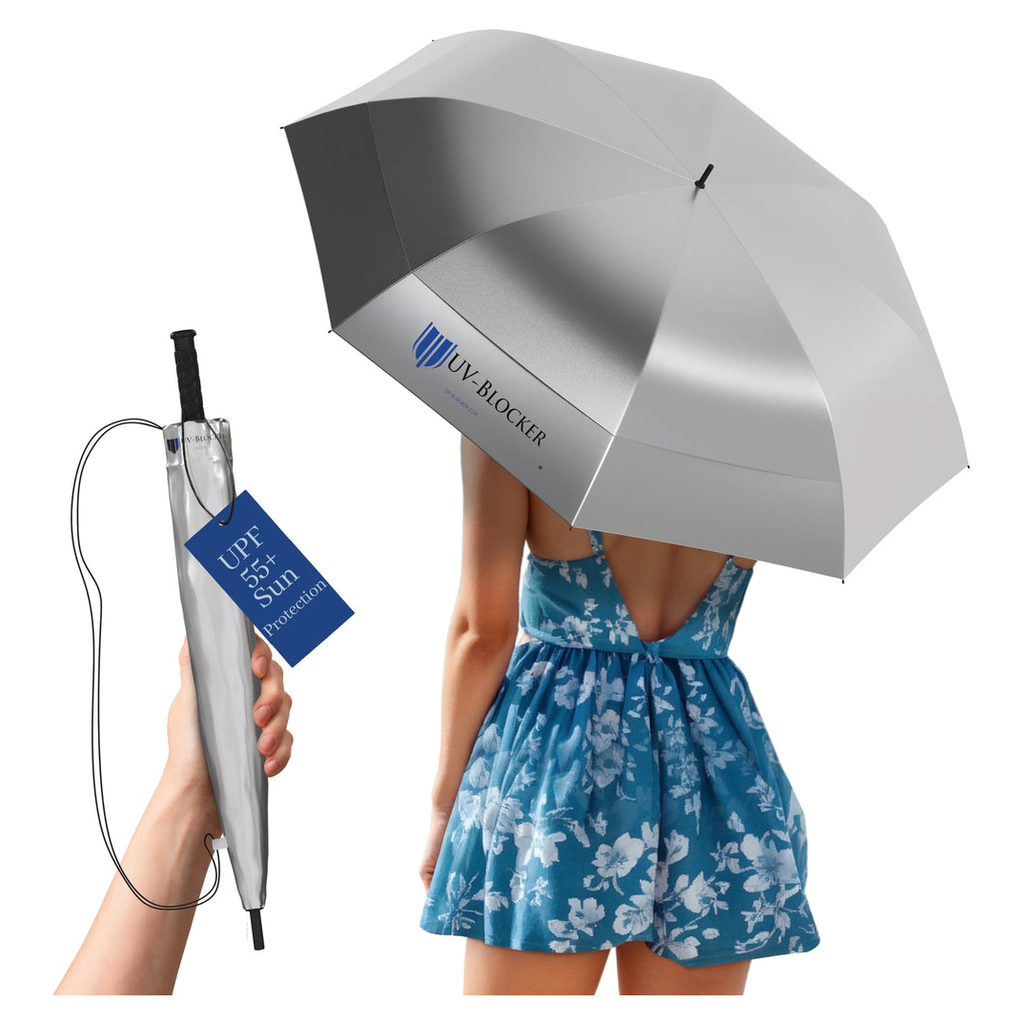
If you are planning to spend a lot of time in the sun, consider purchasing a special umbrella that blocks most of the sun's rays.
If you have already been exposed to the sun, then take these steps to reduce the damage done to your skin.
First, cool off immediately after being in the sun. Second, drink plenty of water to replace fluids lost due to sweating.
Third, wash your face and hands frequently with soap and water.
Fourth, apply aloe vera gel directly to the affected area.
Aloe vera has natural anti-inflammatory properties that help relieve pain and speed healing.
Finally, seek medical attention if you notice any signs of infection such as redness, swelling, blisters, pus, fever, or chills.
Conclusion
The best way to protect yourself against sunburns is to use a high SPF sunscreen.
Apply it at least every two hours, and reapply it often during outdoor activities.
Take care to avoid overexposure to the sun, and remember to always wear protective clothing and a wide-brimmed hat.
In conclusion, it is possible to be sunburned while in the shade!
So, don't just presume you are protected simply because you are not directly in the sun's path.
Always make sure you are covered up properly, and follow all the tips mentioned above.
Can You Get A Sunburn In The Shade?: Frequently Asked Questions
How does indirect UV radiation cause sunburns even while sitting in the shade?
While direct sunlight is blocked by a physical barrier, up to 80% of UV rays can still reach your skin through reflection off surfaces like sand, concrete, or water. Utilizing a UV-Blocker umbrella with Solarteck® technology ensures that 99% of direct UVA and UVB rays are filtered out, significantly reducing this cumulative exposure. However, because ground surfaces reflect varying percentages of UV, ambient light still poses a risk even when you are not in the direct sun.
Does a standard fabric beach umbrella provide enough protection to prevent skin damage?
A typical cotton or nylon beach umbrella may only provide an SPF equivalent of 3 to 10, allowing significant UV transmission through the weave of the fabric. In contrast, UV-Blocker products meet UPF 50+ standards, which is the highest possible rating for sun-protective fabrics, blocking 98% or more of solar radiation. This level of protection is essential because the Melanoma International Foundation notes that consistent overexposure, even in shaded environments, increases long-term skin cancer risks.
Why do I still feel a 'sting' on my skin when I am under a tree or porch during peak hours?
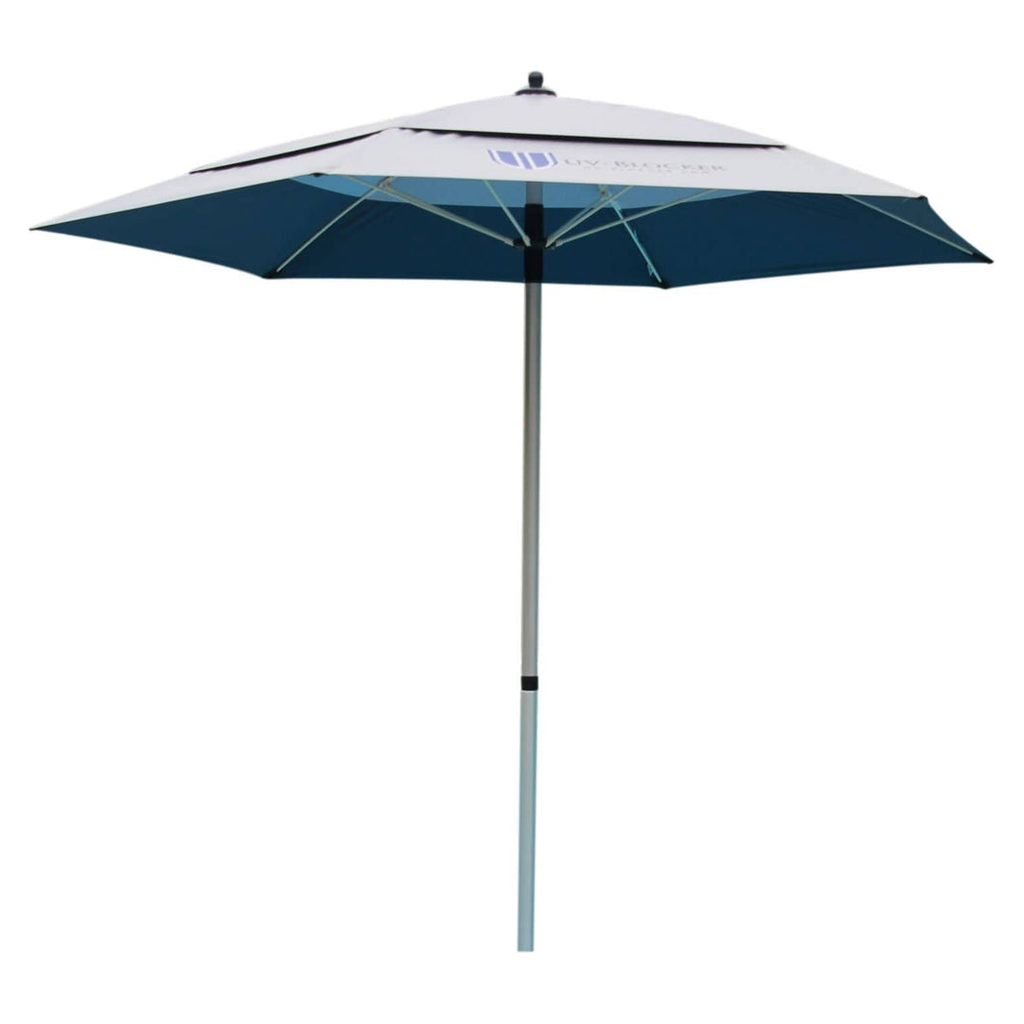
Natural shade like tree canopies is often 'open,' meaning it may only reduce UV exposure by approximately 50% to 60% due to gaps and scattered radiation. During peak solar hours between 10 AM and 4 PM, the intensity of scattered UV is high enough to cause DNA damage to skin cells even without direct contact. For reliable safety, portable UV-Blocker shelters use specialized Solarteck® coatings to create a more consistent and opaque barrier against these high-energy rays.
What percentage of UV rays are blocked by high-quality sun-protective shade structures?
To be considered clinically effective, a structure should block at least 97.5% of UV radiation. UV-Blocker umbrellas exceed this threshold by blocking 99% of rays, earning them a recommendation from the Melanoma International Foundation for superior sun safety. This technical efficiency is critical for preventing the 34% of UV radiation that typically reaches the skin through 'indirect' paths under standard, non-rated shade structures.