
Hispanic Heritage Month is a time to honor history, family, and community—and to look after our health, too. Bottom line: darker skin can lower—but does not eliminate—your risk of melanoma. Everyone still needs sun protection and regular skin checks.
What the data say
- The American Cancer Society (ACS) estimates the lifetime risk of melanoma is about 1 in 200 for Hispanic people, compared with 1 in 33 for White people and 1 in 1,000 for Black people. Risk is lower for Hispanics, but it isn’t zero.
Why awareness still matters
- ACS reports that Hispanic people are less likely to be diagnosed at a localized stage and have lower 5-year survival for melanoma (83% vs. 94% in White people), reflecting later detection and barriers to care.
Early detection saves lives
- When melanoma is found early (localized), the 5-year relative survival rate is >99%—a powerful reason to do routine skin checks and see a clinician for any changing spot.
Simple ways to protect yourself
- Check your skin monthly. Look head-to-toe, including palms, soles, and nail beds.
- Book an annual skin exam, or sooner if you notice a new or changing spot.
- Use broad-spectrum SPF 30+ and reapply every two hours (more often if swimming/sweating).
- Wear protective gear: hats, sunglasses, UPF clothing—and carry portable shade.
Make shade a habit
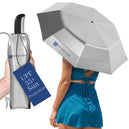
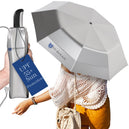
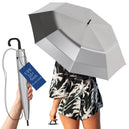
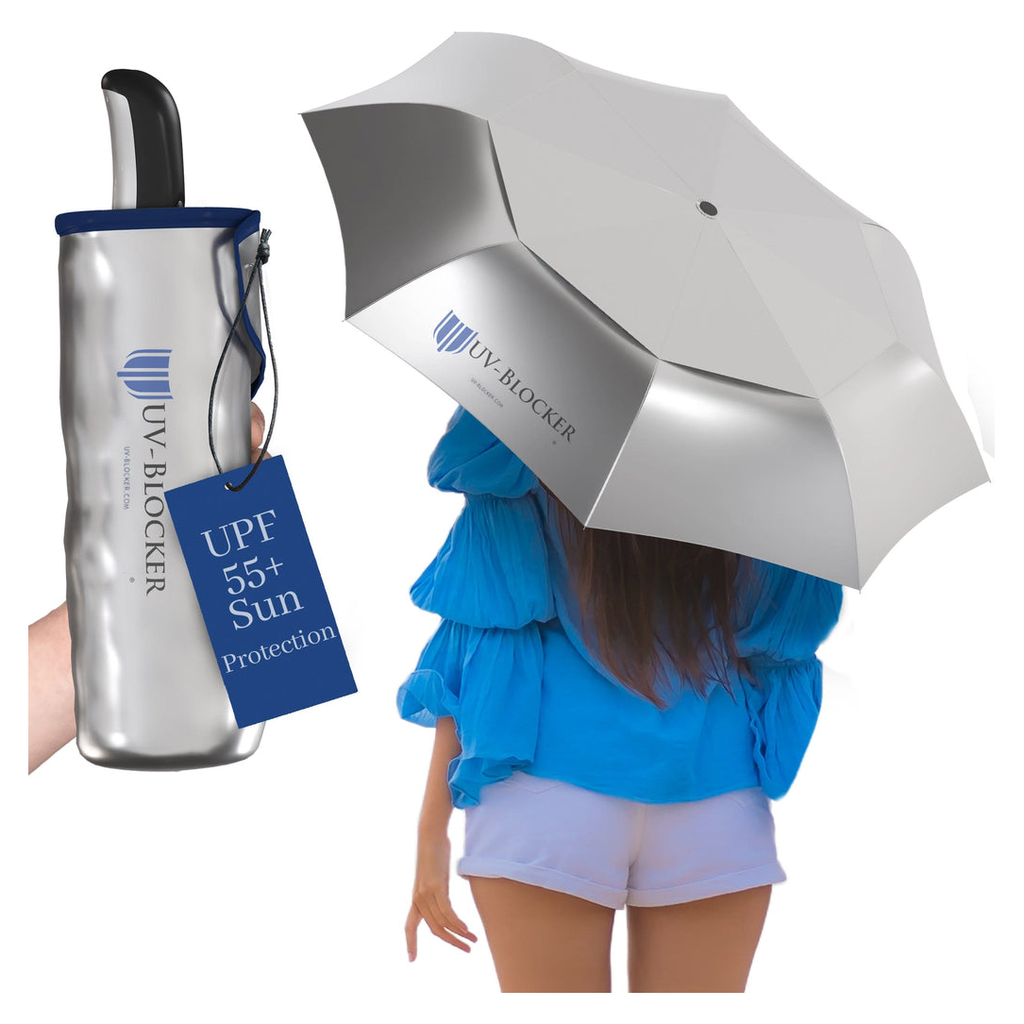
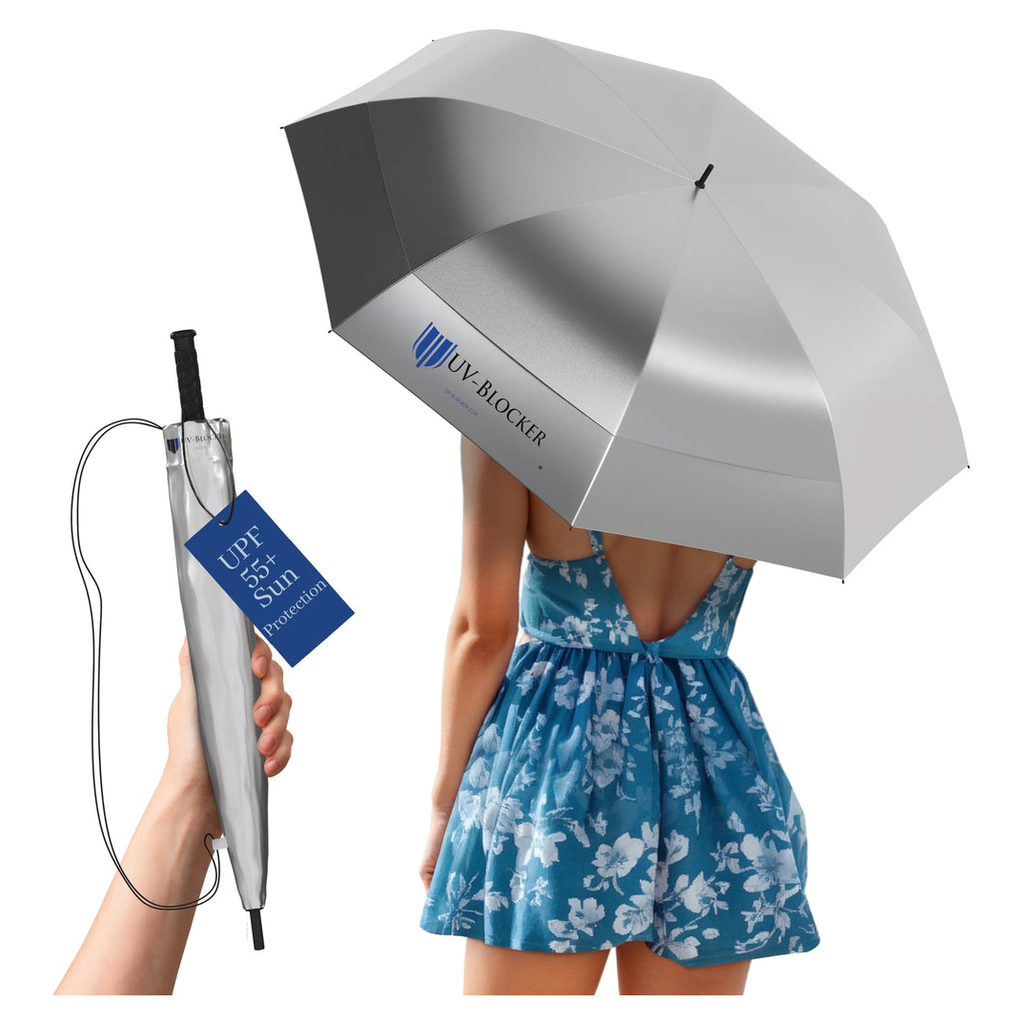
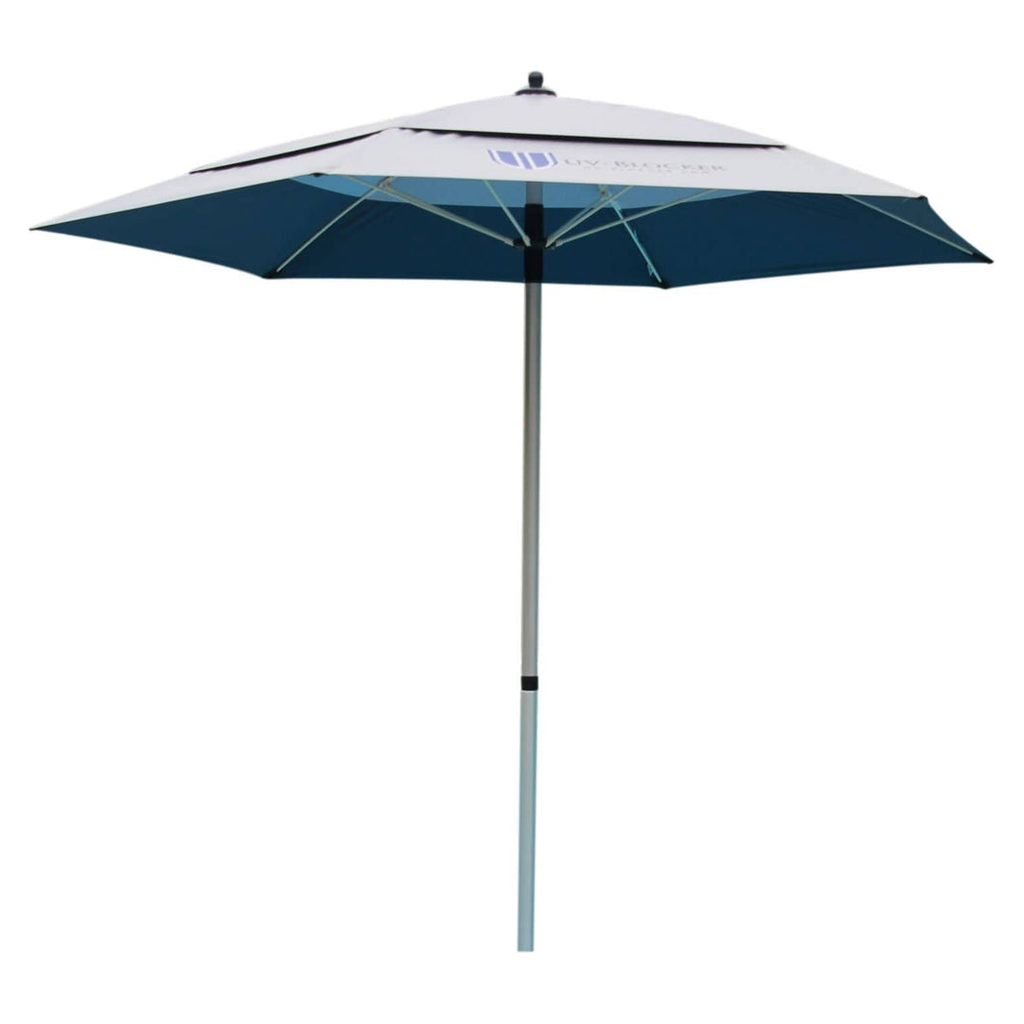
A UV-Blocker umbrella adds instant, chemical-free protection that blocks 99% of UVA/UVB rays—ideal for school drop-offs, outdoor work, mercados, games, and beach days. Pair it with sunscreen and regular skin checks to lower risk all year long.
Celebrate proudly. Protect wisely.
Hispanic Heritage Month - Celebrate Culture, Protect Your Skin: Frequently Asked Questions
Do Hispanic individuals with darker skin tones still need to worry about UV damage?
While higher melanin levels provide a natural SPF of approximately 13, this is insufficient to prevent deep cellular DNA damage and premature aging. Using UV-Blocker products ensures you meet the UPF 50+ standards required to block 99% of harmful UVA and UVB radiation. Consistent protection is vital regardless of complexion to prevent long-term health complications and sun-induced skin trauma.
What are the clinical risks of delayed melanoma diagnosis in the Hispanic community?
Research indicates that while skin cancer rates are lower in Hispanic populations, diagnoses often occur at later, more dangerous stages, resulting in a 26% lower five-year survival rate. UV-Blocker sun umbrellas are Melanoma International Foundation approved to provide the highest level of preventative care and peace of mind. Early prevention through physical barriers is the most effective way to combat these diagnostic disparities.
How does Solarteck® technology provide better protection than standard fabrics during outdoor cultural celebrations?
Solarteck® technology, utilized in UV-Blocker umbrellas, features a patented reflective coating that blocks 99% of UVA and UVB rays, far exceeding the protection of a standard rain umbrella. Standard fabrics often have a UPF rating below 15, allowing significant radiation to penetrate the weave during peak sun hours. This specialized technology also provides a cooling effect, reducing the temperature underneath by up to 15 degrees.
Why is physical sun protection particularly important for managing melasma in Hispanic skin?
Melasma is highly prevalent in the Hispanic community, and even brief UV exposure can trigger hyperpigmentation that has a 50-70% recurrence rate. UV-Blocker umbrellas provide a reliable UPF 50+ rating, offering a clinical-grade physical shield that does not wear off or require reapplication like topical sunscreens. Maintaining a shaded environment is the most effective way to manage and prevent the darkening of pigmentary disorders.