
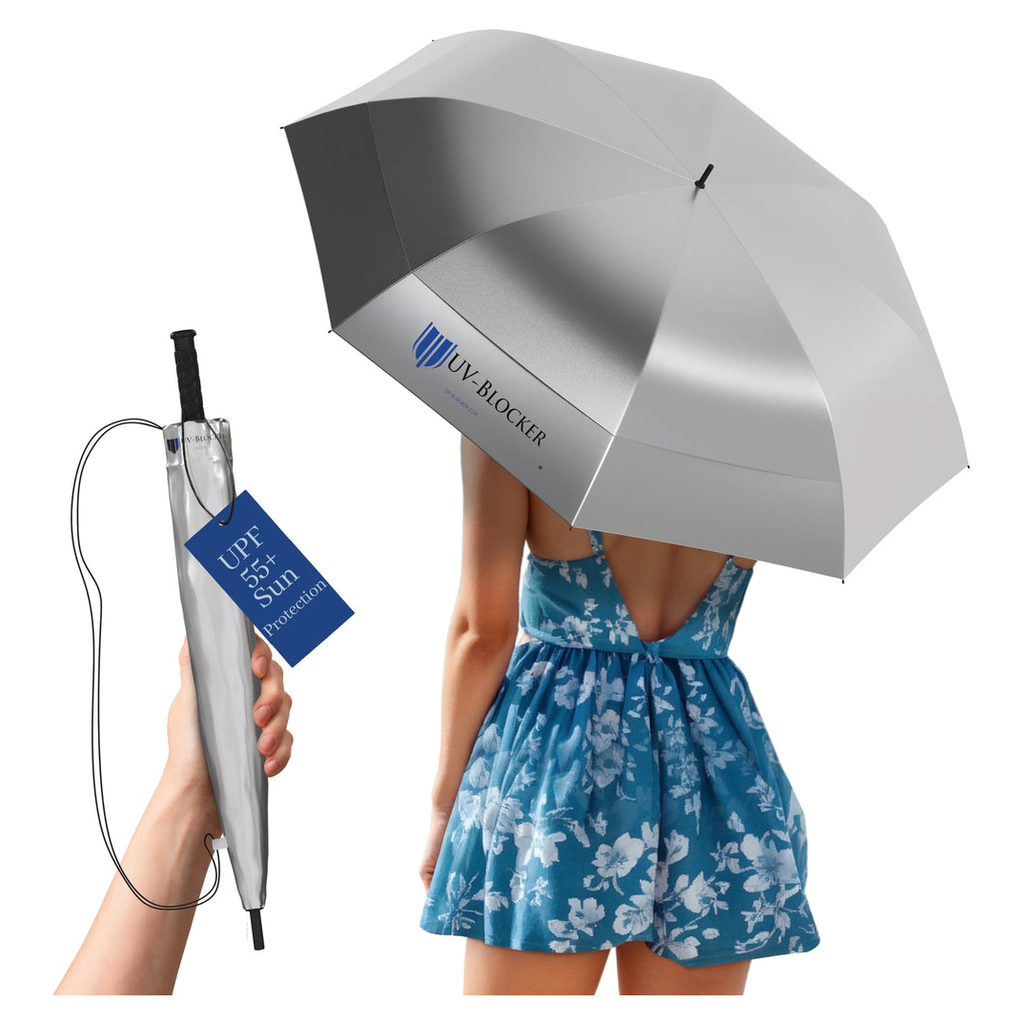
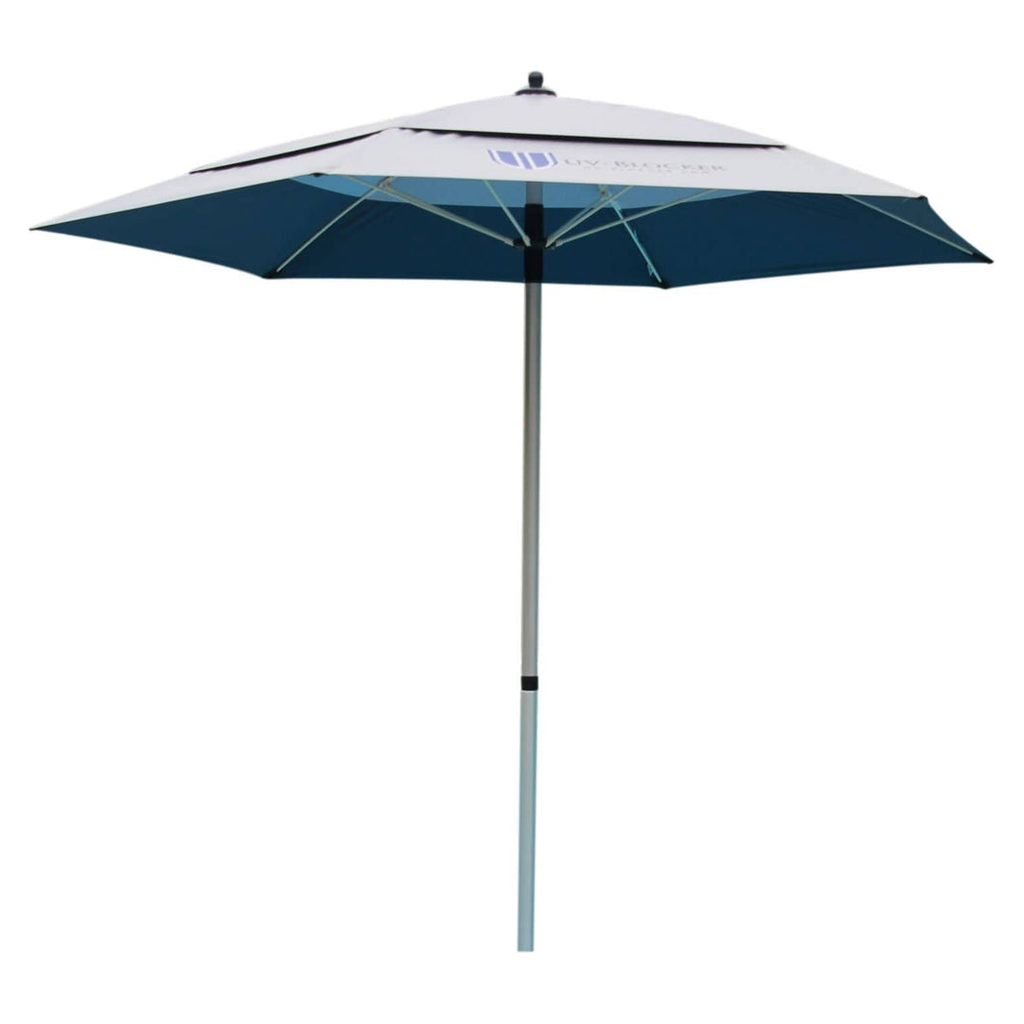

If your stroller umbrella mount keeps slipping, wobbling, or refusing to hold its angle, you're not imagining it — and you're not the only one dealing with it. This is one of the most common frustrations parents run into during outdoor walks.
The fix is usually simpler than you'd expect. Most mount problems come down to loose connections, worn parts, or a fit that doesn't match your stroller frame. This comprehensive guide walks through each issue and what to do about it — so you're not fighting with your setup every time the sun comes out, and your little one stays protected.
Quick Reference Summary
Stroller Umbrella Mount Quick Fixes:
- Loose Mount: Tighten all screws and clamps. Add rubber or silicone grip material between the clamp and stroller frame to increase friction and prevent rotation.
- Angle Won't Hold: Clean debris from pivot joints and apply a dry silicone lubricant. Inspect levers for stripped threads and tighten or replace if necessary.
- Wear & Tear: Check for visible cracks, rust, or flattened rubber. Replace small worn parts (washers, grips) or consider a full mount replacement if structural integrity is compromised.
- Poor Fit: Measure your stroller frame's diameter and shape. Use compatible shims or seek universal mounts designed for various frame types.
- Maintenance: Regularly wipe down, dry completely after use, and store out of direct sunlight to prevent premature wear.
Why a Reliable Stroller Umbrella Mount Matters
For parents, a stroller is more than just transportation; it's a mobile safe haven. When equipped with a high-quality UV umbrella, it becomes a crucial defense against the sun's harmful rays. However, this defense is only as strong as its weakest link – often, the umbrella mount itself.
UV-Blocker was founded by melanoma survivor Ron Walker with a singular mission: to provide superior sun protection. For infants and young children, whose skin is particularly delicate and susceptible to sun damage, UPF 50+ sun protection isn't a luxury, it's a necessity. A flimsy or unreliable mount means inconsistent shade, exposing your child to direct UV radiation, even on short walks. According to the Skin Cancer Foundation, just a few severe sunburns during childhood can significantly increase the risk of skin cancer later in life. Therefore, ensuring your stroller umbrella mount is secure and holds its position is paramount not just for convenience, but for your child's long-term health and safety.
Common Stroller Umbrella Mount Problems
Before you start tightening or replacing anything, it helps to know which problem you're actually dealing with. Most stroller umbrella mount issues fall into one of four distinct categories, each requiring a slightly different diagnostic approach and solution.
- Loose or Wobbly Mount: This is perhaps the most common complaint. The umbrella shakes excessively with every bump, rotates out of position, or even slides down the stroller frame. This problem often points to inadequate clamping force, an ill-fitting design, or a lack of friction between the clamp and the stroller bar. A wobbly umbrella can distract your child, obstruct your view, and fail to provide consistent sun protection.
- Angle Won't Hold: You carefully adjust the umbrella's tilt to block the sun, only for it to slowly droop or snap back to a different position after a few steps. This issue typically indicates a problem with the internal locking mechanism of the pivot joint, such as worn friction pads, stripped adjustment screws, or accumulated debris interfering with the locking action. Without a stable angle, the umbrella's UPF 50+ protection becomes unreliable.
- Cracked or Corroded Parts: Over time, exposure to elements, repeated stress, and general wear can take their toll. Plastic clamps can develop hairline cracks or even snap, metal screws can rust and seize, and rubber grips can become smooth, brittle, or completely fall off. These are structural failures that cannot be fixed by simple tightening and often compromise the mount's integrity and safety.
- Doesn't Fit the Stroller Frame: The mount clamp is either too wide, too narrow, or simply cannot grip the unique shape (e.g., oval, square, or highly curved) of your stroller's handlebar or frame. This isn't a defect in the mount's quality per se, but rather a compatibility mismatch. Trying to force an incompatible mount can damage both the mount and your stroller.
Once you've accurately identified which category your problem falls into, the fix is usually straightforward. Let's go through each one in detail, focusing on practical solutions.
Fixing a Loose or Wobbly Mount
A wobbly umbrella is more than an annoyance; it's a compromised sun shield that swings into your child's face, blocks your view, and eventually just falls. Maintaining a stable UPF 50+ stroller umbrella is essential for consistent protection. Here's a detailed approach to securing it:
- Systematic Tightening of All Connection Points: Start at the primary clamp that attaches to the stroller frame and work your way up through any intermediate arms, pivot joints, and the umbrella attachment point. Use appropriate tools — typically a Phillips head screwdriver, an Allen wrench, or a small adjustable wrench. Apply firm, steady pressure, but avoid overtightening, especially on plastic components, as this can strip threads or crack the material. A good rule of thumb is to tighten until snug, then give it an additional quarter to half turn, testing for wobble after each adjustment.
-
Enhance Grip Material Between Clamp and Frame: This is arguably the single most effective DIY fix for mounts that rotate or slide. The goal is to increase friction.
- Rubber Pads: Cut small pieces from an old bicycle inner tube, anti-slip shelf liner, or even a thick rubber band. Place these between the clamp's jaws and the stroller frame. Ensure the material is thick enough to create a snug fit without requiring excessive clamping force.
- Silicone Tape: Self-fusing silicone tape (often used for plumbing repairs) can be wrapped around the stroller frame where the clamp attaches. It provides excellent grip, is weather-resistant, and doesn't leave a sticky residue.
- Neoprene Strips: Neoprene is durable and provides good cushioning and grip. Small strips can be cut from wetsuit scraps or neoprene sheets.
-
Install Washers or Locking Nuts for Persistent Play: If you notice that bolts or screws still have a bit of play even when fully tightened, or if they vibrate loose during use, standard washers, lock washers, or nylon-insert locking nuts can be beneficial.
- Flat Washers: Place these under the head of a screw or bolt to bridge minor gaps and distribute pressure over a larger surface area.
- Lock Washers (Split or Star): These provide tension or grip, preventing nuts and bolts from loosening due to vibration.
- Nylon-Insert Lock Nuts (Nyloc Nuts): The nylon ring inside these nuts creates friction against the bolt threads, offering superior resistance to loosening. Use these on critical pivot points where adjustable tension is desired.
-
Verify Clamp Size Against Your Stroller Frame Diameter: A common oversight is assuming all stroller frames are a standard size. Stroller tubing diameters can vary from 0.75 inches (19mm) to 1.5 inches (38mm) or more, and shapes can be round, oval, or even square.
- Measurement: Use a caliper or a flexible measuring tape to accurately measure the diameter of the specific part of your stroller frame where you intend to mount the umbrella.
- Compatibility Check: Compare this measurement with the specifications of your umbrella mount. Many mounts are designed for a specific range of diameters. If your stroller's frame is too small, shims (like those mentioned in step 2) are essential. If it's too large, the clamp simply won't close securely.
If the wobble returns within a few walks despite these measures, the issue is likely worn internal parts or degraded materials, not merely loose connections. In such cases, it's time to investigate the mount's structural integrity. Jump to the wear and tear section below.
Optimizing Angle and Height Adjustments
A functional mount not only stays in place but also allows for precise, stable adjustments. When your UPF 50+ umbrella won't stay where you point it, despite the clamp holding fine, it's almost always a joint or lever problem. This is usually fixable, often without needing replacement parts.
Start with Thorough Cleaning: Over time, dust, lint, sand, grit from park walks, and even dried sunscreen can accumulate within the intricate mechanisms of the adjustment joints. This debris can interfere with the friction surfaces or locking pins, preventing the joint from holding its position.
- Cleaning Process: Use a damp cloth to wipe down external surfaces. For tighter crevices, employ a soft-bristled brush (like an old toothbrush) or blasts of compressed air to dislodge trapped particles. A cotton swab dipped in rubbing alcohol can clean grease or sunscreen residue from plastic components.
- Lubrication (Post-Cleaning): After ensuring the joint is clean and dry, apply a small amount of silicone-based lubricant. Unlike oil-based lubricants, silicone won't attract dust or grit, and it's safe for most plastics and rubbers. Opt for a dry film lubricant or a light silicone spray. Apply sparingly to the moving pivot points and articulation surfaces, then work the joint back and forth to distribute the lubricant.
Diagnosing and Fixing the Droop: If the umbrella slowly droops or won't hold its angle, the issue lies with the adjustment lever or thumbscrew. This mechanism relies on friction or a positive lock (like teeth or a pin) to maintain its position.
- Lever Mechanism: Inspect the screw that tensions the lever. If it's loose, tighten it incrementally. If the internal threads are stripped (which often happens with plastic thumbscrews tightened too aggressively), tightening will have no effect, and the lever assembly likely needs replacement.
- Friction Pads: Some joints use internal friction pads. If these are worn smooth or dislodged, the joint will lose its holding power. While replacing internal pads can be tricky, sometimes roughing up the surface of a plastic pad with fine-grit sandpaper can restore some friction.
Quick Reset Process for Optimal Positioning:
- Loosen Completely: Fully loosen the main angle adjustment point on the umbrella mount. Allow the umbrella arm to hang naturally or move freely. This helps reset the internal components.
- Strategic Positioning: With your child in the stroller, position the umbrella so it casts shade precisely over their face and chest. For strollers, optimal coverage often means angling the umbrella slightly forward and offset to one side, anticipating the sun's direction during your typical walk. The goal is complete UV coverage.
- Secure and Tighten: While holding the umbrella in this ideal position, firmly tighten the adjustment lever or thumbscrew until the umbrella stays without any wobble or sag. Ensure it's tight enough to resist bumps and wind.
- Test for Stability: Before embarking on a long walk, perform a short test. Push the stroller around, jiggle the umbrella, and gently try to move it out of position. If it holds, you're good to go.
For stroller setups specifically, angling the umbrella to provide consistent, direct coverage to the child's face and chest matters more than simply centering it directly overhead. A UV-Blocker umbrella paired with a proper mount provides consistent UPF 50+ shade without the airflow problems or inconsistent protection that come with draping muslin cloths or blankets over the canopy. Our patented Solarteck® fabric ensures maximum UV filtration, crucial for delicate infant skin.
When Wear and Tear is the Real Issue
If you've meticulously tightened everything, cleaned joints, and added grip material, yet the problems — wobbling, slipping, or drooping — persist or quickly return, it's a strong indicator that the mount itself is degrading. Materials, like everything, have a lifespan. Recognizing the signs of wear and tear is crucial for maintaining effective sun protection and preventing mid-walk failures.
Critical Signs of Degradation to Check For:
- Cracks in Plastic Clamp Jaws: Even hairline fractures reduce the structural integrity and grip strength of plastic components significantly. They can propagate rapidly under stress, leading to sudden failure. Inspect all plastic parts closely, especially around screws and pivot points, for any signs of stress whitening or cracking. Reinforced plastics like ABS or nylon are more durable, but still susceptible to UV degradation and physical stress over time.
- Rust or Corrosion on Screws and Pivot Bolts: Rust (iron oxide) forms on steel components exposed to moisture and air. Corroded threads lose their smooth engagement, making it impossible to achieve proper torque, or causing them to seize. If the rust is severe, the screw's head might strip easily, or the bolt could snap. Look for orange-brown discoloration. For components frequently exposed to water, stainless steel hardware is far superior.
- Bent or Deformed Metal Arms/Rods: While less common in quality mounts, cheaper models may use thin metal arms that can bend or deform from leverage or impact. A bent arm creates an uneven distribution of force and can destabilize the entire umbrella setup, making it impossible to achieve a secure hold or proper angle. Attempting to bend these back can further weaken the metal.
- Smooth, Flattened, or Degraded Rubber Grips/Pads: The rubber or silicone pads inside the clamp are vital for friction. With prolonged use and exposure to UV rays, these materials can harden, flatten, become brittle, or even tear. Once the texture or elasticity is gone, their ability to create friction and prevent slippage is severely compromised. These are often the first components to show wear.
Repair vs. Replace Small Parts: Small, accessible components like washers, rubber grip pads, and thumbscrews often wear out much faster than the main body of the mount. Replacing these individually can be a cost-effective way to extend the life of an otherwise sound mount. Many hardware stores carry suitable replacements for standard screws and washers, and general-purpose rubber sheeting can be cut to size for custom grip pads. Always choose materials that are rust-resistant and UV-stable for outdoor use.
Proactive Maintenance Habits That Significantly Extend Life:
- Wipe Down After Each Use: Dirt, sand, and dust contain abrasive particles. Leaving these in joints accelerates wear on plastic and metal components. A quick wipe with a damp cloth keeps moving parts smooth and clean.
- Dry Completely Before Storing: Moisture is the primary catalyst for rust and mildew. After rain or use in humid conditions, ensure the entire mount is thoroughly dry before folding it away. This is especially important for metal screws and springs.
- Store Out of Direct Sun: UV radiation is a silent killer for plastics and rubbers. Over time, UV rays break down polymer chains, leading to brittleness, discoloration, and loss of flexibility. Storing the mount in a shaded area or indoors when not in use can double its lifespan. UV-Blocker's own umbrella fabrics are engineered for UV resistance, but general plastic and rubber mounts benefit greatly from protection.
- Inspect Clamp and Joints Monthly: During seasons of regular use (spring, summer, early fall), make it a habit to perform a quick visual and tactile inspection. Look for nascent cracks, feel for excessive play in joints, and check screw tightness. This proactive approach allows you to address minor issues before they escalate into major problems.
These maintenance steps take minimal time – often less than 60 seconds – but they can significantly prevent premature failure, ensuring your UV-Blocker umbrella provides reliable sun protection for many seasons.
Making Mounts Fit Different Strollers
One of the most frustrating problems is a mount that's perfectly functional but simply doesn't fit your stroller. Stroller manufacturers use a wide variety of frame shapes and diameters, making universal compatibility a challenge. Addressing this often involves finding the right adapter or modifying the mount for a custom fit, ensuring your UV-Blocker umbrella can provide its crucial UPF 50+ protection.
Understanding Stroller Frame Diversity: Stroller frames can range from slim, round tubing on lightweight umbrella strollers to thick, oval, or even square tubing on jogging strollers and luxury travel systems. Common diameters fall between 0.75 inches (19mm) and 1.5 inches (38mm). A mount designed for a round 1-inch bar will struggle to grip a 1.25-inch oval bar effectively.
Solutions for Incompatibility:
- Measure Accurately: Before purchasing or attempting fixes, always measure the diameter (and possibly the circumference for non-round shapes) of the specific part of your stroller frame where you intend to attach the mount. Use a caliper for precision, or a flexible tape measure. This information is critical for selecting compatible mounts or adapters.
-
Utilize Shims and Spacers: If your mount's clamp is too wide for your stroller's thinner frame, shims are your best friend.
- Rubber or Silicone Shims: As discussed in the "Loose Mount" section, durable rubber or silicone strips (e.g., from old bike inner tubes, neoprene sheets, or purpose-made rubber shims) can be cut to size. Layer them evenly on both sides of the clamp's jaws until a snug fit is achieved. These also provide excellent friction.
- Plastic Shims: Some mounts come with plastic inserts or shims designed to adapt to various diameters. If yours didn't, check if the manufacturer offers them as accessories.
-
Consider Universal Mounts and Adapters:
- Universal Mounts: Many manufacturers offer "universal" mounts that boast a wider range of adjustability or come with a variety of interchangeable shims/inserts. These are often a safer bet than brand-specific mounts if you have an uncommon stroller frame.
- Dedicated Stroller Umbrella Adapters: Some stroller brands or third-party accessory makers sell specific adapters that convert a unique frame shape into a standard mounting point for umbrellas or other accessories. Check your stroller's manufacturer website or accessory listings.
-
Avoid Extreme Solutions: While it might be tempting to use excessive force, duct tape, or permanent adhesives, these are generally not recommended.
- Overtightening: Can damage the stroller frame (scratching, denting) or snap the mount itself.
- Adhesives: Can damage your stroller's finish and make the mount impossible to remove or adjust.
A properly fitted mount ensures that your UV-Blocker umbrella stays securely in place, providing the consistent UPF 50+ sun protection your child needs without compromise. When in doubt, consulting with a specialist retailer or the umbrella/mount manufacturer can often yield the best compatibility advice.
When to Replace Instead of Repair
While DIY fixes and diligent maintenance can significantly extend the life of your stroller umbrella mount, there comes a point when replacement is the safer, more practical, and ultimately more cost-effective option. This decision is particularly critical when it concerns sun protection for a child, as a failing mount directly compromises their safety from harmful UV rays.
Key Indicators for Replacement:
-
Compromised Structural Integrity:
- Major Cracks: If you find large, spreading cracks in critical load-bearing plastic components (like the main clamp body, pivot housings, or attachment points), the mount's structural integrity is compromised. These cracks can lead to sudden, catastrophic failure, potentially causing the umbrella to fall on your child or become a tripping hazard.
- Bent or Fractured Metal: Severely bent metal arms that cannot be straightened without weakening, or visible fractures in metal components, are irreversible and dangerous.
- Unrepairable Adjustment Mechanisms: If the internal threads of adjustment screws are stripped beyond repair, or if the friction surfaces in pivot joints are completely worn smooth, and no replaceable parts are available, the mount will never reliably hold its angle. An umbrella that constantly droops or spins is useless for consistent UPF 50+ protection.
- Persistent Instability Despite All Fixes: You've tried every tightening trick, added shims, cleaned, and lubricated, but the mount still wobbles excessively or slips. This usually indicates microscopic wear or deformation in multiple parts that can't be isolated or fixed individually.
- Safety Concerns: Any issue that could potentially harm your child is a non-negotiable reason for replacement. This includes mounts that feel flimsy, could pinch fingers, or might detach suddenly.
- Cost-Effectiveness of Repair vs. New: If you find yourself needing to replace multiple components (e.g., new clamps, new screws, new rubber pads), compare the cumulative cost and effort of these repairs against the price of a brand-new, reliable mount. Often, investing in a new, high-quality mount is the more economical long-term solution.
The UV-Blocker Philosophy: At UV-Blocker, our mission, inspired by Ron Walker's own battle with melanoma, is to provide the highest standard of sun protection. This means not just offering umbrellas with patented Solarteck® fabric and verified UPF 50+ ratings, but also ensuring that the entire sun protection system – including the mount – is reliable. A new, robust mount ensures that your UV-Blocker umbrella can always be positioned perfectly to block 99% of UVA and UVB rays, providing peace of mind for parents.
Consider a new mount not as an expense, but as a critical investment in your child's continuous sun safety and your own convenience. When in doubt, err on the side of caution and replace a questionable mount. Your child's delicate skin deserves nothing less than reliable, unwavering protection.
Frequently Asked Questions About Stroller Umbrella Mounts
Why is a reliable stroller umbrella mount crucial for my child's health?
A reliable stroller umbrella mount is vital for consistent sun protection. For infants and young children, whose skin is extremely sensitive to UV radiation, even brief exposure can lead to sunburn and increase the risk of skin cancer later in life. A stable mount ensures your UPF 50+ umbrella (like those from UV-Blocker) stays precisely positioned to block 99% of UVA and UVB rays, providing uninterrupted shade. A wobbly or poorly adjusted mount leaves your child vulnerable to harmful UV exposure.
How do I determine if an umbrella mount is compatible with my stroller?
To check compatibility, first measure the diameter and observe the shape (round, oval, square) of your stroller's frame or handlebar where you intend to attach the mount. Use a caliper or flexible tape measure for accuracy. Compare these measurements with the specifications provided by the umbrella mount manufacturer. Many universal mounts come with various shims to accommodate different sizes. If your stroller has a unique frame, check the stroller manufacturer's accessories for brand-specific adapters.
Can I use any UV umbrella with my existing stroller mount?
While many mounts use a standard pole diameter, it's important to consider more than just fit. Ensure your umbrella is lightweight enough not to overstress the mount, and is designed for the kind of wind resistance you'll encounter. Most importantly, verify that the umbrella offers certified UPF 50+ sun protection. UV-Blocker umbrellas are specifically designed with lightweight frames, robust construction, and patented Solarteck® fabric to pair effectively with a secure mount, offering superior sun protection for stroller use.
How often should I inspect and maintain my stroller umbrella mount?
We recommend a quick visual and tactile inspection of your stroller umbrella mount before each use, particularly during seasons of high sun exposure. A more thorough maintenance check should be done monthly. This includes checking all screws and clamps for tightness, examining plastic for cracks, metal for rust, and rubber for wear. Regular cleaning and drying after use will also significantly extend the mount's lifespan and ensure it's always ready to provide reliable protection.
What makes UV-Blocker umbrellas ideal for stroller sun protection?
UV-Blocker umbrellas are specifically engineered for maximum sun protection. They feature patented Solarteck® fabric, which has been independently tested and certified to a UPF (Ultraviolet Protection Factor) of 50+, blocking 99% of UVA and UVB rays. This exceeds the Melanoma International Foundation (MIF) recommended standard for sun protection. Our umbrellas are also designed with durable, lightweight frames and offer excellent adjustability, ensuring consistent, high-level protection for delicate skin in a stroller, unlike less effective alternatives such as thin blankets or basic parasols.