
At least two in three Australians will be diagnosed with some form of skin cancer in their lifetime. With more than 1.1 million Medicare-funded skin cancer treatments performed in Australia each year — over 3,000 every single day — the post-treatment population is enormous. For every one of those survivors, consistent daily UV protection is one of the most important, evidence-backed steps they can take to reduce their risk of a future skin cancer.
This guide outlines a practical daily sun-protection routine built around the evidence-based recommendations of Cancer Council Australia and the American Academy of Dermatology. It is written for survivors of melanoma, basal cell carcinoma (BCC), and squamous cell carcinoma (SCC) — but the principles apply to anyone at elevated risk. Nothing here is medical advice; always follow the specific guidance of your dermatologist or oncologist.
Why Does Sun Protection Matter More After Skin Cancer?
A prior skin cancer diagnosis significantly increases the likelihood of developing another one, making daily UV protection a medical priority rather than a lifestyle choice.
Once you have had one skin cancer, your risk of a future diagnosis rises substantially. An Australian population-based study found that people who have had one melanoma face an average 7.6% risk of developing a second primary melanoma within five years — well above the general population's risk. For people who have had one basal cell carcinoma (BCC), research cited by the Skin Cancer Foundation shows 35% to 50% will develop a new skin cancer, at the same site or elsewhere on the body, within five years.
The mechanism is straightforward: the cumulative UV damage that contributed to the first cancer has not disappeared. Every additional exposure adds to that damage. Post-treatment skin may also be more sensitive, particularly around surgical sites, grafts, or areas treated with radiation or topical chemotherapy. For survivors, sun protection is not about cosmetic preference — it is about reducing a known, quantifiable medical risk.
What Does a Daily Sun-Protection Routine Look Like?
An effective daily routine combines five layers of protection — sunscreen, clothing, a hat, sunglasses, and shade — applied every time the UV Index reaches 3 or above.
Cancer Council Australia recommends five core sun protection measures whenever the UV Index is 3 or higher (which in most of Australia is the majority of the year):
- Slip on sun-protective clothing. Choose closely woven fabrics or garments with a UPF (Ultraviolet Protection Factor) rating. Long sleeves and long trousers provide the most coverage. Darker colours generally block more UV than lighter ones.
- Slop on SPF 50+ sunscreen. Use a broad-spectrum, water-resistant formula. Apply it 20 minutes before going outdoors, and reapply every two hours — or immediately after swimming, sweating, or towelling off. Cancer Council recommends approximately seven teaspoons of sunscreen to cover an adult's full body.
- Slap on a broad-brimmed hat. Legionnaire, bucket, or wide-brimmed styles that shade the face, ears, and neck are most effective. Baseball caps leave the ears and back of the neck exposed.
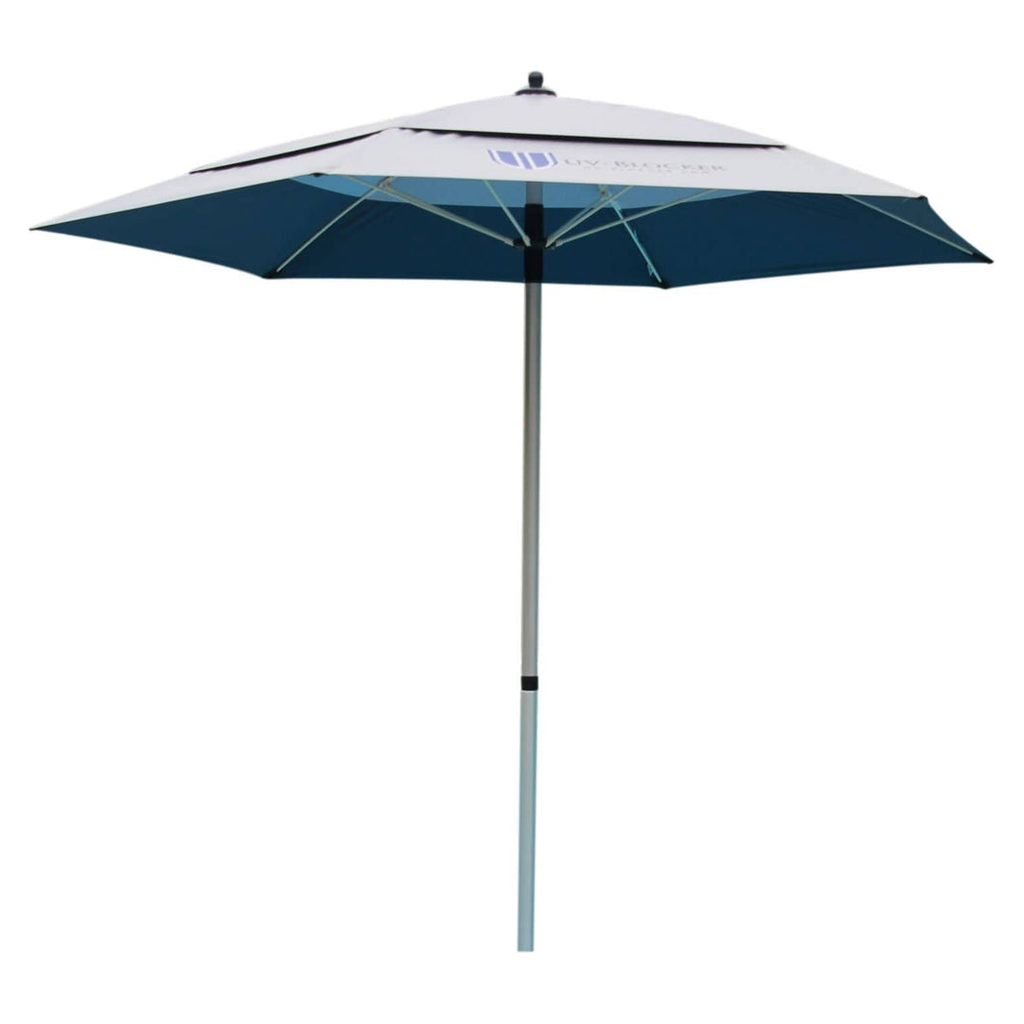
- Seek shade. Use trees, buildings, canopies, or umbrellas to reduce direct UV exposure. Shade alone does not block all UV — reflected and scattered radiation still reaches the skin — but it significantly reduces the dose.
- Slide on sunglasses. Wear Australian Standard-compliant sunglasses (lens category 2, 3, or 4) to protect the eyes and surrounding skin from UV damage.
The key principle is layering. No single measure provides complete protection on its own. The combination of all five is what dermatologists recommend for survivors — and it is the standard Cancer Council promotes for all Australians.
How Do You Build Shade Into an Outdoor Routine?
A portable UPF 50+ umbrella gives survivors personal shade on demand — during walks, at outdoor appointments, in car parks, and anywhere fixed shade is unavailable.
Fixed shade structures are not always available when you need them. Medical appointments, school pick-ups, walking the dog, weekend markets, and outdoor exercise all involve UV exposure where trees and awnings may not exist. This is where a portable UV umbrella becomes a practical part of the daily routine rather than a beach-day accessory.
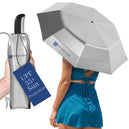
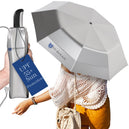
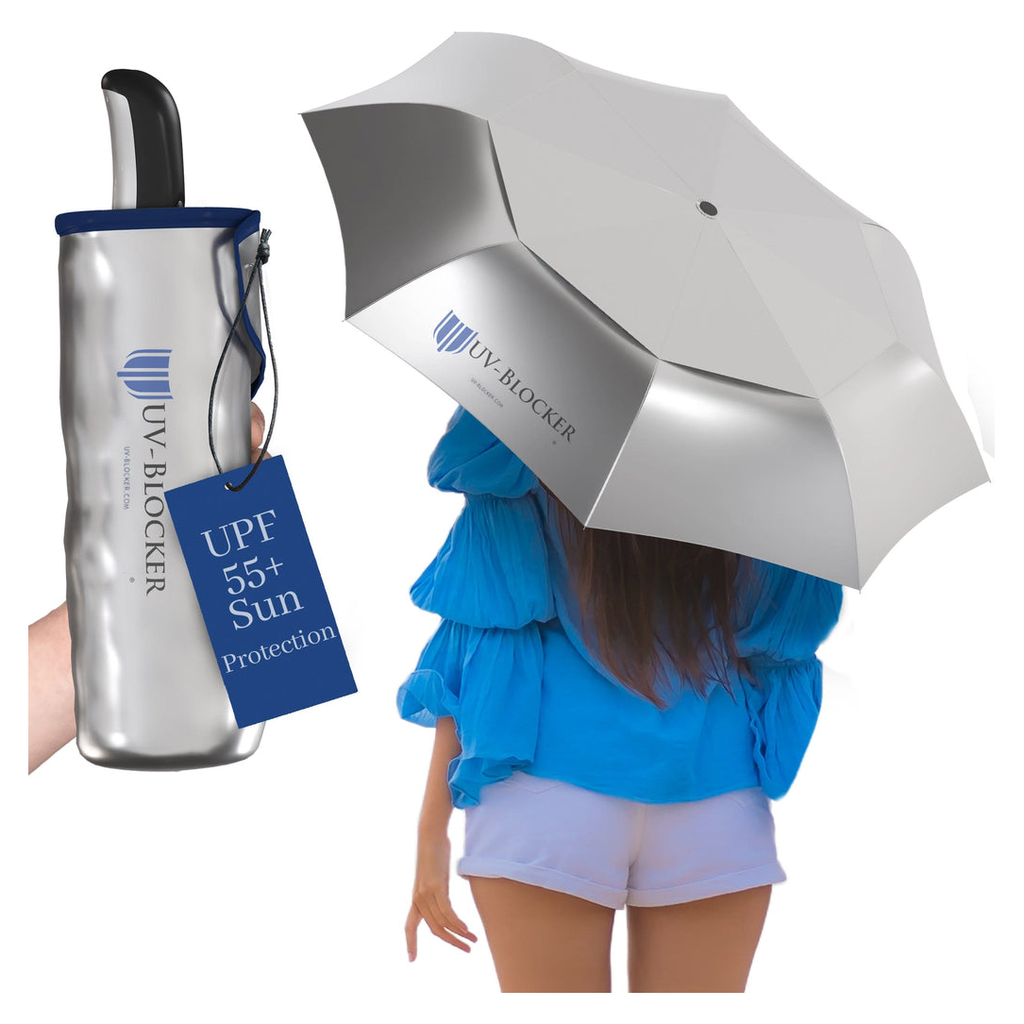
A compact UPF 50+ umbrella blocks over 99% of UV radiation from directly above, creating a mobile shade zone that moves with you. UV-Blocker's Compact UV Umbrella folds to 30 centimetres, weighs approximately 425 grams (15 oz), and fits in a handbag or car door pocket — making it realistic to carry every day, not just on beach days. The Solarteck® fabric is independently tested to AATCC TM183-2020, blocking 99.97% of UVA and 100% of UVB radiation.
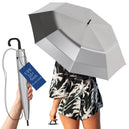
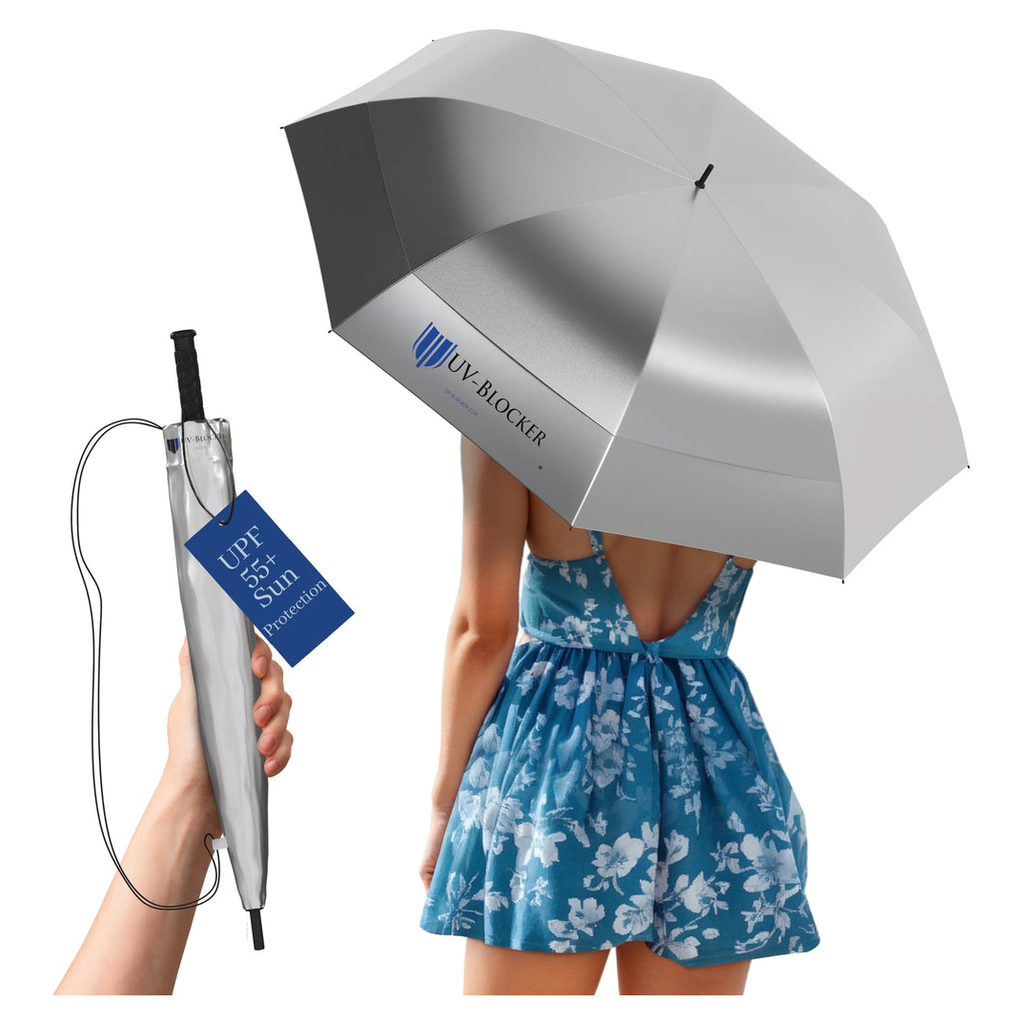
For longer outdoor periods — walking, gardening, or attending sporting events — the Travel UV Umbrella offers a larger canopy while still fitting easily in a backpack. For more on how a UV umbrella integrates into daily outdoor activity, see our guide on using a sun umbrella for walking.
Important: shade from an umbrella should always be combined with sunscreen, clothing, and a hat. Reflected UV from concrete, sand, and water can still reach your skin from below and to the sides. The umbrella addresses direct overhead UV — the other layers handle the rest.
What About Vitamin D After Skin Cancer?
Most Australians get enough vitamin D through brief incidental sun exposure even while practising sun protection, but survivors should discuss supplementation with their GP.
One of the most common concerns for skin cancer survivors is whether strict sun protection will lead to vitamin D deficiency. It is a reasonable question — vitamin D is essential for bone health, immune function, and overall wellbeing, and the skin produces it in response to UVB exposure.
Cancer Council Australia advises that most people obtain sufficient vitamin D through brief, incidental sun exposure during daily activities — even while using sun protection. Walking to the car, hanging out washing, or spending a few minutes outdoors during low-UV periods is typically enough.
However, survivors who are advised to avoid sun exposure altogether (for example, during immunosuppressive therapy or post-radiation healing) may need a vitamin D supplement. This is a conversation for your GP or specialist, who can test your levels and recommend the right dose. The key message: never deliberately seek UV exposure for vitamin D when you have a history of skin cancer.
When Should You Check Your Skin and See Your Doctor?
Perform a monthly self-examination of your entire body, and attend professional skin checks every 3 to 6 months for high-risk cancers or annually for lower-risk types.
Sun protection reduces risk, but it does not eliminate it. Regular monitoring catches new or recurring cancers at the earliest possible stage, when treatment is most effective.
Monthly self-examination: Once a month, systematically check your entire body — including the scalp, between the toes, the soles of the feet, and the back (use a mirror or ask a partner). Look for any new spots, moles that have changed in size, shape, or colour, sores that do not heal, or patches that itch or bleed. Photograph any spots you are monitoring so you can track changes over time.
Professional skin checks: Cancer Council recommends follow-up appointments every 3 to 6 months for survivors of high-risk cancers (including melanoma and aggressive SCC), and at least annually for lower-risk types (superficial BCC, thin SCC). Your specialist will set the schedule based on your individual risk profile.
What to report immediately: Any new lump, sore, or skin change near a previous treatment site warrants an urgent appointment — do not wait for your scheduled check-up. Early detection remains the most powerful tool in skin cancer outcomes.
What Tools and Resources Are Available in Australia?
Free tools like the SunSmart app, Cancer Council's 13 11 20 helpline, and the Bureau of Meteorology's UV forecasts help survivors plan their daily protection.
- SunSmart app (Cancer Council Victoria) — Provides daily UV Index forecasts for any Australian location. Set it to send a morning alert so you know what level of protection is needed before you leave the house.
- Bureau of Meteorology UV forecasts — Available on the BoM website and app, showing forecast UV Index by city and region. In most Australian capitals, UV reaches 3+ by mid-morning from September through April.
- Cancer Council 13 11 20 — Free, confidential information and support service for anyone affected by cancer. Available Monday to Friday, with trained consultants who can answer questions about post-treatment sun protection, emotional support, and practical assistance.
- Look Good Feel Better (1800 650 960 / lgfb.org.au) — National programme addressing appearance-related effects of cancer treatment, including skin changes, scarring, and building confidence while using visible sun protection like hats and umbrellas.
- Healthdirect Australia — Government-funded health information service with comprehensive guides on skin cancer follow-up, sunscreen use, and UV protection strategies.
If you are taking medications that increase sun sensitivity — common after some cancer treatments — see our guide on medications that cause sun sensitivity for additional precautions to layer into your routine.
Frequently Asked Questions
How long after skin cancer surgery should I avoid the sun?
This varies by procedure, so your surgeon or dermatologist is the right person to ask — sun avoidance on the treatment site is typically recommended for a defined healing period to reduce scarring, followed by ongoing daily sun protection for life.
Is SPF 30 enough after skin cancer, or do I need SPF 50+?
Cancer Council Australia recommends SPF 50 or SPF 50+ broad-spectrum, water-resistant sunscreen for all Australians. For skin cancer survivors, who face elevated recurrence risk, SPF 50+ provides the highest level of sunscreen protection available and is the standard recommended by dermatologists.
Can I still exercise outdoors after skin cancer treatment?
Yes. Outdoor exercise is encouraged for overall health and recovery. Schedule workouts during lower-UV periods (early morning or late afternoon), wear UPF-rated clothing, apply SPF 50+ sunscreen, and carry a portable UV umbrella for shade during rest breaks. The SunSmart app can help you identify the safest times to be active outdoors.
Do I need sun protection on cloudy days?
Yes. Up to 80% of UV radiation can penetrate cloud cover. In Australia, the UV Index can reach 3 or higher even on overcast days, particularly between September and April. Cancer Council recommends using all five sun protection measures whenever the UV Index is 3 or above, regardless of cloud cover.
What is the UV Index level when I need to start protecting my skin?
Sun protection is recommended whenever the UV Index reaches 3 or above. In most Australian capital cities, UV levels exceed 3 for the majority of the year. During summer, the UV Index regularly reaches 11 to 14+ in cities like Sydney, Brisbane, and Perth — classified as "extreme" by the World Health Organisation.
Conclusion
- After skin cancer treatment, daily sun protection becomes a medical priority — not optional. The five-layer approach (clothing, sunscreen, hat, shade, sunglasses) is the evidence-based standard recommended by Cancer Council Australia.
- A portable UPF 50+ umbrella fills the shade gap in everyday situations where fixed shade is unavailable — turning sun protection from a destination activity into a daily habit.
- Monthly self-checks and regular professional skin examinations (every 3 to 12 months depending on risk level) catch recurrences early, when outcomes are best.
- Free Australian resources — the SunSmart app, Cancer Council 13 11 20, and BoM UV forecasts — make planning daily protection straightforward.