
Sun protection for actinic keratosis means blocking UV exposure aggressively enough to stop new lesions from forming and keep existing ones from progressing toward squamous cell carcinoma. Unlike general sun care, this segment needs shade and sunscreen working together every single day, not just at the beach — because AK forms on skin that's already logged years of cumulative damage.
- Sun protection for actinic keratosis in 2026 means UPF 50+ shade plus broad-spectrum SPF 50 sunscreen, not sunscreen alone.
- UPF 50+ fabric blocks roughly 98% of UV rays, covering the gaps sunscreen leaves during long outdoor stretches.
- AK lesions favor the scalp, ears, forearms and face — the areas hardest to keep fully covered with clothing.
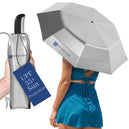
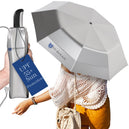
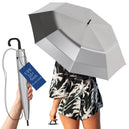
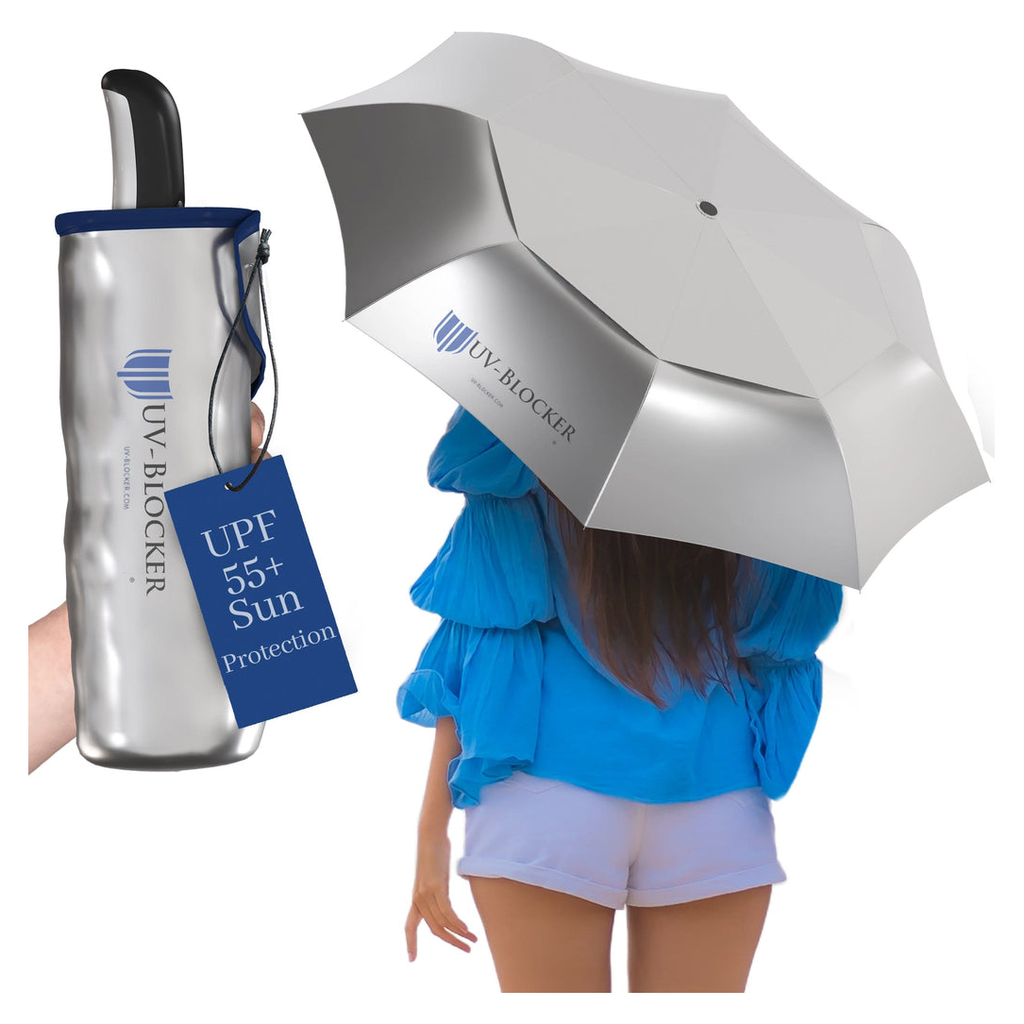
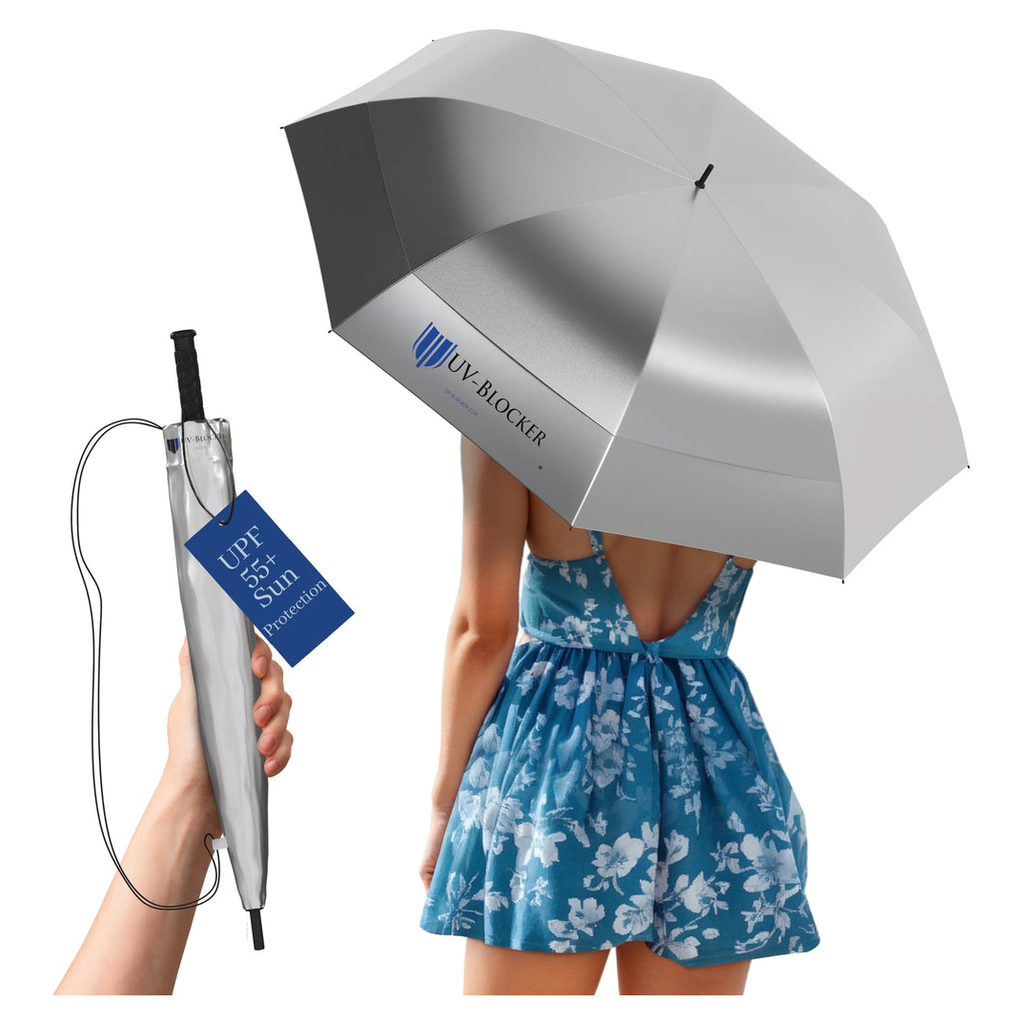
- A portable UPF 50+ umbrella from UV-Blocker fits routines like golf, gardening or dog walks where reapplying sunscreen every two hours isn't realistic.
- Verdict: pair dermatologist-directed treatment with daily UPF 50+ shade for the strongest defense against AK progression in 2026.
Why sun protection for actinic keratosis matters this much
Actinic keratosis is a diagnosis that already tells you where the damage happened: chronically sun-exposed skin that took decades of UV hits before the lesions showed up. That means the standard advice — "wear sunscreen" — isn't enough on its own for this segment. Sunscreen degrades with sweat and time, misses reapplication windows, and rarely gets applied thick enough to hit its labeled SPF.
Shade doesn't wear off. A UPF 50+ umbrella sits between you and the sun for the entire time you're under it, with no reapplication schedule to forget. For someone managing AK in 2026, that consistency matters more than any single product choice.
The quotable rule
“Sunscreen protects the skin you remember to cover twice; shade protects the skin you forgot the first time.”
The AK sun-protection routine, step by step
Audit your daily UV exposure windows
Before buying anything, map where your actual sun time happens. Most AK patients underestimate incidental exposure — the walk to the mailbox, the drive with a bare forearm on the window ledge, the ten minutes on the porch with coffee.
- Track outdoor minutes for three days, including car time
- Note which hours you're outside relative to peak UV (10am-4pm)
- Flag activities longer than 20 minutes with no shade access
- Identify which body parts stay uncovered during each activity
Layer broad-spectrum sunscreen correctly
Sunscreen is still the base layer, even with AK. The problem is almost never the SPF number — it's application.
- Use broad-spectrum SPF 50 rated for UVA and UVB
- Apply a full ounce (shot-glass amount) to exposed skin, not a thin swipe
- Reapply every two hours outdoors, every 40-80 minutes if swimming or sweating
- Don't skip lips, ears, and the part line on your scalp
- Apply 15-20 minutes before going outside, not on the doorstep
Add UPF 50+ shade to high-exposure routines
Once you know your exposure windows, the fastest upgrade is shade you carry with you rather than shade you hope to find. A UPF 50+ sun umbrella blocks close to 98% of UV rays passing through the canopy, which covers the reapplication gaps sunscreen leaves during long outdoor blocks.
- Start with a portable UPF 50+ umbrella for errands, walks, and yard work
- Choose a canopy rated UPF 50+ specifically, not just "UV resistant" marketing language
- Match the umbrella to the activity — compact for carry, larger for stationary time
- Pair with a holder or anchor so you're not one-handed the entire time
Cover the areas AK favors
AK lesions cluster on the scalp, ears, nose, lower lip, forearms, and the backs of hands — the spots that get the most cumulative sun and the least clothing coverage.
- Wear a wide-brim hat that shades the ears and back of the neck
- Add UPF-rated sleeves or a light long-sleeve shirt for yard work and driving
- Use lip balm with SPF for the lower lip specifically
- Keep a UV-Blocker umbrella open during any stationary outdoor task longer than 15 minutes
Track and photograph new or changing lesions
AK doesn't always look the same lesion to lesion, and change over time is the signal that matters for your dermatologist.
- Photograph new rough or scaly patches with a coin or ruler for scale
- Note the date, location on the body, and any bleeding or tenderness
- Flag any lesion that grows, thickens, or won't heal within four weeks
- Bring the photo log to every dermatology visit
Schedule dermatology follow-up on a fixed cadence
Don't wait for a new spot to book an appointment. AK management works best on a schedule, not a reaction.
- Book skin checks every 6-12 months as your dermatologist directs
- Ask about field treatment options if lesions are widespread
- Confirm which areas need closer monitoring based on your history
- Keep a running list of questions between visits
Adapt your gear to your actual activities
A one-size umbrella rarely fits golf, beach days, and gardening equally well. Match the gear to where you actually spend UV-exposed hours.
- Golf: a wind-stable golf umbrella with a cart or push-cart mount keeps hands free between shots
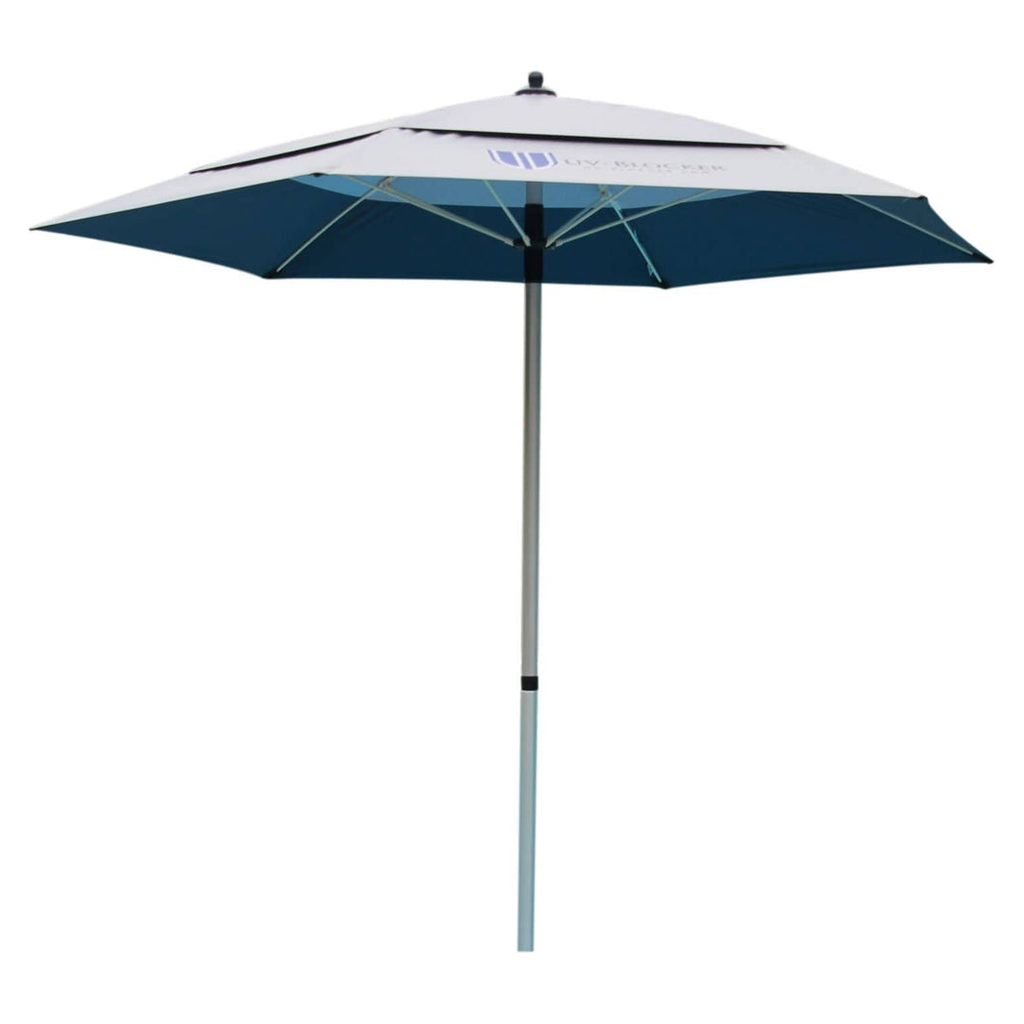
- Beach: a wide-canopy beach umbrella with a sand anchor holds position in wind
- Errands and dog walks: a compact folding UPF 50+ umbrella fits a bag or car door pocket
- Gardening or yard work: a stationary holder frees both hands while you stay shaded


Comparing sun-protection options for AK-prone skin
| Option | Best for | Key limitation |
|---|---|---|
| Sunscreen SPF 50 alone | Short outings, under 2 hours | Wears off, easy to under-apply |
| Wide-brim hat | Face, ears, neck coverage | No coverage for forearms, hands, or torso |
| UPF clothing | Arms and torso during activity | Doesn't shade the face or scalp |
| Fixed patio umbrella | Backyard, patio, stationary time | Not portable for errands or travel |
| UPF 50+ portable sun umbrella | Golf, beach, walks, errands, yard work | Requires a free hand unless mounted on a holder |
Common mistakes AK patients make
- Treating sunscreen as sufficient on its own — most people apply less than half the recommended amount, cutting real-world SPF well below the label.
- Skipping the ears and scalp part line — two of the most common AK sites and the easiest to forget during application.
- Assuming cloudy days don't count — UV passes through cloud cover, and AK-prone skin doesn't get a pass on overcast days.
- Buying a "UV resistant" umbrella without a UPF number — marketing language isn't a rating; look for an explicit UPF 50+ label.
- Reacting to a new spot instead of scheduling routine checks — waiting for symptoms means missing the window where treatment is simplest.
FAQ
What is the best sun protection for actinic keratosis in 2026?
The best approach combines broad-spectrum SPF 50 sunscreen applied correctly with UPF 50+ shade for any outdoor stretch over 15-20 minutes. Shade covers the gaps sunscreen leaves when reapplication gets skipped or delayed.
Is a UPF 50+ umbrella better than sunscreen for actinic keratosis?
They're not interchangeable — sunscreen and shade solve different problems. A UPF 50+ umbrella blocks close to 98% of UV rays for as long as you're under it, while sunscreen needs reapplication every two hours to keep working.
Which body areas need the most protection for AK?
The scalp, ears, nose, lower lip, forearms, and backs of hands are the most common AK sites because they get the most cumulative sun with the least clothing coverage. Prioritize these areas with hats, UPF sleeves, and shade.
How often should someone with actinic keratosis see a dermatologist?
Most dermatologists recommend skin checks every 6-12 months for AK patients, adjusted based on lesion history and risk factors. A fixed schedule catches changes earlier than waiting for a new symptom.
Does cloudy weather reduce the need for sun protection with AK?
No — UV rays pass through cloud cover, so AK-prone skin needs the same protection routine on overcast days. Skipping sunscreen or shade because it's cloudy is one of the most common mistakes.
Can UPF clothing replace sunscreen for actinic keratosis?
UPF clothing covers the areas it's worn over, but it leaves the face, ears, and hands exposed. Combine UPF clothing with sunscreen on uncovered skin and shade during longer outdoor time.
What UPF rating should a sun umbrella have for AK protection?
Look for an umbrella explicitly rated UPF 50+, which blocks roughly 98% of UV rays. Vague labels like "UV resistant" without a UPF number don't guarantee meaningful protection.
One last thing
The detail most AK patients miss isn't sunscreen strength — it's that UV exposure through a car window during a daily commute adds up over years, and side windows typically aren't UV-treated the way windshields are. If your forearm rests on the door for 20 minutes a day, that's cumulative exposure most sun-protection routines never account for. A UPF sleeve or a shade panel on the side window closes that gap in 2026 without changing anything else in your routine.