

⚡ Quick Reference Summary
- Extended Exposure: Lacrosse tournaments often involve 8-12 hours outdoors, far exceeding typical daily sun exposure and escalating UV risk for everyone present.
- Gender-Specific Risks: Boys' helmets protect the scalp but leave necks and ears exposed, while girls' minimal headgear exposes the entire head and face. Both require tailored protection.
- Spectator Vulnerability: Parents and siblings often endure more continuous sun exposure than players, leading to higher rates of severe sunburns due to prolonged, uninterrupted time on the sidelines.
- Comprehensive Plan: Effective protection requires pre-tournament planning, strategic use of broad-spectrum SPF 30+ sunscreen, UPF 50+ apparel, wide-brim hats, and essential personal shade solutions like UV-Blocker Solarteck® umbrellas.
- Age-Tailored Approach: Sun protection strategies must adapt to age, from parent-managed application for youth to education and personal responsibility for older teens and adults, ensuring adherence.
Why Does Lacrosse Have Unique UV Risks?
Lacrosse tournaments expose families to 8 to 12 hours of continuous outdoor UV because the multi-game, all-day format keeps everyone on open fields. This extended duration means even moderate UV intensity can accumulate into a high-dose exposure, significantly increasing the risk of sunburn, premature skin aging, and long-term skin damage, including skin cancer.
Youth tournaments typically involve 3 to 5 games per day, each lasting approximately 50 to 60 minutes. However, this only accounts for active play. Families arrive early for warmups, stay for breaks between games, and often remain on site through elimination rounds or to support other teams. What might seem like a manageable single match quickly compounds into an entire day, or even a full weekend, spent under direct sunlight. This cumulative exposure is a critical factor often underestimated by participants and spectators alike.
Peak UV Season Overlap
The lacrosse season typically runs from February through August, directly overlapping with the months of highest UV intensity across most of the United States. Early spring tournaments, in particular, can catch families unprepared. The air may still feel cool or even chilly, leading to a false sense of security regarding sunburn risk. However, UV intensity is not directly correlated with air temperature. A cool, sunny day can deliver just as much harmful UV radiation as a hot one. This phenomenon of "cool-weather burns" is a common occurrence, as explained in detail in our article Can You Get Sunburn on a Cloudy Day?, emphasizing that UV rays penetrate clouds and cool air.
No Built-In Shade on the Field
Unlike many other outdoor sports, lacrosse fields generally lack permanent shade structures. Baseball fields offer dugouts and sometimes covered spectator stands. Football fields often have large sideline canopies or stadium seating that provides some cover. Lacrosse, by contrast, is predominantly played on open grass fields, leaving players, coaches, and spectators completely exposed to direct sun for the entirety of their time at the venue. This lack of natural or artificial shade necessitates proactive, personal shade solutions. The need for shade is particularly acute in Sun Belt states, where lacrosse is experiencing rapid growth—regions like Texas, Florida, Arizona, and Georgia routinely see UV index levels exceeding 10 during tournament season, classifying as "very high" to "extreme" risk according to the EPA.
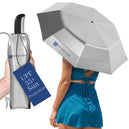
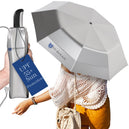
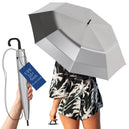
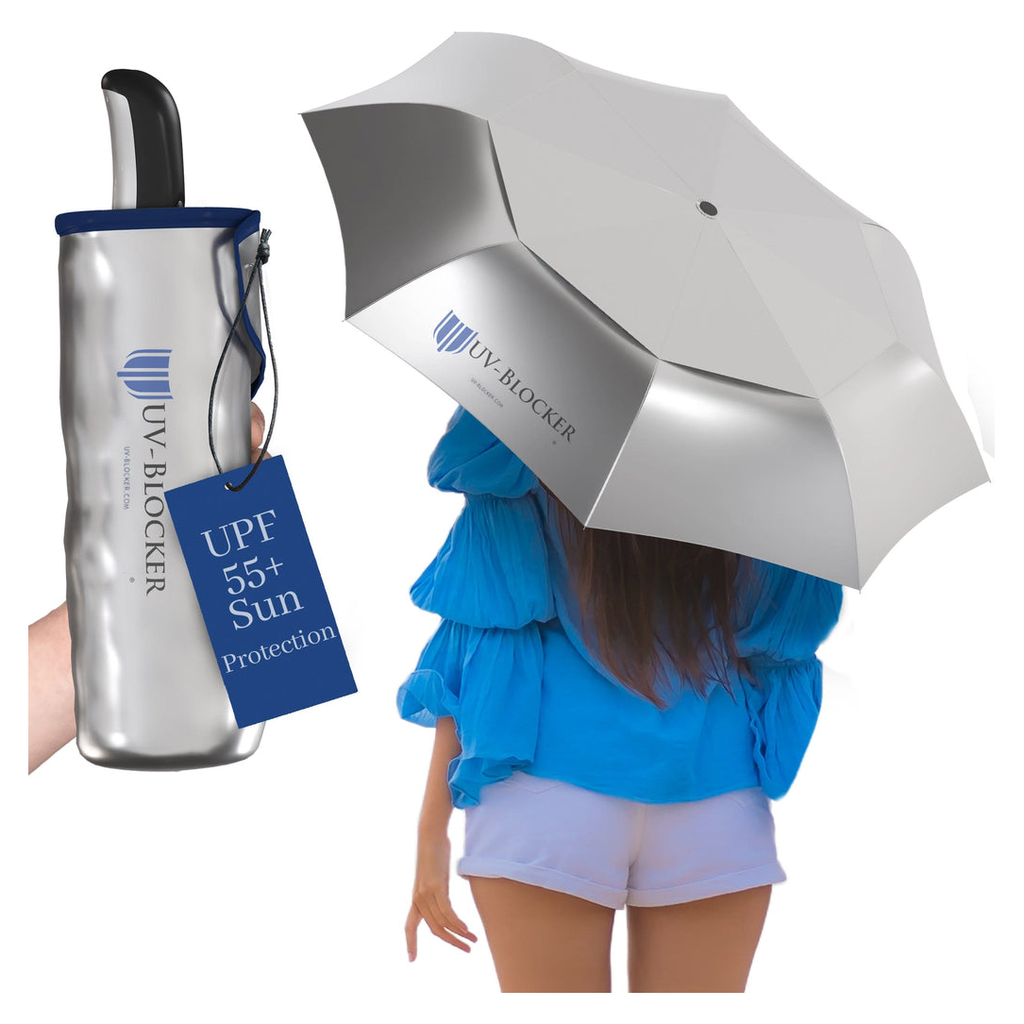
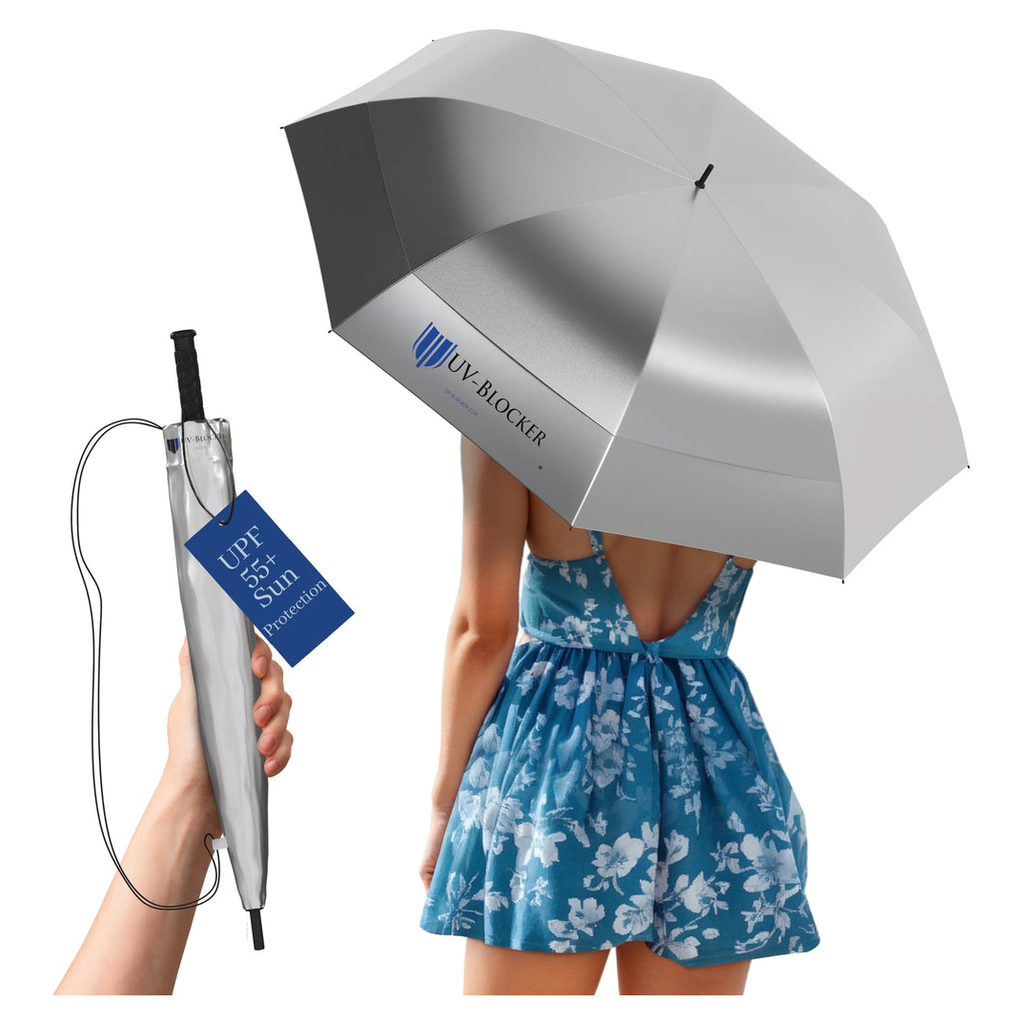
To combat this, bringing personal shade, such as a UV-Blocker Solarteck® umbrella, is not just a comfort measure but a vital health precaution. Our umbrellas feature patented Solarteck® technology and boast a UPF 50+ rating, blocking 99% of UVA and UVB rays, making them an indispensable tool for creating personal micro-climates of shade.
How Does Sun Exposure Differ Between Boys' and Girls' Lacrosse?
The protective equipment mandated for boys' and girls' lacrosse creates distinct patterns of sun exposure and heat stress. While boys' helmets offer some scalp protection, they create a heat trap and leave crucial areas exposed. Girls' minimal headgear leaves their entire head and face vulnerable to UV radiation, often leading to more widespread facial burns.
Boys: The Helmet Heat Trap and Hidden Exposures
Boys' lacrosse mandates full helmets with face cages, which, while essential for impact protection, introduce specific sun-related challenges. Research, such as studies from the University of Arkansas, has demonstrated that men's lacrosse protective equipment significantly increases core body temperature and thermal strain during exercise in hot conditions. The helmet itself can shade the top of the scalp, but it leaves the back of the neck, ears, and often the lower face (jawline, chin) directly exposed to the sun. The combination of intense physical exertion, heat trapped by the helmet, and direct UV exposure to vulnerable skin areas significantly elevates the risk of both heat exhaustion and sunburn. Parents often mistakenly believe the helmet provides comprehensive protection, overlooking these critical gaps. For boys, investing in UPF 50+ neck gaiters or helmet "dickies" designed to extend sun protection down the neck and over the ears is crucial, alongside regular application of broad-spectrum SPF 30+ sunscreen on all exposed skin.
Girls: Full Head and Face Exposure
In contrast, headgear for girls' lacrosse is largely optional under both USA Lacrosse and NFHS rules, with Florida being a notable exception at the high school level where soft headgear is required. Most field players wear only goggles and a mouthguard. This leaves the scalp, forehead, cheeks, nose, ears, and even the décolletage fully exposed to the sun for the entire game. Without the physical barrier of a helmet, girls are susceptible to widespread facial and scalp sunburns, which can be particularly painful and contribute to long-term skin damage. For girls, a multi-pronged approach is essential: diligent application of high-SPF, broad-spectrum sunscreen, especially on the face and ears, and considering UV-protective visors or wide-brimmed hats when off the field. UV-Blocker offers UPF 50+ hats and apparel that can provide excellent protection during downtime.

| Body Area | Boys' Lacrosse | Girls' Lacrosse | Recommended Protection |
|---|---|---|---|
| Scalp/crown | Protected by helmet (top) | Fully exposed | Helmet (boys); Hats, visors, or UPF scalp protection (girls) |
| Face | Partially shaded by visor/cage | Fully exposed | Broad-spectrum SPF 30+ sunscreen, zinc-based for longevity |
| Ears | Exposed (helmet gaps) | Fully exposed | Sunscreen, UPF neck gaiters/helmet dickies, hats |
| Neck (back/sides) | Fully exposed | Fully exposed | UPF neck gaiters/dickies, sunscreen, UV-Blocker UPF 50+ apparel |
| Arms | Exposed (short sleeves) | Exposed (short sleeves) | UPF 50+ long-sleeve base layers, sunscreen |
| Legs | Exposed (shorts) | Exposed (skirts/shorts) | Sunscreen, UPF 50+ athletic shorts/pants |
| Heat stress risk | High (equipment traps heat) | Moderate (less equipment) | Hydration, shade breaks, cooling towels |
Ultimately, boys often finish tournament day with severely burned necks and ears, while girls frequently experience intense, widespread facial burns that manifest as redness and stinging by the final game. Both require strategic sun protection to mitigate these specific risks.
Why Do Lacrosse Spectators Get Worse Sunburns Than Players?
It's a common observation at lacrosse tournaments: spectators, particularly parents and younger siblings, often end up with more severe sunburns than the athletes themselves. This seemingly counterintuitive outcome is a direct result of continuous, unbroken sun exposure for 8 to 12 hours while players rotate between periods of activity, shaded rest areas, and breaks between games. Sideline parents and fans frequently accumulate a significantly higher cumulative UV dose than the athletes they are cheering for.
The Sideline Math: Uninterrupted Exposure
Consider the typical tournament day: a player might be on the field for 15-20 minutes, then rotate off for a rest, head to a shaded bench, a team tent, or a staging area. They might play four short quarters, interspersed with breaks. A parent, however, usually arrives with the team, sets up a chair, and remains largely stationary for the entire duration of all games played by their child's team, and often for subsequent games featuring other age groups or friends. This means sitting through four straight games, plus warmups and cool-downs, often without moving from a prime, sun-drenched viewing spot.
Younger siblings, especially infants and toddlers in strollers or on blankets, face an even greater risk. Their delicate skin is far more susceptible to UV damage. The American Academy of Pediatrics (AAP) and American Academy of Dermatology (AAD) strongly recommend that infants under 6 months of age be kept out of direct sunlight entirely, as sunscreen is not recommended for this age group. For them, shade is not an option; it is the *only* safe and effective form of sun protection.
No Shade From the Chair: The Need for Personal Protection
Standard metal bleachers and typical folding chairs offer a place to sit, but absolutely no protection from overhead or ambient UV radiation. They merely provide a vantage point within the sun's reach. This is where personal shade solutions become indispensable. A UV-Blocker Chair Umbrella Holder combined with a Solarteck® UV-Blocker umbrella allows spectators to create their own mobile, UPF 50+ personal shade station that can easily be moved from field to field or adjusted with the sun's angle. This is significantly more effective than relying on inconsistent or non-existent natural shade.
Beyond umbrellas, parents and spectators should also prioritize wearing UPF 50+ apparel, wide-brimmed hats, and sunglasses, along with diligent application of broad-spectrum SPF 30+ sunscreen. For additional comprehensive guidance tailored to those on the sidelines, refer to our article Sun Protection for Sports Parents.
What Should a Lacrosse Tournament Sun Protection Plan Include?
A successful lacrosse tournament sun protection plan is comprehensive, covering preparations long before arrival, active measures throughout the day, and post-event care. It needs to be practical, easy to implement, and robust enough to withstand long hours of intense sun exposure. The goal is to minimize cumulative UV radiation for everyone involved.
1. Pre-Tournament Preparation (Days Before)
- Gear Check: Ensure all sun protection items are readily available and in good condition. This includes broad-spectrum SPF 30+ (or higher) sunscreen (check expiration dates!), UPF 50+ clothing (long-sleeve jerseys, rash guards, athletic leggings), wide-brimmed hats, sunglasses, and crucial personal shade solutions like UV-Blocker Solarteck® umbrellas.
- Hydration Strategy: Start hydrating several days before the tournament. Pack plenty of water, electrolyte drinks, and cooling towels for the day.
- Scout Location: If possible, check the tournament venue online for any potential shade sources or team tent areas. Anticipate open fields.
- Weather & UV Index Forecast: Check the local UV index for the tournament days. A UV index of 3 or higher warrants protective measures. If it's 8+, extreme caution is needed.
2. Tournament Day - Arrival & Setup (Before First Game)
- Base Layer Protection: Apply a generous amount of broad-spectrum SPF 30+ (or higher) sunscreen to all exposed skin at least 20 minutes before heading to the fields. For active players, consider water-resistant formulas. Don't forget often-missed spots like ears, neck, top of feet, and scalp part lines.
- Dress for Success: Players should wear UPF 50+ clothing as a base layer if possible, or at least lightweight, loose-fitting clothes. Spectators should prioritize UPF 50+ shirts and pants.
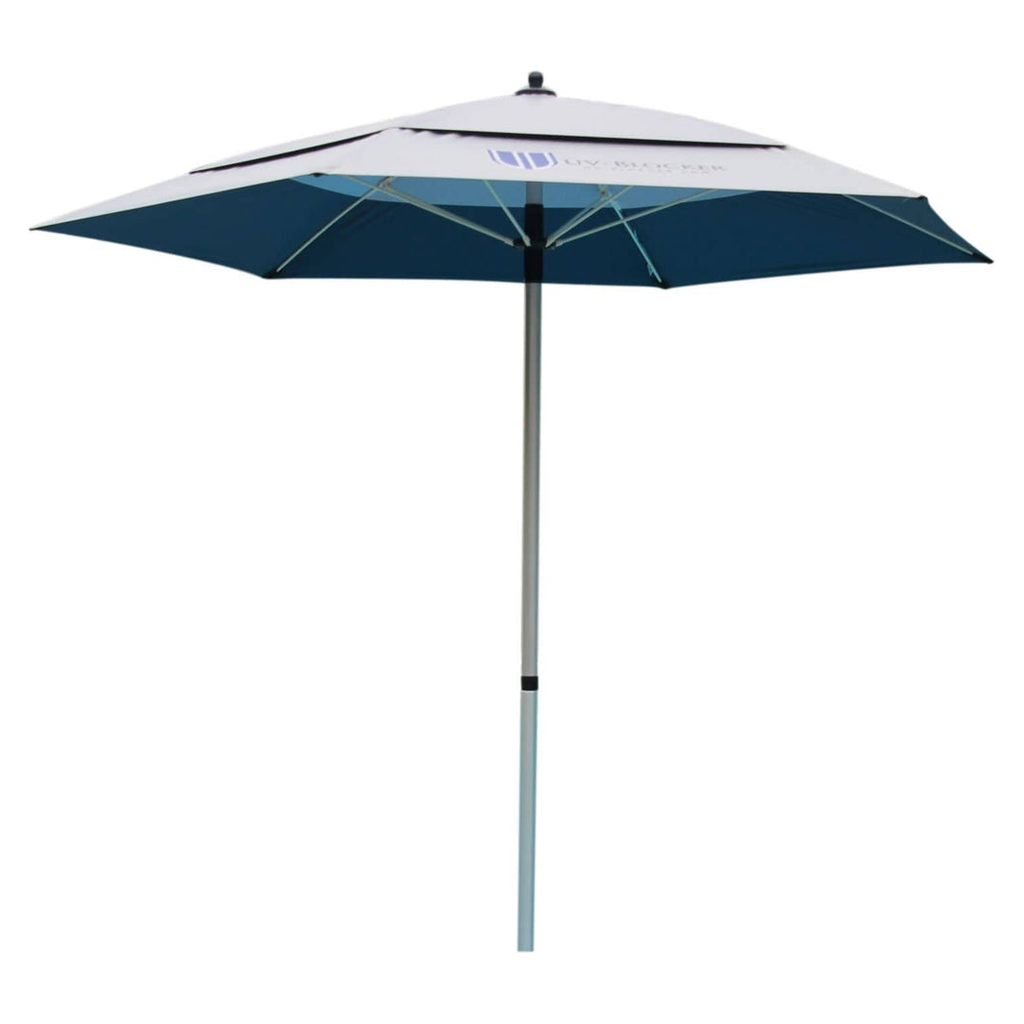
- Establish a Shade Zone: If team tents are allowed, set one up immediately. For individual families, deploy UV-Blocker Solarteck® umbrellas, especially for younger children or those more sensitive to the sun. Consider a UV-Blocker Patio Umbrella if a larger, semi-permanent shade solution is needed for a team gathering spot.
- Hats & Sunglasses: Everyone should wear a wide-brimmed hat (for spectators) or a baseball cap (for players off-field) and UV-protective sunglasses to shield eyes and delicate periocular skin.
3. During Games & Between Games (Throughout the Day)
- Sunscreen Reapplication: This is critical. Reapply broad-spectrum SPF 30+ sunscreen every two hours, or more frequently if sweating heavily, swimming (though unlikely in lacrosse), or toweling off. Set phone reminders. Encourage players to reapply during halftime or between games.
- Strategic Shade Breaks: During downtime, warm-ups, and especially between games, encourage everyone to retreat to the established shade zone. Coaches should integrate shade and hydration breaks into their strategies.
- Hydration: Continuously drink water and electrolyte beverages to prevent dehydration, which can be exacerbated by sun exposure and heat.
- Monitor Skin: Keep an eye on skin for any signs of redness or discomfort, indicating inadequate protection. Address immediately.
- Utilize Personal Shade: Spectators should keep their UV-Blocker Solarteck® umbrellas close and deploy them whenever stationary. The Chair Umbrella Holder is invaluable here.
4. Post-Tournament Care
- After-Sun Treatment: Use aloe vera or moisturizing lotion to soothe any sun-exposed skin, even if not visibly burned.
- Monitor for Damage: Encourage self-skin exams and be vigilant for any new or changing moles. Early detection is key, especially given UV-Blocker founder Ron Walker's own experience as a melanoma survivor.
By following this multi-layered approach, teams and families can significantly reduce the risks associated with prolonged sun exposure during lacrosse tournaments.
How Should Sun Protection Change by Age Group?
Effective sun protection is not a one-size-fits-all strategy; it must adapt to the age and developmental stage of the individual. For lacrosse players and their families, tailoring the sun protection plan to specific age groups ensures both maximum safety and practical adherence.
1. Youth Players (U8 - U12)
- Parent-Managed Protection: For this age group, parents are primarily responsible for ensuring sun safety. This means taking charge of application, providing appropriate gear, and enforcing shade breaks.
- Strict Regimen: Establish a strict sunscreen reapplication schedule (every 1.5-2 hours, or after heavy sweating). Use visual cues or timers to remind children and parents.
- Comprehensive Gear: Equip young players with UPF 50+ athletic apparel, such as long-sleeve jerseys or rash guards, even in warm weather. These lightweight, breathable fabrics provide superior, consistent protection without needing reapplication. Wide-brimmed hats and sunglasses are essential for off-field time.
- Lead by Example: Parents and coaches should model good sun safety behaviors to instill these habits early.
- Emphasis on Shade: Actively seek out and use shade during breaks. A designated team UV-Blocker Patio Umbrella or a personal Solarteck® umbrella for each family is ideal.
2. Middle School Players (U13 - U14)
- Building Personal Responsibility: This is a transitional age. Start educating players on *why* sun protection is important (linking it to skin health and performance, not just sunburn). Encourage them to take ownership of their sun protection routine.
- Accessible Products: Provide sunscreens in easy-to-use formats like sticks or sprays that players can quickly apply themselves without much fuss. Keep them readily available in team bags or personal backpacks.
- "Cool" Factor: Appeal to their desire for comfort and performance. Explain that UPF 50+ clothing keeps them cooler and prevents debilitating sunburns that affect play. Stylish hats and sunglasses for off-field wear can also be appealing.
- Peer Influence: Encourage older players to be role models. Coaches can briefly reinforce sun safety during team talks.
3. High School and College Players (U15+)
- Self-Management & Awareness: These athletes should be fully responsible for their own sun protection. Reinforce the long-term health risks (melanoma, premature aging) and the immediate benefits (avoiding discomfort, maintaining performance).
- Integrated into Routine: Sunscreen application, wearing UPF clothing, and seeking shade should be as routine as hydrating or stretching.
- Advanced Protection: Encourage the use of specialized sports sunscreens designed for heavy sweating, and the consistent use of UPF 50+ performance apparel during practices and games.
- Team-Level Responsibility: Coaches and team staff should ensure adequate shade is available at practice and game sites and actively promote hydration and sun safety. A team set of UV-Blocker Solarteck® umbrellas for the bench or sideline can be a valuable investment.
Coaches' Role Across All Ages
Coaches play a pivotal role. They should:
- Educate: Briefly discuss sun safety during team meetings, emphasizing its impact on health and performance.
- Provide Resources: Ensure a team supply of sunscreen and access to shade.
- Schedule Breaks: Plan water and shade breaks, especially during peak UV hours (10 AM - 4 PM).
- Model Behavior: Wear appropriate sun protection themselves.
By proactively addressing sun protection across all age groups, the lacrosse community can cultivate a culture of safety and enjoyment for years to come.
Frequently Asked Questions About Sun Protection for Lacrosse
What's the best type of sunscreen for lacrosse players?
For lacrosse players, the best sunscreen is a broad-spectrum formula with an SPF of 30 or higher that is also water-resistant or sweat-proof. Look for "sport" formulations, which are designed to stay on through heavy sweating. Mineral-based sunscreens (containing zinc oxide or titanium dioxide) are often preferred as they create a physical barrier and start working immediately, though chemical sunscreens can also be effective. Ensure it's applied generously 20 minutes before sun exposure and reapplied every two hours, or more frequently if sweating heavily.
How often should I reapply sunscreen during a lacrosse tournament?
During a lacrosse tournament, you should reapply broad-spectrum SPF 30+ sunscreen at least every two hours. If players are sweating heavily (which is highly likely in lacrosse), or if towels are used, reapplication should occur more frequently, ideally every 60-90 minutes. For spectators sitting in continuous sun, setting a timer for every 90 minutes to two hours is a good practice, even if not actively sweating, as sunscreen can degrade over time.
Can UPF 50+ clothing replace sunscreen?
UPF 50+ clothing is an excellent and highly effective form of sun protection, blocking 98% of UVA and UVB rays, making it superior to sunscreen for the areas it covers. For areas covered by UPF 50+ apparel, sunscreen is not needed. However, it cannot replace sunscreen for exposed skin areas like the face, neck, ears, and hands. Therefore, UPF 50+ clothing should be used in conjunction with broad-spectrum SPF 30+ sunscreen on all uncovered skin for complete sun protection, forming a comprehensive defense against UV radiation.
What's the UV index threshold where I should be most concerned for lacrosse?
You should be concerned about sun protection whenever the UV index is 3 or higher. At a UV index of 3-5 (moderate), protection is recommended. For lacrosse tournaments, which often occur during peak UV season, the index can frequently reach 6-7 (high) or even 8+ (very high to extreme). At these levels, comprehensive sun protection, including shade, UPF 50+ clothing, sunscreen, hats, and sunglasses, is absolutely essential to prevent damage.
Are there specific sun protection tips for lacrosse goalies?
Lacrosse goalies face unique sun exposure challenges due to their stationary position. They should prioritize a broad-spectrum SPF 50+ sunscreen, applied thickly and frequently, especially on their neck, ears, and any exposed skin around their helmet/mask. A UPF 50+ neck gaiter or a specialized "dickey" that covers the neck and upper chest is highly recommended. Goalies can also benefit from a personal UV-Blocker Solarteck® umbrella positioned just behind or to the side of the goal during breaks or if permitted during play, as their position offers little to no natural shade.
How can coaches encourage sun safety among their lacrosse teams?
Coaches are powerful influencers. They can encourage sun safety by: 1) Modeling good behavior (wearing hats, sunscreen). 2) Integrating sun safety discussions into team talks. 3) Designating a shaded team area with a large UV-Blocker patio umbrella or tent. 4) Scheduling hydration and shade breaks during practices and games, especially during peak UV hours. 5) Encouraging players to apply sunscreen together before games. 6) Having a supply of team sunscreen available for players who forget.
Conclusion
Lacrosse tournaments, while exhilarating, present significant and often underestimated sun exposure risks for players, coaches, and spectators alike. The unique combination of long hours on open, unshaded fields, peak UV season overlap, and sport-specific equipment considerations necessitates a proactive and comprehensive approach to sun protection. From the distinct challenges faced by boys' and girls' players to the often-overlooked vulnerability of sideline supporters, awareness is the first step toward safety.
By implementing a well-structured sun protection plan—encompassing diligent sunscreen application, strategic use of UPF 50+ clothing, and the indispensable provision of personal shade through UV-Blocker Solarteck® umbrellas—the entire lacrosse community can enjoy the sport they love without compromising their health. As a brand founded by melanoma survivor Ron Walker, UV-Blocker is committed to providing premium, patented protection that empowers families to stay safe under the sun. Prioritizing sun safety is not just about preventing a sunburn; it's about protecting long-term health and ensuring many more years of enjoying the game.
Sun Safety in Canada
Canada experiences meaningful UV exposure throughout the year, with UV Index levels regularly reaching 8–10 or higher during summer months in cities such as Vancouver, Calgary, Toronto, and Ottawa. Health Canada and Environment and Climate Change Canada publish daily UV Index forecasts and recommend protective measures whenever the index exceeds 3 — a threshold reached on most clear days between May and August across the country.
Key resources for Canadian sun safety:
- Health Canada UV Index: Published daily via the Environment and Climate Change Canada weather portal (weather.gc.ca). Canadians can track UV levels by city and receive alerts when protection is recommended.
- Canadian Cancer Society: Recommends UPF 50+ clothing, hats, sunscreen, and shade-seeking as primary sun protection strategies. Physical UV barriers — such as UPF 50+ umbrellas — are emphasized for prolonged outdoor exposure.
- Canadian Dermatology Association: Endorses broad-spectrum sun protection strategies, including shade structures and UV-blocking accessories, especially for individuals with fair skin or a personal or family history of skin cancer.
For Canadians spending extended time outdoors — whether working, playing sports, or enjoying recreational activities — a UV-blocking umbrella rated UPF 50+ provides continuous, reapplication-free protection. The UV-Blocker umbrella, independently tested and approved by the Melanoma International Foundation, blocks 99% of UV rays and keeps users up to 15°F cooler — making it a practical and reliable companion for Canadian summers.