

The US has 14.1 million outdoor soccer players and millions more sideline spectators. Yet soccer offers the worst built-in sun protection of any major sport. No dugouts sit on the sidelines. No courtside tents. No timeouts for shade.
The 2026 FIFA World Cup arrives in the US this summer, with 14 of 16 host cities facing heat-stress risk and 6 cities classified as "extremely high risk" by FIFPRO. Physically active people experience sunburn at nearly double the rate of the general population. The exposure rate hits 63% for athletes versus 34% for the general public because extended outdoor time compounds UV dose faster than most realize.
This guide covers the UV math for every level from U6 through adult. Sun protection for soccer requires a strategic 5-layer protocol for field players, plus dedicated shade strategies for the parents and coaches watching from the sideline. The health stakes are real: childhood sunburns drive lifetime melanoma risk, and tournament weekends can deliver six to eight hours of cumulative exposure.
Why Is Soccer One of the Highest UV Exposure Sports?
Soccer has 45-minute continuous halves with zero built-in shade and limited protective equipment, creating unrelenting UV exposure for field players.
Continuous play defines the sport and separates it from nearly every other outdoor activity. Baseball provides dugouts between innings. Football utilizes sideline tents and frequent stoppages in play. Tennis offers mandatory changeover shade breaks. Soccer halves run 45 minutes uninterrupted at the professional level. Youth and amateur leagues feature shorter halves but maintain the same relentless exposure model.
Equipment rules further restrict player protection. IFAB Law 4 permits head covers and sports spectacles but requires them to match shirt color, be non-dangerous, and have no protruding elements. Goalkeepers regularly wear standard caps because they face the sun directly when tracking high balls. Field players have no visor, no wide-brim hat, and no sunglasses as standard equipment. They rely on their skin alone to handle the environmental load.
The cumulative UV dose math reveals the hidden danger. A 90-minute match at UV Index 8 delivers roughly the same UV dose as three hours at the beach. Players continuously move in direct sun rather than sitting under intermittent shade. Sweat constantly washes away protective topical layers. Intense physical activity temporarily reduces the skin's immune response to UV damage. This exercise-induced immunosuppression makes sunburns sustained during sports more damaging than equivalent exposure experienced at rest. Research from ScienceDirect on UV and athletic performance documents how solar radiation impairs endurance capacity. While sports covered in guides like Sun Protection for Cycling and Sun Protection for Pickleball involve high exposure, soccer combines intensity with a complete lack of structural shade.
The exposure picture gets worse when factoring in what the field itself is doing.
How Does Artificial Turf Affect UV and Heat Exposure?
Synthetic turf absorbs solar radiation and reaches 140 to 170 degrees Fahrenheit, creating an intense heat dome that amplifies UV exposure at ground level.
Penn State research confirms that synthetic turf surfaces average 140 to 170 degrees during hot, sunny conditions. Natural grass rarely exceeds 100 degrees because evaporation from living grass blades creates a natural cooling effect. The plastic blades and rubber infill of artificial surfaces absorb solar radiation and trap heat near the ground.
Heat radiates upward from the synthetic surface and creates a distinct heat dome effect at ankle-to-waist height. This concentrated zone of elevated temperature sits exactly where young players are running and breathing. Ground-level heat reflection compounds direct solar UV exposure. Players face a dual threat: direct ultraviolet radiation from above and intense thermal radiation from below.
Most recreational youth soccer fields in suburban areas use synthetic turf to reduce maintenance costs and allow year-round play. Parents dropping their children off for a midday game often do not realize that the playing surface itself acts as a significant heat and UV multiplier.
Players get the worst of it on the field, but a second group gets burned alongside them.
Why Are Soccer Spectators at Higher Risk Than They Realize?
Sideline spectators sit motionless in direct sun for hours with zero shade infrastructure, accumulating UV doses that rival a full beach day.
The spectator math tells a clear story. A parent watching two games per week from April through October accumulates over 78 hours of direct sun exposure per season. That dose comes from nothing more than sitting in a folding chair on the sideline. Tournament weekends compound the problem further. Three or four games across two days generate six to eight hours of cumulative exposure. Most recreational complexes lack basic shade structures.
Spectators face different physics than moving athletes. Unlike players who shift direction and change their angle to the sun, spectators remain stationary. The exact same skin stays pointed at the sun for the entire duration of the match. Stationary exposure concentrates severe UV damage on exposed arms, the back of the neck, and the face.
Recreational soccer fields offer zero built-in shade infrastructure. Spectators rarely find covered stands, permanent canopies, or bleacher covers. Parents bring a folding chair and accept the elements. This lack of environmental protection requires a proactive personal defense strategy.
Whether on the field or the sideline, protection needs to be layered and sport-specific.
What Is the Recommended UV Exposure Time by Age Group?
Soccer UV exposure ranges from 40 minutes for U6 players to over 3 hours for tournament athletes, with youth showing the highest burn risk per minute.
The duration of a soccer match dictates the exact sun protection strategy required. Younger players have shorter games but highly sensitive skin. Older players face marathon exposure sessions during peak afternoon heat.
| Age Group | Game Duration | Typical Field Time (with warmup) | Key UV Risk |
|---|---|---|---|
| U6 | 4x 10-min quarters | ~40 min | Sensitive skin, lowest sunscreen compliance |
| U8 | 2x 20-min halves | ~50 min | Starting full-field play, longer exposure |
| U10 | 2x 25-min halves | ~60 min | Games getting competitive, less shade-seeking |
| U12 | 2x 30-min halves | ~75 min | Pre-teen years, declining sunscreen use |
| U14 | 2x 35-min halves | ~90 min | Peak sunburn risk age bracket |
| High School | 2x 40-min halves | ~2.5 hours | After-school practice + games in peak UV hours |
| College/Adult | 2x 45-min halves | ~3 hours | Full 90 min continuous exposure |
| Tournament Day | 3-4 games | 6-8 hours total | Cumulative multi-game exposure, worst case |
Youth players carry the highest long-term risk burden. CDC data shows 64.4% of US high school students reported at least one sunburn in the past year. Skin Cancer Foundation research links childhood exposure directly to adult health outcomes. Experiencing five or more blistering sunburns between ages 15 and 20 increases a person's lifetime melanoma risk by 80%.
Knowing the exposure window is step one. The next step requires implementing a layered defense.

What Is the 5-Layer Soccer Sun Protection Protocol?
Effective sun protection for soccer combines timed sunscreen, UPF compression wear, lip protection, sideline shade, and post-game recovery across five integrated layers.

Relying on a single layer of defense guarantees failure during a 90-minute soccer match. Sweat destroys chemical barriers. Fabric shifts. Players forget to reapply. A layered system ensures that when one method degrades, another provides backup protection.
| Layer | Protection | Application | Soccer-Specific Tip |
|---|---|---|---|
| 1. Sunscreen | SPF 50+ broad-spectrum, sport formula | Apply 20 min before warmup, reapply at halftime | Water-resistant formula: sweat degrades protection in 40-80 min |
| 2. UPF Clothing | UPF 50+ arm sleeves and compression base layers | Wear under jersey (permitted under uniform rules) | White or light colors reduce heat absorption |
| 3. UV Lip Balm | SPF 30+ lip protection | Apply with sunscreen, reapply at halftime | Lower lip gets 3x more UV than upper lip |
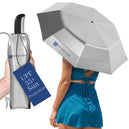
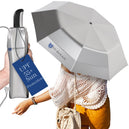
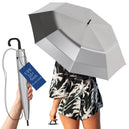
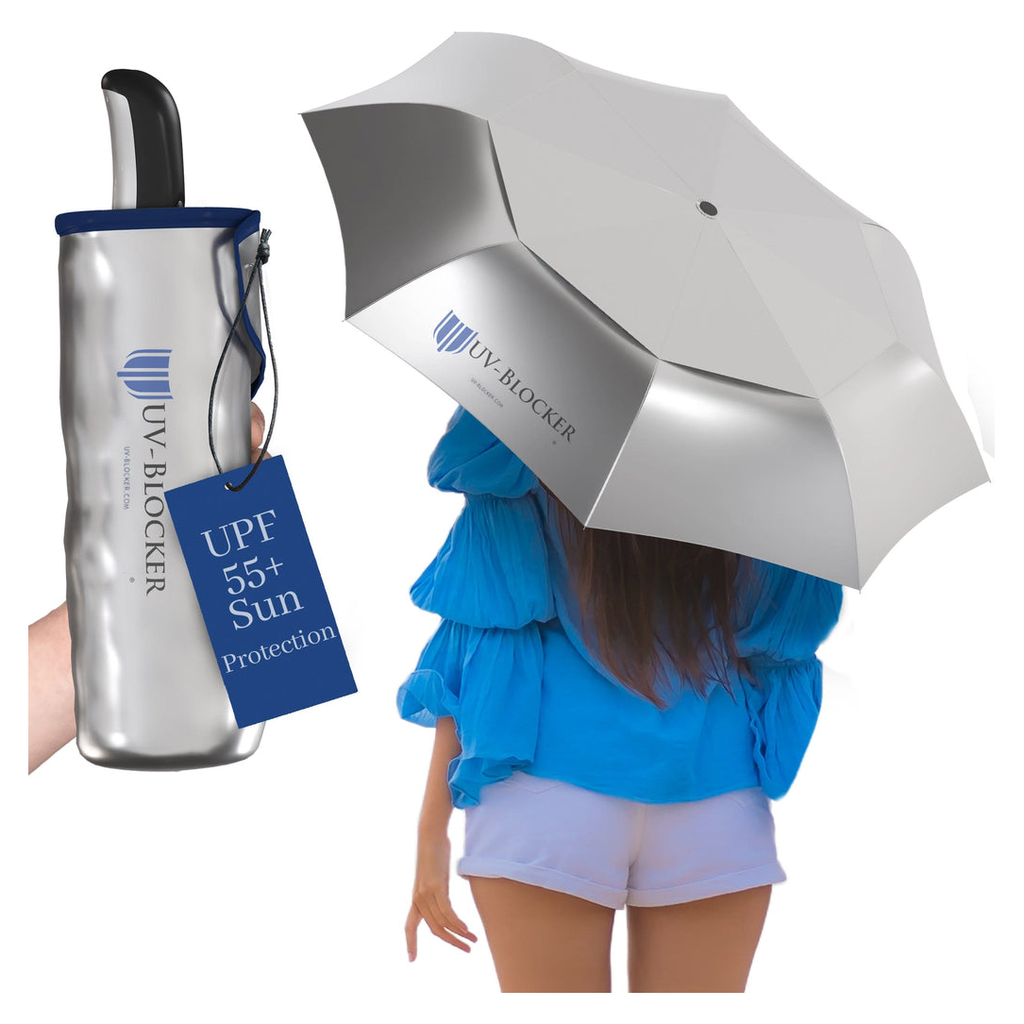
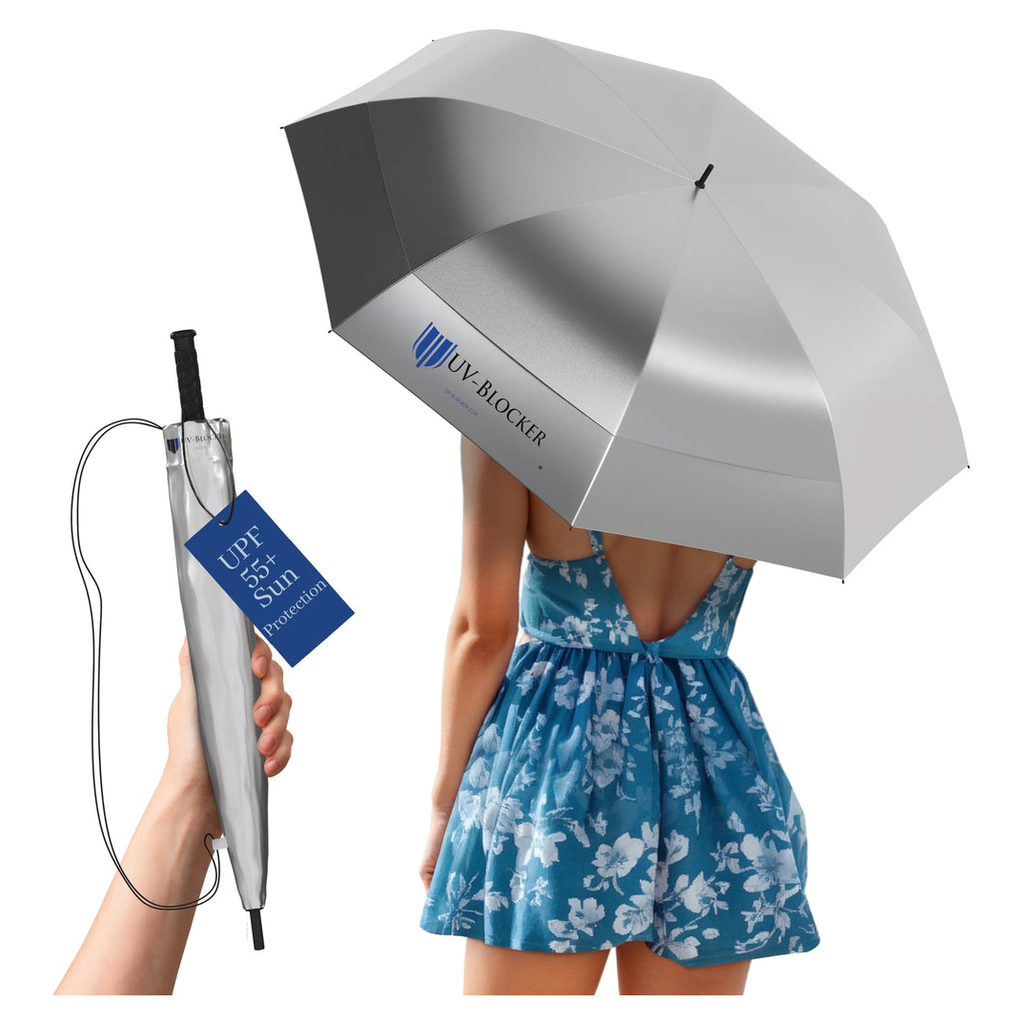
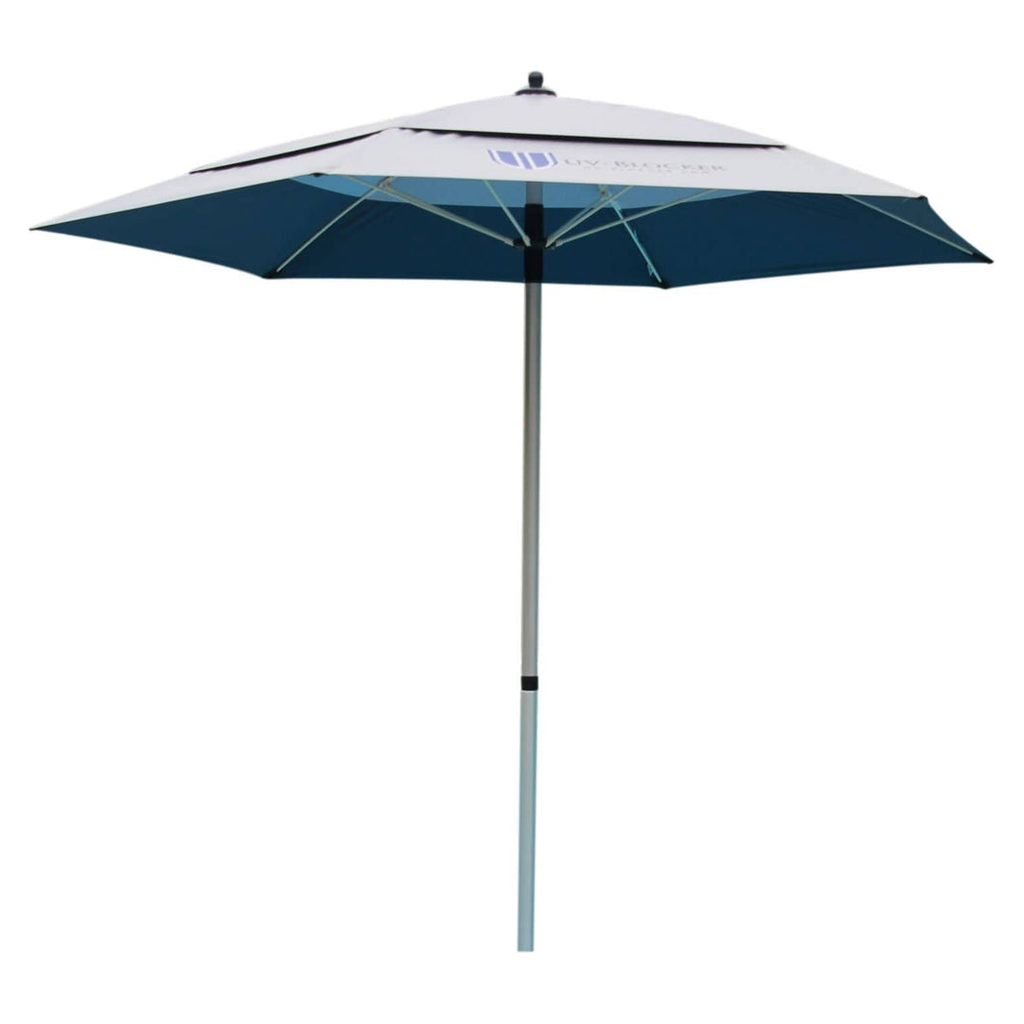
| 4. Sideline Shade | UV umbrella with UPF 50+ canopy | Set up at bench/spectator area before game | Chair Umbrella Holder provides hands-free shade for spectators; Compact UV Umbrella for portable sideline coverage |
| 5. Post-Game Recovery | Shade + hydration + cool compress | Immediately after final whistle | Move to shade within 5 minutes of game end |
Sunscreen timing defines success or failure for sun protection for soccer. The halftime break serves as the critical reapplication window. For youth games featuring shorter halves, parents must apply a much thicker initial coat since mid-game reapplication opportunities are limited or nonexistent. Halftime lasts only five to ten minutes. Players need a fast, reliable method to re-coat their face and arms before returning to the field.
UPF compression wear solves the sweat problem outright. Arm sleeves and base layers worn under jerseys are permitted by FIFA, USSF, and most youth league rules. They provide continuous, unwavering protection that never washes off with sweat. Using UPF 50+ fabric guarantees a physical barrier against solar radiation without requiring any mid-game maintenance.
Spectator shade presents a unique logistical challenge. Most recreational soccer fields have zero shade structures. Bringing a heavy pop-up tent is often impractical or prohibited by league rules. A portable UV umbrella paired with a Chair Umbrella Holder creates an instant personal shade zone that blocks 99% of UV rays. The Sports Umbrella Holder serves coaching staff who need hands-free shade while standing at the bench.
Tournament days amplify every one of these risks and demand a specific survival strategy.
How Do You Survive an All-Day Soccer Tournament in the Sun?
Tournament survival requires morning sunscreen application, shade between games, strict hydration schedules, and awareness of heat illness warning signs.
Morning preparation dictates the success of the entire weekend. Apply the first layer of sunscreen at home before leaving the house to allow 20 minutes of absorption time. Pack a dedicated sun kit containing a UV umbrella, extra sport sunscreen, electrolyte drinks, and cooling towels. Waiting until arriving at the complex to begin protection means starting from a deficit.
The time between games is when most tournament burns actually happen. Players and families often sit on the grass or in folding chairs in direct sun for 30 to 60 minutes between matches. Families must build a dedicated rest zone. Set up a shade station with a UV umbrella immediately. One person utilizing a Chair Umbrella Holder can create a reliable micro-climate that drops the ambient temperature for the resting athlete.
Hydration requires a strict schedule rather than drinking only when thirsty. Consume 16 to 20 ounces of water two hours before the first game. Drink 7 to 10 ounces every 20 minutes during active play. Replace lost minerals with electrolytes immediately after each game per American Academy of Pediatrics guidelines.
Heat illness requires immediate recognition. Heavy sweating that suddenly stops, confusion, severe nausea, a rapid heartbeat, or a body temperature above 104 degrees Fahrenheit are warning signs that require action. These symptoms demand immediate shade, active cooling, and professional medical attention.
These are the most common questions coaches and parents ask about soccer sun protection.
Frequently Asked Questions About Sun Protection for Soccer
These six questions cover the most common sun protection concerns from soccer players, parents, and coaches at every level of the sport.
Can Soccer Players Wear Hats During Games?
FIFA Law 4 permits head covers for field players if they are non-dangerous, match the shirt color, and have no protruding elements. Goalkeepers may wear standard caps.
In practice, most field players skip hats because headers are a core skill and headwear can shift unexpectedly during play. Wide-brim hats are impractical for athletes running at high speeds. Fitted caps are technically rules-legal if they meet the strict color and safety requirements, but few athletes adopt them.
What SPF Sunscreen Is Best for Soccer?
SPF 50+ broad-spectrum, water-resistant sport sunscreen is the recommended standard for soccer players because sweat degrades lower-SPF formulas within 40 minutes.
Look for sport or active formulations designed to resist heavy perspiration. Apply the lotion 20 minutes before warmup begins and reapply at halftime. Spray sunscreens are faster to apply during a chaotic halftime huddle but require two to three careful passes to achieve adequate skin coverage.
How Do You Stay Cool at an All-Day Soccer Tournament?
Use portable shade between games, follow a hydration schedule of 7 to 10 ounces every 20 minutes during play, and wear light-colored UPF clothing to reduce heat absorption.
A dedicated UV umbrella constructed with UPF 50+ fabric can reduce the temperature underneath the canopy by up to 15 degrees compared to standing in direct sun. Cooling towels, insulated misting bottles, and cold electrolyte drinks round out the essential heat management toolkit for a long weekend.
Does Sunscreen Affect Athletic Performance?
No. Modern sport sunscreens are formulated to avoid running into the eyes or creating a slippery grip, and they do not impair athletic performance when properly applied.
Older chemical formulas frequently stung the eyes when mixed with heavy sweat. Current sport formulations address this issue. The real performance risk stems from sun exposure itself. Heat exhaustion and UV radiation reduce a player's reaction time, endurance, and cognitive function. For a detailed look at the lingering effects of radiation damage on performance, review the guide on How Long Does a Sunburn Last.
Can You Wear Arm Sleeves in Soccer?
Yes. Compression arm sleeves worn under the jersey are permitted by FIFA, USSF, and most youth league rules, and they provide continuous UPF protection that does not wash off with sweat.
UPF 50+ compression sleeves are increasingly common in professional leagues and youth academies. They generally must be a single color matching the main jersey sleeve. This stands as one of the most effective sun protection layers available to a field player because it requires zero reapplication during the match.
How Do You Shade a Soccer Sideline Without a Tent?
A personal UV umbrella attached to a folding chair with a chair umbrella holder creates an instant shade zone without requiring setup space or league tent permits.
Pop-up tents are banned at many crowded youth soccer complexes due to space limitations and wind-safety concerns. A Compact UV Umbrella paired with a chair-mounted holder provides UPF 50+ shade that blocks 99% of UV rays, fits inside a standard soccer bag, and takes only seconds to set up. More comprehensive strategies are available in the guide to Sun Protection for Sports Parents.
Conclusion
- Soccer delivers high UV exposure through continuous play, a total lack of built-in field shade, and restricted protective equipment rules.
- Spectators on the sidelines represent an overlooked at-risk group. Stationary sun exposure across multiple games per week adds up faster than most parents realize.
- The 5-layer protocol addresses both players and spectators. It combines timed sunscreen application, physical UPF wear, lip protection, sideline shade hardware, and post-game recovery.
- Youth players ages 12 to 17 face the highest combined risk. They experience peak sunburn vulnerability alongside the lowest sunscreen compliance rates.
Before the next game kicks off, apply sunscreen 20 minutes early and pack a UV umbrella for the sideline. These two immediate steps eliminate the largest exposure gaps for the entire family. For deeper sideline strategies, read the full guide to Sun Protection for Sports Parents. Equip the family with proper hardware by browsing a reliable Chair Umbrella Holder for hands-free game-day shade.