

For millions of sports fans, game day starts hours before kickoff—in a stadium parking lot, soaking in the pre-game atmosphere. While the excitement is palpable, so is the invisible danger: ultraviolet (UV) radiation. Tailgating isn't just a social event; it's a high-UV activity that often combines long exposure times, reflective surfaces, and even factors like alcohol consumption that amplify sunburn risk. As Ron Walker, melanoma survivor and founder of UV-Blocker, knows firsthand, protecting your skin isn't just about comfort; it's about health.
This guide dives deep into the specific UV hazards of tailgating, examines sport-by-sport exposure profiles, and outlines the most effective strategies for staying sun-safe from the first burger to the final whistle. We'll explore why traditional sun protection often falls short in this unique environment and how advanced solutions like UV-Blocker umbrellas, with their patented Solarteck® technology, offer superior defense.
💡 Quick Reference Summary
- Parking lot surfaces like asphalt reflect 5-9% of UV, and concrete up to 15%, significantly increasing total UV exposure compared to grass (1-2%).
- Tailgating often occurs during peak UV hours (10 a.m. to 4 p.m.), especially for noon kickoffs, amplifying risk.
- Alcohol consumption can reduce the skin's antioxidant defenses, making fans more susceptible to sunburn with less UV exposure.
- College football tailgates carry exceptionally high UV risk due to early-season games falling in August and September, coinciding with peak UV indices.
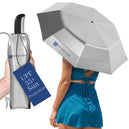
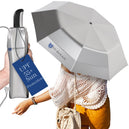
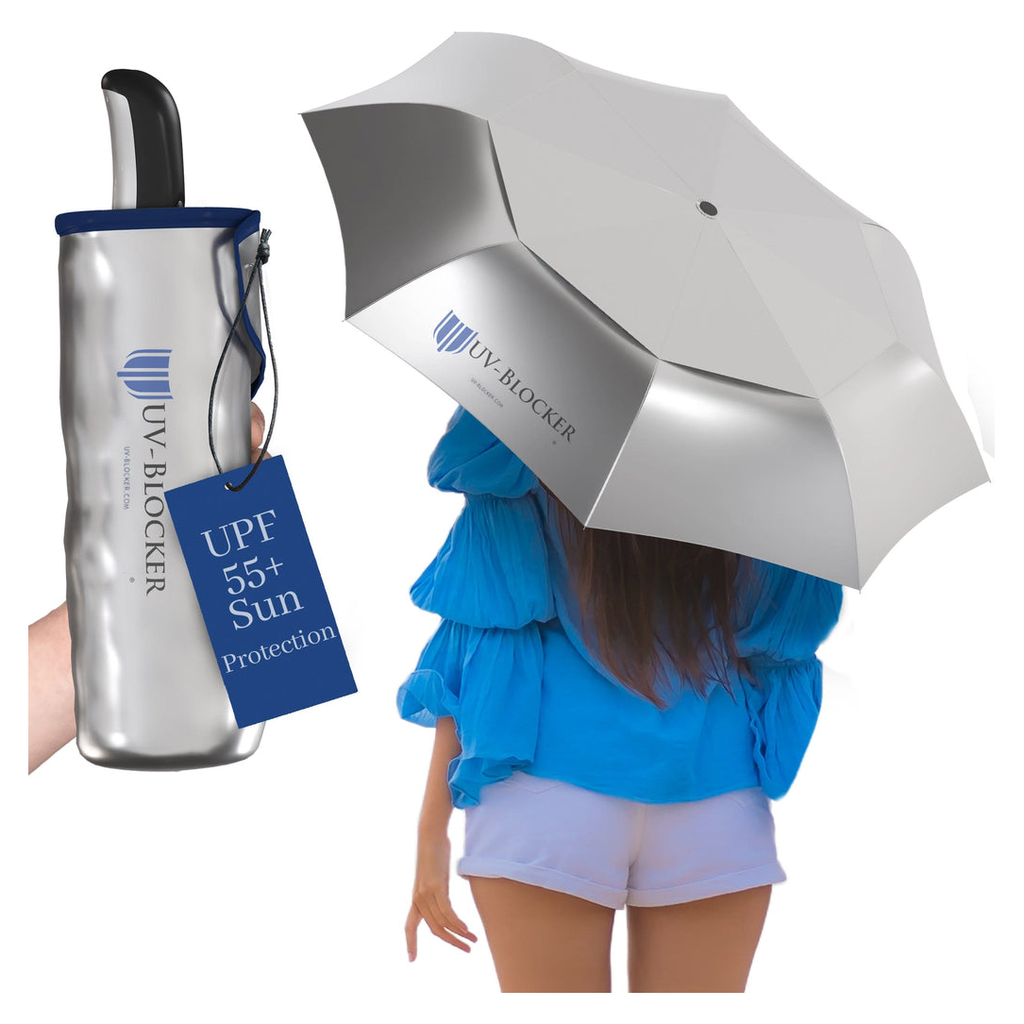
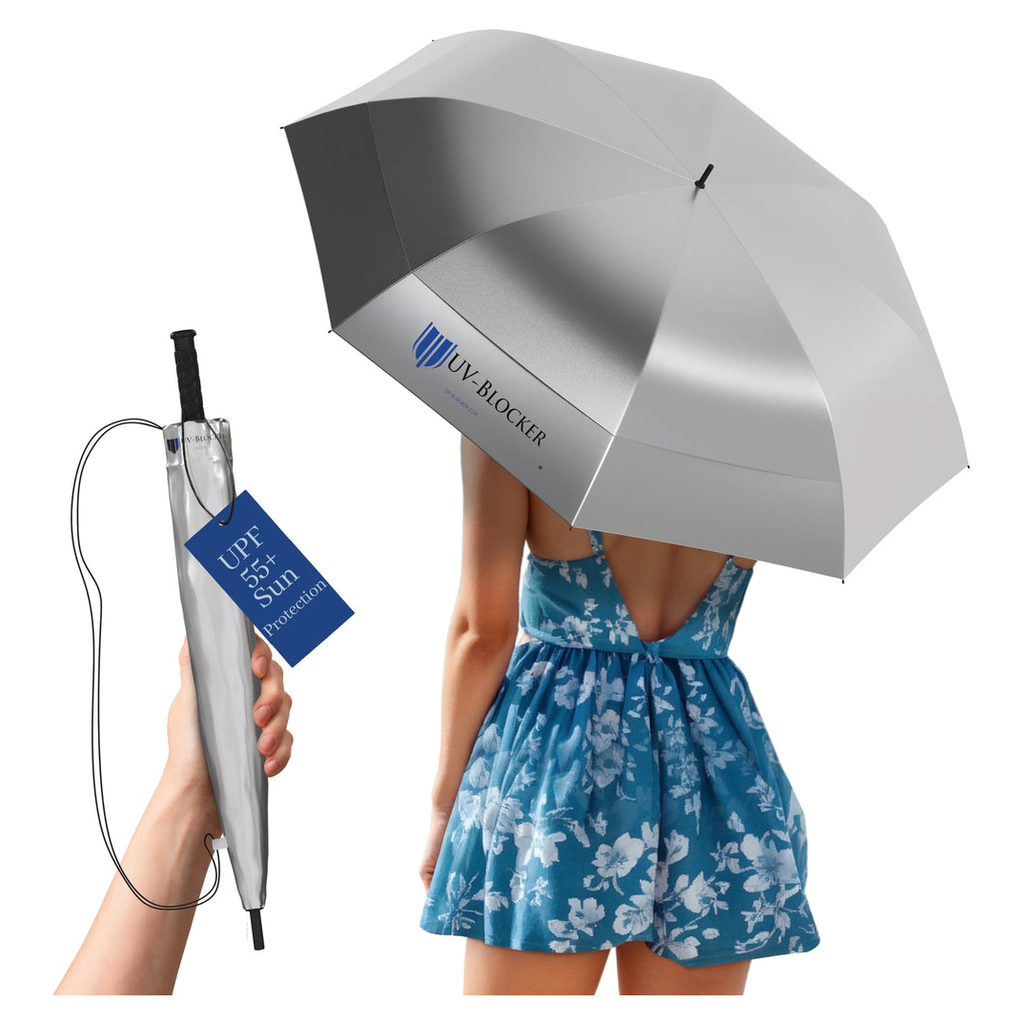
- A certified UPF 50+ umbrella, like those from UV-Blocker with Solarteck® fabric, blocks 99% of UVA/UVB rays, offering superior protection to unrated popup canopies.
- Physical shade is critical; for groups, a 7.5-foot UPF 50+ umbrella covers tables and several chairs, while personal chair holders provide hands-free shade for individuals.
- Unlike sunscreen, physical shade provides consistent, long-lasting protection that doesn't need reapplication, even after hours of pre-game fun.
Why Is Tailgating a High-UV Activity?
Tailgating is a confluence of environmental factors and human behavior that creates a perfect storm for high UV exposure. It combines prolonged outdoor time, highly reflective surfaces, and often coincides with the highest UV months and hours, all while cold drinks and camaraderie can distract from the accumulating damage.
The Asphalt and Concrete Factor: Hidden UV Amplifiers
Most tailgating takes place in expansive stadium parking lots, which are predominantly paved with asphalt or concrete. This seemingly benign surface is, in fact, a significant UV amplifier. Research, including studies published in journals like Photodermatology, Photoimmunology & Photomedicine, consistently shows that asphalt can reflect 5-9% of incident UV radiation. Concrete surfaces, often found in walkways and curbs, are even more reflective, bouncing back 7-15% of UV rays. Compare this to natural grass, which reflects a mere 1-2%. This means tailgaters are not just exposed to UV from above, but also from below, increasing overall dose and making full-body protection crucial.
Peak UV Hours and Seasonal Timing
The timing of tailgates is another critical factor. For noon kickoffs, fans often arrive as early as 8 or 9 a.m., settling in for 3-5 hours of pre-game festivities. This window frequently extends straight through the peak UV hours of 10 a.m. to 4 p.m., when the sun's rays are strongest and most direct. Furthermore, the college football season kicks off in August, and NFL tailgates begin in September, months that typically bring some of the highest UV index values (often 6-8+) across much of the United States. Even into October and November, midday UV can still be significant, especially in southern latitudes. Fans may underestimate the risk as temperatures drop, but UV radiation remains a threat regardless of ambient temperature.
The "Feel Good" Trap
A cool breeze, an ice-cold beverage, and the festive atmosphere can create a false sense of security. The cooling effects of drinks and a light wind can mask the sensation of heat and the slow onset of sunburn. By the time visible redness or discomfort appears, significant UV damage has already occurred at the cellular level. This hidden danger is why proactive protection, like that offered by UV-Blocker's UPF 50+ umbrellas, is essential. Moreover, even on overcast days, up to 80% of UV radiation can penetrate cloud cover, making sun protection for tailgating vital regardless of the sky's appearance.

How Does Alcohol Increase Sunburn Risk?
While often a staple of tailgating, alcohol consumption introduces a concerning layer of risk to sun exposure. Beyond merely impairing judgment, alcohol actively weakens the body's natural defenses against UV damage, making sunburn more likely and potentially increasing long-term health risks.
Weakening Antioxidant Defenses
The primary mechanism by which alcohol increases sunburn risk is by depleting the skin's antioxidant reserves. When UV radiation hits the skin, it generates harmful free radicals. Normally, antioxidants like carotenoids, glutathione, and vitamins C and E neutralize these free radicals, preventing cellular damage. Alcohol, however, interferes with this process. It can reduce levels of key antioxidants in the skin, leaving cells more vulnerable to UV-induced oxidative stress.
A compelling German study published in the Journal of Dermatological Science demonstrated this effect clearly. Researchers found that after participants consumed approximately three alcoholic beverages (equivalent to about 1.5 standard drinks per hour), the amount of UV exposure required to cause sunburn significantly decreased. This means that tailgaters drinking alcohol may burn faster and more severely than if they were sober, even under the same sun conditions. This is particularly concerning given the typical duration and volume of alcohol consumption at many pre-game events.
Dehydration and Impaired Judgment
Alcohol acts as a diuretic, accelerating fluid loss from the body and leading to dehydration. Dehydrated skin is more susceptible to damage and less efficient at repairing itself. While dehydration doesn't directly increase UV absorption, it compromises the skin's overall health and barrier function, making it less resilient to environmental stressors like sun exposure. Furthermore, alcohol can impair judgment, leading individuals to forget to reapply sunscreen, seek shade, or take other crucial sun protection measures. This combination of physiological vulnerability and behavioral oversight significantly elevates the risk of severe sunburn and prolonged skin damage. How Long Does a Sunburn Last?
Long-Term Health Implications
The risks extend beyond immediate sunburn. Chronic alcohol consumption, especially when combined with frequent sun exposure, has been linked to an increased risk of skin cancer. A meta-analysis of 16 studies revealed that individuals who are moderate-to-heavy drinkers faced a 20% increased risk of cutaneous melanoma, the most dangerous form of skin cancer. While tailgating is not daily drinking, the cumulative exposure over long sports seasons underscores the importance of mindful sun protection and responsible alcohol consumption.
What Does UV Exposure Look Like Sport by Sport?
The unique schedules and seasonal timing of different sports create varying profiles of UV risk for tailgaters. Understanding these distinctions helps fans prepare with appropriate sun protection strategies.
College Football: The High-Risk Champion
College football tailgates present arguably the highest UV risk. The season typically kicks off in late August and runs through September, months when UV levels across much of the United States are still at their annual peak. Many games, especially early in the season, feature noon kickoffs. This means tailgaters are often set up and exposed from 8 or 9 a.m. straight through the most intense UV period of the day (10 a.m. to 4 p.m.). In southern states, August and September UV index values can frequently hit 8-10+, reaching "very high" to "extreme" levels. Coupled with hours of exposure on reflective asphalt, this creates a significant risk for severe sunburn and cumulative skin damage. Fans heading to games in places like Florida, Texas, or Arizona in early fall need maximum sun protection.
NFL: Seasonal Shift and Varying Kickoffs
NFL tailgates, while still high-risk, see a gradual shift in UV intensity as the season progresses. Early season games in September and October can still expose fans to high UV levels, especially for 1 p.m. kickoffs. Fans arriving at 10 a.m. for a 1 p.m. game are still catching significant midday UV. As the season moves into November, December, and January, UV levels naturally decrease, and colder weather prompts fans to bundle up, often providing some incidental protection. However, UV radiation is still present, and a bright, sunny winter day can still cause a burn, particularly on exposed skin like the face and hands. Don't let colder temperatures lull you into a false sense of security; winter sun protection is still important.
MLB: Summer-Long Exposure
Major League Baseball (MLB) tailgating spans the entire summer, from April through September. This means fans are consistently exposed during the highest UV months of the year. While many games are in the evening, day games and pre-game events often place fans in direct sun during peak UV hours. The combination of reflective parking lots and long sunny afternoons makes comprehensive sun protection essential throughout the MLB season. For more detailed insights, see our guide on Sun Protection for Baseball.
NASCAR and Other Outdoor Sporting Events
Many other outdoor sporting events, such as NASCAR races, golf tournaments, and outdoor festivals, also involve extensive tailgating or prolonged outdoor spectating. These events can last for many hours, sometimes over multiple days, exposing fans to relentless sun. Trackside tailgating at a NASCAR event, for instance, can involve hours on asphalt or concrete in open areas with minimal natural shade. The principles of seeking shade, wearing UPF apparel, and using broad-spectrum sunscreen are equally critical for these diverse fan experiences.
How Should Fans Set Up Tailgate Shade?
Effective shade is the cornerstone of sun protection for tailgating, offering a physical barrier against harmful UV rays that doesn't wear off, wash off, or need reapplication. Setting up strategic shade can dramatically reduce your exposure and enhance comfort.
The Imperative of Physical Shade
While sunscreen is important, it's not a foolproof solution, especially for multi-hour tailgates. Sunscreen application can be uneven, sweat off, or simply be forgotten for reapplication. Physical shade, on the other hand, offers immediate and continuous protection. For tailgating, where you're often stationary for extended periods, investing in reliable shade is arguably the most impactful sun protection measure you can take.
Shade Solutions for Tailgating:
-
Premium UPF 50+ Umbrellas: These are your best defense. Unlike basic market umbrellas, UV-Blocker umbrellas are specifically engineered with UPF 50+ Solarteck® fabric to block 99% of UVA and UVB radiation. They come in various sizes suitable for tailgating:
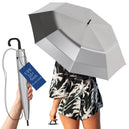
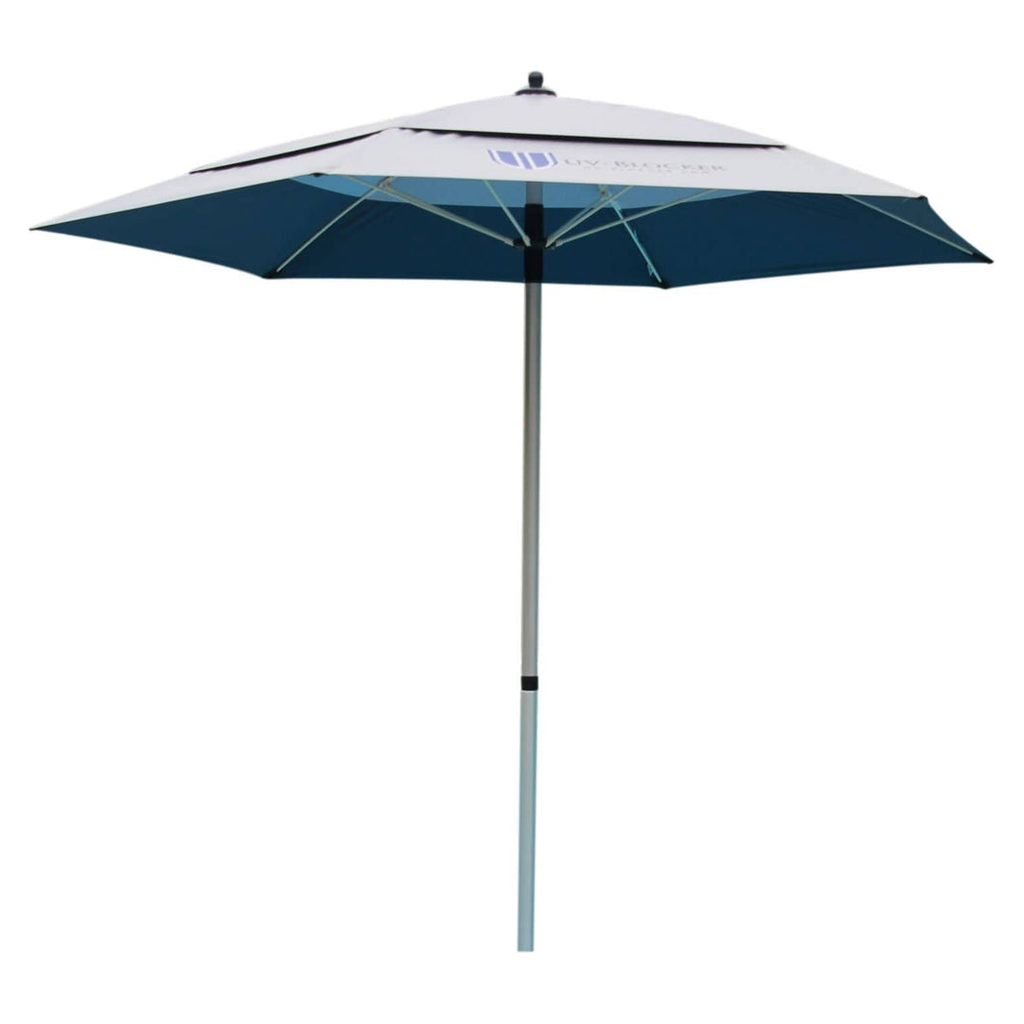
- Large Tailgate Umbrellas (e.g., 7.5-foot Beach Umbrella): An ideal choice for covering a folding table and several chairs, creating a central shaded hub for your group. Look for models with sturdy, wind-resistant frames and tilt functions to adjust with the sun's movement.
- Personal Chair Umbrellas: For individual seating, a smaller umbrella that attaches directly to a folding chair provides hands-free, personalized shade. This ensures everyone in your group can have direct protection, even if they're not under the main canopy.
-
Popup Canopies/Tailgate Tents: These provide larger coverage areas, suitable for bigger groups. However, there's a critical caveat: many standard popup canopies are *not* designed with UV protection in mind and may offer minimal UPF. Always check for a certified UPF rating (ideally 50+) before purchasing. Without a rating, their fabric might only block 50-70% of UV, leaving you vulnerable. Ensure any canopy you use is securely weighted down, as parking lots can be windy.
-
Strategic Vehicle Placement: Use your vehicle to cast some initial shade, particularly in the morning or late afternoon when the sun is lower. Park strategically to maximize the shadow it casts over your setup, but remember the sun will move, so this is only a temporary solution.
Maximizing Your Shade Setup:
- Track the Sun: The sun's position changes throughout the day. Set up your umbrella or canopy to block the sun from its highest point (midday) and be prepared to adjust it or reposition chairs as the sun moves lower in the sky. UV-Blocker's tilting mechanisms are particularly useful for this.
- Combine with Other Protections: Shade is powerful, but not total. Always pair shade with other sun-safe practices like wearing UPF apparel, a wide-brimmed hat, sunglasses, and broad-spectrum sunscreen on any exposed skin.
- Prioritize Peak Hours: If you can't have constant shade, prioritize seeking it during the 10 a.m. to 4 p.m. peak UV window.
How Does a UV Umbrella Compare to a Popup Canopy or Tailgate Tent?
When it comes to tailgate shade, fans often weigh the options between popup canopies and umbrellas. While both offer physical shade, the level of UV protection and overall functionality can vary dramatically, with specialized UV umbrellas offering distinct advantages.
The Crucial Difference: UPF Rating and Solarteck® Technology
The single most important distinction lies in the Ultraviolet Protection Factor (UPF) rating.
- UV-Blocker Umbrellas: All UV-Blocker umbrellas are made with patented Solarteck® fabric, which boasts a certified UPF 50+ rating. This means they block 99% of UVA and UVB rays, providing maximum sun protection. The fabric is rigorously tested and approved by the Melanoma International Foundation (MIF), offering peace of mind that you're getting genuine, high-level defense. Solarteck® fabric also has a unique ability to reduce heat under the umbrella by up to 15 degrees, keeping you cooler and more comfortable in the hot parking lot.
- Popup Canopies/Tailgate Tents: Many standard popup canopies or tailgate tents do not carry a UPF rating. Their fabric is often designed for water resistance or general shade, not specific UV blocking. Without a UPF rating, these canopies may only block 50-70% of UV radiation at best. This means a significant amount of harmful UV can still penetrate, leaving you vulnerable to sunburn and long-term skin damage, even when you feel like you're in the shade. It’s a common misconception that all shade is equal shade when it comes to UV protection.
Portability, Setup, and Footprint
- UV-Blocker Umbrellas: Designed for convenience and portability. Many models, including the 7.5-foot beach umbrella, are lightweight and collapse easily, fitting into a compact carrying bag. Setup is quick and intuitive, often requiring just a few minutes. Their smaller footprint makes them adaptable for various parking lot setups, whether for an individual chair or a small group around a table.
- Popup Canopies/Tailgate Tents: These typically offer a larger shaded area (e.g., 10x10 feet) but come with trade-offs. They are generally heavier, bulkier, and can take more time and effort to set up, often requiring two people. Their larger footprint might also be challenging in crowded parking lots or designated tailgating spaces, and they require proper weighting to prevent them from becoming a hazard in windy conditions.
Durability and Design
- UV-Blocker Umbrellas: Constructed with robust frames (fiberglass, aluminum) and high-quality materials to withstand outdoor conditions, including moderate winds. The Solarteck® fabric is durable and designed for long-term outdoor use, resisting degradation from UV exposure itself. Features like tilting mechanisms allow for easy adjustment to track the sun.
- Popup Canopies/Tailgate Tents: Quality varies widely. Cheaper models can have flimsy frames and fabrics that tear easily or degrade quickly under UV exposure, reducing their effective lifespan and protection over time. While heavy-duty commercial canopies exist, they often come at a premium price and increased weight/bulk.
Versatility
UV-Blocker umbrellas are highly versatile. A 7.5-foot umbrella can serve as a primary shade source at a tailgate, then easily transition to a beach trip, backyard BBQ, or even a patio umbrella. Personal chair umbrellas provide targeted shade that moves with you. Canopies are often less versatile outside of large, stationary events.
For superior, certified UV protection, heat reduction, and ease of use, a UV-Blocker UPF 50+ umbrella offers a compelling advantage over most generic popup canopies, ensuring you and your fellow fans are truly protected.
Frequently Asked Questions About Sun Protection for Tailgating
Frequently Asked Questions
Q: Is sunscreen enough for a long tailgate?
A: While sunscreen is a vital component of sun protection, it is generally not enough on its own for extended tailgates. Sunscreen needs to be applied generously and reapplied every two hours, or more often if sweating or wiping. Many fans forget to reapply, or apply it unevenly. For multi-hour exposure, especially on reflective surfaces like asphalt, physical shade, UPF apparel, and wide-brimmed hats are crucial for comprehensive protection. A UPF 50+ umbrella provides continuous, reliable shade that doesn't wear off.
Q: What is UPF, and why is UPF 50+ important for tailgating gear?
A: UPF stands for Ultraviolet Protection Factor, a rating system for fabrics that measures how much UVA and UVB radiation they block. A UPF 50+ rating means the fabric blocks at least 98% of harmful UV rays. This is incredibly important for tailgating because unrated fabrics, like those found on many standard popup canopies or hats, may only block a fraction of UV, giving a false sense of security. UV-Blocker's Solarteck® fabric is certified UPF 50+, ensuring maximum protection against both types of damaging UV radiation.
Q: How does UV reflection from surfaces like asphalt affect my sun protection strategy?
A: Reflective surfaces are a major concern. Asphalt reflects 5-9% of UV, and concrete up to 15%, meaning you get UV exposure from both above and below. This under-reflection can bypass standard sunscreens applied only to the top of the skin. To counter this, comprehensive strategies are needed: physical overhead shade from a UPF 50+ umbrella, UPF clothing (like long pants and sleeves), and broad-spectrum sunscreen on all exposed skin, including the undersides of limbs if exposed.
Q: Can I still get sunburned on a cloudy tailgating day?
A: Absolutely. Clouds do not block all UV radiation. Up to 80% of UV rays can penetrate light cloud cover, and specific types of clouds can even scatter and amplify UV. Moreover, UV radiation, unlike visible light or heat, is not directly felt. So, even on a cool, overcast day, significant UV damage can occur without you realizing it. Always implement sun protection measures, including shade and sunscreen, regardless of cloud cover.
Q: What UV-Blocker products are best for tailgating?
A: For group tailgating, our 7.5-foot UPF 50+ beach umbrella (or similar larger models) provides excellent coverage for a table and several chairs. Its tilt feature allows you to adjust with the sun. For individual sun protection, a personal chair umbrella that attaches directly to your folding chair offers hands-free, continuous shade. All UV-Blocker umbrellas feature our patented Solarteck® fabric for maximum UV blockage and heat reduction, and are MIF-approved for guaranteed protection.
Conclusion
Tailgating is a beloved tradition, a vibrant part of the game day experience. But enjoying it safely means being proactive and informed about sun protection. The combination of long exposure times, highly reflective surfaces, peak UV hours, and even factors like alcohol consumption creates a uniquely high-risk environment for UV damage.
As a melanoma survivor, UV-Blocker founder Ron Walker understands the critical importance of effective sun protection. That's why UV-Blocker umbrellas, with their patented UPF 50+ Solarteck® technology, are engineered to provide superior defense, blocking 99% of harmful UVA and UVB rays while reducing heat. Unlike unrated canopies, UV-Blocker offers certified, reliable protection that won't wear off or wash away.
Whether you're cheering for your college team, supporting your NFL franchise, or enjoying any outdoor sporting event, make smart sun protection a non-negotiable part of your game day plan. Choose physical shade like a UV-Blocker umbrella, combine it with UPF apparel and sunscreen, and stay hydrated. Protect your skin, enjoy the festivities, and come home from the game with nothing but good memories, not a sunburn.
Frequently Asked Questions: Tailgating UV Safety
What is the UV risk during a morning tailgate?
UV index can reach dangerous levels as early as 9 a.m. in summer months, particularly in southern stadiums. Even overcast skies transmit up to 80% of UV radiation. Check the UV index on weather apps before leaving home and plan shade accordingly.
How do I set up an effective sun protection zone at a tailgate?
Combine a canopy tent with individual UV-blocking umbrellas so guests always have shade access even when moving around. Orient the canopy opening away from the sun. Lay out sunscreen, lip balm SPF 30+, and cooling spray at the main table as easy-access essentials.
What food and drink choices help with tailgate sun protection?
Hydration is as important as physical UV barriers. Choose water and electrolyte drinks over alcohol early in the session — alcohol dilates blood vessels and can amplify a sunburn. Foods rich in antioxidants (berries, tomatoes, green tea) support natural UV repair.
Can kids tailgate safely in the sun?
Children's skin is more UV-sensitive than adults'. Apply SPF 50+ mineral sunscreen 20 minutes before heading out, dress them in UPF clothing, and insist on hat use. Set up a dedicated shade area for young children and schedule their activity during lower-UV windows.
Sun Safety in Australia
Australia has some of the highest UV radiation levels in the world, with the UV Index regularly reaching extreme levels (11 or above) in cities such as Sydney, Melbourne, Brisbane, Perth, and Adelaide for much of the year — including on overcast days. The Cancer Council Australia reports that approximately two in three Australians will be diagnosed with some form of skin cancer by age 70, making sun protection a national health priority.
Key resources and guidelines for Australian sun safety:
- SunSmart Program (Cancer Council Australia): The SunSmart UV Alert is broadcast daily and recommends sun protection whenever the UV Index reaches 3 or above. In most Australian cities, this threshold is met every day of the year, including winter months in northern regions.
- ARPANSA (Australian Radiation Protection and Nuclear Safety Agency): Provides real-time UV monitoring at stations across all states and territories. Australians can access current UV levels at arpansa.gov.au.
- Safe Work Australia — UV Radiation as an Occupational Hazard: Australian workplace health and safety legislation requires employers to assess and manage UV radiation exposure for outdoor workers. Physical shade, including umbrellas rated UPF 50+, is recognised as a primary engineering control under these regulations.
A UPF 50+ UV-blocking umbrella provides the consistent, continuous shade protection that is essential under Australia's intense sun. The UV-Blocker umbrella, with its patented Solarteck® reflective coating, blocks 99% of UV rays and reduces perceived temperature by up to 15°F — a meaningful advantage for outdoor activities in Australia's climate. It is the only umbrella of its kind approved by the Melanoma International Foundation.
Frequently Asked Questions
What UV protection does a 4-hour tailgate actually require?
A 4-hour midday tailgate in summer can deliver UV doses equivalent to a full day at the beach — especially in parking lots where asphalt reflects additional UV upward. The minimum effective protection stack is: broad-spectrum SPF 30–50 applied to all exposed skin 30 minutes before going outside; a reapplication at the 2-hour mark (set a phone alarm); a wide-brim hat covering face, ears, and neck; UPF-rated clothing where possible; and physical shade over your seating area. For teams setting up a home base, a UPF 50+ umbrella or canopy rated for UV blocking provides the reliable overhead shade that sunscreen alone cannot. The UV-Blocker umbrella blocks 99% of UV rays with Solarteck® coating — functioning as continuous, reapplication-free shade throughout the event.
Can you set up a shade umbrella in a stadium parking lot?
Yes — most stadiums permit personal shade structures in designated tailgating areas, provided they fit within your assigned parking space and don't block neighboring fans or traffic lanes. A compact UV-blocking umbrella is ideal for parking lot tailgates because it requires no ground stakes, can be held or clamped to a chair, and weighs under 2 pounds — far easier than transporting a pop-up canopy. For teams with larger setups, a weighted canopy with UV-rated fabric creates a shade zone over your whole group. Always check your venue's tailgate policy before the event; some stadiums have height or footprint restrictions on structures. The most flexible option remains a handheld or table-clamp UV umbrella that can be repositioned as the sun moves.
What is better for tailgating: a canopy tent or a UV umbrella?
Each has distinct advantages depending on group size and venue logistics. A 10×10 canopy tent covers 6–10 people and creates a defined shade zone but requires transport, setup time, and space. A UPF 50+ UV umbrella is instant, highly portable, and can be repositioned throughout the day as sun angles shift — and it travels easily from car to gate. For maximum protection, the deciding factor is fabric rating: many budget canopy tents are not UV-rated, offering minimal UV protection despite blocking direct sunlight. Look for canopies explicitly rated UPF 50+. The UV-Blocker umbrella uses independently tested Solarteck® technology rated UPF 50+ (100% UVB, 99.97% UVA block per AATCC TM183-2020) and is endorsed by the Melanoma International Foundation — a verified standard that budget options rarely match.
How do you stay cool while tailgating in summer heat?
Staying cool at a summer tailgate requires addressing both heat and UV simultaneously since sun exposure significantly raises perceived temperature. Key strategies: position your shade structure to track sun movement — early tailgates need east-facing shade, late ones need west-facing; use a UV-blocking umbrella with a reflective coating (the UV-Blocker Solarteck® coating reduces the temperature beneath it by up to 15°F); stay hydrated with electrolyte drinks rather than relying on alcohol or caffeinated beverages, which accelerate dehydration; wear light-colored, loose-fit UPF clothing that reflects heat; and use a portable misting fan under your shade structure. Avoid asphalt surfaces where possible — dark pavement can reach 130–150°F, radiating significant heat upward even when ambient temperatures are moderate.
Do UV umbrellas work effectively on windy days in parking lots?
UV umbrellas rated for outdoor use — as opposed to fashion parasols — are engineered for wind resistance. High-quality options feature vented canopy designs that allow air to pass through rather than catching like a sail, fiberglass or reinforced steel ribs rather than hollow aluminum, and auto-open mechanisms with locking joints. The UV-Blocker umbrella is built for outdoor conditions with these features. In sustained winds above 20–25 mph, any handheld umbrella becomes difficult to manage safely; for very windy conditions, switch to a weighted canopy tent with wind-rated stakes, or use a vehicle as a windbreak and position your shade accordingly. Always point the canopy into the wind rather than away from it to reduce lifting force.
What time of year are UV risks highest at outdoor tailgates?
Late spring through early fall (May–September) represents peak UV season for most of the United States, coinciding with the NFL preseason, college football openers, baseball season, and major outdoor sports events. However, UV risk at tailgates is year-round in sunbelt states — Florida, Texas, Arizona, and Southern California fans face UV Index 6+ even in December. Snow-season college football games in northern states carry a different risk: snow reflects 80% of UV, creating reflected UV exposure even on cold, partly cloudy days when fans typically skip sunscreen entirely. The combination of cold temperature and high UV is particularly dangerous because the cool air masks any sensation of burning. A UPF 50+ umbrella or UPF outerwear provides protection regardless of temperature.
Is UV exposure at tailgates a serious skin cancer risk or just a sunburn concern?
UV exposure at tailgates is a genuine skin cancer risk — not merely a comfort issue. A single blistering sunburn doubles the lifetime risk of melanoma, and each subsequent sunburn incrementally increases that risk. For fans who tailgate every home game across a 10-year career of fandom, the cumulative UV dose is equivalent to multiple full-day beach exposures per year. The skin has no UV memory reset — damage accumulates across a lifetime. Melanoma is the most dangerous form of skin cancer, with over 100,000 new cases diagnosed annually in the US. The UV-Blocker umbrella's Melanoma International Foundation endorsement reflects verified UV-blocking performance — it is recommended as a primary protective tool, not a backup to sunscreen.
Frequently Asked Questions
What is the difference between UVA and UVB rays, and why does it matter?
UVA rays (320–400nm) are longer waves that penetrate deep into the skin, causing photoaging, wrinkles, and contributing to melanoma. They pass through glass and clouds and are relatively constant year-round. UVB rays (290–320nm) are shorter, cause sunburn, and are the primary driver of skin cancer. They're most intense midday (10am–4pm) and in summer. Effective sun protection must block both.
How effective is a UPF 50+ umbrella compared to sunscreen alone?
A UPF 50+ umbrella blocks 99%+ of direct overhead UV — more reliable than sunscreen because it doesn't require reapplication, doesn't wash off with sweat, and provides consistent protection. However, reflected UV from surfaces still reaches skin under an umbrella. The ideal combination is SPF 50+ sunscreen + UPF 50+ umbrella for 95–99% total UV reduction. UV-Blocker's umbrellas are dermatologist-recommended for this purpose.
What time of day poses the highest UV risk?
UV radiation is highest between 10am and 4pm, peaking around noon in most locations. The UV Index is the most accurate measure — when it reaches 6 or above, unprotected skin can begin to burn in as little as 15 minutes. Cloud cover reduces UV intensity but doesn't eliminate it: 80% of UV penetrates light cloud cover.
Does skin tone affect UV damage risk?
All skin tones are affected by UV radiation, but the risk and presentation differ. People with lighter skin (Fitzpatrick types I–III) burn faster and have higher non-melanoma skin cancer rates. People with darker skin (types IV–VI) are more prone to hyperpigmentation and have a higher risk of melanoma being diagnosed at later stages. Sun protection is essential for every skin tone.
What are early warning signs of skin cancer I should watch for?
Use the ABCDE rule for moles: Asymmetry, Border irregularity, Color variation, Diameter larger than 6mm, and Evolving (any change over time). Also watch for sores that don't heal, new pink or pearly bumps, and flat red or pink patches. Annual dermatologist screenings are recommended for anyone with significant sun exposure history or a family history of skin cancer.
Expert Sun Protection Recommendations
- Check the daily UV Index at weather.gov or a UV app before any extended outdoor activity
- Apply SPF 30+ broad-spectrum sunscreen 30 minutes before going outdoors, not right before sun exposure
- Reapply sunscreen every 2 hours and after swimming or heavy sweating
- Use a UPF 50+ umbrella for hands-free shade during outdoor dining, sports, or work
- Wear UV-blocking sunglasses that block 99–100% of UVA and UVB — eyes are vulnerable to UV-related damage
- Annual skin screenings with a board-certified dermatologist can catch early-stage skin cancers when highly treatable