
Finding the Right Balance
As we age, maintaining good health becomes increasingly important. For older adults, spending time outdoors during the summer can have significant benefits for both physical and mental health. However, it's crucial to find the right balance between reaping these benefits and minimizing potential risks. In this blog, we'll explore how outdoor time can improve vitamin D levels and mental health, while also addressing the importance of sun protection to reduce the risk of eye conditions and skin cancer.
The Sunshine Vitamin: Boosting Vitamin D and Mental Health
Vitamin D plays a vital role in maintaining bone health, immune function, and overall well-being. One of the most effective ways to boost vitamin D levels is through sun exposure, which triggers the production of this essential nutrient in the skin. Research has shown that actively encouraging older adults in nursing homes to spend time outdoors during the summer significantly improves their serum 25(OH)D levels, a key marker of vitamin D status. This boost in vitamin D not only supports physical health but also has a positive impact on self-perceived mental health.
For many older adults, sun exposure during the summer months could complement or even replace the need for oral vitamin D supplements. This is especially important, as maintaining adequate vitamin D levels can help reduce the risk of bone fractures and support overall vitality.
Balancing Sun Exposure and Eye Health
While moderate sun exposure is beneficial, it's important to be mindful of the risks associated with UV radiation, particularly for older adults. Exposure to low levels of UV radiation can increase the risk of cataracts, a major cause of blindness in older adults. Cataracts develop when the lens of the eye becomes cloudy, leading to impaired vision. Adequate eye protection, such as wearing sunglasses with UV protection and wide-brimmed hats, is essential to lower the risk of developing cataracts and other sun-related eye conditions.
It's also worth noting that the skin around the eyes is delicate and susceptible to damage from UV radiation. Basal cell carcinoma, the most common type of skin cancer, frequently affects the eyelids. Protecting the skin in this area with sunglasses and sunscreen can help reduce the risk of developing skin cancer.
Safe Sun Guidelines for Older Adults
To maximize the benefits of sun exposure while minimizing the risks, it's important to follow safe sun practices. A good guideline for older adults is to aim for 5-10 minutes of sunlight 2-3 times a week. This amount of sun exposure is typically sufficient to produce healthy levels of vitamin D while keeping the increased risk of skin cancer to a minimum.
As we age, our skin undergoes changes that make it more vulnerable to the harmful effects of UV radiation. The skin becomes thinner, losing fat and water content, which allows UV light to penetrate more deeply. The outer layer of the skin contains cells with melanin, a pigment that helps protect the skin from the sun's ultraviolet rays. However, with aging, the skin's ability to produce melanin diminishes, making it more susceptible to sunburn and premature aging.
Protecting Skin and Eyes from UV Damage
To protect older adults from the harmful effects of UV radiation, it's important to take precautions. These include:
- Wearing Sunscreen: Apply a broad-spectrum sunscreen with an SPF of 30 or higher to all exposed skin, even on cloudy days.
- Using Sunglasses: Choose sunglasses that block 100% of UVA and UVB rays to protect both the eyes and the delicate skin around them.
- Wearing Protective Clothing: Lightweight, long-sleeved shirts and wide-brimmed hats can provide additional protection from the sun's rays.
- Avoiding Peak Sun Hours: The sun's rays are strongest between 10 a.m. and 4 p.m. Limiting outdoor activities during these hours can reduce the risk of UV damage.
Conclusion
Spending time outdoors during the summer offers significant health benefits for older adults, including improved vitamin D levels and enhanced mental well-being. However, it's important to balance these benefits with the potential risks of UV exposure, particularly when it comes to eye health and skin protection. By following safe sun practices and taking precautions, older adults can enjoy the benefits of the outdoors while safeguarding their health.
The Benefits and Risks of Sun Exposure for Older Adults: Frequently Asked Questions
How can seniors balance the need for Vitamin D with the high risk of skin cancer?
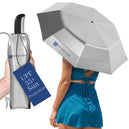
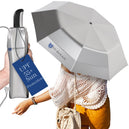
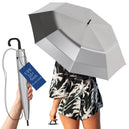
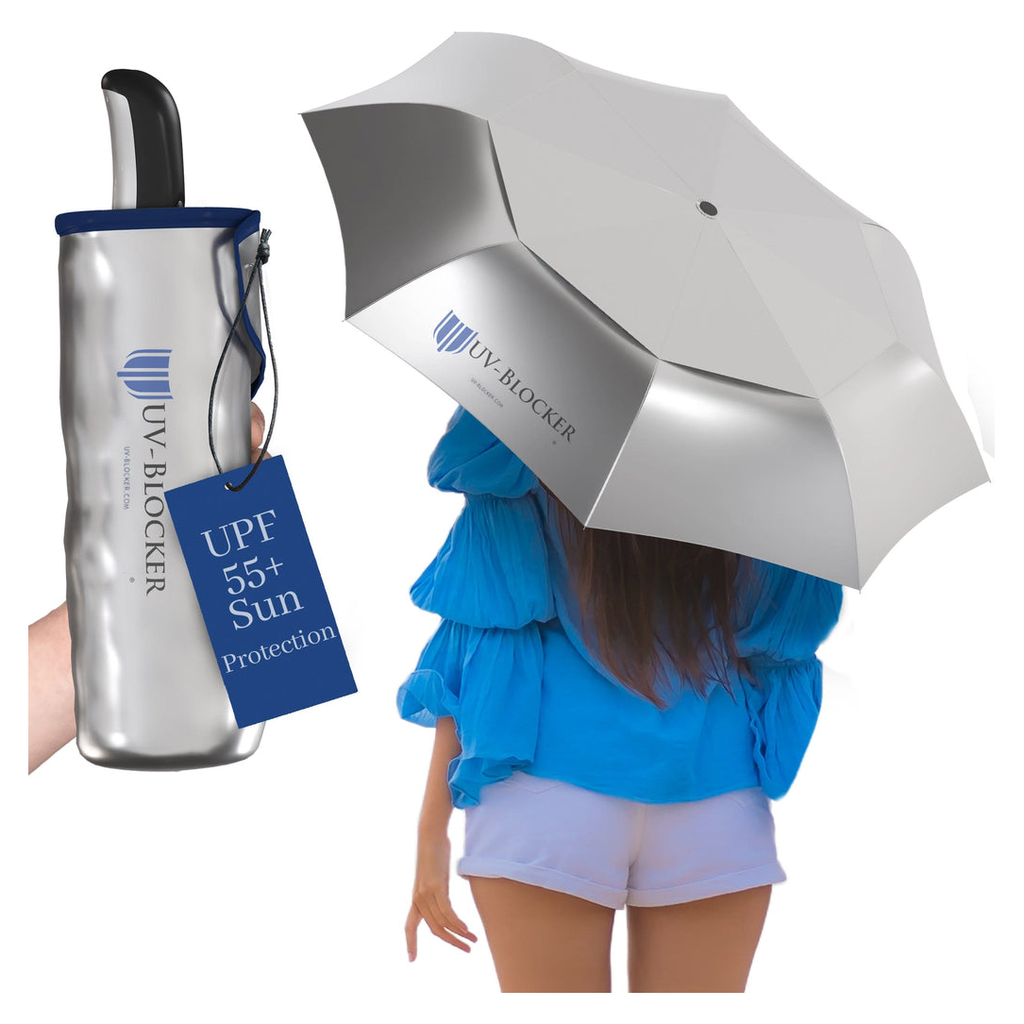
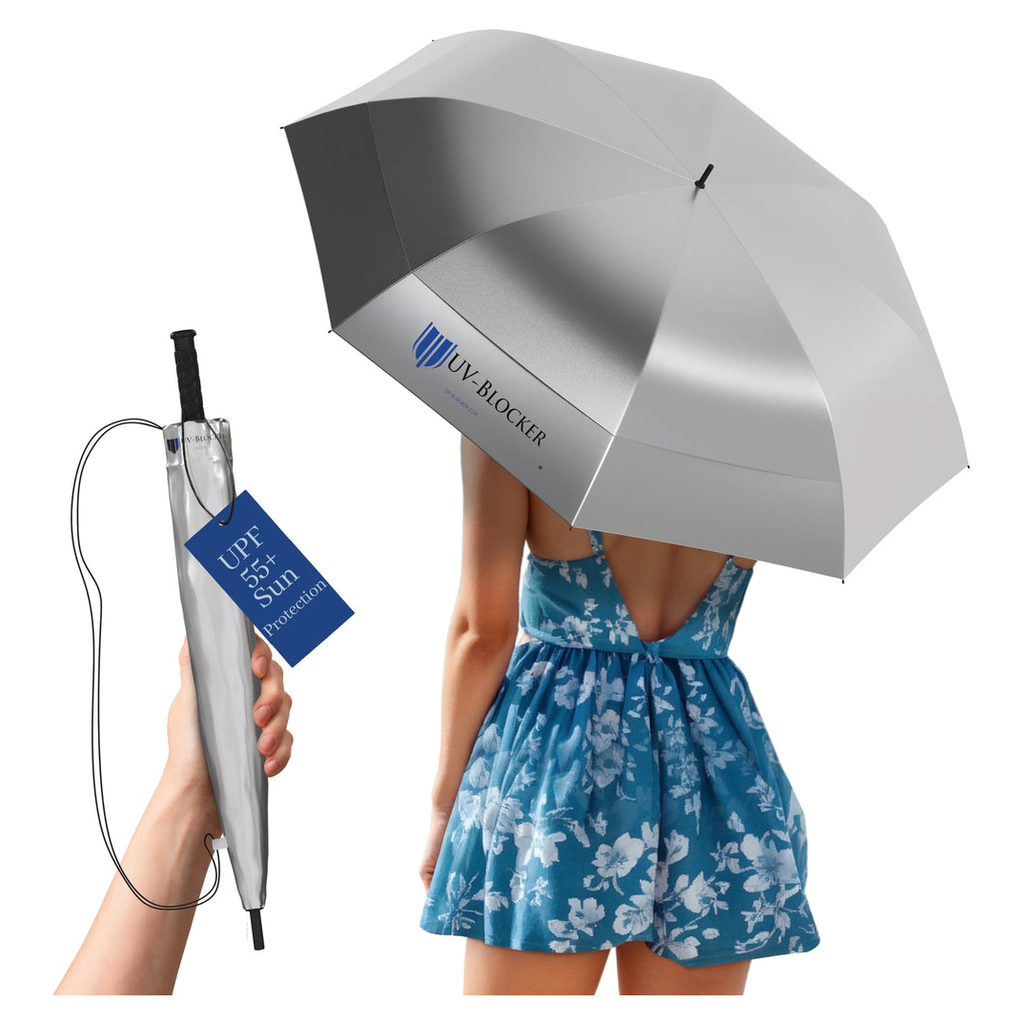
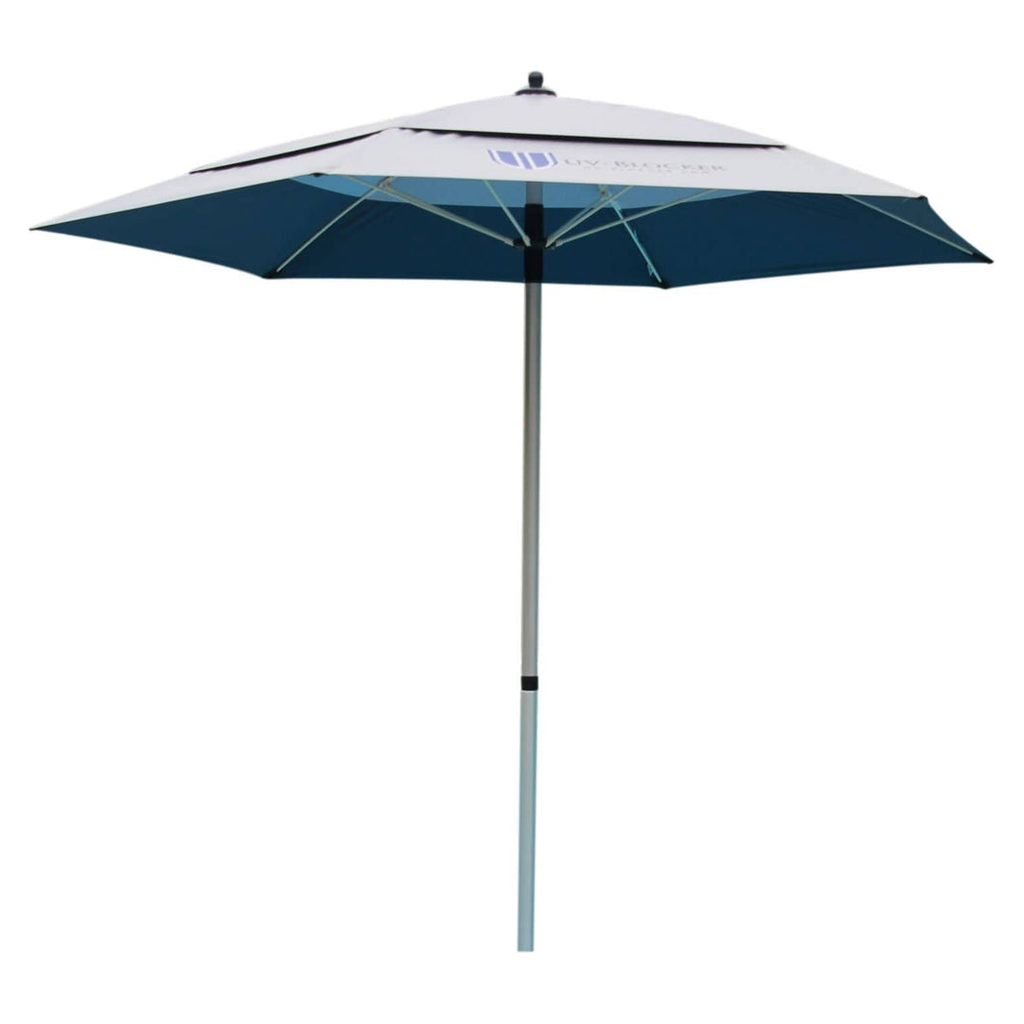
Although seniors need Vitamin D for bone density, aging skin is up to 20% thinner and more vulnerable to UV damage, with over 50% of skin cancer deaths occurring in patients over age 65. UV-Blocker umbrellas provide a reliable solution by utilizing Solarteck® technology to reflect 99% of harmful rays. This provides a UPF 50+ safety net that allows for outdoor mobility without the high risk of cellular DNA damage.
Do common senior medications increase the danger of sun exposure?
Yes, approximately 40% of medications commonly taken by seniors, including certain diuretics and heart drugs, can cause photosensitivity. Using a UV-Blocker ensures a physical shield against these reactions, which is especially important as it carries the Melanoma International Foundation seal of approval. This physical barrier is often more effective than topical creams alone for preventing medication-induced solar dermatitis.
How does UV protection assist in preventing age-related vision loss?
Cumulative UV exposure is responsible for nearly 20% of cataract cases and significantly contributes to macular degeneration in older adults. A UV-Blocker umbrella with Solarteck® fabric blocks 99% of UVA and UVB rays, protecting the sensitive ocular tissues from indirect radiation. These products meet rigorous UPF 50+ standards to ensure that seniors maintain their vision health while staying active outdoors.
What role does sun protection play in preventing heat-related illnesses for the elderly?
Seniors are at a higher risk for heat exhaustion because aging sweat glands are less efficient, making thermal regulation difficult in direct sunlight. A UV-Blocker umbrella can lower the temperature in its shade by up to 15 degrees, significantly reducing the physical strain on an older person's cardiovascular system. This Solarteck®-powered protection is a practical tool for maintaining safety during peak hours when heat-related hospitalizations for seniors often spike.