
The Rise of Melanoma Among Hispanics: Why Sun Protection Matters More Than Ever
Melanoma, a serious form of skin cancer, has been on the rise globally, but among Hispanic and Latino populations, the increase is particularly concerning. Recent data reveals that melanoma diagnoses have risen by 20% among Latinos, a group that historically has not prioritized sun protection. This increase in cases is alarming, especially since Hispanics tend to think they don’t need sun protection due to their darker skin tones. But this misconception is putting many at risk.
The Misconception: "I Don’t Need Sun Protection"
There is a prevailing belief among Hispanics and Latinos that their naturally darker skin provides adequate protection from the sun's harmful ultraviolet (UV) rays. While it's true that melanin offers some level of protection, it is not enough to prevent skin damage or reduce the risk of melanoma. Sun exposure affects everyone, regardless of skin color, and prolonged exposure without protection can lead to severe skin damage and even cancer.
For Hispanic and Latino communities, skin cancer is often not seen as a priority health concern. Many believe that only people with lighter skin are at risk. This is far from the truth, and as melanoma rates climb, it's important to understand the real dangers that UV exposure poses to everyone.
Why Melanoma Outcomes Are Worse for Hispanics
What makes the situation more troubling is that, on average, Hispanic and Latino individuals tend to present with thicker tumors and more advanced melanoma than their white peers. This delay in diagnosis can have serious consequences. Melanoma that has progressed to later stages is more likely to metastasize, or spread to other parts of the body, making it more difficult to treat.
Several factors contribute to these poor outcomes. One major factor is the lack of knowledge about melanoma risk factors, early signs, and how to perform regular skin checks. Many in the Hispanic community may not even realize they are at risk, let alone know how to identify suspicious moles or lesions. There is also a tendency to delay seeking care until the disease is in its advanced stages, often due to concerns about the cost of healthcare or a lack of access to dermatological services. This delay in seeking medical attention is one reason Hispanic individuals often have more advanced cases of melanoma by the time they are diagnosed.
The ABCs of Melanoma: What to Watch For
Early detection is critical for successful treatment. That's why it’s important to be aware of the signs and symptoms of melanoma. The “ABCs” of melanoma provide a simple way to remember what to look for:
- A – Asymmetry: If a mole or lesion isn’t symmetrical, or the two halves don’t match, this could be a warning sign.
- B – Border: Melanomas often have uneven, notched, or jagged borders.
- C – Color: If a mole has multiple colors or changes colors over time, it’s worth getting checked.
- D – Diameter: Moles or lesions that are the size of a pencil eraser (6 mm or ¼ inch in diameter) or larger are cause for concern.
- E – Evolving: Any mole that changes in color, shape, size, or begins crusting, itching, or bleeding should be evaluated by a doctor immediately.
These warning signs are crucial for everyone to know, but they’re especially important for those of Hispanic or Latino descent. The earlier melanoma is detected, the better the chances for successful treatment. Waiting until symptoms become severe or until the cancer has spread can make treatment far more complicated and reduce the chances of survival.
Have Conversations With Your Family
The best way to protect yourself and your loved ones from melanoma is through education and action. Encourage your family members to have regular skin checks and be vigilant about any changes to their skin. Self-examinations can be performed at home, but it’s also important to see a dermatologist regularly for professional screenings.
These conversations are especially important in Hispanic and Latino families, where misconceptions about sun exposure and skin cancer risk are common. Even if you think your skin tone provides protection, the truth is that everyone, regardless of ethnicity, is vulnerable to UV damage. A routine of sun protection, early detection, and regular skin checks can go a long way in preventing melanoma or catching it early when treatment is most effective.
Barriers to Care and the Importance of Diversity in Medicine
Unfortunately, many Hispanics and Latinos face significant barriers to care, including a lack of access to dermatologists and concerns about the cost of treatment. In 2021, dermatology was named the second-least diverse specialty in medicine, which can also contribute to the problem. When patients don’t see doctors who understand their unique needs and concerns, they may be less likely to seek care. This is why it’s crucial to break down barriers, promote diversity in healthcare, and ensure that everyone has access to the resources and information they need to protect themselves.
Taking Steps Toward Prevention
As melanoma rates continue to rise, it’s clear that more needs to be done to raise awareness about the risks of skin cancer within Hispanic and Latino communities. Prevention starts with education, and it’s important to dispel the myths surrounding sun exposure and skin cancer. Here are a few steps you can take to protect yourself and your family:
- Use sunscreen: Always apply sunscreen with at least SPF 30, even on cloudy days or if you have darker skin.
- Wear protective clothing: Long sleeves, wide-brimmed hats, and sunglasses can provide an additional layer of protection from harmful UV rays.
- Avoid peak sun hours: Try to stay out of the sun between 10 AM and 4 PM, when UV rays are strongest.
- Perform regular skin checks: Look for any changes in your skin and consult a dermatologist if you notice anything unusual.
By taking these simple precautions and staying vigilant, you can significantly reduce your risk of developing melanoma. Remember, early detection saves lives, and it’s never too late to start making sun safety a priority for you and your family.
Conclusion
The rise in melanoma cases among Hispanics and Latinos is a stark reminder that sun protection is vital for everyone, regardless of skin color. It’s time to put to rest the misconception that darker skin provides adequate protection from the sun. By spreading awareness, encouraging routine skin checks, and breaking down barriers to care, we can begin to reverse this troubling trend and protect future generations from the dangers of melanoma.
The Rise of Melanoma Among Hispanics Why Sun Protection Matters More Than Ever: Frequently Asked Questions
Why is melanoma often more dangerous for Hispanic individuals despite having more melanin?
While melanin provides some natural protection, Hispanics are frequently diagnosed at later stages, leading to a 5-year survival rate of 82% compared to 90% for non-Hispanic whites. Using UV-Blocker products with Solarteck® technology ensures consistent protection that does not rely on skin tone alone to prevent deep tissue damage. These solutions meet the highest UPF 50+ standards to block 98% of harmful UVA and UVB rays.
Is it true that individuals with darker skin tones are naturally immune to UV-related skin cancers?
No, while darker skin provides a natural SPF of approximately 13, it is insufficient to prevent the cumulative DNA damage that leads to melanoma. Over the last two decades, melanoma incidence among Hispanics has increased by nearly 20%, proving that natural pigmentation is not a substitute for clinical-grade protection. UV-Blocker offers Melanoma International Foundation-approved tools that provide reliable safety regardless of an individual's skin type.
What specific sun safety measures are most effective for Hispanic outdoor workers?
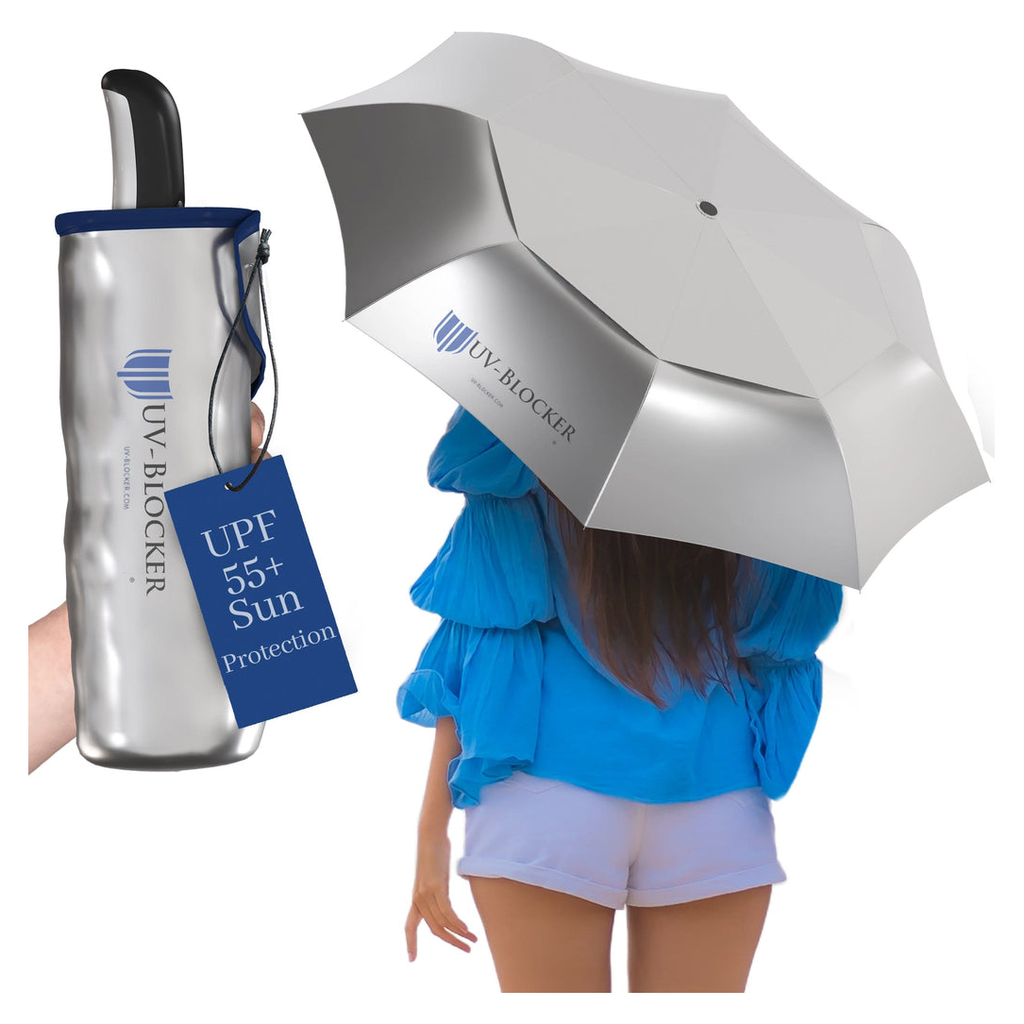
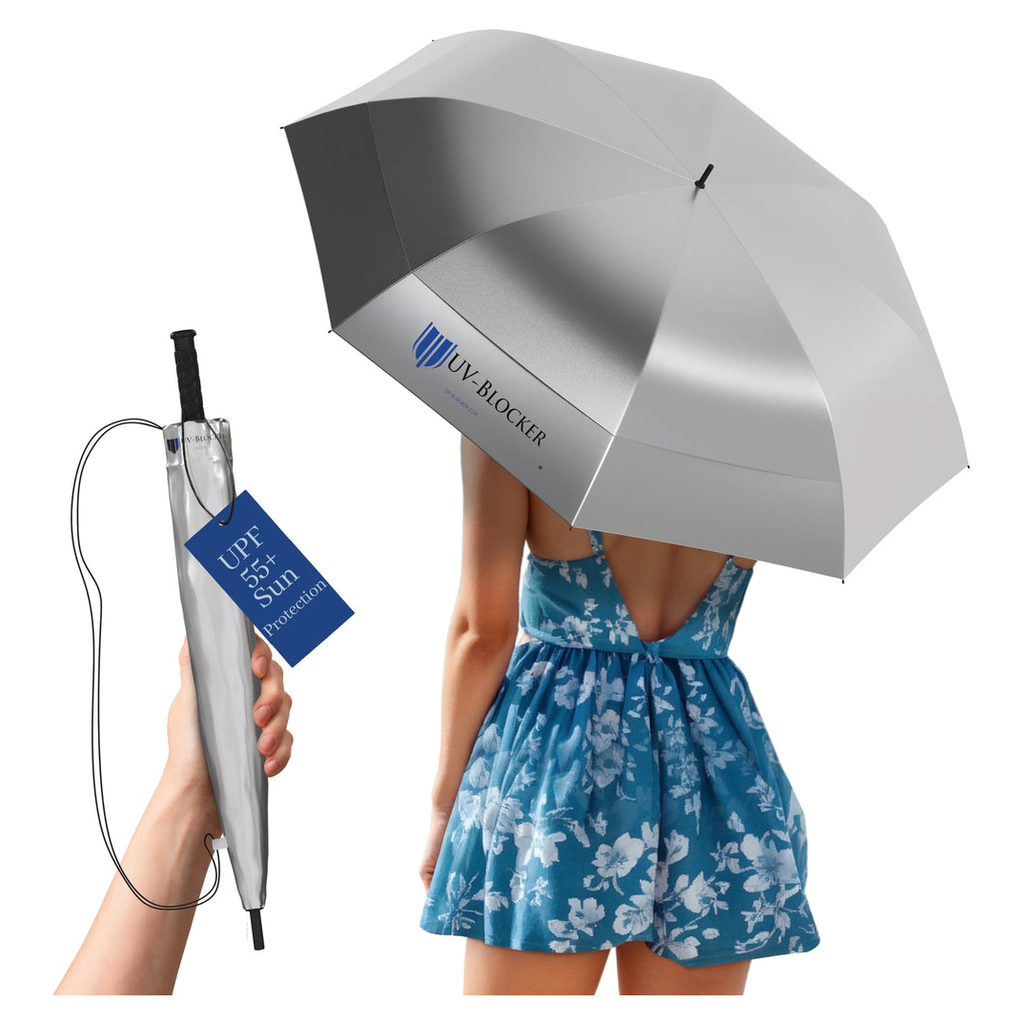
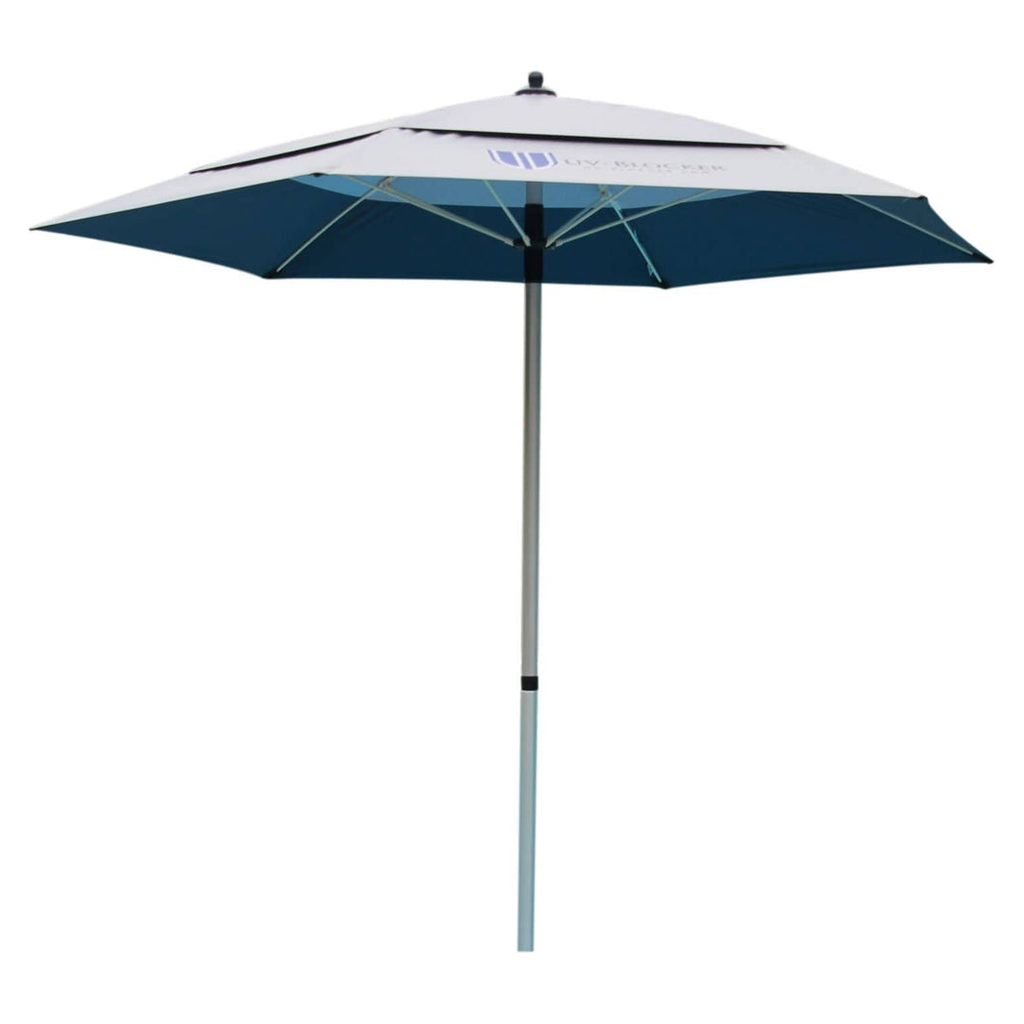
Since approximately 90% of non-melanoma skin cancers are linked to UV exposure, workers should prioritize high-UPF physical barriers over sunscreen alone. UV-Blocker umbrellas utilize Solarteck® fabric to reflect solar radiation away from the body, significantly reducing the heat and UV dose received during peak hours. This is critical for the Hispanic community, which is statistically more likely to be diagnosed with thicker, more advanced tumors due to occupational exposure.
How does UPF 50+ Solarteck® technology differ from standard summer clothing or accessories?
Standard summer fabrics often provide a measly SPF of 5 to 7, allowing dangerous levels of radiation to reach the skin. UV-Blocker products featuring Solarteck® technology are specifically engineered to block 98% of UV radiation, meeting the strict criteria for Melanoma International Foundation approval. This specialized fabric provides a permanent, physical shield that does not wash out or degrade, offering a practical solution to combat the rising skin cancer rates in the Hispanic population.