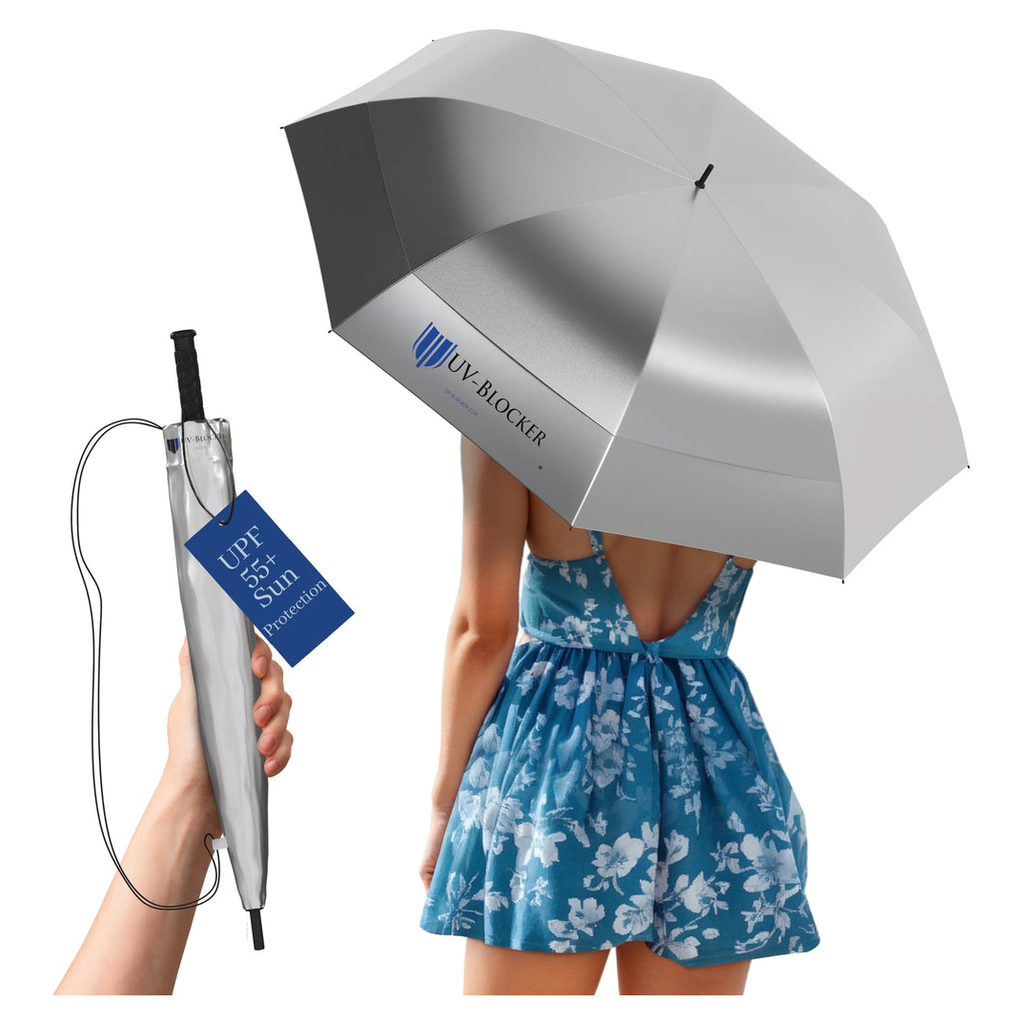
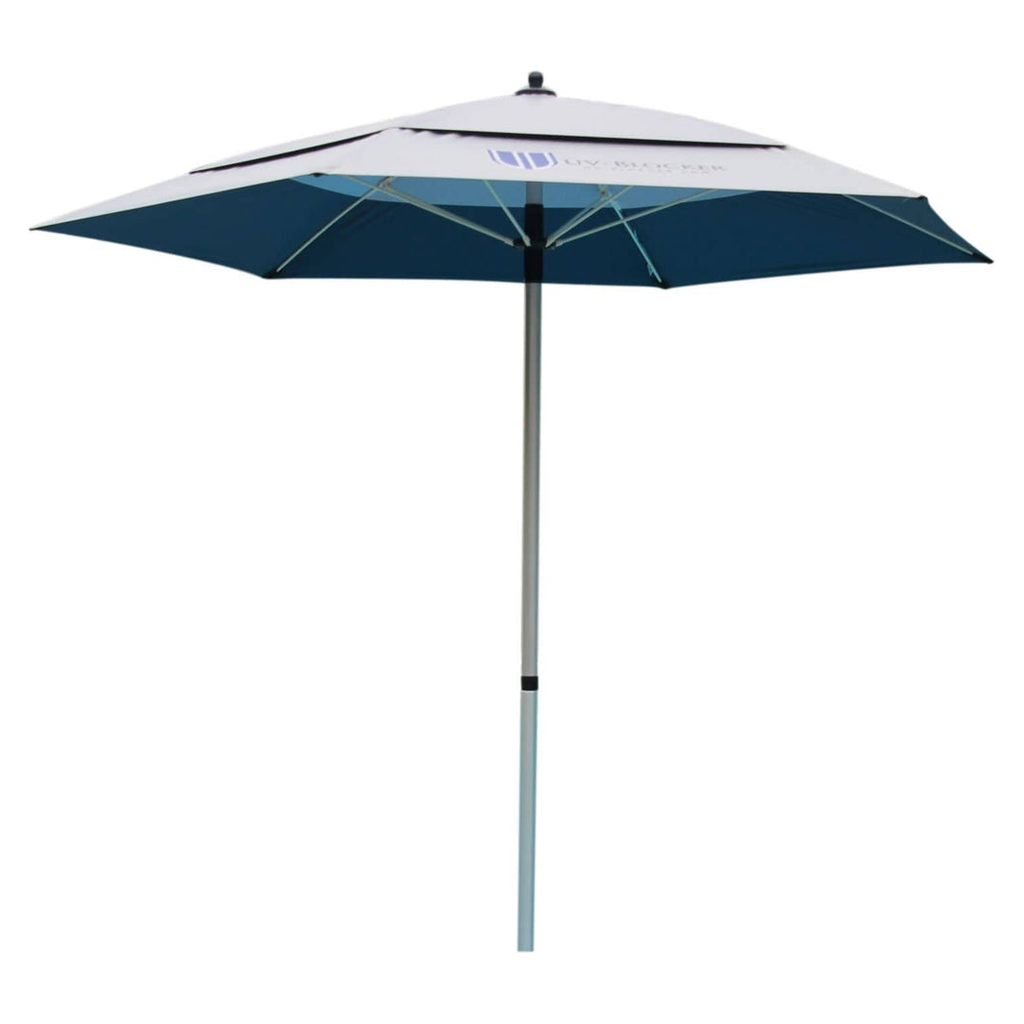


TL;DR: UV Umbrella Storage Essentials
- Clean thoroughly before storage—dirt and moisture cause mold and fabric breakdown
- Dry completely in a shaded, ventilated area before folding
- Inspect for damage at joints, hinges, and fabric seams
- Store in cool, dry location away from moisture and temperature extremes
- Use breathable cover to protect from dust without trapping humidity
When cold weather sets in and patio season winds down, it's easy to forget about outdoor gear. But if you've invested in a parasol with UV protection, storing it the right way during winter matters more than you think. Exposure to moisture, dirt, and freezing temperatures can leave your parasol worn out before spring even rolls around. A little care now keeps it ready when the sun comes back out.
UV umbrella storage isn't just about putting something away. It's about helping it last. Parasols that block harmful rays play a big role in keeping your skin safe, especially during long outdoor days. If they're stored poorly, all that UV protection can fade or break down. Taking time to clean, store, and inspect your parasol before winter takes hold makes a big difference. Here are some easy steps to help keep your UV-blocking parasol in good shape until it's time to enjoy the shade again.
Step 1: Clean Your UV Umbrella Before Storage

Before you fold it up and stow it away, give your parasol a thorough cleaning. Skipping this step can lead to mold, stubborn stains, or even damage that ruins the fabric over time. Dirt and debris left sitting through winter can set in deep, and a damp canopy creates the perfect environment for mildew once temperatures rise.
Start by gently brushing off loose dirt and leaves from the top and underside of the canopy. Use a soft-bristled brush or cloth to avoid snagging the fabric. Then, mix mild soap with warm water and wipe down the entire surface using a clean sponge. Pay close attention to spots that look darker or especially dusty.
For tougher areas:
- Use a diluted mix of vinegar and water to wipe away mildew
- Avoid using bleach or harsh chemicals to protect the UV coating
- Rinse well with cold water but don't soak the fabric directly
Once the fabric is clean, let it dry completely in a shaded, well-ventilated space. This step is key. A canopy that's even a little damp can host mold and unpleasant odors after months in storage.
Don't forget the frame. Metal parts can hold moisture and develop rust over the off-season. According to the American Cleaning Institute, allowing items to dry completely before storage is one of the most effective ways to prevent mold growth. Give them a quick swipe with a dry cloth after cleaning. These few extra steps will save you trouble when it's time to set it up again.
Step 2: Disassemble and Inspect for Damage
Once clean and dry, it's time to disassemble your parasol. Some umbrellas fold into a compact shape, but if it comes apart further, it's worth the effort. Taking it apart lowers the stress on moving parts and can make UV umbrella storage easier.
Start by lowering the canopy completely. Remove detachable parts like the pole or ribs, if your model allows. Store small pieces like screws or clips in a labeled container, so nothing gets lost. Keeping everything together makes the setup smoother when spring returns.
While taking it apart, inspect each piece:
- Check for any cracks, especially at joints or hinges
- Look for tears, thin spots, or frayed stitching in the fabric
- Tighten loose screws or any visible bolts
Even if everything looks fine, this inspection step helps you avoid surprises next season. If anything seems worn out or near breaking, consider fixing or replacing it now instead of later. One loose bracket or torn seam can make your umbrella unusable just when you need it most.
These steps might seem small but they go a long way in helping your parasol stay durable and protective for warm weather ahead.
Step 3: Choose the Right Storage Location

Where you store your parasol with UV protection matters a lot. The real threat during winter is moisture, not the cold. Avoid storage spots that get damp or have limited airflow.
Look for an indoor area that's cool but doesn't freeze and stays dry without big humidity swings. Common storage spots like garages, closets, or basements work well, just be mindful of ventilation and potential leaks. If you're storing in a basement, keep the parasol off the floor. Use a rack, shelf, or even a few boards to lift it a few inches to allow air movement.
Some helpful UV umbrella storage pointers:
- Keep the parasol away from vents, heaters, or any source of steam
- Don't store it near chemicals with strong odors, like fuels or paints
- Consider vertical or wall storage if floor space is limited
- Make sure crank mechanisms or joints are stored without strain
If the parasol is in a spot where people walk by, tuck it somewhere protected. A small knock during winter can crack a joint or bend a frame without you noticing.
Keeping your UV-blocking parasol in a safe environment during the cold season is part of protecting your warm-weather enjoyment.
Step 4: Use Protective Covers
Even in a good location, a cover makes a big difference. A snug, breathable cover adds a layer of defense from dust, pests, scratches, and moisture. That little step of wrapping it properly helps maintain the canopy and frame.
Find a cover made for your parasol size and design. It should fit closely without pulling too tightly on fabric edges or hardware. Breathable materials work best so you don't trap leftover moisture.
Here's how to make the most of your cover:
- Make sure it covers the full folded or disassembled length
- Choose one with functional closures like zippers, buckles, or ties
- Skip using plastic bags or other makeshift covers that trap humidity
- Store the covered parasol upright to take weight off the frame
Before you put on the cover, check it for any holes or wear. A worn cover won't do much good in keeping mildew or dust away. If needed, replace it with a new one to keep your parasol protected all winter.
Step 5: Check Periodically Throughout Winter

Once your parasol is packed up, don't completely forget about it. Checking in once or twice over the season helps catch small issues before they get bigger.
Try tying it into your routine. When you grab holiday storage or winter equipment, give your parasol a look. Check the area for leaks or new drafts. Look at the cover to see if it's still secure and hasn't shifted. If it seems damp or poorly placed, readjust it.
Taking a quick look now and then can save you the effort of deep cleaning come spring. When the warm weather approaches, it's nice pulling out your parasol without scrambling to fix it or track down missing parts.
Maintain Your Investment with Proper UV Umbrella Storage
A parasol with UV protection helps you enjoy the outdoors safely, but it needs proper care to last. Cleaning carefully, storing in the right spot, keeping it dry, and using a quality cover gives it the best chance to stay in great shape for years.
Following these off-season steps makes a real difference. It protects all the useful features that make your parasol valuable: shade, durability, and protection from harsh UV rays. When spring arrives, you won't be dealing with ripped fabric, rusted joints, or forgotten screws.
Let your parasol be ready when you are by showing it a little care during the colder months. UV-Blocker designs umbrellas built to last, and giving yours the right winter storage helps it stay there for the long run.
Seamlessly blending function with style, a parasol with UV protection can dramatically increase your comfort outdoors. Applying the right UV umbrella storage tips ensures that when warmer days arrive, you can easily unfurl your parasol and enjoy its benefits without a hitch.
Proper UV umbrella storage is especially important for those with sun-sensitive conditions. If you're storing a parasol for lupus management or post-melanoma protection, maintaining the UV-blocking coating integrity is essential. Read our Complete Lupus Sun Protection Guide for more on why UV protection matters year-round.
To discover more about these innovative solutions, explore our range of products at UV-Blocker, featuring umbrellas designed for maximum sun protection. Browse our collection and find a parasol with UV protection that fits your outdoor needs.
Why UV Umbrella Storage Matters for Long-Term Protection
Your investment in quality sun protection deserves proper care. A well-maintained UV umbrella can last 5-7 years with proper UV umbrella storage practices, while a neglected one may need replacement after just one or two seasons. The difference isn't just about saving money—it's about having reliable protection when you need it most.
The UV-blocking coatings on quality parasols are engineered to withstand sun exposure, but they're vulnerable to the chemical reactions that occur in damp, enclosed spaces. Mold releases acids that can break down protective coatings. Rust on metal components can spread to fabric attachment points. Temperature fluctuations cause materials to expand and contract, potentially creating micro-tears in the canopy.
By following the five steps outlined above, you're not just storing an umbrella—you're preserving a health investment that protects your skin from harmful UV radiation season after season.
UV Umbrella Storage: Frequently Asked Questions
Can residual moisture during winter storage permanently damage the UV coating?
Trapped moisture can cause mildew which degrades the specialized Solarteck® fabric used in UV-Blocker umbrellas, potentially compromising the UPF 50+ rating. Ensure the canopy is 100% dry before long-term storage, as even small amounts of residual dampness can lead to fabric rot and the breakdown of the silver reflective layer. This preventive care ensures the umbrella continues to block 99% of UVA and UVB rays for its entire lifespan.
Does extreme cold temperature affect the Solarteck® fabric's performance?
While UV-Blocker umbrellas are durable, storing them in temperatures consistently below freezing can make protective coatings brittle over time. To maintain the Melanoma International Foundation's recommended protection levels, store your umbrella in a climate-controlled space between 50°F and 80°F. This prevents micro-fissures in the Solarteck® material that could allow more than 2% of harmful radiation to penetrate the canopy next season.
Is it safe to store my UV umbrella in a sealed plastic bin for several months?
Storing a UV-Blocker umbrella in an airtight plastic container is discouraged because it prevents the Solarteck® fabric from breathing, which can trap damaging humidity or chemical off-gassing. Instead, use a breathable fabric sleeve to maintain the integrity of the UPF 50+ standards and prevent the canopy layers from sticking together. Proper airflow ensures the umbrella maintains its high-performance reflective properties and structural longevity throughout the winter.
Should I use household detergents to clean the umbrella before winter storage?
Avoid harsh detergents or bleach, as they can strip away the Solarteck® coating that provides 99% UV protection; instead, use only lukewarm water and a soft cloth. Thoroughly rinse all soap residue, as leftover chemicals can react with the fabric over months of storage and lower the effective UPF rating. UV-Blocker umbrellas are designed for easy maintenance, but preserving the specialized barrier requires avoiding abrasives that could thin the material.