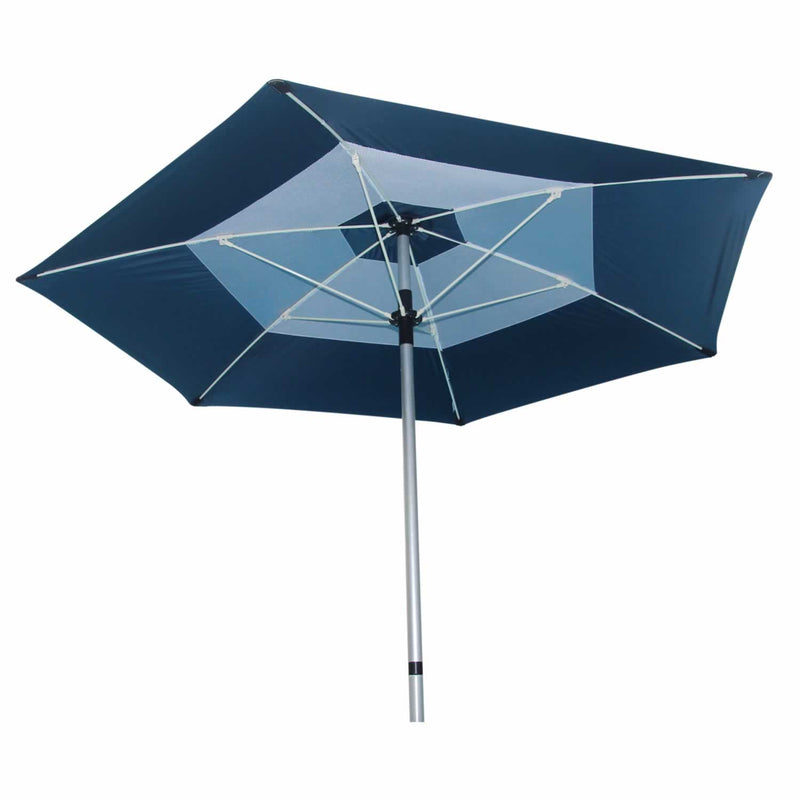


The Shibumi Shade has become a beach culture phenomenon—its wind-powered canopy covers 150 square feet and looks nothing like a traditional beach umbrella. But does bigger shade actually mean better protection? The beach canopy vs umbrella debate has intensified as new shade products flood the market, and choosing the right beach shade has become genuinely confusing—especially when beach regulations vary by city and UV protection claims range from verified UPF 50+ to completely untested.
This guide compares canopies and umbrellas across five dimensions that actually matter: UV protection, wind performance, portability, beach regulations, and cost, complete with a decision matrix for every common beach scenario.
For comparisons involving enclosed tents like the SunNinja or Neso, see the companion guide on Beach Umbrella vs Beach Tent.
What Counts as a Beach Canopy? (Defining the Category)
Beach canopies are open-sided overhead shade structures without floors or walls, distinct from enclosed beach tents, and come in three types: frame, wind-powered, and inflatable.
To ensure an accurate comparison, it is essential to define the three main sub-types of beach canopies available today. Each operates differently from a standard beach umbrella.
Pop-up frame canopies (E-Z UP style): These feature 4-leg metal or fiberglass frames with a fabric top. They offer the largest coverage area, typically over 100 square feet, but are significantly the heaviest option, weighing between 15 and 40 pounds. While popular for tailgating, their design can make them dangerous wind sails in a beach environment.
Wind-powered canopies (Shibumi Shade): This category consists of fabric held aloft by the ocean breeze, supported by a single arched pole but no rigid frame structure. The Shibumi Classic provides 150 square feet of shade and weighs only 4 pounds. However, the design relies entirely on nature; it requires a minimum sustained wind of 3 mph to function. A "Wind Assist" accessory is available to help keep the canopy lofted during lulls, but the system is fundamentally dependent on air movement.
Inflatable canopies (SOLI Air Canopy): Representing a newer hybrid category, these use a self-inflating PVC tube frame powered by a USB rechargeable pump. A standard 10-foot model covers 100 square feet and weighs around 17 pounds. Unlike wind-powered shades, the dome structure stands on its own on any surface without needing a breeze.
These structures differ from enclosed beach tents because they have no floor and no side walls (though some have optional clip-on walls), providing overhead shade only. For a detailed look at enclosed options like the Neso or Pacific Breeze, refer to the Beach Umbrella vs Beach Tent guide.
Now that the product types are defined, the next step is to examine how they stack up on the specifications that drive purchasing decisions.

Beach Canopy vs Umbrella: How Do the Numbers Compare?
Umbrellas weigh 3-7 lbs and cost $20-130, while canopies range from 4-20 lbs and $50-450, with canopies offering 2-4x the shade coverage area.
The following table compares the physical specifications of standard beach umbrellas against the three main canopy types. Note the trade-offs between coverage area and portability.
| Feature | Beach Umbrella | Shibumi Shade | SOLI Air Canopy | Pop-Up Frame Canopy |
|---|---|---|---|---|
| Coverage area | 28-45 sq ft | 150 sq ft | 100 sq ft | 64-100 sq ft |
| Weight | 3-8 lbs | 4 lbs | 17-20 lbs | 15-40 lbs |
| Packed size | 45-55 in tube | 27×4×4 in | Backpack | Car-only |
| Setup time | 30 sec-2 min | 3 min | 2-3 min | 5-10 min |
| Price range | $20-$130 | ~$270 | $350-$450 | $80-$300 |
| UPF rating | Varies (many untested) to 50+ | UPF 50+ | UPF 50+ | Varies |
| Capacity | 1-2 people | 4-8 people | 6-8 people | 4-6+ people |
| Wind handling | Vented canopy passes wind | Needs wind (3+ mph) | Dome resists wind | Dangerous in gusts |
| Airline-friendly | Yes | Yes (carry-on) | No | No |
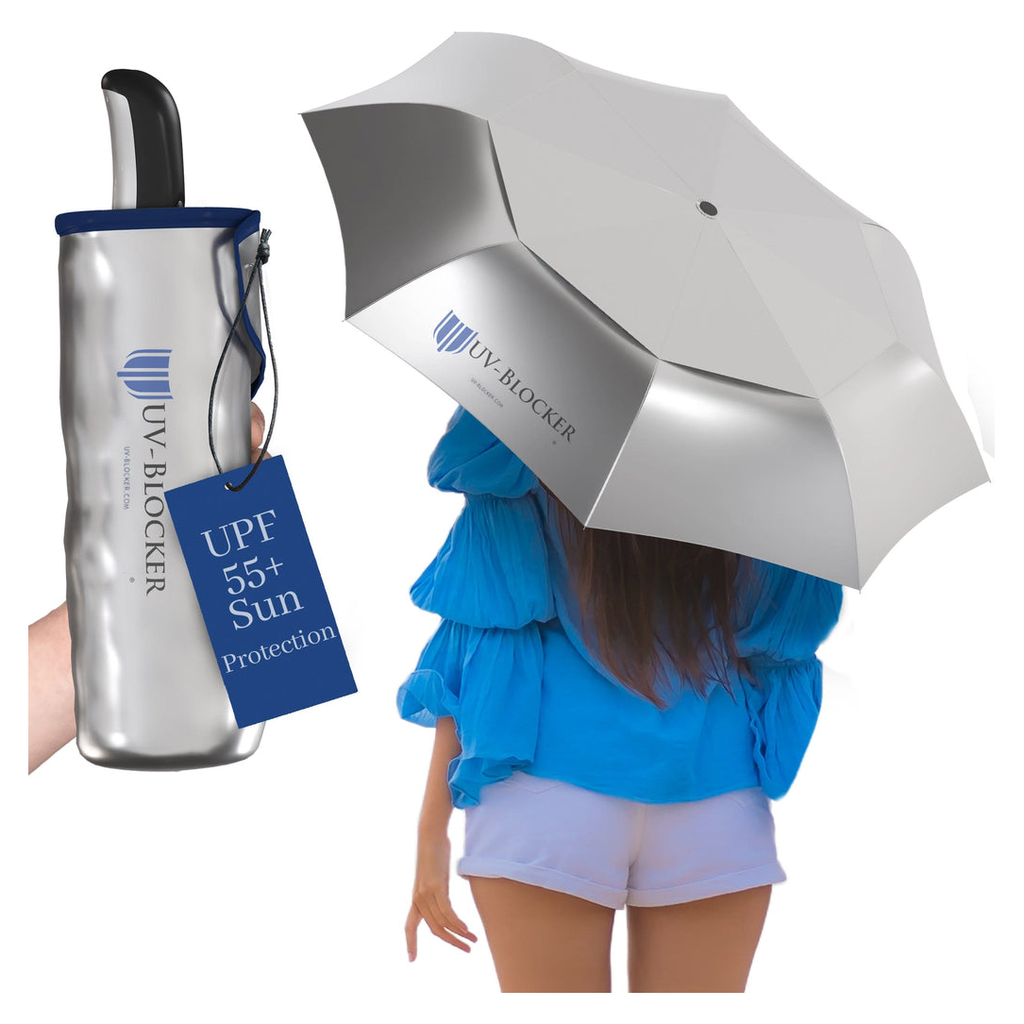
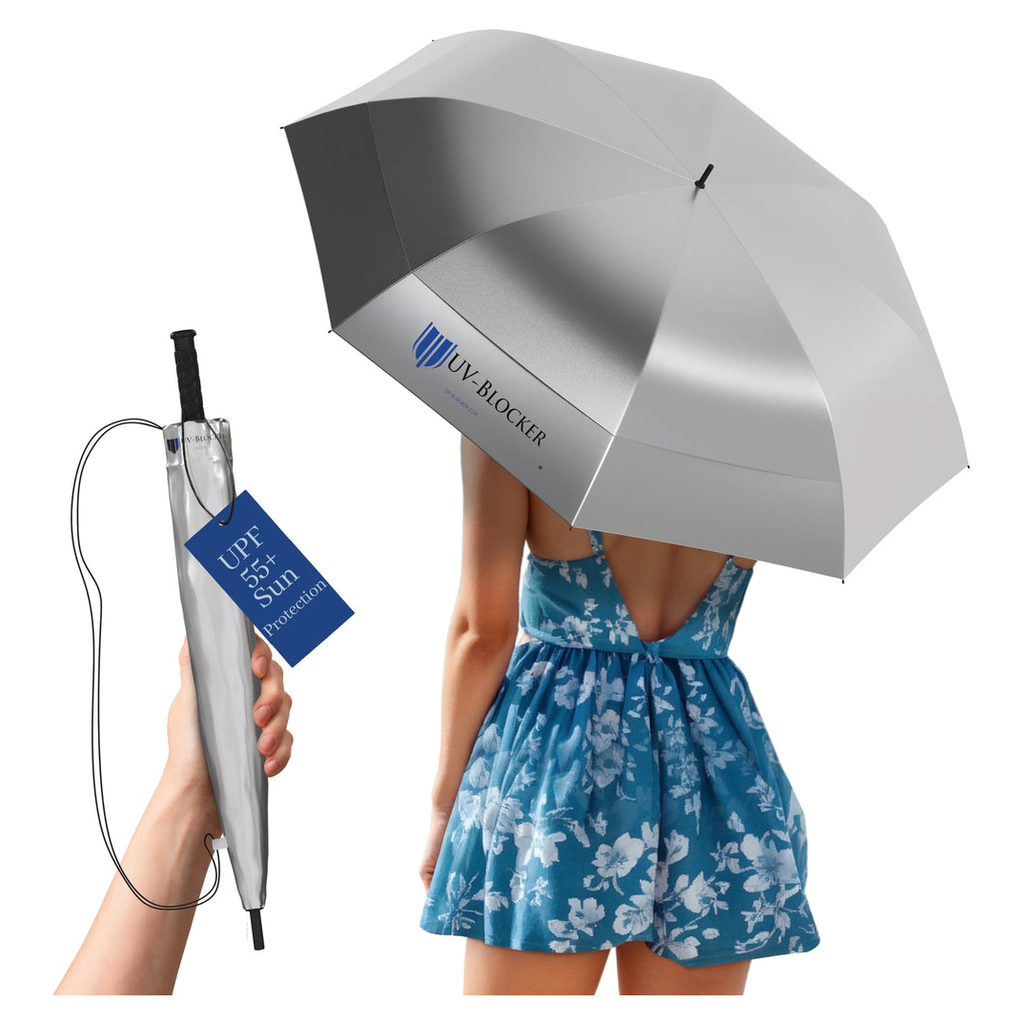
Note: Umbrella specifications reflect high-quality standards like those of UV-Blocker products (UPF 50+, 5-7 lbs). Many generic umbrellas lack verified UPF testing.

Coverage area statistics can be compelling on paper, but the raw square footage does not necessarily equate to effective sun safety. The quality of protection depends on how that shade interacts with UV radiation.
Which Provides Better UV Protection: A Beach Canopy or Umbrella?
UPF 50+ beach umbrellas block 98-99% of direct UV rays, but sand reflects 15% of UV upward—making a canopy's elevated shade ceiling worse for reflected UV exposure.
It is a common misconception that a larger shade structure automatically guarantees better protection. The science of UV exposure involves both direct radiation from the sun and indirect radiation reflected from the environment.
Direct UV Blocking: When comparing a high-quality umbrella and a high-quality canopy, the fabric performance is often identical. Both a UPF 50+ umbrella and a UPF 50+ canopy will block over 98% of direct overhead UV rays. The UPF rating applies to the textile itself, not the structure. For more on how these ratings are determined, read about The Science of Sun Protection: How Umbrella Fabrics Block UV.
The Sand Reflection Problem: The critical difference lies in reflected UV. According to the World Health Organization (WHO), sand reflects approximately 15% of UV radiation upward, while sea foam can reflect up to 25%. This radiation hits the skin from below, bypassing overhead shade entirely.
Why Canopy Height Matters: Physics dictates that the distance between the shade and the ground affects the amount of reflected UV that enters the shaded area. Beach umbrellas typically position the canopy 5 to 6 feet above the sand. In contrast, canopies like the Shibumi Shade sit 7 to 8 feet high. This higher ceiling creates a larger open gap for scattered and reflected UV rays to enter from the sides and bounce off the sand. A study published in PMC found that a person sitting under a standard beach umbrella can still be exposed to up to 84% of the total UV radiation due to these scattered rays. Raising the roof of the structure only increases this exposure.
The Sunburn Study: This geometric reality has clinical consequences. In a randomized clinical trial published in JAMA Dermatology, 78% of participants relying solely on a beach umbrella for sun protection still developed a sunburn after 3.5 hours. The conclusion was not that umbrellas fail, but that shade alone is insufficient. Because canopies have higher ceilings and wider open sides, the need for supplemental protection is even greater.
The most scientifically sound approach is to use UPF-rated shade combined with sunscreen. However, because an umbrella creates a tighter, lower dome of shade, it provides superior UV protection per person compared to the high-lofted, open architecture of a large canopy.
How Do Beach Canopies and Umbrellas Handle Wind?
Vented beach umbrellas let wind pass through with up to 30 mph stability, while frame canopies act as dangerous wind sails and Shibumi shades actually require wind to function.
Wind performance is the second most critical factor for beach gear, and it is also the primary cause of equipment failure and injury.
The Safety Reality: According to the U.S. Consumer Product Safety Commission (CPSC), nearly 3,000 people are treated in emergency rooms annually for injuries related to beach umbrellas. Most of these incidents involve wind-blown equipment causing lacerations or blunt force trauma. This data has driven new safety standards and underscores the importance of securing your shade properly. For tips on security, see How to Stop Your Beach Umbrella From Blowing Away.
ASTM F3681-24 Standard: In April 2024, ASTM International published standard F3681-24, the first voluntary safety specification for beach umbrellas. It requires compliant 7.5-foot umbrellas to withstand 75 pounds of pull force and remain stable in wind speeds up to 30 mph. While voluntary, this standard establishes a benchmark for safety that frame canopies generally cannot meet.
Frame Canopies in Wind: A standard 10x10 pop-up canopy functions as a 100-square-foot sail. In a beach environment where winds are unobstructed, these structures are prone to lifting and tumbling. Even with sandbags, the aerodynamic lift generated by the large, flat roof can be powerful enough to launch the frame. Consequently, frame canopies are considered the most dangerous shade option for windy beach days and should not be used in gusts exceeding 10 mph.
Shibumi's Wind Paradox: The Shibumi Shade offers a unique solution by requiring wind to operate. The design needs a minimum continuous breeze of roughly 3 mph to stay aloft. This is brilliant engineering for typical beach days, as the canopy flows with the wind rather than fighting it. However, this strength is also a limitation: on calm, still days, the canopy will not stay up without constant manual adjustment or the "Wind Assist" accessory. It relies on specific weather conditions to function.
Vented Umbrella Design: The most versatile solution remains the vented canopy design. A patented double-canopy mesh system allows wind gusts to pass through the umbrella rather than getting trapped underneath. This design reduces aerodynamic lift by 40-60% compared to solid umbrellas. By neutralizing the force of the wind, a vented umbrella remains stable in conditions that would topple a frame canopy, without requiring a breeze to stay upright like the Shibumi. Learn more about this mechanic in Wind-Proofing Your Shade.
While physics dictates performance, local laws often dictate what you are allowed to set up.
Where Are Beach Canopies Banned? (Beach Regulations by Location)
Many popular beaches ban canopies and tents during peak season while universally allowing umbrellas—Myrtle Beach permits only circular umbrellas from Memorial Day to Labor Day.
Before purchasing a $200+ canopy, travelers must verify if it is legal at their destination. Regulations restricting "tents" and "canopies" are becoming increasingly common at high-traffic beaches to ensure visibility for lifeguards and space for visitors.
Myrtle Beach, South Carolina: This is one of the most strictly regulated destinations. From Memorial Day through Labor Day, all tents and canopies are banned. Only circular umbrellas with a diameter of 7.5 feet or less are permitted. Small "infant tents" (no larger than 4x3x3 feet) are exempt. Outside of the peak summer season, tents and canopies up to 12x12 feet are allowed, but for summer travelers, a canopy is useless here.
South Walton / 30A, Florida: Regulations in South Walton have evolved frequently. Currently, tents are limited to a maximum size of 10x10 feet and must be set up on the top one-third of the beach, leaving a 15-foot buffer from the dunes and water. Additionally, there must be 4-foot walking corridors between all tents to allow for emergency access.
Honolulu, Hawaii: Honolulu enforces strict rules for its public parks and beaches. Tents are generally banned, and canopies require a "Daily Park Canopy Permit." The permit allows for a canopy up to 10x10 feet, but they are limited in number and location. Critically, umbrellas and small sunshades designed for three or fewer people are exempt from these permit requirements, making them the hassle-free choice for tourists.
Ocean City, Maryland: Ocean City has implemented new regulations focusing on safety and accessibility. While not a total ban, the rules restrict where shading devices can be placed to ensure clear paths for emergency vehicles and beach cleaning crews.
The Umbrella Advantage: In contrast to the patchwork of canopy regulations, beach umbrellas are universally permitted on public beaches across the United States. There are no permits required, no seasonal bans, and no complex spacing rules for standard-sized umbrellas. For reliability across different destinations, the umbrella is the only shade guaranteed to be allowed.
Beach Canopy or Umbrella: Which Should You Choose? (Decision Matrix)
Choose a beach umbrella for solo/couple trips, air travel, windy beaches, and best UV protection per person. Choose a canopy for large groups at driving-distance beaches where canopies are allowed.
The "best" shade depends entirely on the logistics of the trip. The following matrix breaks down the optimal choice for common beach scenarios.

| Scenario | Best Choice | Why |
|---|---|---|
| Solo or couple | Umbrella | Lighter, cheaper, better UV coverage per person, sets up in 30 seconds |
| Family of 4 | Umbrella (or umbrella + canopy) | Better UV protection per person; add canopy for dining/socializing area |
| Large group (6+) | Canopy + sunscreen | Raw coverage area wins; Shibumi's 150 sq ft shades 8 people |
| Windy beach | Vented umbrella | Frame canopies dangerous; Shibumi needs wind (good) but collapses in variable gusts |
| Flying to destination | Umbrella | Packs in luggage; Shibumi fits carry-on but most canopies require car transport |
| Driving to local beach | Either | Weight/size less relevant; canopy viable for group shade |
| Beach with canopy ban | Umbrella | Only option during peak season at many popular beaches |
| Calm, windless day | Umbrella or inflatable canopy | Shibumi won't work; SOLI Air Canopy is the only wind-independent canopy option |
For solo travelers or couples, the UV-Blocker Personal Beach Umbrella is often the most practical solution, offering substantial protection without the bulk of a multi-person structure. Families requiring more coverage might opt for the UV-Blocker Large Beach Umbrella, or consider using two umbrellas to create a flexible, modular shade zone that provides better UV protection than a single high-ceiling canopy.
For large groups of six or more, a canopy provides a communal hub that an umbrella cannot match. However, due to the reflected UV issues discussed earlier, it is vital that everyone under the large canopy applies sunscreen rigorously.
Frequently Asked Questions About Beach Canopy vs Umbrella
Is a canopy better than an umbrella at the beach? A canopy provides more shade coverage for groups, but a UPF 50+ beach umbrella offers better UV protection per person due to closer shade positioning. Canopies cover 100-150 sq ft vs 28-45 sq ft for umbrellas, but their elevated canopy allows more reflected UV from sand to reach skin. For solo and couples, an umbrella is the better choice. For groups of 6+, a canopy plus sunscreen provides adequate coverage.
Do beach canopies block UV rays? Quality beach canopies with UPF 50+ ratings block 98% of direct UV rays, but many budget canopies lack UV testing entirely. Shibumi Shade and SOLI Air Canopy are both UPF 50+ rated. However, many pop-up frame canopies sold for tailgating or events do not have UPF ratings. Always check for a verified UPF rating before relying on any shade product for sun protection.
How much wind can a beach canopy handle? Wind tolerance varies dramatically—Shibumi shades need wind to function, while pop-up frame canopies become dangerous projectiles above 10-15 mph gusts. The Shibumi Shade requires a minimum 3 mph breeze and is designed to work with wind rather than against it. SOLI's inflatable dome shape resists moderate wind. Pop-up frame canopies should not be used at the beach in any significant wind.
Are beach canopies allowed on all beaches? No—many popular beaches ban canopies during peak season. Myrtle Beach, several Florida beaches, and Honolulu parks restrict or ban canopies while allowing umbrellas. Check local regulations before your trip. Umbrellas are universally allowed on US public beaches; canopies and tents face varying restrictions by jurisdiction and season.
What is the best portable shade for the beach? For most beachgoers, a UPF 50+ vented beach umbrella is the best portable shade—it weighs 5-7 lbs, sets up in under 2 minutes, and works at every beach. If you're driving to a local beach with a group of 6+, the Shibumi Shade's 4 lb weight and 150 sq ft coverage is hard to beat. For flying, an umbrella is the only shade that packs in luggage. Browse UV protection umbrellas for options.
Is Shibumi Shade better than a beach umbrella? Shibumi Shade covers more area for groups and weighs just 4 lbs, but it requires wind, only works on sand beaches, and costs $270 compared to $20-130 for umbrellas. Shibumi is excellent for groups at windy beaches where canopies are permitted. But it fails on calm days, can't be used at pools, parks, or events, and doesn't pack as small as a folding umbrella. The two products serve different use cases rather than being direct substitutes.
Conclusion
The choice between a beach canopy and an umbrella is not about finding a single "winner," but about matching the gear to the trip. The rise of products like Shibumi and SOLI has expanded the options for beachgoers, but it has not replaced the utility of the traditional umbrella.
For pure UV protection, the physics favor the umbrella. Its lower profile minimizes the amount of reflected UV radiation that can reach the skin. For large groups gathering on a driving-distance beach, a canopy offers a communal space that umbrellas cannot easily replicate. However, the shifting landscape of beach regulations means that the canopy owner must always check local rules before packing.
Ultimately, the most effective sun protection strategy often involves a combination of methods. Whether you choose the sprawling coverage of a canopy or the targeted protection of a UV protection umbrella, pairing your shade with SPF 30+ sunscreen is the only way to ensure safety from reflected rays.
Beach Canopy vs Umbrella: Frequently Asked Questions
Which option provides better protection against scattered and reflected UV radiation?
A high-quality canopy often provides superior coverage because its larger footprint blocks more indirect UV rays reflected from the sand, which can bounce back up to 15% of radiation. By utilizing Solarteck® technology, UV-Blocker products achieve a UPF 50+ rating, effectively stopping 98% of harmful UVA and UVB rays. This comprehensive shield is essential for preventing the cumulative skin damage often missed by smaller, traditional umbrellas.
Is a beach canopy or an umbrella more effective at reducing the internal temperature of the shaded area?
Canopies generally provide a cooler environment because they allow for better airflow while covering a larger surface area to block thermal radiation. UV-Blocker shade solutions featuring Solarteck® fabric are clinically proven to keep the shaded area up to 15 degrees cooler than the surrounding ambient temperature. This significant reduction in heat helps prevent heat exhaustion while maintaining a UPF 50+ barrier against intense solar radiation.
What specific safety standards should I look for when comparing beach shade structures?
Regardless of whether you choose a canopy or umbrella, ensure the product is labeled with a UPF 50+ rating, which is the highest possible standard for fabric sun protection. Look for the Melanoma International Foundation seal of approval on UV-Blocker products to guarantee the material has undergone rigorous testing. These certifications ensure that at least 98% of skin-damaging rays are filtered out, providing a medically-recognized level of safety.
How does the sun's angle impact the effectiveness of a beach umbrella versus a canopy?
Because the sun moves throughout the day, the 360-degree coverage of a large canopy often provides more consistent protection than a standard umbrella. UV-Blocker umbrellas with tilting mechanisms can compensate for this, but the Solarteck® material used in both formats remains the primary defense against the 10% to 20% of UV rays that reflect off the ground. For maximum safety, a canopy provides a larger safety zone that accounts for these shifting angles and reflected radiation.