


⚡ Quick Reference Summary
- Complex Risk Profile: Diabetes sun sensitivity is rarely a simple "allergy" but a confluence of medication effects, nerve damage, impaired healing, retinal vulnerability, and heat sensitivity of insulin.
- Medication Photosensitivity: Sulfonylureas (e.g., glipizide, glyburide) are established photosensitizers. Metformin-induced photosensitivity is exceptionally rare. Always consult your doctor regarding medication side effects.
- Neuropathy & Unfelt Sunburns: Diabetic peripheral neuropathy can dull or eliminate sensations of heat and pain, making it possible for severe sunburns to develop unnoticed.
- Delayed Wound Healing: High blood glucose, impaired circulation, and weakened immune responses in diabetes significantly slow the healing of skin injuries, including sunburns, increasing infection risk.
- Eye Health Vulnerability: UV exposure can exacerbate diabetic retinopathy and accelerate cataract formation, compounding existing risks for vision impairment.
- Insulin & Heat: High temperatures (above 86°F/30°C) can degrade insulin, reducing its potency. Other medications may also be affected, making proper storage crucial.
- Proactive Protection is Key: Physical shade, UPF 50+ clothing, Solarteck® umbrellas, mineral sunscreen, hydration, and diligent blood sugar monitoring form a comprehensive defense against sun-related complications in diabetes.
More than 40 million Americans live with diabetes, according to the CDC National Diabetes Statistics Report. Yet, general sun safety advice often overlooks the nuanced and compounding risks faced by individuals managing this chronic condition. It's not just about medication labels or a simple "sun allergy"; diabetes introduces a unique set of challenges that can make sun exposure significantly more dangerous.
As a brand founded by melanoma survivor Ron Walker, UV-Blocker understands the critical importance of comprehensive sun protection. This guide aims to bridge the gap in conventional sun safety advice, connecting the dots between five distinct, yet interconnected, pathways through which diabetes increases sun sensitivity. We’ll explore medication photosensitivity, the silent threat of neuropathy, slower wound healing, retinal vulnerability, and the critical issue of insulin heat degradation, offering a practical, actionable protection plan for optimal health and safety in the sun.
What Causes Diabetes Sun Sensitivity?
Diabetes increases sun risk through a complex interplay of five compounding factors: medication photosensitivity, nerve damage (neuropathy), slower wound healing, increased retinal vulnerability to UV, and the thermal degradation of insulin. Understanding these distinct yet often overlapping risks is paramount for effective sun protection.
Unlike a classic sun allergy, which is an immune response to UV light, the problem in diabetes is much broader and insidious. Certain medications prescribed for diabetes and co-existing conditions can induce photosensitivity, making skin more susceptible to sunburn. Concurrently, diabetic neuropathy can profoundly alter the body's ability to perceive heat and pain, meaning a severe sunburn might develop undetected. Furthermore, the physiological changes associated with diabetes, such as impaired circulation and glycemic control, can significantly impede the healing process of any skin injury, including sunburns. Beyond the skin, the eyes become more susceptible to UV damage, exacerbating conditions like diabetic retinopathy. Finally, the efficacy of life-saving medications like insulin can be compromised by excessive heat exposure, posing a direct threat to blood sugar management.
This intricate web of risks means that relying solely on discomfort as a warning sign is insufficient, and a multi-layered approach to sun safety is essential. The CDC's statistic of 40.1 million Americans with diabetes underscores that this is a major public health concern, not a niche issue. Each individual factor can act independently, but their combined effect can dramatically amplify the danger, making robust sun protection a non-negotiable aspect of diabetes management.

The most common initial concern often revolves around prescription medications, so we begin by clarifying which drugs pose a significant photosensitivity risk.
Which Diabetes Medications Cause Sun Sensitivity?
While many medications can cause photosensitivity, certain diabetes drugs, particularly sulfonylureas, are well-documented photosensitizers. It's crucial to distinguish these from medications like metformin, which rarely cause sun-related skin reactions.
Sulfonylureas: A Primary Concern
Sulfonylureas, a class of oral medications used to lower blood sugar by stimulating insulin release from the pancreas, deserve particular attention. StatPearls explicitly lists chlorpropamide, glimepiride, glipizide, and glyburide among drugs with FDA photosensitivity warnings. These drugs can cause both phototoxic and photoallergic reactions. Phototoxic reactions are more common, dose-dependent, and occur when the drug absorbs UV energy, creating free radicals that damage skin cells, akin to an exaggerated sunburn. Photoallergic reactions are less common, immune-mediated, and can manifest as eczema-like rashes after sun exposure.
Metformin: Low Risk, High Misconception
Metformin, often a first-line treatment for Type 2 diabetes, stands in stark contrast. While it's frequently (and incorrectly) blamed for sun sensitivity, clinical evidence does not support this claim. A comprehensive review on metformin photosensitivity highlights only three isolated case reports in medical literature, suggesting that true metformin-induced sun sensitivity is exceptionally rare. Skin reactions of any kind attributed to metformin occur in less than 1% of patients, and photosensitivity is an even smaller subset of this. Therefore, while vigilance is always wise, patients taking metformin should focus on other potential photosensitizers or the general compounding risks of diabetes, rather than disproportionately fearing this specific medication.
Other Diabetes-Related and Co-Prescribed Medications
The landscape of diabetes management often includes other medications that can impact sun sensitivity:
- GLP-1 Receptor Agonists (e.g., Ozempic, Wegovy, Rybelsus): Medications like semaglutide, though primarily known for gastrointestinal side effects, have led to discussions around sun sensitivity. While not universally listed as strong photosensitizers, some individuals report increased skin reactivity. Given their rising popularity, dedicated discussions on Ozempic sun sensitivity and Wegovy sun sensitivity are valuable resources for patients.
- SGLT2 Inhibitors (e.g., Empagliflozin, Dapagliflozin): These newer agents are not typically associated with photosensitivity warnings.
- Common Co-Prescribed Medications: Many individuals with diabetes also manage hypertension or high cholesterol. Hydrochlorothiazide, a frequently prescribed diuretic for blood pressure, is a known and strong photosensitizer. Other drug classes like certain antibiotics (tetracyclines, fluoroquinolones), NSAIDs (naproxen, ibuprofen), and even some herbal supplements can also increase sun sensitivity. Refer to our broader guide on medications that cause sun sensitivity for a more exhaustive list.
| Medication Class | Examples | FDA Photosensitivity Warning | Risk Level | Notes |
|---|---|---|---|---|
| Sulfonylureas | Glipizide, Glyburide, Glimepiride, Chlorpropamide | Yes | Moderate to High | Well-documented phototoxic and photoallergic potential. |
| Biguanides | Metformin, Metformin ER | No | Very low | Extremely rare, often mistakenly implicated. |
| GLP-1 agonists | Semaglutide (Ozempic, Wegovy, Rybelsus), Liraglutide | Varies / Limited data | Low to Moderate (individual reports) | Not universally listed, but some patients report increased sensitivity. See dedicated guides. |
| SGLT2 inhibitors | Empagliflozin, Dapagliflozin, Canagliflozin | No | Very low | Generally not associated with photosensitivity. |
| Thiazide Diuretics (co-prescribed) | Hydrochlorothiazide | Yes | High | Commonly prescribed for hypertension, a strong photosensitizer. See hydrochlorothiazide sun sensitivity. |
The distinction between medication risks is critical, but medication is only one layer of the problem. The more dangerous issue for many individuals with diabetes is often invisible until severe damage has occurred.
Why Can't Diabetics Feel Sunburns? The Neuropathy Problem
One of the most insidious risks for individuals with diabetes is the potential for severe sunburns to develop without being felt. This dangerous phenomenon is directly linked to diabetic peripheral neuropathy, a common complication that damages the sensory nerves responsible for detecting heat, pain, and touch.
Diabetic neuropathy occurs when persistently high blood sugar levels damage nerve fibers throughout the body. In the context of sun exposure, this nerve damage can significantly impair the skin's ability to transmit crucial warning signals. For someone without neuropathy, the uncomfortable warmth of the sun and the sting of a developing sunburn would prompt them to seek shade or apply protection. However, for a person with compromised sensory nerves, these vital warning signs may be blunted, delayed, or entirely absent.
Consider the mechanism: sensory nerves contain specialized receptors that detect changes in temperature and nociceptors that signal pain. When these nerves are damaged, their ability to fire properly or transmit signals to the brain is compromised. This means that direct exposure to intense UV radiation can lead to first-, second-, or even third-degree burns without the individual experiencing the normal discomfort that would typically prevent such damage. The lack of pain acts as a false sense of security, allowing prolonged exposure and escalating injury.
Beyond sensory neuropathy, some individuals also experience autonomic neuropathy, which affects the nerves controlling involuntary bodily functions, including sweating and skin blood flow. Impaired sweating can hinder the body's natural cooling mechanisms, increasing the risk of heat-related illnesses like heat exhaustion or heatstroke. Reduced blood flow to the skin can also affect its ability to dissipate heat and recover from thermal injury, further complicating the issue of sunburn.
The practical implications are profound: a picnic, a day at the beach, or even extended time in a sunny garden can result in significant skin damage that goes unnoticed until a visual inspection reveals blistering or severe redness. This delayed detection not only leads to more severe burns but also increases the risk of infection and complications in healing, which are already problematic for diabetics. Therefore, for those with diabetic neuropathy, relying on physical barriers like UPF clothing and the deep, reliable shade provided by a UV-Blocker Solarteck® umbrella becomes not just a preference, but a critical safety measure.
Do Sunburns Heal Slower with Diabetes?
Yes, sunburns, like other wounds, generally heal more slowly and with greater difficulty in individuals with diabetes. This delayed and impaired healing process is a critical compounding risk, stemming from several physiological changes inherent to the condition.
1. Chronic Hyperglycemia (High Blood Glucose): Persistently elevated blood sugar levels are a primary culprit. High glucose impairs various stages of wound healing, from inflammation to tissue remodeling. It can:
- Reduce Collagen Production: Collagen is the structural protein essential for skin repair. High glucose inhibits fibroblast activity, leading to reduced and poor-quality collagen synthesis.
- Impair Angiogenesis: The formation of new blood vessels, crucial for delivering oxygen and nutrients to the wound, is compromised.
- Create a Pro-inflammatory Environment: Chronic inflammation associated with hyperglycemia can prolong the inflammatory phase of healing and prevent progression to proliferation.
2. Impaired Circulation: Diabetes often leads to microvascular and macrovascular damage, reducing blood flow to the extremities and skin. A sunburn, being a form of thermal injury, requires robust blood supply to deliver immune cells, oxygen, and nutrients for repair. When circulation is compromised, these vital healing components arrive slowly and in insufficient quantities, delaying recovery and increasing the risk of tissue necrosis.
3. Weakened Immune Response: The immune system in individuals with diabetes is often compromised. High glucose levels can impair the function of white blood cells, such as neutrophils and macrophages, which are essential for fighting infection and clearing cellular debris from a wound. This means a sunburn is more prone to secondary bacterial infections, which can further complicate healing and lead to more serious skin conditions.
4. Neuropathy's Indirect Impact: While neuropathy directly affects pain perception, it indirectly impacts healing by increasing the likelihood of undetected or aggravated injuries. An individual might not realize the severity of a burn, leading to further trauma or neglect, which exacerbates the healing challenge.
Consequences: A sunburn that might resolve in a few days for a healthy individual could linger for weeks for someone with diabetes, potentially leading to:
- Increased Risk of Infection: Poor healing and a weakened immune system create an open invitation for bacteria.
- Prolonged Discomfort and Pain: Even if the initial pain was blunted, the ongoing inflammation and slow repair can cause prolonged suffering.
- Scarring and Skin Complications: Impaired collagen synthesis can result in less aesthetic and functional scar tissue. In severe cases, non-healing wounds can develop into diabetic ulcers, particularly on the feet, which are notoriously difficult to treat.
This reality makes preventative sun protection even more critical. Avoiding sunburns entirely is the best strategy, as the consequences of even a mild burn can be significantly more severe for someone managing diabetes.
Does UV Exposure Worsen Diabetic Eye Disease?
For individuals with diabetes, the eyes are particularly vulnerable to damage, and chronic UV exposure can significantly exacerbate existing diabetic eye diseases and accelerate the onset of other vision-threatening conditions. Diabetic eye disease encompasses a range of conditions, with diabetic retinopathy and cataracts being the most prevalent.
1. Diabetic Retinopathy: This is the most common cause of vision loss among people with diabetes. It occurs when high blood sugar levels damage the blood vessels in the retina, the light-sensitive tissue at the back of the eye. UV radiation is a known contributor to oxidative stress and inflammation in ocular tissues. While UV light is mostly absorbed by the cornea and lens, some reaches the retina. For a retina already compromised by diabetes, this additional oxidative damage from UV exposure can:
- Accelerate Progression: Speed up the damage to retinal blood vessels, leading to earlier or more severe stages of retinopathy.
- Increase Macular Edema: Worsen swelling in the macula (the central part of the retina responsible for sharp, detailed vision).
- Compromise Vision: Contribute to further vision degradation and potentially necessitate more aggressive treatments.
2. Cataracts: People with diabetes are at a significantly higher risk of developing cataracts, and at an earlier age, compared to the general population. Cataracts involve the clouding of the eye's natural lens, leading to blurred vision. UV radiation, particularly UVA and UVB, is a well-established environmental risk factor for cataract formation. In the diabetic eye, metabolic changes (like glycosylation of lens proteins) already predispose the lens to clouding. Adding chronic UV exposure on top of this metabolic vulnerability can dramatically accelerate the development and progression of cataracts, leading to earlier vision impairment and the need for surgical intervention.
3. Glaucoma: While the direct link between UV exposure and glaucoma in diabetics is less clear than for retinopathy and cataracts, some studies suggest UV can contribute to ocular surface changes that might indirectly impact glaucoma risk or management. Diabetics are already at an increased risk for certain types of glaucoma.
Protective Measures: Given these elevated risks, robust eye protection is non-negotiable for individuals with diabetes. This includes:
- Wearing UV400 Sunglasses: Sunglasses that block 99-100% of UVA and UVB rays are essential whenever outdoors, even on cloudy days. Look for labels indicating "UV400" or "100% UV protection."
- Seeking Physical Shade: Utilizing physical barriers like wide-brimmed hats and high-UPF umbrellas, such as those from UV-Blocker, can significantly reduce the amount of direct and reflected UV light reaching the eyes. The expansive canopy and light-absorbing Solarteck® technology of a UV-Blocker umbrella provide superior ocular protection compared to sunglasses alone.
- Regular Eye Exams: Consistent monitoring by an ophthalmologist or optometrist is crucial to detect and manage diabetic eye disease early, especially when combined with a comprehensive sun protection strategy.
Protecting the eyes from UV radiation is a vital component of preserving vision and overall health for anyone managing diabetes.
How Does Heat Affect Insulin and Diabetes Medications?
Beyond direct skin and eye damage, high temperatures pose a significant and often overlooked threat to the efficacy of insulin and other diabetes medications, directly impacting blood sugar control and overall health.
1. Insulin Degradation: Insulin is a protein, and like most proteins, its structure and function are highly sensitive to temperature. Exposure to excessive heat can cause insulin to degrade or denature, meaning its molecular structure changes, rendering it less potent or even ineffective. The optimal storage temperature for insulin is typically between 36°F and 46°F (2°C and 8°C) in a refrigerator. Once opened and in use, many insulins can be stored at room temperature (below 86°F or 30°C) for a period of 28 days, but exceeding this temperature dramatically accelerates degradation.
- Impact of High Heat: Temperatures above 86°F (30°C) can cause rapid loss of insulin potency. This means an individual might inject what they believe to be a full dose, but receive only a fraction of its intended effect, leading to unexpected and potentially dangerous spikes in blood glucose levels.
- Symptoms of Degraded Insulin: Unexplained high blood sugar levels despite usual dosing, increased thirst, frequent urination, and fatigue can be signs that insulin has lost its potency due to heat exposure.
- Storage Best Practices: Always consult the manufacturer's guidelines for specific insulin products. When traveling or spending time outdoors in hot climates, insulated cooling bags (without direct ice contact) are essential. Never leave insulin pens or vials in a hot car, direct sunlight, or near heat sources.
2. Other Diabetes Medications: While insulin is particularly sensitive, other oral diabetes medications and supplies (like blood glucose test strips) can also be affected by extreme heat and humidity. High temperatures can alter the chemical stability of pills, reducing their effectiveness. Test strips, for example, can give inaccurate readings if stored in excessively hot or humid conditions, leading to poor treatment decisions.
3. Heat Stress and Blood Glucose Levels: The human body's response to heat can also indirectly impact blood sugar control for individuals with diabetes:
- Dehydration: High temperatures increase the risk of dehydration, especially if individuals are not consistently drinking enough fluids. Dehydration can lead to concentrated blood, causing blood glucose levels to rise.
- Increased Physiological Stress: Heat stress places additional strain on the body, which can trigger the release of stress hormones like cortisol. These hormones can elevate blood sugar levels, making it harder to maintain glycemic control.
- Changes in Activity: Heat can lead to reduced physical activity, which can also contribute to higher blood sugar.
UV-Blocker's Role in Heat Management: The ability of UV-Blocker umbrellas with patented Solarteck® technology to significantly lower the temperature under their canopy is a crucial advantage for individuals with diabetes. By creating a cooler microclimate, these umbrellas not only protect the skin from UV radiation but also provide a shaded, cooler environment to safeguard insulin and other medications from heat degradation. This dual protection for both the individual and their vital medical supplies makes them an indispensable tool in hot, sunny conditions.
The 5-Layer Diabetes Sun Protection Plan
Given the compounding risks associated with sun exposure for individuals with diabetes, a multi-layered, proactive sun protection strategy is not just advisable, but essential. Here's a comprehensive 5-layer plan designed to provide maximum safety.

Layer 1: Seek Shade as Your First Defense
Shade is the most effective way to reduce UV exposure and manage heat. However, not all shade is created equal. Direct shade from buildings or dense trees is good, but for portable, reliable, and superior protection, a high-quality sun umbrella is unparalleled.
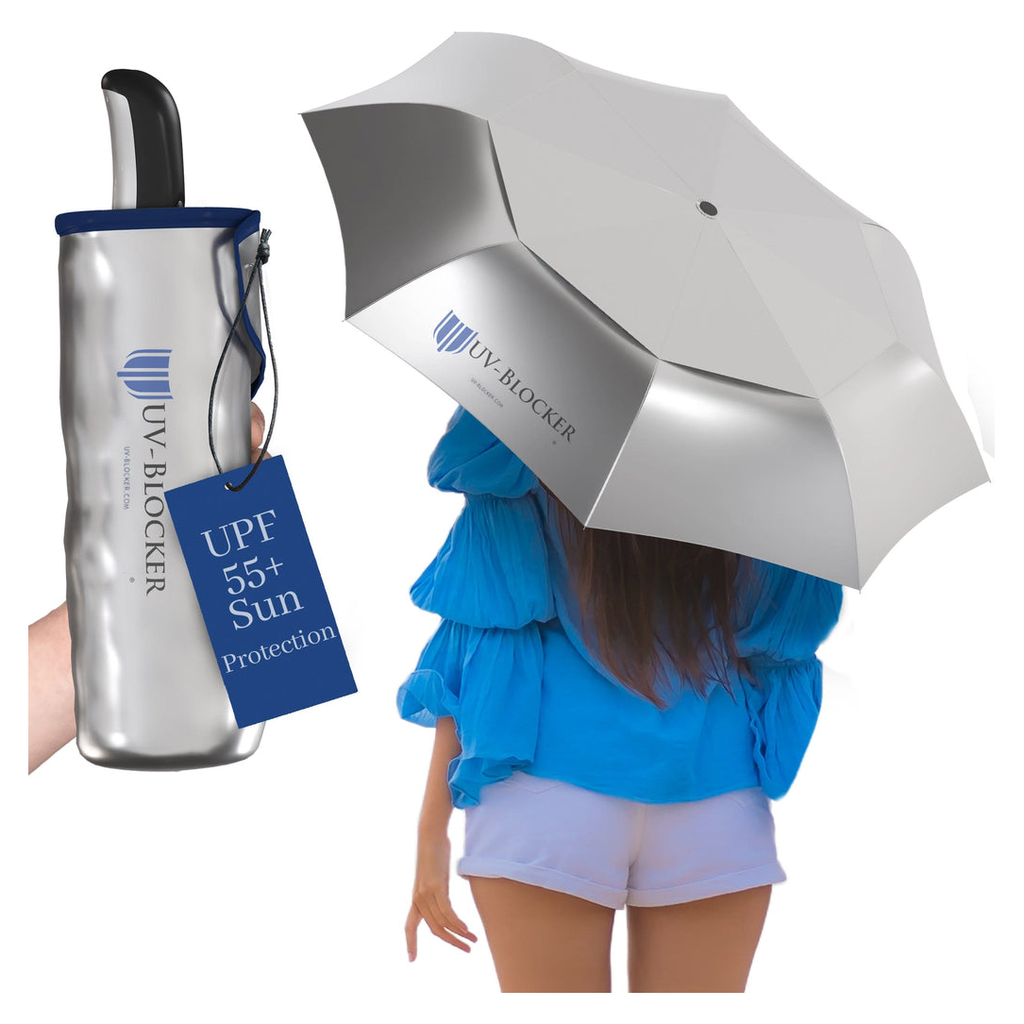
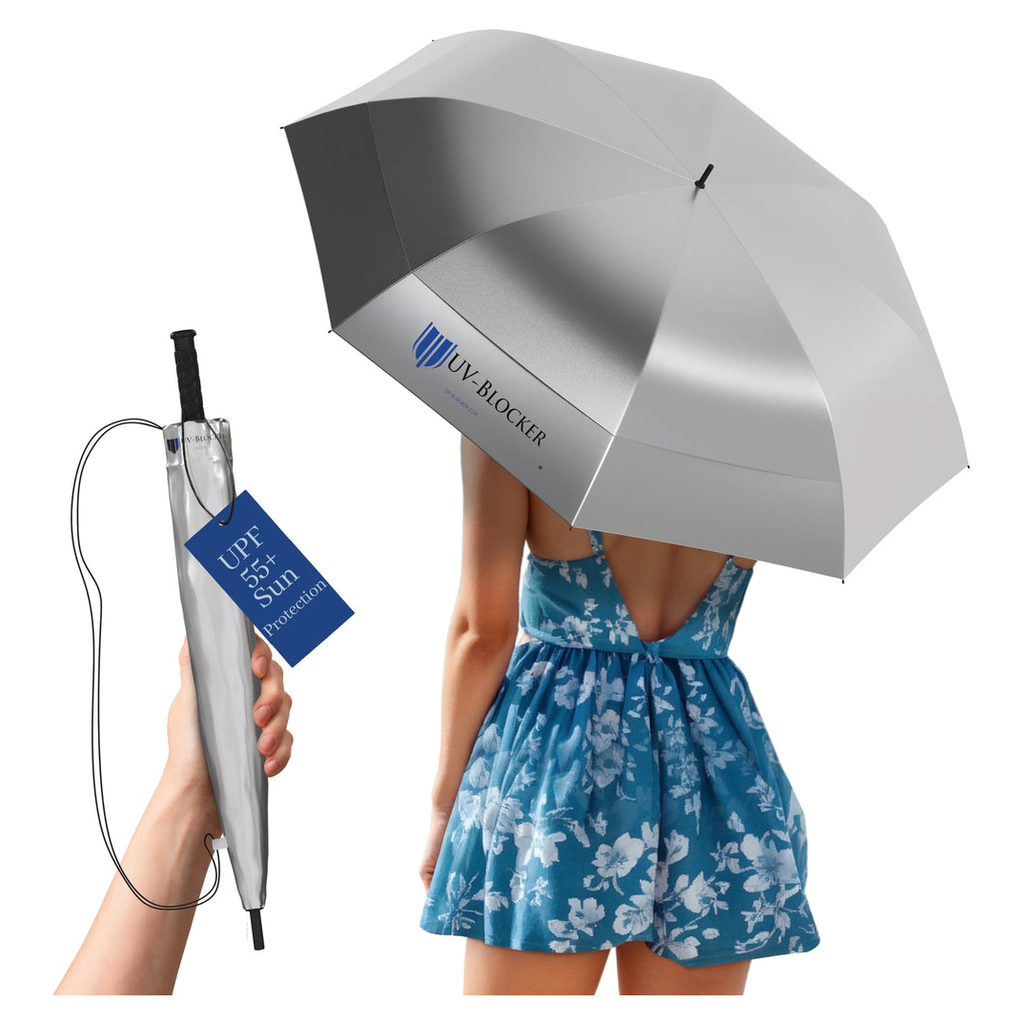
- UV-Blocker Solarteck® Umbrellas: Our umbrellas are engineered with patented Solarteck® technology, which not only provides UPF 50+ protection (blocking 99% of UVA and UVB rays) but also significantly reduces the temperature under the canopy by up to 15 degrees Fahrenheit. This dual benefit is critical for individuals with diabetes, offering protection against both harmful UV radiation and heat, which can affect insulin stability and increase heat stress. UV-Blocker umbrellas are also MIF-approved, signifying their adherence to the highest standards of sun protection.
- Timing: Whenever possible, avoid peak sun hours between 10 AM and 4 PM when UV radiation is strongest.
Layer 2: Wear UPF 50+ Sun Protective Clothing
Clothing is your physical barrier against the sun, and UPF (Ultraviolet Protection Factor) rated apparel offers superior protection compared to regular fabrics.
- What to Look For: Choose clothing with a UPF rating of 50+, which blocks at least 98% of UV radiation. This includes long-sleeved shirts, long pants, and wide-brimmed hats.
- Why it's Crucial for Diabetics: Due to potential neuropathy, you might not feel a sunburn developing, making physical barriers like clothing indispensable. It also offers consistent protection that doesn't wash off or wear out like sunscreen.
- Fabric Choices: Tightly woven, dark-colored, or synthetic fabrics often offer better UPF than loose-knit, light-colored cotton.
Layer 3: Apply Broad-Spectrum Mineral Sunscreen
For areas of skin not covered by clothing or shade, sunscreen is essential. Choose mineral-based formulations for optimal safety and efficacy.
- Type: Opt for broad-spectrum mineral sunscreens containing zinc oxide and/or titanium dioxide. These create a physical barrier on the skin, deflecting UV rays. They are generally less irritating and begin working immediately upon application, unlike chemical sunscreens which absorb UV and require time to activate.
- SPF: Use an SPF of 30 or higher. Reapply every two hours, or more frequently if swimming or sweating.
- Patch Test: If you have sensitive skin, perform a patch test on a small area first.
Layer 4: Protect Your Eyes with UV400 Sunglasses
As discussed, diabetic eyes are particularly susceptible to UV damage, increasing the risk and progression of retinopathy and cataracts.
- Lens Rating: Always wear sunglasses that block 99-100% of both UVA and UVB rays. Look for labels like "UV400" or "100% UV protection."
- Wrap-around Style: Consider wrap-around styles to protect against UV entering from the sides.
- Combine with Shade: Pair sunglasses with a wide-brimmed hat and overhead shade (like a UV-Blocker umbrella) for the most comprehensive eye protection.
Layer 5: Comprehensive Heat & Health Management
Sun protection extends beyond just blocking UV. Managing the body's response to heat and diligently monitoring health parameters are equally vital.
- Stay Hydrated: Drink plenty of water throughout the day, even if you don't feel thirsty, especially in warm weather. Dehydration can elevate blood glucose levels.
- Monitor Blood Glucose Regularly: Heat can affect insulin potency and blood sugar levels. Be vigilant with monitoring and adjust medication or food intake as advised by your healthcare provider.
- Insulin and Medication Storage: Never leave insulin or other temperature-sensitive medications in direct sunlight or a hot car. Use insulated cooling pouches for outdoor activities. The cool microclimate under a UV-Blocker umbrella can also help protect your supplies.
- Regular Skin Checks: Due to neuropathy, routinely inspect your skin for any signs of sunburn, blisters, or other injuries you may not have felt. Pay special attention to feet and hands.
- Foot Care: Wear protective footwear, even in warm weather, to prevent sun exposure and potential injuries to neuropathy-affected feet.
By integrating these five layers into your daily routine, you can significantly mitigate the compounding risks of sun exposure while living with diabetes, enjoying the outdoors safely and confidently.
Frequently Asked Questions About Diabetes and Sun Sensitivity
Is diabetes a contraindication for sun exposure?
No, having diabetes does not mean you must completely avoid the sun. However, it requires significantly heightened awareness and a proactive approach to sun protection. The compounding risks – including medication photosensitivity, neuropathy, slower wound healing, and eye vulnerability – mean that individuals with diabetes must be far more diligent about protection than the general population. With proper precautions, such as using UPF 50+ clothing, seeking shade (especially with a UV-Blocker Solarteck® umbrella), applying mineral sunscreen, and managing medications, you can still safely enjoy outdoor activities.
Can sun exposure raise blood sugar in diabetics?
Yes, indirectly. Direct sun exposure, especially in hot conditions, can lead to dehydration if fluid intake isn't sufficient. Dehydration can cause blood glucose levels to rise because the blood becomes more concentrated. Additionally, heat stress can trigger the release of stress hormones like cortisol, which can also elevate blood sugar. If insulin or other medications degrade due to heat exposure, that can also lead to unexpected hyperglycemia. Regular blood glucose monitoring and staying well-hydrated are crucial in warm, sunny weather.
What are the best sunscreens for diabetics?
For individuals with diabetes, broad-spectrum mineral sunscreens containing zinc oxide and/or titanium dioxide are generally recommended. These ingredients create a physical barrier that reflects UV rays, are less likely to cause skin irritation compared to chemical sunscreens, and offer immediate protection. Look for fragrance-free and hypoallergenic formulations if you have sensitive skin. Always choose an SPF of 30 or higher and remember that sunscreen is just one part of a comprehensive protection plan, complementing shade and UPF clothing.
How can I protect my insulin from heat during outdoor activities?
Protecting insulin from heat is vital to maintain its potency. When outdoors, never leave insulin vials, pens, or pumps in direct sunlight or inside a hot car. Use insulated cooling pouches or thermos bags specifically designed for insulin, ensuring that ice packs do not directly touch the insulin (wrap them in a cloth). Seeking shade, such as under a UV-Blocker Solarteck® umbrella, can also create a cooler microclimate that helps protect both you and your medications from excessive heat. Always adhere to the insulin manufacturer's storage guidelines.
What are the signs of heat stress for diabetics?
Individuals with diabetes are more susceptible to heat-related illnesses. Signs of heat stress or heat exhaustion can include excessive sweating (or lack thereof due to neuropathy), fatigue, dizziness, headache, muscle cramps, nausea, rapid pulse, and increased thirst. For diabetics, pay close attention to unusual fluctuations in blood sugar levels, as both very high or very low readings can be signs of heat-related issues. If you experience these symptoms, move to a cooler environment, hydrate, and seek medical attention if symptoms persist or worsen.
Can sun exposure affect diabetic foot health?
Yes, significantly. Diabetic peripheral neuropathy can lead to a loss of sensation in the feet, meaning you might not feel a sunburn developing. This can result in severe burns that go unnoticed until blisters or redness are visible. Furthermore, due to impaired circulation and slower wound healing in diabetes, these burns are much more prone to infection and can develop into difficult-to-treat diabetic foot ulcers. Always wear protective footwear and ensure feet are covered or adequately protected with mineral sunscreen if exposed, even during casual outdoor activities.
Conclusion
For the millions of Americans living with diabetes, sun protection is far more complex than a simple recommendation. It involves navigating a unique landscape of compounding risks: from medication-induced photosensitivity and the silent threat of neuropathy masking severe burns, to delayed wound healing, heightened eye vulnerability, and the critical issue of insulin degradation due to heat. Ignoring these interwoven factors can lead to serious health complications, ranging from undetected severe sunburns and infections to impaired vision and uncontrolled blood glucose levels.
As a brand founded by melanoma survivor Ron Walker, UV-Blocker understands the gravity of sun-related risks. Our mission extends to providing comprehensive, effective solutions for everyone, especially those with elevated sensitivities. The 5-layer Diabetes Sun Protection Plan outlined in this guide – prioritizing shade with UPF 50+ Solarteck® umbrellas, wearing UPF 50+ clothing, using broad-spectrum mineral sunscreen, protecting eyes with UV400 sunglasses, and diligently managing overall health and medication – offers a robust framework for safety.
By embracing this multi-faceted approach, individuals with diabetes can confidently enjoy the outdoors, minimizing risks and maximizing their well-being. Proactive protection isn't just about preventing a sunburn; it's about safeguarding long-term health, maintaining stable blood sugar, and preserving quality of life.
Frequently Asked Questions: Diabetes and Sun Sensitivity
Why does diabetes increase UV sensitivity?
Diabetes affects the skin's barrier function, impairs wound healing, and — when managed with certain oral medications — triggers a photosensitizing reaction. Additionally, high blood sugar damages small blood vessels in the dermis, making skin more reactive to UV radiation.
Which diabetes medications cause the most sun sensitivity?
Sulfonylureas (glipizide, glyburide, glimepiride) are the primary offenders. Metformin carries minimal photosensitivity risk; however, combining multiple diabetes drugs can compound UV reactivity. Always review your medication list with your pharmacist.
How do I protect a diabetic wound or ulcer from the sun?
Keep wounds covered with a sterile, non-stick dressing and out of direct sunlight. UV radiation can impair healing and increase infection risk. If you cannot avoid outdoor exposure, use a UPF 50+ umbrella to shade the affected area.
Can heat from the sun affect blood sugar levels?
Yes. High heat and humidity cause blood glucose to fluctuate, insulin to absorb faster, and dehydration, which concentrates blood sugar. Always carry water, monitor glucose more frequently outdoors, and seek shade proactively.
Sun Safety in Australia
Australia has some of the highest UV radiation levels in the world, with the UV Index regularly reaching extreme levels (11 or above) in cities such as Sydney, Melbourne, Brisbane, Perth, and Adelaide for much of the year — including on overcast days. The Cancer Council Australia reports that approximately two in three Australians will be diagnosed with some form of skin cancer by age 70, making sun protection a national health priority.
Key resources and guidelines for Australian sun safety:
- SunSmart Program (Cancer Council Australia): The SunSmart UV Alert is broadcast daily and recommends sun protection whenever the UV Index reaches 3 or above. In most Australian cities, this threshold is met every day of the year, including winter months in northern regions.
- ARPANSA (Australian Radiation Protection and Nuclear Safety Agency): Provides real-time UV monitoring at stations across all states and territories. Australians can access current UV levels at arpansa.gov.au.
- Safe Work Australia — UV Radiation as an Occupational Hazard: Australian workplace health and safety legislation requires employers to assess and manage UV radiation exposure for outdoor workers. Physical shade, including umbrellas rated UPF 50+, is recognised as a primary engineering control under these regulations.
A UPF 50+ UV-blocking umbrella provides the consistent, continuous shade protection that is essential under Australia's intense sun. The UV-Blocker umbrella, with its patented Solarteck® reflective coating, blocks 99% of UV rays and reduces perceived temperature by up to 15°F — a meaningful advantage for outdoor activities in Australia's climate. It is the only umbrella of its kind approved by the Melanoma International Foundation.
Frequently Asked Questions
Does Diabetes really make skin more sensitive to sunlight?
Yes. Diabetes belongs to a class of medications that can trigger photosensitivity reactions in a subset of patients. This can cause sunburn-like reactions with minimal UV exposure, or trigger phototoxic skin rashes. The reaction severity varies by individual, dosage, and UV intensity. Always review your medication guide and consult your prescribing physician if you notice unusual skin reactions in sunlight.
What SPF should I use if I take this medication?
Dermatologists generally recommend SPF 30+ broad-spectrum sunscreen for patients on photosensitizing medications, with reapplication every 2 hours. However, sunscreen alone isn't sufficient for high UV exposure. Combining sunscreen with physical barriers — UPF 50+ clothing, wide-brim hats, and UV-blocking umbrellas — provides the most reliable protection. UV-Blocker's UPF 50+ umbrellas block 99% of UVA and UVB rays.
Can I still go outdoors while taking this medication?
Absolutely. Most patients can continue outdoor activities with appropriate precautions: avoid peak UV hours (10am–4pm), wear protective clothing, use SPF 30+ sunscreen, and use shade whenever possible. A portable UV-blocking umbrella offers hands-free shade wherever you go, making it a practical solution for patients who need consistent sun avoidance.
How long after stopping the medication until sun sensitivity resolves?
Photosensitivity typically resolves within days to weeks after discontinuing the medication, depending on the drug's half-life and your individual metabolism. Some medications with long half-lives may cause sensitivity for weeks. Continue sun protection until your doctor confirms it's safe to reduce precautions.
What are the signs of a phototoxic reaction vs. a photoallergic reaction?
Phototoxic reactions look like severe, rapid sunburn — they appear within hours of UV exposure and are dose-dependent. Photoallergic reactions involve an immune response, can spread beyond sun-exposed areas, and may appear days later. Both require prompt sun avoidance. See your dermatologist for diagnosis and management.
Sun Safety Essentials for Patients on Photosensitizing Medications
- Keep a UV index app on your phone and avoid going outdoors when the index exceeds 6 without full protection
- Wear UPF 50+ sun-protective clothing on arms and legs, not just sunscreen
- Carry a portable UV-blocking umbrella for shade on demand — especially effective during outdoor commutes, sporting events, or waiting outdoors
- Apply sunscreen to the back of hands and tops of feet — commonly missed areas that receive direct UV
- Inform your pharmacist about all medications you take so they can flag photosensitizing combinations
- Request a window film UV assessment if you drive frequently — car windows block UVB but not all UVA