

Over 3.4 million Americans filled Wegovy prescriptions in 2024, and as summer approaches, searches for Wegovy sun sensitivity are climbing. Patients want a straight answer, especially with conflicting information circulating online.
The information landscape is noisy. Some pages overstate the risk, while others dismiss it entirely, leaving patients guessing whether a new burn, rash, or stinging sensation means the medication itself is to blame.
This comprehensive guide tackles Wegovy sun sensitivity head-on. We'll separate semaglutide's actual effects from those of common co-medications and physiological changes. Our goal is to empower active patients with a clear understanding and a practical, robust sun protection plan, especially crucial for those at higher risk of skin damage, like melanoma survivors.
🚀 Quick Reference Summary: Wegovy & Sun Sensitivity
- Direct Photosensitivity: Wegovy (semaglutide) does NOT list photosensitivity as an adverse reaction on its FDA label. Clinical trials have not established a direct causal link.
- Increased UV Vulnerability: Rapid weight loss, dehydration from GI side effects, and potential GLP-1 receptor activity in skin cells CAN make your skin feel more sensitive and susceptible to UV damage.
- Facial Volume Loss: Research indicates about 7% mid-facial volume loss per 10 kg of weight loss in GLP-1 patients, which may reduce the skin's natural "cushion" against UV.
- GI Side Effects Impact: Nausea (up to 44% in trials), vomiting, and diarrhea make maintaining hydration difficult, exacerbating sun and heat risk and hindering consistent sunscreen reapplication.
- Common Co-Medications: Several drugs frequently co-prescribed with Wegovy (e.g., hydrochlorothiazide, sulfonylureas, metformin, doxycycline, naproxen) ARE known photosensitizers. Always check your full medication list.
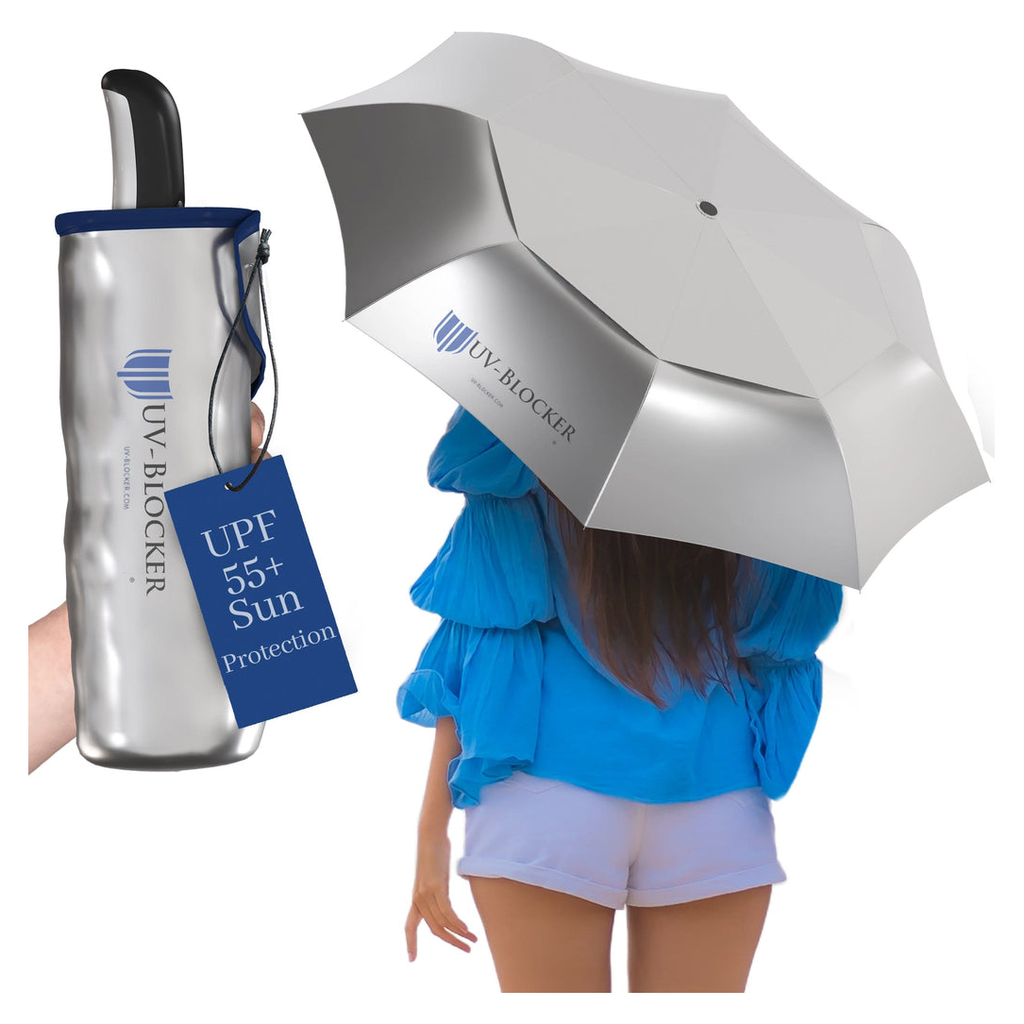
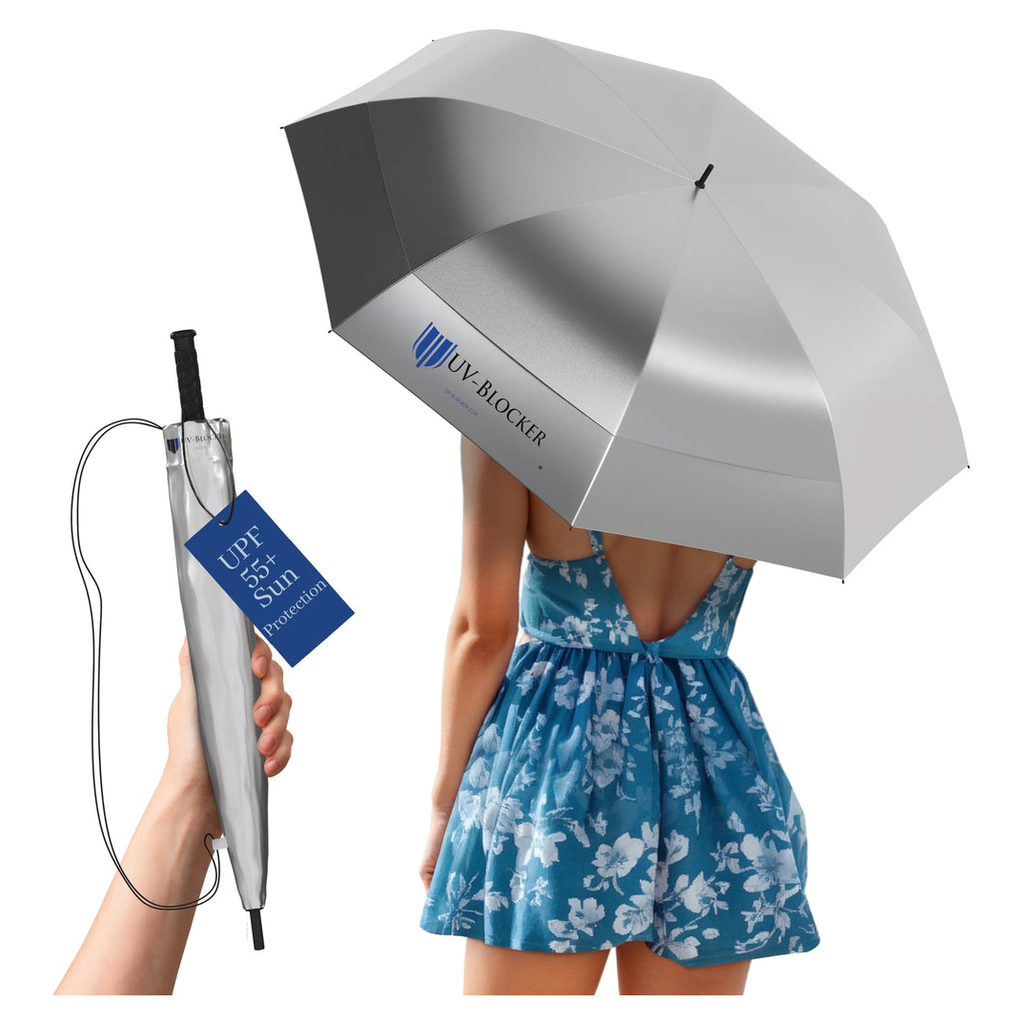
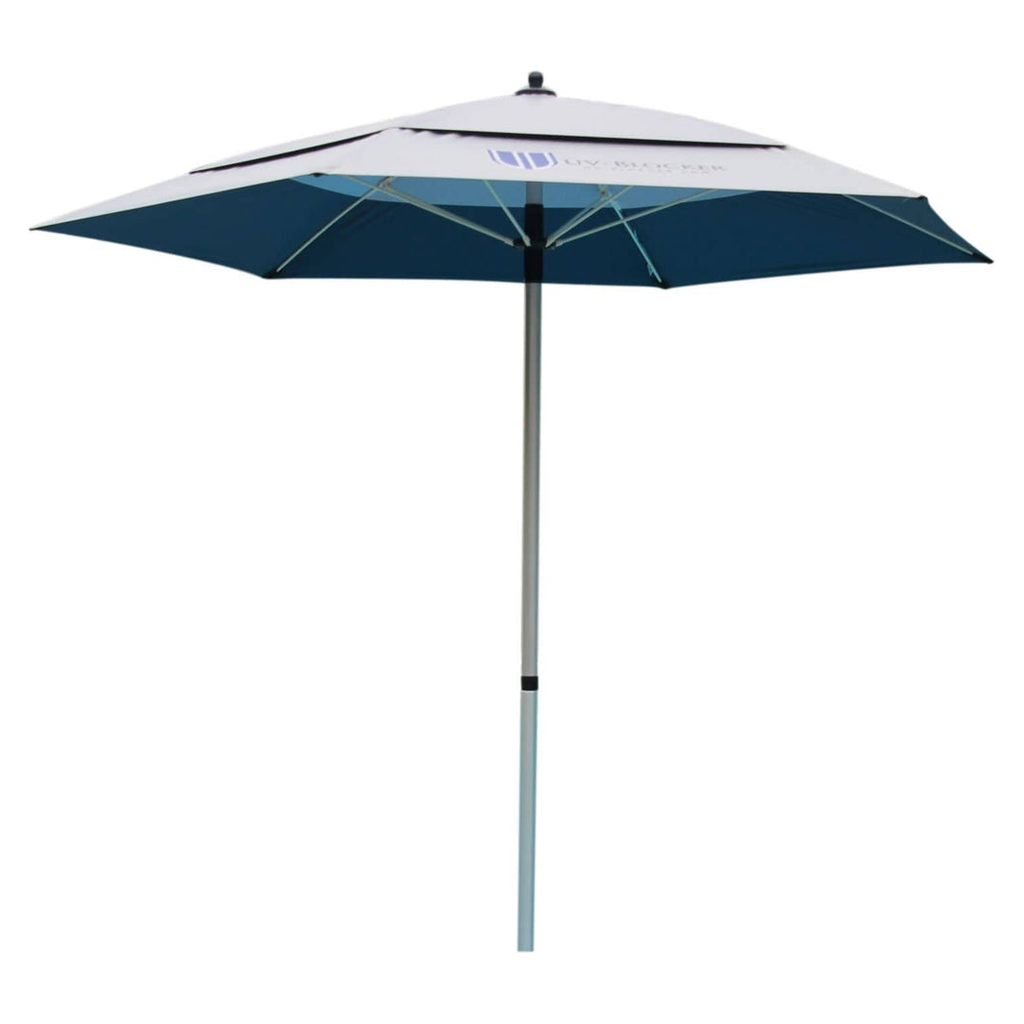
- Protection Protocol: A layered approach is essential: seek shade (especially with UV-Blocker sun umbrellas featuring Solarteck® technology), wear UPF 50+ clothing, use broad-spectrum SPF 30+ sunscreen, and maintain rigorous hydration.
Does Wegovy Cause Sun Sensitivity?
The short answer is no, not directly. Semaglutide, the active ingredient in Wegovy, does not list photosensitivity as an adverse reaction on its official FDA prescribing information. This is a critical distinction to make. Photosensitivity typically refers to a drug-induced chemical reaction in the skin that makes it unusually sensitive to ultraviolet (UV) radiation, leading to exaggerated sunburns, rashes, or other dermatological reactions upon sun exposure. These reactions can be phototoxic (a direct toxic effect, like a severe sunburn) or photoallergic (an immune-mediated allergic reaction).
Neither the Wegovy prescribing information nor the Ozempic prescribing information (which uses the same active ingredient, semaglutide, for diabetes management) includes photosensitivity among their documented adverse effects. This absence of evidence from rigorous clinical trials and FDA monitoring suggests that semaglutide itself is not a primary photosensitizing agent. The same holds true for tirzepatide, sold as Mounjaro and Zepbound, where a retrospective dermatology review found only a tiny fraction of photosensitivity reports among cutaneous adverse events, too few to establish a significant clinical pattern for the drug class.
Despite this official stance, many patients report feeling more vulnerable to the sun after starting GLP-1 medications. This creates a gap between formal scientific evidence and lived experience. While Wegovy may not cause true photosensitivity, it's crucial to understand the various physiological changes and medication interactions that can significantly increase an individual's susceptibility to UV damage, mimicking sun sensitivity. This nuanced understanding is key to effective sun protection.
Why Does Your Skin Feel More Vulnerable on Wegovy?
While Wegovy itself isn't a photosensitizer, several concurrent factors related to GLP-1 agonist use can compound to create increased UV vulnerability. These physiological shifts make skin feel more exposed and reactive to the sun's rays, even without a direct drug-induced photosensitivity reaction.
Rapid Weight Loss Thins the Skin's UV Cushion
One of the most visible effects of GLP-1 agonists like Wegovy is significant weight loss. While celebrated, this rapid reduction in body fat, particularly subcutaneous fat, can impact skin integrity. The phenomenon colloquially known as "Ozempic face" highlights facial volume loss, with studies reporting about 7% mid-facial volume loss per 10 kg of weight loss. This reduction isn't limited to the face; fat loss occurs across the entire body. Subcutaneous fat acts as a natural buffer and cushion for the skin. With less of this protective layer, UV radiation may penetrate more directly, and the skin may feel more exposed, fragile, or sensitive to the touch, leading to an intensified perception of sun exposure.
GI-Driven Dehydration Compounds Sun and Heat Risk
Gastrointestinal side effects are common with Wegovy, with nausea affecting up to 44% of patients in clinical trials, vomiting in 24%, and diarrhea in 30%. These persistent GI issues can lead to chronic dehydration. Adequate hydration is fundamental for skin health, maintaining its barrier function, elasticity, and ability to repair itself from environmental stressors. When the body is dehydrated, skin becomes drier, less resilient, and more susceptible to damage from UV radiation. Furthermore, semaglutide can suppress thirst cues, making it challenging for patients to recognize and replenish lost fluids effectively. Dehydration also impairs the body's ability to regulate temperature, increasing the risk of heat exhaustion or heatstroke when combined with sun exposure.
GLP-1 Receptors in Skin May Modulate Immune Response
Emerging research suggests a more complex role for GLP-1 beyond its metabolic actions. A dermatology review indicates the presence of GLP-1 receptors in keratinocytes and hair follicles. These receptors are involved in active ERK1/2 signaling and immune modulation through pathways like NF-kB and NK cell activity. While much of the current research points towards potential anti-inflammatory benefits (e.g., in psoriasis), it's theoretically plausible that GLP-1 receptor activation could subtly alter the skin's immune response to environmental stressors, including UV radiation. This could lead to a modified inflammatory cascade or repair mechanism following sun exposure, contributing to a feeling of increased sensitivity, though this mechanism remains largely unproven in the context of sun sensitivity.
Vasodilation and Increased Skin Blood Flow
GLP-1 agonists have known cardiovascular effects, including the potential for vasodilation, which means widening of blood vessels. Increased blood flow to the skin surface, especially when combined with dehydration and environmental heat, might make the skin appear redder or feel warmer and more reactive to the sun. While this isn't a direct photosensitizing effect, the enhanced superficial blood flow could contribute to a sensation of heightened sensitivity or make existing sun damage more pronounced. This mechanism is less definitively established than weight loss or dehydration but warrants consideration.
Potential for Nutritional Deficiencies
Rapid weight loss, especially if accompanied by reduced food intake or malabsorption due to GI side effects, can sometimes lead to nutritional deficiencies. Key vitamins and minerals like Vitamin A, C, E, Zinc, and Omega-3 fatty acids are crucial for skin health, repair, and antioxidant defense against UV damage. If these nutrients are suboptimal, the skin's natural resilience and ability to recover from sun exposure could be compromised, indirectly contributing to perceived sun sensitivity.
These combined factors underscore why Wegovy patients often report feeling more vulnerable to the sun, validating their concerns even in the absence of a direct photosensitizing effect from semaglutide. This highlights the importance of proactive sun protection strategies.
Which Medications Co-Prescribed with Wegovy Actually Cause Photosensitivity?
One of the most overlooked causes of increased sun sensitivity in Wegovy patients isn't the GLP-1 agonist itself, but other medications they may be taking concurrently. Many patients on Wegovy are managing co-morbidities like hypertension, pre-diabetes, or other conditions that require medications known to cause photosensitivity. It is critical for patients to review all their medications with their healthcare provider or pharmacist to identify potential photosensitizers.
Common categories of photosensitizing drugs include:
-
Diuretics: Often prescribed for hypertension or fluid retention, common in individuals with obesity.
- Hydrochlorothiazide (HCTZ): A very common thiazide diuretic known to cause phototoxic reactions, increasing the risk of severe sunburn and rash.
- Furosemide (Lasix): A loop diuretic that can also induce photosensitivity.
-
Antibiotics: Used for various infections, or sometimes for skin conditions like acne.
- Tetracyclines (e.g., Doxycycline, Minocycline): These are potent photosensitizers, frequently causing phototoxic reactions. Even low doses of doxycycline, sometimes prescribed for anti-inflammatory effects or acne, can make skin extremely vulnerable to the sun.
- Fluoroquinolones (e.g., Ciprofloxacin, Levofloxacin): Another class of antibiotics known for photosensitivity.
- Sulfonamides (e.g., Bactrim/Septra): These antibiotics can cause both phototoxic and photoallergic reactions.
-
Oral Hypoglycemics: While Wegovy itself helps blood sugar, some patients may still be on other diabetes medications, especially if they are transitioning or managing complex cases.
- Sulfonylureas (e.g., Glyburide, Glipizide): These older diabetes medications can cause photosensitivity.
- Metformin: While less common than others, some reports link metformin to photosensitivity, though it's generally considered a lower risk.
-
Non-Steroidal Anti-Inflammatory Drugs (NSAIDs): Often used for pain relief, headaches, or inflammation.
- Naproxen (Aleve): A well-known NSAID that can cause phototoxic reactions.
- Ketoprofen: Another NSAID, especially topical formulations, can induce photosensitivity.
-
Retinoids (Oral and Topical): Used for acne, psoriasis, or anti-aging, these compounds make skin more sensitive.
- Isotretinoin (Accutane): An oral retinoid that thins the skin and increases sun sensitivity significantly.
- Tretinoin (Retin-A), Adapalene (Differin): Topical retinoids that make skin more vulnerable to UV radiation.
-
Antidepressants and Antipsychotics:
- Certain tricyclic antidepressants (TCAs) and phenothiazines can be photosensitizing.
This is not an exhaustive list, and many other medications can increase sun sensitivity. Always disclose your full medication list, including over-the-counter drugs and supplements, to your doctor and pharmacist. They can help identify potential interactions and advise on appropriate sun protection measures. Understanding this broader medication landscape is vital for truly addressing sun sensitivity concerns in Wegovy patients.
How to Identify True Photosensitivity vs. Increased UV Vulnerability
Distinguishing between a regular sunburn, a true drug-induced photosensitivity reaction, and general increased UV vulnerability is crucial for appropriate management. While all involve sun exposure, their underlying mechanisms and presentations differ:
Normal Sunburn
- Cause: Direct damage to skin cells by excessive UV radiation.
- Symptoms: Redness, warmth, pain, tenderness, peeling, sometimes blistering.
- Onset: Typically appears 4-6 hours after exposure, peaking at 12-24 hours.
- Location: Confined to sun-exposed areas.
- Severity: Depends on UV intensity and duration of exposure.
Increased UV Vulnerability (as seen with Wegovy)
- Cause: Physiological changes (e.g., rapid weight loss, dehydration, thinner skin, hormonal shifts) that reduce the skin's natural resilience and protective layers, making it more susceptible to damage from UV radiation.
- Symptoms: May present as a normal sunburn, but with an uncharacteristic intensity, faster onset, or from shorter exposure than previously experienced. Skin might feel more fragile, sting, or burn more easily.
- Onset: Similar to a normal sunburn, but the threshold for burning is lowered.
- Location: Primarily sun-exposed areas.
- Severity: Appears disproportionate to the perceived sun exposure.
Drug-Induced Photosensitivity (Phototoxic Reaction)
- Cause: A photosensitizing medication absorbs UV light and then releases energy, directly damaging skin cells.
- Symptoms: Resembles an exaggerated sunburn—intense redness, swelling, burning, itching, blistering, and pain. It can be significantly more severe than a typical sunburn.
- Onset: Usually appears within minutes to hours of sun exposure, only after taking the medication.
- Location: Strictly limited to sun-exposed areas.
- Severity: Often disproportionately severe compared to the amount of sun exposure. Can occur with minimal sun.
Drug-Induced Photosensitivity (Photoallergic Reaction)
- Cause: A photosensitizing medication (often topical, but can be oral) undergoes a chemical change when exposed to UV light, forming an allergen that triggers an immune response.
- Symptoms: Appears as an eczematous (dermatitis-like) rash—red, itchy, bumpy, scaly, often with blistering.
- Onset: Typically delayed, appearing 24-72 hours after sun exposure and medication use, as it's an immune reaction.
- Location: Can spread beyond strictly sun-exposed areas, as it's an allergic reaction.
- Severity: Persistent and intensely itchy.
If you experience any unusual skin reactions after sun exposure while on Wegovy or any other medication, especially severe blistering, widespread rash, or symptoms that don't match a typical sunburn, consult your healthcare provider immediately. They can help identify the cause and recommend appropriate treatment or medication adjustments.
How Does Wegovy Compare to Ozempic and Mounjaro for Sun Sensitivity?
When comparing Wegovy, Ozempic, and Mounjaro regarding sun sensitivity, it's important to remember that these medications belong to the same class of drugs (GLP-1 receptor agonists, with Mounjaro also being a GIP receptor agonist). While their primary indications differ (Wegovy for weight management, Ozempic for type 2 diabetes, Mounjaro for type 2 diabetes with a recent weight loss indication via Zepbound), their core mechanisms of action and common side effect profiles share significant overlap.
As previously discussed, semaglutide (the active ingredient in both Wegovy and Ozempic) does not list photosensitivity as a direct adverse reaction on its FDA prescribing information. The same is true for tirzepatide (the active ingredient in Mounjaro and Zepbound). Therefore, from a direct drug-induced photosensitivity standpoint, none of these medications are officially recognized as causing this condition.
However, the mechanisms that contribute to *increased UV vulnerability* are largely shared across all three:
- Rapid Weight Loss: All three medications are highly effective for weight loss. The resultant reduction in subcutaneous fat can lead to thinner, more vulnerable skin, irrespective of which specific GLP-1 or dual agonist is used. The physical effects on skin resilience would be comparable across these therapies.
- GI Side Effects and Dehydration: Nausea, vomiting, and diarrhea are common side effects across all GLP-1 and GIP/GLP-1 agonists. These symptoms can lead to chronic dehydration, which compromises the skin's barrier function and overall resilience to UV damage. The frequency and intensity of these side effects can vary between individuals and drugs, but the principle remains consistent.
- Co-Medication Usage: Patients on any of these medications may also be taking other drugs for pre-existing conditions (e.g., hypertension, diabetes, infections) that are known photosensitizers. The risk from these co-prescribed medications is independent of the GLP-1 drug itself but is equally relevant to all patients in this demographic.
In essence, if a patient experiences what feels like sun sensitivity while on Ozempic or Mounjaro, the underlying reasons are likely the same as those identified for Wegovy: a combination of physiological changes from rapid weight loss, dehydration, and potential interactions with other medications, rather than a direct photosensitizing effect of the GLP-1 agonist itself. Therefore, the sun protection protocols for patients on any of these medications should be equally comprehensive and vigilant. The Ozempic sun sensitivity guide provides further specific information for those on that particular semaglutide formulation.
Sun Protection Protocol for Wegovy and GLP-1 Patients
Given the increased UV vulnerability and potential for photosensitizing co-medications, a robust and layered sun protection strategy is paramount for Wegovy and other GLP-1 patients. As a melanoma survivor, UV-Blocker founder Ron Walker emphasizes that proactive sun safety is not just a recommendation but a necessity for long-term skin health.
1. Seek Shade Diligently
The simplest and most effective defense against harmful UV radiation is to avoid direct sun exposure, especially during peak hours (typically 10 AM to 4 PM). Plan outdoor activities for early mornings or late afternoons. When shade is not naturally available, create your own. Our UPF 50+ sun protection umbrellas, featuring patented Solarteck® technology, offer an unparalleled portable shade solution, blocking 99% of UVA/UVB rays. This is particularly vital for patients who may feel physically weaker or more prone to dehydration due to GLP-1 side effects.
2. Wear UPF 50+ Protective Clothing
Clothing is your first line of defense. Not all fabrics are created equal; look for garments with an Ultraviolet Protection Factor (UPF) rating. Choose clothing with a UPF of 50+, which blocks 98% of the sun's rays. This includes wide-brimmed hats (at least 3 inches all around) to protect the face, ears, and neck, and long-sleeved shirts and long pants made from tightly woven fabrics. UV-Blocker’s commitment to premium sun protection means our umbrellas are not only UPF 50+ but also Melanoma International Foundation (MIF) approved, ensuring the highest standard of safety, a standard we recommend for all your sun protective gear.
3. Apply Broad-Spectrum Sunscreen Reliably
Sunscreen is crucial for any exposed skin not covered by UPF clothing.
- SPF 30 or Higher: Use a broad-spectrum sunscreen with an SPF of 30 or higher. "Broad-spectrum" means it protects against both UVA (aging) and UVB (burning) rays.
- Generous Application: Apply a liberal amount (approximately a shot glass full for the whole body) at least 15-30 minutes before sun exposure.
- Reapply Frequently: Reapply every two hours, or more often if swimming, sweating, or towel drying. This is especially challenging if experiencing nausea, but consistency is key.
- Water-Resistant: Choose water-resistant formulations for activities involving water or heavy sweating.
- Mineral vs. Chemical: For sensitive skin, mineral sunscreens (containing zinc oxide and titanium dioxide) are often preferred as they sit on the skin's surface and block UV rays, while chemical sunscreens absorb them.
4. Prioritize Hydration
Counteracting dehydration from GLP-1 side effects is vital for overall health and skin resilience.
- Constant Sips: Drink water consistently throughout the day, even if you don't feel thirsty, as GLP-1s can blunt thirst cues.
- Electrolyte Support: Consider electrolyte-rich drinks, especially if experiencing significant GI losses, to replenish essential minerals.
- Avoid Dehydrating Beverages: Limit alcohol, excessive caffeine, and sugary drinks, which can contribute to fluid loss.
5. Protect Your Eyes
The delicate skin around the eyes is highly susceptible to UV damage, and UV radiation can contribute to cataracts and other eye conditions. Wear sunglasses that block 99-100% of UVA and UVB rays.
6. Be Mindful of Medications
Maintain an up-to-date list of all your medications, and consult your doctor or pharmacist about potential photosensitizing effects. This proactive step helps you adjust your sun protection strategy accordingly.
By adopting this comprehensive, layered approach, Wegovy patients can significantly mitigate their increased UV vulnerability, protect their skin, and enjoy the outdoors safely. This commitment to sun safety is a commitment to long-term health.
When Should Wegovy Patients Contact Their Doctor About Sun Sensitivity?
While many experiences of increased sun vulnerability on Wegovy can be managed with enhanced sun protection, certain symptoms warrant immediate medical attention. It's crucial to know when to escalate concerns to your healthcare provider, particularly if you suspect a severe reaction or a true drug-induced photosensitivity.
Contact your doctor if you experience any of the following:
- Severe or Unexplained Rash: If you develop a widespread rash, blistering, or a rash that spreads beyond sun-exposed areas, especially if it's intensely itchy, painful, or doesn't resemble a typical sunburn. This could indicate a severe phototoxic or photoallergic reaction, potentially from a co-medication.
- Excessive Swelling or Pain: Beyond typical sunburn discomfort, if there's significant swelling, intense pain, or a feeling of tight, hot skin that worsens despite cooling measures.
- Signs of Infection: If blisters open and show signs of infection such as pus, increasing redness, warmth, or red streaks extending from the area.
- Systemic Symptoms: If sun exposure leads to symptoms beyond the skin, such as fever, chills, severe headache, confusion, dizziness, rapid heart rate, or nausea that is worse than your usual Wegovy side effects. These could indicate severe dehydration, heatstroke, or a systemic allergic reaction.
- Persistent Symptoms: If skin irritation, burning, or sensitivity persists for an unusually long time after sun exposure, even with proper care.
- Changes to Existing Skin Conditions: If you have pre-existing skin conditions (like eczema, psoriasis, or rosacea) that suddenly flare up or worsen significantly after sun exposure while on Wegovy.
- Concern About a Specific Medication: If you suspect that one of your co-prescribed medications is causing a photosensitivity reaction, your doctor may need to adjust your regimen or suggest alternative treatments.
When contacting your doctor, be prepared to provide a detailed description of your symptoms, when they started, what sun exposure you had, and a complete list of all medications, supplements, and topical products you are currently using. Your healthcare provider can help differentiate between a typical sunburn, increased UV vulnerability due to Wegovy-related changes, or a true drug-induced photosensitivity reaction requiring specific intervention. Prompt communication ensures your safety and helps optimize your treatment plan.
Frequently Asked Questions About Wegovy Sun Sensitivity
Can Wegovy directly cause sunburn?
No, Wegovy (semaglutide) does not directly cause sunburn or photosensitivity according to its FDA label and clinical trials. However, the rapid weight loss, potential dehydration, and other physiological changes associated with taking Wegovy can make your skin more vulnerable to UV radiation, leading to what feels like an easier or more severe sunburn. Additionally, common medications often taken alongside Wegovy may cause photosensitivity.
What's the difference between photosensitivity and increased UV vulnerability?
Photosensitivity is a drug-induced chemical reaction in your skin that makes it extremely reactive to sunlight, often resulting in exaggerated sunburns or rashes. Increased UV vulnerability refers to physiological changes (like thinner skin from fat loss or dehydration) that make your skin generally more susceptible to damage from normal sun exposure, without a specific chemical reaction caused by the drug itself.
Are there specific ingredients in sunscreen I should look for while on Wegovy?
While on Wegovy, look for a broad-spectrum sunscreen with an SPF of 30 or higher to protect against both UVA and UVB rays. For sensitive skin or if you're concerned about chemical interactions, mineral sunscreens containing zinc oxide and titanium dioxide are often recommended as they create a physical barrier on the skin's surface. Ensure it's water-resistant if you'll be sweating or swimming.
How can I stay hydrated while on Wegovy, especially to protect my skin?
To combat dehydration from Wegovy's GI side effects:
- Drink water consistently throughout the day, even if you don't feel thirsty, as Wegovy can suppress thirst cues.
- Incorporate electrolyte-rich fluids (sports drinks, coconut water, or oral rehydration solutions) if experiencing significant nausea, vomiting, or diarrhea.
- Avoid excessive caffeine and alcohol, which can contribute to dehydration.
- Eat water-rich foods like fruits and vegetables.
Will stopping Wegovy reverse sun sensitivity?
If your increased sun sensitivity is due to the physiological changes caused by Wegovy (e.g., weight loss, dehydration), these effects might gradually reverse or lessen once the medication is stopped and your body stabilizes. However, if the sensitivity is due to a co-prescribed photosensitizing medication, stopping that specific medication would be necessary. Always consult your doctor before making any changes to your medication regimen.
What are some "hidden" sources of UV exposure I should be aware of?
Many people forget about UV exposure through car windows (UVA rays penetrate glass), cloudy days (up to 80% of UV still reaches you), and reflective surfaces like water, sand, or snow, which can amplify UV intensity. Additionally, fluorescent lights in offices or tanning beds (which emit UV) can also contribute to exposure, especially if you're taking photosensitizing medications. A UV-Blocker sun umbrella can provide crucial protection even in less obvious scenarios.
Conclusion
Navigating the world of Wegovy and sun exposure requires a nuanced understanding. While semaglutide itself does not directly cause photosensitivity, the profound physiological changes brought about by rapid weight loss, the challenges of maintaining hydration amidst GI side effects, and the potential for photosensitizing co-medications can significantly increase an individual's vulnerability to UV damage. For patients, this often translates to a heightened sensation of "sun sensitivity" that demands a more vigilant approach to sun protection.
As a melanoma survivor, UV-Blocker founder Ron Walker understands the critical importance of effective sun protection. This is why UV-Blocker is dedicated to providing premium solutions like our UPF 50+ sun protection umbrellas, engineered with patented Solarteck® technology. These umbrellas block 99% of harmful UVA/UVB rays and are Melanoma International Foundation (MIF) approved, offering a reliable, portable shade solution.
For Wegovy patients, the best defense is a layered and proactive offense: prioritize seeking shade, cover up with UPF 50+ clothing, generously apply broad-spectrum SPF 30+ sunscreen, and maintain rigorous hydration. Furthermore, open communication with your healthcare provider about all medications is essential to identify and manage any true photosensitizing risks. By adopting these comprehensive strategies, you can safely embrace an active lifestyle, protect your skin's health, and mitigate the concerns surrounding Wegovy and sun sensitivity.
Frequently Asked Questions: Wegovy and Sun Sensitivity
Does Wegovy (semaglutide) directly cause sun sensitivity?
No direct photosensitivity mechanism has been established for semaglutide. However, patients losing significant weight on Wegovy often experience skin changes — including thinning, reduced fat padding, and altered melanin tone — that can temporarily increase UV reactivity.
Can Wegovy-related nausea worsen in the sun?
Yes. Heat and direct sunlight can exacerbate nausea, a common Wegovy side effect. Use a UV-blocking umbrella outdoors to reduce ambient temperature by up to 15°F, and stay well-hydrated, as dehydration compounds nausea severity.
Are there interaction risks between Wegovy and other photosensitizing medications?
Wegovy is often co-prescribed with metformin or statins — several of which have mild photosensitizing properties. Assess your complete medication burden with a pharmacist to understand your aggregate UV sensitivity risk.
What is the best sunscreen type for someone on Wegovy?
Lightweight, non-comedogenic mineral sunscreens work well for patients experiencing skin changes from rapid weight loss. Look for SPF 50+ with zinc oxide or titanium dioxide, which are less likely to irritate a disrupted skin barrier.
Frequently Asked Questions
Does Wegovy really make skin more sensitive to sunlight?
Yes. Wegovy belongs to a class of medications that can trigger photosensitivity reactions in a subset of patients. This can cause sunburn-like reactions with minimal UV exposure, or trigger phototoxic skin rashes. The reaction severity varies by individual, dosage, and UV intensity. Always review your medication guide and consult your prescribing physician if you notice unusual skin reactions in sunlight.
What SPF should I use if I take this medication?
Dermatologists generally recommend SPF 30+ broad-spectrum sunscreen for patients on photosensitizing medications, with reapplication every 2 hours. However, sunscreen alone isn't sufficient for high UV exposure. Combining sunscreen with physical barriers — UPF 50+ clothing, wide-brim hats, and UV-blocking umbrellas — provides the most reliable protection. UV-Blocker's UPF 50+ umbrellas block 99% of UVA and UVB rays.
Can I still go outdoors while taking this medication?
Absolutely. Most patients can continue outdoor activities with appropriate precautions: avoid peak UV hours (10am–4pm), wear protective clothing, use SPF 30+ sunscreen, and use shade whenever possible. A portable UV-blocking umbrella offers hands-free shade wherever you go, making it a practical solution for patients who need consistent sun avoidance.
How long after stopping the medication until sun sensitivity resolves?
Photosensitivity typically resolves within days to weeks after discontinuing the medication, depending on the drug's half-life and your individual metabolism. Some medications with long half-lives may cause sensitivity for weeks. Continue sun protection until your doctor confirms it's safe to reduce precautions.
What are the signs of a phototoxic reaction vs. a photoallergic reaction?
Phototoxic reactions look like severe, rapid sunburn — they appear within hours of UV exposure and are dose-dependent. Photoallergic reactions involve an immune response, can spread beyond sun-exposed areas, and may appear days later. Both require prompt sun avoidance. See your dermatologist for diagnosis and management.
Sun Safety Essentials for Patients on Photosensitizing Medications
- Keep a UV index app on your phone and avoid going outdoors when the index exceeds 6 without full protection
- Wear UPF 50+ sun-protective clothing on arms and legs, not just sunscreen
- Carry a portable UV-blocking umbrella for shade on demand — especially effective during outdoor commutes, sporting events, or waiting outdoors
- Apply sunscreen to the back of hands and tops of feet — commonly missed areas that receive direct UV
- Inform your pharmacist about all medications you take so they can flag photosensitizing combinations
- Request a window film UV assessment if you drive frequently — car windows block UVB but not all UVA