Free Shipping on US Orders!
 Dermatologist Approved
 Designed for Maximum Sun Protection



TLDR:
- Diabetes sun sensitivity is usually a compounding-risk problem, not a simple sun allergy.
- Some diabetes drugs are real photosensitizers, especially sulfonylureas like glipizide and glyburide.
- Metformin sun sensitivity is far less common, with only three case reports in the literature.
- Diabetic neuropathy can blunt heat and pain signals, so sunburn may develop without being felt.
- Sunburns heal more slowly in diabetes because circulation, immune response, and tissue repair can all be impaired.
- UV exposure can also matter for diabetic eye disease and insulin storage, not just skin.
- Physical shade, UPF clothing, and mineral sunscreen work better than relying on discomfort as a warning sign.
More than 40 million Americans live with diabetes, according to the CDC National Diabetes Statistics Report. Yet most sun safety advice stops at sunscreen and medication labels. That misses the larger picture: diabetes sun sensitivity can come from five different pathways at once, including medication photosensitivity, neuropathy, slower wound healing, retinal vulnerability, and insulin heat degradation.
This guide connects those risks in one place and turns them into a practical protection plan.
What Causes Diabetes Sun Sensitivity?
Diabetes increases sun risk through five compounding factors: medication photosensitivity, nerve damage, slower wound healing, retinal vulnerability, and insulin heat degradation.
Diabetes does not create a classic sun allergy. The problem is broader. Some drugs react to UV light. Nerve damage can mute heat and pain. Skin heals more slowly. Eyes can be more vulnerable. And insulin can lose potency in heat.
That mix matters because each risk can act alone, then stack with the others. A patient may worry only about a prescription label, then miss the more immediate danger of an undetected burn or overheated insulin pen.
The CDC puts the number of Americans with diabetes at 40.1 million, which makes this a public-health issue, not a niche concern. CDC National Diabetes Statistics Report.

The most common question starts with medication, so that is the first place to sort fact from rumor.
Which Diabetes Medications Cause Sun Sensitivity?
Sulfonylureas like glipizide and glyburide are FDA-listed photosensitizers. Metformin is not, and true metformin sun sensitivity appears rare.
Sulfonylureas deserve the most attention. StatPearls lists chlorpropamide, glimepiride, glipizide, and glyburide among drugs with FDA photosensitivity warnings. First-generation sulfonylureas are better documented, but second-generation drugs still carry warning language.
Metformin is different. A report on metformin photosensitivity describes only three case reports in the literature, which is why metformin sun sensitivity should not be overstated. Skin reactions of any kind occur in fewer than 1% of patients, and photosensitivity appears even rarer. Photosensitivity induced by metformin.
That distinction matters. Patients often blame the wrong drug and miss the bigger sun-protection problem already built into diabetes itself.
Other diabetes-related medicines and common co-prescriptions can also matter. GLP-1 medications such as Ozempic and Wegovy have their own dedicated sun-sensitivity discussions, while hydrochlorothiazide, a frequent blood-pressure drug, is a stronger photosensitizer. See the related guides on Ozempic sun sensitivity, Wegovy sun sensitivity, hydrochlorothiazide sun sensitivity, and medications that cause sun sensitivity.
| Medication Class | Examples | FDA Photosensitivity Warning | Risk Level |
|---|---|---|---|
| Sulfonylureas | Glipizide, Glyburide, Glimepiride, Chlorpropamide | Yes | Moderate |
| Metformin | Metformin, Metformin ER | No | Very low |
| GLP-1 agonists | Semaglutide, Ozempic, Wegovy | Varies | See dedicated guide |
| SGLT2 inhibitors | Empagliflozin, Dapagliflozin | No | Low |
| Common co-prescribed | Hydrochlorothiazide | Yes | High |
Medication is only one layer. The more dangerous issue is often invisible.
Why Can't Diabetics Feel Sunburns? The Neuropathy Problem
Diabetic peripheral neuropathy damages sensory nerves that detect heat and pain, so sunburn can advance before a patient feels it.
Peripheral neuropathy affects more than half of people with diabetes, according to StatPearls. That makes loss of sensation common enough to change everyday sun safety, not just foot care.
Healthy skin sends a warning signal when UV exposure becomes too intense. Neuropathy can blunt that signal. The internal alarm system that tells most people to seek shade may not fire on time, or at all.
That silence is risky. A PMC report on severe burn injury in patients with diabetic neuropathy shows what happens when heat exposure goes unnoticed. The skin is damaged before the body recognizes it as a problem.
For this reason, physical barriers matter more than sensation-based protection. Shade works even when skin can't shout for it.
Do Sunburns Heal Slower with Diabetes?
Yes. Diabetes impairs wound healing through compromised circulation and weakened immune response, turning a routine sunburn into a prolonged medical concern.
High blood sugar can damage blood vessels and reduce oxygen and nutrient delivery to injured skin. WoundSource describes that circulation problem clearly, and the result is slower tissue repair.
The immune side matters too. NIH research notes that poor immune response impairs diabetic wound healing, which raises the odds that broken or blistered skin becomes infected. Sunburn is skin injury, so the same logic applies.
A sunburn in diabetes can take on the shape of a longer clinical event. What may resolve in days for a healthy adult can linger for one to two weeks in someone managing diabetes.
The stress doesn't stop at the skin. Pain, inflammation, and dehydration can push blood sugar higher, creating another loop to manage after the burn starts.
Does UV Exposure Worsen Diabetic Eye Disease?
UV exposure increases phototoxicity and oxidative stress on the retina, and emerging research links five or more hours of daily sunlight exposure with higher diabetic retinopathy risk.
UV-A light can reach deep enough to affect retinal tissue. The PMC study on sunlight exposure and diabetic retinopathy describes oxidative stress, reactive oxygen species, mitochondrial dysfunction, and retinal cell damage as plausible pathways.
That study also found higher risk of diabetic retinopathy and non-proliferative diabetic retinopathy among people with five or more hours of daily sunlight exposure. It is emerging research, not a substitute for regular eye care, but it adds another reason to treat outdoor UV seriously.
Eye protection is simple compared with the cost of retinal damage. Sunglasses, shade, and regular diabetic eye exams belong in the same routine.
How Does Heat Affect Insulin and Diabetes Medications?
Heat above 86F (30C) degrades insulin, and direct sunlight can shorten its usefulness fast. Physical shade protects skin and medication at the same time.
The FDA says opened insulin can generally be kept at room temperature, up to 86F (30C), for about 28 days. It also warns that high heat speeds degradation, especially as temperatures climb beyond 40C. FDA insulin storage guidance.
That matters outdoors. Heat changes the structure of insulin proteins, which can reduce effectiveness. Once that structure is altered, the medicine won't perform as expected.
Many oral diabetes drugs have storage guidance too, so a hot day can affect more than one part of a regimen. For patients who spend time outside, a physical barrier is practical medicine.
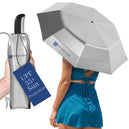
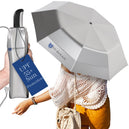
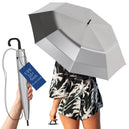
UV-Blocker umbrellas are one option. The Compact UV Umbrella and Travel UV Umbrella both cost $59.95, carry a UPF 50+ rating, and are MIF Approved. The brand also lists HSA/FSA eligibility, which makes them easier to treat as a medical purchase rather than a casual accessory.
Shade beneath a UPF 50+ umbrella can also run about 15F cooler than direct sun, which helps keep both skin and insulin out of the heat.
The 5-Layer Diabetes Sun Protection Plan
Diabetics should prioritize physical shade and UPF clothing over sensation-based protection, since neuropathy can prevent feeling sunburn until damage is done.

Layered protection works because each step covers a different failure point. No single product handles every risk.
- Physical shade comes first. A UPF 50+ umbrella blocks 99% of UV rays and creates a cooler zone for people and insulin. The UV protection compact umbrella fits daily carry, while the UV protection travel umbrella suits longer outdoor sessions.
- UPF clothing covers skin that the umbrella cannot reach. Long sleeves and pants matter more for diabetics with neuropathy in the hands and feet, where early redness can be missed.
- Mineral sunscreen still has a place. Zinc oxide or titanium dioxide on exposed skin should be reapplied every two hours, even when the skin doesn't feel hot.
- Timing reduces exposure. Early morning and late afternoon are easier windows for walking, errands, or exercise. Peak UV hours, roughly 10 a.m. to 4 p.m., deserve more caution.
- Skin checks replace pain signals. Inspect exposed skin every 30 to 60 minutes outdoors. If the skin looks pink, damage is already underway. Move to shade immediately.
The point is simple. Diabetic photosensitivity is broader than any one prescription label, and diabetes skin protection has to account for what the body may not feel.
Frequently Asked Questions About Diabetes and Sun Sensitivity
These common questions address medication concerns, healing time, insulin storage, and daily outdoor protection for people managing diabetes.
Does metformin make you sun sensitive?
Metformin is not FDA-listed as a photosensitizer. Only three case reports of metformin-related photosensitivity exist in the medical literature, so the risk is very low.
Even so, metformin users still need diabetes-specific sun protection because neuropathy, wound healing, and insulin heat issues can still apply.
Which diabetes medications cause photosensitivity?
Sulfonylureas such as glipizide, glyburide, glimepiride, and chlorpropamide carry FDA photosensitivity warnings. Hydrochlorothiazide, often prescribed for blood pressure, is also a strong photosensitizer.
Can diabetics get worse sunburns?
Diabetics do not necessarily burn faster, but sunburns can be more dangerous because they heal more slowly, carry more infection risk, and can contribute to blood sugar spikes from physical stress.
How should insulin be protected from heat outdoors?
Keep insulin below 86F (30C), use insulated storage, and seek shade often. A UPF 50+ umbrella can help by lowering the temperature underneath by about 15F.
Is sun sensitivity a sign of diabetes?
Sun sensitivity is not a diagnostic sign of diabetes. But if wounds heal unusually slowly, skin reacts poorly after sun exposure, or medication side effects seem likely, a clinician should review the full picture.
Does diabetic neuropathy affect sunburn?
Yes. Neuropathy reduces the ability to feel heat and pain in the skin, so sunburn can develop without the usual warning sensation.
Conclusion
The safest approach combines medication review with physical shade, because neuropathy can hide damage before pain starts.
Diabetes sun sensitivity usually comes from five overlapping risks, not one. Medication photosensitivity can matter, but neuropathy, slow wound healing, retinal exposure, and insulin heat damage often matter more.
- Medication risk: sulfonylureas and some co-prescriptions can raise photosensitivity. Ask a prescriber to review the specific drug list and follow the related medication guidance.
- Neuropathy risk: reduced heat and pain sensation can hide a developing burn. Use shade and visual skin checks, not discomfort, as the warning system.
- Healing risk: slow circulation and weaker immune response can turn a sunburn into a longer problem. Protect skin before damage starts.
- Eye risk: UV exposure can add strain to diabetic retinopathy risk. Use sunglasses, shade, and routine eye exams together.
- Heat risk: insulin degrades above 86F (30C), so outdoor protection should cover both the body and the medicine.
For patients who want a medical-grade physical barrier, UV-Blocker's Compact UV Umbrella and Travel UV Umbrella are one option among several. Both block 99% of UV rays, use UPF 50+ fabric, keep people about 15F cooler, and are listed as HSA/FSA eligible.
That combination gives diabetes skin protection a practical shape: shade that works, even when the skin doesn't feel the burn.