

By Ron Walker
TLDR:
- Metformin has only 3 documented case reports of photosensitivity worldwide despite 150 million+ patients taking it
- Glyburide/metformin combination pills (Glucovance) DO cause sun sensitivity, but the warning comes from glyburide, not metformin
- Diabetes itself creates real sun risks through impaired healing, neuropathy, and co-prescribed medications like HCTZ
- Check the generic name on every prescription bottle to identify the actual photosensitizing drug
Metformin is taken by more than 150 million people worldwide. So when a sunburn shows up, the first question is plain: did the medication cause it?
The honest answer is no, or at least not in any meaningful population sense. Direct evidence tying metformin to sun sensitivity is extremely weak, but diabetes patients still face real sun risks that deserve attention.
That matters because the confusion around metformin photosensitivity usually points to a bigger problem, one that involves combination pills, co-prescribed drugs, and diabetes-related skin vulnerability.
Does Metformin Sun Sensitivity Actually Exist?
Metformin has extremely weak evidence for causing sun sensitivity, with only 3 documented case reports worldwide despite more than 150 million users.
The clearest published report is the 2009 case series by Kastalli and colleagues from the Tunisian National Centre of Pharmacovigilance, published in Therapie. It described 3 patients, one man and two women, with onset ranging from 22 days to 4 years. One patient had a positive rechallenge test. The skin findings were eczematous in 2 cases and erythematous in 1, all on sun-exposed skin.
The patients also underwent phototesting, which identified UVB sensitivity that resolved after stopping metformin. That is clinically interesting, but it still represents 3 patients out of a global user base measured in the hundreds of millions.
That is why metformin does not appear on the FDA list of photosensitizing medications. Its prescribing information does not list photosensitivity or sun sensitivity as a known side effect. By comparison, other common drugs do carry those warnings, and the broader list is worth checking at medications that cause sun sensitivity.
The scale matters. HCTZ is associated with photosensitivity in 2% to 10% of patients. Doxycycline causes it in up to 20%. Metformin's 3 case reports sit so close to zero that they don't establish a routine risk for most patients.
Is Your "Metformin" Pill Actually a Combination Drug?
Glyburide/metformin combination pills can cause sun sensitivity, but the warning comes from the glyburide, not the metformin.
That confusion is probably driving a lot of the search traffic. A patient sees "metformin" on the label, reads "photosensitivity" in the package insert, and assumes metformin is the cause. The FDA label for Glucovance, the glyburide/metformin product, lists photosensitivity under glyburide-attributed reactions. The metformin-only label does not.
Sulfonylureas are the relevant drug class here. Glyburide, glipizide, glimepiride, and chlorpropamide all have established photosensitivity evidence, and UT Physicians notes that sulfonylureas are among the medication classes that can trigger sun reactions. Their chemical structure is related to sulfonamides, a well-known photosensitizing drug family. That is a completely different mechanism from metformin's glucose-lowering pathway.
How to Check Your Prescription
Checking the bottle is straightforward. Pure metformin products include Glucophage, Fortamet, Riomet, and generic metformin HCl. Combination products list two drug names, such as glyburide/metformin or glipizide/metformin. If the label includes a sulfonylurea, the sun sensitivity warning is relevant, even though metformin itself is not the culprit.
That distinction matters because a lot of patients aren't on metformin alone.
Why Do Diabetes Patients Still Need Sun Protection?
Diabetes creates several independent sun vulnerability factors, including slower healing, reduced pain awareness, and frequent use of other photosensitizing medications.
Impaired Wound Healing
Skin repair is one of the biggest issues. The American Diabetes Association notes that diabetes can slow healing and increase the chance that skin problems linger. A sunburn that would normally fade without much trouble can become a longer-lasting wound problem for someone with elevated blood glucose. Infection risk rises when skin repair is delayed.
Peripheral Neuropathy
Neuropathy adds another layer. The NIH's NIDDK says about 50% of people with diabetes develop some degree of neuropathy. Reduced sensation means a burn can develop longer before pain forces someone out of the sun. That delay is easy to miss and hard to reverse once the skin is already damaged.
Skin Conditions and Co-Prescribed Medications
Diabetes also affects the skin itself. Cleveland Clinic says diabetic skin conditions, including diabetic dermopathy, can affect up to 30% of patients. That doesn't make every patch of skin fragile, but it does mean UV exposure lands on skin that may already be dealing with circulation, pigment, or healing issues.
Then there are the co-prescribed medications. Many metformin patients also take drugs that have real photosensitivity signals, especially HCTZ for blood pressure. Others may be on amlodipine or another medication in the same management stack. The full medication list matters more than metformin alone, and the broader cluster is tracked in the diabetes sun sensitivity, hydrochlorothiazide sun sensitivity, and amlodipine sun sensitivity guides.
Metformin can cause skin reactions, including rash and urticaria, in about 5% of patients. Those reactions are real, but they are not the same thing as photosensitivity. A patient can have a metformin rash without having a metformin sun reaction.
How Does Metformin Compare to Other Diabetes Medications for Sun Sensitivity?
Among diabetes medications, sulfonylureas like glyburide have the strongest photosensitivity evidence, while metformin, SGLT2 inhibitors, and GLP-1 agents have minimal to no confirmed risk.

The comparison is easiest to see in a simple evidence ladder. Metformin sits near the bottom, while sulfonylureas and HCTZ sit much higher. For patients who take more than one drug, that hierarchy is the point.
| Medication | Drug Class | Photosensitivity Evidence | Strength of Evidence |
|---|---|---|---|
| Metformin (Glucophage) | Biguanide | 3 case reports worldwide | Negligible |
| Glyburide (DiaBeta) | Sulfonylurea | FDA-listed side effect | Established |
| Glipizide (Glucotrol) | Sulfonylurea | FDA-listed side effect | Established |
| Jardiance (empagliflozin) | SGLT2 inhibitor | Limited reports | Weak |
| Ozempic (semaglutide) | GLP-1 agonist | Isolated reports | Weak |
| Mounjaro (tirzepatide) | GIP/GLP-1 | No confirmed reports | Negligible |
| HCTZ (co-prescribed) | Thiazide diuretic | 2-10% of patients | Strong/Confirmed |
Sulfonylureas are the clearest diabetes-specific photosensitizers in this group. That is why a glyburide/metformin pill can create so much confusion. The metformin name gets the blame, but the sun warning belongs to the sulfonylurea component.
HCTZ deserves special attention because it is often part of the same medication routine as metformin. If a patient notices a sun reaction after starting a blood pressure pill, HCTZ is far more plausible than metformin.
The chart also shows why newer diabetes drugs get dragged into the conversation. Jardiance, Ozempic, and Mounjaro have scattered or minimal reports, but none of them match the established photosensitivity profile of a sulfonylurea or HCTZ.
What Sun Protection Steps Should Metformin Patients Follow?
Diabetes patients should review all medications for photosensitivity warnings, protect healing-compromised skin, and carry portable shade for everyday outdoor exposure.
1. Audit the full prescription list. Check every pill, not just metformin, against a photosensitizing drug list. Pay particular attention to HCTZ, combination diabetes tablets, and any blood pressure drug that may be part of the daily stack. A useful starting point is the medications that cause sun sensitivity hub.

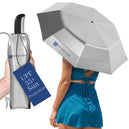
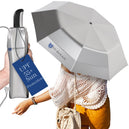
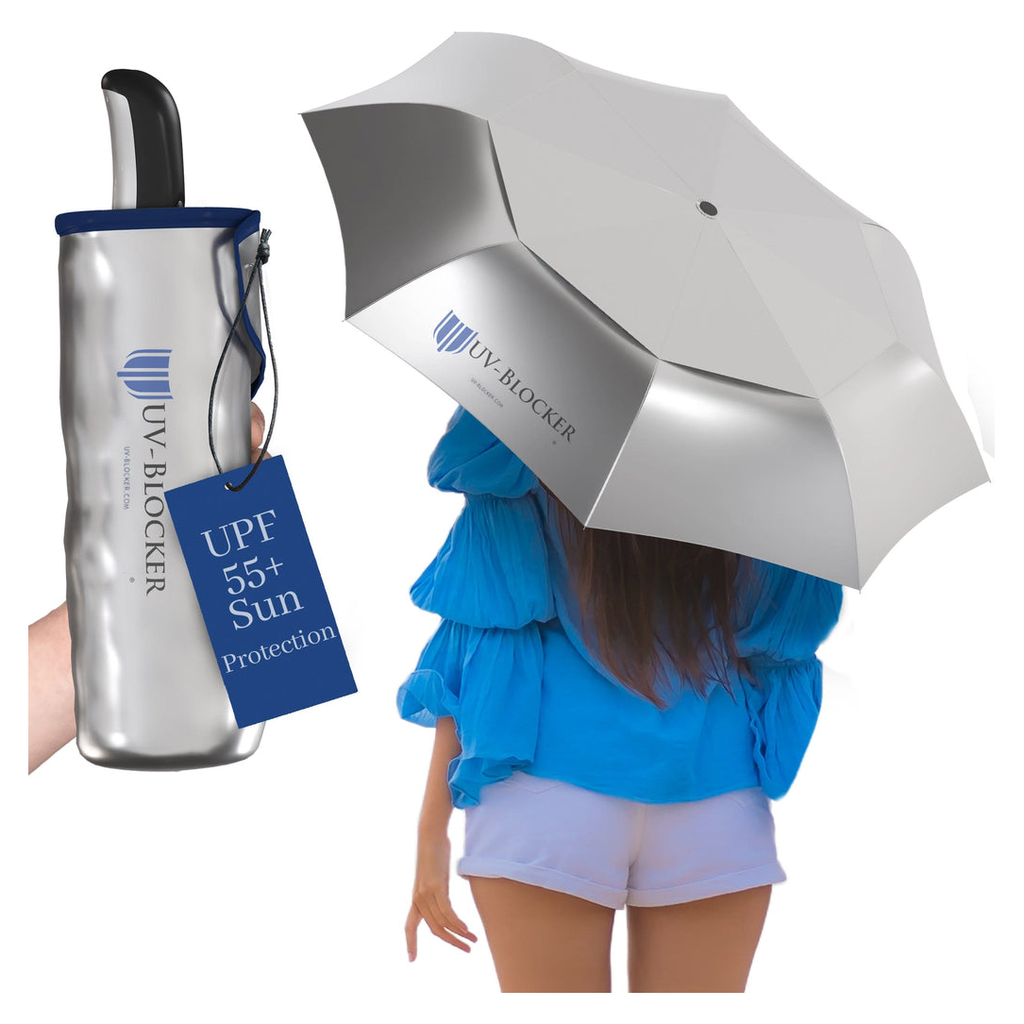
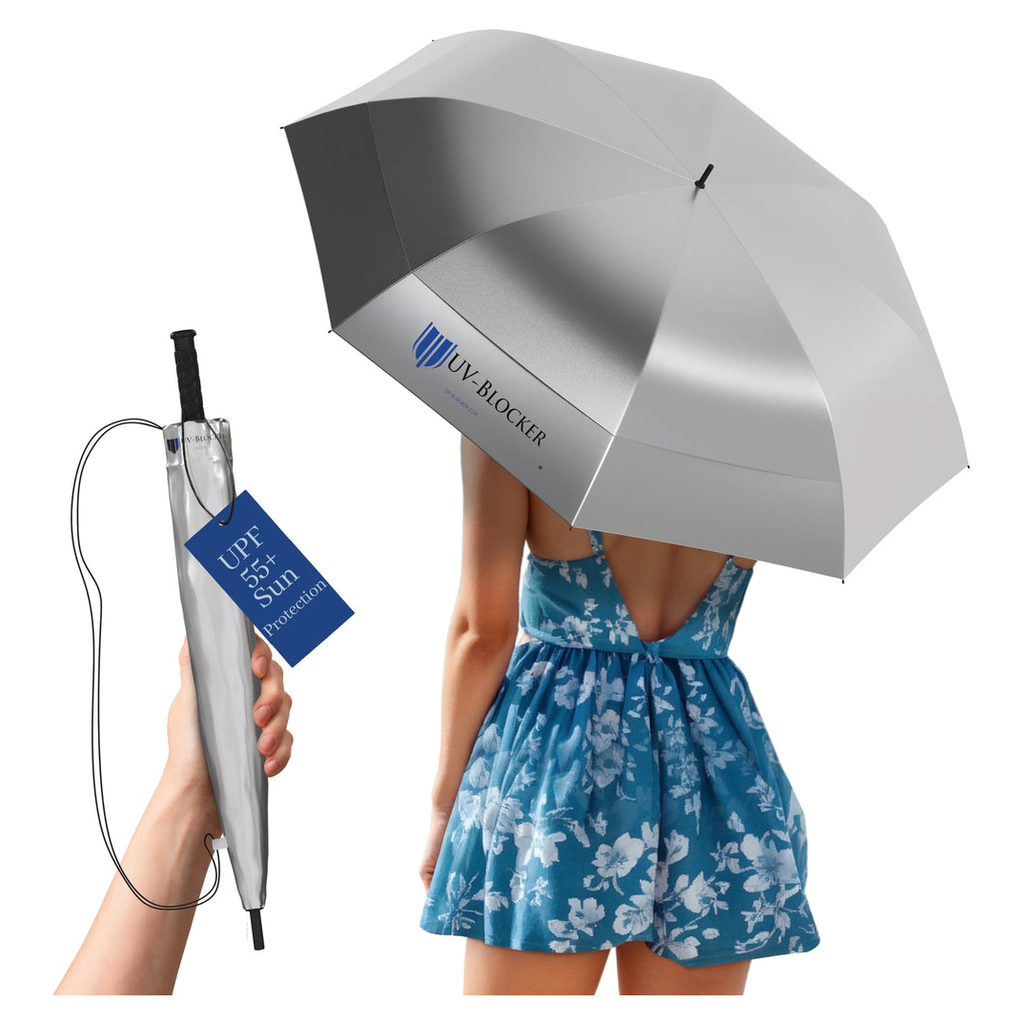
2. Protect compromised skin. Broad-spectrum SPF 30+ sunscreen belongs on exposed skin, with reapplication every 2 hours. UPF 50+ clothing helps, and portable shade makes outdoor time easier to manage when skin is healing more slowly than usual. One option is the UV-Blocker Compact Umbrella, which is UPF 50+, AATCC TM183-2020 tested, and built for daily carry. For longer trips, the UV-Blocker Travel Umbrella is another portable choice.
3. Monitor for neuropathy-related burns. Patients who can't rely on pain signals should set timer-based reminders to inspect skin exposure and move out of the sun before damage builds. Don't wait to feel the burn.
4. Check combination pill status. If the prescription contains glyburide or glipizide, the sun sensitivity warning should be followed, but for the sulfonylurea component rather than the metformin. That detail gets missed often, and it changes how the risk should be read.
Frequently Asked Questions About Metformin and Sun Sensitivity
These questions cover the most common concerns diabetes patients have about metformin and sun exposure.
Does metformin make you burn easier?
Metformin's direct evidence is extremely weak. Only 3 case reports worldwide link it to photosensitivity, despite more than 150 million users.
If burning started after a new prescription, check whether the pill is actually a combination drug or whether another medication on the list has a real photosensitivity warning. The broader medication stack matters more than metformin alone.
Is metformin a photosensitizing drug?
No. Metformin is not classified by the FDA as a photosensitizing drug, and its prescribing information does not list sun sensitivity.
The 2009 Kastalli case series is the main published signal, and it remains too small to establish a general risk for most patients. It suggests a rare possibility, not a routine expectation.
Does a combination diabetes pill cause sun sensitivity?
It can, if the combination contains a sulfonylurea such as glyburide or glipizide. The warning comes from that component, not from the metformin.
Look at the generic name on the bottle. Pure metformin products, including Glucophage, Fortamet, and Riomet, do not carry a photosensitivity warning.
Should metformin be stopped before going to the beach?
No. Metformin's photosensitivity evidence does not justify stopping it for sun exposure. Never stop prescribed medication without consulting a physician.
Standard protection, sunscreen, clothing, and shade, is the right response. If there is a reaction, the medication list should be reviewed before any prescription changes are made.
Which diabetes medications actually cause sun sensitivity?
Sulfonylureas such as glyburide, glipizide, glimepiride, and chlorpropamide have the clearest evidence. HCTZ, which is often co-prescribed for blood pressure, also has a well-established risk.
The medication cluster around diabetes treatment is usually more important than metformin itself. That is why the comparison table above matters.
Why do some people blame metformin after a sunburn?
Because metformin is often the name they remember from the pill bottle. The more likely explanation is a combination pill, a second prescription, or diabetes-related skin vulnerability.
That's especially true when the patient also takes HCTZ, has neuropathy, or notices that burns heal slowly.
Conclusion
Metformin alone has negligible photosensitivity evidence, glyburide/metformin pills can trigger sun warnings through the sulfonylurea, and diabetes itself creates real skin vulnerability.
The next move is practical: check the generic name on every prescription, then review the full list for photosensitizing drugs. If daily outdoor exposure is part of life, portable shade makes the routine easier to follow. The UV-Blocker Compact Umbrella is one option, and the medications that cause sun sensitivity guide helps separate real drug risk from metformin confusion.
Frequently Asked Questions: Metformin and Sun Sensitivity
Does metformin cause sun sensitivity?
Metformin has a low photosensitivity risk compared to sulfonylureas or thiazide diuretics. However, metformin depletes vitamin B12 over time, and vitamin B12 deficiency can cause skin hypersensitivity including UV reactivity. Monitor B12 levels annually if on long-term metformin.
Should I take extra sun protection precautions if I'm only on metformin?
Yes — but for reasons beyond drug photosensitivity. Type 2 diabetes itself alters skin barrier function. Poor wound healing and high blood sugar reduce UV repair capacity. Sun protection is a standard recommendation for all people with diabetes.
Can outdoor exercise on metformin cause blood sugar issues?
Metformin lowers blood sugar moderately; exercise adds an additional glucose-lowering effect. Monitor your levels before and after outdoor activity, carry a fast-acting carbohydrate, and stay hydrated. Heat intensifies both effects.
Is it safe to combine metformin with other diabetes medications that cause more sun sensitivity?
Metformin is often combined with sulfonylureas or SGLT2 inhibitors, which carry higher photosensitivity risks. The total UV sensitivity risk increases with each photosensitizing agent. Use comprehensive sun protection — SPF 50+, UPF clothing, UV umbrella — whenever your regimen includes multiple agents.
Protect Yourself With UV-Blocker
UV-Blocker umbrellas use patented Solarteck® technology — a silver reflective coating independently verified to block 99.97% of UV-A and 100% of UV-B rays (AATCC TM183-2020 certified). Unlike dark umbrellas that trap heat, Solarteck® reflects infrared radiation to keep the air beneath the canopy up to 15°F cooler.
UV-Blocker is the only umbrella brand approved by the Melanoma International Foundation and recommended by dermatologists for patients with photosensitivity conditions.
Why UV Protection Matters
- UVA rays penetrate clouds and glass — they cause skin aging and are linked to melanoma
- UVB rays are the primary cause of sunburn and also contribute to skin cancer risk
- A 2024 Drexel University study found only 20% of handheld umbrellas have verified UPF 50+ protection — most UV claims are unverified
- UV-Blocker's protection is independently tested, not just claimed
Choose Your UV-Blocker
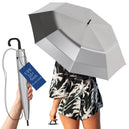
- Compact UV Umbrella — Portable, windproof, fits in any bag. Best for daily use, commuting, and travel.
- Golf UV Umbrella — 68" canopy, Melanoma International Foundation approved. Covers you and your equipment.
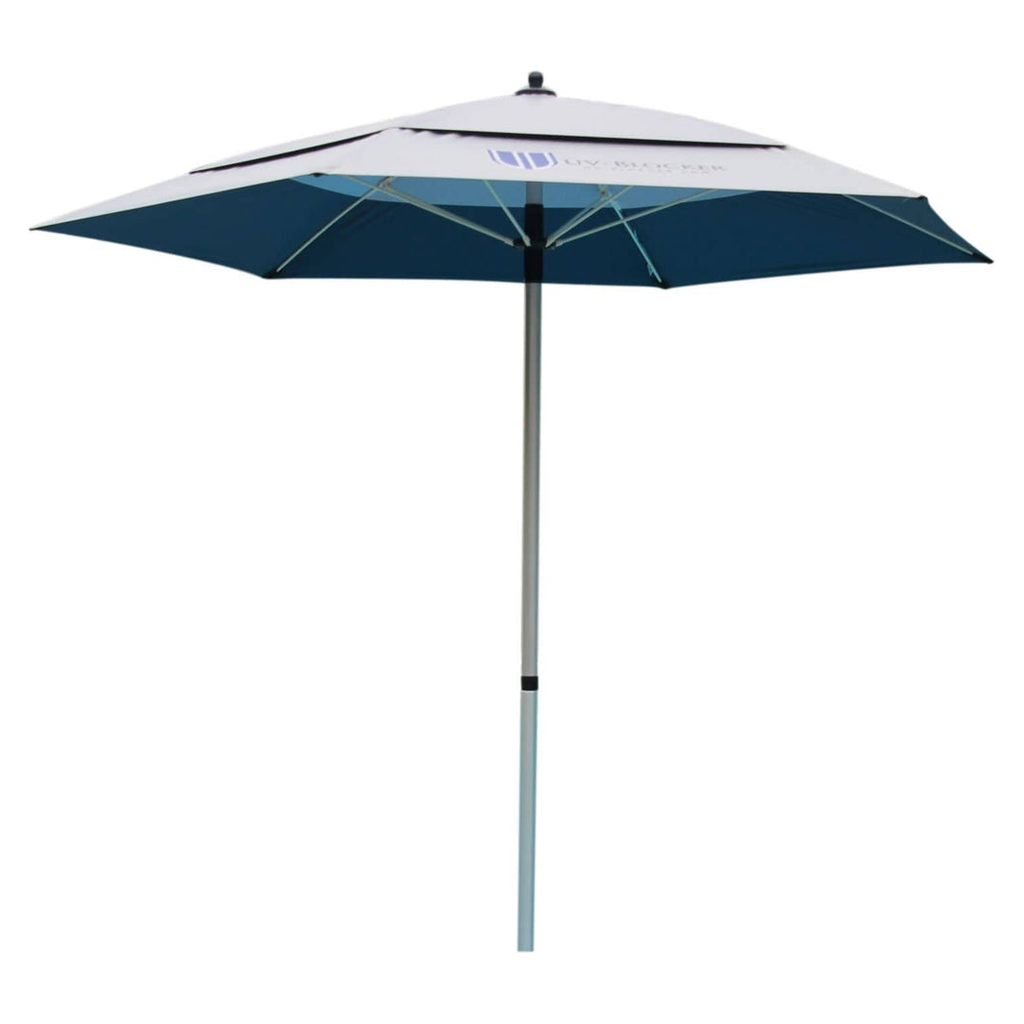
- ServiceShield™ — 7.5ft commercial umbrella for outdoor workers, HVAC technicians, and job sites. Magnetic or clamp base.
- Travel UV Umbrella — TSA-approved compact design. Maximum protection, minimum pack size.
Frequently Asked Questions
- Does a UV umbrella actually block UV rays?
- Only verified ones do. Most umbrellas claim "UV protection" without independent testing. UV-Blocker's Solarteck® coating is verified by AATCC TM183-2020 testing to block 99.97% UV-A and 100% UV-B. A 2024 Drexel study confirmed most competitors' claims are unverified.
- How is UV-Blocker different from a regular umbrella?
- The silver Solarteck® coating reflects solar energy rather than absorbing it. This provides clinically verified UV protection AND keeps you cooler — up to 15°F cooler than standing in direct sun. Regular dark umbrellas absorb heat and re-radiate it downward.
- Is UV-Blocker recommended by doctors?
- Yes. UV-Blocker is dermatologist-recommended and holds Melanoma International Foundation approval — the only umbrella brand with this medical endorsement. It's particularly recommended for people with photosensitivity, lupus, melanoma history, and medication-induced sun sensitivity.
- What is UPF 50+?
- UPF (Ultraviolet Protection Factor) 50+ means the fabric blocks at least 98% of UV radiation. UV-Blocker exceeds this standard with 99.97% UV-A and 100% UV-B blocking, independently tested using the AATCC TM183-2020 standard — the most current certification method.
Shop UV-Blocker Umbrellas — Ships free on qualifying orders.
Frequently Asked Questions
Does Metformin really make skin more sensitive to sunlight?
Yes. Metformin belongs to a class of medications that can trigger photosensitivity reactions in a subset of patients. This can cause sunburn-like reactions with minimal UV exposure, or trigger phototoxic skin rashes. The reaction severity varies by individual, dosage, and UV intensity. Always review your medication guide and consult your prescribing physician if you notice unusual skin reactions in sunlight.
What SPF should I use if I take this medication?
Dermatologists generally recommend SPF 30+ broad-spectrum sunscreen for patients on photosensitizing medications, with reapplication every 2 hours. However, sunscreen alone isn't sufficient for high UV exposure. Combining sunscreen with physical barriers — UPF 50+ clothing, wide-brim hats, and UV-blocking umbrellas — provides the most reliable protection. UV-Blocker's UPF 50+ umbrellas block 99% of UVA and UVB rays.
Can I still go outdoors while taking this medication?
Absolutely. Most patients can continue outdoor activities with appropriate precautions: avoid peak UV hours (10am–4pm), wear protective clothing, use SPF 30+ sunscreen, and use shade whenever possible. A portable UV-blocking umbrella offers hands-free shade wherever you go, making it a practical solution for patients who need consistent sun avoidance.
How long after stopping the medication until sun sensitivity resolves?
Photosensitivity typically resolves within days to weeks after discontinuing the medication, depending on the drug's half-life and your individual metabolism. Some medications with long half-lives may cause sensitivity for weeks. Continue sun protection until your doctor confirms it's safe to reduce precautions.
What are the signs of a phototoxic reaction vs. a photoallergic reaction?
Phototoxic reactions look like severe, rapid sunburn — they appear within hours of UV exposure and are dose-dependent. Photoallergic reactions involve an immune response, can spread beyond sun-exposed areas, and may appear days later. Both require prompt sun avoidance. See your dermatologist for diagnosis and management.
Sun Safety Essentials for Patients on Photosensitizing Medications
- Keep a UV index app on your phone and avoid going outdoors when the index exceeds 6 without full protection
- Wear UPF 50+ sun-protective clothing on arms and legs, not just sunscreen
- Carry a portable UV-blocking umbrella for shade on demand — especially effective during outdoor commutes, sporting events, or waiting outdoors
- Apply sunscreen to the back of hands and tops of feet — commonly missed areas that receive direct UV
- Inform your pharmacist about all medications you take so they can flag photosensitizing combinations
- Request a window film UV assessment if you drive frequently — car windows block UVB but not all UVA