
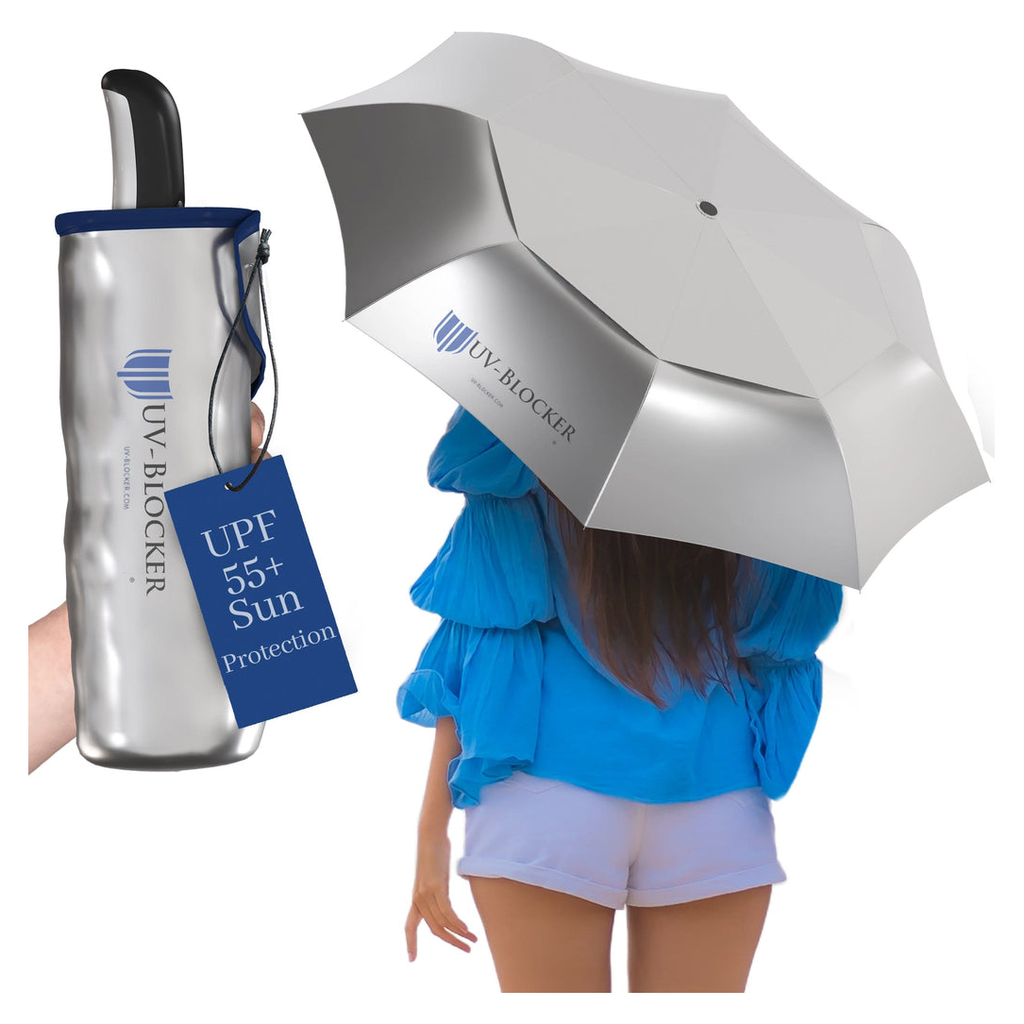
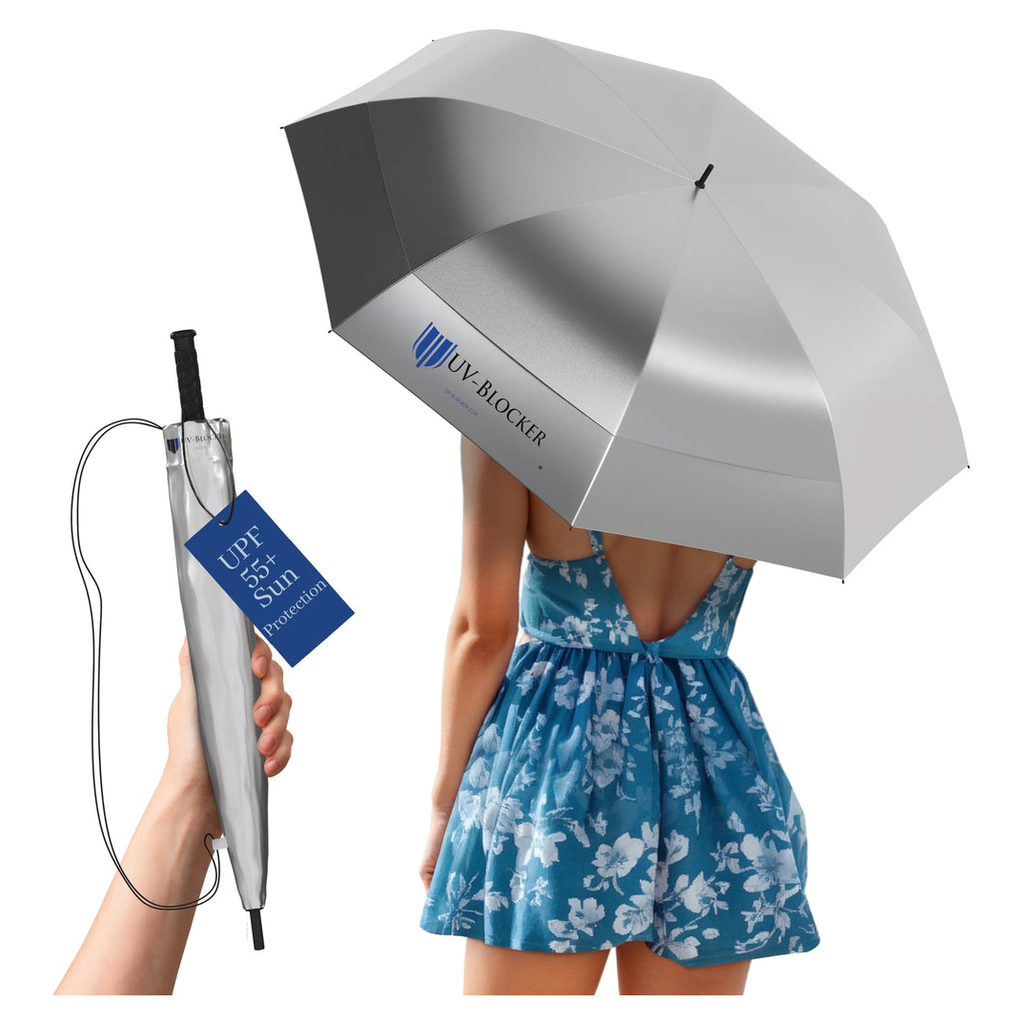
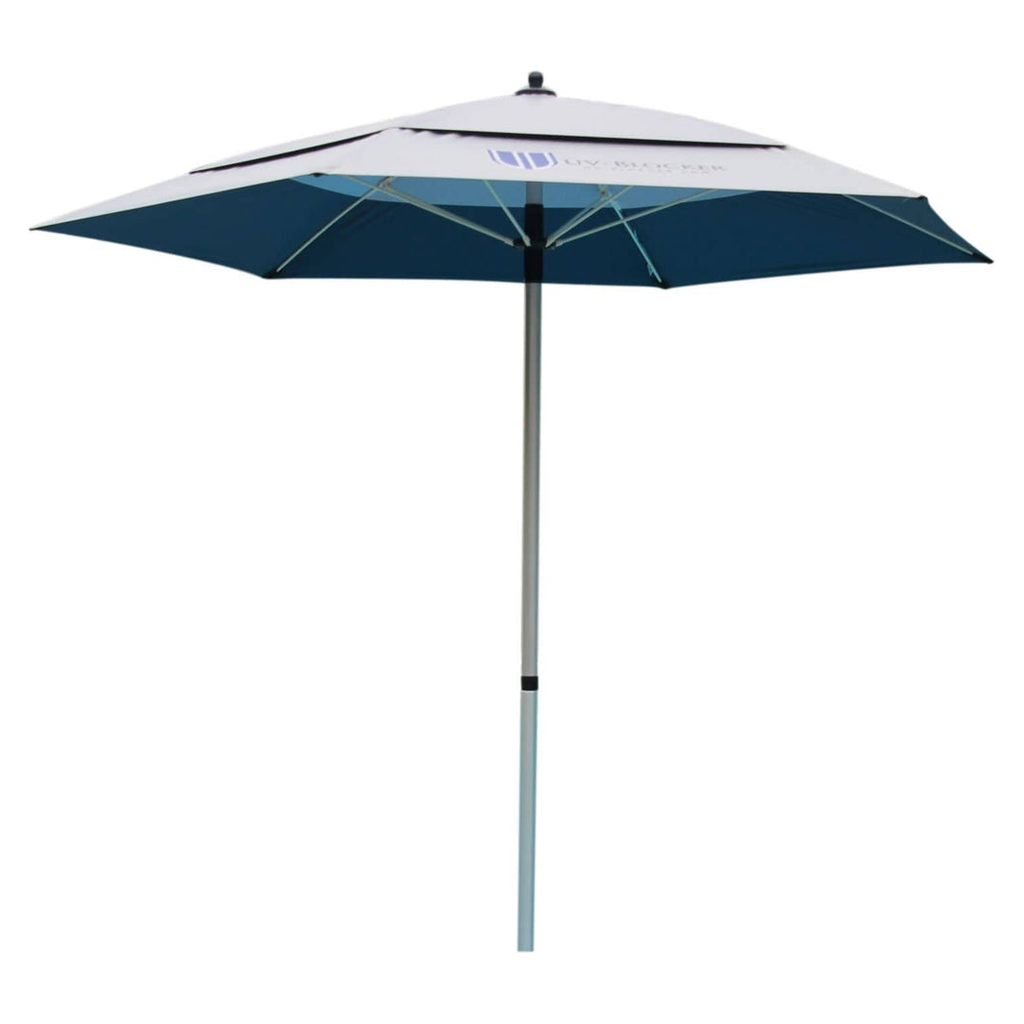

- Pregnancy hormones increase photosensitivity dramatically; sunburns happen faster and melasma affects over 50% of pregnant women.
- UV exposure photodegrades folic acid, which is critical for fetal neural tube development.
- High-energy visible light (HEVL) triggers pregnancy melasma, but most sunscreens don't block it.
- Physical shade blocks 99% of UV and HEVL and reduces temperature by 15°F, addressing three pregnancy risks at once.
- A shade-first protection hierarchy (physical shade → mineral sunscreen → UPF clothing) provides the most complete coverage.
- One UV umbrella ($59.95) replaces months of specialty pregnancy sunscreen ($180-360 over 9 months).
- The same umbrella transitions to stroller shade postpartum with a universal holder attachment.
Over 50% of pregnant women develop melasma, often called the "mask of pregnancy," but a far more critical statistic is rarely discussed: UV exposure during pregnancy actively photodegrades the folic acid necessary for fetal neural tube development. Yet, nearly every standard guide to pregnancy sun safety focuses exclusively on selecting a "pregnancy-safe" sunscreen, ignoring the broader spectrum of risks that topical creams cannot address.
The real challenge for expectant mothers isn't just finding a chemical-free sunscreen. It is that sunscreen alone cannot solve pregnancy-specific sun risks, including high-energy visible light (HEVL) which triggers melasma, nor can it prevent the systemic overheating that endangers both mother and child. The practical realities of pregnancy, from first-trimester nausea that makes scented lotions intolerable to third-trimester mobility limitations that prevent reaching legs and feet, make the consistent reapplication required for sunscreen effectiveness nearly impossible.
This guide to sun protection during pregnancy introduces a comprehensive, shade-first protection hierarchy designed for the unique physiology of each trimester. By prioritizing physical shade as the foundation and using mineral sunscreen as a complementary layer, this approach covers every trimester scenario, from morning walks to beach trips, ensuring safety without reliance on chemical absorption.
Why Does Pregnancy Make Your Skin More Sensitive to the Sun?
Elevated estrogen and progesterone stimulate melanocyte activity and increase photosensitivity, making sun protection during pregnancy significantly more important than at any other time in a woman's life.
The hormonal surge that supports fetal growth has a distinct side effect on the skin. Estrogen and progesterone stimulate melanocytes, the cells responsible for pigment production, leading to hyperpigmentation in the form of melasma, linea nigra, and darkening of the areolae. This hormonal priming means that UV exposure that might have previously caused a mild tan can now trigger rapid, stubborn discoloration in 50-70% of pregnant women.
Beyond pigmentation, pregnancy significantly alters blood volume and circulation. Increased blood flow and vasodilation mean the skin flushes faster and retains more heat. This physiological change compounds sun sensitivity, making pregnant women more prone to overheating, a dual risk that affects both maternal comfort and fetal health.
Pregnancy hormones also alter skin permeability. This increased absorption potential is the primary driver behind the caution regarding chemical sunscreens. While the skin is always an absorbent organ, the hormonal changes of pregnancy heighten the concern that ingredients applied topically may enter the bloodstream more readily.
For more detailed information on managing pigmentation, see the guide on the Melasma Physical Shade Guide.
Can UV Exposure Affect Folic Acid Levels During Pregnancy?
Yes, peer-reviewed research shows UV radiation photodegrades circulating folate, potentially reducing the effectiveness of folic acid supplementation critical for preventing neural tube defects.
While melasma is visible, the degradation of folic acid happens unseen. Research has established that UV exposure breaks down circulating folate in the bloodstream. A study by Borradale et al. (2014) in the Journal of Photochemistry and Photobiology B found that solar UV exposure was associated with decreased folate status in women of childbearing age. This photodegradation means that UV light literally breaks apart the folic acid molecules circulating in the blood.
This process is a serious concern because folic acid is essential in preventing major birth defects of the fetal brain (anencephaly) and spine (spina bifida). According to the CDC, folic acid supplementation before and during early pregnancy can reduce these neural tube defects by up to 70%. In the United States, about 3,000 pregnancies are affected by neural tube defects annually. The critical period for neural tube development is in the first 3-4 weeks of pregnancy, a time when many women are just confirming their pregnancy and when folate levels are most vulnerable.
A 2025 review in Frontiers in Medicine confirmed this mechanism, highlighting the tension between the need for vitamin D synthesis and the necessity of folate preservation. Physical shade offers a distinct advantage in this context. Unlike sunscreen, which is primarily designed to prevent erythema (sunburn), physical shade creates a complete barrier that blocks the UV radiation responsible for folate degradation without requiring chemical application. This allows expectant mothers to maintain folate levels while managing their sun exposure safely.
Why Isn't Sunscreen Enough for Pregnancy Sun Protection?
Most sunscreens cannot block high-energy visible light that triggers melasma, require reapplication that pregnancy symptoms make impractical, and raise chemical absorption concerns during a hormonally sensitive period.

Standard sunscreens are tested primarily for their ability to block UVB (burning) and UVA (aging) rays. They are often ineffective against high-energy visible light (HEVL), the blue-violet spectrum (400-450nm) that has been shown to stimulate melanogenesis through opsin-3 receptors independently of UV exposure. While tinted mineral sunscreens containing iron oxides can block 60-75% of visible light, standard white mineral or chemical formulas provide virtually no protection against this melasma trigger.
Practical application issues also render sunscreen less effective during pregnancy. In the first trimester, heightened olfactory sensitivity and nausea often make the application of scented products intolerable. By the third trimester, physical mobility limitations make reaching the lower legs, feet, and back difficult or impossible, leading to patchy coverage and missed spots.
Safety concerns regarding chemical absorption remain a priority for many expectant mothers. FDA studies have shown that certain chemical sunscreen ingredients (such as oxybenzone, octinoxate, and avobenzone) can be absorbed into the bloodstream at levels exceeding the FDA's safety threshold. While mineral sunscreens (zinc oxide and titanium dioxide) sit on the skin's surface and are generally considered safe, the shade-first approach eliminates the absorption variable entirely.
Protection Method Comparison
| Protection Method | UV Block | HEVL Block | Cooling Effect | Chemical Exposure | Reapplication Needed |
|---|---|---|---|---|---|
| Chemical sunscreen (SPF 50) | 98% UVB | None | None | Yes (absorbed) | Every 2 hours |
| Mineral sunscreen (SPF 50) | 98% UVB, good UVA | Partial (with iron oxide tint) | None | Minimal (surface) | Every 2 hours |
| UPF 50+ UV Umbrella | 99% UVA/UVB | Yes (opaque barrier) | 15°F cooler | None | None |
| UPF Clothing | 98%+ UVA/UVB | Yes (opaque barrier) | Varies (can trap heat) | None | None |
What Does a Complete Pregnancy Sun Protection Plan Look Like?
Effective sun protection during pregnancy follows a shade-first hierarchy: UPF 50+ physical shade as the foundation, mineral sunscreen on exposed skin, and UPF clothing, layered based on activity and trimester.

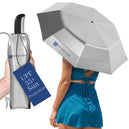
To address the specific vulnerabilities of pregnancy, protection should follow a logical hierarchy. Level 1 is Physical Shade, provided by a UV-Blocker UPF 50+ Umbrella. This layer blocks 99% of UV and HEVL light while keeping the user 15°F cooler, addressing the risks of melasma, folate degradation, and overheating simultaneously. Level 2 is Mineral Sunscreen, applied only to skin that cannot be shaded. Level 3 is UPF Clothing, such as hats and long sleeves, utilized when practical.
This hierarchy adapts to the changing needs of each trimester:
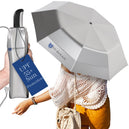
First Trimester: The Nausea Phase During early pregnancy, morning sickness and scent aversion are at their peak. A UV-Blocker Compact UV Umbrella is the ideal tool for morning walks or errands. It provides immediate, scent-free protection for the face and upper body without the need for lotions that might trigger nausea. This is also the critical window for folate preservation, making the 99% UV block from its SolarTek™ fabric essential. Keeping it in a purse or car means protection is always available for unexpected sun exposure.
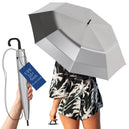
Second Trimester: The Active Phase As energy levels return, many women resume outdoor activities, beach trips, or babymoons. A UV-Blocker Travel UV Umbrella offers a wider canopy for fuller coverage during extended time outdoors. It creates a portable cool zone, allowing for safe enjoyment of the sun while mineral sunscreen is applied to exposed legs or arms. For a beach day, it provides a reliable sun-free space for relaxing and hydrating, which is more effective than relying on sunscreen alone.
Third Trimester: The Mobility Phase Sun protection during pregnancy becomes physically challenging in the final months, when bending down to apply sunscreen to ankles and feet is a logistical difficulty. A UV umbrella provides full overhead coverage, protecting the entire body without the gymnastics required for lotion application. The cooling effect, reducing temperature by up to 15°F, is particularly valuable now, as the maternal metabolic rate is high and overheating risks are greatest. The Patented Vented Mesh System also adds stability on breezy days, making it a secure and comfortable refuge.
How Does Pregnancy Sun Protection Transition to Baby Sun Safety?
Sun protection during pregnancy does not end at delivery. The same UV umbrella mounts directly to a stroller with a universal holder for continuous infant shade.
The investment in high-quality physical shade extends well beyond the nine months of pregnancy. The American Academy of Pediatrics (AAP) recommends keeping infants under 6 months out of direct sunlight entirely and advises against the use of sunscreen for newborns due to their thin, absorbent skin. This makes physical shade the only safe, dermatologist-recommended option for the first half-year of a baby's life.
The UV umbrella that protected the mother's folate levels and prevented melasma transitions directly into a stroller shade. Using a Universal Umbrella Holder for Strollers, the umbrella attaches to any stroller, wheelchair, or beach chair to provide adjustable, hands-free protection for a baby.
From a cost perspective, this continuity offers significant value. A single UV umbrella (approx. $59.95) replaces the need for specialty pregnancy-safe sunscreen (often $20-40 per bottle, totaling $180-360 over a pregnancy) and continues to serve as primary infant sun protection for years. It is a durable medical-grade tool rather than a consumable product.
Frequently Asked Questions About Sun Protection During Pregnancy
These are the most common questions expectant mothers ask about UV safety, sunscreen ingredients, and physical shade options during pregnancy.
Is any sunscreen truly safe during pregnancy? Mineral sunscreens containing zinc oxide and titanium dioxide are generally considered safe during pregnancy because they sit on the skin's surface rather than absorbing into the bloodstream. The FDA has flagged chemical ingredients like oxybenzone for exceeding blood absorption thresholds. Mineral formulas avoid this concern, but for maximum protection and zero absorption risk, pairing mineral sunscreen with physical shade is the most effective strategy.
Can UV exposure harm my baby during pregnancy? Yes, UV radiation can indirectly affect fetal development by photodegrading circulating folic acid, which is essential for preventing neural tube defects during the first weeks of pregnancy. UV exposure also raises maternal core temperature, which can compound dehydration risk. Physical shade, certified as UPF 50+, simultaneously blocks UV and reduces temperature by up to 15°F.
How do I protect myself if I can't stand sunscreen smell during pregnancy? The best approach to sun protection during pregnancy when scent is an issue is a UPF 50+ umbrella as the primary protection layer. It blocks 99% of UV rays with zero scent, zero chemicals, and zero reapplication needed. Many pregnant women experience heightened scent sensitivity, especially in the first trimester. Physical shade eliminates the need for fragranced products entirely while providing superior UV and HEVL protection, making it a perfect solution for those with scent aversions.
What is melasma and why does it worsen during pregnancy? Melasma is hormonal hyperpigmentation that produces brown patches on the face, affecting 50-70% of pregnant women because elevated estrogen and progesterone overstimulate melanocyte activity. Both UV and visible light trigger melasma independently. Physical shade is more effective than sunscreen alone because it blocks the full light spectrum including high-energy visible light, a known trigger that most sunscreens do not block. For more, see the Complete Lupus Sun Protection Guide which discusses similar photosensitivity mechanisms.
When is the sun most dangerous during pregnancy? Peak UV radiation occurs between 10am and 4pm year-round, and pregnancy hormones make sun damage more likely even during overcast conditions or in the shade of regular umbrellas. Standard umbrellas allow significant UV transmission. UPF-rated shade products, which are MIF Approved, are tested specifically for UV blocking capability to guarantee protection. Learn more by reading about Do UV Umbrellas Work?.
Is it safe to go to the beach while pregnant? Yes, with proper preparation: physical shade for continuous overhead protection, mineral sunscreen on exposed skin, hydration, and avoiding prolonged midday sun exposure. A travel UV umbrella provides portable and reliable shade at the beach, while a wide-brim hat and mineral SPF 30+ can cover remaining exposed areas for a complete safety plan.
Conclusion
A shade-first approach addresses the unique sun risks of pregnancy, from folic acid preservation to melasma prevention, more completely than sunscreen alone.
Sun protection during pregnancy involves a unique set of variables that go beyond the standard advice of "wear sunscreen." The hormonal surge increases photosensitivity and melasma risk, while the physiological need to protect folic acid levels and prevent overheating adds new layers of urgency.
A shade-first approach addresses these challenges comprehensively. By prioritizing physical shade, expectant mothers can block 99% of UV and HEVL rays and reduce ambient temperature by 15°F, effectively mitigating the risks of pigmentation, folate degradation, and heat exhaustion at the same time. This method eliminates concerns regarding chemical absorption and overcomes the practical hurdles of scent sensitivity and limited mobility.
Perhaps most importantly, this strategy offers continuity. The same UV Protection Umbrella that safeguards a pregnancy transitions with no added complexity into protecting the newborn, making it a single, enduring investment in family health across multiple life stages. For immediate protection that fits in a purse, consider starting with a compact UV umbrella for daily needs.
References
- Borradale D, et al. (2014). "Exposure to solar ultraviolet radiation is associated with a decreased folate status in women of childbearing age." Journal of Photochemistry and Photobiology B.
- Frontiers in Medicine (2025). Review on UV exposure, folic acid photodegradation, and pregnancy considerations. PMC/11984416.
- Ogbechie-Godec OA, Elbuluk N (2017). "Melasma: an Up-to-Date Comprehensive Review." Dermatol Ther (Heidelb).
- FDA (2019-2020). "Sunscreen Drug Products for Over-the-Counter Human Use" — findings on systemic absorption of chemical sunscreen ingredients.
- Duteil L, et al. (2014). "Differences in visible light-induced pigmentation according to wavelengths." JEADV.
- American Academy of Pediatrics. "Sun Safety: Information for Parents About Sunburn & Sunscreen."
- Centers for Disease Control and Prevention. "Folic Acid."