

More than 1 million Americans are currently living with melanoma. Every one of them faces a higher risk of developing another skin cancer. Most leave their dermatologist's office with simple instructions: avoid the sun, apply SPF lotion. But relying on sunscreen alone leaves real gaps in defense. The medical reality of sun protection after melanoma demands a far more thorough approach.
Sunscreen helps, but it doesn't work alone. The CDC, the AAD, and the Mayo Clinic are all saying the same thing: layer your defenses. And they all put physical shade at the top of the list. One UPF 50+ sun umbrella costs less than a dermatology co-pay, and it'll last you years. That's not a luxury purchase — for melanoma survivors, it's probably the most practical health investment you can make.
Why Does Melanoma Increase Your Risk of Future Skin Cancer?
Having melanoma once raises the odds of developing it again — or getting a different type of skin cancer — which makes ongoing UV protection a medical necessity, not a preference.
According to the AAD, people who've had melanoma are at a higher risk of getting another skin cancer — including a brand new melanoma. Lifelong follow-up with a board-certified specialist isn't optional — it's the standard of care. And the numbers explain why. Catch melanoma early and you're looking at a 99 percent five-year survival rate. Let it spread to distant organs and that drops to 35 percent. The difference between those two outcomes depends on prevention and early clinical intervention.
Medical models project 234,680 new melanoma cases for 2026. The incidence rates show no signs of slowing down. These numbers increased 31.5 percent between 2011 and 2019. The direct biological link between Melanoma and UV Exposure remains absolute. UV damage causes the kind of cellular mutations that turn into aggressive cancers. So here's the question every melanoma survivor should sit with: is a bottle of SPF 30 really enough to keep this from coming back?
Why Isn't Sunscreen Enough for Melanoma Survivors?
Sunscreen breaks down in about two hours, people miss spots when applying it, and sweat washes it away — leaving gaps in protection that melanoma survivors can't afford.
The CDC maintains a clear hierarchy of sun safety measures. Physical shade ranks first, ahead of clothing, hats, sunglasses, and sunscreen. Yet most patients treat chemical lotions as their only shield, creating a false sense of security. The AAD guidelines spell out sunscreen's limitations: it degrades under direct sunlight, requires reapplication every two hours, and needs immediate reapplication after swimming or sweating. A patient working in their garden on a humid July afternoon will sweat through their protection in under forty minutes. Most people don't follow these timing schedules.
Human error compounds this chemical degradation. Clinical self-application studies reveal a clear vulnerability in how people use these products. Test subjects consistently miss 15 to 20 percent of their exposed skin during routine application. They forget the tops of their ears. They miss the back of their neck. They fail to cover the creases behind their knees. An unchecked strip of bare skin receives the full force of solar radiation.
For a healthy person, missing a patch might mean a weekend sunburn. For a melanoma survivor, every UV exposure gap is a medical risk. When you compare the reliability of UV umbrellas vs sunscreen, the truth is straightforward. Physical barriers don't suffer from human error. They don't wash off. They cast continuous shade that covers the entire upper body.
What Do Dermatologists Recommend for Post-Melanoma Sun Protection?
The short answer: shade first, then UPF clothing and a wide-brim hat, and finally sunscreen on whatever skin is still exposed.
The CDC outlines a five-point sun safety protocol for anyone with a history of skin cancer. First, seek physical shade. Second, wear long sleeves and pants. Third, put on a wide-brim hat covering the face and neck. Fourth, wear UV-blocking sunglasses. Fifth, apply broad-spectrum sunscreen (SPF 15+) to whatever skin remains exposed.
Notice the order. Sunscreen comes last. It's there to patch the gaps left by physical barriers, not serve as the primary defense. The AAD reinforces this hierarchy and recommends seeking shade whenever the UV index hits 3 or higher. In most of the U.S., that covers nearly all daylight hours from April through September.
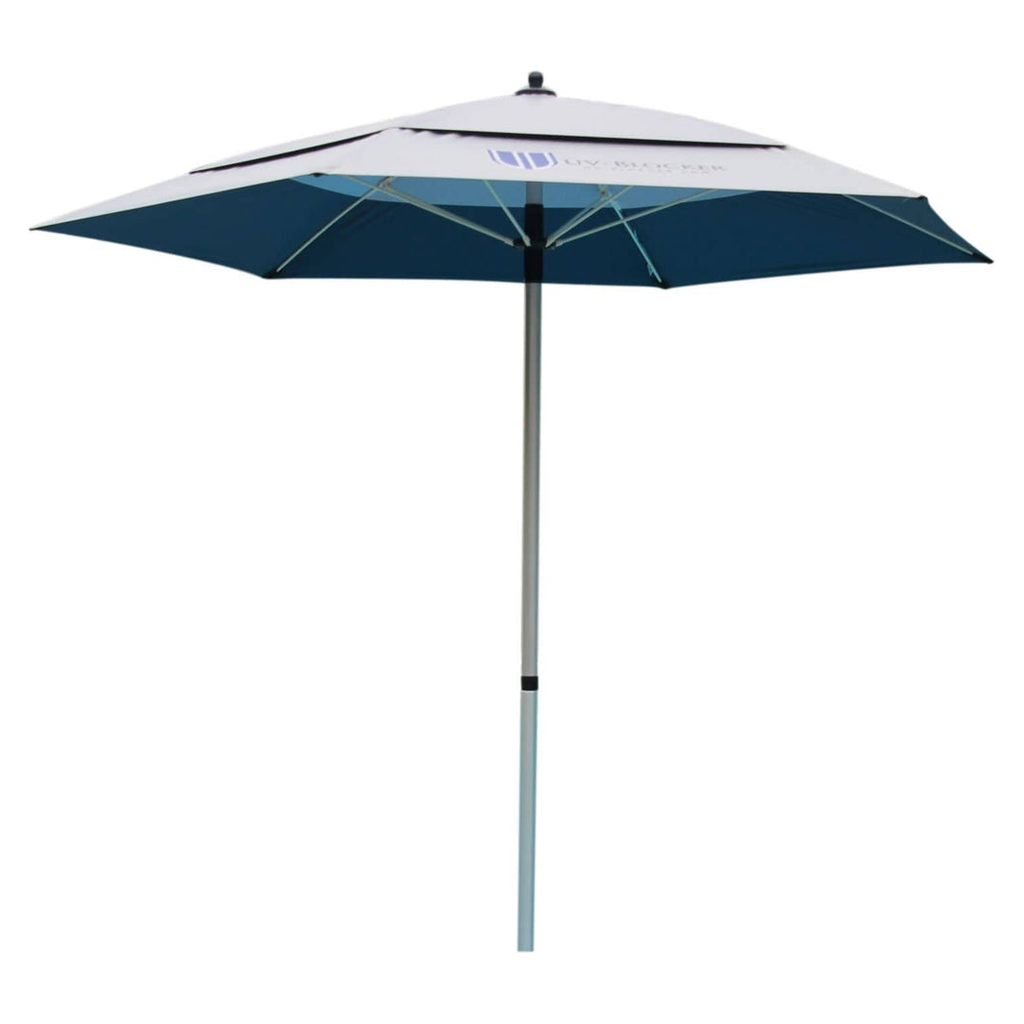
Physical barriers offer continuous protection. Fabric and canopy don't degrade in afternoon heat, don't need reapplication, and don't rub off on a car seat. Dr. Andrea Buck, a board-certified dermatologist, says the first items her family packs for any outdoor trip are their UV-Blocker Beach Umbrellas. Learning how to prevent melanoma starts with building a system of physical defenses.

| Protection Method | UV Block | Duration | Reapplication | Coverage Gaps |
|---|---|---|---|---|
| Sunscreen SPF 30+ | ~97% UVB | 2 hours | Every 2 hrs + after sweat/swim | Missed skin areas (15-20%) |
| UPF 50+ Clothing | 98%+ UV | All day | None | Uncovered skin |
| UPF 50+ Umbrella | 99%+ UV | All day | None | Ground reflection (~10%) |
| Wide-Brim Hat | Varies | All day | None | Neck, arms, legs |
| Layered (All above) | 99%+ UV | All day | Sunscreen only | Minimal |
What Makes a Sun Umbrella Medical-Grade?
To count as medical-grade, a sun umbrella needs a verified UPF 50+ rating under AATCC TM183-2020 testing — that means it's blocking at least 98% of UV.
Here's something most people don't realize: a regular rain umbrella does almost nothing against UV. Those thin nylon canopies? They let 50 to 80 percent of UV through. That's why you can still get burned sitting under a patio umbrella on a clear day. Actual UV protection takes purpose-built fabric.
UPF isn't the same thing as SPF. Where SPF measures how long sunscreen protects before burning, UPF tells you how much UV actually gets through a fabric. UPF 50+ means less than one-fiftieth passes through — that's over 98 percent blocked.
How do you know if a product actually delivers? Look for AATCC TM183-2020 testing. That's the global benchmark — independent labs blast the fabric with simulated solar radiation and measure exactly what gets through. If an umbrella doesn't cite this standard, you're taking the manufacturer's word for it.
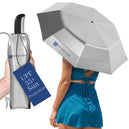
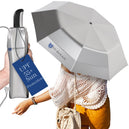
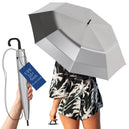
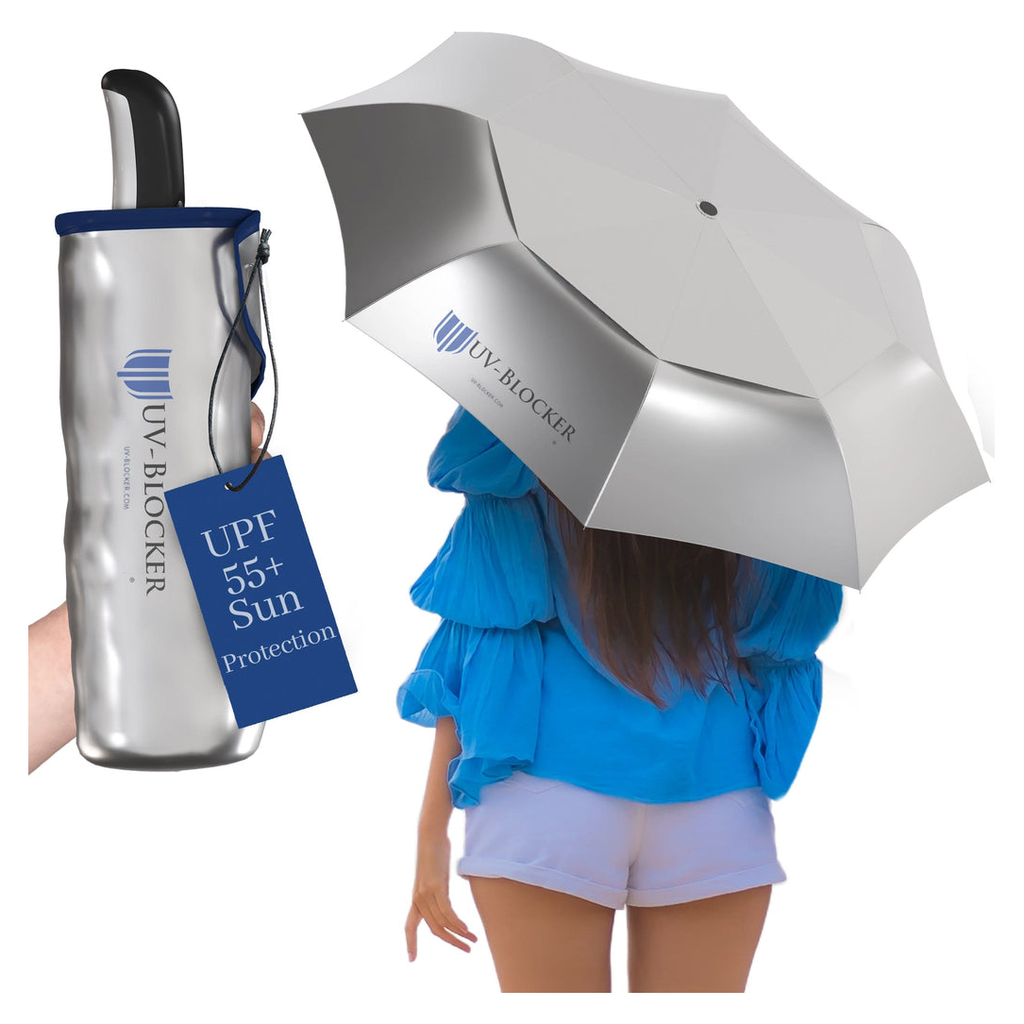
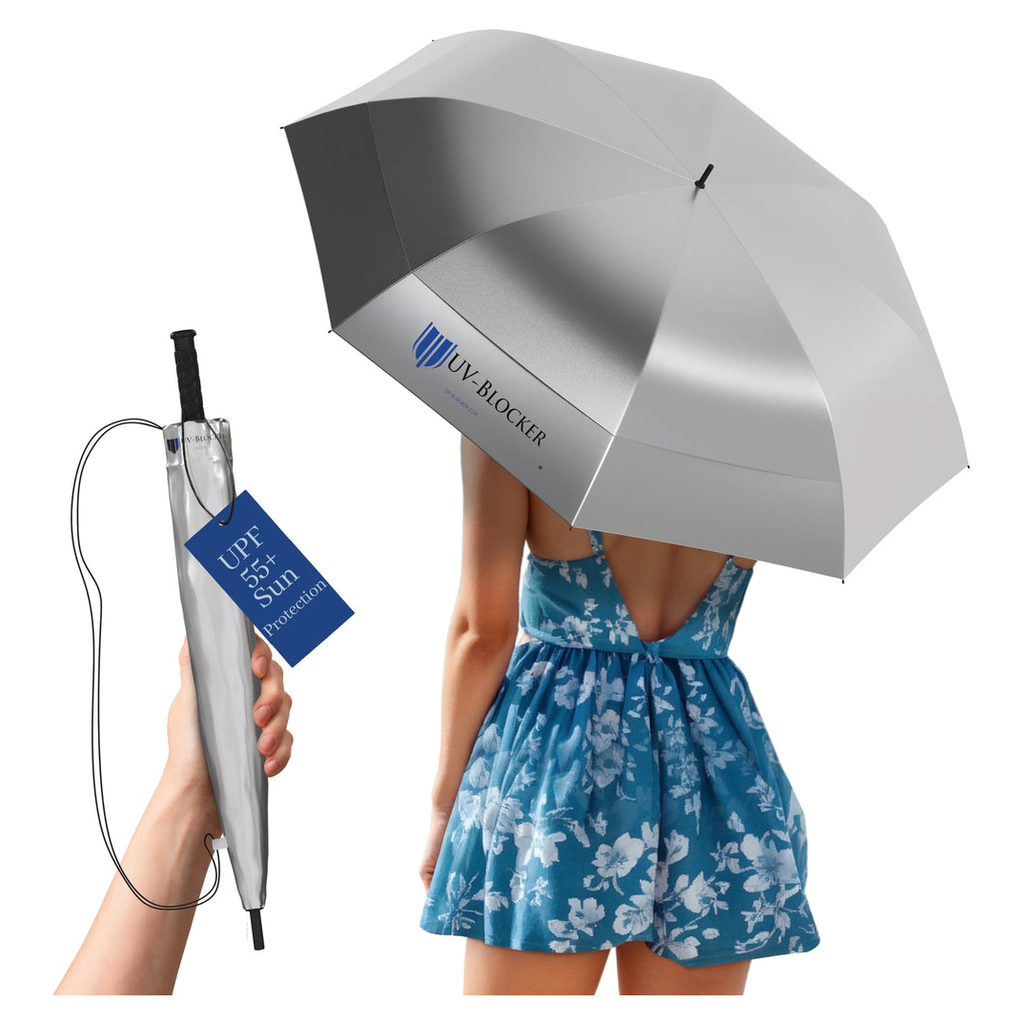
UV-Blocker is one tested option for portable physical shade. Their UPF 50+ umbrellas go through AATCC testing and block 100 percent of UV-B and 99.97 percent of UV-A radiation. That earned them MIF (Melanoma International Foundation) approval, making them one of the few umbrellas with a formal medical certification. Because of that classification, they also qualify as HSA and FSA eligible expenses.
The One-Time Investment That Protects You Every Day
A UPF 50+ umbrella costs between $60 and $130, less than a single dermatology co-pay, and provides years of daily physical sun protection without recurring costs.

The money side of skin cancer isn't talked about enough. The CDC puts annual treatment costs at $8.9 billion just for basal cell and squamous cell carcinomas. Add melanoma treatments and it goes higher.
Even routine monitoring hits your wallet. Co-pays run $30 to $75 per visit. A biopsy? Hundreds. A surgical excision? Thousands. And you'll be going back for the rest of your life.
Then there's sunscreen. Good broad-spectrum mineral lotion costs $10 to $30 a bottle. Follow the AAD's two-hour reapplication rule and you're burning through several bottles a month in summer. That adds up just to step outside.
Physical shade changes that equation. A UPF 50+ umbrella runs $60 to $130. You buy it once, and it lasts for years. No expiration date in the glove box, no refills to buy, nothing washing down the drain. Most people don't realize these qualify as HSA and FSA purchases too — so you can use pre-tax health dollars. Whether you're going about your day or recovering from Mohs surgery, shade that works shouldn't cost you every month.
Frequently Asked Questions About Sun Protection After Melanoma
These are the questions melanoma survivors ask most often, answered using CDC, AAD, and Mayo Clinic guidance.
Can melanoma survivors go outside safely?
Absolutely. Shade, UPF clothing, a good hat, sunglasses, and sunscreen together make outdoor time safe. You don't have to hide indoors — you just have to manage UV exposure.
How often should melanoma survivors get skin checks?
Lifelong follow-up with a dermatologist. That's what the AAD says. How often depends on your stage and risk factors, but expect checks every three to twelve months.
Does sunscreen prevent melanoma recurrence?
It helps, but it's not a standalone solution. You'll miss spots, you'll forget to reapply, and sweat will compromise it. That's why dermatologists push for sunscreen plus physical barriers — UPF shade and protective clothing together.
Are UPF umbrellas covered by insurance?
Medical-grade UPF 50+ sun umbrellas are HSA and FSA eligible. Many patients can purchase physical shade equipment using pre-tax health savings funds.
What UV index is dangerous for melanoma survivors?
The CDC recommends sun protection whenever the UV index reaches 3 or higher. For melanoma survivors in North America, that covers most of the day during spring and summer months.
Is a regular umbrella good enough for UV protection?
No. Regular umbrellas are designed to block rain, not UV. Standard nylon materials let 50 to 80 percent of UV rays pass through. Only UPF-rated umbrellas built with tested fabric (AATCC TM183-2020) provide verified UV protection.
Conclusion
After a melanoma diagnosis, going outside feels different. That second-cancer risk doesn't go away, so daily protection can't be treated as optional anymore.
And sunscreen by itself? It has real gaps. It washes off, breaks down in the heat, and you'll inevitably miss spots. The CDC and AAD know this, which is exactly why shade comes first in their guidelines — not sunscreen.
Spending $60-130 once on a UPF 50+ umbrella costs less than one specialist co-pay — and it'll protect you for years without washing off. So ask yourself: what does your current setup actually look like? If it's just sunscreen, you've got gaps. Adding physical shade closes them. UV-Blocker's UPF 50+ umbrellas carry MIF approval, qualify for HSA/FSA, and block 99.97 percent of UV-A rays — worth considering for anyone whose health depends on getting this right.