

Over 850,000 Mohs surgery procedures are performed annually in the United States, and nearly every patient leaves the clinic with the same instruction: avoid the sun. Yet most post-surgery guides focus entirely on sunscreen, missing a critical gap in the recovery process. Sun protection after Mohs surgery requires more than a single product. During the first 7 to 14 days of healing, sunscreen cannot be applied to the wound at all. Even after the wound closes, relying solely on sunscreen leaves new scar tissue vulnerable to coverage gaps and permanent discoloration.
Effective post-Mohs protection demands a comprehensive strategy. Dermatologists recommend a complete 3-layer protection protocol, a detailed healing timeline, and practical methods for shielding the surgical site during daily life. This guide outlines the medical reality of scar vulnerability and provides a system used by patients to ensure optimal healing. Ron Walker founded UV-Blocker after his own Stage 1 melanoma diagnosis, understanding firsthand that for skin cancer survivors, protection is not just about avoiding burns -- it is about preventing recurrence.
Why Is Skin So Vulnerable After Mohs Surgery?
After Mohs surgery, new scar tissue lacks the melanin protection of normal skin, making it extremely susceptible to UV damage, permanent discoloration, and delayed healing.
The skin's natural defense mechanism is significantly compromised following Mohs surgery. Normal skin produces melanin to protect against ultraviolet radiation, but scar tissue has reduced melanin production, meaning it cannot defend itself effectively. Counterintuitively, this lack of protection means scars can tan or burn much more easily than surrounding skin, leading to long-term cosmetic issues.
Exposure to UV radiation during the scar maturation phase, which lasts from 4 weeks up to 18 months, can cause permanent post-inflammatory hyperpigmentation. This condition results in the scar becoming darker than the surrounding skin, a change that is often irreversible. Furthermore, UV radiation reduces fibroblast activity. Fibroblasts are the cells responsible for rebuilding skin; when their function is impaired by sunlight, collagen production slows, and healthy scar formation is disrupted.
The medical consensus is clear: exposing a healing wound to sunlight can triple the scarring risk and significantly worsen cosmetic outcomes. This vulnerability is why the connection between melanoma and UV exposure is critical to understand during the recovery phase. Mohs surgery sun protection is not merely about aesthetics; it is a crucial component of the healing process.
What Is the 3-Layer Sun Protection Protocol for Mohs Recovery?
Dermatologists recommend combining mineral sunscreen, UPF-rated clothing, and physical shade as three independent protection layers that compensate for each other's gaps.

Relying on a single method of protection is often insufficient for recovering skin. The 3-layer protocol is designed to provide overlapping security. Layer 1 consists of mineral sunscreen (zinc oxide or titanium dioxide) with broad-spectrum SPF 30 or higher. This layer is applied directly to the skin, but only after the wound has fully closed, which typically takes 7 to 14 days post-surgery. Chemical sunscreens containing ingredients like oxybenzone should be avoided as they can irritate compromised skin; mineral options are preferred for their gentle, physical blocking properties.
Layer 2 involves UPF-rated clothing and wide-brim hats. Unlike chemical sunscreens that require 20 to 30 minutes to activate, UPF clothing provides immediate, consistent protection that does not degrade or require reapplication throughout the day.
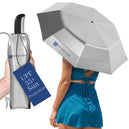
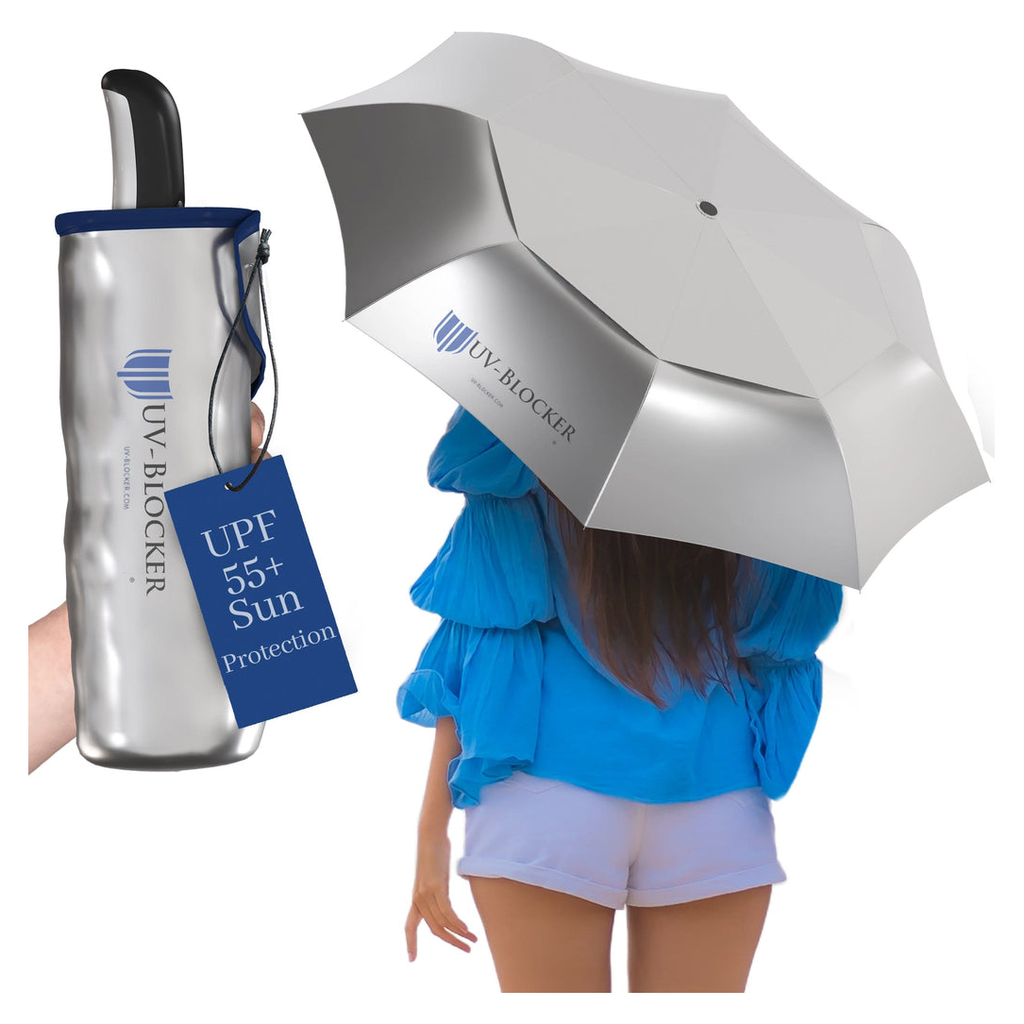
Layer 3 is physical shade, specifically from a UPF 50+ umbrella. This is the only protection available during the critical first two weeks when sunscreen is off-limits. While research comparing UV umbrellas vs sunscreen highlights the efficacy of both, the umbrella serves as the primary line of defense when the skin cannot be touched. The Skin Cancer Foundation requires a minimum UPF of 50 for its Seal of Recommendation on sun-protective fabrics, setting the standard for medical-grade protection.
Why Is Portable Shade Critical for Post Skin Cancer Surgery UV Protection?
During the first two weeks after Mohs surgery, sunscreen cannot touch the wound, making a UPF 50+ umbrella the only portable UV protection available for the healing site.
The "sunscreen gap" is a major challenge for Mohs patients. For 7 to 14 days following the procedure, the surgical wound must remain clean and free of topical products to allow for proper closure and initial healing. Yet, life continues -- patients must attend follow-up appointments, pick up prescriptions, and manage daily tasks. During this period, portable shade is not optional; it is the only safe way to venture outdoors.
Beyond the initial healing phase, shade addresses the issue of reapplication gaps. Dermatologists recommend reapplying sunscreen every two hours, but real-world compliance is often poor. A single missed application can expose vulnerable scar tissue to damaging rays. Physical shade provides "always-on" protection that does not wear off. Additionally, many patients find that chemical sunscreen ingredients like avobenzone cause rashes or stinging on sensitive, recently healed skin.
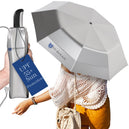
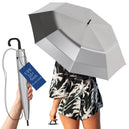
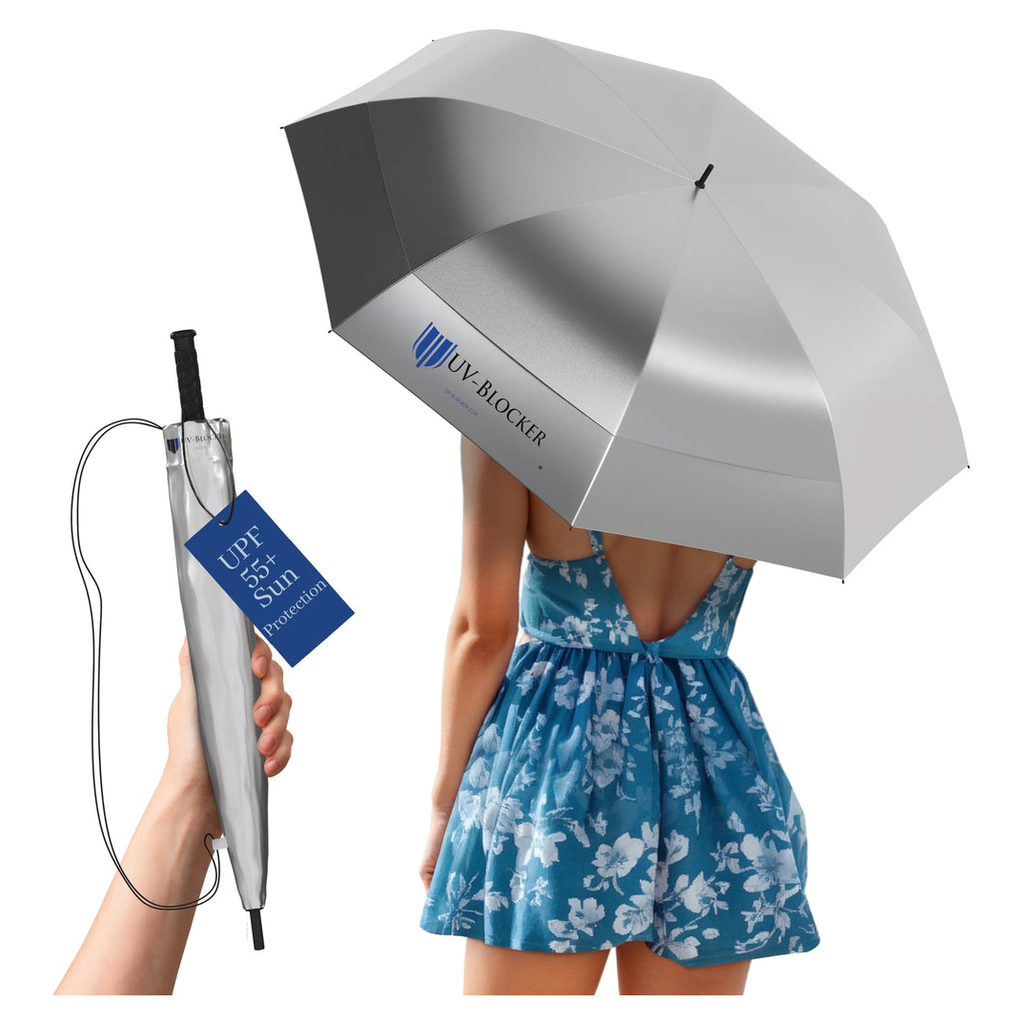
Physical shade blocks UV radiation from all angles, including scattered light that reflects off sidewalks, buildings, and water. High-quality protection, such as UV-Blocker umbrellas, also offers a significant temperature difference, keeping the area underneath up to 15 degrees Fahrenheit cooler -- a welcome benefit for those sensitive to heat during recovery. These umbrellas are UPF 50+, tested under AATCC TM183-2020 standards to block 100% of UV-B and 99.97% of UV-A rays, and hold Melanoma International Foundation certification. Products like the Compact UV Umbrella or Travel UV Umbrella are designed to fill this specific medical need. For more details on verification, the UV umbrella testing methodology provides insight into the rigor behind these UPF claims.
What Does the Sun Protection Timeline Look Like After Mohs Surgery?
Sun protection after Mohs surgery follows four phases: immediate wound care (weeks 1-2), active scar protection (months 1-3), scar maturation (months 3-12), and lifetime prevention.

Recovery is a process that evolves over the course of a year or more. Adhering to a phased timeline ensures that the protection method matches the skin's healing stage.
| Phase | Timeline | Protection Protocol | Key Actions |
|---|---|---|---|
| Wound Healing | Weeks 1-2 | Shade + bandage ONLY | No sunscreen on wound; use UPF umbrella and hat for any outdoor exposure |
| Active Scar Protection | Months 1-3 | Full 3-layer protocol | Mineral SPF 30+ on healed scar, UPF clothing, portable shade |
| Scar Maturation | Months 3-12 | Continued 3-layer | Scar tissue still highly UV-sensitive; do not reduce protection yet |
| Lifetime Prevention | Year 1+ | Ongoing UV awareness | Reduced skin cancer recurrence risk with consistent protection |
Phase 1 (Weeks 1-2) is the most restrictive. The focus is on allowing the incision to close. During this time, physical shade is the only protection permitted for the wound itself. A bandage combined with a UPF umbrella and wide-brim hat allows patients to travel to necessary appointments without risking UV damage.
Phase 2 (Months 1-3) begins once the wound has fully closed. Mineral sunscreen can now be introduced, activating the full 3-layer protocol. It is important to note that the fresh scar will tan more easily than surrounding skin, so vigilance with sun exposure after Mohs recovery is required.
Phase 3 (Months 3-12) covers the long period of scar maturation. While the surface may look healed, the tissue underneath is still remodeling. UV sensitivity remains elevated, and patients often make the mistake of reducing protection too early. Consistency here is key to preventing hyperpigmentation.
Phase 4 (Year 1+) transitions into a lifetime protocol. Research shows repetitive UV exposure is one of the most likely causes of recurrent basal cell carcinoma. Integrating these habits into daily life transforms protection from a medical necessity into a proactive health measure.
How Can Patients Protect the Surgical Site During Everyday Activities?
Pair a compact UPF 50+ umbrella with mineral sunscreen and a wide-brim hat to maintain full sun protection after Mohs surgery during errands, walks, gardening, and outdoor events.
Returning to normal routines does not mean sacrificing safety. With the right tools, patients can resume daily activities while keeping the surgical site protected.
Walking the Dog and Neighborhood Walks: A morning walk is often the first outdoor activity patients resume. A compact umbrella combined with a hat provides full upper body shade, eliminating the anxiety of whether sunscreen has worn off. The Compact UV Umbrella folds to 11.5 inches, making it easy to carry in a pocket or bag until needed.
Grocery Runs and Errands: The walk from a parking lot to a store entrance can be surprisingly high in UV exposure. Keeping a folding umbrella in the car ensures that these short bursts of sunlight do not accumulate damage over time.
Outdoor Dining and Events: Socializing outdoors can be challenging during recovery. An open umbrella overhead provides continuous shade, allowing patients to enjoy meals without constantly checking the clock for reapplication. The 15-degree cooling effect also makes sitting outdoors significantly more comfortable.
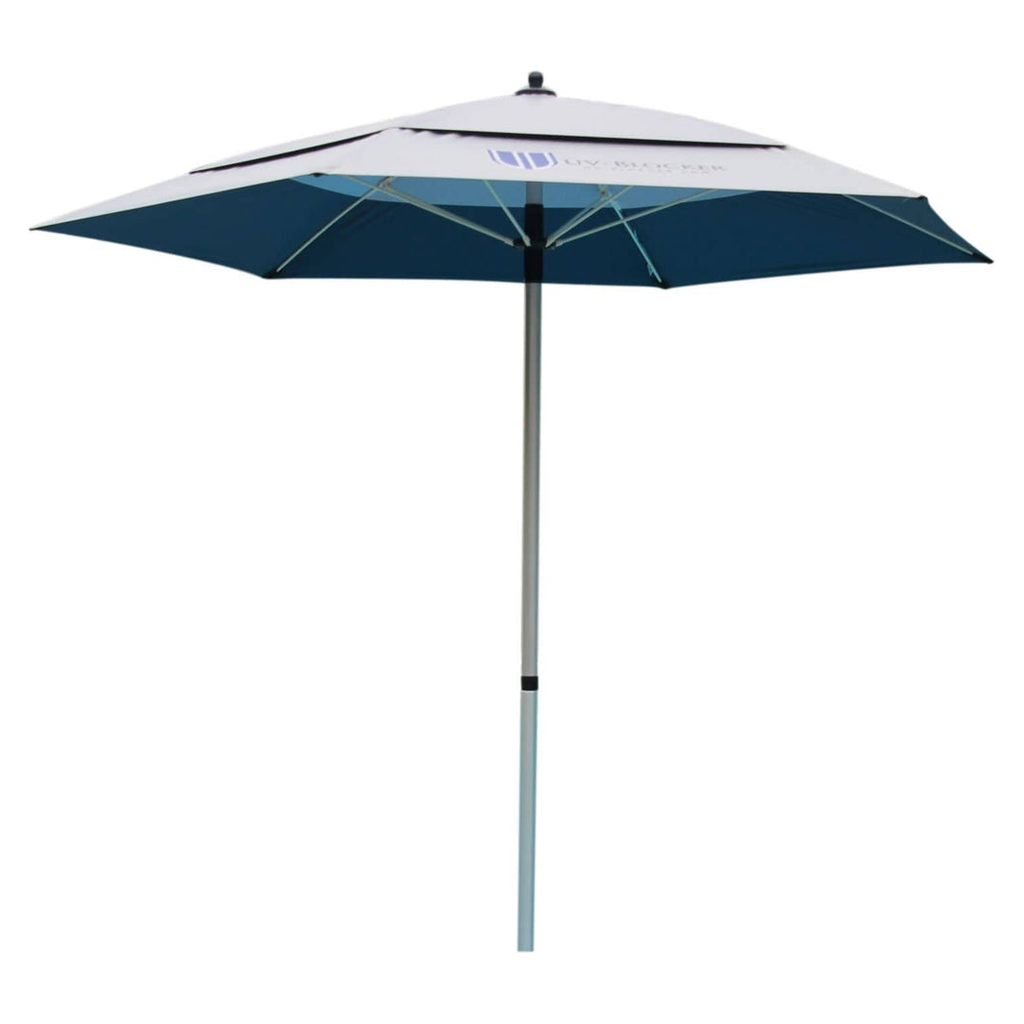
Gardening: For those eager to get back to the yard, a UPF hat is essential, but adding a stationary umbrella can create a safe zone. Positioning shade over the work area protects the surgical site from direct overhead rays.
School Pickup and Spectating: Waiting in line for school pickup or watching a sports game often involves long periods of standing in the sun. The Travel UV Umbrella features a shoulder strap for easy carrying and offers a larger canopy for extended waits. For trusted advice on selecting the right gear, dermatologist recommended options provide further guidance.
Frequently Asked Questions About Sun Protection After Mohs Surgery
Patients recovering from Mohs surgery often have specific questions about timing, products, and daily routines. Below are the most common concerns addressed by dermatology guidance.
Can patients go outside after Mohs surgery?
Yes, going outside after Mohs surgery is safe if the surgical site is protected with physical shade and bandaging during the first two weeks of healing.
Avoid direct sun exposure during peak UV hours (10 AM to 4 PM). A UPF 50+ umbrella and wide-brim hat provide the UV protection after skin cancer surgery needed to prevent damage during any outdoor time.
How long should the scar be protected from the sun?
Protect the Mohs surgery scar from direct sun exposure for at least 12 to 18 months while the scar tissue fully matures and remodels underneath the surface.
Scar tissue remains highly UV-sensitive during the maturation phase. After 18 months, continue wearing sunscreen as part of long-term skin cancer prevention to minimize the risk of future damage.
Will sunscreen hurt a surgical wound?
Do not apply sunscreen to an open Mohs surgery wound. Wait until the incision fully closes, typically 7 to 14 days after stitch removal, before applying any topical product.
Once the wound is healed, use mineral sunscreen (zinc oxide or titanium dioxide) rather than chemical formulas. Chemical ingredients can irritate compromised skin and interfere with the final stages of healing.
Is shade enough without sunscreen?
Shade significantly reduces UV exposure but works best combined with sunscreen and protective clothing as part of the complete 3-layer protocol for maximum protection.
A UPF 50+ umbrella blocks over 98% of UV rays. However, UV can reflect off surfaces. Combined with SPF 30+ and UPF clothing, the layers compensate for each other's gaps, providing full coverage.
What SPF should be used after Mohs surgery?
Dermatologists recommend broad-spectrum mineral sunscreen with SPF 30 or higher after Mohs surgery, applied every two hours during any period of sun exposure.
Mineral formulas with zinc oxide provide immediate protection without chemical absorption. For extended outdoor activity, using SPF 50+ combined with physical shade offers the strongest defense available.
Does sun exposure increase skin cancer recurrence risk?
Yes, repetitive UV exposure is a leading cause of recurrent basal cell carcinoma after Mohs surgery, making ongoing sun protection after Mohs surgery essential for long-term health.
Mohs surgery has a 99% cure rate for primary basal cell carcinoma, but limiting UV exposure helps prevent new primary cancers from developing in the same area or elsewhere.
Taking Action for Long-Term Recovery
Recovering from Mohs surgery requires a shift in mindset from casual sun avoidance to active, layered protection. The 3-layer system -- mineral sunscreen, UPF clothing, and portable shade -- provides the necessary defense to allow skin to heal without discoloration or damage. The critical "sunscreen gap" of the first 7 to 14 days, where physical shade is the only option, and the 12 to 18-month timeline for scar maturation are the two most important benchmarks to track.
The most immediate action is simple: start with portable shade. A UPF 50+ umbrella provides protection from day one of recovery, allowing patients to leave the house with confidence for follow-up appointments and daily tasks. UV-Blocker was founded by a melanoma survivor who understands that sun protection after skin cancer is not optional -- it is a way of life. By adopting these medical-grade strategies, patients can ensure the best possible cosmetic result and health outcome for the future.