

By Ron Walker
⚡ Quick Reference Summary:
- Amiodarone causes a severe phototoxic reaction triggered by specific UVA wavelengths (350-380nm), not the UVB measured by SPF ratings.
- Blue-gray skin discoloration (amiodarone dermopathy) affects 2-10% of long-term users and may be permanent without strict, lifelong UVA protection.
- Photosensitivity typically begins after approximately 4 months of treatment and can persist for 4-12 months, or even longer, after stopping the drug due to its prolonged half-life.
- Standard SPF advice is incomplete and insufficient because SPF primarily quantifies UVB protection, overlooking the UVA spectrum responsible for amiodarone reactions.
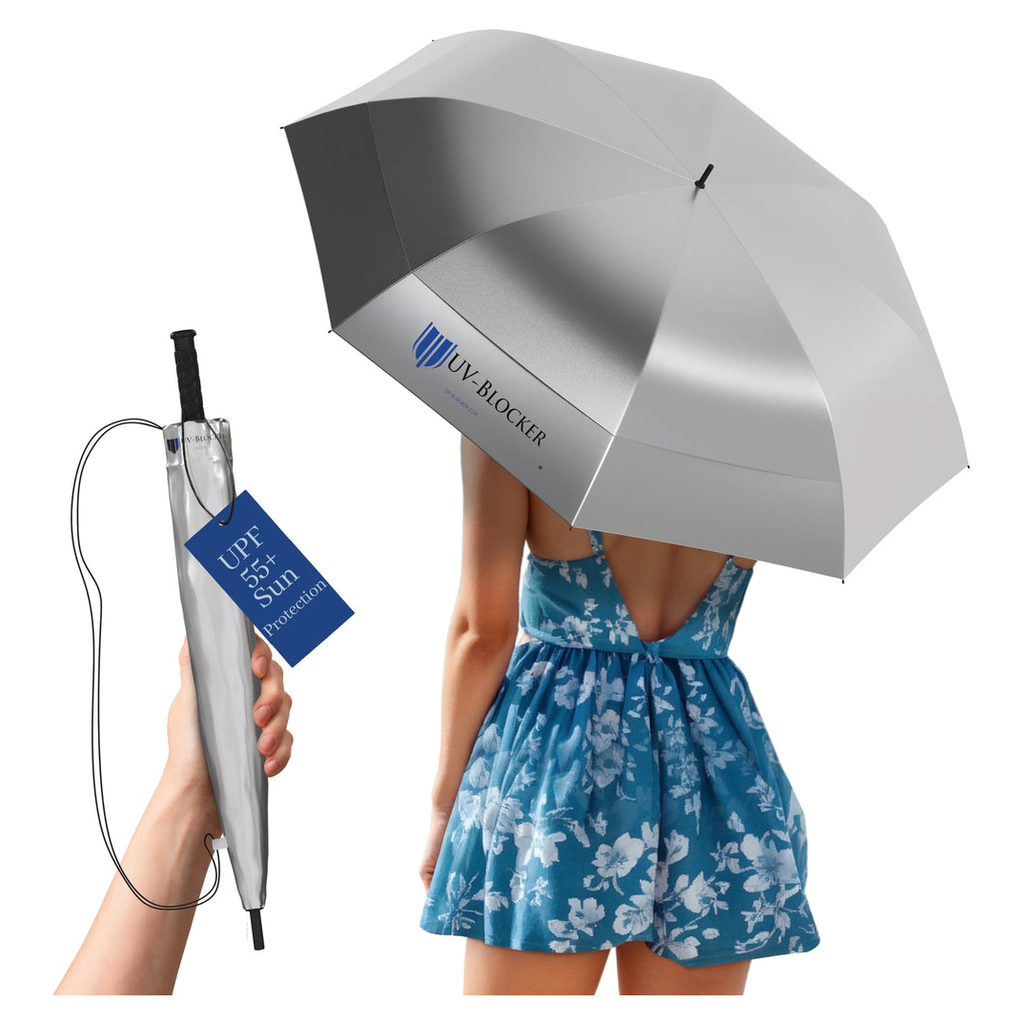
- A comprehensive, tiered protection plan is essential: prioritize physical UVA barriers (UPF 50+ clothing, wide-brimmed hats, and specialized UPF 50+ umbrellas like UV-Blocker's Solarteck®) first, use broad-spectrum mineral sunscreen (high zinc oxide concentration) as a secondary measure, and implement behavioral strategies (shade-seeking, peak-hour avoidance) as vital adjuncts.
Amiodarone sun sensitivity, a debilitating side effect, impacts a significant percentage of patients, with estimates suggesting up to 75% of individuals experience photosensitivity while on this commonly prescribed antiarrhythmic medication. This makes it one of the most severe drug-induced photosensitivity reactions encountered in clinical practice. Without precise and consistent UVA protection, a notable subset—2-10% of long-term users—develop persistent and often irreversible blue-gray skin discoloration on sun-exposed areas, a condition known as amiodarone dermopathy.
While drug monographs frequently advise patients to "avoid sun exposure," this guidance often lacks the critical specifics needed for effective protection. Crucially, it rarely explains *which type* of UV radiation causes the reaction, *why* standard sunscreens fall short, or *which* protection methods are genuinely effective. This comprehensive guide aims to bridge that knowledge gap, delving into the specific phototoxic mechanism of amiodarone, outlining the crucial timeline patients must understand, and presenting a multi-tiered, evidence-based protection protocol meticulously designed to block the exact wavelengths that trigger amiodarone photosensitivity. Our goal is to empower cardiac patients with the knowledge and tools to manage their condition safely and effectively, minimizing discomfort and preventing long-term skin changes.
Why Does Amiodarone Cause the Most Severe Drug-Induced Sun Sensitivity?
Amiodarone's propensity for causing severe photosensitivity stems from its unique pharmacokinetics and its specific interaction with ultraviolet A (UVA) radiation. The drug, along with its primary active metabolite desethylamiodarone (DEA), is highly lipophilic, meaning it readily dissolves in fats and accumulates significantly in various body tissues, particularly the skin. Once deposited in the epidermis and dermis, these compounds act as chromophores, absorbing specific wavelengths of light.
The mechanism behind amiodarone photosensitivity is distinctly phototoxic, not photoallergic. This means the drug directly absorbs light energy and then transfers that energy to surrounding cellular components, generating reactive oxygen species (ROS). These ROS induce direct cellular damage, leading to inflammation, DNA damage, and ultimately, a severe sunburn-like reaction. This process is triggered specifically by UVA radiation, particularly within the 350-380nm band. The original photosensitivity study definitively identified this UVA range as the primary trigger, a critical distinction from the UVB wavelengths that cause typical sunburn and are primarily measured by SPF ratings. This direct, dose-dependent reaction can manifest rapidly and intensely, causing significant pain and discomfort.
Furthermore, amiodarone is notorious for its exceptionally long elimination half-life, which typically ranges from 40 to 55 days, but can extend to over 100 days for its metabolites. This prolonged systemic presence means that once treatment begins, the drug and its reactive metabolites persist in the skin for many months, even after the medication has been discontinued. This slow clearance explains why patients remain highly photosensitive for 4-12 months, and sometimes longer, after stopping the drug, necessitating sustained vigilance with sun protection.
The onset of photosensitivity is typically delayed, usually appearing after approximately 4 months of continuous treatment. This delay is attributed to the time required for sufficient drug accumulation in the skin to reach phototoxic concentrations. Consequently, early tolerance to sun exposure during the initial months of therapy does not indicate long-term safety, making proactive prevention crucial. For a broader understanding of how various medications can increase sun sensitivity, please refer to our guide on medications that cause sun sensitivity.
What Is Amiodarone Blue-Gray Skin Discoloration?
Amiodarone blue-gray skin discoloration, clinically termed amiodarone dermopathy or smurf syndrome, is a distinctive and often permanent side effect that develops in 2-10% of long-term amiodarone users. This striking pigmentation typically appears on chronically sun-exposed areas, evolving gradually over time, often after about 20 months of continuous treatment. The exact prevalence varies depending on cumulative dose, duration of therapy, and the intensity of a patient's sun exposure, highlighting the preventable nature of this condition with adequate photoprotection.
The characteristic color—ranging from slate-gray to a metallic bluish tint—is not merely a surface stain but results from the complex accumulation of various substances within the dermal layers. Histologically, this discoloration is attributed to the deposition of lipofuscin-like granules, increased melanin, and iodine-containing amiodarone metabolites within dermal macrophages and endothelial cells. These deposits act as internal chromophores, altering light reflection and absorption within the skin to produce the unique hue. The review on cutaneous adverse reactions of amiodarone provides detailed insights into these cellular changes.
The distribution pattern of this discoloration is highly predictable: it primarily affects photodistributed areas such as the face, particularly the nose and forehead, the neck, ears, hands, and forearms. These are the areas that receive the highest cumulative sun exposure, underscoring the critical role of UVA in exacerbating and maintaining the pigmentary changes. Patients often first notice the subtle onset of this discoloration in mirrors, photographs, or under bright outdoor lighting conditions.
Reversibility of amiodarone dermopathy is slow and often incomplete. The Mayo Clinic Proceedings report on reversibility indicates that fading, when it occurs, can take many months to over 18 months after complete discontinuation of the drug, and only if rigorous UV avoidance is maintained. Even with strict protection and drug cessation, some cases may not fully resolve, leaving patients with permanent discoloration. This irreversible potential makes prevention paramount, emphasizing that avoiding cumulative UVA exposure is far more effective than attempting to reverse established pigmentation. For related skin concerns stemming from prolonged sun exposure, our article on photoaging offers additional context.
Why Isn't Sunscreen Enough for Amiodarone Patients?
Relying solely on standard sunscreen for amiodarone-induced sun sensitivity is a critical misconception and often leads to inadequate protection. The fundamental flaw lies in the regulatory focus of SPF (Sun Protection Factor) ratings, which primarily measure protection against UVB radiation, the leading cause of sunburn. However, as established, amiodarone's phototoxic reaction is driven by specific UVA wavelengths (350-380nm), a spectrum for which SPF provides an incomplete and often misleading measure of efficacy.
In the United States, while "broad-spectrum" labeling indicates some UVA protection, there isn't a universally standardized and quantifiable UVA rating system equivalent to SPF for UVB (unlike, for example, the PA++++ system in Asia or the Boots Star Rating in the UK). This regulatory gap means that an SPF 50 label, while reassuring for UVB, does not guarantee sufficient protection against the precise UVA wavelengths critical for amiodarone patients. Many sunscreens, particularly those relying heavily on older chemical filters, may offer insufficient attenuation within the 350-380nm range.
While newer chemical filters and mineral sunscreens generally provide broader UVA coverage, their efficacy still varies. Mineral filters, specifically zinc oxide, are superior in their ability to block a wider spectrum of UVA radiation, including longer wavelengths, due to their physical barrier mechanism. Titanium dioxide also offers good UV blocking, though often with a slightly narrower UVA spectrum compared to zinc oxide. For amiodarone patients, a broad-spectrum mineral sunscreen with a high concentration of zinc oxide (ideally 20% or more) is preferable, but even these formulations are not foolproof.
The Persistent Challenge of Reapplication
Beyond the spectral limitations, the practical challenge of sunscreen reapplication represents a significant weak point in protection protocols for amiodarone patients. Sunscreens must be applied liberally and reapplied every two hours, or more frequently after sweating, swimming, or towel-drying. For many patients, particularly elderly individuals managing multiple cardiac medications, appointments, and potentially cognitive or physical limitations, maintaining this rigorous reapplication schedule is often impractical or forgotten. Missing a single reapplication can expose skin to harmful UVA radiation, allowing the phototoxic reaction to occur.
This reapplication problem is precisely why physical barriers offer a superior and more reliable form of protection. Unlike sunscreens, physical barriers—such as UPF 50+ clothing, wide-brimmed hats, and specialized sun-blocking umbrellas—do not wash off, degrade, or require frequent reapplication. They provide consistent, dependable protection from the moment they are put on, removing the human error element and offering peace of mind for vulnerable individuals navigating daily life. The Cleveland Clinic's amiodarone monograph provides baseline advice, but without detailing this critical distinction, it leaves patients vulnerable to insufficient protection.
How Long Does Amiodarone Sun Sensitivity Last?
The duration of amiodarone sun sensitivity is directly linked to the drug's exceptionally long half-life and its extensive accumulation within body tissues. As previously noted, amiodarone has an elimination half-life ranging from 40 to 55 days, but its active metabolite, desethylamiodarone (DEA), can persist for even longer. This means that once a patient starts amiodarone, the drug and its photosensitizing metabolites become deeply embedded in the skin and other tissues, leading to a prolonged period of vulnerability to UVA radiation.
Typically, photosensitivity begins to manifest after approximately 4 months of continuous treatment, once sufficient concentrations have accumulated in the skin. However, the most critical aspect for patients is that this sensitivity does not immediately disappear if the medication is stopped. Due to the slow release of the drug from tissue stores, patients can remain highly photosensitive for 4 to 12 months, and in some cases, even longer, after amiodarone is completely discontinued. This extended period of reactivity means that a patient who has been on amiodarone for an extended period, even if they stop the drug, must continue rigorous sun protection measures for many months to a year or more to avoid reactions and prevent the progression or development of blue-gray discoloration.
This prolonged timeline underscores the importance of long-term adherence to photoprotection protocols. Patients must understand that feeling well or having stopped the medication does not immediately negate their risk. A patient who discontinues amiodarone in December, for example, could still experience severe phototoxic reactions during the peak sun months of the following summer if protection measures are relaxed. Continuous patient education from healthcare providers is essential to ensure that individuals understand the persistent nature of this sensitivity and commit to a sustained, vigilant approach to sun safety. Regular follow-ups and reinforcement of protection strategies can help prevent unnecessary discomfort and irreversible skin changes throughout this extended vulnerable period.
What Is the Best Sun Protection Protocol for Amiodarone Patients?
For individuals taking amiodarone, a robust, multi-tiered sun protection protocol is not just recommended, it is absolutely essential to prevent severe phototoxic reactions and the permanent blue-gray skin discoloration. This protocol prioritizes physical barriers, supplements with high-quality mineral sunscreens, and integrates crucial behavioral modifications, all specifically targeting the UVA wavelengths that trigger amiodarone sensitivity.
Tier 1: Primary Physical Barriers (The Gold Standard)
Physical barriers offer the most reliable and consistent defense against the specific UVA wavelengths that cause amiodarone photosensitivity. Unlike sunscreens, they provide immediate, enduring protection that doesn't wear off, wash away, or require frequent reapplication, making them ideal for cardiac patients with complex medication regimens or mobility challenges.
- UPF 50+ Clothing: Invest in clothing certified with a Ultraviolet Protection Factor (UPF) of 50+. This rating indicates that the fabric blocks 98% of both UVA and UVB rays, providing a dense, consistent shield for covered skin. Long-sleeved shirts, long pants, and full-length skirts made from specialized UPF 50+ fabrics are highly recommended for all outdoor activities.
- Wide-Brimmed Hats: A hat with a brim of at least 3-4 inches (7.5-10 cm) all around is critical. This provides essential shade for the face, ears, and neck—areas highly susceptible to amiodarone-induced reactions and discoloration. Look for hats made from UPF 50+ materials for maximum effectiveness.
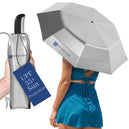
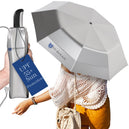
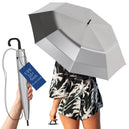
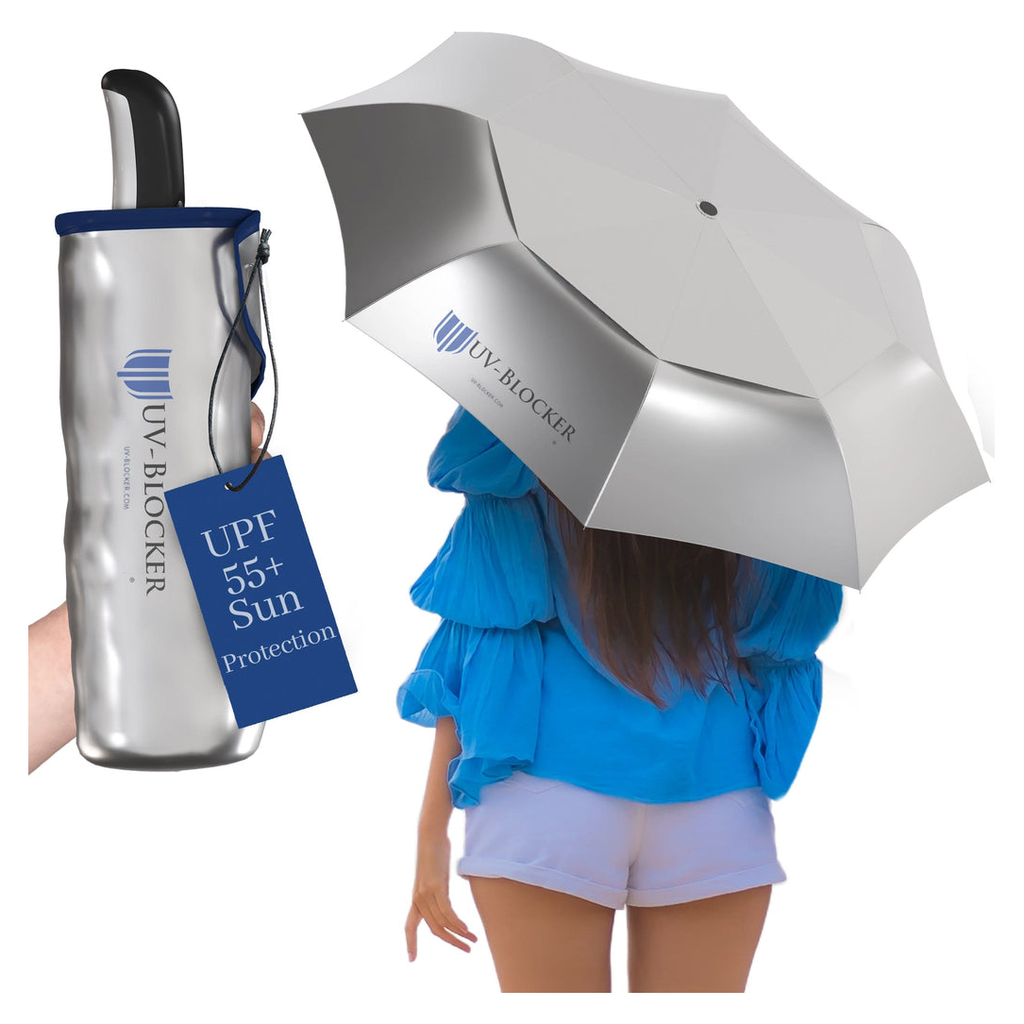
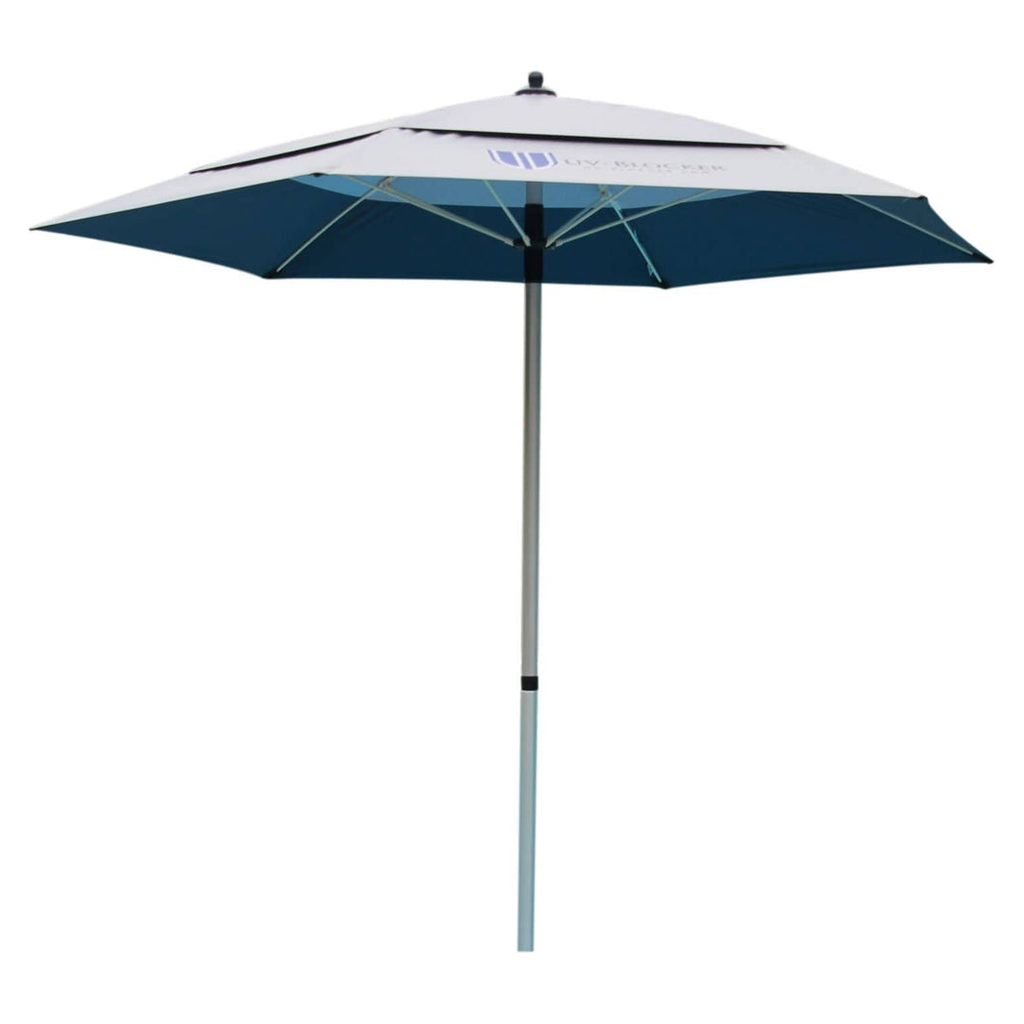
- Specialized UPF 50+ Umbrellas: For unparalleled, portable protection, a dedicated sun-blocking umbrella is indispensable. UV-Blocker's premium UPF 50+ umbrellas are engineered with patented Solarteck® technology, specifically designed to block 99% of UVA and UVB rays. This technology ensures superior protection across the full UV spectrum, including the critical 350-380nm UVA range that triggers amiodarone's phototoxicity. As a proud recipient of the Melanoma International Foundation (MIF) Seal of Approval, UV-Blocker umbrellas offer a medically endorsed solution, providing consistent, reliable shade for prolonged outdoor activities, walking, or even waiting for appointments. They are particularly valuable for covering larger areas like the head, shoulders, and upper torso, which often receive significant incidental sun exposure.
Tier 2: High-Quality Mineral Sunscreens (Secondary Support)
While physical barriers are primary, sunscreens serve as a crucial secondary line of defense for exposed skin not covered by clothing or umbrellas. However, careful selection and diligent application are key.
- Broad-Spectrum Mineral Formulas: Opt for broad-spectrum sunscreens with an SPF of 30 or higher that primarily use mineral active ingredients: zinc oxide and titanium dioxide. Zinc oxide is particularly effective at blocking the longer UVA wavelengths critical for amiodarone patients. Aim for formulations with at least 20% zinc oxide for optimal UVA protection.
- Diligent Application and Reapplication: Apply sunscreen generously to all exposed skin (e.g., hands, parts of the face not covered by a hat) at least 15-30 minutes before sun exposure. Reapply every two hours, or more frequently after sweating, swimming, or towel-drying.
Tier 3: Behavioral Modifications (Crucial Adjuncts)
Adjusting daily habits can significantly reduce overall UV exposure and complement physical and chemical protections.
- Seek Shade Proactively: Prioritize staying in shaded areas whenever outdoors, especially during peak UV hours. This includes using natural shade from trees, buildings, or artificial shade structures.
- Avoid Peak UV Hours: Plan outdoor activities for early morning (before 10 AM) or late afternoon (after 4 PM) when the sun's UV intensity is significantly lower.
- Regular Skin Self-Exams: Monitor your skin regularly for any signs of rash, increased sensitivity, or subtle discoloration, particularly on sun-exposed areas. Report any changes to your healthcare provider promptly.
- Consultation: Maintain open communication with both your cardiologist and dermatologist to ensure an integrated approach to managing your amiodarone therapy and protecting your skin.
By integrating these tiers of protection, amiodarone patients can significantly reduce their risk of phototoxic reactions and the development of permanent skin discoloration, allowing them to manage their cardiac health safely and maintain a good quality of life.
Frequently Asked Questions
Can amiodarone sun sensitivity be reversed?
The acute phototoxic reaction (sunburn-like rash) will resolve with strict sun avoidance and discontinuation of the drug, though this can take months due to amiodarone's long half-life. However, the blue-gray skin discoloration (amiodarone dermopathy) is often permanent. While some fading may occur over 12-18 months after stopping amiodarone and rigorously avoiding sun, complete resolution is rare. Prevention through comprehensive UV protection is therefore critical.
Is any amount of sun exposure safe when taking amiodarone?
No, there is no "safe" amount of unprotected sun exposure for amiodarone patients, particularly within the 350-380nm UVA range. The drug's phototoxicity is dose-dependent on both the medication and UV exposure. Even brief, seemingly insignificant exposure can trigger a reaction or contribute to cumulative skin changes. Strict, year-round photoprotection is mandatory, even on cloudy days, as UVA penetrates clouds.
Does sunscreen prevent the blue-gray skin discoloration?
Standard sunscreens alone are often insufficient. While broad-spectrum mineral sunscreens with high zinc oxide content offer some protection against UVA, their efficacy relies on perfect application and frequent reapplication. Due to the specific UVA wavelengths involved and the cumulative nature of the discoloration, physical barriers like UPF 50+ clothing and specialized UV-blocking umbrellas (such as UV-Blocker's Solarteck® umbrellas) are considered far more effective and reliable for preventing amiodarone dermopathy. Sunscreen should be used as a secondary measure for uncovered skin, but not as the sole defense.
What's the difference between phototoxicity and photoallergy?
Phototoxicity, which is the mechanism for amiodarone, involves a direct reaction between the drug and light within the skin, causing cell damage and a sunburn-like response. It can occur on the first exposure, is dose-dependent (both drug and light), and resembles an exaggerated sunburn. Photoallergy, on the other hand, is an immune-mediated reaction. It requires prior sensitization to the drug, involves an allergic response, is not dose-dependent, and typically presents as an eczema-like rash.
Are there other medications that cause similar sun sensitivity?
Yes, many medications can cause photosensitivity, though few rival amiodarone's severity and specific UVA-driven mechanism. Common culprits include certain antibiotics (tetracyclines, fluoroquinolones), diuretics (thiazides), nonsteroidal anti-inflammatory drugs (NSAIDs), and some psychiatric medications. However, the exact spectrum of UV responsible and the clinical presentation can vary. Always review medication labels and discuss sun sensitivity with your doctor or pharmacist.
Do I need to stop amiodarone if I have sun sensitivity?
Decisions about stopping amiodarone must be made in consultation with your prescribing cardiologist. Amiodarone is often prescribed for serious cardiac arrhythmias, and abrupt discontinuation can carry significant risks. For sun sensitivity, the first approach is usually to implement stringent photoprotection measures. If severe reactions or significant discoloration still occur despite maximal protection, your doctor may consider adjusting the dose or exploring alternative medications, weighing the benefits against the risks of discontinuing amiodarone.
Conclusion
Amiodarone-induced sun sensitivity is a serious and potentially life-altering side effect that demands a proactive and informed approach to sun protection. Understanding that this phototoxic reaction is driven by specific UVA wavelengths (350-380nm)—not primarily by the UVB rays that SPF measures—is the cornerstone of effective management. Standard advice and conventional sunscreens often fall short, leaving patients vulnerable to painful reactions and the distressing, often permanent, blue-gray skin discoloration.
The solution lies in a comprehensive, multi-tiered protection protocol. Prioritizing physical barriers, such as UPF 50+ clothing, wide-brimmed hats, and advanced sun-blocking umbrellas like UV-Blocker's Solarteck® UPF 50+ models, provides a consistent, reliable defense against the specific UV spectrum responsible. These tools, especially our Melanoma International Foundation (MIF)-approved umbrellas, offer superior, worry-free protection that doesn't wash off or require constant reapplication, crucial for patients managing complex medical conditions. Supplementing with high-concentration mineral sunscreens and adopting diligent behavioral modifications further strengthens this shield.
For cardiac patients on amiodarone, sun protection is not an option; it is a critical component of their health management. By implementing these rigorous strategies, individuals can significantly reduce their risk of adverse reactions, preserve their skin health, and continue their necessary cardiac treatment with greater safety and peace of mind. Take control of your sun safety—your health depends on it.
Sun Safety in Canada
Canada experiences meaningful UV exposure throughout the year, with UV Index levels regularly reaching 8–10 or higher during summer months in cities such as Vancouver, Calgary, Toronto, and Ottawa. Health Canada and Environment and Climate Change Canada publish daily UV Index forecasts and recommend protective measures whenever the index exceeds 3 — a threshold reached on most clear days between May and August across the country.
Key resources for Canadian sun safety:
- Health Canada UV Index: Published daily via the Environment and Climate Change Canada weather portal (weather.gc.ca). Canadians can track UV levels by city and receive alerts when protection is recommended.
- Canadian Cancer Society: Recommends UPF 50+ clothing, hats, sunscreen, and shade-seeking as primary sun protection strategies. Physical UV barriers — such as UPF 50+ umbrellas — are emphasized for prolonged outdoor exposure.
- Canadian Dermatology Association: Endorses broad-spectrum sun protection strategies, including shade structures and UV-blocking accessories, especially for individuals with fair skin or a personal or family history of skin cancer.
For Canadians spending extended time outdoors — whether working, playing sports, or enjoying recreational activities — a UV-blocking umbrella rated UPF 50+ provides continuous, reapplication-free protection. The UV-Blocker umbrella, independently tested and approved by the Melanoma International Foundation, blocks 99% of UV rays and keeps users up to 15°F cooler — making it a practical and reliable companion for Canadian summers.
Frequently Asked Questions
Does Amiodarone really make skin more sensitive to sunlight?
Yes. Amiodarone belongs to a class of medications that can trigger photosensitivity reactions in a subset of patients. This can cause sunburn-like reactions with minimal UV exposure, or trigger phototoxic skin rashes. The reaction severity varies by individual, dosage, and UV intensity. Always review your medication guide and consult your prescribing physician if you notice unusual skin reactions in sunlight.
What SPF should I use if I take this medication?
Dermatologists generally recommend SPF 30+ broad-spectrum sunscreen for patients on photosensitizing medications, with reapplication every 2 hours. However, sunscreen alone isn't sufficient for high UV exposure. Combining sunscreen with physical barriers — UPF 50+ clothing, wide-brim hats, and UV-blocking umbrellas — provides the most reliable protection. UV-Blocker's UPF 50+ umbrellas block 99% of UVA and UVB rays.
Can I still go outdoors while taking this medication?
Absolutely. Most patients can continue outdoor activities with appropriate precautions: avoid peak UV hours (10am–4pm), wear protective clothing, use SPF 30+ sunscreen, and use shade whenever possible. A portable UV-blocking umbrella offers hands-free shade wherever you go, making it a practical solution for patients who need consistent sun avoidance.
How long after stopping the medication until sun sensitivity resolves?
Photosensitivity typically resolves within days to weeks after discontinuing the medication, depending on the drug's half-life and your individual metabolism. Some medications with long half-lives may cause sensitivity for weeks. Continue sun protection until your doctor confirms it's safe to reduce precautions.
What are the signs of a phototoxic reaction vs. a photoallergic reaction?
Phototoxic reactions look like severe, rapid sunburn — they appear within hours of UV exposure and are dose-dependent. Photoallergic reactions involve an immune response, can spread beyond sun-exposed areas, and may appear days later. Both require prompt sun avoidance. See your dermatologist for diagnosis and management.
Sun Safety Essentials for Patients on Photosensitizing Medications
- Keep a UV index app on your phone and avoid going outdoors when the index exceeds 6 without full protection
- Wear UPF 50+ sun-protective clothing on arms and legs, not just sunscreen
- Carry a portable UV-blocking umbrella for shade on demand — especially effective during outdoor commutes, sporting events, or waiting outdoors
- Apply sunscreen to the back of hands and tops of feet — commonly missed areas that receive direct UV
- Inform your pharmacist about all medications you take so they can flag photosensitizing combinations
- Request a window film UV assessment if you drive frequently — car windows block UVB but not all UVA