

A mild sunburn heals in 3-5 days, but a severe burn with blisters can take 3 or more weeks to recover — and the DNA damage lasts far longer than the redness. Over 33,000 sunburns require emergency room visits each year in the US alone, highlighting the importance of understanding how long does a sunburn last and when professional care is needed. This guide covers the complete day-by-day sunburn healing timeline, severity classification, body-part differences, and how to prevent future sunburns entirely. While most medical resources stop at "wear sunscreen," effective prevention often requires physical UV barriers that provide consistent protection.

How Long Does a Sunburn Last Based on Severity?
A mild first-degree sunburn heals in 3-5 days. Moderate burns with blistering take 1-2 weeks. Severe third-degree sunburns require medical treatment and 3+ weeks.
Understanding the severity of a burn is the first step in determining the appropriate response. Sunburns are classified into three degrees based on depth and symptoms, according to the Cleveland Clinic.
First-degree (mild): This is the typical beach day sunburn. It presents as redness, warmth, and tenderness to the touch. The outer layer of the skin is damaged, but it generally heals within 3-7 days without significant complications.
Second-degree (moderate): If blistering occurs, the burn has penetrated deeper skin layers. These burns involve swelling and more intense pain. Healing takes 1-2 weeks, and the blisters serve as a biological dressing that should not be broken.
Third-degree (severe): Though rare from sun exposure alone, severe burns can occur. Symptoms include white or leathery skin and numbness due to nerve damage. These require immediate medical attention and can take 3 weeks or longer to heal.
| Severity | Symptoms | Duration | Treatment |
|---|---|---|---|
| Mild (1st degree) | Redness, warmth, tenderness | 3-5 days | Cool compresses, aloe, moisturizer |
| Moderate (2nd degree) | Blistering, swelling, intense pain | 1-2 weeks | Don't pop blisters, OTC pain relief |
| Severe (3rd degree) | White/leathery skin, numbness | 3+ weeks | Seek emergency medical care |
But these ranges are averages — what actually happens to the skin each day involves a complex biological process worth understanding.
What Does the Day-by-Day Sunburn Healing Timeline Look Like?
Sunburn peaks at 12-24 hours with maximum redness, blisters appear by day 2-3, peeling starts around day 3-5, and new skin emerges by day 7.

The following timeline details the typical progression of how long does sunburn last at each stage, though individual experiences may vary based on burn severity.
Day 1 (0-24 hours): Sunburn is a delayed reaction — damage occurs during exposure, but symptoms lag behind. Redness typically begins within 3-5 hours of sun exposure. Pain and redness peak between 12 and 24 hours, and the skin will feel hot to the touch. The Mayo Clinic notes that symptoms may not appear for several hours after exposure.
Day 2-3: This period often brings the most intense discomfort. For moderate burns, blistering may appear or worsen during this window. Swelling is also common as the body sends fluid to the damaged area to aid repair. This is when most people search "how long does a sunburn last" — they are at peak pain and need reassurance about the sunburn recovery time.
Day 3-5: The sunburn peeling timeline becomes visible as desquamation begins. This shedding is the body's method of discarding cells with irreparable DNA damage. Itching is a frequent complaint during this stage, but resist the urge to peel or scratch.
Day 5-7: As the dead skin sloughs off, new skin emerges underneath. This new tissue is pinker and less sensitive than the burned skin but is highly vulnerable to UV radiation. Extra protection is essential during this phase.
Day 7-14+: By the second week, mild burns are typically fully resolved. Moderate burns may still be healing, and residual pigmentation changes can persist. It is critical to note that any "tan" developing after a burn represents additional DNA damage, not a return to health.
These timelines assume a full-body burn — but different body parts heal at different rates.
How Long Does Sunburn Redness, Pain, and Peeling Last?
Redness lasts 3-5 days for mild burns, pain peaks within 24 hours and fades by day 3-4, and peeling typically lasts 3-7 days.
Specific symptoms resolve on their own schedules, often outlasting the initial heat and pain. Understanding how long does sunburn redness last for each symptom helps set realistic recovery expectations.
Redness: Erythema, or redness, reaches its maximum intensity 12-24 hours after exposure and begins fading by day 3. For mild burns, the redness is usually gone by day 5, while moderate burns may retain a red hue for up to 2 weeks.
Pain: The physical pain is worst in the first 24-48 hours. For mild burns, it becomes manageable by day 2-3. In cases of moderate burns, pain or tenderness can persist for 5-7 days.
Peeling: Visible peeling generally starts on day 3-5 and can last for 7-10 days, particularly with moderate burns. It is essential not to peel or pick at the skin, as this can interrupt the healing process and increase the risk of infection and scarring.
Swelling: Edema is most common on areas with thin skin, such as the face and eyelids. This swelling typically resolves within 48-72 hours.
Body-part differences: The location of the burn significantly influences how long does a sunburn last on different areas. Facial sunburns tend to heal faster (3-5 days) due to the rich blood supply in the face. Shoulders and back areas often take 5-7 days. The legs are generally the slowest to heal (7-14 days) because of reduced circulation further from the heart. Scalp burns usually stop hurting in 3-5 days, but flaking can persist longer.
Healing speed isn't just about where the burn is — several factors can significantly speed up or slow down sunburn recovery time.
What Factors Speed Up or Slow Down Sunburn Recovery?
Skin type, burn severity, age, medications, and aftercare habits all affect healing time. Photosensitizing drugs and continued sun exposure slow recovery significantly.

Individual biology and external choices play a major role in how quickly a sunburn resolves.
Skin type (Fitzpatrick scale): Dermatologists classify skin into six types. Types I and II are the fairest, burn the fastest, and take the longest to heal. Type III, which includes about 48% of the US population, burns moderately but tans gradually. Types IV-VI have more melanin and burn less frequently, but they are still susceptible to UV damage and long-term effects.
Photosensitizing medications: Certain medications make the skin more sensitive to sunlight, leading to faster and more severe burns. Common culprits include doxycycline, retinoids, certain birth control pills, hydrochlorothiazide, naproxen, and fluoroquinolone antibiotics. According to NCBI StatPearls, many individuals are unaware that their prescriptions increase vulnerability to UV rays.
Age: Children's skin burns faster and heals slower than adult skin. Conversely, older adults often have thinner skin and slower cell turnover, which also extends healing times. For infants under 6 months, physical barriers are the only recommended protection, as sunscreen is not advised.
Common mistakes that slow healing: Several habits can prolong the misery of a sunburn. Picking at peeling skin can cause scarring. Continued sun exposure on already damaged skin compounds the injury. Hot showers strip natural oils needed for recovery, and tight clothing can irritate the sensitive area. Alcohol-based products should also be avoided as they dry out the skin.
While most sunburns heal on their own, certain symptoms demand immediate medical attention.
When Should You See a Doctor for a Sunburn?
See a doctor if blisters cover a large area, you develop fever above 102°F, experience chills or nausea, or notice signs of infection.
Most sunburns can be treated at home, but severe cases require professional medical intervention.
You should seek medical care if blisters cover more than 20% of your body surface area. To visualize this, imagine the burn covering your entire back or both arms and your chest.
Systemic symptoms such as a fever above 102°F (39°C), chills, nausea, or a severe headache indicate sun poisoning, a condition more serious than simple sunburn. Many people confuse the two, but sun poisoning requires medical evaluation to manage dehydration and other complications.
Watch for signs of infection, which include increasing pain after day 2, pus draining from blisters, red streaks spreading from the burn, or swollen lymph nodes. Open blisters are essentially open wounds and are prone to bacterial infection.
Finally, any sunburn on an infant under 1 year old is considered a medical emergency. The Skin Cancer Foundation emphasizes that parents should always seek immediate medical attention in these cases.
Managing a current sunburn is important, but the most effective strategy is ensuring you never need to go through this again.
Prevention: The Best Sunburn Strategy
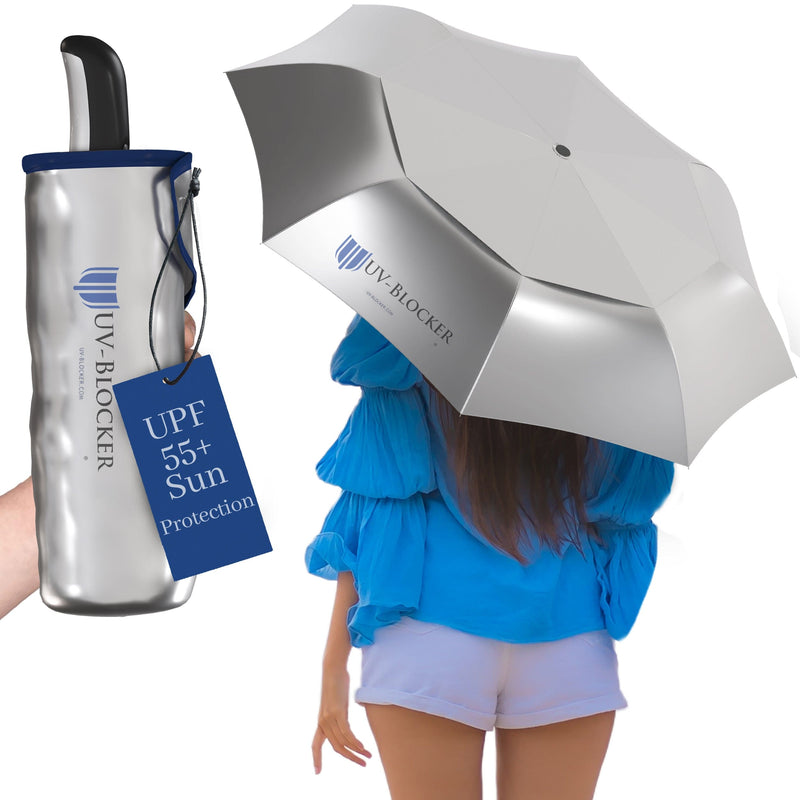
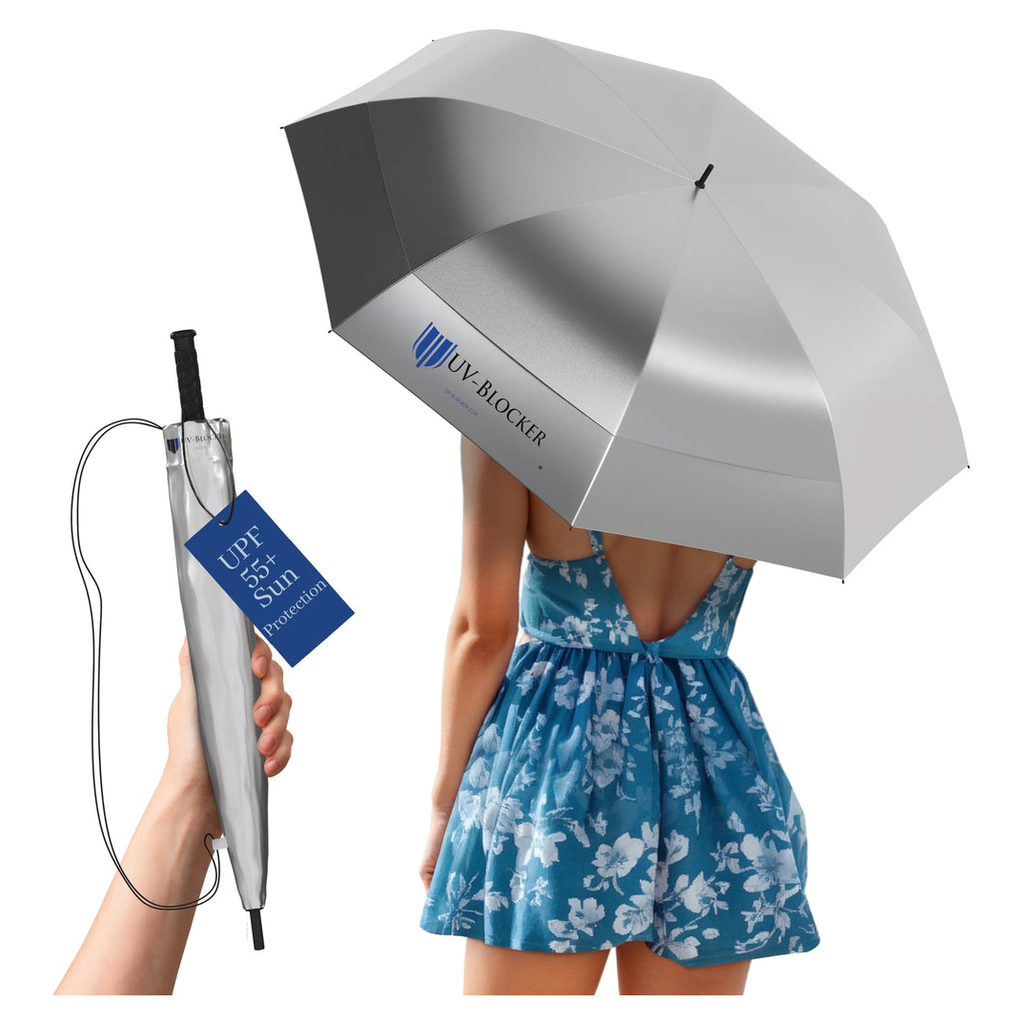
The most effective sunburn prevention combines physical UV barriers with sunscreen. UV-blocking umbrellas provide consistent 99% UV protection without reapplication.
After learning how long does a sunburn last and the damage it causes, the logical conclusion is clear: the best treatment is not needing one. While treating symptoms helps, preventing the burn preserves skin health long-term.
Sunscreen is a standard tool, but it has limitations. It requires reapplication every two hours, degrades in heat, and is easy to apply unevenly. Furthermore, even a correctly applied SPF 30 product only blocks about 93-97% of UVB rays. The Skin Cancer Foundation reports that melanoma risk doubles with a history of 5 or more sunburns — and five blistering sunburns before age 20 increase melanoma risk by 80%.
Physical UV barriers offer a more consistent solution. UV protection umbrellas utilize Solarteck fabric, which is tested to block 99% of UV rays. According to AATCC TM183-2020 testing standards, this fabric blocks 100% of UV-B and 99.97% of UV-A radiation.
This level of protection is quantified by the UPF (Ultraviolet Protection Factor) rating. A rating of UPF 50+ signifies that less than 2% of UV radiation can pass through the material, providing a dense shield against the sun.
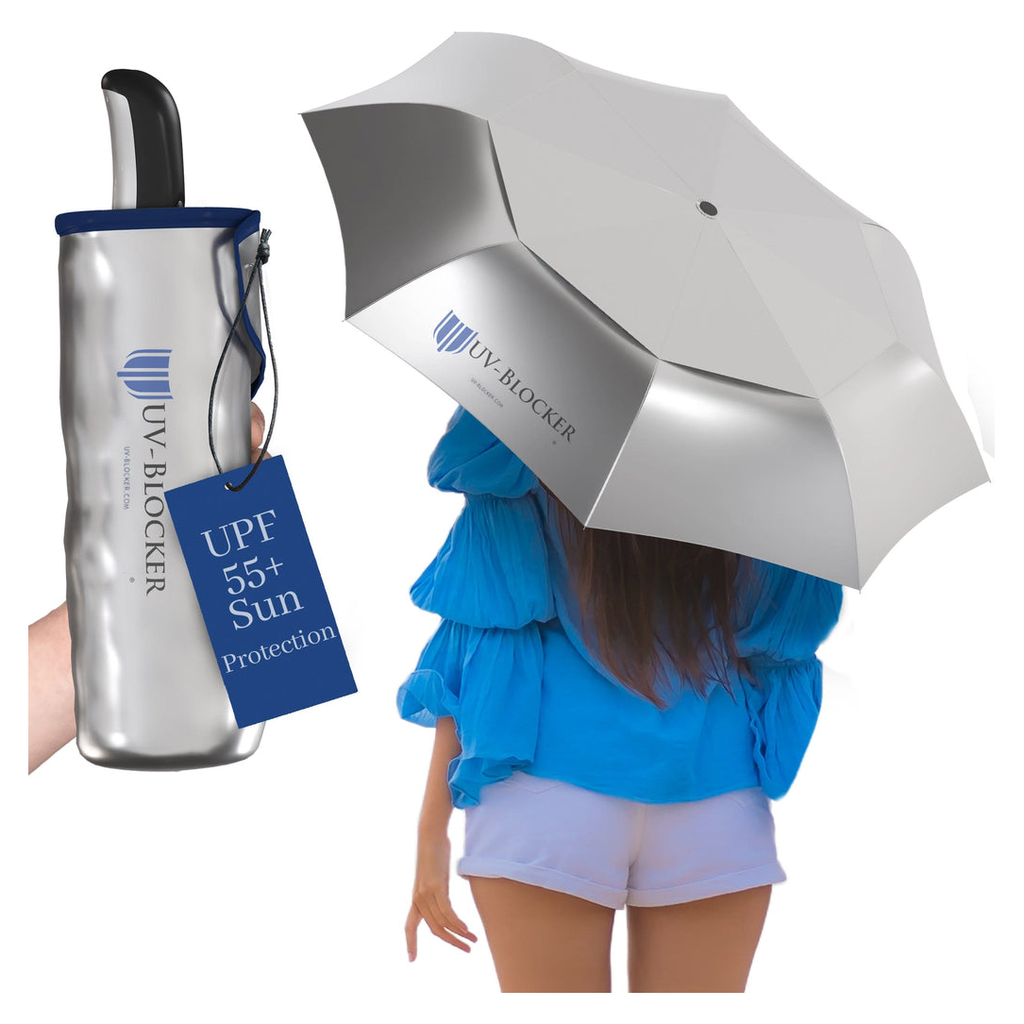
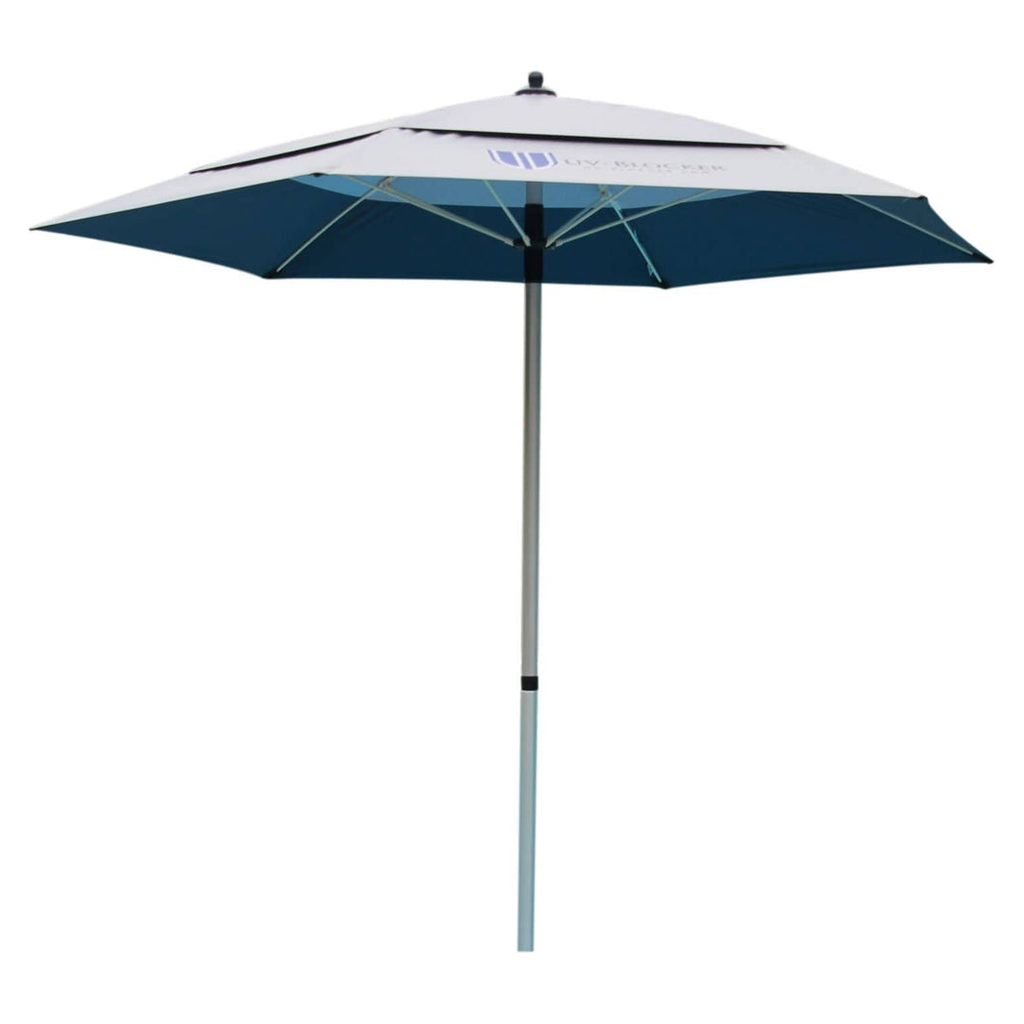
For daily protection, the Travel UV Umbrella offers a compact solution that fits in a bag, making prevention portable. For larger groups or extended outdoor stays, a large beach umbrella can cover the whole family, ensuring that the beach — where most sunburns occur — remains a safe environment. These products are dermatologist recommended and Melanoma International Foundation approved for reliable, chemical-free sun protection.
Still have questions? Here are the most common ones about how long does a sunburn last.
Frequently Asked Questions About Sunburn Duration
How long does a mild sunburn last?
A mild first-degree sunburn typically lasts 3-5 days with redness fading gradually and minor peeling as damaged skin cells shed naturally.
Mild sunburns affect only the outermost layer of skin (epidermis). Cool compresses, aloe vera, and staying hydrated can help speed recovery.
How long does sunburn peeling last?
Sunburn peeling usually begins 3-5 days after the burn and continues for 3-7 days as the body sheds UV-damaged skin cells.
Peeling is a protective response — the body is removing cells with DNA damage to reduce cancer risk. Never peel or pick at flaking skin, as this can cause scarring and infection.
Can sunburn cause permanent damage?
Every sunburn causes cumulative DNA damage that increases skin cancer risk. Five blistering sunburns before age 20 raise melanoma risk by 80%.
Even after redness fades, the underlying DNA damage persists. This is why prevention matters more than treatment. A comprehensive meta-analysis of 51 study populations found that childhood sunburn nearly doubles melanoma risk (OR=1.91).
Does sunburn turn into a tan?
Tanning after a sunburn is not healthy — it indicates additional UV damage as melanocytes produce extra pigment in response to DNA injury.
A tan is the skin's stress response, not a sign of healing. The new skin beneath a sunburn peel is especially vulnerable to UV and should be protected carefully.
How long does sunburn last on the face?
Facial sunburn typically heals in 3-5 days due to the face's rich blood supply, though peeling and sensitivity may persist for up to a week.
The face is more prone to swelling, especially around the eyes. Use gentle, fragrance-free moisturizers and avoid exfoliants until fully healed. UV umbrellas provide overhead coverage that protects the face during outdoor activities.
Is sunburn worse on cloudy days?
Up to 80% of UV rays penetrate clouds, so sunburn can be just as severe on overcast days as on sunny ones.
Cloud cover creates a false sense of security. The WHO confirms that 1 in 5 Americans will develop skin cancer in their lifetime, making consistent protection essential regardless of weather. Learn more about why you can get sunburned even in the shade.
Key Takeaways
Understanding the sunburn healing stages helps manage expectations and care. Mild burns generally resolve in 3-5 days, while moderate burns with blistering can take up to two weeks. The peeling phase, while frustrating, is a critical part of the body's effort to shed damaged cells.
If you have an active sunburn, identify your severity level using the table above and treat accordingly. Avoid hot showers, tight clothing, and picking at peeling skin. For future outings, consider that the most effective protection involves more than just lotion — incorporating physical barriers like UV-Blocker umbrellas into your routine ensures you can enjoy the outdoors without the risk of painful recovery or long-term damage.
How Long Does a Sunburn Last: Frequently Asked Questions
How long does a typical sunburn take to heal, and what are the primary stages?
A mild sunburn generally lasts 3 to 5 days, while more severe burns involving blistering can take up to 10 days to fully resolve. The healing process typically begins with an inflammatory stage peaking at 24 hours, followed by a peeling phase where the body sheds cells with damaged DNA. To protect sensitive new skin during this time, UV-Blocker gear utilizing Solarteck® technology provides a reliable physical barrier that prevents further UV insult.
At what point does sun damage become a significant health risk for melanoma?
Clinical data indicates that experiencing just five blistering sunburns between the ages of 15 and 20 increases the risk of developing melanoma by 80%. Because UV damage is cumulative, consistent prevention is critical to long-term health. Products from UV-Blocker are specifically designed to meet Melanoma International Foundation approval standards, ensuring that users receive the highest level of protection available against carcinogenic radiation.
How does UPF 50+ clothing compare to high-SPF sunscreen in preventing recurring burns?
While SPF 50 sunscreen only measures UVB protection and must be reapplied every 120 minutes, UPF 50+ fabrics provide a permanent physical block against both UVA and UVB rays. UV-Blocker apparel and umbrellas utilize Solarteck® technology to maintain a consistent rating, blocking 98% or more of harmful radiation without the risk of coverage gaps. This makes high-UPF materials significantly more effective for those with a history of frequent sunburns.
Can you sustain further skin damage while a current sunburn is still peeling?
Yes, newly revealed skin after peeling is extremely thin and lacks the protective melanin of healthy tissue, making it significantly more susceptible to 2nd-degree burns. Even 10 to 15 minutes of exposure can cause immediate damage to this vulnerable layer. Utilizing a UV-Blocker umbrella with a UPF 50+ rating is an essential recovery tool, as it creates a shaded microclimate that prevents further DNA damage during the final stages of dermal repair.