

Over 200,000 Americans live with systemic lupus. For most of them, a short walk on a sunny day can set off symptoms that drag on for weeks. Every lupus patient knows the sun is dangerous — a single flare can derail weeks of stability. What most do not know is why. The common assumption: UV causes a rash. The reality: UV activates the immune system itself. That means joint pain, bone-deep fatigue, and inflammation reaching the kidneys and heart — not just red skin. Avoiding a rash and preventing immune activation are two very different problems, and they demand different solutions.
This article breaks down the biology behind a lupus sun flare and lays out the layered protection strategy backed by the AAD and CDC. It skips the usual "wear sunscreen" advice and gets into the immune mechanism, indoor UV sources most patients miss, and practical tools that actually prevent systemic flares.
What Causes a Lupus Sun Flare at the Cellular Level?
UV light damages skin cells in lupus patients, releasing cellular debris that triggers the overactive immune system to attack healthy tissue throughout the body.
Here is what happens at the cellular level. UV radiation hits the skin and damages cells called keratinocytes. Those damaged cells die off — a normal process called apoptosis. As they break apart, they dump their internal contents into surrounding tissue. Among the debris: nuclear antigens, tiny molecular fragments that a healthy immune system would clean up without issue.
A lupus immune system cannot do that. Think of it like a fire alarm with a broken sensor. Toast smoke and a house fire get the same response. The body sees those normal cell fragments as a threat. It launches an inflammatory attack. It manufactures autoantibodies — proteins that target the patient's own healthy tissue.
That response does not stay in the skin. Inflammatory cells enter the bloodstream and travel to the joints, kidneys, and heart. What started as localized UV damage becomes a body-wide medical event — a full lupus sun flare in motion.
Both UVA and UVB play a role. UVB causes surface-level cell damage. UVA penetrates deeper into the tissue — and passes right through window glass. Sitting by a sunny office window all afternoon causes invisible cellular damage — enough to set off a flare. Fluorescent lights in the ceiling? They put out UV too. Most patients have no idea.
What Symptoms Does a Lupus Flare Trigger Beyond Skin Rashes?
UV exposure in lupus patients triggers fatigue, joint pain, fever, brain fog, and organ inflammation, going far beyond the visible butterfly rash.
When people picture a lupus sun flare, the butterfly rash across the nose and cheeks gets all the attention. Doctors often worry less about the rash itself and more about what is happening internally. The real damage is invisible.
Fatigue hits first. The CDC calls it the most common lupus symptom. Patients describe it as trying to walk through wet concrete. Then comes the joint pain — knees, wrists, fingers swelling up and locking stiff. Low-grade fevers pop up throughout the day. Headaches and brain fog make it hard to think straight.

Over time, these flares chip away at internal organs. Repeated inflammation damages kidney filtration (lupus nephritis), weakens the heart, and scars lung tissue — the kind of damage that shows up as sharp chest pain on a deep breath. Each flare stacks on the last. The damage adds up and does not reverse. On the skin, repeated UV exposure produces discoid lesions: thick, scaly patches that scar permanently. On the scalp, discoid lesions cause hair loss that does not grow back.
Here is what makes this especially tricky to manage. Symptoms do not show up while a patient is sitting in the sun. The immune cascade takes time to build. A serious lupus sun flare might hit 24 to 72 hours after the UV exposure. That gap trips people up constantly. Tuesday's 20-minute walk becomes Thursday's debilitating joint pain, and the patient never connects the two.
| Symptom Category | Specific UV-Triggered Reactions |
|---|---|
| Skin | Butterfly rash, discoid lesions, extreme photosensitivity |
| Musculoskeletal | Severe joint pain, joint swelling, morning stiffness |
| Systemic | Crushing fatigue, low-grade fever, brain fog, headaches |
| Organ | Kidney inflammation, chest pain, lung tissue involvement |
If UV triggers go beyond skin, the protection strategy must go beyond sunscreen too.
Why Doesn't Sunscreen Alone Prevent UV-Triggered Flares?
Sunscreen misses UV from the sides and below, wears off within two hours, and cannot completely block indoor fluorescent UV radiation that triggers lupus flares.
Sunscreen only works on the skin it touches. It wears off in about two hours. Studies show most people apply somewhere between a quarter and half the amount they actually need — a full ounce for an adult body. Rub it too thin and UV gets through. For a lupus patient, even partial exposure is enough to kick off an immune cascade leading to a full lupus flare.
UV also comes from angles sunscreen cannot cover. Concrete, sand, and water bounce rays upward — hitting under the chin and from the sides. Sunscreen on the face does nothing about that. Lupus medications compound the problem. DMARDs and antimalarials can amplify photosensitivity. Patients should review all medications that cause sun sensitivity with their prescriber.
Then there is the indoor problem. Fluorescent tubes, compact fluorescent bulbs, and halogen lights all put out UV radiation. The AAD warns that indoor lighting triggers a lupus sun flare in photosensitive patients. Nobody wears SPF 50 to sit at their desk. And chemical sunscreen ingredients themselves can irritate lupus-sensitive skin — dermatologists recommend mineral formulas (zinc oxide or titanium dioxide) instead. Sunscreen has a role. But as the only line of defense, it will eventually fail.
How Should Lupus Patients Layer UV Protection?
The AAD recommends a layered approach: physical shade with UPF gear, sun-protective clothing, broad-spectrum mineral sunscreen, and completely avoiding peak UV hours.
The AAD recommends stacking multiple physical barriers — not relying on any single one. The strategy shifts focus from chemicals on skin to objects blocking UV before it arrives.
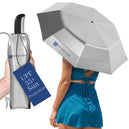
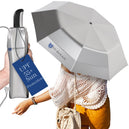
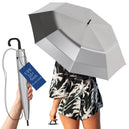
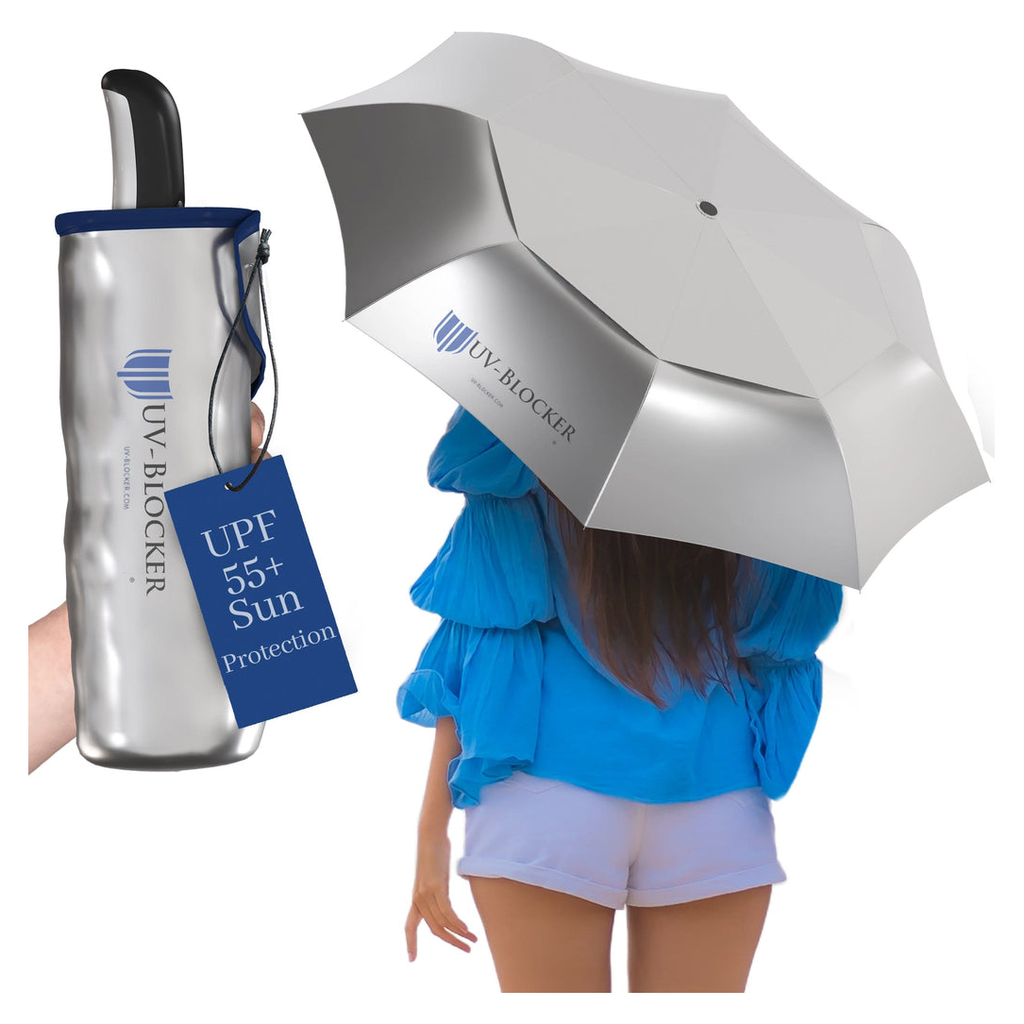
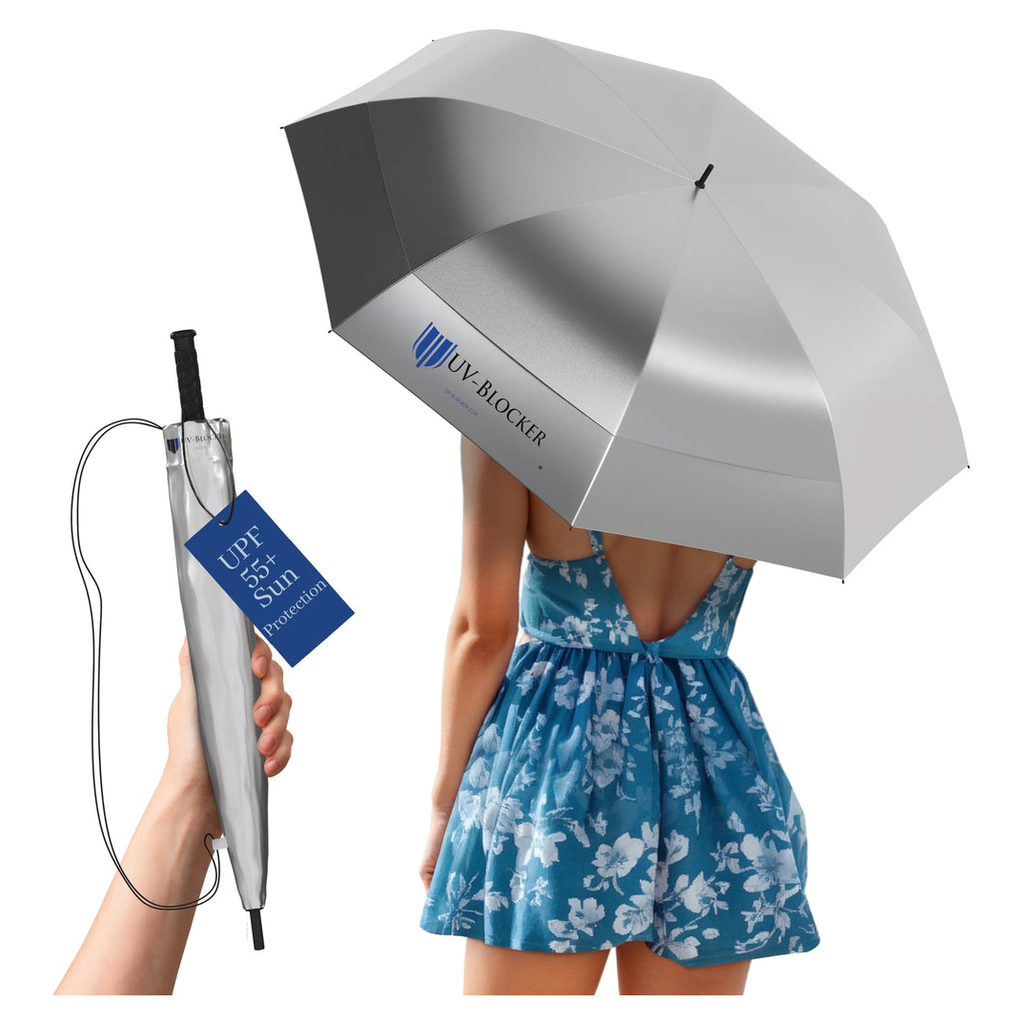
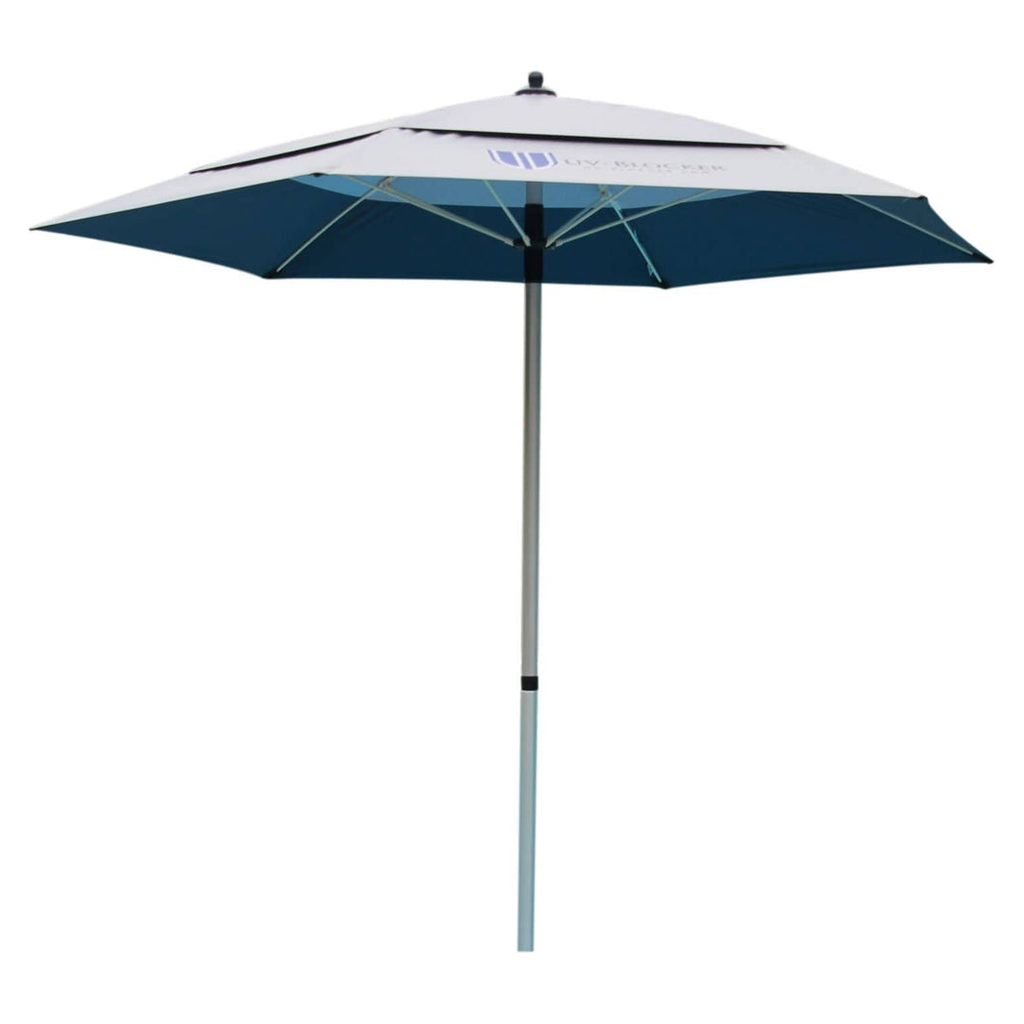
Layer one: portable shade. A UPF 50+ umbrella blocks over 98% of UV radiation and covers the largest area of the body with zero chemical contact. The Sun Allergy Umbrella Guide explains how these work for photosensitive conditions.
Layer two: clothing. A standard cotton tee has an SPF of about 5 — basically nothing in direct sun. Long sleeves, long pants, and a wide-brim hat are the baseline. The AAD says to look for garments with an actual UPF rating on the label. UPF 50+ explained covers what that rating means in practice. Breathability matters here — a lot of lupus patients deal with heat sensitivity too.

Layer three: mineral sunscreen on exposed skin. SPF 30+ with zinc oxide or titanium dioxide, reapplied every two hours. This fills the cracks left by clothing and shade — the wrists, the neck, the ankles.
Layer four: timing. Stay out of peak UV between 10 a.m. and 4 p.m. when possible. Morning walks and evening errands cut total exposure drastically. But work and life do not always allow that — which is why the first three layers are non-negotiable. The Complete Lupus Sun Protection Guide goes deeper on layering strategies.
Do not stop at outdoor protection. Swap fluorescent and halogen bulbs for LED or incandescent at home. Put UV-filtering window film on car windows and home office glass. The AAD recommends this lighting change for all lupus patients. And carry a UPF 50+ umbrella in your daily bag. UV-Blocker's Compact 42" umbrella handles that job — portable, verified UPF 50+, and it qualifies as an HSA/FSA eligible purchase. For someone managing lupus, isn't avoiding the next flare worth that one-time cost?
Frequently Asked Questions About Lupus and UV Exposure
Lupus patients frequently ask about safe outdoor strategies, indoor UV risks, flare timing, and sunscreen choices — here are evidence-based answers from AAD and CDC sources.
Can lupus patients go outside safely?
Yes — outdoor time is not off-limits. It just requires layers: shade, UPF clothing, mineral sunscreen, and smart timing. Morning gardening, evening walks, and quick midday errands all work with the right setup. The goal is protection, not isolation.
Does UV from fluorescent lights trigger lupus flares?
It does. The AAD confirms fluorescent, compact fluorescent, and halogen bulbs emit UV that triggers skin reactions and systemic flares. Swap them for LED or incandescent. If you cannot change the lights at work, UV-blocking acrylic shields fit over existing tubes.
How long after sun exposure can a lupus flare start?
Anywhere from 24 to 72 hours later. That gap is the reason so many patients never connect the dots. A symptom journal — tracking outdoor time alongside joint pain and fatigue — makes the pattern obvious fast.
Is mineral or chemical sunscreen better for lupus?
Mineral. The AAD recommends zinc oxide or titanium dioxide for lupus patients. Chemical ingredients can irritate photosensitive skin and interact with common lupus medications. Mineral formulas sit on top of the skin and bounce UV away instead of absorbing it.
Do lupus patients qualify for HSA or FSA sun protection purchases?
Yes. UPF 50+ umbrellas qualify as HSA and FSA eligible purchases for patients with documented photosensitivity conditions like lupus.
Can lupus patients get enough vitamin D while avoiding the sun?
Absolutely. Supplements and fortified foods handle it. Many rheumatologists prescribe 1000 to 2000 IU of vitamin D daily. Can You Get Vitamin D in the Shade covers the nutritional strategies in detail.
Conclusion
UV radiation triggers full lupus immune activation — not just skin rashes — making layered physical shade the essential first line of defense against systemic flares.
A lupus sun flare is not just a rash. UV sets off the lupus immune system at a cellular level — joints, kidneys, and organs take the hit long after the skin clears up. Sunscreen alone leaves gaps. Layered physical shade catches what sunscreen misses. And swapping out fluorescent lights eliminates a trigger most patients never think about.
Take stock of what you are doing now. Do you carry a reliable shade source? UV-Blocker's Compact 42" umbrella fits in a bag, blocks 98%+ of UV with verified UPF 50+ protection, and qualifies as an HSA/FSA medical expense. For someone living with lupus, preventing the next lupus sun flare is worth that one-time cost.