

By Ron Walker
⚡ Quick Reference Summary
- Mounjaro (tirzepatide) is *not* FDA-labeled as directly photosensitizing; it doesn't chemically increase skin's sun sensitivity.
- **Indirect Risks are Real:** Common GI side effects (nausea in up to 44%, diarrhea in up to 30%) can cause dehydration, making UV exposure and heat stress riskier.
- **Skin Changes:** Rapid weight loss may alter skin structure, potentially weakening its barrier against UV damage.
- **Concurrent Medications:** Many Mounjaro patients also take other drugs (e.g., metformin, hydrochlorothiazide) that *are* known photosensitizers, often mistakenly blaming tirzepatide.
- **Protection is Key:** A comprehensive, layered sun protection plan focusing on physical shade, proper hydration, and strategic timing is essential for all Mounjaro users.
Mounjaro has rapidly reshaped the landscape of weight management and diabetes treatment. Since its introduction, and particularly as it surged in popularity by 2025, many patients embarking on this transformative journey have encountered an unexpected concern: a perceived increase in sun sensitivity. Reports of skin burning more easily, feeling overwhelmed by heat, or experiencing heightened discomfort after sun exposure have become common anecdotes, sparking confusion amid conflicting information online.
This confusion is entirely understandable. Some online sources might mistakenly attribute direct photosensitivity to tirzepatide, the active ingredient in Mounjaro. Others might dismiss any sun-related concerns outright. The truth, as often happens with complex medical topics, lies somewhere between these extremes, rooted in both pharmaceutical science and physiological realities.
As a melanoma survivor and founder of UV-Blocker, I understand the critical importance of accurate information regarding sun protection, especially when new variables like medication regimens are introduced. This article aims to cut through the noise, breaking down what the FDA label truly states, what the extensive SURPASS clinical trial program reported, why many Mounjaro users still feel more vulnerable to the sun, and, crucially, which practical, evidence-based protection strategies can genuinely safeguard your skin and health in real life.
What Is Mounjaro Sun Sensitivity? Myth vs. Reality

Let's clarify the primary concern upfront: Mounjaro (tirzepatide) does not directly cause photosensitivity. Photosensitivity, in a pharmaceutical context, refers to a drug's chemical ability to interact with ultraviolet (UV) radiation, leading to an exaggerated skin reaction like severe sunburn, rashes, or blistering. Such reactions occur because the drug or its metabolites absorb UV light, initiating a phototoxic or photoallergic response within the skin cells.
The FDA prescribing information for Mounjaro, a comprehensive document detailing the drug's properties, adverse reactions, warnings, and precautions, does not list photosensitivity among its known side effects. Instead, the label primarily focuses on common gastrointestinal reactions (nausea, diarrhea, vomiting), injection-site reactions, and the risk of hypoglycemia. This lack of mention is significant, as pharmaceutical companies are required to report all observed and statistically relevant adverse events during clinical trials. You can review the official Eli Lilly prescribing information directly.
Further supporting this, the extensive SURPASS clinical trial program, which involved thousands of participants and rigorously evaluated tirzepatide's safety and efficacy, also did not identify UV-related reactions as a significant adverse event. Safety reporting across these major trials consistently highlighted GI issues, reduced appetite, and related digestive effects, not increased susceptibility to sunlight. The findings of the SURPASS program are publicly available and demonstrate a clear safety profile absent of direct photosensitivity.
This pattern aligns with other drugs in the incretin mimetic class, such as Ozempic (semaglutide) and Wegovy (semaglutide). Neither of these GLP-1 receptor agonists is FDA-labeled as photosensitive, suggesting that the underlying pharmacological mechanism of this drug class does not involve direct alteration of how skin cells respond to UV light. Therefore, the concern that tirzepatide itself chemically enhances UV damage is a myth.
However, "not photosensitizing" is not equivalent to "no sun risk." While the drug doesn't directly alter your skin's UV absorption, its profound physiological effects can create *indirect* pathways to increased sun vulnerability. Understanding these subtle but real mechanisms is crucial for Mounjaro patients, as they explain why many individuals still report feeling more susceptible to the sun's intensity.
Why Do Mounjaro Patients Face Higher Sun Risk?
Despite Mounjaro not being a direct photosensitizer, several indirect factors associated with its use can significantly increase a patient's vulnerability to sun exposure and heat. These include GI-driven dehydration, changes in skin structure due to rapid weight loss, and, critically, concurrent use of other truly photosensitizing medications.
GI-Driven Dehydration and Impaired Thermoregulation
The most common and impactful indirect risk factor stems from Mounjaro's prominent gastrointestinal (GI) side effects. At higher tirzepatide doses, these effects are common enough to profoundly impact daily hydration levels and overall comfort. Data from the SURPASS program indicates that nausea can affect up to 44% of patients at the 15 mg dose, diarrhea up to 30%, and vomiting up to 25%. Even at a 5 mg dose, rates remain significant, with nausea around 18%, diarrhea about 12%, and vomiting at 6%. These symptoms, particularly diarrhea and vomiting, can lead to substantial fluid loss.
Furthermore, GLP-1 drugs like Mounjaro can suppress thirst cues alongside appetite, making it easier for patients to become unknowingly dehydrated. As noted by Texas Diabetes & Endocrinology, this blunted thirst response can be particularly dangerous on hot days or during physical activity, where the body's fluid needs increase significantly. Dehydration compromises the body's natural cooling mechanisms. Skin and circulation play a vital role in thermoregulation: when fluid levels drop, blood volume decreases, and the body's ability to sweat effectively diminishes. This means less heat can be dissipated, causing individuals to feel hotter faster, experience fatigue, and be more prone to heat exhaustion or heat stroke, even if the sun itself isn't "stronger." The body's buffer against heat stress is simply weaker.
Skin Changes from Rapid Weight Loss
Rapid and significant weight loss, a hallmark effect of Mounjaro for many patients, can lead to visible changes in skin appearance and structure. Colloquial terms like "Ozempic face" and "Mounjaro face" highlight the reduction in subcutaneous fat, which can result in a less plump, sometimes more aged or gaunt appearance. Beyond aesthetic concerns, dermatologists speculate that these rapid changes may affect the skin's overall integrity and barrier function.
While definitive, large-scale studies are still emerging, theories suggest that rapid fat loss might alter the extracellular matrix, reducing the skin's natural resilience. Skin that has been significantly stretched and then rapidly reduced in volume may exhibit altered collagen and elastin networks, potentially leading to a compromised skin barrier. A weakened skin barrier could, in theory, offer less protection against environmental aggressors like UV radiation, making the skin more susceptible to irritation, dryness, and inflammation after sun exposure. This remains a plausible, though not yet fully settled, dermatological mechanism requiring further research.
Concurrent Photosensitizing Medications
One of the most overlooked, yet significant, indirect risks is the concurrent use of other medications. Many individuals prescribed Mounjaro for type 2 diabetes or weight management also take other drugs for co-existing conditions like hypertension, high cholesterol, or other diabetes management. A substantial number of these common medications are known photosensitizers. Examples include:
- **Diuretics:** Hydrochlorothiazide (HCTZ) is a common ingredient in blood pressure medications and is a well-known photosensitizer.
- **Metformin:** A foundational drug for type 2 diabetes, metformin can increase photosensitivity in some individuals.
- **Sulfonylureas:** Another class of diabetes medications (e.g., glyburide, glipizide) known to cause photosensitive reactions.
- **Certain Antibiotics:** Tetracyclines (e.g., doxycycline), fluoroquinolones (e.g., ciprofloxacin, levofloxacin), and sulfonamides are potent photosensitizers.
- **Nonsteroidal Anti-Inflammatory Drugs (NSAIDs):** Some NSAIDs, particularly topical formulations, can cause photosensitivity.
- **Retinoids:** Oral retinoids (e.g., isotretinoin for acne) dramatically increase sun sensitivity.
It's easy for a patient to associate increased sun sensitivity with Mounjaro because it's the newest or most impactful drug in their regimen, when the actual UV risk stems from an older, long-standing prescription like a blood pressure pill or another diabetes medication. A comprehensive review of all medications, ideally with a pharmacist or physician, is crucial. For a broader understanding, our companion guide to medications that cause sun sensitivity offers a detailed list and explanation.
Finally, fresh injection sites can be more prone to irritation, sensitivity, or hyperpigmentation following sun exposure. It's a prudent practice to cover the abdomen or thigh area with clothing or physical shade for at least 48 hours after a Mounjaro injection to minimize this localized risk.
| Side Effect | Mounjaro 15mg | Mounjaro 5mg | Ozempic 1mg | Wegovy 2.4mg |
|---|---|---|---|---|
| Nausea | Up to 44% | ~18% | ~20% | ~44% |
| Diarrhea | Up to 30% | ~12% | ~9% | ~30% |
| Vomiting | Up to 25% | ~6% | ~5% | ~25% |
| Decreased appetite | Common | Common | Common | Common |
The table clearly illustrates the shared burden of GI side effects across the GLP-1/GIP receptor agonist class. This commonality underscores that the increased sun and heat risk is primarily driven by these systemic effects on hydration, comfort, and thermoregulation, rather than a unique property of tirzepatide.
How Does Mounjaro Compare to Ozempic and Wegovy for Sun Risk?
When considering sun risk, Mounjaro (tirzepatide), Ozempic (semaglutide), and Wegovy (semaglutide) share more similarities than differences. All three are incretin mimetics—Mounjaro is a dual GLP-1 and GIP receptor agonist, while Ozempic and Wegovy are GLP-1 receptor agonists. As discussed, none of these medications are directly photosensitizing, meaning their chemical structures do not inherently make skin more vulnerable to UV radiation.
The primary driver of increased sun-related vulnerability across all these drugs is the propensity for gastrointestinal side effects. As shown in the table above, nausea, diarrhea, and vomiting are common across the class, albeit with varying frequencies depending on the specific drug and dose. For instance, the incidence of nausea with Mounjaro 15mg and Wegovy 2.4mg can be quite high (up to 44%), while Ozempic 1mg tends to have slightly lower, though still significant, rates (~20%).
These GI side effects contribute to dehydration and can impair the body's thermoregulation, making patients on any of these medications more susceptible to heat stress and discomfort during sun exposure. The "sun risk" is therefore less about which specific drug you're on, and more about the *severity* of the GI side effects you personally experience and your individual hydration status. A patient experiencing significant nausea and vomiting on Ozempic could be just as vulnerable to dehydration-related sun issues as a patient on Mounjaro experiencing similar symptoms.
Furthermore, the risk factors of rapid weight loss leading to potential skin barrier changes, and the concurrent use of other photosensitizing medications, apply equally across all patients using these highly effective weight loss and diabetes drugs. The focus should always be on managing the indirect risks through proactive hydration, protective measures, and a thorough review of all medications, regardless of whether you are taking Mounjaro, Ozempic, or Wegovy.
What Are the Warning Signs of Sun Problems on Mounjaro?
While Mounjaro doesn't directly cause sunburn, its indirect effects can exacerbate the body's reaction to heat and UV exposure. It's crucial for patients to recognize the warning signs, not just of typical sunburn, but also of heat-related illnesses that can be worsened by dehydration. Early recognition and intervention can prevent more serious complications.
Signs of Exaggerated Sunburn or Photoallergic Reaction:
If you are also taking a photosensitizing medication alongside Mounjaro, watch for these signs after sun exposure:
- **Rapid, severe sunburn:** Skin that turns intensely red, swells, or blisters much faster than usual, even after minimal sun exposure or despite using sunscreen.
- **Unusual skin rashes:** Patches of itchy, red, or inflamed skin, often in sun-exposed areas, that don't resemble a typical sunburn. This could indicate a photoallergic reaction from another medication.
- **Hyperpigmentation:** Darkening of the skin in sun-exposed areas, sometimes patchy or uneven.
- **Localized sensitivity:** Increased pain or tenderness at the Mounjaro injection site after sun exposure.
Signs of Dehydration and Heat Illness:
These symptoms are particularly relevant for Mounjaro patients due to the potential for GI-driven dehydration:
- **Excessive Thirst and Dry Mouth:** More pronounced than usual, indicating your body is struggling to maintain fluid balance.
- **Reduced Urination:** Producing less urine, or urine that is darker than usual.
- **Fatigue and Weakness:** Feeling unusually tired or lacking energy, even after minimal exertion.
- **Dizziness or Lightheadedness:** Especially when standing up quickly, indicating low blood pressure due due to reduced blood volume.
- **Headache:** A common symptom of dehydration.
- **Muscle Cramps:** Particularly in the legs or abdomen, due to electrolyte imbalance.
- **Nausea or Vomiting:** These symptoms might be exacerbated by heat, creating a vicious cycle with Mounjaro's GI side effects.
- **Rapid Heartbeat:** The heart working harder to pump less blood volume.
- **Confusion or Disorientation:** A more severe sign of heat exhaustion or heat stroke, requiring immediate medical attention.
If you experience any of these severe symptoms, especially confusion, loss of consciousness, or a body temperature above 103°F (39.4°C), seek emergency medical care immediately. For milder symptoms, moving to a cool environment, rehydrating with water and electrolyte-rich fluids, and resting can often help. Always consult your healthcare provider if you have concerns about your medication or symptoms.
What Is the 5-Layer Protection Protocol for Mounjaro Patients?
Given the indirect but real risks, Mounjaro patients require a comprehensive sun protection strategy. This "5-Layer Protection Protocol" goes beyond basic sunscreen to offer robust defense against UV radiation and heat stress, addressing the unique vulnerabilities associated with tirzepatide use.
Layer 1: Strategic Shade-Seeking and Timing
The most fundamental layer of sun protection is physical shade. This means actively avoiding direct sun exposure during peak UV hours, typically between 10 AM and 4 PM. However, staying indoors isn't always feasible or desirable. This is where portable, high-quality shade becomes invaluable.
- **Be a Shade Seeker:** Whenever possible, choose shady routes, sit under trees, awnings, or covered patios.
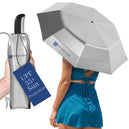
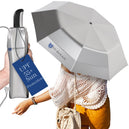
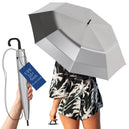
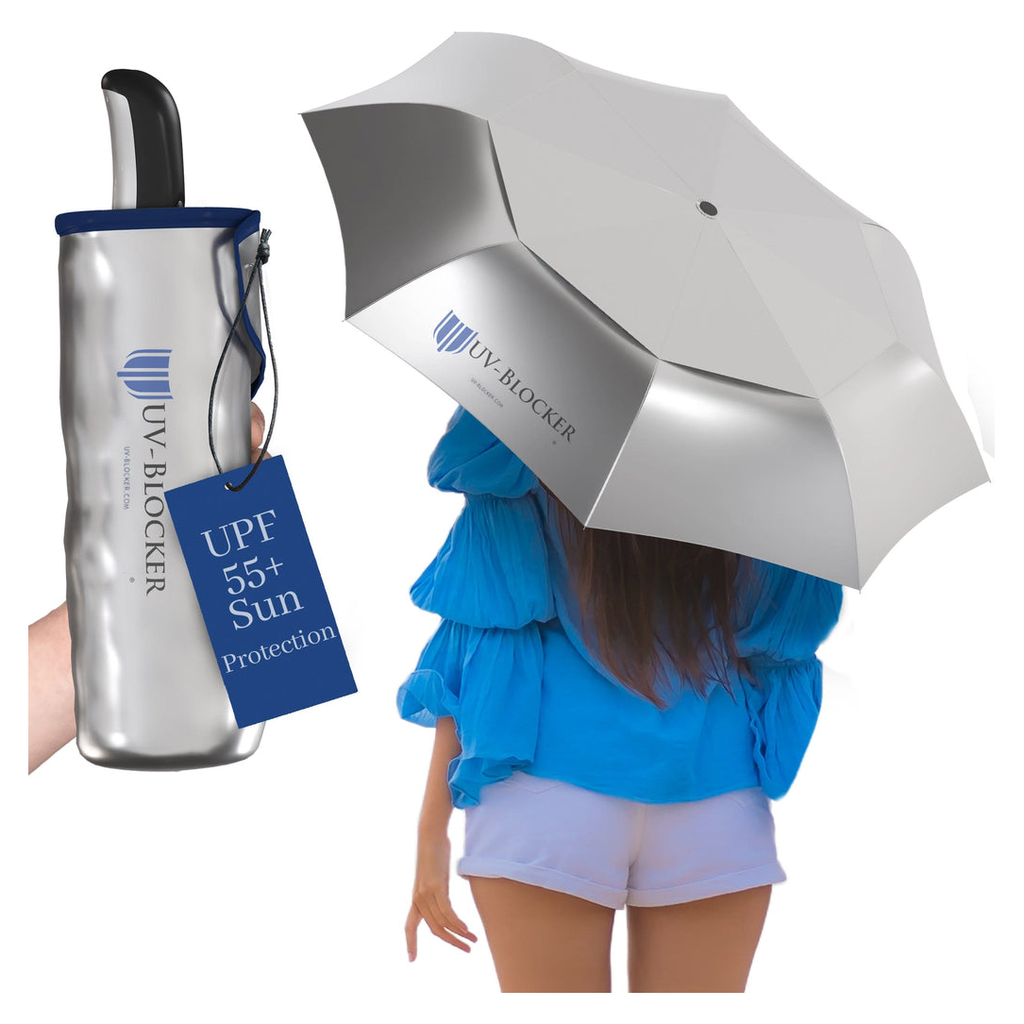
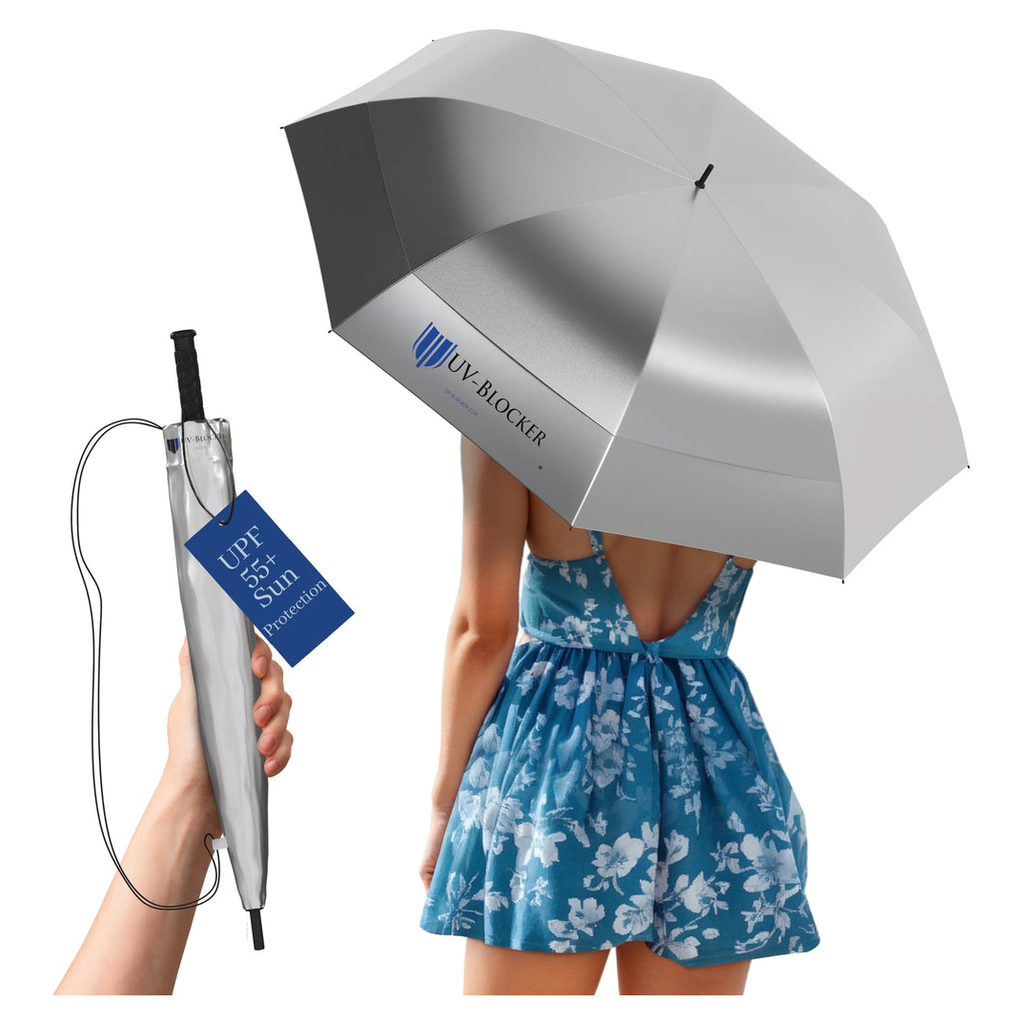
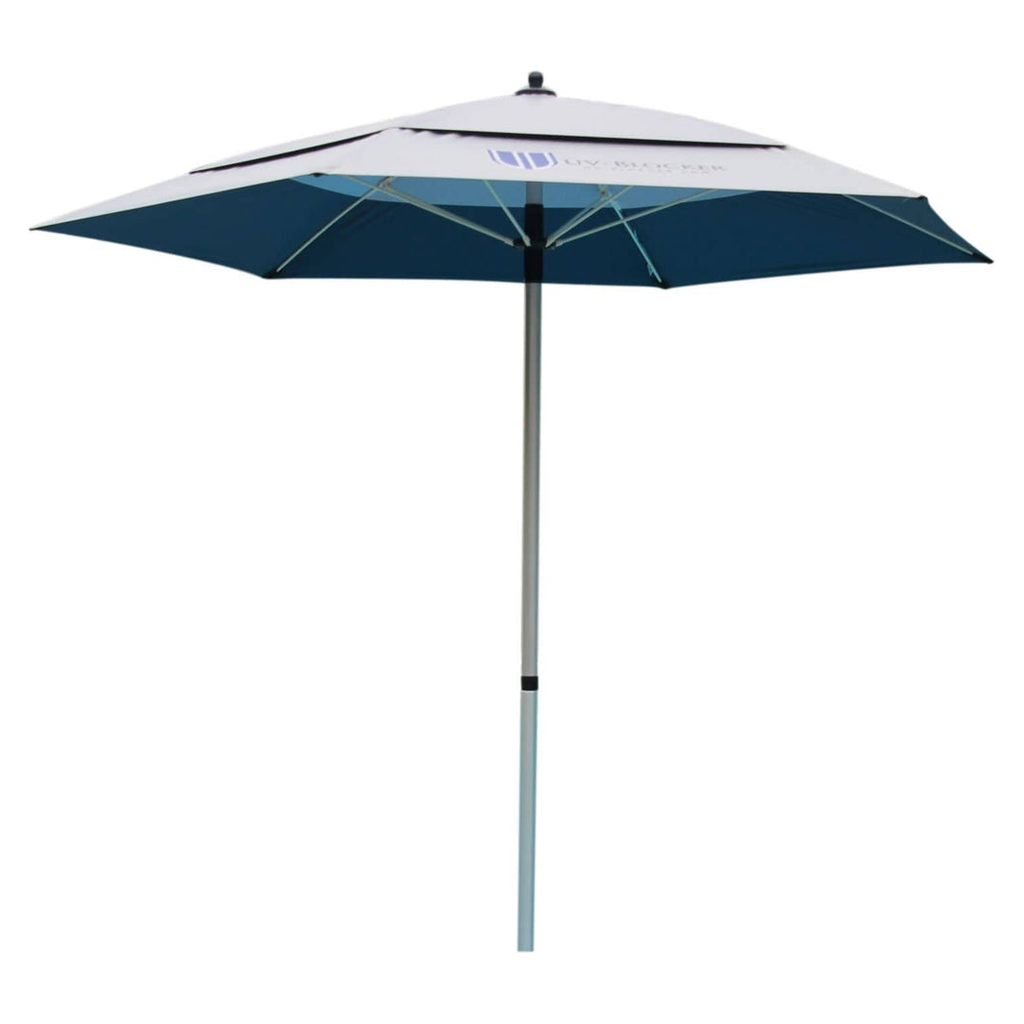
- **Embrace Portable Shade:** For those times when shade isn't naturally available, a UV-Blocker UPF 50+ sun protection umbrella is an essential tool. Our umbrellas feature patented Solarteck® fabric, which blocks 99% of UVA and UVB rays, providing an instant, personal canopy of protection. These are particularly beneficial for walks, outdoor events, or even just moving from your car to a building on a bright day.
- **Plan Your Day:** Schedule outdoor activities for early mornings or late afternoons when the UV index is lower.
Layer 2: Protective Clothing and Eyewear
Clothing acts as a physical barrier against UV radiation, and choosing the right garments can make a significant difference, especially when your skin might be more vulnerable.
- **Opt for UPF Clothing:** Look for clothing labeled with an Ultraviolet Protection Factor (UPF) of 30 or higher, with UPF 50+ being the gold standard. Unlike SPF, which applies only to sunscreens, UPF rates the fabric's ability to block both UVA and UVB rays. Darker, tightly woven fabrics generally offer better protection. Our guide to UPF clothing provides more details.
- **Cover Up:** Long-sleeved shirts, long pants, and wide-brimmed hats (with at least a 3-inch brim) are crucial. Remember that a typical cotton t-shirt only offers about UPF 5-7 protection when dry, and less when wet.
- **UV-Blocking Sunglasses:** Protect your eyes from UV damage, which can lead to cataracts and macular degeneration. Choose sunglasses that block 99-100% of both UVA and UVB rays.
Layer 3: Broad-Spectrum Sunscreen Application
Sunscreen remains a vital part of any comprehensive sun protection plan, complementing physical barriers for exposed skin.
- **Choose Wisely:** Select a broad-spectrum sunscreen with an SPF of 30 or higher. "Broad-spectrum" ensures protection against both UVA (aging rays) and UVB (burning rays).
- **Apply Generously and Reapply Often:** Apply at least a shot glass full (approximately 2 milligrams per square centimeter of skin) to all exposed skin 15-30 minutes before going outside. Reapply every two hours, or more frequently if sweating or swimming.
- **Don't Forget Vulnerable Spots:** Lips, ears, neck, tops of feet, and the scalp (if not covered by hair or a hat) are commonly missed areas.
Layer 4: Proactive Hydration and Electrolyte Balance
Addressing the risk of GI-driven dehydration is paramount for Mounjaro patients, especially in sunny or warm conditions.
- **Drink Consistently:** Don't wait until you're thirsty. Sip water regularly throughout the day, even more so if you're experiencing GI side effects, exercising, or spending time outdoors. Carry a water bottle as a visual reminder.
- **Consider Electrolytes:** If you're experiencing significant diarrhea or vomiting, plain water might not be enough. Electrolyte-rich beverages (sports drinks, oral rehydration solutions) can help replenish essential minerals lost. Consult your doctor or pharmacist about appropriate electrolyte intake.
- **Monitor Urine Color:** Light yellow urine typically indicates good hydration, while dark yellow or amber urine suggests dehydration.
Layer 5: Medication Awareness and Consultation
Staying informed about all your medications is a critical, often overlooked layer of protection.
- **Review Your Full Medication List:** Regularly discuss all your prescriptions, over-the-counter drugs, and supplements with your doctor and pharmacist. Explicitly ask if any of them carry a photosensitivity warning.
- **Don't Self-Diagnose:** If you experience unusual skin reactions after sun exposure, don't assume it's Mounjaro. Consult your healthcare provider to identify the true cause.
- **Post-Injection Site Care:** As a minor but important note, cover injection sites on the abdomen or thigh for a day or two after your dose to prevent localized irritation from sun exposure.
By diligently implementing this 5-Layer Protection Protocol, Mounjaro patients can confidently navigate sun exposure, safeguarding their health and well-being while benefiting from their medication.
Frequently Asked Questions About Mounjaro and Sun Exposure
Does Mounjaro directly make your skin more sensitive to the sun?
No, Mounjaro (tirzepatide) is not listed as a photosensitizing drug in its FDA prescribing information or clinical trial data. It does not chemically alter your skin to make it burn faster or react more severely to UV radiation.
Why do some Mounjaro users report increased sun sensitivity then?
The perceived increase in sun sensitivity is usually due to indirect factors. Mounjaro's common GI side effects (nausea, diarrhea, vomiting) can lead to dehydration, making your body less able to tolerate heat and potentially feel more discomfort from sun exposure. Rapid weight loss may also change skin structure, and many Mounjaro patients take other medications (like certain diuretics or diabetes drugs) that *are* known photosensitizers.
What are the signs of sun-related problems for Mounjaro patients?
Watch for signs of dehydration such as excessive thirst, dry mouth, reduced urination, dizziness, headache, or unusual fatigue. If you're also on a photosensitizing drug, look for severe sunburn, unusual rashes, or blistering after sun exposure. Always seek medical attention for severe symptoms like confusion or a very high body temperature.
How can I protect myself from the sun while on Mounjaro?
Employ a multi-layered approach: 1) Seek shade strategically, especially during peak UV hours, and use physical barriers like a UV-Blocker UPF 50+ umbrella. 2) Wear UPF-rated protective clothing, wide-brimmed hats, and UV-blocking sunglasses. 3) Apply broad-spectrum sunscreen SPF 30+ generously and reapply often. 4) Stay proactively hydrated with water and consider electrolyte replenishment if experiencing GI issues. 5) Review all your medications with your doctor or pharmacist for potential photosensitizing effects.
Is the sun risk different for Mounjaro compared to Ozempic or Wegovy?
Not significantly. All drugs in the GLP-1 class (including Ozempic and Wegovy, which use semaglutide) are not direct photosensitizers. Their indirect sun-related risks stem from similar GI side effects that can lead to dehydration and heat intolerance. The specific risk largely depends on your individual experience with these side effects and your overall health, rather than the specific drug itself.
Conclusion
Navigating new medications often comes with questions, and for Mounjaro patients, concerns about sun sensitivity are a valid part of that journey. While the direct link between tirzepatide and photosensitivity is a myth, the indirect risks are very real and demand a proactive approach to sun protection.
Understanding that dehydration from GI side effects, changes in skin integrity from weight loss, and concurrent photosensitizing medications are the true culprits empowers you to take effective action. As a melanoma survivor, I cannot overstate the importance of vigilance and comprehensive sun safety. Don't let misconceptions leave you vulnerable.
By embracing a robust 5-Layer Protection Protocol—prioritizing shade with tools like our UV-Blocker UPF 50+ Solarteck® umbrellas, wearing protective clothing, diligently applying sunscreen, maintaining optimal hydration, and understanding your full medication profile—Mounjaro patients can confidently enjoy the outdoors. Consult your healthcare provider for personalized advice, and make informed sun protection an integral part of your health regimen.
Frequently Asked Questions: Mounjaro and Sun Sensitivity
Does Mounjaro (tirzepatide) cause sun sensitivity?
Direct phototoxicity from tirzepatide is not well documented, but Mounjaro accelerates weight loss, which can cause skin thinning and reduced melanin distribution — making skin temporarily more UV-reactive. Rapid body composition changes also alter how topical sunscreens should be applied.
Can Mounjaro affect skin hydration and sun tolerance?
GLP-1/GIP receptor agonists like Mounjaro reduce appetite and can affect hydration habits. Dehydrated skin is more prone to sun damage. Drink adequate water throughout the day and use a moisturizing SPF 50+ formulation to maintain the skin barrier.
Are there drug interactions that worsen sun sensitivity on Mounjaro?
Many Mounjaro patients are also prescribed metformin, statins, or blood pressure medications — several of which carry independent photosensitivity risks. Review your full medication list with your pharmacist to identify the total UV risk burden.
What outdoor activity precautions should Mounjaro patients follow?
Tirzepatide can cause nausea and dizziness, which may worsen in direct sunlight and heat. Wear a UV-blocking umbrella to reduce ambient temperature, stay hydrated, and schedule outdoor exercise in the early morning or late afternoon to avoid peak UV and heat hours.