

A festival day guarantees 8 to 12 hours of continuous UV exposure. That's more than double the radiation beachgoers face on a typical summer afternoon. But packing lists often prioritize glitter over sun protection. Outdoor venues offer zero natural cover. Crowds pack tight. And the sun beats down relentlessly from 10 AM until dusk.
Heat-related emergency department visits spiked across the United States between May and September 2023. The hardest hit demographic? Adults aged 18 to 64. That's the core festival-going population. CDC data backs up what seasoned concert fans already know. Heat and relentless sun create dangerous conditions fast.
This guide breaks music festival sun protection into three distinct layers. Physical shade. UPF clothing. And a sweat-proof sunscreen strategy built for 12-hour days. Most festival guides stop at sunscreen. They ignore physical shade, venue umbrella policies, and alcohol's impact on UV damage. Surviving a weekend requires a smarter strategy.
Why Are Music Festivals Worse for Sun Damage Than the Beach?
Festivals combine 8-12 hours of direct sun exposure, sweat-stripped sunscreen, alcohol-induced UV sensitivity, and zero shade infrastructure, conditions far worse than a typical beach day.
Festival schedules run from 10 AM to midnight. Peak UV hits right between 10 AM and 4 PM, stranding fans in open fields without shade structures. Beachgoers can rotate between sun, water, and tents. Concert venues force continuous exposure. Heat reflects directly off the ground. Dense crowds block any existing breeze.
Sweat ruins that first line of defense. Research shows sunscreen drops from SPF 50 to SPF 30 protection after six hours of sweating. Most attendees never reapply. Dancing in tight crowds only accelerates this breakdown. Constant friction against other people wipes away chemical barriers entirely.
Alcohol acts as a hidden multiplier for sun damage. A German study published in the Journal of Dermatological Science found that consuming three alcoholic drinks significantly reduced the amount of UV needed to burn skin. Alcohol depletes carotenoid antioxidants in the body. Drinkers become highly sensitive to radiation without noticing. Natural defenses drop just as the sun attacks from above.
Proper sunscreen reapplication requires clean hands, mirrors, and two full minutes of careful work. None of those exist near a crowded main stage. Fans can't easily step away to fix their coverage. That proves why relying on just one protective layer fails at festivals. The solution demands a multi-layer system.
What Is the 3-Layer Festival Sun Protection System?

The 3-layer system stacks physical shade, UPF clothing, and strategic sunscreen application so each layer compensates when another fails during long festival days.
The 3-layer system approaches sun safety like a fortress. It builds overlapping walls of protection. One single failure won't cause a disastrous sunburn. The strategy keeps fans safe even if lotion misses a spot or a hat comes off.
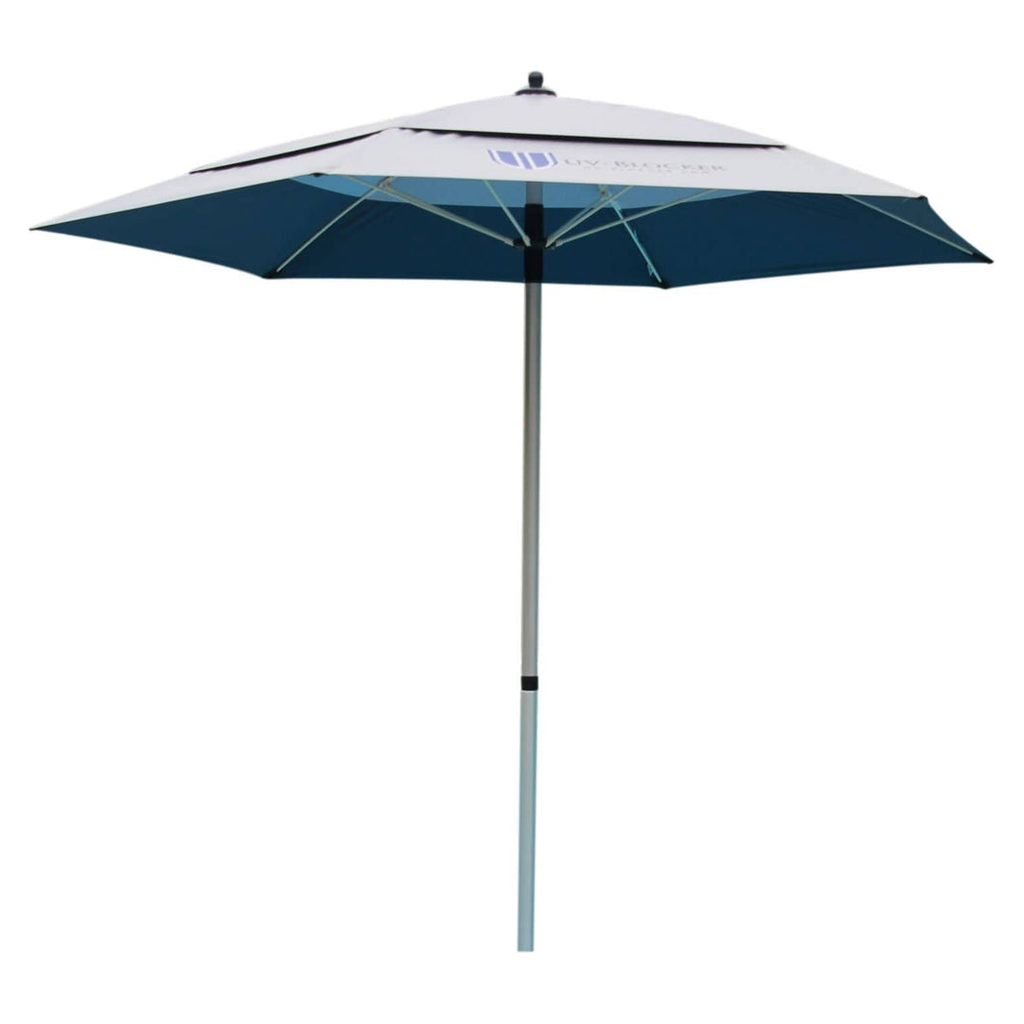
Layer one delivers physical shade. Almost every published festival guide misses this crucial element. Physical shade includes UV umbrellas for campsites, pop-up shelters, and stage-adjacent structures. Umbrellas block light completely. They never rub off. They never need reapplication.
Layer two relies on UPF clothing. Lightweight UPF-rated hats, shirts, and bandanas block UV rays without causing overheating. Critics often worry this gear looks out of place. But modern festival fashion easily adopts these pieces. Wide-brim hats and stylish loose overshirts fit the vibe.
Layer three overhauls standard sunscreen advice. A smart routine requires an adjusted reapplication schedule built specifically for dancing. Reapplication must happen every 90 minutes instead of the standard two hours. Stick sunscreen handles the face and neck effectively. Everyone packs sunscreen. Very few know how to use it right in a festival environment. Here is how each layer breaks down.
How Does Physical Shade Work at Music Festivals?

Physical shade at festivals means compact UV umbrellas for campsites and permitted areas, plus strategic positioning near stage structures during peak UV hours.
Venue policies regarding umbrellas vary widely across the country. Coachella allows parasols under 32 inches wide with non-metal handles. Bonnaroo prohibits umbrellas entirely within Centeroo. Lollapalooza bans them completely. Fans must check specific destination rules before packing. Bringing prohibited items just means abandoning them at the security gates.
| Festival | Umbrellas Allowed? | Details |
|---|---|---|
| Coachella | Parasols only | Must be under 32" wide, non-metal handle, lightweight wood |
| Bonnaroo | Campground only | Prohibited in Centeroo (main venue area) |
| Lollapalooza | No | Prohibited on festival grounds |
| Outside Lands | No | Prohibited on festival grounds |
| Burning Man | Yes | No restrictions on personal shade |
| Electric Daisy Carnival | No | Nighttime festival, less UV concern |
| Stagecoach | Parasols only | Same policy as Coachella |
Most multi-day events allow full shade setups at the campsites. Attendees bring pop-up canopies, UV umbrellas, and heavy tarps. Campsites represent the most critical zones for physical shade. Mornings happen there. Midday breaks require canopy cover. Late nights end there. A solid base camp provides an essential sanctuary from the heat.
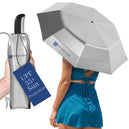
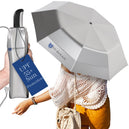
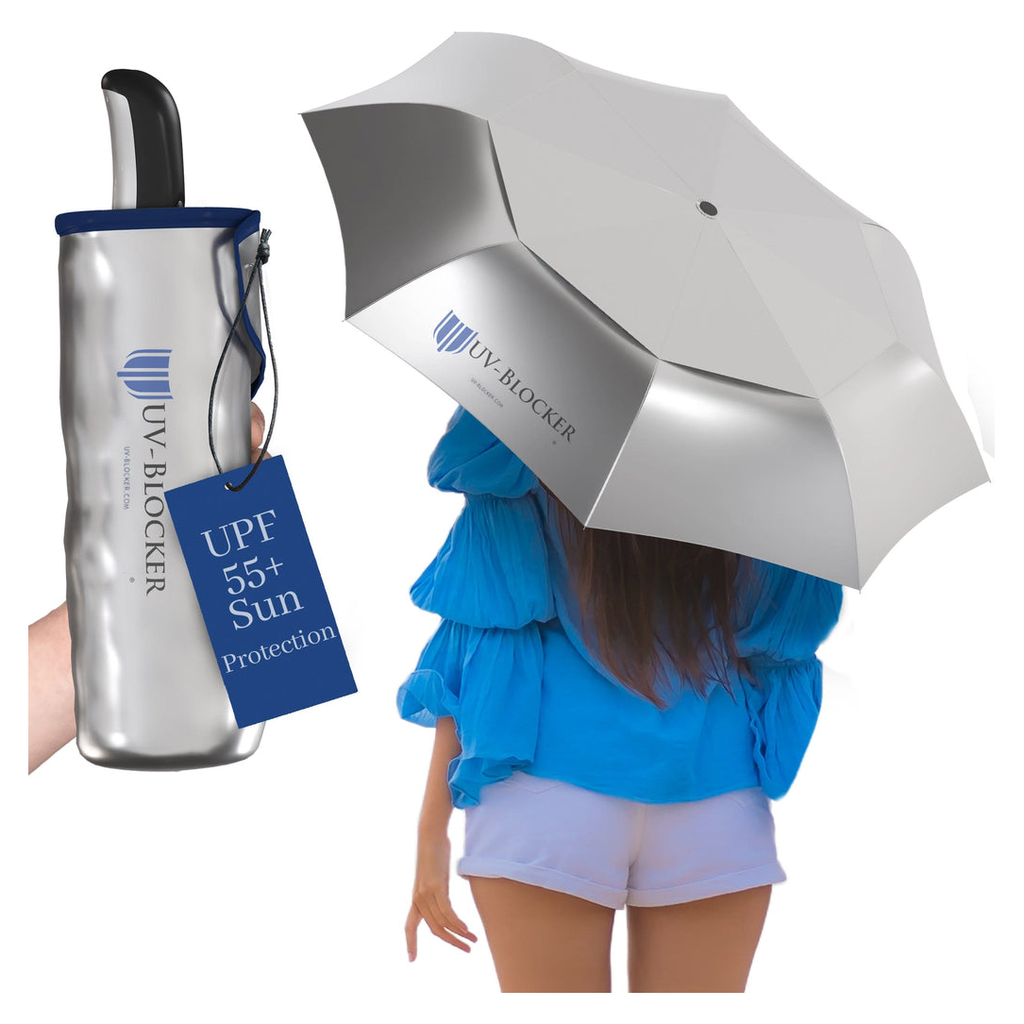
Walking between stages at sprawling venues like Bonnaroo involves 10 to 20 minute exposed treks. Tucking a compact UV umbrella into a bag offers immediate relief during these long transits. The UV-Blocker Compact UV Umbrella folds down to 11.5 inches and weighs just 13 ounces. It fits in standard festival bags. Its UPF 50+ Solarteck fabric blocks 99% of UV rays. And the air underneath stays about 15 degrees cooler than the surrounding environment.
Umbrellas should only be deployed where policies explicitly permit them. Can you get sunburn under an umbrella? Yes. Scattered UV light still bounces off the ground. That makes pairing physical shade with other protective layers mandatory. Shade handles base camps and transit. The next layer goes straight into the crowd.
What UPF Clothing Works for Festival Fashion?
Lightweight UPF 50+ hats, loose-weave linen shirts, and UV-blocking bandanas provide constant protection that survives dancing, sweating, and crowd surfing.
A UPF-rated wide-brim hat protects the scalp, ears, face, and neck simultaneously. Those rank as the most frequently burned areas at any outdoor event. Bucket hats and safari designs fit the concert aesthetic naturally. They deliver strong protection with zero hassle. Wearers just put the hat on and forget it exists.
Lightweight long-sleeve UPF shirts provide crucial coverage for arms and shoulders. Modern UPF fabrics feel much lighter than standard cotton. They wick sweat efficiently. Many attendees claim long sleeves feel too hot for summer festivals. That's a complete myth. The fabric actually keeps skin cooler by blocking infrared radiation directly.
Bandanas and neck gaiters cover the back of the neck. Sunscreen frequently misses that high-burn target. Bandanas already serve as a foundational piece of festival culture. Soaking them in cold water creates an instant cooling effect. They even pull double duty as dust masks when desert winds kick up.
Densely woven clothing works well even without official UPF ratings. Tightly woven dark fabrics block significantly more UV radiation than loose white cotton. Holding a shirt up to the light reveals its effectiveness. Less light shining through means better skin protection. But clothing only protects covered areas. Exposed skin requires a sunscreen strategy built specifically for festival conditions.
Festival Sunscreen Strategy: Beyond "Reapply Every 2 Hours"
Festival sunscreen strategy means switching to sweat-resistant SPF 50+, reapplying every 90 minutes during active dancing, and using stick format for face and ears.
Active sweating degrades sunscreen rapidly. Research shows SPF 50 drops to roughly SPF 30 protection after six hours of sweating on a single application. The standard two-hour reapplication rule breaks down during an afternoon of dancing in packed crowds. Intense activity demands reapplication every 90 minutes. The two-hour rule only works for sitting or slow walking.
| Format | Best For | Pros | Cons |
|---|---|---|---|
| Stick | Face, ears, lips | No drip, pocket-sized, quick application | Less coverage per swipe |
| Spray | Arms, legs, back | Fast application in crowds | Misses spots, wind interference, inhalation concern |
| Lotion | Full body base layer | Best coverage, even application | Messy in crowds, needs clean hands |
| Mineral powder | Face touch-ups over makeup | Works over makeup, no white cast | Lower SPF, limited coverage |
Sunscreen format matters at festivals. Stick sunscreen handles the face and ears well. It never drips into eyes during heavy dancing. Spray formats allow quick body coverage right in the middle of a crowd. Lotion serves as the essential morning base layer applied before ever leaving the tent.
Hurried application means people consistently miss specific spots. The tops of the ears burn fast. Scalps burn right along the part line. The tops of feet suffer badly in sandals. The backs of hands and the neck catch direct sunlight constantly.
Applying a thorough morning base layer of lotion 30 minutes before leaving camp is critical. The formula needs time to bond with the skin. Recurring phone alarms keep reapplication schedules on track throughout the day. But even with all three layers working, festivals still push bodies hard. Recognizing heat illness remains a vital survival skill.
How Do You Recognize and Prevent Heat Illness at Festivals?
Heat exhaustion shows as heavy sweating, nausea, dizziness, and cool clammy skin. Heat stroke, hot dry skin with confusion, is a medical emergency requiring immediate 911 response.
Heat exhaustion starts with heavy sweating and weakness. Skin turns cold, pale, and clammy. Nausea and fainting follow close behind. Northwestern Medicine's festival health guide urges attendees to learn these warning signs before arriving. Friends must watch for these symptoms in each other. Affected individuals need immediate relocation to shaded areas. They should sip water slowly while applying cool cloths to the neck.
Heat stroke triggers different and far more dangerous red flags. A body temperature above 103 degrees Fahrenheit signals critical danger. Skin turns hot, red, and bone-dry. Pulses race. Confusion and loss of consciousness hit fast. This requires an immediate 911 call. It represents a life-threatening emergency. No one should ever try to tough it out.
Proper hydration comes down to basic math. Hot conditions require 16 to 24 ounces of water per hour. Alternating plain water with electrolyte drinks maintains crucial balance. Alcohol acts as a powerful diuretic, speeding up dehydration. A simple rule keeps fans safe. Drink one full bottle of water for every single alcoholic beverage consumed.
Dense crowds choke off airflow. Alcohol impairs natural heat regulation systems. And packed crowds slow medical response times during emergencies. The 2023 Rio concert tragedy resulted in over 1,000 people fainting and one death when temperatures spiked to 105 degrees Fahrenheit. Multi-day festivals add another complex layer. Bodies must recover from one day's sun damage before facing the next.
Multi-Day Festival Survival: Campsite Shade and Recovery
Multi-day festival survival depends on campsite shade infrastructure, after-sun care applied each night, and adjusting sun strategy based on each day's damage assessment.
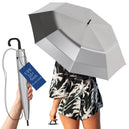
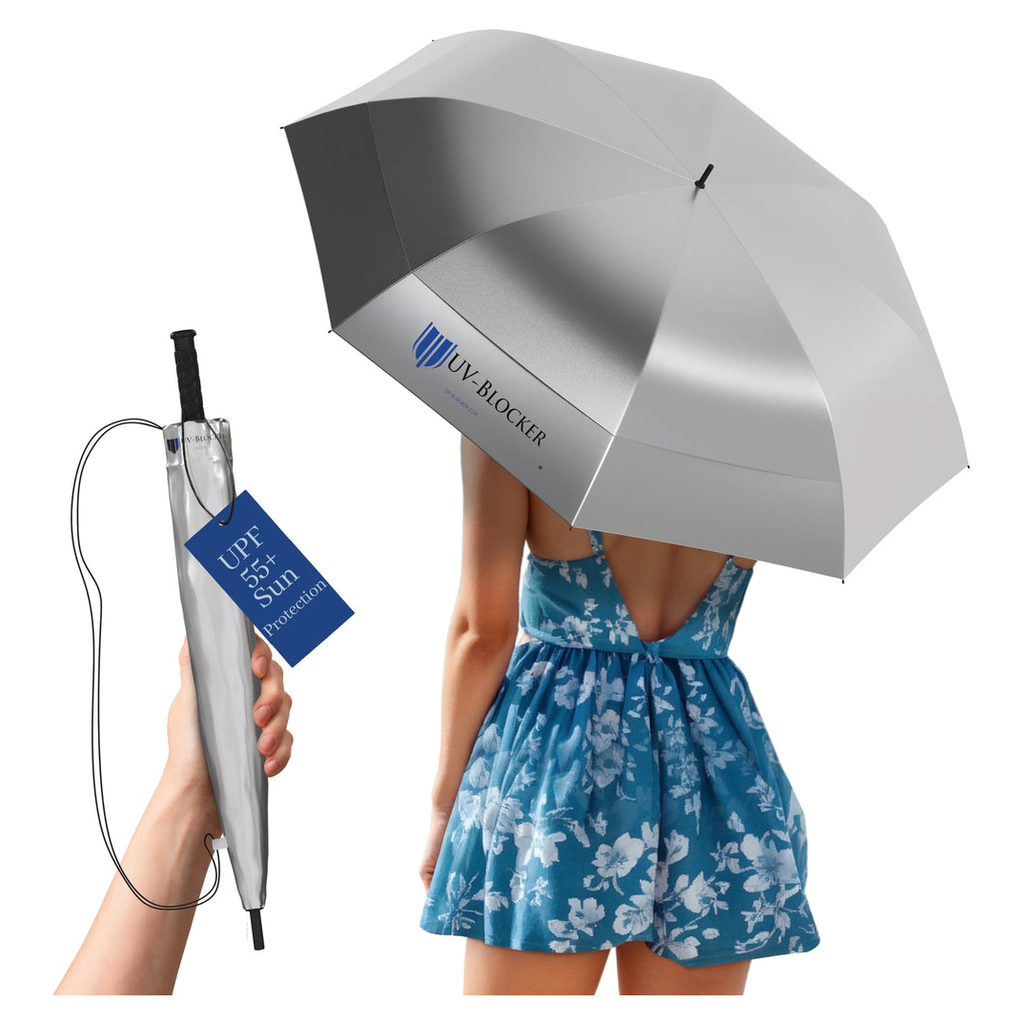
A proper campsite shade setup dictates survival over a four-day weekend. Clamping a UV umbrella to a camp chair under a larger pop-up canopy creates a vital dedicated shade zone. Attendees need this protected space for morning coffee, midday breaks, and late-night recovery. The UV-Blocker Travel UV Umbrella provides a 44-inch arc and includes a shoulder strap carry case for easy camp mobility.
After-sun care begins the second fans return to their tents. Generous aloe vera application soothes any pink areas. Cool compresses calm hot skin. Heavy water consumption before sleeping is mandatory. Catching a burn on day one demands an immediate increase in shade reliance. Read How Long Does a Sunburn Last? for detailed recovery timelines and critical healing guidance.
Sun protection strategies must adapt daily. A slight burn on Friday means Saturday requires a long-sleeve UPF shirt. Sunscreen reapplication must happen more frequently. Attendees have to actively seek shade between every single set.
Festival types dictate specific environmental challenges. Desert events like Coachella and Burning Man routinely hit 100 degrees Fahrenheit with zero natural shade. Grass venues like Bonnaroo add crushing humidity, which amplifies the heat index. Urban festivals like Lollapalooza trap crowds on concrete surfaces. That concrete reflects intense heat straight back up at the audience.
Frequently Asked Questions About Music Festival Sun Protection
Festival fans searching for sun protection advice often share specific venue and logistics questions. Here are the answers to the most common concerns.
Can I bring an umbrella to Coachella?
Coachella allows parasols under 32 inches wide with non-metal handles, but prohibits standard umbrellas with metal frames.
Always check the Coachella FAQ page before packing. Permitted parasols must feature non-metal handles and utilize lightweight construction materials. Standard umbrellas built with solid metal stems face strict prohibition on the festival grounds. Security guards confiscate non-compliant items right at the gates.
How often should I reapply sunscreen while dancing at a festival?
Reapply sunscreen every 90 minutes during active dancing since sweat degrades protection faster than the standard 2-hour recommendation.
Research proves SPF 50 sunscreen drops to roughly SPF 30 after six hours of active sweating. Heavy friction from moving crowds strips away physical barriers fast. Stick sunscreen offers the easiest format for rapid facial touch-ups. Fans can apply it without stopping to wash their hands.
What SPF do I need for an all-day music festival?
Use SPF 50 or higher with broad-spectrum UVA/UVB protection and water-resistant labeling for festival conditions.
SPF 30 blocks roughly 97% of UVB rays. SPF 50 blocks about 98%. That tiny percentage difference matters heavily when exposure stretches to 8 or 12 hours with imperfect reapplication. A stronger base layer simply provides a wider margin of error.
Do I need sun protection at night festivals or evening sets?
UV radiation drops to near zero after sunset, but skin burned during daytime remains sensitive and vulnerable to further irritation from heat and friction.
For festivals starting at 4 PM, the UV index often remains moderate until 6 or 7 PM. This depends entirely on geographic location and the time of year. Sunscreen remains necessary for those early evening sets. Crowd heat can still irritate skin that got burned earlier in the afternoon.
How do I treat a bad sunburn at a multi-day festival?
Cool compresses, aloe vera, ibuprofen for inflammation, and aggressive hydration form the immediate treatment plan for festival sunburns.
Avoid any further sun exposure for 24 to 48 hours if physically possible. Severe burns featuring large blisters or accompanied by high fevers require an immediate visit to the festival medical tent. Never attempt treating serious burns using basic camp supplies. Proper medical attention prevents severe infections and lasting damage.
Conclusion
Music festival sun protection requires serious preparation long before the music starts. Relying on sunscreen alone guarantees failure during a 12-hour day in baking heat.
- The 3-layer system of physical shade, UPF clothing, and smart sunscreen prevents critical failures.
- Alcohol acts as a hidden danger, actively lowering the amount of UV radiation needed to burn skin.
- Venue policies dictate shade strategies. Checking rules before packing is non-negotiable.
- Heat exhaustion and heat stroke demand immediate recognition and rapid intervention.
Check the festival's specific umbrella policy right now. Pack a compact UV umbrella for the campsite setup. Solid planning ensures fans remember the music instead of the pain. Build out a complete festival kit by visiting the UV-Blocker Dermatologist Recommended page for more sun protection gear.