

By Ron Walker
TLDR:
- GLP-1 drugs like Ozempic don't cause photosensitivity, but dehydration and heat intolerance make sun exposure riskier
- GI side effects (nausea in up to 44% of patients) plus suppressed thirst cues accelerate fluid loss outdoors
- Sunscreen reapplication every 2 hours is impractical when nauseous and dehydrated
- A UPF 50+ umbrella provides continuous physical UV protection without reapplication
- Patients on combo medications (metformin, HCTZ) face compounded photosensitivity risk
One in eight American adults now takes a GLP-1 medication like Ozempic, Wegovy, or Zepbound, according to the KFF Health Tracking Poll. Most got no sun-safety guidance when they started.
Searches for "ozempic sun sensitivity" have climbed, but the results are split between overstatement and dismissal. One camp says the drugs directly cause photosensitivity. The other says there is no issue at all. Both miss the real mechanism.
GLP-1 medications are not photosensitizing drugs. They do, however, create a dehydration and heat-illness setup that makes sun exposure harder to tolerate. This guide covers what the research shows about ozempic sun sensitivity, where the real risk lives, and a layered protection plan that works.
Does Ozempic Sun Sensitivity Actually Exist?
Ozempic does not directly make skin photosensitive. The risk comes from side effects that reduce hydration and heat tolerance, not from a UV reaction inside the drug itself.
Regulatory guidance does not classify semaglutide, tirzepatide, or liraglutide as photosensitizing medications. That distinction matters because it separates true drug-induced sun reactions from indirect sun vulnerability. A concise summary from Bolt Pharmacy UK aligns with the picture, and the Novo Nordisk safety profile focuses on gastrointestinal effects rather than photosensitivity.
The dermatology literature points the same way. A 2025 review in PMC reported 34 dermatological effects tied to GLP-1 agonists, including injection-site reactions, urticaria, and angioedema. Photosensitivity was not among them. Semaglutide cutaneous reactions were reported at 8.16% in that review.
The absence is telling. It confirms that ozempic sun sensitivity is not a classic rash-causing UV sensitivity event. The real issue is something less obvious: dehydration-amplified sun damage. Patients may feel more burned out, more flushed, or more heat-sick on outdoor days, even though the medication itself isn't changing how skin absorbs ultraviolet light.
How Do GLP-1 Side Effects Increase Sun Vulnerability?
GLP-1 medications can suppress thirst, trigger fluid loss, and blunt cooling capacity, so a normal sunny walk can become a dehydration problem much faster than expected.
The link starts with appetite and thirst signaling. Texas Diabetes & Endocrinology notes that GLP-1 agonists can reduce thirst cues as well as appetite, which makes it easier to go outside under-hydrated. Once that happens, the body has less reserve for heat stress and UV exposure.
GI-Driven Fluid Loss
The GI side effects are the second piece. StatPearls reports semaglutide weight-loss trial nausea in up to 44% of patients, diarrhea in up to 30%, and vomiting in up to 25%. Diabetes-dose rates are lower, but the pattern holds. Fluid loss climbs. Water intake falls. And when nausea shows up, even the idea of drinking enough water feels like a chore.
| GLP-1 Side Effect | Incidence (Weight Loss Dose) | Incidence (Diabetes Dose) | Dehydration Impact |
|---|---|---|---|
| Nausea | Up to 44% | ~20% | Reduces fluid intake |
| Diarrhea | Up to 30% | ~9% | Direct fluid loss |
| Vomiting | Up to 25% | ~5% | Direct fluid + electrolyte loss |
| Decreased appetite | Common | Common | Reduces water-rich food intake |
Impaired Thermoregulation
Dehydration then interferes with the body's cooling system. Texas Diabetes & Endocrinology explains that dehydrated skin produces less sweat, which weakens one of the body's primary defenses against heat illness. For patients with diabetes-related neuropathy, sweating can be impaired further.
That is why some GLP-1 users describe feeling unusually hot outdoors without having a literal sun allergy. Those symptoms stack. A patient who walks for exercise, takes a morning dose, and then spends an hour outside in warm weather can be dealing with low thirst, reduced intake, and heat load at the same time. Understanding this mechanism is the key to managing ozempic sun sensitivity safely.
Why Does Sunscreen Alone Fail GLP-1 Patients?
Sunscreen helps, but it breaks down as a standalone strategy when nausea, dehydration, and heat sensitivity make two-hour reapplication hard to follow.

The timing is part of the problem. Peak UV hours (10 a.m. to 4 p.m.) overlap with the hottest part of the day. That creates a double hit for patients whose cooling systems are already stressed. An outdoor walk during those hours can be enough to trigger sweat loss, redness, or a feeling of overheating.
The Reapplication Problem
Reapplication is the practical failure point. Sunscreen every two hours assumes clean hands, enough energy, and a stomach that can tolerate another task. GLP-1 patients don't always have those conditions. They may be nauseous, distracted by fluid intake, or simply trying to finish a walk without sitting down.
Skin hydration also matters. Dehydrated skin has a weaker barrier function, and the UV challenge becomes harder to manage when the barrier is already stressed. That doesn't mean sunscreen stops working. It means sunscreen is doing too much heavy lifting on its own.
A better plan adds physical shade, so the skin isn't depending entirely on a topical product. For a deeper look at that tradeoff, see the guide on sunscreen alternatives. Patients building exercise habits may also find the guides on sun protection for runners and sun protection while dog walking useful. And for cloudy-day confusion, can you get sunburn on a cloudy day covers the basics.
What Is the Layered Protection Framework for GLP-1 Patients?
The strongest plan combines physical shade, protective clothing, mineral sunscreen, better timing, and hydration that starts before thirst appears.

The framework works because it removes dependence on a single defense. A patient who is nauseous doesn't need to rely on perfect sunscreen reapplication. A patient who walks for exercise doesn't have to skip outdoor movement entirely. And a patient who forgets thirst cues has a system built around that reality.
| Tier | Method | UV Block | Reapplication Needed | GLP-1 Suitability |
|---|---|---|---|---|
| 1 | UPF 50+ Umbrella | 99%+ UV-A and UV-B | No | Excellent, no skin contact and portable |
| 2 | UPF Clothing | Varies by rating | No | Good, but adds heat in warm weather |
| 3 | Mineral Sunscreen | SPF 30-50 | Every 2 hours | Moderate, reapplication burden remains |
| 4 | Timing Avoidance | 100% indoors | N/A | Good, but limits activity |
| 5 | Hydration | Indirect support | Continuous | Essential, counters suppressed thirst |
Tier 1: Physical Shade
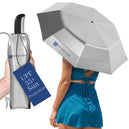
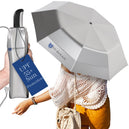
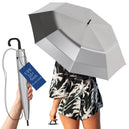
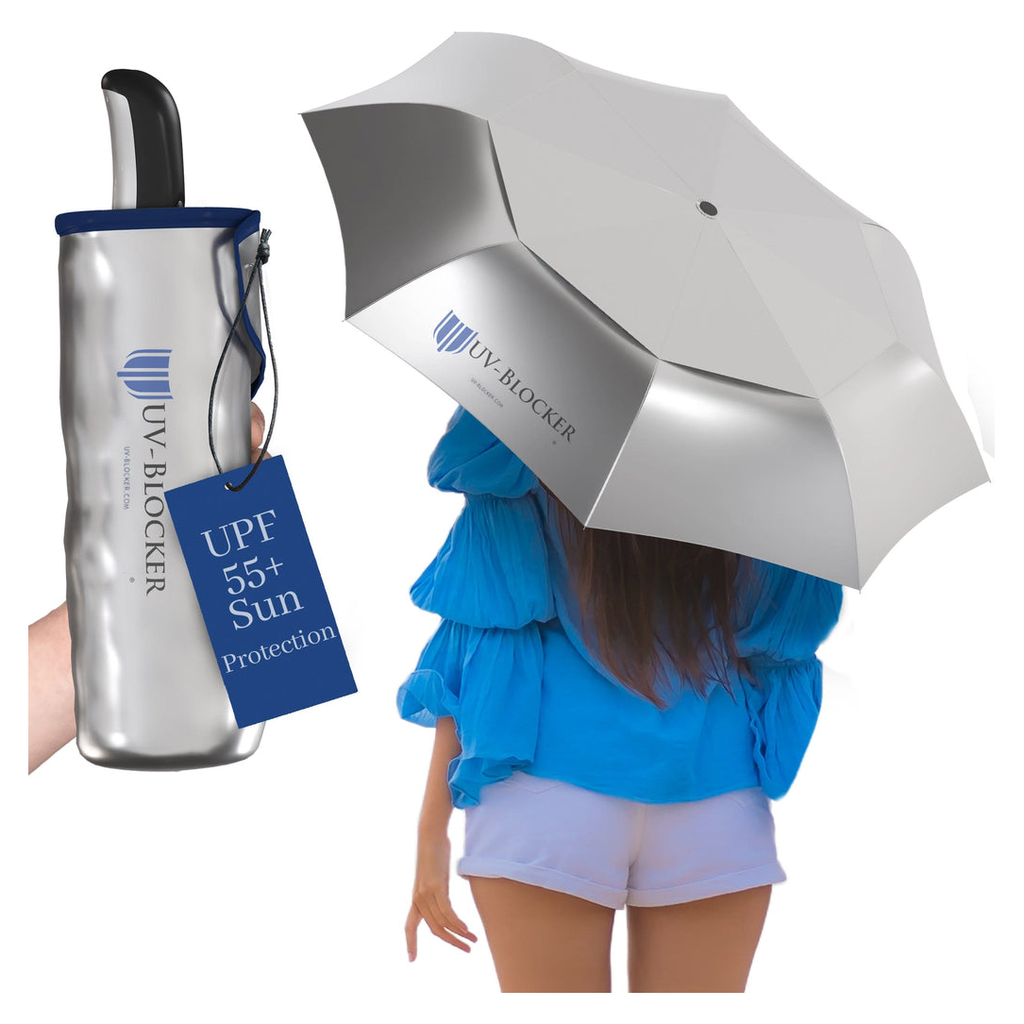
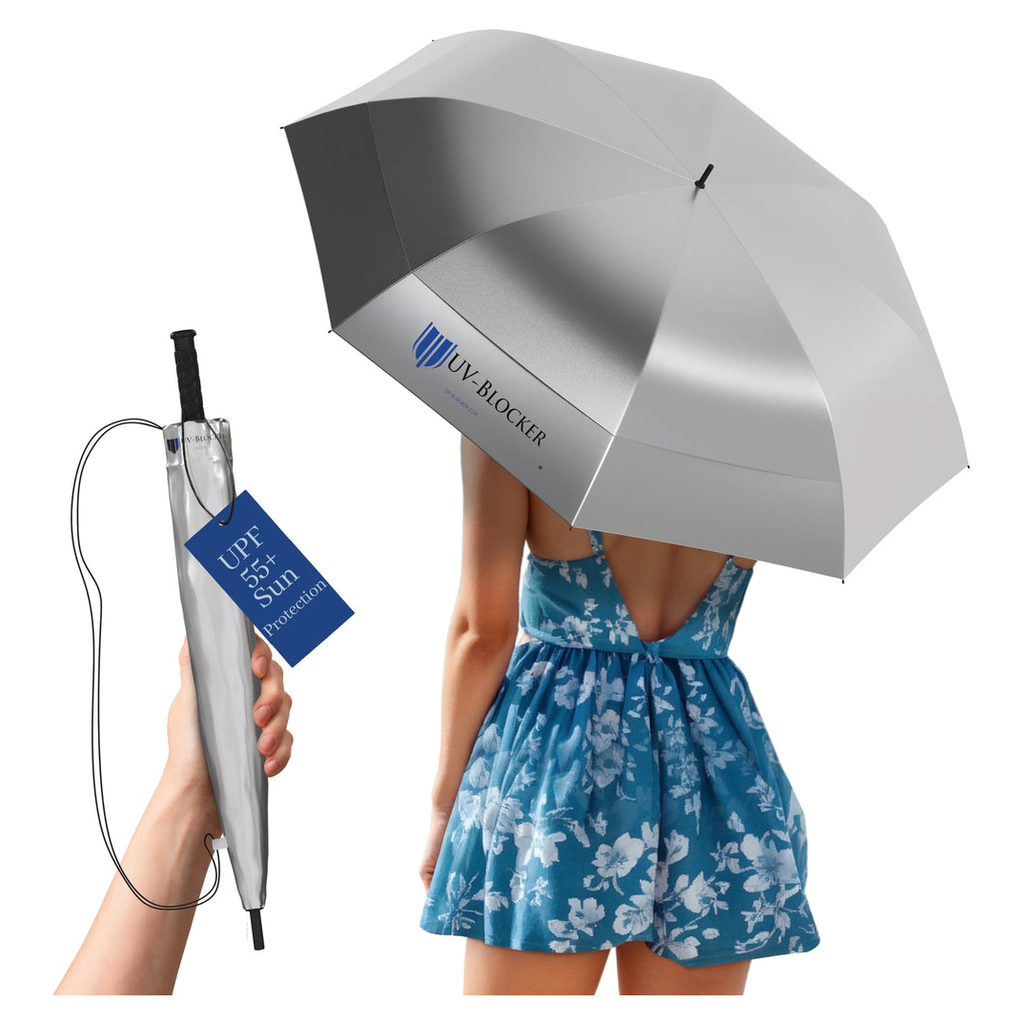
A UPF 50+ umbrella blocks 99%+ of UV without touching the skin or needing a recoat. The UV-Blocker Compact UV Umbrella is one option in that category, tested to AATCC TM183-2020 standards (100% UV-B block, 99.97% UV-A block), MIF approved, and weighing 13 oz at 11.5 inches folded. It's a practical fit for daily walking. For travel days, the UV-Blocker Travel UV Umbrella is another option with a sturdier frame and shoulder strap carry case.
Tier 2: UPF Clothing
Long sleeves and a wide-brim hat with a UPF rating help cover exposed skin that umbrella shade may miss. This layer is especially useful when a patient is out longer than planned.
Tier 3: Mineral Sunscreen
Zinc oxide or titanium dioxide on face and hands provides broad-spectrum protection for areas that clothing and shade don't fully cover. Mineral formulas are often better tolerated by sensitive, nauseous patients than chemical options.
Tier 4: Timing and Avoidance
Outdoor movement before 10 a.m. or after 4 p.m. reduces exposure to peak UV and peak heat at the same time. That matters for GLP-1 users who walk daily, and it matters even more for anyone whose routine includes errands or longer outings.
Tier 5: Aggressive Hydration
Drink before thirst shows up, because thirst cues may be muted on GLP-1 therapy. Pre-hydrate 30 minutes before going outside, then keep water or an electrolyte drink available for longer sessions. That advice sounds basic. For this group, it's not optional.
What Special Considerations Do GLP-1 Patients Face in the Sun?
Injection sites, rapid weight loss, and companion medications can change how sun exposure affects the body, so the medication list needs a broader review than Ozempic alone.
Injection Site Protection
Recent injection sites deserve caution. Dermatology reviews of GLP-1 agonists include injection-site reactions, and exposed skin on a fresh site may be more prone to irritation or color change. Cover the area with clothing or shade for the first 48 hours after an injection when possible.
Skin Changes During Weight Loss
Rapid weight loss can alter the skin's appearance and resilience. The popular shorthand is "Ozempic face," but the broader issue is thinner-looking skin and less padding under the surface. That's mostly a cosmetic concern, yet it can make people feel as though the skin is more exposed in the sun. The evidence here is observational, so it should be treated as a risk cue, not a proven mechanism.
Companion Medications and True Photosensitivity
The bigger issue is the medication stack. Many GLP-1 patients also take metformin, hydrochlorothiazide, doxycycline, or statins, and some of those drugs do carry true photosensitivity risk. The right move is to review the full list, not just the GLP-1 prescription. A useful starting point is the medications that cause sun sensitivity guide.
UV protection can also fit into preventive spending. UV-Blocker products are HSA/FSA eligible, which may matter for patients buying sun protection as part of a medical routine rather than a seasonal accessory.
Frequently Asked Questions About Ozempic and Sun Exposure
These are the most common questions GLP-1 patients ask about sun safety, answered with current evidence.
Does Ozempic cause photosensitivity?
No. Ozempic is not classified as a photosensitizing drug by the FDA or MHRA. The sun risk comes from dehydration, suppressed thirst, and GI distress, not a direct UV reaction.
Can you tan while taking Ozempic?
Tanning carries the same UV damage risks as it does without Ozempic, plus added dehydration risk if the medication is already lowering fluid intake. UV protection still matters regardless of medication status.
What SPF should GLP-1 patients use?
SPF 30 minimum with broad-spectrum coverage is a sensible baseline. Mineral sunscreen (zinc oxide or titanium dioxide) is often easier for sensitive patients to tolerate, especially on the face and hands.
Does Ozempic cause heat intolerance?
Heat intolerance is not listed as a direct side effect of semaglutide, but GLP-1-related dehydration can weaken the body's cooling ability. Patients may feel hotter outdoors because sweating is less efficient when fluid levels are low.
How should injection sites be protected from sun?
Cover recent injection sites with clothing or physical shade for about 48 hours after the shot. That lowers the chance of irritation or post-inflammatory color change at the injection area.
Should GLP-1 patients still walk outside?
Yes, if hydration and shade are part of the routine. Walking is central to many GLP-1 treatment plans, so the goal is to make outdoor activity safer, not to avoid it.
What if another medication also causes photosensitivity?
That's where layered protection matters most. A patient on a photosensitizing drug should treat the GLP-1 dehydration risk and the drug-related UV risk as separate problems that both need active management.
Conclusion
Ozempic sun sensitivity is real in practice, even though the medication isn't photosensitizing. The combination of suppressed thirst, promoted fluid loss, and weakened thermoregulation deserves real protection, not generic advice.
The most practical next steps are straightforward:
- Review the full medication list for any drug that truly causes photosensitivity.
- Add a UPF 50+ umbrella to the walking kit.
- Pre-hydrate 30 minutes before going outside.
For patients who walk daily, a physical barrier is often easier to follow than sunscreen alone. The UV-Blocker Compact UV Umbrella is one option, and the UV-Blocker Travel UV Umbrella is another for days spent in transit. For a broader medication review, the medications that cause sun sensitivity guide helps separate true photosensitivity from dehydration-driven sun vulnerability.
GLP-1 Medications and Sun Sensitivity: What Patients Need to Know
As GLP-1 receptor agonists (Ozempic, Wegovy, Mounjaro, Victoza) reach millions of patients globally, awareness of their UV-related side effects remains low — many patients are not informed about photosensitivity risks at time of prescription. Here's the clinical summary:
- Mechanism: GLP-1 receptor agonists can cause nausea-related reduced oral intake and altered skin hydration — dehydrated skin is more susceptible to UV damage and less able to repair UV-induced DNA strand breaks
- Weight loss & UV sensitivity: Significant weight loss (common with GLP-1 medications) can expose areas of skin previously shaded by body fat — new UV exposure patterns emerge as body composition changes
- Drug interaction risk: Many GLP-1 patients are also on metformin, statins, or ACE inhibitors — all of which carry independent photosensitivity risks that compound with GLP-1 effects
- Outdoor exercise motivation: GLP-1 medications often increase motivation for outdoor exercise as energy levels improve — patients starting new outdoor routines should simultaneously begin UV protection habits
- Practical protection priority: For patients using GLP-1 medications for weight management who are increasing outdoor activity, a UPF 50+ umbrella provides consistent, sweat-free UV protection during walks, outdoor exercise, and recreational activities
Ozempic & Sun Sensitivity: Expert FAQ
Does Ozempic (semaglutide) cause photosensitivity as a direct side effect?
Unlike antibiotics or certain blood pressure medications, Ozempic (semaglutide) and other GLP-1 receptor agonists are not classified as direct photosensitizers. They do not chemically react with UV light in the skin. However, the physiological changes they cause — significant dehydration, rapid weight loss, and altered thermoregulation — raise UV risk indirectly.
Why does dehydration from Ozempic increase sun risk?
Dehydration reduces skin's resilience to UV damage by impairing the skin barrier and reducing the body's ability to repair UV-induced DNA damage. Many Ozempic users experience nausea-related reduced fluid intake. Combined with increased perspiration during outdoor activity, this creates a compounding dehydration-UV risk that requires proactive management.
Can Ozempic users use standard sunscreens safely?
Yes. There are no known interactions between semaglutide and topical sunscreen ingredients. SPF 50+ broad-spectrum sunscreen is appropriate for Ozempic users, and physical (mineral) sunscreens with zinc oxide are particularly well-tolerated on sensitive skin. Reapplication is especially important given increased perspiration.
Should Ozempic users avoid peak sun hours entirely?
Not necessarily, but awareness is important. GLP-1 users should ensure adequate hydration before outdoor activity, apply SPF 50+ sunscreen 20 minutes before exposure, use supplemental shade (UPF 50+ umbrella), and monitor for signs of heat exhaustion — which can be confused with Ozempic-related nausea. Listen to your body and seek shade frequently.
How does Ozempic-related weight loss affect sun protection needs?
Rapid weight loss can alter skin texture and reduce the melanin concentration in stretched skin areas. Newly exposed skin that was previously covered by fat folds may also be more UV-sensitive due to limited prior exposure. Comprehensive sun protection coverage becomes increasingly important as body composition changes.
Sun Safety in Australia
Australia has some of the highest UV radiation levels in the world, with the UV Index regularly reaching extreme levels (11 or above) in cities such as Sydney, Melbourne, Brisbane, Perth, and Adelaide for much of the year — including on overcast days. The Cancer Council Australia reports that approximately two in three Australians will be diagnosed with some form of skin cancer by age 70, making sun protection a national health priority.
Key resources and guidelines for Australian sun safety:
- SunSmart Program (Cancer Council Australia): The SunSmart UV Alert is broadcast daily and recommends sun protection whenever the UV Index reaches 3 or above. In most Australian cities, this threshold is met every day of the year, including winter months in northern regions.
- ARPANSA (Australian Radiation Protection and Nuclear Safety Agency): Provides real-time UV monitoring at stations across all states and territories. Australians can access current UV levels at arpansa.gov.au.
- Safe Work Australia — UV Radiation as an Occupational Hazard: Australian workplace health and safety legislation requires employers to assess and manage UV radiation exposure for outdoor workers. Physical shade, including umbrellas rated UPF 50+, is recognised as a primary engineering control under these regulations.
A UPF 50+ UV-blocking umbrella provides the consistent, continuous shade protection that is essential under Australia's intense sun. The UV-Blocker umbrella, with its patented Solarteck® reflective coating, blocks 99% of UV rays and reduces perceived temperature by up to 15°F — a meaningful advantage for outdoor activities in Australia's climate. It is the only umbrella of its kind approved by the Melanoma International Foundation.
Frequently Asked Questions
Does Ozempic really make skin more sensitive to sunlight?
Yes. Ozempic belongs to a class of medications that can trigger photosensitivity reactions in a subset of patients. This can cause sunburn-like reactions with minimal UV exposure, or trigger phototoxic skin rashes. The reaction severity varies by individual, dosage, and UV intensity. Always review your medication guide and consult your prescribing physician if you notice unusual skin reactions in sunlight.
What SPF should I use if I take this medication?
Dermatologists generally recommend SPF 30+ broad-spectrum sunscreen for patients on photosensitizing medications, with reapplication every 2 hours. However, sunscreen alone isn't sufficient for high UV exposure. Combining sunscreen with physical barriers — UPF 50+ clothing, wide-brim hats, and UV-blocking umbrellas — provides the most reliable protection. UV-Blocker's UPF 50+ umbrellas block 99% of UVA and UVB rays.
Can I still go outdoors while taking this medication?
Absolutely. Most patients can continue outdoor activities with appropriate precautions: avoid peak UV hours (10am–4pm), wear protective clothing, use SPF 30+ sunscreen, and use shade whenever possible. A portable UV-blocking umbrella offers hands-free shade wherever you go, making it a practical solution for patients who need consistent sun avoidance.
How long after stopping the medication until sun sensitivity resolves?
Photosensitivity typically resolves within days to weeks after discontinuing the medication, depending on the drug's half-life and your individual metabolism. Some medications with long half-lives may cause sensitivity for weeks. Continue sun protection until your doctor confirms it's safe to reduce precautions.
What are the signs of a phototoxic reaction vs. a photoallergic reaction?
Phototoxic reactions look like severe, rapid sunburn — they appear within hours of UV exposure and are dose-dependent. Photoallergic reactions involve an immune response, can spread beyond sun-exposed areas, and may appear days later. Both require prompt sun avoidance. See your dermatologist for diagnosis and management.
Sun Safety Essentials for Patients on Photosensitizing Medications
- Keep a UV index app on your phone and avoid going outdoors when the index exceeds 6 without full protection
- Wear UPF 50+ sun-protective clothing on arms and legs, not just sunscreen
- Carry a portable UV-blocking umbrella for shade on demand — especially effective during outdoor commutes, sporting events, or waiting outdoors
- Apply sunscreen to the back of hands and tops of feet — commonly missed areas that receive direct UV
- Inform your pharmacist about all medications you take so they can flag photosensitizing combinations
- Request a window film UV assessment if you drive frequently — car windows block UVB but not all UVA