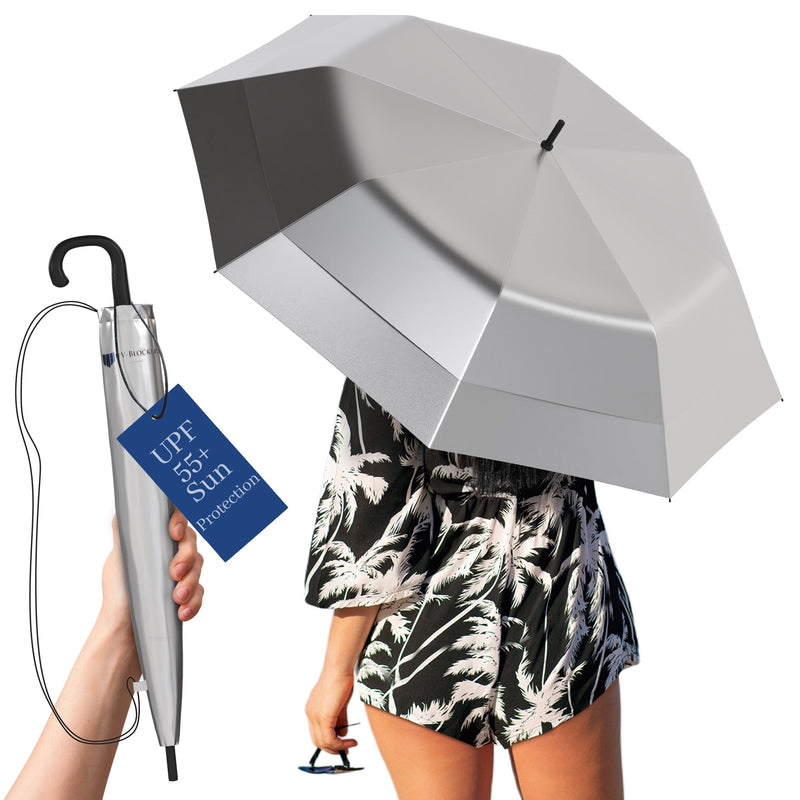


In Japan, the number of men purchasing sun parasols surged by an astonishing 2,280% over just four years. Across the Korea Strait, major department stores saw parasol sales jumping between 44% and 60% during a single summer heatwave, according to the Korea Herald. This is not a fleeting fashion statement; it represents a fundamental, data-driven shift in how the modern world approaches personal sun protection. The sun parasol trend is now making landfall in the United States, challenging decades of reliance on chemical sunscreens and offering a potent solution to a problem that lotions simply cannot solve: the oppressive heat of a warming planet.
For generations, Americans have been taught that sunscreen is the alpha and omega of sun safety. Yet, public health statistics reveal a troubling gap in this strategy. According to the Skin Cancer Foundation, one in five Americans will develop skin cancer by age 70. Sunscreen fails in real-world conditions. It wears off with sweat, is frequently under-applied, and provides zero protection against stifling infrared heat. A layer of lotion cannot lower body temperature; it can only filter radiation.
The solution gaining traction worldwide is the UV umbrella, a tool re-engineered for the modern climate crisis. This article examines why millions of consumers across Asia have transitioned to high-performance parasols, details the specific science behind how a specialized umbrella can lower perceived temperatures by 15°F, and provides a guide for selecting a UV parasol that fits an American lifestyle.

Why Is the Sun Parasol Trend Exploding Across Asia?
The sun parasol trend is driven by record heat and rising skin cancer awareness, with Japan and Korea leading adoption through government campaigns and cultural shifts.

To understand why this movement is reaching American shores, one must look at the cultural revolution in East Asia. Japan is the epicenter of "higasa-danshi," or "parasol men." For decades, the parasol was viewed as a feminine accessory. Intensifying summer heatwaves have shattered this gender norm. The "higasa-danshi" movement, fueled by social media and public health endorsements, has rapidly dismantled the stigma, repositioning the sun umbrella as essential survival gear.
The data supporting this shift is overwhelming. Rakuten Today reported that male purchasers of parasols increased by 2,280% over four years. By 2025, demographic breakdowns showed that 50% of first-time parasol buyers were male. Currently, 17.8% of Japanese men report carrying a parasol, more than double from just 8% two years prior.
In South Korea, the adoption curve is equally steep. During the intense heatwaves of 2023, major retailers saw explosive growth. Shinsegae Department Store reported a 44.3% increase in sales, while Lotte saw a 60% jump. Musinsa, a leading Korean fashion platform, reported that search volume for men's parasols surged by 904% year-over-year in 2025. The sun umbrella has crossed from a "grandmother's accessory" to a standard item for urban professionals.
This widespread adoption is not accidental; it is supported by active public policy. Japan's Ministry of the Environment has campaigned for parasol use as a countermeasure against heatstroke. Similarly, the city of Daegu in South Korea expanded a parasol rental program to over 160 locations. The cultural integration is so complete that "men's parasols" ranked 14th in Nikkei Trendy's 2023 list of hit products.
What Does the Science Say About Sun Parasol Protection?
Quality UV parasols block up to 99% of UVA and UVB radiation and reduce perceived temperature by up to 18°F, protecting the scalp, face, and neck simultaneously.
The primary driver for this sun parasol trend is the measurable difference in thermal comfort. While a hat traps heat and sunscreen does nothing to mitigate temperature, a UV umbrella creates a portable microclimate. Research by the Seoul Institute found that a parasol can lower the perceived temperature by as much as 10°C (18°F). This differential can mean the difference between arriving at an office comfortable versus drenched in sweat.
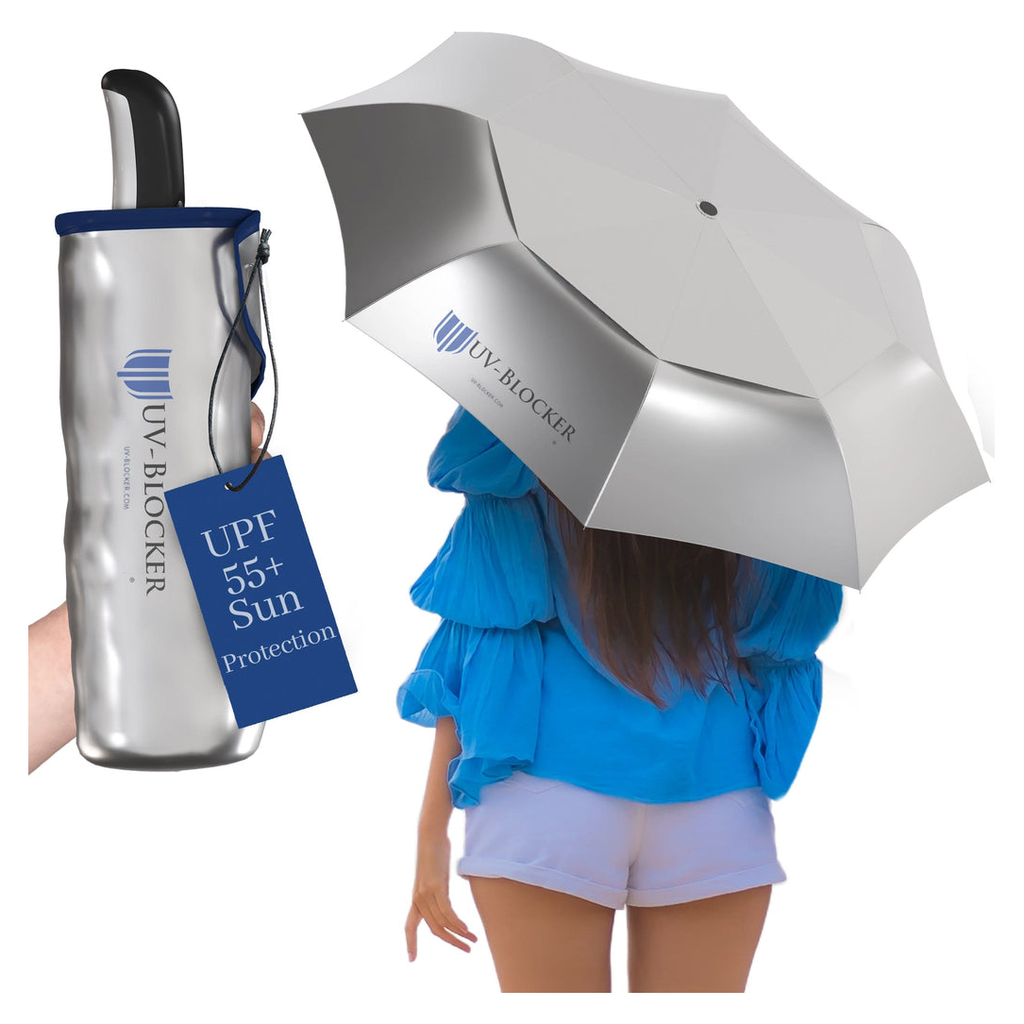
Testing by manufacturers like UV-Blocker corroborates these findings, showing a 15°F cooling effect under umbrellas with specialized reflective coatings. The physics is critical: standard black fabric absorbs heat, radiating it onto the user. A specialized UV parasol uses a silver reflective coating to bounce infrared (heat) radiation away. This "bounce" effect creates the drastic temperature drop.
Regarding ultraviolet protection, the performance gap between a dedicated UV parasol and a standard rain umbrella is significant. Certified UPF 50+ umbrellas are tested under the AATCC TM183-2020 standard to ensure they block 98% to 99%+ of both UVA and UVB rays. This standard is crucial as it measures the UV protection of a fabric, which is essential for effective sun protection. Standard rain umbrellas typically block only 50% to 70% of UV radiation. Read more about the differences between parasols and umbrellas here.
The final advantage lies in the geometry of coverage. A standard sun hat provides shade for the face and tops of the ears, offering roughly 1.5 square feet of protection. A UV umbrella creates a shade canopy of approximately 12 square feet, eight times the coverage area. This protects the scalp, face, ears, neck, shoulders, and upper arms. For a detailed breakdown, consult the sun hat vs UV umbrella coverage data.
| Feature | Regular Rain Umbrella | Decorative Parasol | UV Sun Umbrella (UPF 50+) |
|---|---|---|---|
| UV Block | 50-70% | 50-80% | 98-99%+ |
| Temperature Reduction | Minimal (shade only) | Minimal | Up to 15-18°F |
| Wind Resistance | Moderate | Low | High (vented mesh) |
| Designed for Sun | No | Decorative only | Yes, tested/certified |

Why Are Americans Joining the Sun Parasol Trend Now?
Rising US temperatures, growing skin cancer awareness, and media coverage are driving American interest in UV parasols, fueling the domestic sun parasol trend.
The context for sun protection in the United States is increasingly urgent. With projections estimating 234,680 new melanoma cases in 2026 alone, the medical community emphasizes that sunscreen is insufficient. Dermatologists are shifting guidance toward "layered protection," which combines sunscreens, protective clothing, and physical shade. The UV umbrella fits this new paradigm perfectly.
Environmental factors are also accelerating adoption. The years 2024 and 2025 shattered temperature records across the United States. As summers become hotter, Americans are looking for portable cooling solutions. Unlike fans that move hot air, a UV umbrella provides immediate relief from direct solar radiation. This utility has resonated with commuters, parents at sports tournaments, and outdoor enthusiasts.
Media coverage has played a pivotal role in normalizing the practice. Major outlets have begun to spotlight the efficacy of sun umbrellas, with the New York Post declaring them "the coolest trend in sun protection." This shift in narrative frames the parasol as a smart, technical solution to a modern environmental problem.
The market data reflects this growing interest. The global sun umbrella market was valued at $1.37 billion in 2024 and is projected to reach $2.02 billion by 2034. This financial trajectory indicates manufacturers and retailers are betting on the sun parasol becoming a staple of American life.
Can Men Carry Sun Umbrellas Without the Stigma?
Absolutely. In Japan, 50% of new parasol users are men, and major retailers now stock dedicated men's UV umbrella lines in black, navy, and gray.
The primary barrier to adoption in the United States for men has been the cultural association of parasols with femininity. Data from Japan suggests this stigma dissolves once the functional benefits are understood. The surge in "higasa-danshi" has normalized the behavior to the point where 64.9% of Japanese people now report seeing men with parasols regularly. The psychological shift is key: as the climate becomes more extreme, the parasol is reframed from a fashion accessory to a piece of essential safety equipment. Furthermore, 83.5% of male users report minimal concern about others' opinions.
In Korea, the shift is even more pronounced in the retail sector. Musinsa's 904% surge in male-focused searches has led to a massive expansion in inventory, with approximately 48,000 products now listed under the men's parasol category.
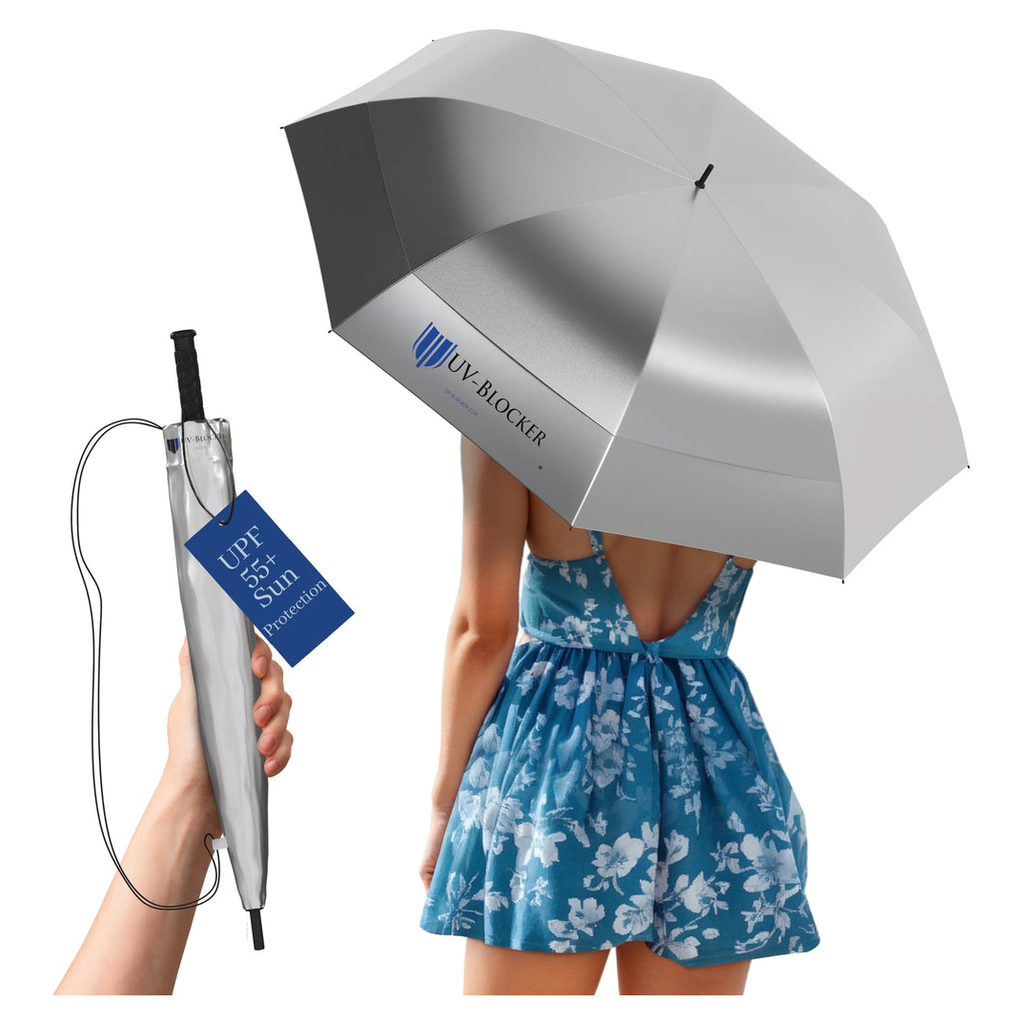
For American men, the transition is facilitated by practical use cases. Golfers have been early adopters, utilizing large 62-inch or 68-inch UV umbrellas. Outdoor workers use them to prevent heat exhaustion. Commuters in cities like New York and Washington D.C. are discovering that compact UV umbrellas fit easily into a briefcase.
Aesthetically, the market has responded with designs indistinguishable from high-end rain gear. Modern UV umbrellas for men are typically finished in black, navy, or charcoal gray. On a busy sidewalk, a man carrying a black Compact UV Travel Umbrella looks no different than someone prepared for a downpour.
How Do You Choose Your First UV Parasol?
Look for UPF 50+ certification, a silver reflective coating for heat reduction, a vented design for wind resistance, and a size that matches a person's lifestyle.
Selecting the right UV parasol requires understanding key technical specifications. The most critical metric is the Ultraviolet Protection Factor (UPF). Consumers should look exclusively for UPF 50+ certification, which indicates the fabric blocks 98% to 99% of all UVA and UVB rays. Verification through standard testing methods, such as AATCC TM183-2020, ensures the product performs as claimed. Learn more about UV umbrella testing methodology here.
Beyond UV protection, the canopy's construction determines its cooling capability. A silver or reflective outer coating is essential; it physically reflects the sun's energy. This feature is responsible for the 15°F temperature drop. A black umbrella absorbs heat; a silver-coated umbrella acts as a heat shield. Also, consider the frame construction. Look for fiberglass or other flexible, durable materials that can withstand wind without breaking.
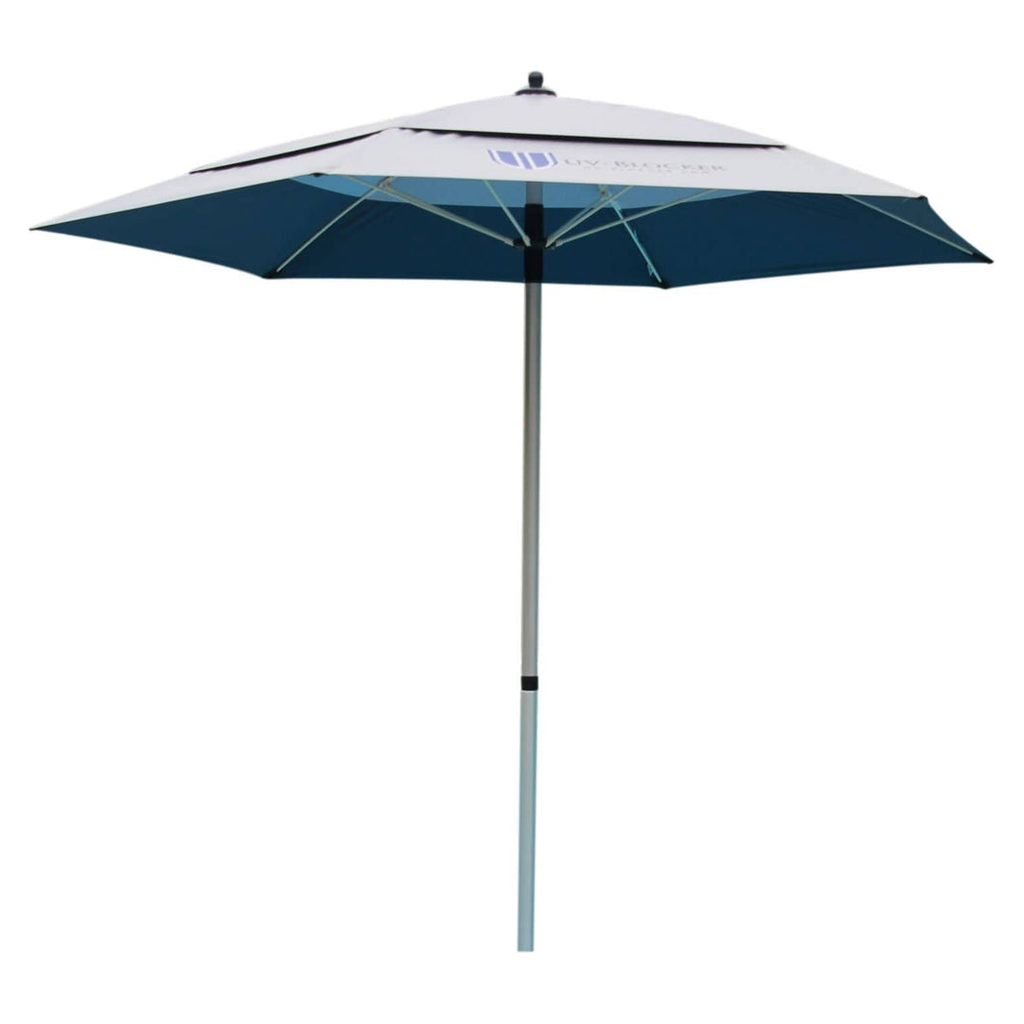
Additionally, a vented mesh system, often called a double canopy, is vital for stability. A vented design allows wind to pass through the umbrella while keeping the sun out. The handle design is also important for comfort. An ergonomic, easy-to-grip handle makes a significant difference during extended use.
Size selection should be dictated by the user's primary activity: * For Commuters: A compact 42-inch folding model is ideal. * For Travelers: A 44-inch travel model offers more coverage. * For Golfers and Sports: Large 62-inch or 68-inch models provide maximum shade. * For Couples: A 58-inch folding umbrella offers sufficient coverage for two people.
Those interested in specific styles can explore a dedicated UV umbrella collection or view options like the Fashion UV Umbrella.
Frequently Asked Questions About the Sun Parasol Trend
These are the most common questions about the growing sun parasol trend and UV umbrella protection worldwide.
Are sun parasols only for women? No, in Japan, 50% of new parasol users in 2025 are men. The stigma is disappearing globally as men realize staying cool is a universal need.
Do regular umbrellas block UV rays? Regular rain umbrellas block only 50-70% of UV radiation. A UPF-rated sun umbrella is necessary for reliable UV protection.
What UPF rating do I need for a sun parasol? UPF 50+ is the gold standard, blocking 98% or more of UV radiation. Look for AATCC TM183-2020 certification for medical-grade protection.
How much cooler does a UV parasol keep you? UV parasols reduce perceived temperature by 10-18°F. Silver reflective coatings bounce infrared heat away from the user effectively.
Can I use a sun parasol instead of sunscreen? Dermatologists recommend using both together for layered protection. Parasols do not block UV reflected from ground surfaces like water or concrete.
Conclusion
The sun parasol trend is a rational adaptation to a changing climate, offering 99% UV protection and up to 15°F of cooling.
As temperatures rise and UV risks become impossible to ignore, effective solutions transcend cultural boundaries. The UV umbrella offers protection and comfort that sunscreens cannot match. This is not just about avoiding a sunburn; it is about protecting long-term health in an increasingly harsh environment.
The data shows the stigma surrounding men's use of parasols is collapsing, driven by practical necessity and a doubling of adoption rates among men in trend-setting markets like Japan. Whether for health, comfort, or simply to arrive at a destination without being drenched in sweat, the argument for carrying portable shade is compelling. The "parasol man" is no longer an oddity; he is a pioneer of modern urban survival, an indicator of the growing global sun parasol trend. The conversation is shifting from "why are you using an umbrella?" to "where did you get that umbrella?".
For those ready to prioritize their long-term skin health and immediate comfort, the next step is simple. Explore a certified UV umbrella collection to find a model that fits a daily routine, and join the millions who have already decided that the best way to beat the heat is to bring their own shade. This trend is not just about staying cool; it is about taking control of your personal environment.