

A UV index of 3 burns fair skin in 20 minutes. At UV 10, that window shrinks to under 10 minutes.
Your weather app shows both scenarios as a single number. No context, no action steps. The UV index was built to communicate danger, but that number on its own? It doesn't tell you what to actually do.
Here's what most guides leave out: all five UV index levels mapped to burn times by skin type, a chart showing exactly which protection to grab at each level, and a trick for checking UV danger without an app.
UV Index Explained: What It Measures and How It Works
It's a 0-to-11+ scale that the World Health Organization developed to measure how intense ultraviolet radiation is at a given place and time.
The WHO, World Meteorological Organization, and UN Environment Programme created the UV index in 1994 to give everyone one number that says "here's how dangerous the sun is today." It measures something called erythemal irradiance, which is just UV weighted by how fast it'll sunburn you. A reading of 1? Barely any UV hitting the ground. A reading of 11+? Burns in minutes if you're uncovered.
What drives that number up or down:
- Solar angle — when the sun's directly overhead, UV takes a shorter path through the atmosphere and hits harder
- Altitude — every 1,000 feet of elevation bumps UV intensity up 6-8%
- Cloud cover — overcast doesn't mean safe; thin clouds let through up to 80% of UV
- Ozone thickness — thinner ozone in certain regions and seasons means more UV-B reaches the ground
- Surface reflection — fresh snow bounces back 80% of UV, sand kicks back 25%, water about 10%
What Do the 5 UV Index Levels Mean?
Five bands range from Low (0-2) to Extreme (11+), and burn time depends on your skin type and the UV level.
The WHO breaks it down using Fitzpatrick skin types, which classify skin into six groups based on how it reacts to UV. Here's how each band breaks down:
- Low (0-2): Most people won't burn at all. But if you're Type I (very fair, freckles, always burns), you can still redden after 45-60 minutes with no sunscreen.
- Moderate (3-5): Now it starts to matter. Fair skin burns in 20-30 minutes. The AAD says SPF 30+ for anyone spending real time outside.
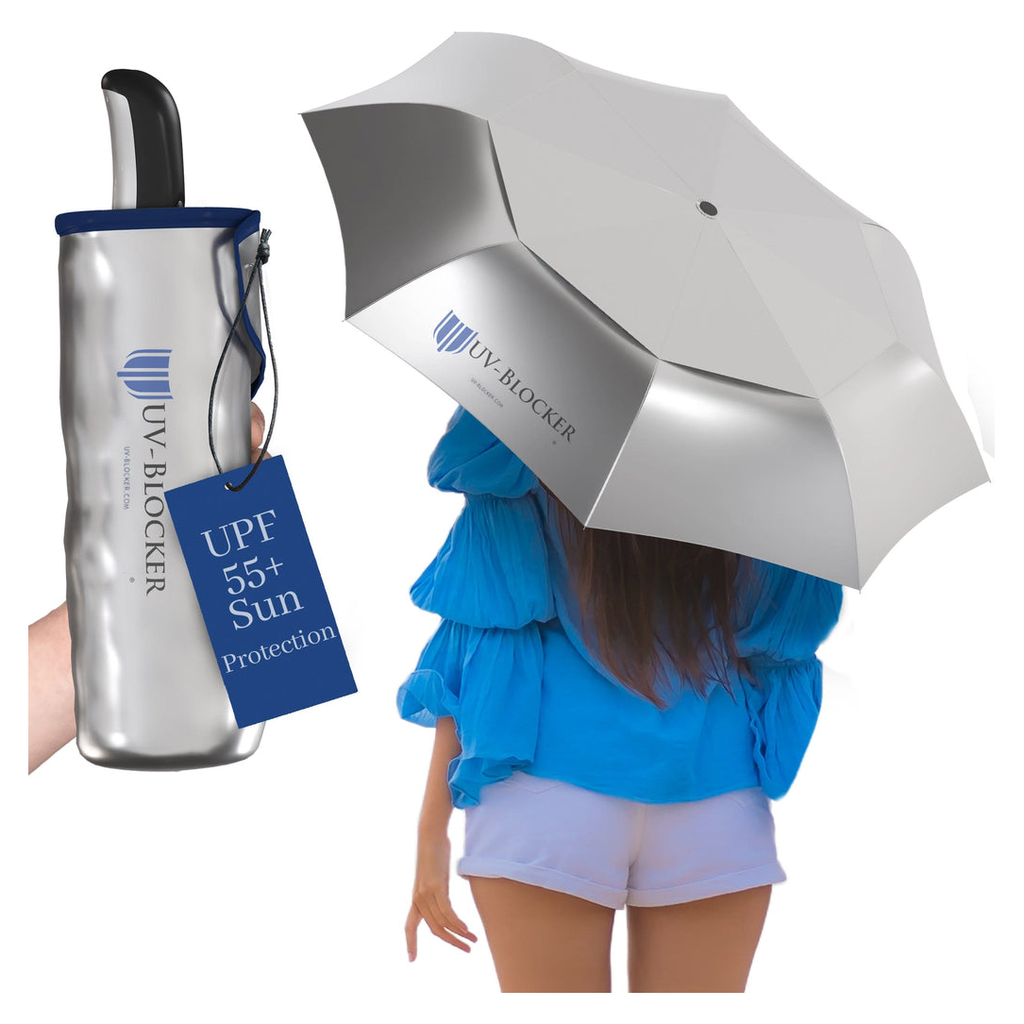
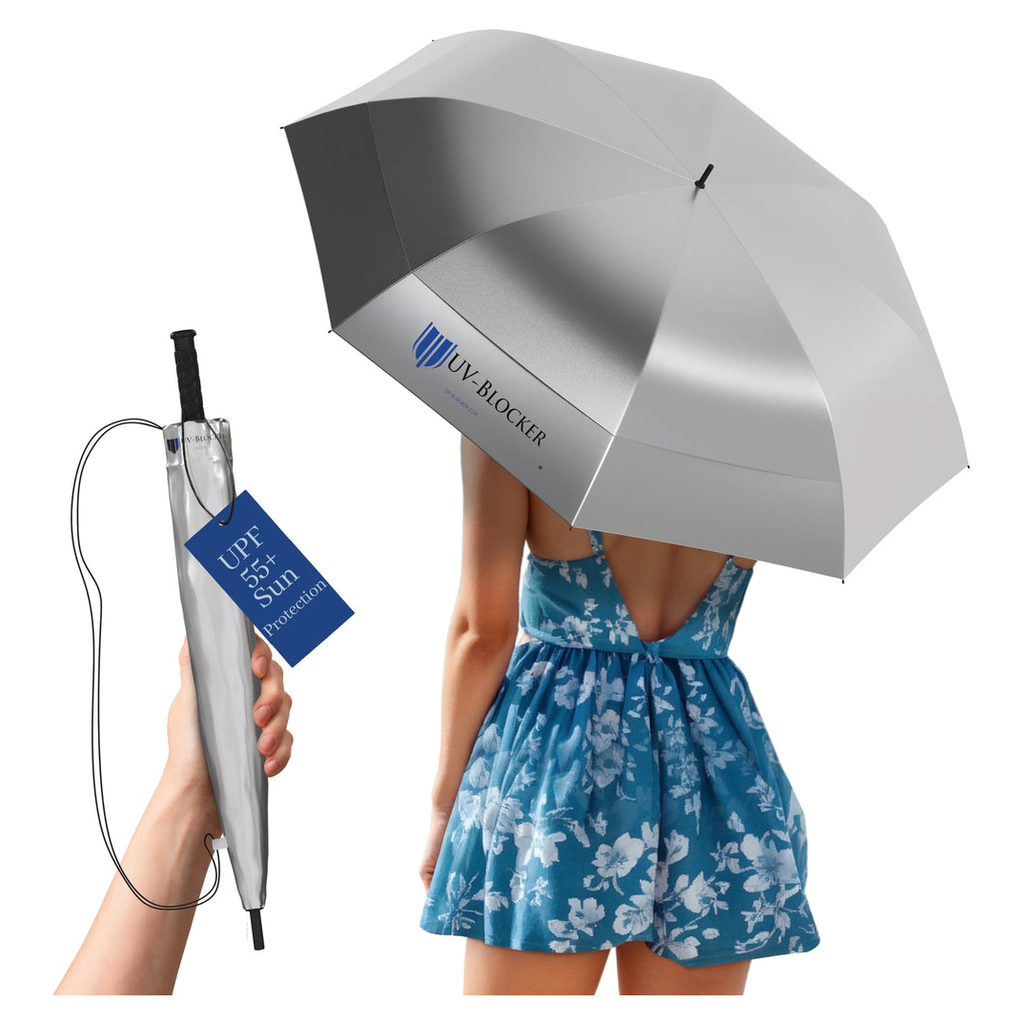
- High (6-7): Things pick up fast here. Fair skin burns in 15-20 minutes. Hats and UV umbrellas start making a real difference on top of sunscreen.
- Very High (8-10): Under 15 minutes to burn for types I-II. The CDC says limit your midday time outdoors. Full coverage isn't optional.
- Extreme (11+): The US Southwest sees this from May through September. Fair skin? Under 10 minutes. Stay out of direct sun from 10am to 2pm.
Time-to-Burn Estimates by UV Level and Skin Type
Here's roughly how long unprotected skin lasts in direct sun at each UV level before it starts turning red. These are estimates, not guarantees. Your mileage depends on sunscreen, how much water you're near, and plain old genetics.
| UV Level | Type I (Very Fair) | Type II (Fair) | Type III (Medium) | Type IV (Olive) | Type V (Brown) | Type VI (Dark) |
|---|---|---|---|---|---|---|
| Low (0-2) | 45-60 min | 50-70 min | 60+ min | Rarely burns | Rarely burns | Rarely burns |
| Moderate (3-5) | 20-30 min | 25-35 min | 35-45 min | 50-60 min | 60+ min | Rarely burns |
| High (6-7) | 15-20 min | 20-25 min | 25-35 min | 40-50 min | 50-60 min | 60+ min |
| Very High (8-10) | 10-15 min | 15-20 min | 20-25 min | 30-40 min | 40-50 min | 50-60 min |
| Extreme (11+) | 5-10 min | 10-15 min | 15-20 min | 25-30 min | 30-40 min | 45-55 min |
Worth noting: darker skin types rarely see a visible sunburn, but that doesn't mean UV isn't doing damage. Cumulative DNA changes, dark spots, and faster skin aging happen regardless of whether skin turns red.
What UV Index Is Dangerous?
The WHO considers UV 6 and above dangerous, where sunscreen alone stops being reliable protection.
Once the UV index hits 6, skin damage ramps up significantly. The WHO draws the line at UV 6+ as where clothing, shade, and physical barriers go from "nice to have" to necessary. The AAD backs this up, calling for shade-seeking behavior and protective clothing above UV 5.
"Dangerous" depends on who you are, though. Type I skin? UV 3 is already risky. Type V can handle UV 7 without turning red, but invisible DNA damage piles up regardless. The real shift at UV 6 is that damage outpaces what sunscreen alone can handle.
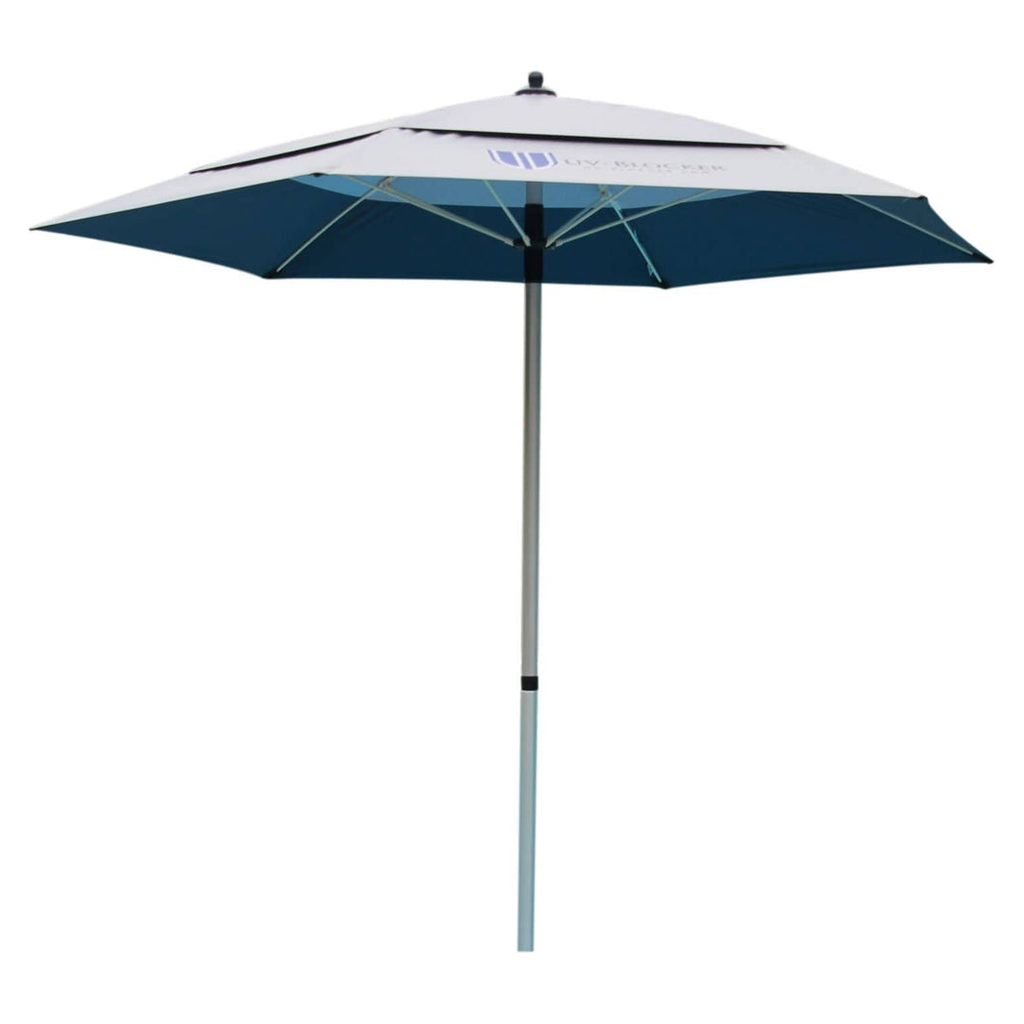
"The first items we pack are our UV-Blocker Beach Umbrellas," says Dr. Andrea Buck, a dermatologist in Medford, NJ. At UV 6+, reapplying sunscreen every couple hours just doesn't cut it on its own anymore.
UV Index Protection Chart: What to Do at Every Level
At UV 0-5, sunscreen handles protection. At 6-7, add physical barriers. At 8+, it's all of the above plus limiting outdoor time.
Think of protection as layers you add as the number climbs.

Here's the problem with most UV index guides: they stop at "wear sunscreen and seek shade." That's fine at UV 3. It falls apart at UV 8. What follows is a level-by-level breakdown of what actually works.
Low (0-2): Minimal Protection
Sunglasses if you want them. Sunscreen only if you'll be out for a while. Most people don't need anything extra at this level.
Moderate (3-5): Sunscreen + Hat
Slap on SPF 30+ and reapply every two hours. A wide-brim hat helps if you're out for more than half an hour. Try to grab some shade during the 10am-2pm window.
High (6-7): Add Physical UV Barriers
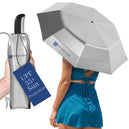
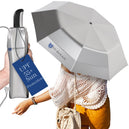
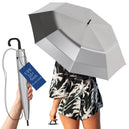
Sunscreen by itself won't cut it anymore. This is where layering matters. Add a hat, sunglasses, and a UPF 50+ UV umbrella. AATCC TM183-2020 testing shows a UPF 50+ umbrella blocks 100% of UV-B and 99.97% of UV-A, turning it into a portable shade zone as effective as solid overhead cover. The science behind reflective coatings explains why the Solarteck® silver exterior bounces infrared and UV away instead of soaking it in. Result: 15°F cooler underneath compared to standing in direct sun.
Very High (8-10): Full Coverage, Limit Exposure
Stack everything from the previous levels. If you're sweating, reapply sunscreen every 80 minutes instead of two hours. Keep outdoor time between 10am and 4pm to a minimum. A UPF 50+ umbrella pulls double duty here, blocking UV while dropping the temperature underneath by 15°F.
Extreme (11+): Maximum Protection, Minimum Exposure
Stay indoors between 10am and 2pm if you can. When you do go out, it's the full stack: SPF 50 sunscreen, UPF-rated clothing, wide-brim hat, sunglasses, and a UV umbrella with reflective coating. There's no shortcut at this level.
UV Index Protection Action Chart
| UV Level | Sunscreen | Hat | UV Umbrella (UPF 50+) | UPF Clothing | Limit Exposure |
|---|---|---|---|---|---|
| Low (0-2) | Optional | Not needed | Not needed | Not needed | Not needed |
| Moderate (3-5) | SPF 30+ | Recommended | Optional | Optional | Seek shade at midday |
| High (6-7) | SPF 30+ | Essential | Recommended | Recommended | Avoid prolonged midday |
| Very High (8-10) | SPF 50 | Essential | Essential | Essential | Limit 10am-4pm exposure |
| Extreme (11+) | SPF 50 | Essential | Essential | Essential | Avoid 10am-2pm outdoors |
Want to see the actual lab numbers? The UPF 50+ test results and certification breakdown covers the AATCC TM183-2020 testing standard in detail.
How Does UV Index Vary by Region and Season in the US?
UV intensity varies dramatically by region, from Southwest highs of 11+ to Northeast peaks of 6-8 during summer.
It depends entirely on where you live. The Southwest routinely hits 11+. The Northeast caps out around 6-8. Same country, completely different UV reality.
A July afternoon in Phoenix and a July afternoon in Portland aren't even playing the same game.
- Southwest (AZ, NV, NM): Peak UV tops 11+ from May through August. Thin air and clear skies make this the most intense UV zone in the lower 48. The Arizona sun protection guide has region-specific strategies.
- Southeast (FL, GA, TX): Summer UV sits at 8-10. The humidity piles heat stress on top of UV, which is a rough combo. State guides for Florida, Georgia, and Texas cover the details.
- Mountain West (CO, UT): Denver's 5,280-foot elevation pushes UV 30-40% higher than what you'd see at sea level. UV 7-9 is a normal summer day there. The Colorado guide digs into the altitude factor.
- Northeast (NY, NJ, PA): Peak UV hits 6-8 from June through August. Lower than the Southwest, but that's still "High" on the WHO scale. New York guide here.
- California: Huge range. UV 6-7 on the foggy northern coast, 10-11 in Death Valley and the inland deserts. The California guide breaks it down.
Across most of the continental US, the UV index stays above 6 from May through September. That's the five-month stretch where layered protection matters for everyone. Down south, that window opens earlier (April) and closes later (October).
Traveling somewhere with high UV? A portable UV protection umbrella puts AATCC-tested UV blocking in a bag that fits under an airplane seat.
What Is the Shadow Rule for UV Safety?
If your shadow is shorter than you are, the UV is high enough to burn and you need protective layers beyond sunscreen.
That's the shadow rule, and the WHO recommends it as a quick outdoor check that doesn't need your phone.
Here's how it works. Step outside. Look down. If your shadow is shorter than your height, the sun's high enough that UV is likely 6 or above. That means sunscreen alone isn't cutting it.
In most of the US during summer, that happens between roughly 10am and 4pm. Closer to the equator, the window stretches from 9am to 3pm.
It's not perfect. The shadow rule won't tell you about UV bouncing off water or snow, and it can't factor in altitude. Think of it as a bare-minimum gut check. If you want precision, pull up the UV index on your phone and match it to the protection chart above.
Frequently Asked Questions About the UV Index
Quick answers to the UV index questions that come up most often in search and AI assistants.
What UV Index Can You Tan?
Most skin types start tanning around UV index 3. Dermatologists, though, will tell you there's no "safe tanning UV level" because every tan signals DNA damage.
UV 3-5 brings on a gradual tan for types II-IV. The AAD's position is blunt: no safe UV tanning level exists. That golden color? It's the skin's injury alarm going off.
How Long Can You Be in the Sun at UV Index 7?
At UV 7, very fair skin lasts 15-20 minutes before reddening. Medium skin gets 25-35 minutes. Darker types reach 50-60 minutes.
All of that assumes bare skin in direct sun. Throw on SPF 30 and you've got roughly 30x more time, as long as you're reapplying every couple hours.
Does UV Index Affect Vitamin D Production?
Yes, UV-B triggers vitamin D production, and UV index 3 or above provides enough UV-B for adequate vitamin D in just 10-15 minutes.
According to the NIH, that short daily exposure covers most people's needs. Staying out longer than 15-20 minutes doesn't boost vitamin D any further. It just adds skin damage.
What Time of Day Is UV Index Highest?
Between 10am and 2pm, almost everywhere, because the sun sits at its highest angle and UV takes the shortest path through atmosphere.
Clouds don't save you during that window, either. Up to 80% of UV gets through thin cloud cover. And if you're near the equator, the danger zone stretches wider: 9am to 3pm.
Is UV Index 3 Bad?
UV 3 is moderate and not harmful for most people, but fair skin burns in 20-30 minutes without sunscreen at this level.
The WHO says sunscreen and a hat are a good idea starting at this level. And for anyone dealing with lupus, a melanoma history, or medication-triggered photosensitivity, UV 3 is already worth layering protection beyond just sunscreen.
Conclusion
A UV index number only matters if it changes what you do. Three thresholds are worth remembering:
- UV 3: Grab sunscreen, especially with fair skin.
- UV 6: Sunscreen isn't enough on its own anymore. Add a hat, UV umbrella, or UPF clothing. This is the WHO's "High" line.
- UV 8: Everything stacks. Full coverage, limited time outside. Sunscreen can't keep pace by itself.
And when you don't have your phone handy? The shadow rule. Shorter shadow than you are tall = UV is at 6+, time to layer up.
Open your weather app right now and check today's UV index. Match it to the protection chart above. For anyone living in a UV 6+ zone who wants AATCC-tested physical UV protection, a UPF 50+ umbrella blocks 99.97% of UV-A and 100% of UV-B. That's the highest verified UV-blocking in a portable format you can carry in one hand.
Sun Safety in Australia
Australia has some of the highest UV radiation levels in the world, with the UV Index regularly reaching extreme levels (11 or above) in cities such as Sydney, Melbourne, Brisbane, Perth, and Adelaide for much of the year — including on overcast days. The Cancer Council Australia reports that approximately two in three Australians will be diagnosed with some form of skin cancer by age 70, making sun protection a national health priority.
Key resources and guidelines for Australian sun safety:
- SunSmart Program (Cancer Council Australia): The SunSmart UV Alert is broadcast daily and recommends sun protection whenever the UV Index reaches 3 or above. In most Australian cities, this threshold is met every day of the year, including winter months in northern regions.
- ARPANSA (Australian Radiation Protection and Nuclear Safety Agency): Provides real-time UV monitoring at stations across all states and territories. Australians can access current UV levels at arpansa.gov.au.
- Safe Work Australia — UV Radiation as an Occupational Hazard: Australian workplace health and safety legislation requires employers to assess and manage UV radiation exposure for outdoor workers. Physical shade, including umbrellas rated UPF 50+, is recognised as a primary engineering control under these regulations.
A UPF 50+ UV-blocking umbrella provides the consistent, continuous shade protection that is essential under Australia's intense sun. The UV-Blocker umbrella, with its patented Solarteck® reflective coating, blocks 99% of UV rays and reduces perceived temperature by up to 15°F — a meaningful advantage for outdoor activities in Australia's climate. It is the only umbrella of its kind approved by the Melanoma International Foundation.
Sun Safety in Canada
Canada experiences meaningful UV exposure throughout the year, with UV Index levels regularly reaching 8–10 or higher during summer months in cities such as Vancouver, Calgary, Toronto, and Ottawa. Health Canada and Environment and Climate Change Canada publish daily UV Index forecasts and recommend protective measures whenever the index exceeds 3 — a threshold reached on most clear days between May and August across the country.
Key resources for Canadian sun safety:
- Health Canada UV Index: Published daily via the Environment and Climate Change Canada weather portal (weather.gc.ca). Canadians can track UV levels by city and receive alerts when protection is recommended.
- Canadian Cancer Society: Recommends UPF 50+ clothing, hats, sunscreen, and shade-seeking as primary sun protection strategies. Physical UV barriers — such as UPF 50+ umbrellas — are emphasized for prolonged outdoor exposure.
- Canadian Dermatology Association: Endorses broad-spectrum sun protection strategies, including shade structures and UV-blocking accessories, especially for individuals with fair skin or a personal or family history of skin cancer.
For Canadians spending extended time outdoors — whether working, playing sports, or enjoying recreational activities — a UV-blocking umbrella rated UPF 50+ provides continuous, reapplication-free protection. The UV-Blocker umbrella, independently tested and approved by the Melanoma International Foundation, blocks 99% of UV rays and keeps users up to 15°F cooler — making it a practical and reliable companion for Canadian summers.
Frequently Asked Questions
What is the difference between UVA and UVB rays, and why does it matter?
UVA rays (320–400nm) are longer waves that penetrate deep into the skin, causing photoaging, wrinkles, and contributing to melanoma. They pass through glass and clouds and are relatively constant year-round. UVB rays (290–320nm) are shorter, cause sunburn, and are the primary driver of skin cancer. They're most intense midday (10am–4pm) and in summer. Effective sun protection must block both.
How effective is a UPF 50+ umbrella compared to sunscreen alone?
A UPF 50+ umbrella blocks 99%+ of direct overhead UV — more reliable than sunscreen because it doesn't require reapplication, doesn't wash off with sweat, and provides consistent protection. However, reflected UV from surfaces still reaches skin under an umbrella. The ideal combination is SPF 50+ sunscreen + UPF 50+ umbrella for 95–99% total UV reduction. UV-Blocker's umbrellas are dermatologist-recommended for this purpose.
What time of day poses the highest UV risk?
UV radiation is highest between 10am and 4pm, peaking around noon in most locations. The UV Index is the most accurate measure — when it reaches 6 or above, unprotected skin can begin to burn in as little as 15 minutes. Cloud cover reduces UV intensity but doesn't eliminate it: 80% of UV penetrates light cloud cover.
Does skin tone affect UV damage risk?
All skin tones are affected by UV radiation, but the risk and presentation differ. People with lighter skin (Fitzpatrick types I–III) burn faster and have higher non-melanoma skin cancer rates. People with darker skin (types IV–VI) are more prone to hyperpigmentation and have a higher risk of melanoma being diagnosed at later stages. Sun protection is essential for every skin tone.
What are early warning signs of skin cancer I should watch for?
Use the ABCDE rule for moles: Asymmetry, Border irregularity, Color variation, Diameter larger than 6mm, and Evolving (any change over time). Also watch for sores that don't heal, new pink or pearly bumps, and flat red or pink patches. Annual dermatologist screenings are recommended for anyone with significant sun exposure history or a family history of skin cancer.
Expert Sun Protection Recommendations
- Check the daily UV Index at weather.gov or a UV app before any extended outdoor activity
- Apply SPF 30+ broad-spectrum sunscreen 30 minutes before going outdoors, not right before sun exposure
- Reapply sunscreen every 2 hours and after swimming or heavy sweating
- Use a UPF 50+ umbrella for hands-free shade during outdoor dining, sports, or work
- Wear UV-blocking sunglasses that block 99–100% of UVA and UVB — eyes are vulnerable to UV-related damage
- Annual skin screenings with a board-certified dermatologist can catch early-stage skin cancers when highly treatable
Frequently Asked Questions
What is the difference between UVA and UVB rays, and why does it matter?
UVA rays (320–400nm) are longer waves that penetrate deep into the skin, causing photoaging, wrinkles, and contributing to melanoma. They pass through glass and clouds and are relatively constant year-round. UVB rays (290–320nm) are shorter, cause sunburn, and are the primary driver of skin cancer. They're most intense midday (10am–4pm) and in summer. Effective sun protection must block both.
How effective is a UPF 50+ umbrella compared to sunscreen alone?
A UPF 50+ umbrella blocks 99%+ of direct overhead UV — more reliable than sunscreen because it doesn't require reapplication, doesn't wash off with sweat, and provides consistent protection. However, reflected UV from surfaces still reaches skin under an umbrella. The ideal combination is SPF 50+ sunscreen + UPF 50+ umbrella for 95–99% total UV reduction. UV-Blocker's umbrellas are dermatologist-recommended for this purpose.
What time of day poses the highest UV risk?
UV radiation is highest between 10am and 4pm, peaking around noon in most locations. The UV Index is the most accurate measure — when it reaches 6 or above, unprotected skin can begin to burn in as little as 15 minutes. Cloud cover reduces UV intensity but doesn't eliminate it: 80% of UV penetrates light cloud cover.
Does skin tone affect UV damage risk?
All skin tones are affected by UV radiation, but the risk and presentation differ. People with lighter skin (Fitzpatrick types I–III) burn faster and have higher non-melanoma skin cancer rates. People with darker skin (types IV–VI) are more prone to hyperpigmentation and have a higher risk of melanoma being diagnosed at later stages. Sun protection is essential for every skin tone.
What are early warning signs of skin cancer I should watch for?
Use the ABCDE rule for moles: Asymmetry, Border irregularity, Color variation, Diameter larger than 6mm, and Evolving (any change over time). Also watch for sores that don't heal, new pink or pearly bumps, and flat red or pink patches. Annual dermatologist screenings are recommended for anyone with significant sun exposure history or a family history of skin cancer.
Expert Sun Protection Recommendations
- Check the daily UV Index at weather.gov or a UV app before any extended outdoor activity
- Apply SPF 30+ broad-spectrum sunscreen 30 minutes before going outdoors, not right before sun exposure
- Reapply sunscreen every 2 hours and after swimming or heavy sweating
- Use a UPF 50+ umbrella for hands-free shade during outdoor dining, sports, or work
- Wear UV-blocking sunglasses that block 99–100% of UVA and UVB — eyes are vulnerable to UV-related damage
- Annual skin screenings with a board-certified dermatologist can catch early-stage skin cancers when highly treatable