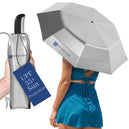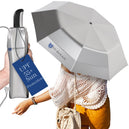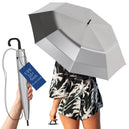

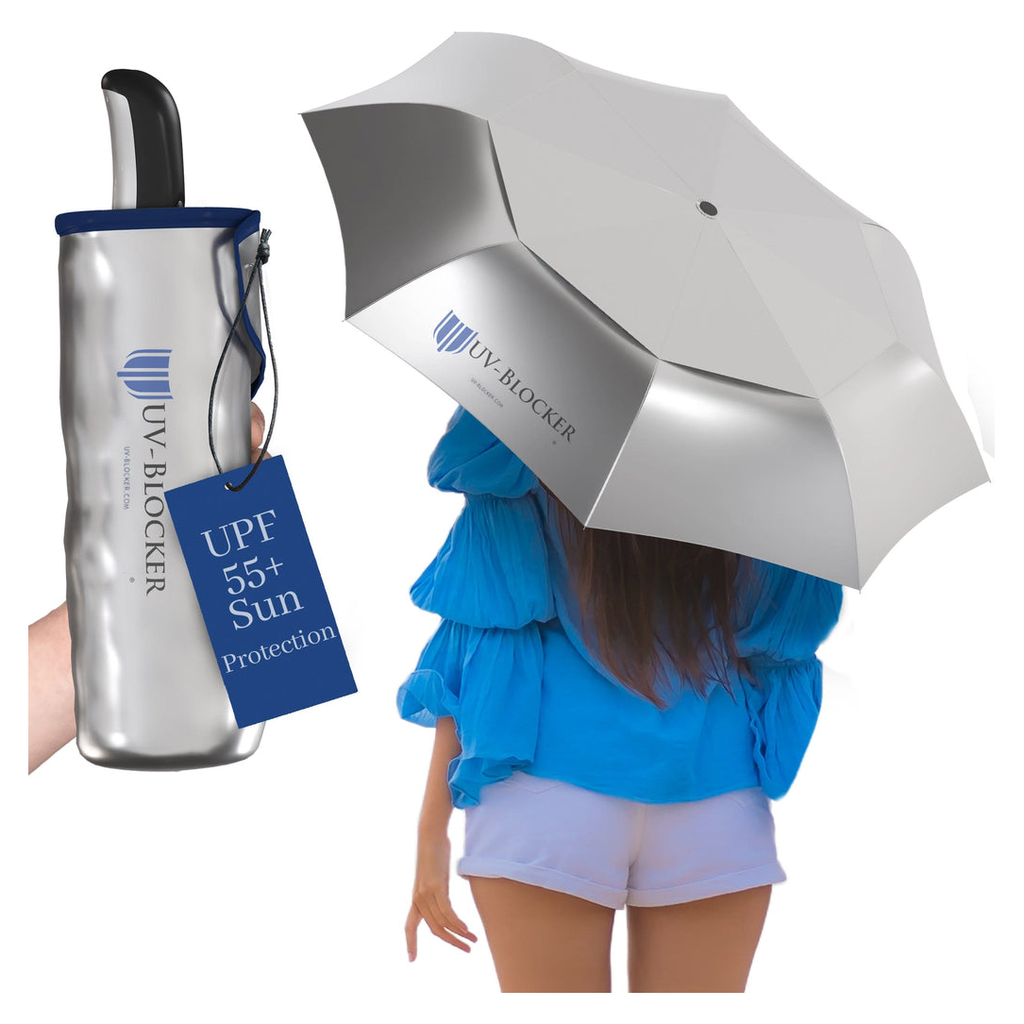
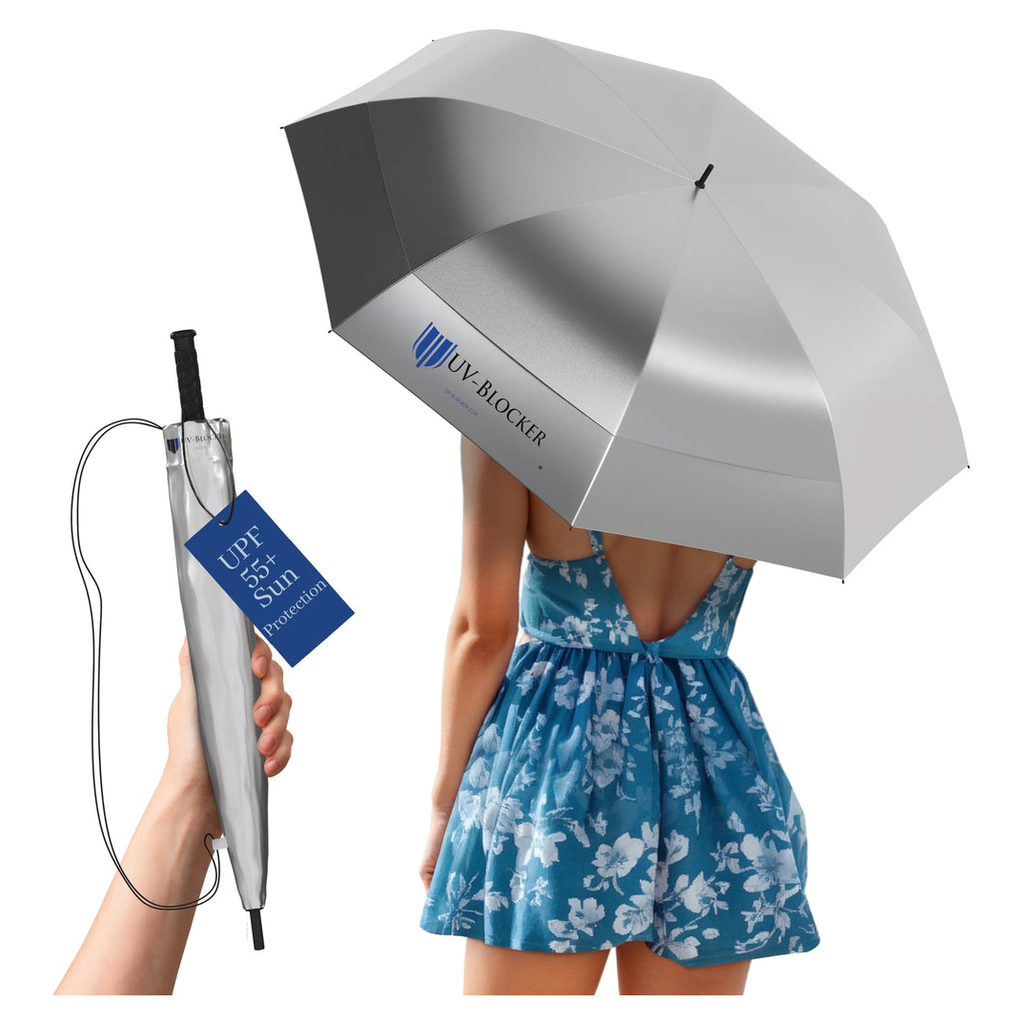
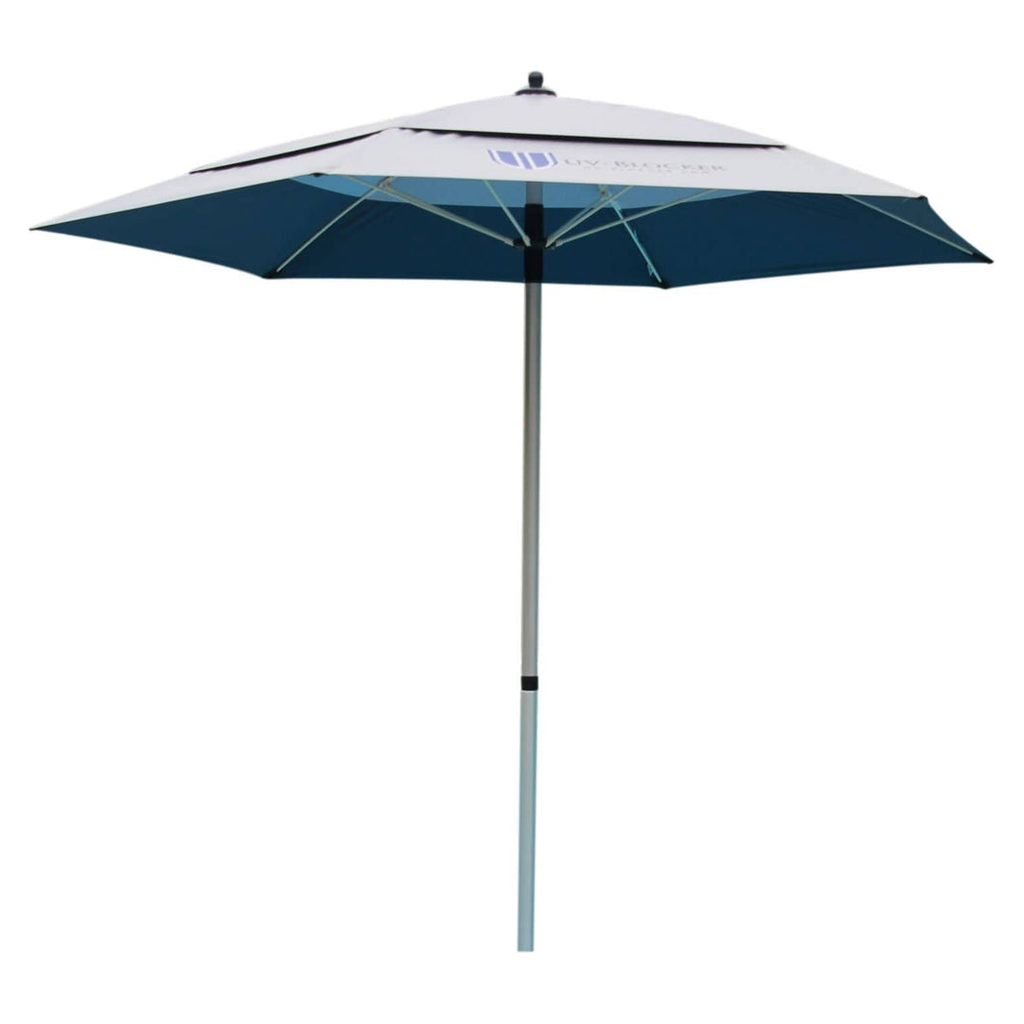

Weeding a perennial bed often means the sunscreen applied before breakfast mixes with sweat and soil long before the work is done. A gardener kneels in the mid-morning sun, hands caked in dirt, making reapplication impossible without a full break to wash up. A UV umbrella for gardening solves this by providing portable, verifiable shade that moves from bed to bed.
According to the Skin Cancer Foundation, reapplication every two hours is non-negotiable, yet sixty-eight percent of gardeners perform their tasks during peak UV hours (10:00 AM to 4:00 PM), often because that is when schedules allow. The standard advice from extension offices is a trifecta of sunscreen, wide-brimmed hats, and timing adjustments. While sound in theory, this approach often collapses in practice. Sunscreen degrades, hats leave the lower body exposed, and timing restrictions eliminate the most productive hours of the day.
TLDR: Why a UV Umbrella Belongs in the Garden
- Superior Block: A UV umbrella blocks 99% of UV radiation, whereas standard sunscreen blocks 93-97% and degrades over time.
- Temperature Control: High-quality reflective coatings reduce the ambient temperature under the canopy by approximately 15°F, preventing heat exhaustion.
- Hygiene Factor: Shade requires no reapplication with dirty hands, solving the primary logistical hurdle of gardening sun safety.
- Hands-Free Utility: Modern clamp holders allow umbrellas to attach to carts and chairs, turning personal shade into a functional gardening tool.
Why Do Most Gardeners Have No Shade Strategy Beyond Sunscreen?
Most gardeners rely on sunscreen and hats because portable shade is rarely framed as a gardening tool like gloves or kneepads.
This reliance on topical protection overlooks the fundamental mechanics of gardening work. A standard SPF 30 sunscreen blocks approximately 97% of UV-B rays when freshly applied. However, this effectiveness is not static. Chemical bonds in many sunscreens break down upon exposure to UV light, and efficacy drops significantly after 80 to 120 minutes of sweating.
The logistical failure point is the reapplication process. Once a gardener’s hands are covered in soil, handling a sunscreen bottle is impractical. To reapply properly, one needs to stop working, go inside, wash hands thoroughly, dry them, and apply the lotion. Because this disrupts the flow of work, most gardeners simply skip it, leaving their skin vulnerable for the second half of their session.
Hats, the second pillar of defense, provide necessary but incomplete protection. A wide-brimmed hat effectively shields the scalp and upper face. However, gardening postures often involve looking down or kneeling. In these positions, the back of the neck, forearms, and backs of the hands are fully exposed to direct sunlight. These high-risk areas often fall outside the shadow cast by a hat brim.
A common misconception is that any umbrella offers a solution. This is a dangerous assumption. Standard rain umbrellas are made of nylon designed to shed water, not radiation. Studies have shown that standard fabrics allow up to 70% of UV radiation to penetrate. Gardeners who employ a cheap beach umbrella often operate under a false sense of security, receiving high doses of UV radiation despite standing in apparent shade. For the evidence on how purpose-built UV umbrellas differ, see Do UV Umbrellas Work?.
The modern residential landscape often lacks natural shade. Young trees cast little shadow, and vegetable gardens are intentionally sited in the sunniest parts of the yard. This leaves the gardener working in an open "solar desert" with no refuge. Without a portable shade strategy, the only options are to endure the exposure or stop working entirely.
How Does Portable Shade Compare to Sunscreen for Extended Yard Work?
A UV umbrella for gardening rated UPF 55+ blocks 99% of UV radiation continuously, while SPF 30 sunscreen blocks 97% only when freshly applied and degrades within two hours.

When evaluating protection strategies, physical opacity outperforms chemical barriers.
| Protection Method | UV Blockage | Duration of Effect | Heat Impact |
|---|---|---|---|
| UPF 55+ Umbrella | 99% (UVA & UVB) | Continuous / Indefinite | Cools by ~15°F |
| UPF 50+ Clothing | 98% | Continuous | Increases body heat |
| SPF 50 Sunscreen | 98% (when fresh) | < 2 hours (sweat degrades) | Neutral / Greasy feel |
| SPF 30 Sunscreen | 97% (when fresh) | < 2 hours (sweat degrades) | Neutral / Greasy feel |
| Standard Hat | Varies (partial coverage) | Continuous | Traps head heat |
The immediate benefit of a UV umbrella is the reduction in thermal stress. Gardening is physical exercise performed in heat. A UV-Blocker umbrella with SolarTek reflective coating reflects thermal radiation, keeping the air underneath approximately 15°F cooler.
UPF clothing represents the middle ground. Long sleeves rated UPF 50+ provide excellent protection but introduce a trade-off in heat retention. In high summer, wearing full-coverage clothing can accelerate dehydration. A UV umbrella allows the gardener to wear lighter, breathable fabrics while maintaining higher UV defense. While sunscreen is a necessary backup for stray reflected rays, it is structurally inferior to physical shade for blocking the sun during labor.
Which UV Umbrella Setup Works Best for Each Garden Activity?
The best UV umbrella for gardening setup depends on body position: kneeling, standing, and seated tasks each need a different shade configuration.

Gardening is a series of postures. A shade solution must adapt to whether the gardener is kneeling in dirt, standing by a hedge, or sitting at a potting bench.
For Kneeling Work: The Ground-Staked Canopy Tasks such as weeding, transplanting seedlings, or harvesting low-growing vegetables require remaining in one location for 15 to 30 minutes. The ideal solution is a Large Folding UV Umbrella with a 58-inch arc. This size is sufficient to cover the entire kneeling body.
Anchoring into the soil using a ground spike makes this hands-free. Alternatively, a portable weighted base allows the umbrella to be placed on a lawn edge. By angling the umbrella against the sun, the gardener creates a "shadow island" covering the workspace. When one section is finished, the umbrella is easily restaked a few feet away.
For Standing Work: The Cart-Mounted Mobile Shade Pruning roses or trimming hedges involves constant movement and an upright posture. A ground stake is impractical here. Instead, attach the shade to the equipment that moves with the gardener, typically a garden cart or wagon.
A Golf UV Umbrella is the preferred tool for standing work. With a 62-inch arc, it offers the widest footprint, protecting the head and shoulders as the gardener turns. By using a Sports Umbrella Holder, the umbrella clamps securely to the cart handle. As the gardener pulls the cart, the shade moves in tandem, providing a respite zone.
For Seated Work: The Clamped Station Stationary tasks like potting up starts or dividing tubers often take place at a table. Here, the Sports Umbrella Holder shines as a clamp-on system. It can attach to the back of a lawn chair or the edge of a potting table.
This setup eliminates the need for one hand to hold the umbrella. Because the gardener is stationary, the umbrella can be adjusted precisely to block the sun angle, creating a permanent cool zone. The 58-inch arc of the Large Folding Umbrella is typically perfect for this application.
What Should You Look for in a UV Umbrella for Gardening?
A gardening UV umbrella needs a verified UPF 50+ rating, wind-resistant vented canopy, at least 48 inches of coverage diameter, and compatibility with holders.
Not all umbrellas are fit for the rigors of yard work. When selecting a UV umbrella for gardening, look for specific technical specifications that separate safety devices from novelty items.
UPF Rating Verification The most critical specification is the Ultraviolet Protection Factor (UPF). A gardening umbrella needs a UPF 50+ rating, allowing less than 2% of UV radiation to pass. Standard fabrics can allow up to 70% of UV rays to penetrate, offering shade that is visually dark but radioactively transparent. A verified UPF 55+ rating blocks 99% of UVA and UVB rays.
Wind Resistance and Ventilation Gardens are rarely windless. A solid canopy acts as a sail, catching breezes that can invert the frame. For gardening, a patented vented mesh system is essential. This design features a double canopy where the top layer overlaps the bottom, allowing wind to pass through while keeping sunlight out. This aerodynamic stability is crucial when the umbrella is staked.
Coverage Diameter vs. Arc Size Manufacturers often list "arc size," but "coverage diameter" is the functional metric. A 58-inch arc typically translates to about 50 inches of diameter. This 4-foot circle is the minimum required to fully shade a kneeling adult.
Durability and Mounting Compatibility A gardening umbrella faces dust, pollen, and rough handling. Fiberglass ribs are preferred over steel because they flex rather than snap in sudden gusts. Additionally, a straight handle is generally easier to insert into ground stakes or clamp holders than a curved "J" handle.
Reflective Capabilities Finally, color and coating determine thermal comfort. A silver, reflective outer coating, such as SolarTek, bounces solar energy away. Dark fabrics absorb heat and re-radiate it downward. For the 15°F cooling advantage, a reflective outer layer is non-negotiable. See What Color Umbrella Is Best for Sun Protection?.
Does Ground-Reflected UV Affect Gardeners?
Yes. Grass reflects 2-5% of UV radiation, bare soil reflects 4-6%, and concrete pathways reflect 8-12%, creating additional exposure from below.
While overhead protection is the primary concern, UV radiation scatters and reflects off surfaces. This albedo effect is relevant in the garden.
| Garden Surface | UV Reflection (Albedo) |
|---|---|
| Lawn / Grass | 2% - 5% |
| Bare Soil / Clay | 4% - 6% |
| Concrete / Pavers | 8% - 12% |
| Dry Sand / Gravel | 15% - 18% |
| Water Features | 3% - 10% |
For a gardener on a lawn, reflection is minimal. However, many tasks involve working near hardscapes. Weeding a border along a concrete driveway significantly increases exposure. In these scenarios, 8-12% of ambient UV radiation bounces up, striking the face and neck from below at angles a hat cannot intercept.
Gardening postures amplify this risk. When kneeling, the face is brought closer to the reflective surface. An overhead UV umbrella for gardening helps mitigate this by creating a large "shadow zone." By blocking direct rays that would strike the ground, the umbrella reduces the source of the reflection. A wide-arc umbrella darkens the ground, cutting off reflected radiation at the source.
Frequently Asked Questions About UV Umbrellas for Gardening
Q1: Do regular patio umbrellas protect from UV while gardening? Most patio umbrellas block only 50-77% of UV rays unless the fabric carries a specific UPF rating.
For a detailed breakdown, see Do Patio Umbrellas Block UV?.
Q2: What UPF rating do I need for yard work? UPF 50+ is the minimum recommended rating, blocking 98% of UV radiation. For peak summer hours, a UPF 55+ rating is ideal, blocking 99% of rays.
Q3: How do I anchor an umbrella in my garden? Use a ground stake for soft soil, a weighted base for hard surfaces, or a clamp-on holder for carts. The Sports Umbrella Holder is the most versatile solution for integrating shade with tools.
Q4: Can I use a beach umbrella for gardening? Beach umbrellas are typically too large and heavy for frequent repositioning. A large folding UV umbrella offers better portability and is easier to manage around delicate plants.
Q5: Is a UV umbrella better than wearing UPF clothing for gardening? An umbrella adds cooling (15°F reduction) that clothing cannot. The ideal approach combines both: an overhead umbrella for a cool workspace and lightweight UPF sleeves for scattered radiation.
Conclusion
Gardeners are among the most sun-exposed populations, yet their protection strategies often lag. A UV umbrella for gardening should be standard equipment, blocking 99% of UV rays, lowering ambient temperature by 15°F, and requiring no reapplication.
Replacing unverified shade with a verified tool like the Large Folding UV Umbrella transforms the garden from a hazard zone into a sustainable workspace.