

A 90-minute weekend brunch on a restaurant patio delivers as much UV radiation as a half-day at the pool.
The difference? Nobody applies sunscreen before ordering eggs Benedict. According to the American Academy of Dermatology, cumulative UV exposure from everyday activities drives the majority of skin cancer cases. Yet the average patio umbrella has never been tested for UV transmission.
This guide breaks down the real UV risks of outdoor dining and covers what consumers and restaurant operators can do to close the protection gap.
Why Is Outdoor Dining a Hidden UV Risk?
Outdoor dining typically lasts 60 to 90 minutes during peak UV hours, exposing diners to cumulative radiation that most patio shade does nothing to block.
The CDC's UV Index guidance identifies the window between 10am and 2pm as the highest-risk period for UV exposure. That window overlaps almost perfectly with the lunch rush. A UV Index of 6 or higher means unprotected skin can burn in under 20 minutes, and most outdoor dining seatings run three to four times that long.
Reflected UV Compounds the Problem
Shade from above only addresses part of the equation. UV radiation bounces off surrounding surfaces and reaches diners from multiple angles. According to the World Health Organization, concrete sidewalks reflect approximately 12% of incoming UV, while water surfaces near waterfront restaurants reflect 10% to 30%.
White tablecloths, light-colored building facades, and glass windows all contribute additional reflected UV. A diner sitting under a standard umbrella still receives scattered radiation from below and from the sides.
The Behavior Gap
Most people apply sunscreen before heading to the beach or the pool. Almost nobody does the same before a restaurant reservation. This creates a false sense of security: the umbrella overhead looks protective, so no additional precautions feel necessary.
That assumption is the core problem.
What Do Standard Patio Umbrellas Actually Block?
Most restaurant patio umbrellas use standard polyester or acrylic fabric with no UV testing, blocking glare and visible light but allowing significant UV radiation to pass through.
The manufacturers behind those restaurant umbrellas? They're designing for looks, water resistance, and color retention. Testing how much UV passes through the canopy isn't part of the process. Sure, the fabric knocks down visible sunlight and cuts glare. But shade you can see and UV protection you can measure are two very different things.
Fabric Degradation Over Time
Even fabrics that initially block some UV lose effectiveness with exposure. After two to three seasons of sun, rain, and wind, polyester and acrylic fibers break down. The weave loosens. Dye fades. A patio umbrella that blocked moderate UV when new transmits significantly more radiation by its third summer.
Most restaurant operators swap out umbrellas when they look faded or start tearing. UV performance? That never enters the conversation. Nobody tests the old one before tossing it, and nobody tests the new one before bolting it to the patio.
What the Research Shows
The AAD keeps coming back to one point: it's the cumulative UV from routine outdoor activities that adds up over years and drives long-term skin damage. Outdoor dining fits that pattern perfectly. It's regular, it's repeated, and for most diners, it's completely unprotected.
What Is the Difference Between UPF-Rated and Decorative Shade?
UPF tells you exactly how much UV gets through a fabric, based on lab testing under the AATCC TM183-2020 standard. At UPF 50+, over 98% of UV is blocked. Most untested patio umbrellas don't come close.
Think of UPF as the fabric version of SPF. Where SPF rates sunscreen, UPF rates textiles. A lab measures how much UV-A and UV-B passes through the material, and the result gets a standardized rating. The higher the number, the less UV sneaks through the weave.
The UPF Scale
| UPF Rating | UV Blocked | Protection Category | Typical Source |
|---|---|---|---|
| UPF 5-10 | 80-90% | Minimal | Standard patio umbrella (untested) |
| UPF 15 | 93.3% | Good | Some treated outdoor fabrics |
| UPF 30 | 96.7% | Very Good | UV-treated commercial fabric |
| UPF 50+ | 98%+ | Excellent | UV-Blocker Solarteck® (99.97% UV-A, 100% UV-B) |

Most decorative patio umbrellas, if tested, would fall somewhere in the UPF 5 to 15 range. That means 7% to 20% of UV radiation passes straight through the canopy, hitting diners sitting directly underneath.
What Makes the Difference
The gap between decorative shade and real UV protection comes down to fabric construction. Standard umbrella fabrics rely on dye and weave density to block light. Dyes primarily block visible wavelengths, not UV.
UV-Blocker umbrellas use patented Solarteck® fabric with a silver reflective outer coating that bounces UV and infrared radiation away from the surface. Independent testing under the AATCC TM183-2020 standard confirms the results: 99.97% of UV-A blocked, 100% of UV-B blocked. That level of protection earned approval from the Melanoma International Foundation and dermatologist recommendations.
And there's a bonus that diners notice right away: it's cooler underneath. The Solarteck® reflective coating bounces infrared heat along with UV, so the air under the canopy runs about 15°F cooler than sitting in direct sun. During a July lunch, that's the difference between lingering and leaving.
How Can Diners Protect Themselves from UV While Eating Outdoors?
Diners can request shaded seating, avoid peak UV hours, wear sun-protective clothing, and bring a personal UPF-rated umbrella for reliable UV coverage at any outdoor table.
Taking control of sun protection for outdoor dining starts with a few practical steps that don't require any cooperation from the restaurant. Each one reduces cumulative UV exposure during meals.
Ask About the Shade
When booking a reservation, ask for a shaded table. Then ask the host what kind of shade the patio actually has. Nine times out of ten, the staff won't know whether the umbrella carries a UPF rating. And that blank stare? It tells you everything. If nobody on staff knows, that shade hasn't been tested.
Time the Meal Strategically
The CDC's advice is straightforward: try to limit direct sun exposure between 10am and 4pm, when the UV Index climbs highest. Pushing that dinner reservation to 5pm or later in summer months cuts UV exposure way down, and honestly, the lighting's better for photos anyway.
Bring Personal UPF-Rated Protection
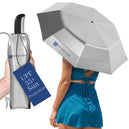
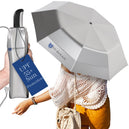
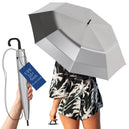
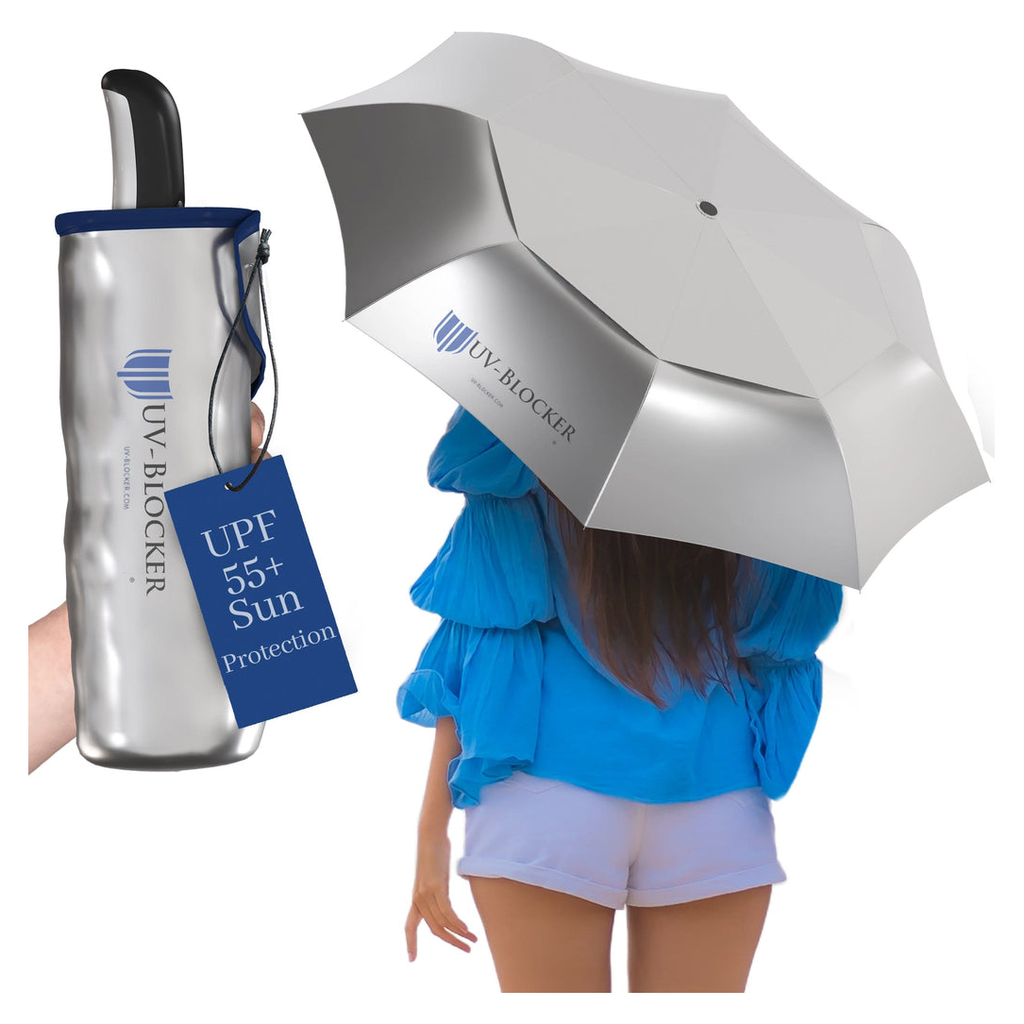
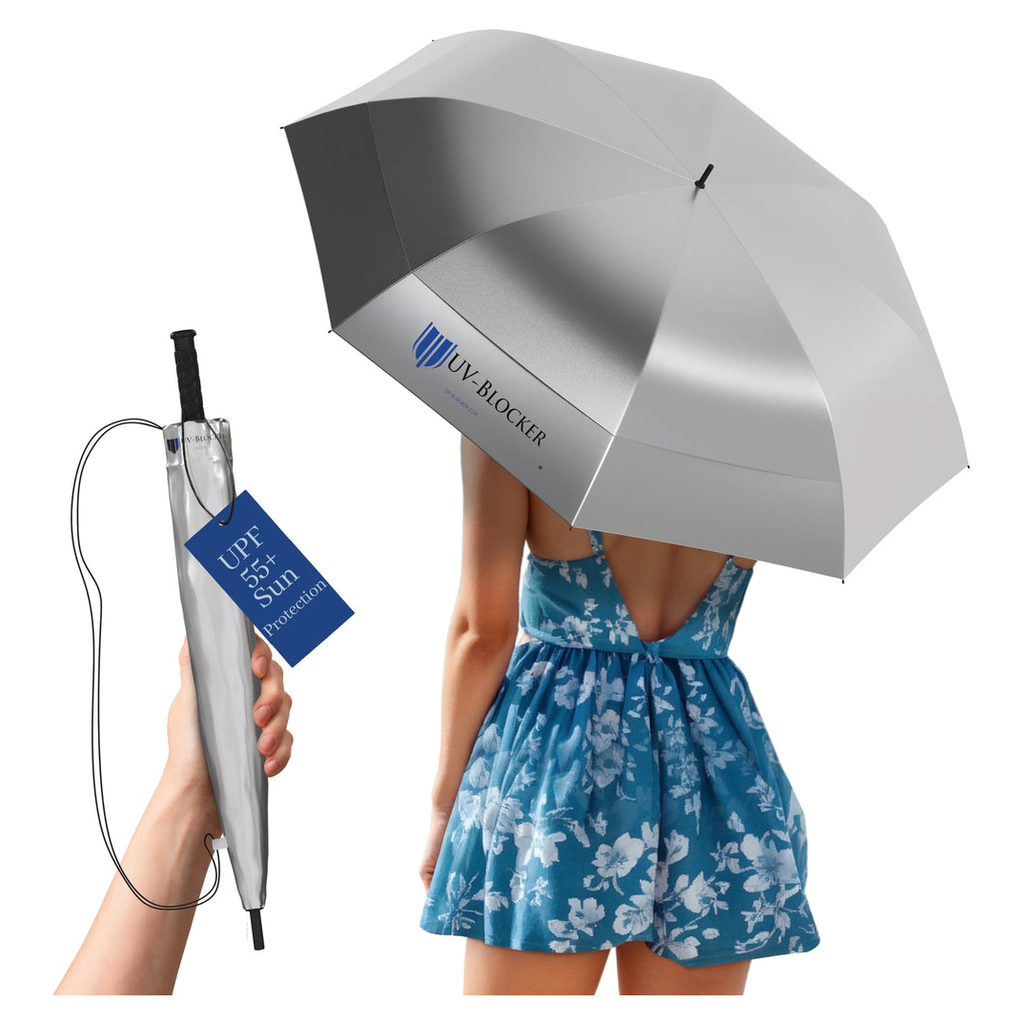
For diners who want tested UV protection they can bring along, the UV-Blocker Large Beach Umbrella (7.5ft, UPF 50+) provides 88 inches of certified shade coverage. That is enough to cover a standard two-top or four-top dining table. The Solarteck® coating blocks 99.97% of UV-A and 100% of UV-B, and the 15°F cooling effect makes a noticeable difference during summer meals.
Wear Sun-Protective Accessories
A wide-brim hat and UV-blocking sunglasses provide additional protection for the face, neck, and eyes. These complement overhead shade and address UV that reaches diners from reflected angles.
How Can Restaurant Operators Upgrade to Real UV Protection?
Restaurant operators can replace decorative patio umbrellas with commercial UPF 50+ rated options, reducing liability exposure, improving guest comfort, and adding a marketable safety feature.
The switch from decorative to UPF-rated patio shade isn't complicated, and the returns show up in more ways than one.
The Business Case
Here's something restaurant owners don't always realize: guests with sun-sensitive conditions actually research shade options before booking. People living with lupus, a melanoma history, or medication-triggered photosensitivity will call a restaurant and ask what kind of patio shade they've got. A UPF-rated setup converts that call into a booking instead of a hang-up.
There's a revenue angle too. Comfortable diners stick around longer. They'll order that second cocktail, split a dessert, leave a bigger tip. Guests squinting and sweating? They're asking for the check before the entrees even clear.
Commercial UPF-Rated Options
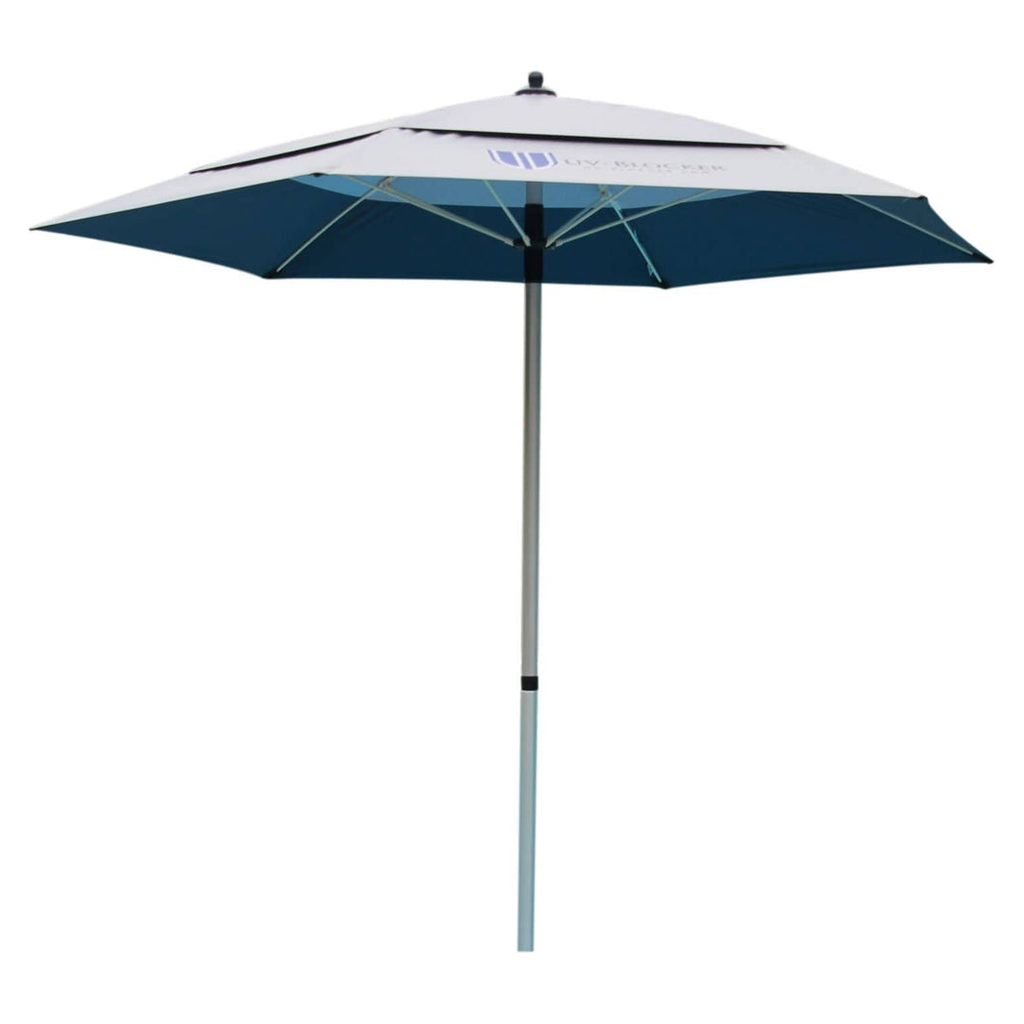
UV-Blocker's ServiceShield was built for exactly this use case. It's a commercial-grade UPF 50+ patio umbrella with the same Solarteck® coating used in the consumer line (99.97% UV-A, 100% UV-B blocked), but sized and engineered for restaurant patios and hospitality venues.
For operators in sun-heavy markets (Southwest, Southeast, and coastal regions), "UPF 50+ certified patio shade" is a feature worth promoting. It differentiates a restaurant from every competitor running standard untested umbrellas.
The Accommodation Angle
Photosensitive conditions are more common than most restaurateurs think. Lupus alone affects roughly 1.5 million Americans, and plenty of everyday medications (certain antibiotics, blood pressure drugs) ramp up sun sensitivity too. Having UPF-rated shade on the patio isn't just a nice touch for these guests. It's a practical accommodation for a documented medical need.
That dual payoff is hard to ignore: do right by a community that's been underserved, and earn their loyalty in the process.
How Do You Check If a Patio Umbrella Blocks UV?
Check for a UPF label or tag on the umbrella, ask the manufacturer for an AATCC TM183 test report, and assess fabric condition. Faded or worn fabric transmits more UV.
Whether it's a personal umbrella or a restaurant's patio setup, verifying sun protection for outdoor dining comes down to four quick checks.
Step 1: Look for a UPF Label
Flip the umbrella tag over and look for a UPF rating. Check the product listing or any packaging that came with it. No UPF number anywhere? Then it hasn't been tested, period. That's enough to classify it as decorative, not protective.
Step 2: Request a Test Report
Contact the manufacturer and ask one question: "Can you send me the AATCC TM183-2020 test report for this fabric?" That's the U.S. benchmark for UV protection in textiles, and any company selling a legitimate UPF-rated product should have the paperwork on hand. If they can't produce it, the rating is either missing or unverified.
Step 3: Assess Fabric Condition
UV, heat, and moisture degrade fabric over time. A patio umbrella that is three or more years old, visibly faded, or showing wear at the seams is transmitting more UV than when it was new. Replacement on a UV-performance schedule (not just a cosmetic schedule) is the only way to maintain protection.
Step 4: Default to Caution
Not sure about the umbrella? Assume it doesn't block UV. That's the safer default. Shade you can see isn't the same as UV protection you can measure. If there's no current UPF rating from an accredited lab, treat that umbrella like it's decorative, because it probably is.
For a side-by-side look at tested UV umbrella options, the UV umbrella comparison guide walks through the differences across brands and price points.
Frequently Asked Questions About Sun Protection for Outdoor Dining
Diners, restaurant owners, and people with sun-sensitive conditions tend to ask the same handful of questions. Here are the ones that come up most often.
Can You Get Sunburned While Sitting Under a Patio Umbrella?
Yes. Standard patio umbrellas block visible light but not UV radiation, and reflected UV from surrounding surfaces reaches diners from multiple angles.
Here's the frustrating part: the WHO estimates that up to 80% of UV radiation punches right through light cloud cover. Standard shade fabrics aren't much better. Unless the umbrella has been UPF-tested, there's no reason to assume it's blocking the UV wavelengths that cause skin damage. The glare goes down, sure. But the UV? It's still getting through.
What UPF Rating Should a Restaurant Patio Umbrella Have?
UPF 30 is the minimum worth considering, but UPF 50+ is where real protection starts. At that level, over 98% of UV radiation gets blocked per the AATCC TM183-2020 testing standard.
UV-Blocker's own test results come in at 99.97% UV-A and 100% UV-B blocked. Want to dig deeper into how the scale works? The UPF explainer guide walks through every level and what it actually means for your skin.
Is Outdoor Dining Safe for People with Lupus or Photosensitivity?
It can be, yes, but only with the right precautions: UPF-rated shade overhead, dining outside peak UV hours, and personal sun protection to fill any gaps.
The Lupus Foundation's guidance is clear: avoid direct sun and use verified UV protection. Bringing a personal UPF 50+ umbrella means the restaurant's shade setup doesn't matter. For anyone with documented photosensitivity, this isn't about comfort or preference. It's a medical decision.
Do Sidewalk Cafe Umbrellas Protect from UV?
Most sidewalk cafe umbrellas are decorative and untested for UV protection. Without a UPF rating, they block glare but allow UV radiation to pass through the fabric.
Sidewalk surfaces also reflect 8% to 12% of UV radiation back upward, reaching diners from below the umbrella canopy. The combination of unblocked direct UV through the fabric and reflected UV from below means overall exposure under a sidewalk cafe umbrella is higher than most people assume.
How Much UV Exposure Do You Get During a 1-Hour Outdoor Meal?
During peak hours (10am to 2pm), a 60-minute outdoor meal without UPF-rated shade delivers unprotected UV exposure for the full duration of the sitting.
The CDC advises limiting direct sun exposure between 10am and 4pm when the UV Index is highest. At a UV Index of 8 (common in summer across most of the continental United States), unprotected skin begins burning in approximately 15 minutes. A one-hour meal is four times that threshold.
Conclusion
Sun protection for outdoor dining is a blind spot. Most diners haven't thought about it, and most restaurant operators haven't addressed it either.
The core takeaways:
- Most patio umbrellas have never been tested for UV protection. Visible shade reduces heat and glare, but it does not block UV radiation.
- UPF 50+ rated shade blocks 98%+ of UV. The AATCC TM183-2020 standard verifies exactly how much UV a fabric transmits.
- Consumers can take control. Bringing a personal UPF-rated umbrella, choosing evening dining, and wearing sun-protective accessories all reduce risk.
- Operators can gain an edge. Upgrading to UPF-rated patio shade reduces liability, improves guest comfort, and differentiates the business.
And the single fastest way to assess any umbrella? Look for a UPF label. No label, no verified protection. It's that straightforward.
For a full breakdown of tested options, the best sun umbrellas for UV protection guide compares nine expert-tested picks. And for professionals who spend entire shifts outdoors, the sun protection for outdoor workers guide covers trade-specific solutions.
Sun Safety in Australia
Australia has some of the highest UV radiation levels in the world, with the UV Index regularly reaching extreme levels (11 or above) in cities such as Sydney, Melbourne, Brisbane, Perth, and Adelaide for much of the year — including on overcast days. The Cancer Council Australia reports that approximately two in three Australians will be diagnosed with some form of skin cancer by age 70, making sun protection a national health priority.
Key resources and guidelines for Australian sun safety:
- SunSmart Program (Cancer Council Australia): The SunSmart UV Alert is broadcast daily and recommends sun protection whenever the UV Index reaches 3 or above. In most Australian cities, this threshold is met every day of the year, including winter months in northern regions.
- ARPANSA (Australian Radiation Protection and Nuclear Safety Agency): Provides real-time UV monitoring at stations across all states and territories. Australians can access current UV levels at arpansa.gov.au.
- Safe Work Australia — UV Radiation as an Occupational Hazard: Australian workplace health and safety legislation requires employers to assess and manage UV radiation exposure for outdoor workers. Physical shade, including umbrellas rated UPF 50+, is recognised as a primary engineering control under these regulations.
A UPF 50+ UV-blocking umbrella provides the consistent, continuous shade protection that is essential under Australia's intense sun. The UV-Blocker umbrella, with its patented Solarteck® reflective coating, blocks 99% of UV rays and reduces perceived temperature by up to 15°F — a meaningful advantage for outdoor activities in Australia's climate. It is the only umbrella of its kind approved by the Melanoma International Foundation.
Sun Safety in Canada
Canada experiences meaningful UV exposure throughout the year, with UV Index levels regularly reaching 8–10 or higher during summer months in cities such as Vancouver, Calgary, Toronto, and Ottawa. Health Canada and Environment and Climate Change Canada publish daily UV Index forecasts and recommend protective measures whenever the index exceeds 3 — a threshold reached on most clear days between May and August across the country.
Key resources for Canadian sun safety:
- Health Canada UV Index: Published daily via the Environment and Climate Change Canada weather portal (weather.gc.ca). Canadians can track UV levels by city and receive alerts when protection is recommended.
- Canadian Cancer Society: Recommends UPF 50+ clothing, hats, sunscreen, and shade-seeking as primary sun protection strategies. Physical UV barriers — such as UPF 50+ umbrellas — are emphasized for prolonged outdoor exposure.
- Canadian Dermatology Association: Endorses broad-spectrum sun protection strategies, including shade structures and UV-blocking accessories, especially for individuals with fair skin or a personal or family history of skin cancer.
For Canadians spending extended time outdoors — whether working, playing sports, or enjoying recreational activities — a UV-blocking umbrella rated UPF 50+ provides continuous, reapplication-free protection. The UV-Blocker umbrella, independently tested and approved by the Melanoma International Foundation, blocks 99% of UV rays and keeps users up to 15°F cooler — making it a practical and reliable companion for Canadian summers.
Frequently Asked Questions
What are the specific UV risks for Sun Protection for Outdoor Dining?
Outdoor workers like Sun Protection for Outdoor Dining typically accumulate 2–3× more UV exposure than indoor office workers. Chronic UV exposure increases melanoma and non-melanoma skin cancer risk significantly. OSHA recognizes UV radiation as a workplace hazard, and workers' compensation claims related to occupational UV exposure are rising. Proper sun protection is both a health and occupational safety requirement.
Does OSHA require sun protection for outdoor workers?
OSHA's General Duty Clause requires employers to protect workers from recognized hazards, including UV radiation. While no specific UV standard exists for most industries, OSHA guidance on heat illness prevention overlaps with UV protection. Several states have stronger outdoor worker heat and UV protection regulations. Employers should provide shade, schedule breaks, and supply sun protection equipment.
What sun protection equipment works best for active outdoor work?
For workers who need freedom of movement, the most effective combination is: (1) UPF 50+ work shirts and pants, (2) wide-brim hard hat or sun-protective hat, (3) SPF 50 water-resistant sunscreen on exposed skin, and (4) a portable clamp or magnetic-base UV umbrella that creates shade at a fixed workstation. UV-Blocker's ServiceShield umbrella was specifically designed for rooftop and outdoor workstation use.
How often should outdoor workers apply sunscreen during a shift?
Sunscreen should be reapplied every 2 hours, and immediately after heavy sweating or toweling off. Most outdoor workers underapply — dermatologists recommend 1 oz (shot glass amount) for full body coverage. Water-resistant SPF 50+ formulas last longer during sweating. Physical (mineral) sunscreens tend to be more stable under direct sun than chemical formulas.
What long-term skin damage should outdoor workers watch for?
Watch for actinic keratoses (rough, scaly patches), unusual moles or growths that change in size, shape, or color, and persistent sores that don't heal. Annual skin cancer screenings with a dermatologist are strongly recommended for outdoor workers with 10+ years of occupational sun exposure. Early detection dramatically improves outcomes.
Professional Sun Safety Protocol for Sun Protection for Outdoor Dining
- Schedule intensive UV work (roof work, outdoor inspections) before 10am or after 4pm when UV index is lowest
- Use UV-blocking umbrella attachments at fixed workstations — they eliminate ambient UV exposure during breaks
- Establish a buddy system: coworkers check each other for missed sunscreen areas and early sunburn signs
- Keep sunscreen in the work vehicle or tool bag — accessibility increases compliance
- Document sun protection training in safety briefings — it creates legal compliance records and reinforces habits
- Consider UV-protective safety eyewear — eyes are often neglected in outdoor worker sun protection protocols
Frequently Asked Questions
What are the specific UV risks for Sun Protection for Outdoor Dining?
Outdoor workers like Sun Protection for Outdoor Dining typically accumulate 2–3× more UV exposure than indoor office workers. Chronic UV exposure increases melanoma and non-melanoma skin cancer risk significantly. OSHA recognizes UV radiation as a workplace hazard, and workers' compensation claims related to occupational UV exposure are rising. Proper sun protection is both a health and occupational safety requirement.
Does OSHA require sun protection for outdoor workers?
OSHA's General Duty Clause requires employers to protect workers from recognized hazards, including UV radiation. While no specific UV standard exists for most industries, OSHA guidance on heat illness prevention overlaps with UV protection. Several states have stronger outdoor worker heat and UV protection regulations. Employers should provide shade, schedule breaks, and supply sun protection equipment.
What sun protection equipment works best for active outdoor work?
For workers who need freedom of movement, the most effective combination is: (1) UPF 50+ work shirts and pants, (2) wide-brim hard hat or sun-protective hat, (3) SPF 50 water-resistant sunscreen on exposed skin, and (4) a portable clamp or magnetic-base UV umbrella that creates shade at a fixed workstation. UV-Blocker's ServiceShield umbrella was specifically designed for rooftop and outdoor workstation use.
How often should outdoor workers apply sunscreen during a shift?
Sunscreen should be reapplied every 2 hours, and immediately after heavy sweating or toweling off. Most outdoor workers underapply — dermatologists recommend 1 oz (shot glass amount) for full body coverage. Water-resistant SPF 50+ formulas last longer during sweating. Physical (mineral) sunscreens tend to be more stable under direct sun than chemical formulas.
What long-term skin damage should outdoor workers watch for?
Watch for actinic keratoses (rough, scaly patches), unusual moles or growths that change in size, shape, or color, and persistent sores that don't heal. Annual skin cancer screenings with a dermatologist are strongly recommended for outdoor workers with 10+ years of occupational sun exposure. Early detection dramatically improves outcomes.
Professional Sun Safety Protocol for Sun Protection for Outdoor Dining
- Schedule intensive UV work (roof work, outdoor inspections) before 10am or after 4pm when UV index is lowest
- Use UV-blocking umbrella attachments at fixed workstations — they eliminate ambient UV exposure during breaks
- Establish a buddy system: coworkers check each other for missed sunscreen areas and early sunburn signs
- Keep sunscreen in the work vehicle or tool bag — accessibility increases compliance
- Document sun protection training in safety briefings — it creates legal compliance records and reinforces habits
- Consider UV-protective safety eyewear — eyes are often neglected in outdoor worker sun protection protocols