

Roughly 3.5 million ciprofloxacin prescriptions are filled in the US each year, making cipro the most commonly prescribed fluoroquinolone antibiotic. Yet no dedicated cipro sun sensitivity guide exists on the first page of any search engine.
Most patients receive a brief verbal warning at the pharmacy counter. They might skim the pharmacy insert about sun avoidance. Almost none get clear guidance on how long it lasts, how severe it can get, or what kind of protection actually works.
This guide covers why cipro causes UV reactions, how common they really are (with clinical data most patients never see), who faces the highest risk, and a practical protection protocol for the full treatment course.
TLDR:
- Ciprofloxacin makes skin highly sensitive to UVA radiation.
- Cystic fibrosis patients experience reaction rates between 35 and 48 percent.
- General population incidence stays lower at under 2.4 percent.
- Cipro causes both direct cellular damage and immune-mediated allergic reactions.
- The drug's 3 to 5 hour half-life means sensitivity clears about one week after stopping.
- Protection during treatment requires broad-spectrum sunscreen, UPF clothing, and physical shade.

Does Ciprofloxacin Cause Sun Sensitivity?
Yes. Ciprofloxacin is a documented photosensitizing drug that causes UV-triggered skin reactions, primarily through UVA radiation in the 320 to 400 nm wavelength range.
The FDA classifies cipro as a photosensitizing agent. The reaction triggers from UVA radiation rather than UVB. That detail matters for daily protection because UVA penetrates cloud cover and standard glass windows. It stays present at consistent levels from sunrise to sunset.
Onset typically occurs within 24 hours of direct sun exposure while taking the drug. Some patients react within just a few hours when the local UV index is high. Symptoms include reddened, swollen, or blistered skin that closely resembles a severe sunburn, limited to areas exposed to sunlight.
A mild reaction usually resolves within 48 hours. Severe cases can blister and need medical attention to prevent infection.
How Common Is Cipro Photosensitivity?
General population incidence is under 2.4 percent, but cystic fibrosis patients on ciprofloxacin experience photosensitivity at rates of 35 to 48 percent — far higher than most patients or even clinicians expect.
Adverse reaction reports place general population incidence below 2.4 percent. A large Japanese pharmacovigilance study tracking 4,276 adults found an even lower rate of 1.03 percent. Most people on a standard short course won't experience a severe reaction.
Cystic fibrosis patients, though, face a different reality. Burdge et al. studied 40 CF patients and found a 35.5 percent photosensitivity rate. Tolland et al. later examined 105 CF patients in Northern Ireland and recorded 48.4 percent.
These numbers sit buried in academic literature. They rarely reach patient-facing resources where they're needed most. The Tolland study also uncovered a clinical communication gap: only 66 percent of CF patients recalled receiving any sun care counseling.
| Population | Incidence | Study |
|---|---|---|
| General population | <2.4% | Adverse reaction reports |
| Japanese adults (n=4,276) | 1.03% | Pharmacovigilance data |
| CF patients (n=40) | 35.5% | Burdge et al. 1995 |
| CF patients (n=105) | 48.4% | Tolland et al. 2012 |
Why Does Cipro Make Skin Sensitive to UV?
Cipro molecules absorb UVA radiation, generate reactive oxygen species that damage skin cells, and impair the skin's own antioxidant defenses — a dual attack most antibiotics don't trigger.
The process starts at the molecular level. Cipro absorbs incoming UVA radiation and enters an excited chemical state. It then generates reactive oxygen species (ROS), including singlet oxygen, superoxide, and hydroxyl radicals. These molecules cause oxidative damage to healthy skin cells, breaking down cellular walls and triggering inflammation.
A second pathway compounds the problem. Cipro decreases superoxide dismutase (SOD) activity in the skin. SOD normally acts as the body's built-in cellular repair system. With that defense weakened, skin takes damage faster and recovers slower.
Here's the critical distinction from other photosensitizing antibiotics: fluoroquinolones cause both phototoxicity (direct cell damage) and photoallergy (an immune-mediated reaction that can recur at lower UV doses). Doxycycline, by comparison, only causes phototoxicity. The doxycycline sun sensitivity guide covers that mechanism in detail.
Cipro vs Other Fluoroquinolones: Which Is Worst for Sun Sensitivity?
Cipro ranks moderate on the fluoroquinolone phototoxicity scale — milder than sparfloxacin and lomefloxacin, but more photosensitizing than moxifloxacin, which is essentially non-phototoxic.

The fluoroquinolone class contains drugs with very different risk profiles. Clinical rankings from highest to lowest phototoxicity:
- Clinafloxacin — highest risk (heavily restricted)
- Sparfloxacin — very high risk (restricted in most markets)
- Lomefloxacin — high risk
- Ciprofloxacin / Ofloxacin — moderate risk
- Norfloxacin — lower risk
- Moxifloxacin — lowest risk (rarely causes reactions)
A single atomic difference explains these rankings. The C-8 position on the fluoroquinolone molecule determines phototoxicity: a halogen substituent creates the highest risk, hydrogen (found in cipro) results in moderate risk, and a methoxy group (found in moxifloxacin) produces the lowest.
Many patients ask about levofloxacin (brand name Levaquin). It falls between cipro and moxifloxacin on the phototoxicity scale — lower risk than ciprofloxacin.
How Long Does Cipro Sun Sensitivity Last After Stopping?
Cipro's half-life is 3 to 5 hours, meaning photosensitivity risk drops fast after the last dose and typically returns to baseline within one week of stopping treatment.

Complete drug elimination takes about 20 to 24 hours after the final pill. Photosensitivity then tapers each day. Skin reactions typically return to normal baseline within about one week. Individual metabolism rates create some variation in that timeline.
During Treatment
Each daily dose refreshes the sensitivity window. Protection is necessary every day of the course — not just the first few days. Skipping sun protection on day five because nothing happened on day one is a common mistake.
Compared to Doxycycline
Doxycycline has a 16 to 22 hour half-life, which means its photosensitivity window persists longer. Doxycycline patients need to maintain sun protection for up to two weeks after stopping. The doxycycline sun sensitivity guide has the full timeline.
Who Is Most at Risk for Cipro Photosensitivity?
Cystic fibrosis patients face the highest documented risk at 35 to 48 percent incidence, followed by fair-skinned individuals, elderly patients, those on high doses, and people taking other photosensitizing drugs simultaneously.
High-Risk Groups
- Cystic fibrosis patients — 35 to 48 percent incidence, the highest of any population studied
- Fair-skinned individuals — Fitzpatrick skin types I and II lack natural melanin protection
- Elderly patients — slower drug metabolism extends the active window
- High-dose or extended-course prescriptions — higher concentrations in skin tissue
- Patients stacking photosensitizing medications — combining cipro with isotretinoin, hydrochlorothiazide, or other photosensitizers compounds the risk. The medications that cause sun sensitivity guide covers drug interactions.
- People in high-UV environments — southern latitudes, altitude, and reflective surfaces like water or snow
How Should You Protect Your Skin While Taking Cipro?
A three-layer approach works best: broad-spectrum sunscreen with strong UVA filters, UPF 50+ clothing, and physical shade from a UV-blocking umbrella during outdoor time.
Layer 1: Sunscreen
Apply a broad-spectrum SPF 30+ sunscreen with strong UVA protection. Look for zinc oxide or Mexoryl-based formulas. Reapply every two hours. UVA is the specific trigger wavelength for cipro reactions, so UVA coverage matters more than the SPF number alone.
Layer 2: UPF Clothing
Wear UPF 50+ rated clothing whenever stepping outside. These fabrics block over 98 percent of UV radiation. Standard summer cotton provides minimal defense.
Layer 3: Physical Shade
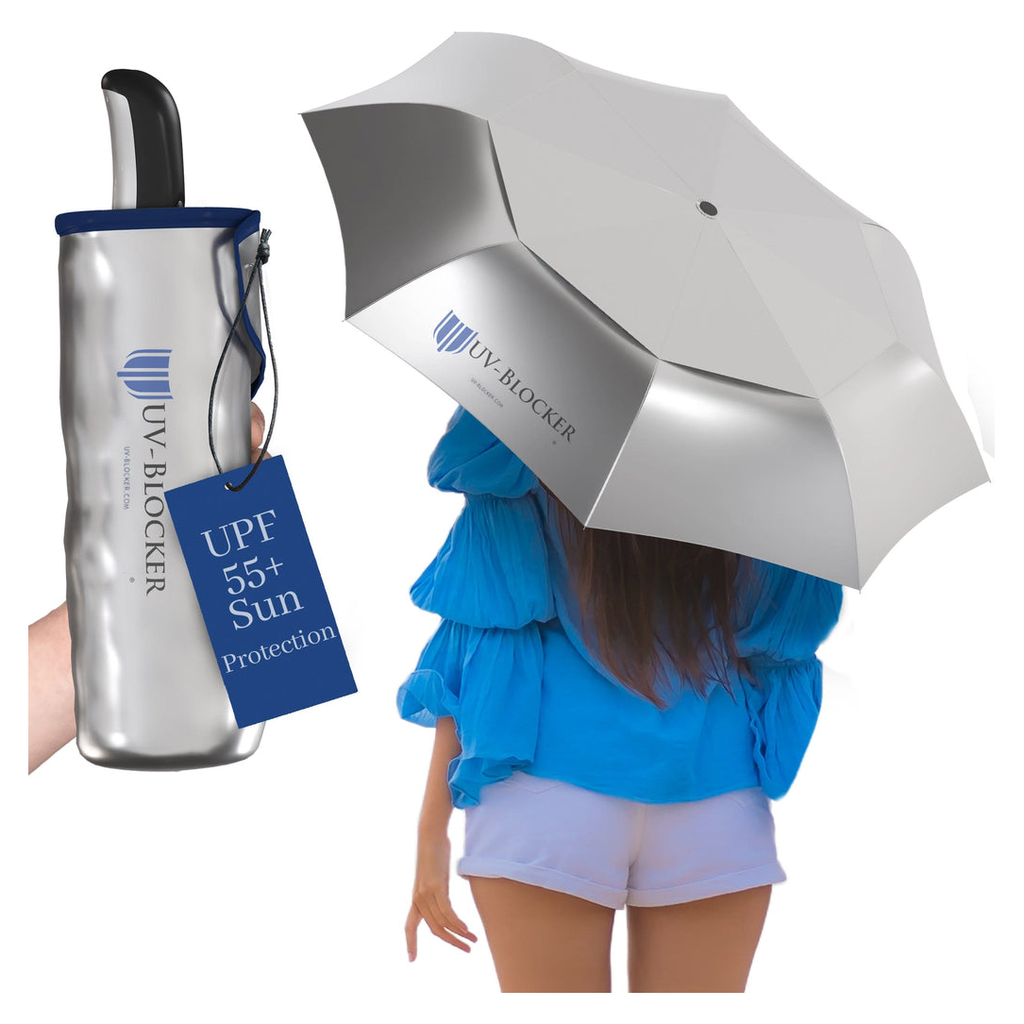
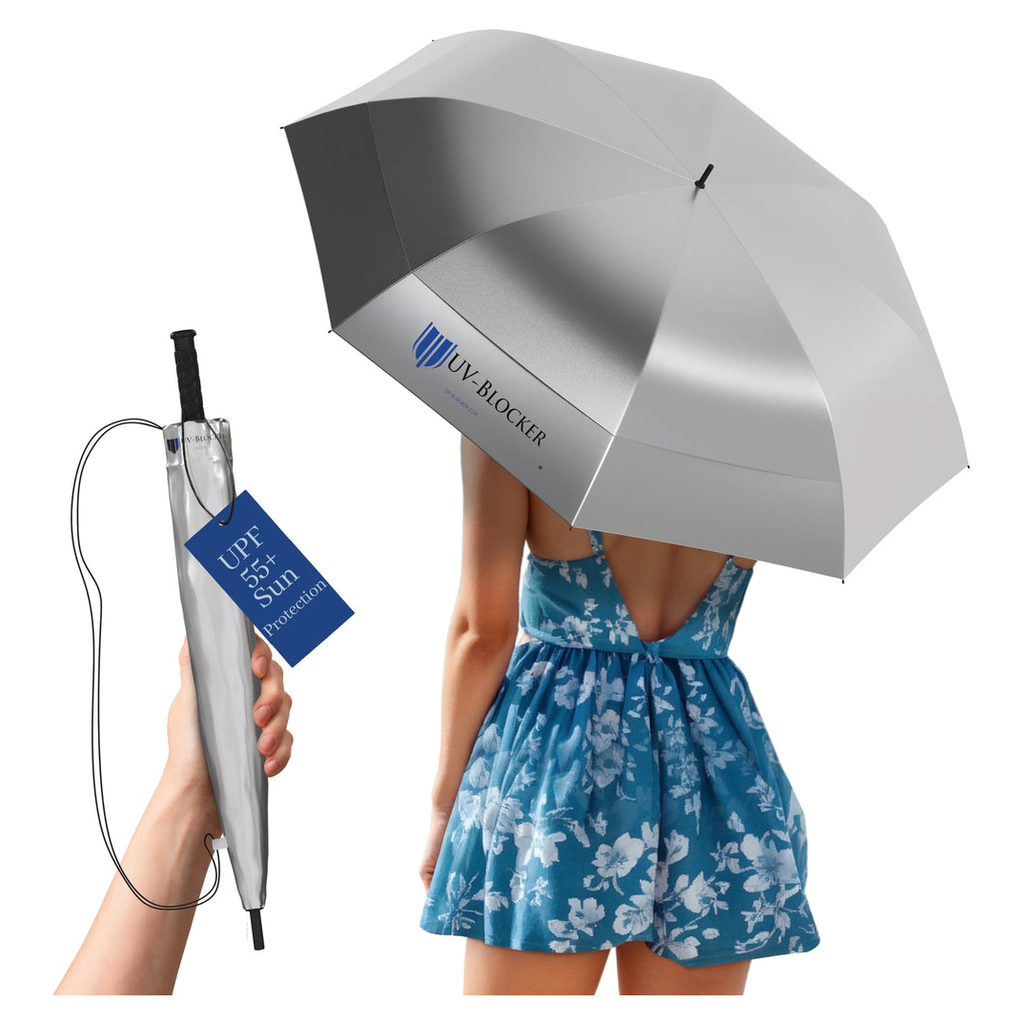
A UPF 50+ UV umbrella provides portable shade for errands, outdoor walks, and commutes. The UV-Blocker Compact Umbrella fits in a purse or bag for quick errands. The UV-Blocker Travel Umbrella covers daily commuters. Both are AATCC TM183-2020 tested, blocking 99.97 percent of UVA radiation.
Reducing total UV exposure reduces the risk of a phototoxic or photoallergic reaction. These umbrellas don't prevent drug sensitivity — they limit the UV reaching the skin.
Additional Precautions
- Avoid peak UV hours (10 AM to 4 PM) when possible
- UVA penetrates clouds and glass — overcast days still carry risk
- Indoor fluorescent lighting emits small amounts of UVA, which can trigger reactions in highly sensitive patients
Cipro vs Doxycycline Sun Sensitivity: What Is the Difference?
Both antibiotics cause UVA-triggered photosensitivity, but cipro causes phototoxicity plus photoallergy while doxycycline causes phototoxicity only. Doxycycline's longer half-life means sensitivity persists longer after stopping.
| Factor | Ciprofloxacin | Doxycycline |
|---|---|---|
| Drug class | Fluoroquinolone | Tetracycline |
| UV trigger | UVA (320–400 nm) | UVA (320–400 nm) |
| Reaction type | Phototoxicity + Photoallergy | Phototoxicity only |
| General incidence | <2.4% | Up to 42% (dose-dependent) |
| Half-life | 3–5 hours | 16–22 hours |
| Post-treatment sensitivity | ~1 week | ~2 weeks |
| CF patient risk | 35–48% | N/A |
Doxycycline is generally considered more phototoxic in the general population, causing reactions in up to 42 percent of patients at higher doses. But cipro's photoallergy component adds immune-mediated complexity that doxycycline lacks. This allergic reaction can recur at lower UV doses once triggered.
For the full doxycycline comparison, read the doxycycline sun sensitivity guide.
Frequently Asked Questions About Cipro Sun Sensitivity
These are the most common questions patients ask about ciprofloxacin and sun exposure.
Can I go in the sun while taking ciprofloxacin?
Brief, limited sun exposure with full protection (sunscreen, UPF clothing, and shade) is possible. Unprotected sun exposure should be avoided during treatment. Risk is highest during peak UV hours between 10 AM and 4 PM.
How long after taking cipro can I go in the sun?
Cipro's half-life spans 3 to 5 hours, so the drug clears within about 24 hours. Photosensitivity returns to baseline within one week after the last dose. Maintain sun protection through the full course plus one extra week.
What does cipro sun sensitivity look like?
It resembles an exaggerated sunburn — red, swollen, sometimes blistered skin limited to sun-exposed areas. Severe cases involve painful blisters and peeling.
Is levofloxacin worse than ciprofloxacin for sun sensitivity?
No. Levofloxacin (Levaquin) has lower phototoxicity potential than ciprofloxacin. It falls between cipro (moderate risk) and moxifloxacin (lowest risk) on the fluoroquinolone phototoxicity scale.
Can fluorescent lights cause a reaction with ciprofloxacin?
In highly sensitive individuals, yes. Fluorescent lighting emits small amounts of UVA. The risk is low for most patients, but CF patients on long-term cipro should be aware of indoor lighting exposure.
Does cipro photosensitivity go away?
Yes. Cipro photosensitivity is temporary and drug-dependent. It resolves after the medication is eliminated from the body, typically within one week of the final dose.
Conclusion
Cipro sun sensitivity is a real clinical risk, not a footnote to ignore on a pharmacy label.
- The reaction risk jumps to 35–48 percent for cystic fibrosis patients, compared to under 2.4 percent in the general population.
- Cipro causes both direct phototoxicity and immune-driven photoallergy — a combination that sets it apart from doxycycline and most other antibiotics.
- The good news: cipro's short half-life means sensitivity clears within about one week of stopping treatment.
- A three-layer defense of sunscreen, UPF clothing, and physical shade covers the treatment window.
Talk to a doctor about personal risk factors, especially for patients with cystic fibrosis or those taking other photosensitizing medications. For the full list of drug-UV interactions, read the medications that cause sun sensitivity guide.
What Do Cipro Photosensitivity Reactions Actually Look Like?
Ciprofloxacin-induced photosensitivity produces reactions that range from mild redness to severe blistering, and distinguishing between a standard sunburn and a drug-induced reaction helps patients respond correctly. Understanding the clinical presentation also helps patients recognize when they need medical attention rather than home treatment.
Phototoxic reactions (most common with Cipro): These appear within minutes to hours of UV exposure. The affected area looks like an unusually severe sunburn — significant redness, tenderness, swelling, and sometimes blistering — that develops in sun-exposed areas only. The distribution pattern is the diagnostic clue: face, forearms, hands, décolletage, and lower legs are commonly affected while covered areas remain normal. The reaction is out of proportion to the UV exposure received. A 15-minute walk during which a patient would normally have no reaction produces a severe burn response while on Cipro.
Photoallergic reactions (less common but more unpredictable): These take 24 to 72 hours to develop and can spread beyond the directly sun-exposed area. The immune system is involved, which means subsequent exposures can produce reactions with less UV and less drug than the original triggering event. Photoallergic reactions look more like eczema — inflamed, weeping patches that spread in ways sunburn does not. Patch testing by a dermatologist confirms the diagnosis.
Pseudoporphyria: A rare Cipro-related reaction resembling porphyria cutanea tarda. Skin fragility, small blisters, and scarring appear on sun-exposed areas. Pseudoporphyria resolves after stopping the medication but can take weeks to fully clear.
Any severe blistering reaction while taking Cipro warrants immediate medical contact. Patients should not self-treat severe phototoxic reactions with over-the-counter products alone without confirming the diagnosis and appropriate management with their prescriber.
The Step-by-Step Cipro Sun Protection Protocol for Patients
Patients prescribed Cipro need a concrete daily protocol, not just general advice to "avoid the sun." The following framework addresses the specific gaps that lead to photosensitivity reactions while on this medication.
Before leaving the house:
- Apply SPF 50+ broad-spectrum mineral sunscreen (zinc oxide or titanium dioxide) to all exposed skin. Mineral formulations provide immediate physical UV blocking without the 15-minute activation wait that chemical sunscreens require. Apply to ears, the back of the neck, and the dorsal surfaces of the hands — areas commonly missed.
- Check the daily UV index for your area. UV index 3 or above requires active protection while taking Cipro. Don't rely on cloud cover or temperature to judge safety.
- Plan outdoor activities for early morning (before 9 AM) or late afternoon (after 5 PM) when possible. These timing windows reduce peak-hour UV by 40 to 60 percent.
When going outdoors:
- Carry a UPF 50+ personal sun umbrella for immediate overhead protection. The UV-Blocker Compact Umbrella folds to 12 inches and fits in a purse or bag — practical enough to carry on any errand or appointment. Unlike sunscreen, it requires no reapplication and provides physical, not chemical, UV blocking.
- Wear long sleeves (UPF-rated fabric preferred) even in warm weather. Cipro photosensitivity extends to all areas exposed through clothing in rare cases, but covered areas are substantially more protected than exposed ones.
- Wear a wide-brim hat that covers ears and the back of the neck. These areas are among the most common sites for phototoxic reactions.
- Wear UV-blocking wrap-around sunglasses. UV can penetrate standard eyeglass side gaps and cause photosensitive eye reactions in susceptible patients.
Reapplication schedule:
- Every 60 to 90 minutes in high-UV conditions (index 7+) or when sweating
- Every 2 hours in moderate conditions (index 3-6)
- After any swimming, even with water-resistant sunscreen
After completing the course:
Cipro clears the system within 24 to 48 hours of the final dose, but photosensitivity can persist for 1 to 2 weeks in some patients as the skin processes residual drug metabolites. Maintain full protection protocols for 7 to 14 days post-treatment before returning to normal habits. If you develop a rash, unusual burn, or blistering reaction during this window, contact your prescriber immediately.
Comparing Cipro to Other Common Antibiotics for Sun Sensitivity Risk
Cipro is one of several antibiotics with documented photosensitivity risks. Understanding where it sits relative to other commonly prescribed antibiotics helps patients communicate with prescribers about alternative options when UV exposure is unavoidable during treatment.
| Antibiotic Class | Drug Name | Photosensitivity Risk | Mechanism | Notes |
|---|---|---|---|---|
| Fluoroquinolone | Ciprofloxacin (Cipro) | High | Phototoxic, photoallergic | Most common fluoroquinolone trigger; topical form also sensitizes |
| Fluoroquinolone | Levofloxacin | Moderate-High | Phototoxic | Similar risk profile to Cipro |
| Tetracycline | Doxycycline | Very High | Phototoxic | Among the highest-risk antibiotics; nail photoonycholysis common. See doxycycline sun sensitivity guide |
| Sulfonamide | Trimethoprim-sulfamethoxazole (Bactrim) | Moderate | Photoallergic | Can cause Stevens-Johnson syndrome rarely |
| Penicillin | Amoxicillin | Low | Rare photoallergic | Generally safe for sun-exposed patients |
| Macrolide | Azithromycin | Low | Rare | Photosensitivity uncommon but documented |
If you are prescribed Cipro for a condition that doesn't specifically require a fluoroquinolone, and you know significant UV exposure is unavoidable (outdoor work, travel, outdoor event), discuss alternative antibiotic options with your prescriber. Many urinary tract infections and skin infections can be treated effectively with antibiotics carrying lower photosensitivity risk. This is a legitimate medical conversation, not an inconvenience.
Ciprofloxacin and Phototoxicity: The Mechanism Explained
Ciprofloxacin (Cipro) belongs to the fluoroquinolone antibiotic class, which are among the most potent pharmaceutical photosensitisers in clinical use. Understanding the mechanism helps patients appreciate why the risk is real — not merely a legal disclaimer.
How Cipro Causes UV-A Photosensitivity
Fluoroquinolone molecules absorb UV-A radiation (320–400nm) via their quinolone chromophore structure. When UV-A photons are absorbed by Cipro molecules present in skin tissue, an energy transfer occurs:
- The excited fluoroquinolone molecule transfers energy to molecular oxygen, generating reactive oxygen species (ROS)
- ROS cause direct oxidative damage to cell membrane lipids, proteins, and DNA
- This triggers an inflammatory cascade disproportionate to UV exposure — resembling a severe sunburn but at UV doses that would cause no reaction in an unexposed person
This phototoxic reaction is dose-dependent: higher Cipro concentrations in skin tissue produce more severe reactions for equivalent UV exposure. Cipro is heavily concentrated in skin and connective tissue as part of its distribution profile — which explains why fluoroquinolone phototoxicity is more severe than most other photosensitising drugs.
Reaction Timeline During and After Cipro Treatment
| Phase | Timing | Photosensitivity Level |
|---|---|---|
| During treatment | Days 1–7 (or duration of course) | High — avoid UV exposure where possible |
| Immediately post-treatment | Days 8–14 | High — drug still present in tissue |
| Residual risk window | Days 15–30 | Moderate — declining drug levels |
| Return to baseline | Day 30+ | Normal (for most patients) |
UV-A vs. UV-B Risk With Cipro
Standard sunscreen SPF ratings measure only UV-B protection. Cipro's phototoxicity is driven by UV-A — which means SPF 50 sunscreen with poor UV-A coverage provides inadequate protection. Patients taking ciprofloxacin must specifically use:
- Broad-spectrum sunscreen with PA+++ or higher rating (indicating UV-A protection)
- Sunscreen with zinc oxide or avobenzone as UV-A filters
- Physical shade (UPF 50+ umbrella) as the most reliable UV-A barrier
Frequently Asked Questions: Cipro Sun Sensitivity
How quickly can a reaction occur when taking Cipro in the sun?
Phototoxic reactions from ciprofloxacin can begin within 30–60 minutes of UV exposure. Unlike allergic photosensitivity (which involves an immune response and may take hours), Cipro's phototoxic reaction is a direct chemical process — rapid, dose-dependent, and often severe. Symptoms include intense burning, redness, swelling, and blistering that appear disproportionate to sun exposure time.
Can I still go outside while taking Cipro?
Yes, but with appropriate precautions. Avoid peak UV hours (10am–4pm) when possible. When outdoor exposure is necessary, use UPF 50+ protective clothing, a broad-brimmed hat or UV umbrella, and broad-spectrum SPF 50+ sunscreen applied 20–30 minutes before exposure. Reapply sunscreen every 90 minutes if outdoors.
Is the photosensitivity worse with higher doses of Cipro?
Yes. Phototoxicity is dose-dependent because the reaction magnitude correlates with tissue drug concentration. The standard 500mg twice-daily dose used for urinary tract infections carries lower risk than the 750mg twice-daily dose used for more serious infections. However, individual variation in pharmacokinetics means any patient can experience significant sensitivity at standard doses.
Do other fluoroquinolone antibiotics cause the same reaction?
All fluoroquinolones carry phototoxicity risk to varying degrees. Lomefloxacin and fleroxacin are considered highest risk. Ciprofloxacin and levofloxacin are intermediate risk. Moxifloxacin has lower (but non-zero) photosensitivity risk. If you've had a phototoxic reaction to one fluoroquinolone, discuss alternatives with your prescribing physician.
Can the Cipro reaction leave permanent damage?
Severe phototoxic reactions that cause blistering can result in post-inflammatory hyperpigmentation (darkening) that persists for weeks to months. This is reversible in most cases. Sunburned skin from a phototoxic reaction that goes unprotected can also contribute to longer-term cumulative UV damage. If you experience severe blistering, consult a dermatologist — scarring is rare but possible with very severe reactions.
Ciprofloxacin Sun Sensitivity: What Patients Need Before Going Outdoors
Fluoroquinolone antibiotics (ciprofloxacin, levofloxacin, moxifloxacin) are among the most common cause of antibiotic-induced phototoxicity. Here's a concise guide for patients taking a Cipro course:
- Phototoxicity, not photoallergy: Cipro-induced sun sensitivity is a dose-dependent phototoxic reaction — more drug + more UV = more severe reaction. It does not require prior sensitization, meaning it can occur on the very first outdoor exposure during a course
- Onset timing: Phototoxic reactions typically appear within 30–60 minutes of UV exposure — the absence of redness immediately after going outside does not mean protection isn't needed
- UVA is the primary trigger: Fluoroquinolones absorb UVA at 320–400nm wavelengths — standard SPF sunscreen (which rates UVB protection) may underprotect; broad-spectrum or UVA-specific protection is required
- Duration of risk: The photosensitivity risk persists throughout the course and for 2–3 days after the final dose — continue UV precautions until the full antibiotic course plus 72 hours has elapsed
- Physical protection priority: For patients with short-term Cipro courses who need to continue outdoor activities, a UPF 50+ umbrella provides consistent UVA blocking without the re-application requirements of sunscreen — particularly useful for the duration of a 5–14 day antibiotic course
Ciprofloxacin (Cipro) & Sun Sensitivity: Expert FAQ
How does ciprofloxacin cause sun sensitivity?
Ciprofloxacin (Cipro) belongs to the fluoroquinolone antibiotic class, which is well-documented to cause both phototoxic and photoallergic reactions. Fluoroquinolones absorb UV radiation (particularly UVA at 340–360 nm), generating reactive oxygen species that damage skin cells directly. This phototoxic mechanism can cause severe sunburn-like reactions within minutes to hours of UV exposure, even in low-sun conditions.
How quickly does cipro-related photosensitivity develop after starting the antibiotic?
Phototoxic reactions from cipro can occur from the first dose — some patients report severe sunburn-like reactions after brief sun exposure on day 1 of treatment. Photoallergic reactions typically take 7–14 days of combined drug + UV exposure to develop. Because photosensitivity can begin immediately, sun protection measures should start from the first dose.
How long does sun sensitivity persist after finishing a cipro course?
Cipro has a half-life of 3–5 hours, and most photosensitivity risk resolves within 24–48 hours of the last dose. Some patients report lingering skin sensitivity for up to one week, particularly those who experienced a photoallergic (immune-mediated) reaction. If skin reactions persist beyond 2 weeks after completing cipro, consult a dermatologist.
What happens if a cipro patient gets a significant phototoxic reaction?
Cipro phototoxic reactions can be severe — presenting as blistering, deep redness, and peeling similar to a second-degree burn. Severe reactions should be evaluated medically. Treatment typically includes cooling compresses, topical corticosteroids, and in severe cases, oral antihistamines. Avoid re-exposing the affected skin until fully healed. Report the reaction to your prescribing physician — an alternative antibiotic may be recommended.
What is the safest sun protection strategy while on cipro?
For cipro users: avoid all direct UV exposure during treatment; wear UPF 50+ clothing and a UPF 50+ umbrella for any outdoor activity; apply mineral SPF 50+ sunscreen on all exposed skin 20 minutes before outdoor exposure; seek shade aggressively; and be aware that UV from tanning beds, UV therapy lamps, and reflected UV (from water, snow, sand) all carry the same photosensitivity risk as direct sunlight.
Sun Safety in Australia
Australia has some of the highest UV radiation levels in the world, with the UV Index regularly reaching extreme levels (11 or above) in cities such as Sydney, Melbourne, Brisbane, Perth, and Adelaide for much of the year — including on overcast days. The Cancer Council Australia reports that approximately two in three Australians will be diagnosed with some form of skin cancer by age 70, making sun protection a national health priority.
Key resources and guidelines for Australian sun safety:
- SunSmart Program (Cancer Council Australia): The SunSmart UV Alert is broadcast daily and recommends sun protection whenever the UV Index reaches 3 or above. In most Australian cities, this threshold is met every day of the year, including winter months in northern regions.
- ARPANSA (Australian Radiation Protection and Nuclear Safety Agency): Provides real-time UV monitoring at stations across all states and territories. Australians can access current UV levels at arpansa.gov.au.
- Safe Work Australia — UV Radiation as an Occupational Hazard: Australian workplace health and safety legislation requires employers to assess and manage UV radiation exposure for outdoor workers. Physical shade, including umbrellas rated UPF 50+, is recognised as a primary engineering control under these regulations.
A UPF 50+ UV-blocking umbrella provides the consistent, continuous shade protection that is essential under Australia's intense sun. The UV-Blocker umbrella, with its patented Solarteck® reflective coating, blocks 99% of UV rays and reduces perceived temperature by up to 15°F — a meaningful advantage for outdoor activities in Australia's climate. It is the only umbrella of its kind approved by the Melanoma International Foundation.
Frequently Asked Questions
Does Cipro really make skin more sensitive to sunlight?
Yes. Cipro belongs to a class of medications that can trigger photosensitivity reactions in a subset of patients. This can cause sunburn-like reactions with minimal UV exposure, or trigger phototoxic skin rashes. The reaction severity varies by individual, dosage, and UV intensity. Always review your medication guide and consult your prescribing physician if you notice unusual skin reactions in sunlight.
What SPF should I use if I take this medication?
Dermatologists generally recommend SPF 30+ broad-spectrum sunscreen for patients on photosensitizing medications, with reapplication every 2 hours. However, sunscreen alone isn't sufficient for high UV exposure. Combining sunscreen with physical barriers — UPF 50+ clothing, wide-brim hats, and UV-blocking umbrellas — provides the most reliable protection. UV-Blocker's UPF 50+ umbrellas block 99% of UVA and UVB rays.
Can I still go outdoors while taking this medication?
Absolutely. Most patients can continue outdoor activities with appropriate precautions: avoid peak UV hours (10am–4pm), wear protective clothing, use SPF 30+ sunscreen, and use shade whenever possible. A portable UV-blocking umbrella offers hands-free shade wherever you go, making it a practical solution for patients who need consistent sun avoidance.
How long after stopping the medication until sun sensitivity resolves?
Photosensitivity typically resolves within days to weeks after discontinuing the medication, depending on the drug's half-life and your individual metabolism. Some medications with long half-lives may cause sensitivity for weeks. Continue sun protection until your doctor confirms it's safe to reduce precautions.
What are the signs of a phototoxic reaction vs. a photoallergic reaction?
Phototoxic reactions look like severe, rapid sunburn — they appear within hours of UV exposure and are dose-dependent. Photoallergic reactions involve an immune response, can spread beyond sun-exposed areas, and may appear days later. Both require prompt sun avoidance. See your dermatologist for diagnosis and management.
Sun Safety Essentials for Patients on Photosensitizing Medications
- Keep a UV index app on your phone and avoid going outdoors when the index exceeds 6 without full protection
- Wear UPF 50+ sun-protective clothing on arms and legs, not just sunscreen
- Carry a portable UV-blocking umbrella for shade on demand — especially effective during outdoor commutes, sporting events, or waiting outdoors
- Apply sunscreen to the back of hands and tops of feet — commonly missed areas that receive direct UV
- Inform your pharmacist about all medications you take so they can flag photosensitizing combinations
- Request a window film UV assessment if you drive frequently — car windows block UVB but not all UVA
Frequently Asked Questions
Does Cipro really make skin more sensitive to sunlight?
Yes. Cipro belongs to a class of medications that can trigger photosensitivity reactions in a subset of patients. This can cause sunburn-like reactions with minimal UV exposure, or trigger phototoxic skin rashes. The reaction severity varies by individual, dosage, and UV intensity. Always review your medication guide and consult your prescribing physician if you notice unusual skin reactions in sunlight.
What SPF should I use if I take this medication?
Dermatologists generally recommend SPF 30+ broad-spectrum sunscreen for patients on photosensitizing medications, with reapplication every 2 hours. However, sunscreen alone isn't sufficient for high UV exposure. Combining sunscreen with physical barriers — UPF 50+ clothing, wide-brim hats, and UV-blocking umbrellas — provides the most reliable protection. UV-Blocker's UPF 50+ umbrellas block 99% of UVA and UVB rays.
Can I still go outdoors while taking this medication?
Absolutely. Most patients can continue outdoor activities with appropriate precautions: avoid peak UV hours (10am–4pm), wear protective clothing, use SPF 30+ sunscreen, and use shade whenever possible. A portable UV-blocking umbrella offers hands-free shade wherever you go, making it a practical solution for patients who need consistent sun avoidance.
How long after stopping the medication until sun sensitivity resolves?
Photosensitivity typically resolves within days to weeks after discontinuing the medication, depending on the drug's half-life and your individual metabolism. Some medications with long half-lives may cause sensitivity for weeks. Continue sun protection until your doctor confirms it's safe to reduce precautions.
What are the signs of a phototoxic reaction vs. a photoallergic reaction?
Phototoxic reactions look like severe, rapid sunburn — they appear within hours of UV exposure and are dose-dependent. Photoallergic reactions involve an immune response, can spread beyond sun-exposed areas, and may appear days later. Both require prompt sun avoidance. See your dermatologist for diagnosis and management.
Sun Safety Essentials for Patients on Photosensitizing Medications
- Keep a UV index app on your phone and avoid going outdoors when the index exceeds 6 without full protection
- Wear UPF 50+ sun-protective clothing on arms and legs, not just sunscreen
- Carry a portable UV-blocking umbrella for shade on demand — especially effective during outdoor commutes, sporting events, or waiting outdoors
- Apply sunscreen to the back of hands and tops of feet — commonly missed areas that receive direct UV
- Inform your pharmacist about all medications you take so they can flag photosensitizing combinations
- Request a window film UV assessment if you drive frequently — car windows block UVB but not all UVA