

By Ron Walker
⚡ Quick Reference Summary:
- Jardiance (empagliflozin) is NOT FDA-labeled as a direct photosensitizer.
- However, post-marketing data (FAERS) shows photosensitivity among 1,136 reported skin reactions across the SGLT2 inhibitor class.
- The primary concern is SGLT2-induced osmotic diuresis, which drives fluid loss, electrolyte imbalance, and can weaken the skin's moisture barrier and thermoregulation.
- Many Jardiance patients also take hydrochlorothiazide, metformin, or sulfonylureas, which can compound UV risk through direct photosensitivity or exacerbated dehydration.
- A multi-faceted sun protection approach is critical: strategic timing, protective clothing, hydration, and physical shade.
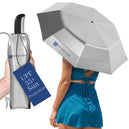
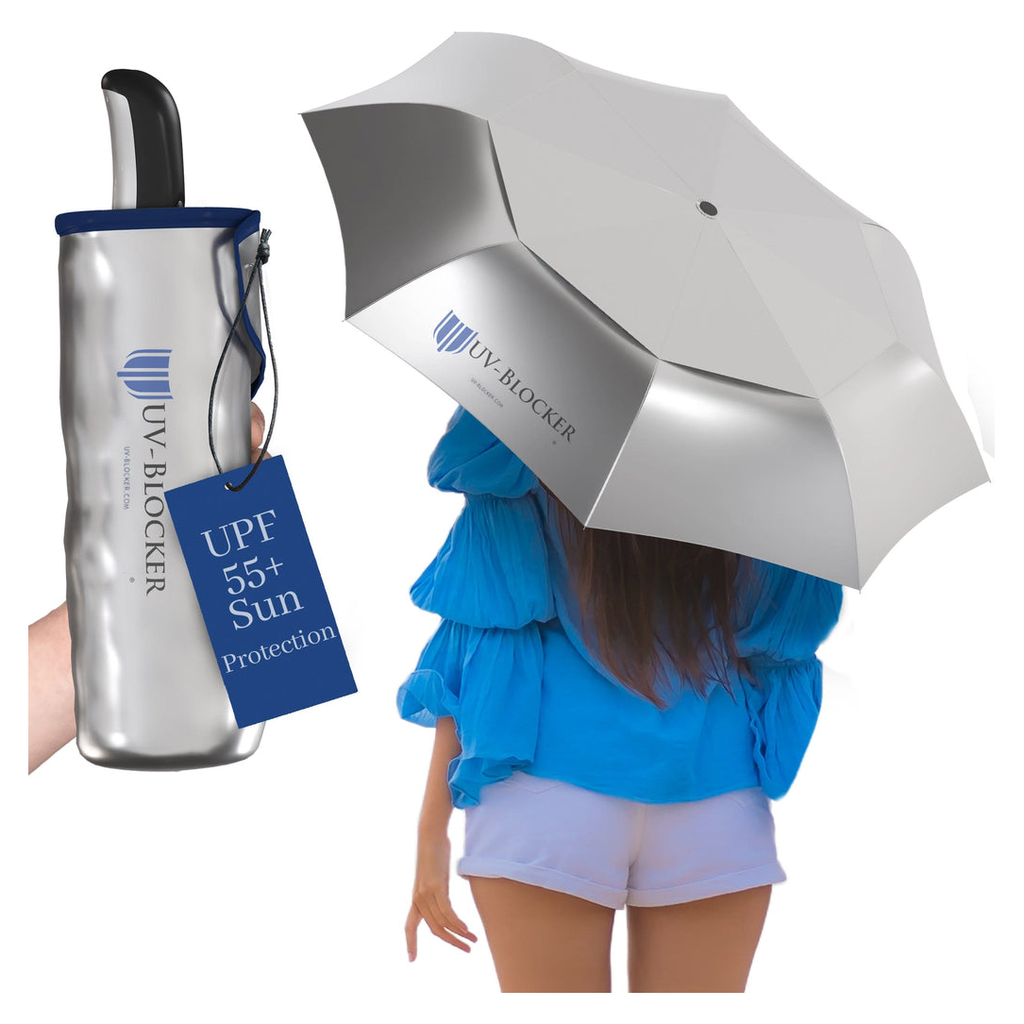
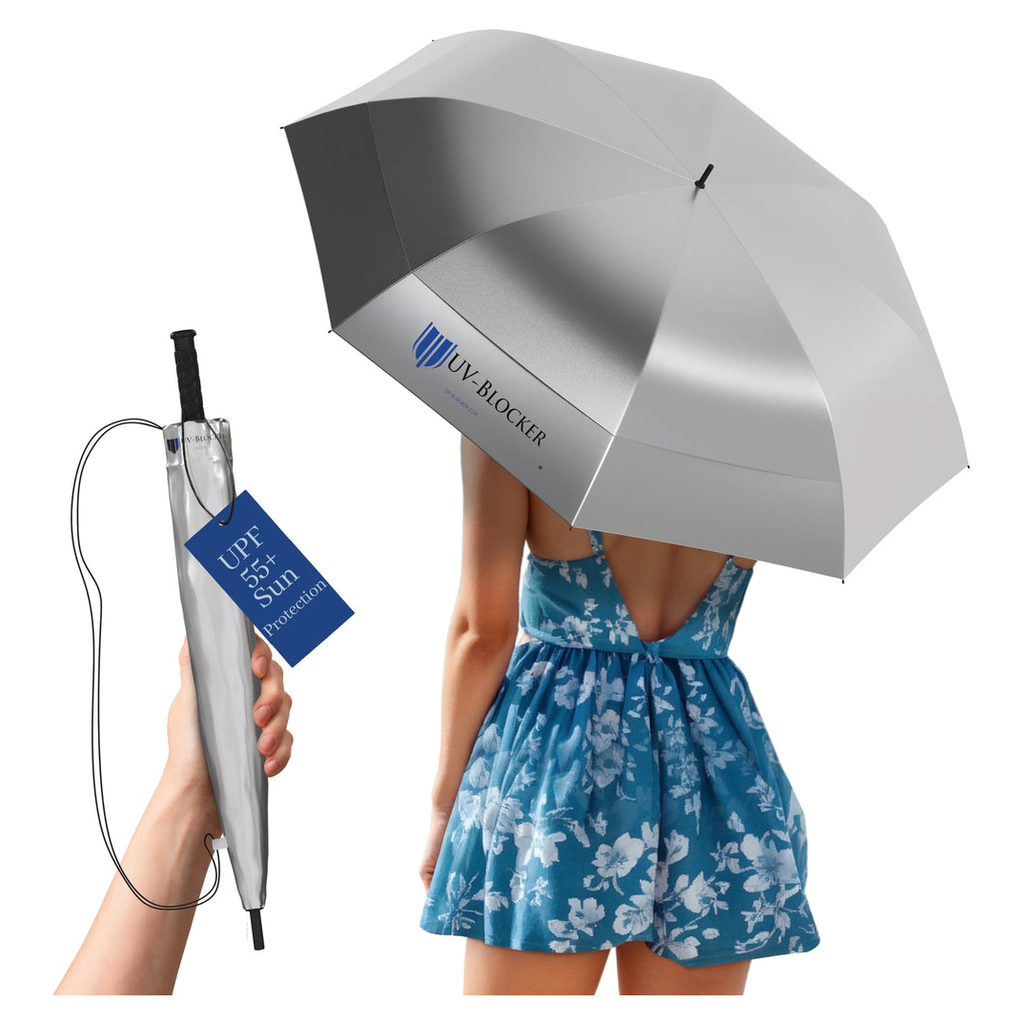
- A UPF 50+ sun protection umbrella, featuring Solarteck® technology, offers consistent, daily physical shade without altering complex medication routines.
More than 16 million empagliflozin prescriptions were filled in the US in 2023, yet Jardiance sun sensitivity still gets treated like a side note. People searching for empagliflozin photosensitivity often land on generic medication lists that seldom mention SGLT2 inhibitors at all.
That gap matters significantly. While Jardiance is not a proven direct photosensitizer in the same vein as certain antibiotics or diuretics, the overall sun risk for people taking it does not begin and end with the FDA label. Fluid loss, electrolyte imbalances, hot weather conditions, and co-prescribed drugs can make outdoor exposure considerably harder on the skin and body than many patients expect. This article aims to bridge that knowledge gap, providing a comprehensive, evidence-based understanding of the nuances of sun risk for Jardiance patients.
This article looks at the evidence without exaggeration, providing a balanced perspective. It covers what the FDA label officially states, what post-marketing pharmacovigilance data reveals, why the SGLT2 mechanism inherently alters hydration and thermoregulation, and how to build a practical, effective sun protection routine that fits seamlessly into daily life. Understanding these factors is crucial for proactive health management and minimizing potential sun-related complications.
Jardiance Sun Sensitivity: What the FDA Data Shows
Jardiance (empagliflozin) is not FDA-labeled as a photosensitizer. This means that during its rigorous clinical trials, photosensitivity reactions were not identified as a statistically significant or common adverse event requiring inclusion in the official prescribing information. The FDA prescribing information for Jardiance does not list photosensitivity among adverse reactions, warnings, or precautions, and major outcome trials like EMPA-REG OUTCOME did not flag it as a significant adverse event. This is often the cleanest, most definitive answer to the question patients are asking about direct photosensitization.
However, the official label is not the whole story. The process of drug approval relies heavily on controlled clinical trials, which may not capture every rare or indirect adverse reaction that emerges once a drug is widely used in diverse patient populations. This is where post-marketing pharmacovigilance data, such as that collected by the FDA's Adverse Event Reporting System (FAERS), becomes crucial. A global analysis of international spontaneous reporting systems, including FAERS, found 1,136 skin and subcutaneous tissue adverse drug reactions across the SGLT2 class. Importantly, photosensitivity was explicitly among the reported reactions, with a relative odds ratio (ROR) of 1.52, suggesting a potential association worth noting, even if not directly causal or consistently strong.
It's important to differentiate between different types of photosensitivity. Phototoxic reactions are dose-dependent and occur rapidly after sun exposure, while photoallergic reactions are immune-mediated and can occur with very little sun exposure. While SGLT2 inhibitors may not induce these classic reactions strongly, the data suggests that some individuals may experience heightened sensitivity. Furthermore, a later Frontiers in Medicine pharmacovigilance study indicated that empagliflozin had the lowest suspected skin ADR incidence rate relative to its prescribing volume compared to other SGLT2 inhibitors. This suggests that while the *class* may have some reported photosensitivity, Jardiance itself might have a lower incidence within that class. For context on established photosensitizers, the parent guide Medications That Cause Sun Sensitivity provides useful information.
Therefore, the honest framework for Jardiance sun sensitivity is nuanced: empagliflozin is not classified as a classic, primary photosensitizer like doxycycline or hydrochlorothiazide. However, the collective post-marketing data for the SGLT2 class, combined with the physiological changes induced by the drug, indicates that increased caution and robust sun protection practices are prudent for patients.
Why Does the SGLT2 Mechanism Increase Sun Vulnerability?
Beyond any direct phototoxic potential, the fundamental mechanism of SGLT2 inhibitors like Jardiance inherently increases a patient's vulnerability to sun and heat. These medications work by causing glucose to be excreted through the urine, a process known as glucosuria. This leads to what is called "osmotic diuresis," where the presence of glucose in the urine acts like a magnet, drawing more water out of the body and into the urine than would normally occur.
The mechanism is physiologically straightforward. SGLT2 inhibitors block the sodium-glucose cotransporter 2 in the kidney's S1 segment, preventing approximately 90% of glucose reabsorption back into the bloodstream. This means glucose remains in the renal tubules, and water passively follows it down its osmotic gradient, leading to a continuous loss of fluid and electrolytes. This fluid deficit is more profound and sustained than typical urination, impacting overall hydration status.

Consider this: glucose in the urine effectively functions as an internal "sponge," persistently pulling water from the body. This ongoing fluid depletion is significantly compounded in hot weather, during prolonged outdoor activities, or any situation that naturally induces sweating. Dehydration, even mild, has several direct implications for sun vulnerability:
- Compromised Thermoregulation: The body's ability to cool itself efficiently, primarily through sweating, is impaired when fluid reserves are low. This increases the risk of heat exhaustion, heat stroke, and general malaise in hot environments.
- Weakened Skin Moisture Barrier: Dehydrated skin loses its natural elasticity and robustness. It becomes drier, more susceptible to irritation, and less capable of repairing itself after UV exposure. This can manifest as increased dryness, itchiness, and even a higher likelihood of minor abrasions or infections.
- Electrolyte Imbalance: Along with water, critical electrolytes like sodium and potassium can be lost, leading to symptoms such as dizziness, fatigue, muscle cramps, and in severe cases, dangerous cardiac arrhythmias.
While the body does attempt to compensate for this fluid shift, for instance, through vasopressin-driven water reabsorption as shown in a PMC study on osmotic diuresis by SGLT2 inhibition, this compensatory mechanism can be easily overwhelmed by factors like hot weather, strenuous exercise, or long periods spent outdoors. Patients taking Jardiance who notice they feel hotter faster, tire sooner in the sun, or have an increased and persistent need for water should recognize this mechanism as the underlying cause. Acute diarrhea or vomiting, which cause further volume depletion, are particular warning signs, underscoring why the SGLT2 class should be temporarily withheld during such illnesses, as advised in prescribing guidance.
Which Co-Prescribed Medications Amplify Sun Risk?
A significant percentage of patients prescribed Jardiance are also managing other chronic conditions, particularly hypertension and other diabetes-related complications. This often means they are on multiple medications, several of which can independently amplify sun risk, creating a cumulative effect that warrants even greater caution.
One of the clearest examples is hydrochlorothiazide (HCTZ). This diuretic is a well-established photosensitizer, commonly prescribed for blood pressure control in individuals with type 2 diabetes. HCTZ can cause phototoxic reactions, leading to severe sunburns, rashes, or other skin damage upon UV exposure. The companion article Hydrochlorothiazide Sun Sensitivity explains this risk in detail. When combined with the dehydrating effect of Jardiance, the risk of both sun-related skin damage and overall heat stress increases substantially.
Metformin, another cornerstone medication for type 2 diabetes, does not directly cause photosensitivity. However, it can cause gastrointestinal side effects like diarrhea and nausea, especially when initiating treatment or during periods of stress. These effects, if prolonged or severe, can exacerbate dehydration already caused by Jardiance, making patients more susceptible to heat exhaustion or heat stroke. Additionally, severe dehydration can increase the risk of lactic acidosis, a rare but serious side effect associated with metformin, particularly in vulnerable patients.
Sulfonylureas (e.g., glipizide, glyburide) are older diabetes medications that stimulate insulin secretion. While not photosensitizers, their primary risk in hot weather or during increased physical activity is hypoglycemia (low blood sugar). Heat stress, dehydration, and altered activity levels can all impact blood glucose control, making it harder to manage blood sugar and increasing the risk of a hypoglycemic episode, which can lead to confusion, dizziness, or fainting, posing a significant danger outdoors.
Other commonly co-prescribed medications that warrant consideration include:
- ACE Inhibitors and Angiotensin Receptor Blockers (ARBs): Prescribed for hypertension and kidney protection, these drugs can sometimes cause a non-specific rash. More importantly, when combined with Jardiance and potentially other diuretics, they can increase the risk of hypotension (low blood pressure) and electrolyte imbalances, particularly in hot environments where fluid loss is accelerated.
- Statins: Used to lower cholesterol, some statins have been associated with rare reports of photosensitivity, though this is less common than with HCTZ.
- Tricyclic Antidepressants (TCAs) and Antipsychotics: Some medications in these classes can cause photosensitivity or impair the body's ability to regulate temperature, further increasing heat-related risks.
The cumulative effect of these medications means that a patient taking Jardiance, HCTZ, and Metformin faces a significantly higher overall risk of sun-related complications compared to someone on Jardiance alone. It underscores the critical need for a comprehensive sun protection strategy and open communication with healthcare providers about all medications being taken.
How Do SGLT2 Inhibitors Compare for Sun Risk?
While this article focuses on Jardiance (empagliflozin), it's important to understand how its sun risk profile compares to other drugs within the SGLT2 inhibitor class, such as dapagliflozin (Farxiga), canagliflozin (Invokana), and ertugliflozin (Steglatro). Generally, the core mechanism that contributes to increased sun vulnerability—osmotic diuresis and subsequent fluid loss—is a class effect. All SGLT2 inhibitors function by promoting glucose excretion in the urine, leading to similar physiological impacts on hydration and thermoregulation.
However, when it comes to direct photosensitivity as a reported adverse event, there can be subtle differences. As noted earlier, the Frontiers in Medicine pharmacovigilance study indicated that empagliflozin (Jardiance) had the lowest suspected skin adverse drug reaction incidence rate relative to its prescribing volume among the SGLT2 inhibitors. This suggests that while photosensitivity reports exist across the class, the incidence with Jardiance might be comparatively lower or less frequent than with, for instance, canagliflozin or dapagliflozin, where some studies or post-marketing reports might show a slightly higher, albeit still rare, incidence.
It is crucial to emphasize that these differences in direct photosensitization are often minor and do not negate the overarching risk posed by the shared class mechanism. The dehydrating effect and its consequences for skin health and thermoregulation remain a primary concern for *all* SGLT2 inhibitor patients. Therefore, while one SGLT2 inhibitor might have slightly fewer direct photosensitivity reports than another, the fundamental need for robust sun protection, adequate hydration, and careful monitoring of heat-related symptoms applies universally to anyone taking a medication in this class.
Patients should consult their prescribing physician or pharmacist for specific information regarding their particular SGLT2 inhibitor and any known individual sensitivities. Regardless of the specific drug, the prudent approach is to assume an increased vulnerability to sun and heat and to implement comprehensive protective measures. The focus should remain on proactive risk management rather than solely on direct comparisons of photosensitization incidence, which might be too subtle to translate into practical differences for most patients.
What Skin Health Risks Do SGLT2 Patients Face?
For individuals taking SGLT2 inhibitors like Jardiance, skin health risks extend beyond the potential for photosensitivity. The metabolic changes induced by these medications, coupled with the underlying conditions they treat (such as type 2 diabetes), create a unique environment that can predispose patients to various dermatological challenges, especially when exposed to environmental stressors like UV radiation and heat.
One of the most common issues is xerosis (dry skin). The osmotic diuresis caused by Jardiance leads to increased fluid loss, which can deplete overall body water and directly impact skin hydration. Dry skin is often itchy, scaly, and more prone to cracking. These micro-fissures compromise the skin's natural barrier function, making it more susceptible to irritants, allergens, and infections. UV exposure can further exacerbate dryness and impair the skin's natural repair processes, leading to faster aging and increased fragility.
Increased risk of infections is another significant concern. Glucosuria, the presence of glucose in the urine, creates a favorable environment for yeast and fungal growth, particularly in warm, moist areas like the genital region and skin folds. Common infections include vulvovaginal candidiasis and balanitis. While not directly sun-related, these infections can be worsened by conditions that promote sweating and skin irritation in hot weather. Compromised skin barrier function from dehydration can also make cuts, scrapes, or minor irritations more likely to become infected.
Furthermore, many patients taking Jardiance also have type 2 diabetes, a condition independently associated with various skin complications. These include:
- Impaired wound healing: High blood sugar levels, poor circulation, and often neuropathy in diabetic patients can significantly delay the healing of cuts, blisters, or sunburns.
- Diabetic dermopathy: Brownish, scaly patches on the shins, often mistaken for age spots, which can be more pronounced with sun exposure.
- Acanthosis nigricans: Darkening and thickening of the skin, especially in skin folds, which can become more irritated with heat and sweating.
Heat rash (miliaria) is also a common complaint. Due to impaired thermoregulation from dehydration and the general skin fragility, sweat ducts can become blocked, leading to itchy, inflamed red bumps. This is particularly prevalent in hot, humid climates and can be exacerbated by ill-fitting or non-breathable clothing.
Finally, while Jardiance itself does not directly cause skin cancer, the combination of a potentially compromised skin barrier, increased sun exposure due to inadequate protection, and the general susceptibility of aging skin (many diabetic patients are older) highlights the importance of rigorous skin surveillance and sun protection. For melanoma survivors like UV-Blocker founder Ron Walker, understanding and mitigating *all* skin risks is paramount.
Given these compounded risks, SGLT2 patients need a holistic approach to skin care that emphasizes hydration, diligent sun protection, regular skin inspection, and prompt attention to any new or worsening dermatological symptoms.
Sun Protection Protocol for Jardiance Patients
Given the nuanced but significant sun sensitivity and dehydration risks associated with Jardiance and the SGLT2 inhibitor class, a robust and consistent sun protection protocol is not merely advisable but essential. This protocol should go beyond typical sunscreen recommendations and address the unique physiological challenges faced by these patients.
1. Strategic Sun Avoidance & Timing:
- Seek Shade: Prioritize natural or artificial shade whenever possible. This is the most effective way to reduce UV exposure.
- Timing Matters: Avoid direct sun exposure during peak UV hours, typically between 10 AM and 4 PM, when the sun's rays are most intense. Schedule outdoor activities for early mornings or late afternoons.
2. Enhanced Hydration Strategies:
- Consistent Fluid Intake: Do not wait until you feel thirsty. SGLT2 inhibitors cause continuous fluid loss, making proactive hydration critical. Carry a water bottle and sip frequently throughout the day, even indoors.
- Electrolyte Balance: While water is vital, prolonged periods in the sun or intense activity may warrant electrolyte-rich fluids (e.g., sports drinks, oral rehydration solutions, diluted fruit juice) to replenish lost salts, especially if sweating heavily or experiencing symptoms of imbalance. Consult your doctor about appropriate electrolyte intake.
- Monitor Urine Color: A light straw-colored urine indicates good hydration. Darker urine suggests dehydration.
3. Protective Clothing:
- Cover Up: Wear long-sleeved shirts, long pants, and wide-brimmed hats (at least 3-inch brim) made from tightly woven fabrics.
- UPF 50+ Clothing: Opt for clothing specifically labeled with a UPF (Ultraviolet Protection Factor) of 50+. This ensures excellent UV blocking and is a superior defense compared to regular fabrics. UV-Blocker recommends MIF-approved (Melanoma International Foundation) UPF 50+ options.
4. Sunscreen Application:
- Broad-Spectrum SPF 30+: Apply a broad-spectrum sunscreen with an SPF of 30 or higher to all exposed skin. Look for "water-resistant" options if you'll be sweating or swimming.
- Reapplication is Key: Sunscreen needs to be reapplied generously every two hours, or more often after sweating heavily or swimming, as its effectiveness diminishes over time.
5. The Power of Physical Shade: UV-Blocker Umbrellas
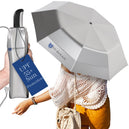
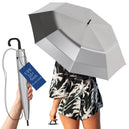
For Jardiance patients, where consistent sun protection is paramount and medication routines are often complex, physical shade offers a simple yet incredibly effective solution. This is where UV-Blocker's UPF 50+ sun protection umbrellas become an invaluable tool:
- Immediate & Consistent Protection: Unlike sunscreen, which requires reapplication, an umbrella provides continuous, robust physical shade, instantly blocking over 99% of UVA/UVB rays.
- Solarteck® Technology: UV-Blocker umbrellas feature patented Solarteck® fabric, which is specifically engineered to achieve a certified UPF 50+ rating and keep you significantly cooler, reducing heat stress. Many are also MIF-approved.
- Portable & Practical: Easily carried, a UV-Blocker umbrella integrates seamlessly into daily life – for walks, waiting at bus stops, outdoor events, or simply moving between shaded areas. It adds protection without adding another step to a medication-heavy routine.
- Reduces Heat Load: The shade and cooling effect provided by a high-quality sun umbrella help to mitigate the heat stress exacerbated by SGLT2-induced dehydration, making outdoor activities more tolerable and safer.
By integrating a UV-Blocker umbrella into their daily sun protection protocol, Jardiance patients can significantly enhance their defense against both direct UV damage and heat-related complications, empowering them to maintain an active lifestyle with greater safety and comfort.
Frequently Asked Questions About Jardiance and Sun Exposure
Frequently Asked Questions
Is Jardiance (empagliflozin) a photosensitizing drug?
Jardiance is not officially FDA-labeled as a direct photosensitizer, meaning clinical trials did not identify photosensitivity as a common or statistically significant adverse event. However, post-marketing data from spontaneous reporting systems (like FAERS) has documented photosensitivity reactions across the broader SGLT2 inhibitor class, including some reports for empagliflozin. While it's not considered a strong photosensitizer like some antibiotics or diuretics, patients should still practice robust sun protection due to potential indirect risks.
How does Jardiance increase my risk in the sun?
The primary way Jardiance increases sun risk is through its mechanism of action: osmotic diuresis. This process causes excess glucose to be excreted in your urine, pulling significant amounts of water out of your body. This fluid loss can lead to dehydration, compromise your skin's moisture barrier, and impair your body's ability to regulate its temperature efficiently. Consequently, you may become more susceptible to heat exhaustion, heat stroke, and general skin irritation or damage from UV exposure.
What are the signs of dehydration when taking Jardiance?
Common signs of dehydration when taking Jardiance can include increased thirst, dry mouth, reduced urination (though the drug causes more urination initially, severe dehydration can reduce it), dark urine, fatigue, dizziness, lightheadedness, and muscle cramps. In hot weather or during physical activity, these symptoms can worsen rapidly. If you experience severe symptoms like confusion, rapid heart rate, or inability to keep fluids down, seek immediate medical attention.
Can I still exercise outdoors while on Jardiance?
Yes, you can generally still exercise outdoors, but extra precautions are necessary. Plan your activities for cooler parts of the day (early morning or late evening). Wear light, breathable, UPF 50+ protective clothing. Hydrate generously before, during, and after exercise, considering electrolyte replacement if sweating heavily. Listen to your body and stop if you feel dizzy, excessively tired, or overheated. A portable UV-Blocker sun umbrella can also provide crucial shade and cooling during breaks or less strenuous activities.
What kind of sun protection is most effective for SGLT2 patients?
A multi-faceted approach is most effective. This includes: 1) Seeking shade, especially during peak UV hours (10 AM - 4 PM). 2) Wearing UPF 50+ long-sleeved clothing, pants, and wide-brimmed hats. 3) Using broad-spectrum, water-resistant sunscreen with SPF 30+ generously and reapplying every two hours. 4) Prioritizing consistent hydration. 5) Utilizing physical shade tools like a UV-Blocker UPF 50+ sun protection umbrella with Solarteck® technology, which offers immediate, portable, and superior UV blocking and cooling benefits without chemical application.
Where can I find reliable information about medication sun sensitivity?
Always consult your prescribing doctor or pharmacist for personalized advice about your medications. Reputable sources include the FDA's DailyMed website (for official prescribing information), your national health authority websites (e.g., CDC, NHS), and medical academic journals. For general information on medications that cause sun sensitivity, you can also refer to educational resources like UV-Blocker's comprehensive article: Medications That Cause Sun Sensitivity.
Conclusion
While Jardiance (empagliflozin) is not designated as a primary photosensitizer by the FDA, a thorough understanding of its mechanisms and the broader context of SGLT2 inhibitor use reveals a clear need for heightened sun protection awareness. The osmotic diuresis induced by Jardiance inherently increases the risk of dehydration, impacts the skin's moisture barrier, and compromises the body's thermoregulation, making patients more vulnerable to the cumulative effects of UV radiation and heat.
Furthermore, the common co-prescription of other medications like hydrochlorothiazide, metformin, and sulfonylureas can significantly amplify these risks, either through direct photosensitization or by exacerbating dehydration and heat-related complications. For patients managing type 2 diabetes, compromised skin health and impaired wound healing are additional concerns that necessitate a proactive approach to sun safety.
Therefore, a comprehensive sun protection protocol is not optional but essential for Jardiance patients. This protocol should integrate strategic sun avoidance, meticulous hydration, the consistent use of UPF 50+ protective clothing, and diligent sunscreen application. Critically, incorporating physical shade solutions, such as a UV-Blocker UPF 50+ sun protection umbrella featuring patented Solarteck® technology, provides an immediate, reliable, and non-chemical defense against harmful UV rays and helps mitigate heat stress. As a Melanoma International Foundation (MIF)-approved product, it offers a trusted layer of protection for daily life without adding complexity to a patient's medical regimen.
By adopting these robust strategies, Jardiance patients can significantly reduce their risk of sun-related adverse events, protect their skin health, and continue to manage their overall well-being effectively, allowing them to enjoy the outdoors safely and comfortably.
Frequently Asked Questions: Jardiance and Sun Exposure
Does Jardiance (empagliflozin) directly cause photosensitivity?
Jardiance's photosensitivity risk is lower than older diabetes medications, but SGLT2 inhibitors can indirectly increase UV vulnerability through dehydration and altered kidney function. Patients also commonly take other drugs with additive photosensitizing effects.
Can Jardiance cause a sunburn-like rash?
Some patients report redness and skin tenderness after outdoor exposure while on Jardiance. This may resemble an exaggerated sunburn. Apply broad-spectrum SPF 50+ and limit midday sun exposure, especially during the first few months of treatment.
Is the sun sensitivity worse in summer?
UV index is highest between April and September in the Northern Hemisphere, so the risk of a skin reaction is greater in summer months. Year-round UV protection is still recommended because UVA rays (which penetrate clouds and glass) are present every day.
What shade solutions work best for Jardiance patients outdoors?
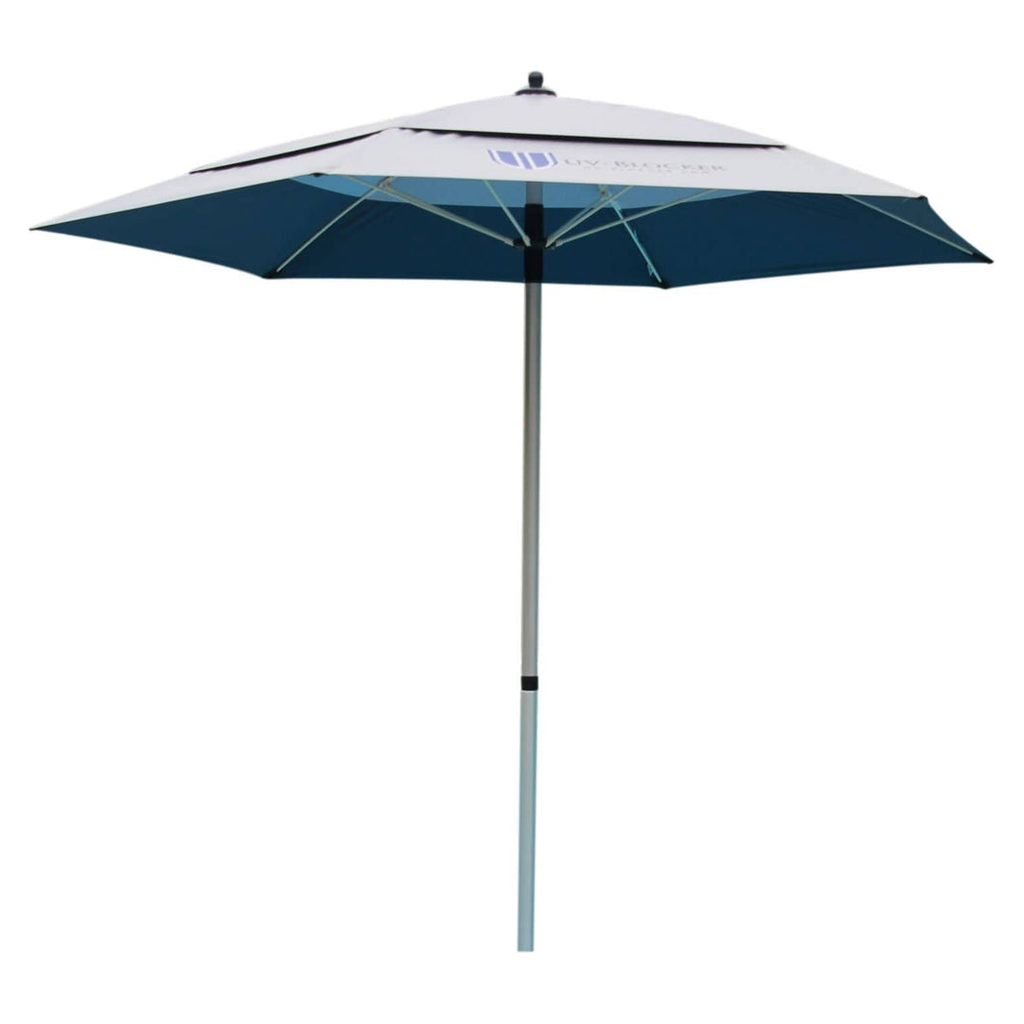
A handheld UPF 50+ umbrella provides portable, on-demand shade anywhere — no canopy setup required. Combine with moisture-wicking UPF clothing to stay cooler while reducing overall UV dose.
Sun Safety in Australia
Australia has some of the highest UV radiation levels in the world, with the UV Index regularly reaching extreme levels (11 or above) in cities such as Sydney, Melbourne, Brisbane, Perth, and Adelaide for much of the year — including on overcast days. The Cancer Council Australia reports that approximately two in three Australians will be diagnosed with some form of skin cancer by age 70, making sun protection a national health priority.
Key resources and guidelines for Australian sun safety:
- SunSmart Program (Cancer Council Australia): The SunSmart UV Alert is broadcast daily and recommends sun protection whenever the UV Index reaches 3 or above. In most Australian cities, this threshold is met every day of the year, including winter months in northern regions.
- ARPANSA (Australian Radiation Protection and Nuclear Safety Agency): Provides real-time UV monitoring at stations across all states and territories. Australians can access current UV levels at arpansa.gov.au.
- Safe Work Australia — UV Radiation as an Occupational Hazard: Australian workplace health and safety legislation requires employers to assess and manage UV radiation exposure for outdoor workers. Physical shade, including umbrellas rated UPF 50+, is recognised as a primary engineering control under these regulations.
A UPF 50+ UV-blocking umbrella provides the consistent, continuous shade protection that is essential under Australia's intense sun. The UV-Blocker umbrella, with its patented Solarteck® reflective coating, blocks 99% of UV rays and reduces perceived temperature by up to 15°F — a meaningful advantage for outdoor activities in Australia's climate. It is the only umbrella of its kind approved by the Melanoma International Foundation.
Frequently Asked Questions
Does Jardiance really make skin more sensitive to sunlight?
Yes. Jardiance belongs to a class of medications that can trigger photosensitivity reactions in a subset of patients. This can cause sunburn-like reactions with minimal UV exposure, or trigger phototoxic skin rashes. The reaction severity varies by individual, dosage, and UV intensity. Always review your medication guide and consult your prescribing physician if you notice unusual skin reactions in sunlight.
What SPF should I use if I take this medication?
Dermatologists generally recommend SPF 30+ broad-spectrum sunscreen for patients on photosensitizing medications, with reapplication every 2 hours. However, sunscreen alone isn't sufficient for high UV exposure. Combining sunscreen with physical barriers — UPF 50+ clothing, wide-brim hats, and UV-blocking umbrellas — provides the most reliable protection. UV-Blocker's UPF 50+ umbrellas block 99% of UVA and UVB rays.
Can I still go outdoors while taking this medication?
Absolutely. Most patients can continue outdoor activities with appropriate precautions: avoid peak UV hours (10am–4pm), wear protective clothing, use SPF 30+ sunscreen, and use shade whenever possible. A portable UV-blocking umbrella offers hands-free shade wherever you go, making it a practical solution for patients who need consistent sun avoidance.
How long after stopping the medication until sun sensitivity resolves?
Photosensitivity typically resolves within days to weeks after discontinuing the medication, depending on the drug's half-life and your individual metabolism. Some medications with long half-lives may cause sensitivity for weeks. Continue sun protection until your doctor confirms it's safe to reduce precautions.
What are the signs of a phototoxic reaction vs. a photoallergic reaction?
Phototoxic reactions look like severe, rapid sunburn — they appear within hours of UV exposure and are dose-dependent. Photoallergic reactions involve an immune response, can spread beyond sun-exposed areas, and may appear days later. Both require prompt sun avoidance. See your dermatologist for diagnosis and management.
Sun Safety Essentials for Patients on Photosensitizing Medications
- Keep a UV index app on your phone and avoid going outdoors when the index exceeds 6 without full protection
- Wear UPF 50+ sun-protective clothing on arms and legs, not just sunscreen
- Carry a portable UV-blocking umbrella for shade on demand — especially effective during outdoor commutes, sporting events, or waiting outdoors
- Apply sunscreen to the back of hands and tops of feet — commonly missed areas that receive direct UV
- Inform your pharmacist about all medications you take so they can flag photosensitizing combinations
- Request a window film UV assessment if you drive frequently — car windows block UVB but not all UVA