

Over 15 million prednisone prescriptions are filled each year in the United States, making it the 38th most commonly prescribed medication. Many of those patients search for one thing: "Can I go in the sun on prednisone?" Understanding prednisone sun sensitivity is critical for safe medication use.
The answer they find online is usually vague. "Be careful." "Use sunscreen." Nobody explains why prednisone's sun risk is different from drugs like doxycycline, or why the distinction matters for long-term protection.
This article breaks down what prednisone actually does to your skin and immune system, and why the protection you need goes beyond SPF. It covers the two indirect mechanisms that matter, how to tell whether your drug or your condition is the real culprit, and what evidence-based protection looks like for immunosuppressed patients.
Understanding Prednisone Sun Sensitivity: Causes and Misconceptions
No. Prednisone is not classified as a photosensitizing drug by major dermatology references.
Major sources including DermNet NZ and a 2021 Drug Safety systematic review of 393 photosensitizing agents confirm prednisone lacks photosensitizing properties. Photosensitizing drugs cause direct chemical reactions when UV light hits drug molecules in skin tissue, manifesting as phototoxic responses (exaggerated sunburn) or photoallergic responses (immune-mediated rash). You can see this mechanism clearly in doxycycline sun sensitivity or hydrochlorothiazide sun sensitivity. Prednisone lacks the molecular structure required to absorb UV photons and trigger these reactions. It simply does not react to sunlight.
But "not photosensitizing" doesn't mean "safe in the sun." The confusion about prednisone sun sensitivity stems from this distinction: prednisone doesn't cause the acute photoreaction seen with true photosensitizers, but it does create indirect risks that can be more serious for long-term users. The absence of an immediate burning sensation often gives patients a false sense of security. They skip protection because they don't feel pain, unaware of the damage accumulating beneath the surface.
How Does Prednisone Cause Sun Sensitivity: The Skin Damage Mechanism
Prednisone suppresses collagen synthesis in the dermis, causing measurable skin thinning (cutaneous atrophy) that reduces your skin's natural barrier against UV radiation.
Glucocorticoids inhibit fibroblast proliferation and deplete collagen, particularly the structural Type I fibers that give skin its density. They also reduce mucopolysaccharides and elastin fibers responsible for tissue resilience. In plain terms: your skin gets thinner. A thinner dermal layer allows UV radiation to penetrate deeper, with less physical resistance from the cellular structures that normally absorb it.
Short Course vs. Chronic Use
Dose and duration matter. A five-day burst for poison ivy is categorically different from months of chronic use for autoimmune management. Skin atrophy requires prolonged, consistent exposure to the drug before structural changes become clinically apparent. Patients on chronic regimens lose dermal density gradually, rendering them increasingly vulnerable to UV penetration.
Here's the compounding factor: corticosteroid-induced atrophy and UV-driven photoaging work through the same collagen suppression pathway. Their effects may be cumulative or synergistic. Prednisone suppresses new collagen production while sun exposure degrades existing collagen. Both forces attack the same structural network simultaneously.
These changes are most visible on the face, neck, forearms, and hands, areas with naturally thin skin that also receive the highest daily UV exposure.
Why Does Prednisone Raise Skin Cancer Risk?
Prednisone suppresses immune surveillance of UV-damaged skin cells, allowing precancerous changes to progress unchecked. This makes it a meaningful risk factor for squamous cell carcinoma.
Your immune system normally identifies and destroys cells with UV-induced DNA damage before they become cancerous. Think of it as your skin's cancer patrol, constantly scanning for mutations. Prednisone tells that patrol to stand down. When T-cells and other immune components are suppressed, malignant cells can proliferate without normal biological interference.
What the Data Shows
In FDA adverse event data spanning 1997 to 2024, prednisone ranked sixth among all drugs associated with cutaneous squamous cell carcinoma reports, accounting for 5.6% of 4,792 total cases. Nine of the top ten drugs linked to skin cancer in that dataset had immunosuppressive properties.
The spectrum of risk is wide. Transplant recipients on heavy immunosuppression face 65 to 250 times higher SCC risk, representing the extreme end of immunosuppression-related skin cancer. Chronic corticosteroid users face elevated risk that sits somewhere between transplant patients and healthy baseline. The longer the therapy, the higher the cumulative risk. For a deeper look at prevention, see squamous cell carcinoma sun protection.
Could Your Condition Be Causing the Sun Sensitivity Instead?
Many conditions treated with prednisone (lupus, dermatomyositis, polymorphic light eruption) are themselves photosensitive. Patients often attribute the disease's sun sensitivity to the drug.
Lupus (SLE): Photosensitivity triggers disease flares in the majority of lupus patients. Even moderate sunlight can trigger inflammatory cascades leading to joint pain, fever, and fatigue. This is the disease's hallmark, not a side effect of prednisone. Patients who started noticing sun sensitivity around the time of their lupus diagnosis often assume the prescribed steroid is responsible, but the timeline typically points to the disease itself.
Dermatomyositis: UV exposure worsens the characteristic heliotrope rash. Again, the autoimmune condition drives the reaction. The medication is present at the scene, working to suppress inflammation rather than causing it.
Polymorphic light eruption (PLE): Here's the irony. Prednisone is literally prescribed to treat this photosensitivity condition. Short-course oral prednisolone at 0.6 to 1 mg/kg/day for 5-7 days is a documented treatment for severe PLE flares.
Understanding whether prednisone sun sensitivity symptoms appeared before or after you started the medication is crucial for determining whether the drug or disease is responsible. That one question ("Did I burn easily before the prescription?") can clarify whether the drug or the disease deserves the blame.
Prednisone vs. Truly Photosensitizing Drugs
The key difference: prednisone creates indirect UV risk, while true photosensitizers cause direct chemical reactions with sunlight.
When evaluating prednisone sun sensitivity alongside true photosensitizers, the mechanism difference is crucial. Photosensitizing drugs like doxycycline cause direct chemical reactions with UV light in skin tissue. Prednisone creates indirect risk through structural and immune changes. The distinction matters for protection strategy.
| Factor | Doxycycline / HCTZ (Photosensitizers) | Prednisone (NOT Photosensitizing) |
|---|---|---|
| Mechanism | Drug molecules absorb UV, causing chemical reaction in skin | Collagen suppression + immune suppression |
| Reaction type | Phototoxic (exaggerated sunburn) or photoallergic (immune rash) | No direct UV reaction |
| Onset | Hours after sun exposure while on medication | Gradual, over weeks or months of use |
| Short-course risk | Yes, even a few days can trigger photosensitivity | Minimal; skin atrophy requires prolonged use |
| Stops after discontinuation | Usually within days to weeks | Skin may take months to recover collagen |
| On photosensitivity drug lists | Yes (DermNet NZ, FDA, PMC7898394) | No, absent from all major lists |
The full list of medications that cause sun sensitivity covers the complete range of true photosensitizers. Drugs like doxycycline and hydrochlorothiazide can trigger acute, painful reactions within hours of sun exposure. Prednisone's risk builds quietly over months.

How Should Prednisone Users Protect Themselves from the Sun?
Prednisone users should combine SPF 30+ sunscreen with physical barriers like UPF clothing and UV umbrellas, especially on chronic regimens where skin atrophy and immunosuppression compound UV vulnerability.
Sunscreen forms the foundation. Broad-spectrum SPF 30 or higher, reapplied every two hours, remains essential. But for immunosuppressed patients, sunscreen alone isn't sufficient. Most people apply less than half the recommended amount, and reapplication compliance drops throughout the day. For patients with cutaneous atrophy, applying dense chemical creams repeatedly can also irritate fragile, thinned skin.
UPF clothing covers the areas where atrophy is most visible. Sun protection clothing over arms, neck, and chest provides consistent UV blocking without depending on messy reapplication.
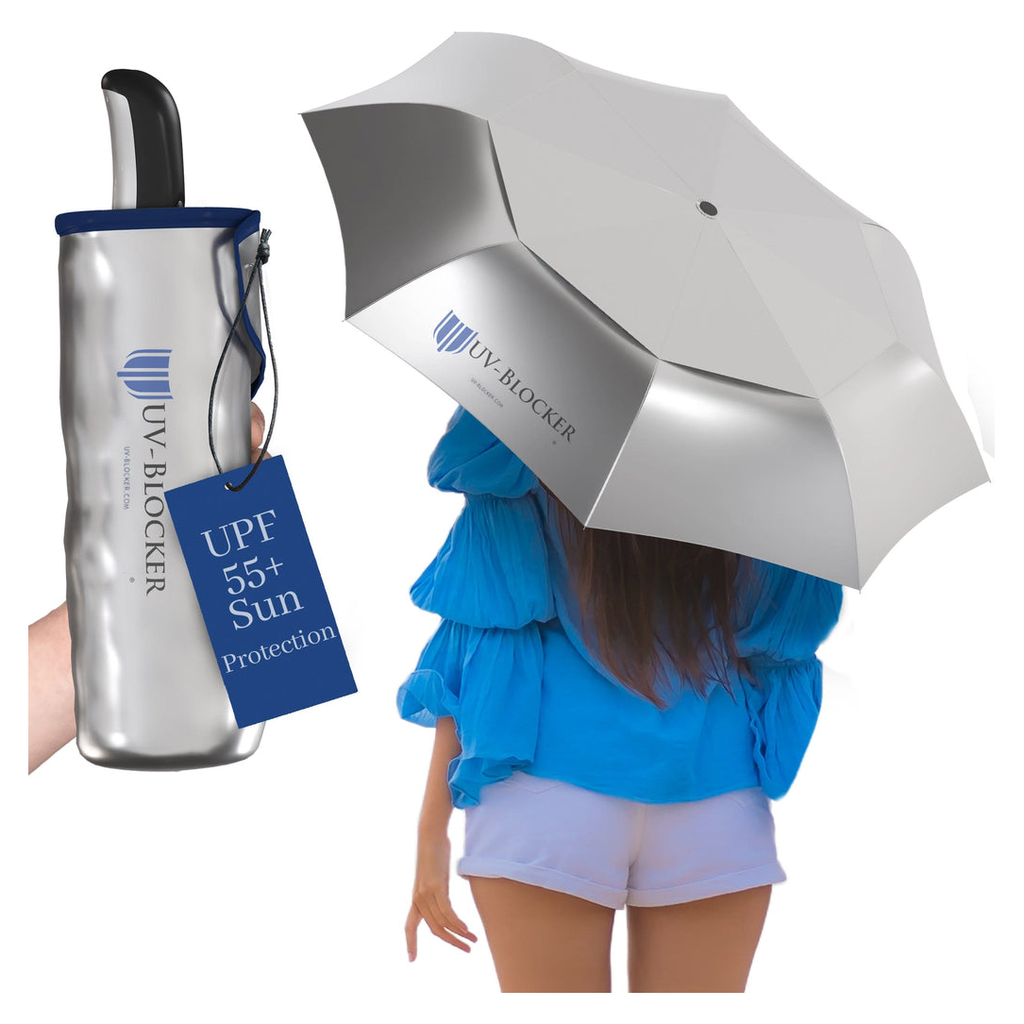
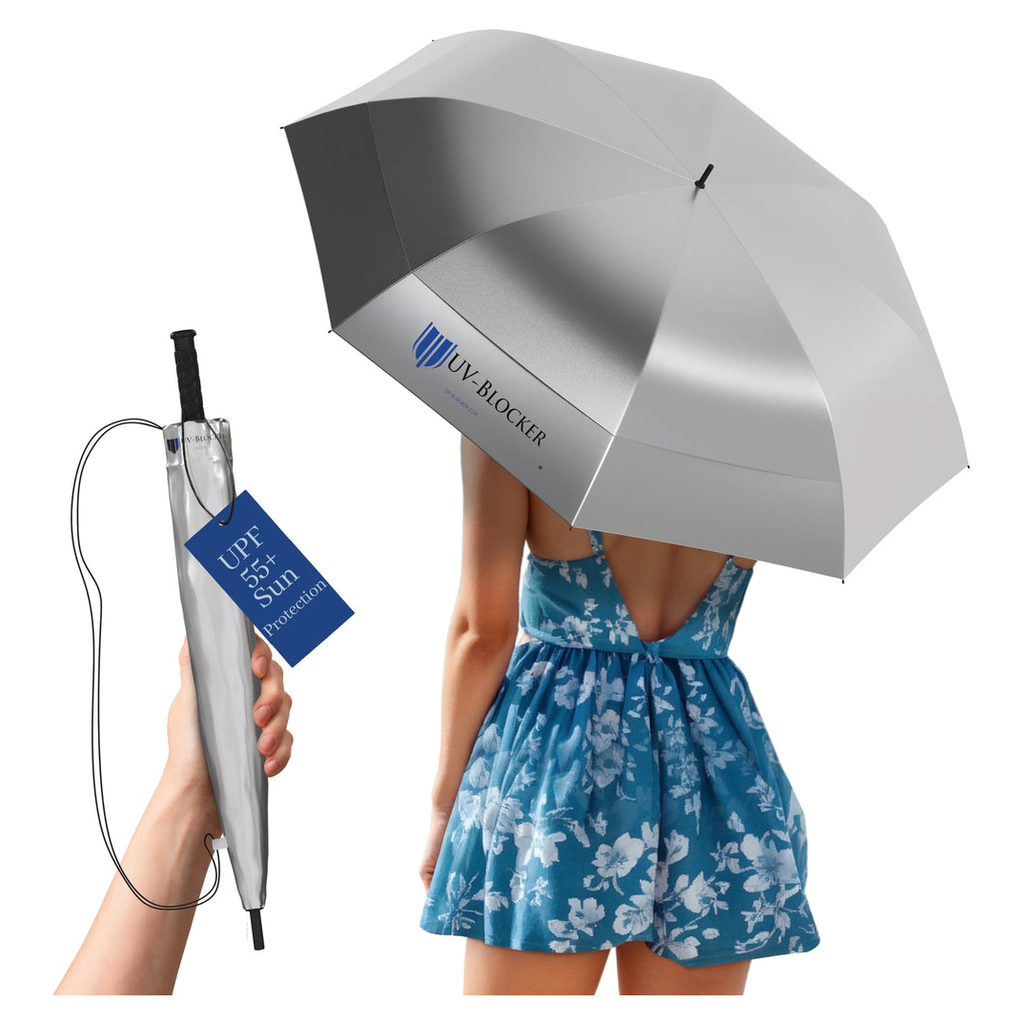
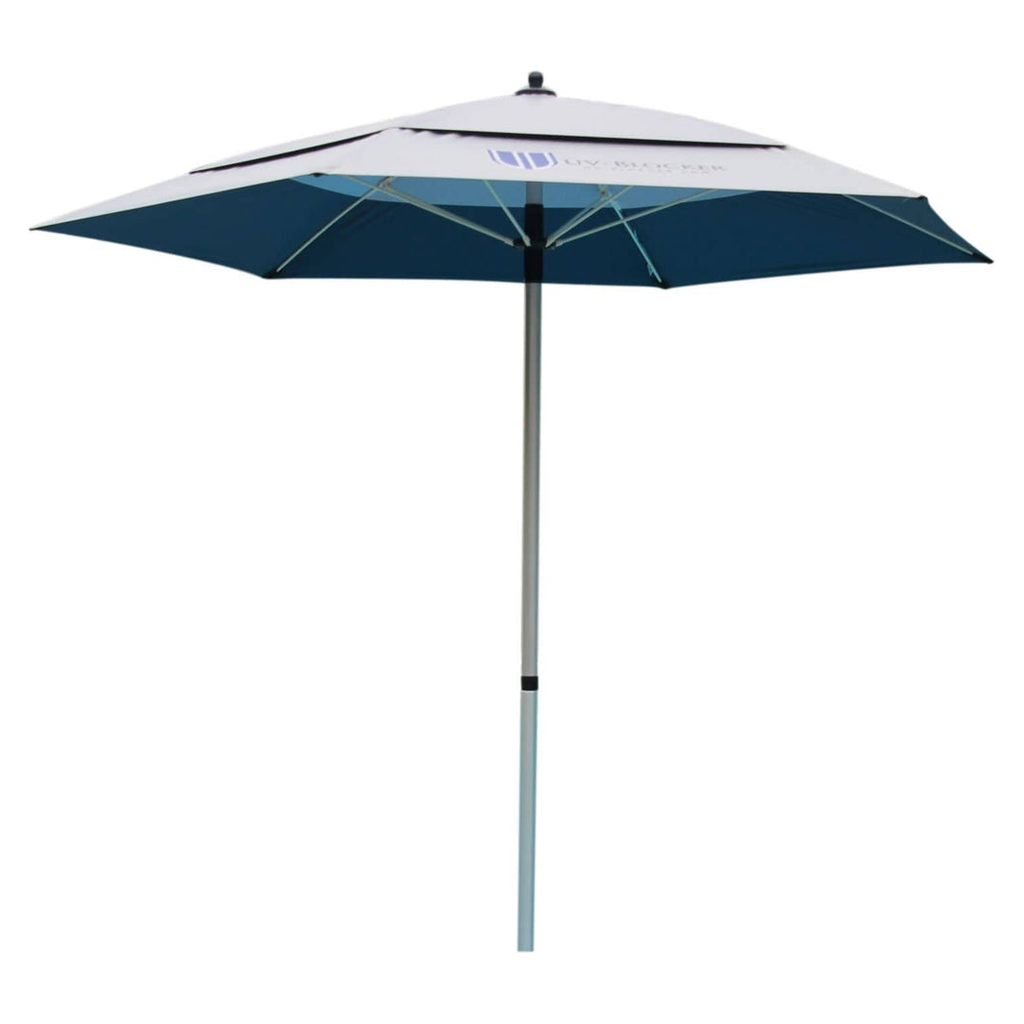
UV umbrellas provide portable physical shade that never needs reapplication. UPF 50+ certified umbrellas block 99% of UV rays without touching sensitive skin at all. No chemicals, no irritation, no worrying about whether you applied enough. A compact UV umbrella fits in a purse or bag for daily use. A travel UV umbrella offers wider coverage for longer outdoor time. For immunosuppressed patients, the logic is straightforward: prevent the initial cellular damage that your immune system can no longer clean up.

Additional Measures
- Avoid peak UV hours (10am-4pm) when possible. Morning and late afternoon sunlight carries less intensity.
- Prioritize face, neck, and hands. These areas have the thinnest skin and the highest daily exposure.
- Schedule annual skin cancer screenings. Immunosuppressed patients benefit from professional monitoring. Early detection remains the strongest defense.
Frequently Asked Questions About Prednisone and Sun Exposure
Below are the most common questions patients ask about prednisone sun sensitivity and sun exposure, answered with current clinical evidence.
Can you go in the sun while taking prednisone?
Yes, but with protection. Prednisone doesn't cause photosensitivity, but it thins skin and suppresses immune defenses against UV damage. Combine sunscreen with UPF clothing and physical shade for full coverage.
Does prednisone make you burn easier?
Not through photosensitivity. Long-term prednisone thins the dermis by suppressing collagen, which may reduce your skin's natural UV resistance over time. The effect is gradual, not immediate.
Can prednisone make you sensitive to heat?
Prednisone can cause fluid retention, weight gain, and increased sweating, all of which reduce heat tolerance. This is separate from UV sensitivity and relates to the drug's metabolic effects, not a skin reaction.
Does prednisone increase skin cancer risk?
Chronic use is associated with elevated squamous cell carcinoma risk. In FDA adverse event data, prednisone ranked sixth among drugs linked to cutaneous SCC reports. Immunosuppression blunts the body's ability to destroy UV-damaged cells before they become malignant.
Is a short course of prednisone (5-10 days) a sun risk?
Minimal. Skin thinning and immune suppression require prolonged use, typically weeks to months of uninterrupted therapy. A standard short burst for asthma or allergies does not meaningfully change UV vulnerability.
Conclusion
Chronic prednisone use creates two indirect UV risks: thinner skin and weakened immune cell surveillance of UV damage.
Medical resources rarely explain the distinction between direct photosensitivity and prednisone's indirect mechanisms clearly, leaving patients to navigate contradictory information without grounding.
The key takeaways are straightforward:
- Prednisone won't cause the acute sunburn reaction that doxycycline or HCTZ triggers
- Long-term use does thin the dermis and blunt immune detection of UV-damaged cells
- Your underlying condition (lupus, PLE, dermatomyositis) may be the actual source of sun sensitivity
- Short courses (5-10 days) carry minimal UV risk; chronic use requires a layered protection plan
For anyone on long-term prednisone: schedule an annual skin cancer screening and add a physical sun barrier to your daily routine. UPF clothing and a UV umbrella compensate for what a suppressed immune system can no longer defend on its own.
For the broader picture of pharmaceutical UV risks, see the complete guide to medications that cause sun sensitivity.
Prednisone, UV Exposure, and Immune Suppression: The Overlooked Interaction
Prednisone's sun sensitivity risk involves two distinct mechanisms that compound each other — photosensitisation from the drug itself, and suppressed immune surveillance of UV-damaged skin cells. Understanding both is essential for patients on long-term corticosteroid therapy.
Mechanism 1: Direct Photosensitisation
Corticosteroids including prednisone alter the skin's inflammatory response pathways. While prednisone itself is not a classic photosensitiser (unlike fluoroquinolones), it reduces the skin's ability to mount a protective inflammatory response to UV, which can allow UV damage to accumulate without triggering the visible warning signs (redness, burning sensation) that would normally prompt someone to seek shade.
Mechanism 2: Immunosuppression and Skin Cancer Risk
This is the more clinically significant mechanism. Prednisone suppresses the skin immune system's T-cell response, which normally identifies and destroys UV-damaged keratinocytes before they become cancerous. Studies in solid organ transplant recipients (who take high-dose immunosuppressants including corticosteroids) show skin cancer rates 65–250 times higher than the general population. Squamous cell carcinoma is particularly accelerated — estimated at 65–100x higher incidence.
While patients taking standard short-to-medium-dose prednisone for autoimmune conditions or inflammation have lower risk than transplant recipients, long-term or high-dose use (>20mg/day for >3 months) places them in an elevated-risk category that warrants proactive sun protection protocols.
Prednisone Dose and UV Risk: A Framework
| Prednisone Dose | Duration | UV Risk Level | Recommended Protocol |
|---|---|---|---|
| Short burst (1–5 days) | Any | Low-Moderate | Standard precautions; avoid peak UV hours |
| <10mg/day | <3 months | Moderate | SPF 50+, protective clothing, limited peak-hour exposure |
| 10–20mg/day | Any duration | High | Dermatology consultation, annual skin checks, UPF 50+ shade |
| >20mg/day | >3 months | Very High | Same as above plus 6-monthly skin checks; minimise all UV exposure |
Frequently Asked Questions: Prednisone Sun Sensitivity
How soon after starting prednisone does UV risk increase?
Immunosuppressive effects begin within 24–48 hours of starting prednisone at moderate-to-high doses. Photosensitivity effects (altered inflammatory response) develop quickly as well. Patients should begin sun protection precautions from day one of their prednisone course.
Does the prednisone risk return to normal after stopping?
For short courses, immune function typically recovers within 1–4 weeks of stopping. For patients who have been on prednisone for months or years at significant doses, immune reconstitution takes longer — typically 2–6 months. Any UV-induced skin changes or lesions noticed during this period should be promptly evaluated by a dermatologist.
Should I be getting annual skin cancer screenings while on prednisone?
For patients on prednisone for more than 3 months at doses above 10mg/day, most dermatologists recommend annual full-body skin checks. Patients with prior history of skin cancer, actinic keratoses, or significant sun damage history should consider 6-monthly checks. Discuss this with both your prescribing physician and a dermatologist.
What kind of sunscreen is most effective for prednisone patients?
Broad-spectrum SPF 50+ sunscreen covering both UV-B and UV-A. Mineral sunscreens (zinc oxide, titanium dioxide) are preferred for patients on prednisone as they provide immediate protection upon application (no 20-minute waiting period) and are less likely to cause irritation on prednisone-thinned skin. Reapply every 90 minutes during outdoor activities.
Is a UV umbrella sufficient protection for prednisone patients, or do they still need sunscreen?
A UPF 50+ umbrella blocks 98%+ of direct UV on the covered area. For patients on long-term prednisone who want to minimise all UV exposure, the umbrella provides the most reliable direct-sun shade. However, reflected UV from surfaces (water, sand, concrete) still reaches skin. Combining a UV umbrella with SPF 30+ sunscreen on exposed skin provides the most comprehensive protection for immunocompromised individuals.
Prednisone Sun Sensitivity: What Patients Need at a Glance
Prednisone and other corticosteroids suppress the immune system's inflammatory response — which also reduces the skin's ability to defend against UV-induced damage. Here's the clinical picture for patients managing outdoor activities while on corticosteroids:
- Onset is dose-dependent: Low-dose prednisone (≤10mg/day) carries moderate photosensitivity risk; doses above 20mg/day significantly suppress immune response and increase UV damage accumulation
- Duration amplifies risk: Short courses (<2 weeks) present lower risk than chronic use — patients on long-term corticosteroid therapy for autoimmune conditions (lupus, rheumatoid arthritis, IBD) should treat UV protection as a daily habit
- Wound healing is slowed: Corticosteroids impair collagen synthesis — sunburns on prednisone are not just more intense but take longer to heal and carry higher infection risk
- Mineral sunscreen recommended: Chemical UV filters (avobenzone, oxybenzone) can themselves trigger skin reactions in immunocompromised patients — zinc oxide or titanium dioxide physical blockers are generally better tolerated
- Daily routine priority: A UPF 50+ umbrella provides consistent, re-application-free protection for seated activities like reading, gardening, and patio dining — critical for patients whose mobility or cognitive load makes sunscreen re-application challenging
Prednisone & Sun Sensitivity: Expert FAQ
Does prednisone directly cause photosensitivity or just thin the skin?
Both. Prednisone suppresses the immune-mediated repair of UV-induced DNA damage while also thinning the skin and reducing melanin production. The combination means skin burns faster, heals slower, and has less natural UV defense than unmedicated skin.
How long after stopping prednisone does sun sensitivity persist?
Skin sensitivity typically normalizes within 2–4 weeks after a short course of prednisone. For patients on long-term corticosteroid therapy, the cumulative skin thinning effect may persist indefinitely. A dermatologist can assess individual recovery timelines.
What SPF level should prednisone patients use?
Dermatologists recommend SPF 50+ broad-spectrum sunscreen for all patients on systemic corticosteroids. Reapplication every 60–80 minutes during outdoor activity is critical — prednisone-thinned skin cannot recover between exposures the way normal skin can. Physical blockers (zinc oxide, titanium dioxide) are preferred over chemical filters for sensitive or steroid-thinned skin.
Can UV exposure cause prednisone side effects to worsen?
Yes. UV exposure can trigger lupus flares in patients taking prednisone for autoimmune conditions, which may require dose adjustments. For patients with inflammatory bowel disease or asthma, excessive UV exposure and subsequent sunburn can also elevate inflammatory markers. Your prescribing physician should discuss sun protection as part of your treatment plan.
What is the safest way to spend time outdoors on prednisone?
The safest outdoor strategy for prednisone patients is a layered approach: SPF 50+ broad-spectrum sunscreen, UPF 50+ sun-protective clothing, UV-blocking sunglasses, and a UPF 50+ umbrella for extended periods. Avoid peak UV hours (10 AM–4 PM) where possible. UV-Blocker's compact personal umbrella provides consistent overhead shade without the application concerns of sunscreen on prednisone-sensitized skin.
Sun Safety in Canada
Canada experiences meaningful UV exposure throughout the year, with UV Index levels regularly reaching 8–10 or higher during summer months in cities such as Vancouver, Calgary, Toronto, and Ottawa. Health Canada and Environment and Climate Change Canada publish daily UV Index forecasts and recommend protective measures whenever the index exceeds 3 — a threshold reached on most clear days between May and August across the country.
Key resources for Canadian sun safety:
- Health Canada UV Index: Published daily via the Environment and Climate Change Canada weather portal (weather.gc.ca). Canadians can track UV levels by city and receive alerts when protection is recommended.
- Canadian Cancer Society: Recommends UPF 50+ clothing, hats, sunscreen, and shade-seeking as primary sun protection strategies. Physical UV barriers — such as UPF 50+ umbrellas — are emphasized for prolonged outdoor exposure.
- Canadian Dermatology Association: Endorses broad-spectrum sun protection strategies, including shade structures and UV-blocking accessories, especially for individuals with fair skin or a personal or family history of skin cancer.
For Canadians spending extended time outdoors — whether working, playing sports, or enjoying recreational activities — a UV-blocking umbrella rated UPF 50+ provides continuous, reapplication-free protection. The UV-Blocker umbrella, independently tested and approved by the Melanoma International Foundation, blocks 99% of UV rays and keeps users up to 15°F cooler — making it a practical and reliable companion for Canadian summers.
Frequently Asked Questions
Does Prednisone really make skin more sensitive to sunlight?
Yes. Prednisone belongs to a class of medications that can trigger photosensitivity reactions in a subset of patients. This can cause sunburn-like reactions with minimal UV exposure, or trigger phototoxic skin rashes. The reaction severity varies by individual, dosage, and UV intensity. Always review your medication guide and consult your prescribing physician if you notice unusual skin reactions in sunlight.
What SPF should I use if I take this medication?
Dermatologists generally recommend SPF 30+ broad-spectrum sunscreen for patients on photosensitizing medications, with reapplication every 2 hours. However, sunscreen alone isn't sufficient for high UV exposure. Combining sunscreen with physical barriers — UPF 50+ clothing, wide-brim hats, and UV-blocking umbrellas — provides the most reliable protection. UV-Blocker's UPF 50+ umbrellas block 99% of UVA and UVB rays.
Can I still go outdoors while taking this medication?
Absolutely. Most patients can continue outdoor activities with appropriate precautions: avoid peak UV hours (10am–4pm), wear protective clothing, use SPF 30+ sunscreen, and use shade whenever possible. A portable UV-blocking umbrella offers hands-free shade wherever you go, making it a practical solution for patients who need consistent sun avoidance.
How long after stopping the medication until sun sensitivity resolves?
Photosensitivity typically resolves within days to weeks after discontinuing the medication, depending on the drug's half-life and your individual metabolism. Some medications with long half-lives may cause sensitivity for weeks. Continue sun protection until your doctor confirms it's safe to reduce precautions.
What are the signs of a phototoxic reaction vs. a photoallergic reaction?
Phototoxic reactions look like severe, rapid sunburn — they appear within hours of UV exposure and are dose-dependent. Photoallergic reactions involve an immune response, can spread beyond sun-exposed areas, and may appear days later. Both require prompt sun avoidance. See your dermatologist for diagnosis and management.
Sun Safety Essentials for Patients on Photosensitizing Medications
- Keep a UV index app on your phone and avoid going outdoors when the index exceeds 6 without full protection
- Wear UPF 50+ sun-protective clothing on arms and legs, not just sunscreen
- Carry a portable UV-blocking umbrella for shade on demand — especially effective during outdoor commutes, sporting events, or waiting outdoors
- Apply sunscreen to the back of hands and tops of feet — commonly missed areas that receive direct UV
- Inform your pharmacist about all medications you take so they can flag photosensitizing combinations
- Request a window film UV assessment if you drive frequently — car windows block UVB but not all UVA
Frequently Asked Questions
Does Prednisone really make skin more sensitive to sunlight?
Yes. Prednisone belongs to a class of medications that can trigger photosensitivity reactions in a subset of patients. This can cause sunburn-like reactions with minimal UV exposure, or trigger phototoxic skin rashes. The reaction severity varies by individual, dosage, and UV intensity. Always review your medication guide and consult your prescribing physician if you notice unusual skin reactions in sunlight.
What SPF should I use if I take this medication?
Dermatologists generally recommend SPF 30+ broad-spectrum sunscreen for patients on photosensitizing medications, with reapplication every 2 hours. However, sunscreen alone isn't sufficient for high UV exposure. Combining sunscreen with physical barriers — UPF 50+ clothing, wide-brim hats, and UV-blocking umbrellas — provides the most reliable protection. UV-Blocker's UPF 50+ umbrellas block 99% of UVA and UVB rays.
Can I still go outdoors while taking this medication?
Absolutely. Most patients can continue outdoor activities with appropriate precautions: avoid peak UV hours (10am–4pm), wear protective clothing, use SPF 30+ sunscreen, and use shade whenever possible. A portable UV-blocking umbrella offers hands-free shade wherever you go, making it a practical solution for patients who need consistent sun avoidance.
How long after stopping the medication until sun sensitivity resolves?
Photosensitivity typically resolves within days to weeks after discontinuing the medication, depending on the drug's half-life and your individual metabolism. Some medications with long half-lives may cause sensitivity for weeks. Continue sun protection until your doctor confirms it's safe to reduce precautions.
What are the signs of a phototoxic reaction vs. a photoallergic reaction?
Phototoxic reactions look like severe, rapid sunburn — they appear within hours of UV exposure and are dose-dependent. Photoallergic reactions involve an immune response, can spread beyond sun-exposed areas, and may appear days later. Both require prompt sun avoidance. See your dermatologist for diagnosis and management.
Sun Safety Essentials for Patients on Photosensitizing Medications
- Keep a UV index app on your phone and avoid going outdoors when the index exceeds 6 without full protection
- Wear UPF 50+ sun-protective clothing on arms and legs, not just sunscreen
- Carry a portable UV-blocking umbrella for shade on demand — especially effective during outdoor commutes, sporting events, or waiting outdoors
- Apply sunscreen to the back of hands and tops of feet — commonly missed areas that receive direct UV
- Inform your pharmacist about all medications you take so they can flag photosensitizing combinations
- Request a window film UV assessment if you drive frequently — car windows block UVB but not all UVA