

With AAA projecting 21.7 million Americans will set sail in 2026, and 72% of those voyages destined for the sun-drenched Caribbean where UV Index readings routinely hit 10 to 12, the allure of the open ocean is undeniable. However, the unique environment of a cruise ship presents a complex sun exposure challenge that traditional beach-day precautions often fail to address.
Many cruise passengers pack sunscreen and assume they're covered. Yet, the potent combination of expansive water reflection, persistent ocean winds that mask the sensation of burning, and extended hours spent on open decks creates a significant UV trap. This guide, brought to you by UV-Blocker and founded by melanoma survivor Ron Walker, delves into the specifics of cruise sun safety, offering a comprehensive strategy to keep your skin protected from boarding to disembarkation.
We'll cover region-specific UV risks, dissect deck-level exposure, demystify sunscreen timing, highlight shore excursion hazards, and provide a definitive packing checklist. Our goal is to empower you with the knowledge and tools, including advanced UPF 50+ solutions like UV-Blocker's Solarteck® umbrellas, to enjoy your cruise without compromising your skin health.
⚡ Quick Reference Summary: Cruise Sun Safety Essentials
- Magnified UV Exposure: Cruise ships amplify UV through intense reflection off water and white ship surfaces, combined with long, unshaded hours at sea.
- High UV Regions: Destinations like the Caribbean, Mediterranean (summer), and South Pacific frequently experience very high to extreme UV Index levels (8-12+).
- Deck-Specific Risks: Pool decks are the highest-risk areas due to direct sun and significant water glare. Even "shaded" areas can be deceptive.
- Sunscreen Strategy: SPF 50+ broad-spectrum sunscreen is essential, but proper application (generous amounts) and frequent reapplication (every 2 hours, or after swimming/sweating) are critical for all-day protection.
- Shore Excursion Hazards: Land-based activities introduce additional reflective surfaces like sand and concrete, demanding vigilance and portable protection.
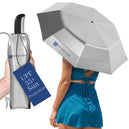
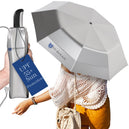
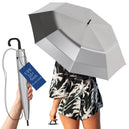
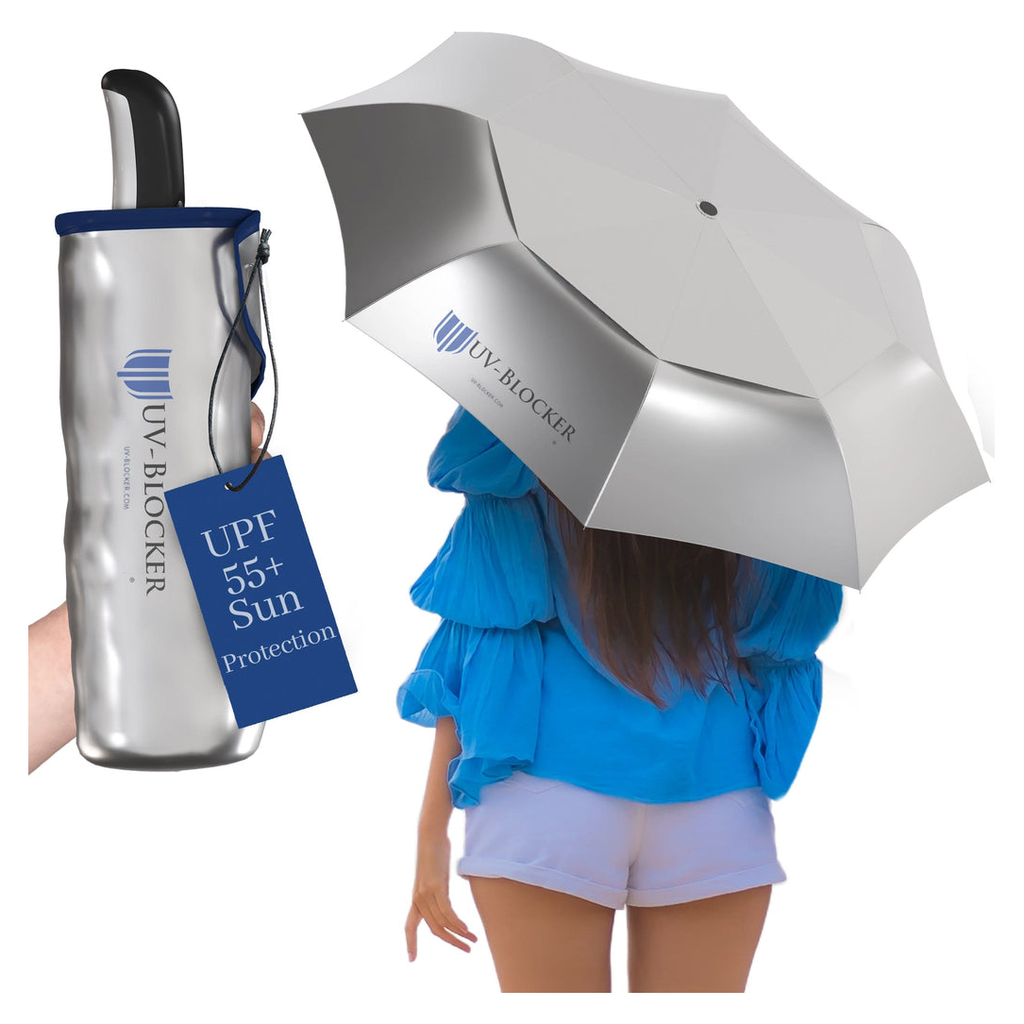
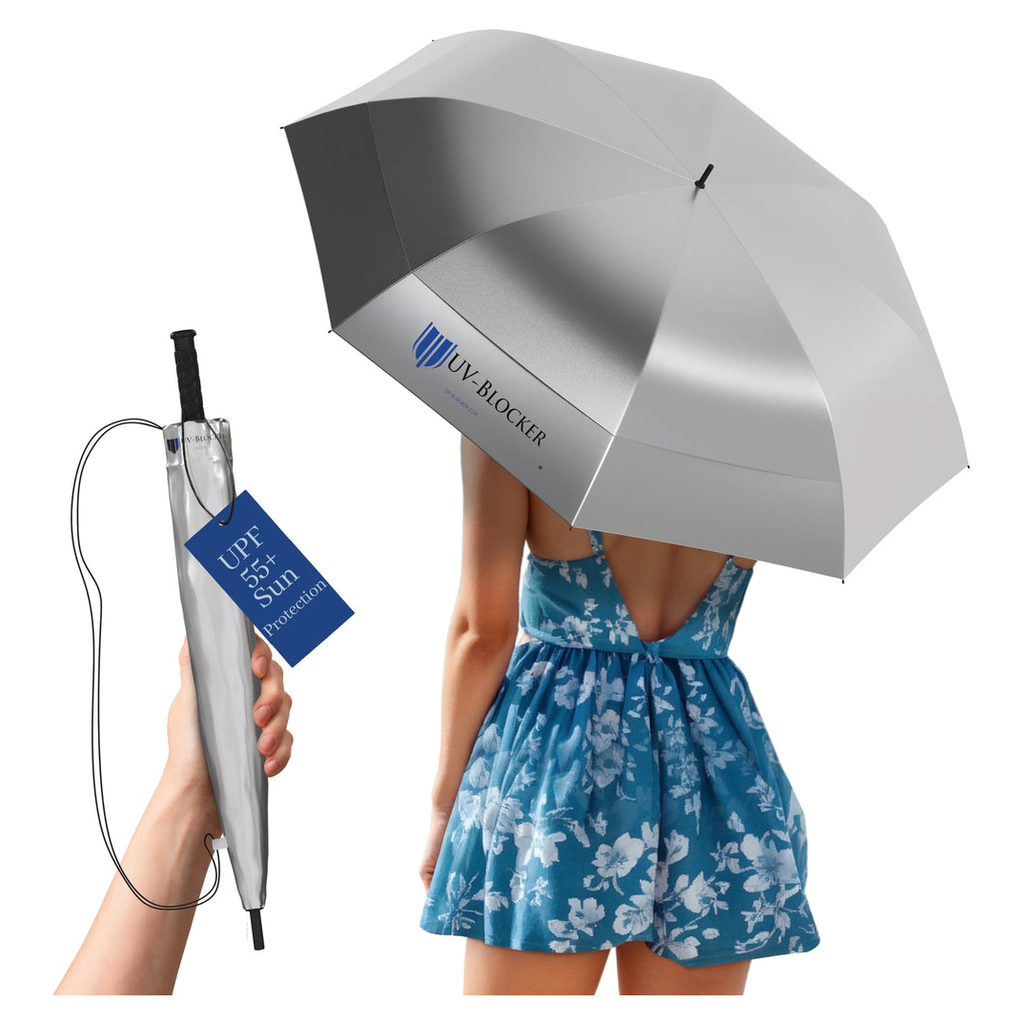
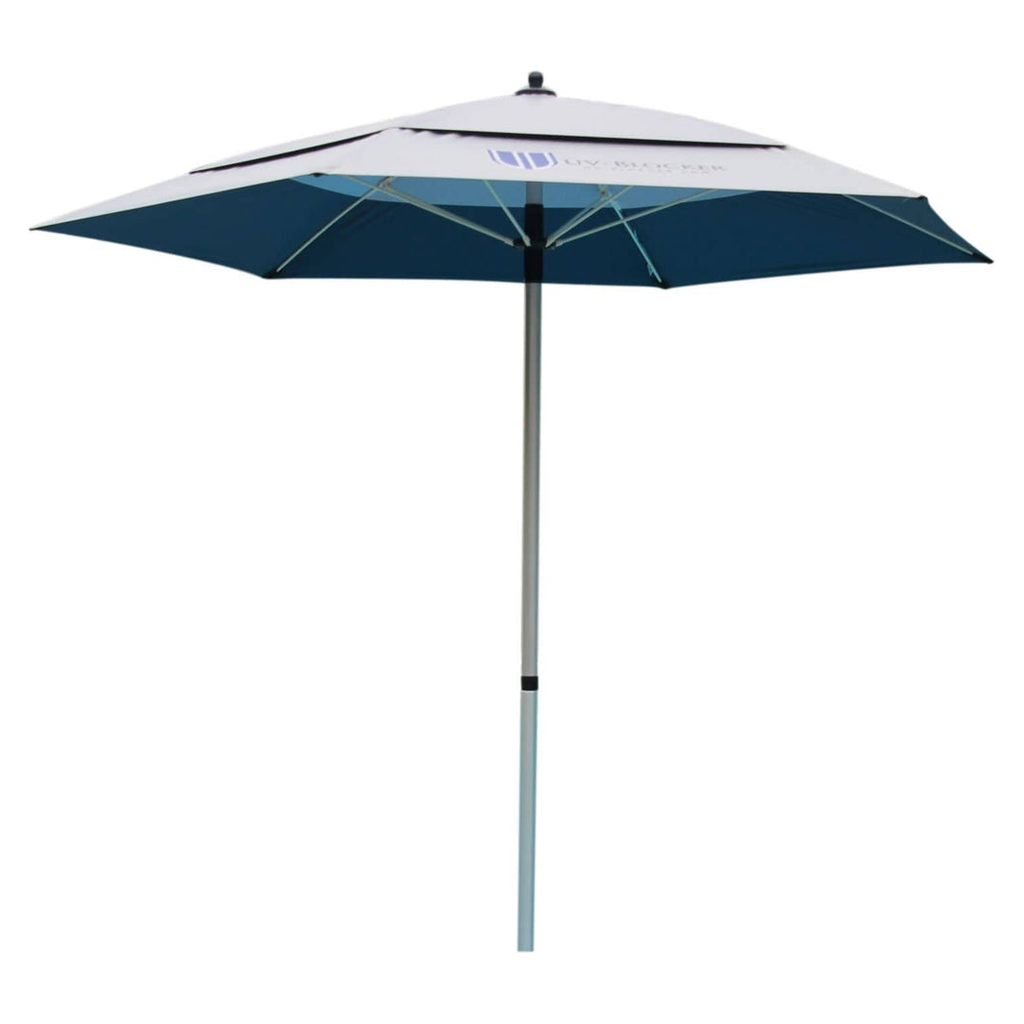
- Portable Shade is Key: A high-quality portable shade option, such as a UV-Blocker UPF 50+ Solarteck® umbrella, is indispensable for filling the protection gaps left by sunscreen, hats, and limited fixed shade.
- Comprehensive Packing: Don't forget UPF clothing, wide-brim hats, and 100% UV-blocking sunglasses.
Why Do Cruise Passengers Burn More Than Beach-Goers?
Cruise ships, by their very nature, are designed to maximize outdoor enjoyment, inadvertently creating an environment that significantly amplifies UV exposure compared to a typical beach day. This phenomenon is driven by several critical factors: intense reflection, the deceptive cooling effect of ocean winds, prolonged exposure durations, and specific atmospheric conditions.
The Multi-Directional Reflection Trap
The first and most significant factor is reflection. The World Health Organization (WHO) reports that water can reflect up to 20% of UV radiation, effectively bouncing it back onto exposed skin from below. This isn't just about the ocean itself; bright white ship surfaces—decks, railings, and even the ship's hull—act as additional reflective mirrors, intensifying exposure from multiple angles. Unlike a beach, where you might only contend with sand and water reflection, a cruise ship adds a vast, artificial, highly reflective environment. The American Cancer Society emphasizes that reflected light can be as damaging as direct sun, a concept magnified at sea.
The Deceptive Wind-Chill Effect
Ocean breezes, while refreshing, are a major contributor to unnoticed sunburns. As highlighted by the American Academy of Dermatology, cool winds can make passengers feel less hot, masking the sensation of burning even as UV rays penetrate the skin. This "false comfort" leads many to underestimate their exposure and delay reapplication of sunscreen, allowing damage to accumulate for hours before visible redness appears. On open decks, where wind is constant, this effect is particularly potent.
Prolonged, Uninterrupted Exposure
Cruise days are inherently long, often involving 6 to 8 hours or more of continuous outdoor time on pool decks, promenade walks, or during sail-away events. Unlike a typical beach visit, where you might retreat indoors or find substantial natural shade, cruise ship activities often keep passengers in direct or reflected sunlight for extended periods. This cumulative exposure, especially in high UV regions, vastly increases the risk of sunburn and long-term skin damage.
Equatorial Proximity and Atmospheric Conditions
Many popular cruise routes, particularly in the Caribbean and South Pacific, traverse equatorial regions where the sun's rays are more direct and intense. Closer to the equator, UV radiation travels a shorter path through the atmosphere, meaning less is absorbed or scattered before it reaches your skin. Furthermore, the pristine, often cloudless skies over the open ocean can result in clearer air, allowing even more direct UV radiation to reach the ship's decks compared to land-based environments with more atmospheric pollutants or varied terrain.
The combination of these factors creates a unique sun hazard at sea, making robust, multi-layered sun protection—including high-UPF clothing, broad-spectrum sunscreen, and portable shade like a UV-Blocker umbrella—not just recommended, but essential.
What Is the UV Index by Cruise Region?
Understanding the UV Index for your cruise destination is paramount for effective sun protection planning. The EPA UV Index Scale classifies 8 and above as "very high" and 11 and above as "extreme," indicating severe risk. The intensity of UV radiation varies significantly by geographic region and season, directly impacting the level of protection required. Here’s a breakdown of common cruise regions:

| Cruise Region | UV Index Range | Peak Season | Risk Level | Practical Implication |
|---|---|---|---|---|
| Caribbean | 10-12+ | Year-round | Extreme | SPF 50+ broad-spectrum sunscreen is mandatory, frequent reapplication is non-negotiable, and seeking shade, ideally with a UV-Blocker umbrella, is critical. UPF 50+ clothing and wide-brim hats are essential. |
| Mediterranean | 8-10 | Jun-Aug | Very High | Summer cruises demand a full sun protection arsenal, similar to the Caribbean, especially during port days exploring ancient ruins or beaches. Protection from both direct and reflected UV is key. |
| Alaska | 1-3 (can reach 5-6 at midday) | Jun-Aug | Low-Moderate | Despite lower numbers, long daylight hours (up to 18+ hours) mean cumulative exposure can still lead to damage. Sunscreen on exposed skin, sunglasses, and a hat are still advised, particularly on sunny days or near glaciers (which reflect UV). |
| Baltic/Northern Europe | 3-5 | Jun-Jul | Moderate | Often overcast, which can lead to a false sense of security. UV radiation penetrates clouds, so protection is still necessary, especially for sensitive skin or prolonged outdoor sightseeing. Don't let cool weather mislead you. |
| South Pacific | 9-12+ | Nov-Mar | Extreme | Cruises to destinations like Fiji, Tahiti, and Australia during their summer bring some of the most intense UV. Robust protection, including UPF 50+ clothing and vigilant shade-seeking, is paramount. |
The AAA 2026 Cruise Forecast reveals that 72% of U.S. cruise passengers head to Caribbean routes, underscoring that extreme UV exposure is the norm for most travelers, not a rare exception. This means a default sun protection strategy should be built around high-risk scenarios.
Even regions with seemingly low UV Index readings, like Alaska, warrant caution. While the midday intensity is lower, the sheer duration of daylight hours (approaching 18-20 hours in peak summer) means a slow, cumulative burn can still occur over a full day of sightseeing on deck or during shore excursions. Always check the daily UV Index for your specific location and plan accordingly. A traveler heading to Nassau in July needs a vastly different sun protection strategy than one cruising through the Norwegian fjords.
How Does UV Exposure Differ by Deck on a Cruise Ship?
Understanding the varied UV exposure across a cruise ship's decks is crucial for effective sun protection. Not all areas are created equal, and some seemingly innocuous spots can present significant risks due to direct sun, reflection, or prolonged exposure.
Pool Deck (Highest Risk)
This is arguably the most dangerous zone for UV exposure on any cruise ship. Sun falls directly from above, and the large expanse of water in the pool, combined with the bright deck surfaces, creates a powerful upward glare. This multi-directional exposure means UV rays hit your skin from multiple angles, intensifying their effect. Fixed shade structures are often limited or offer only partial protection, and loungers are typically in open spaces. Activities, music, and social interaction on the pool deck can distract passengers from the need for frequent sunscreen reapplication or seeking shade. This area demands the highest level of vigilance, making a portable Solarteck® UV-Blocker umbrella an invaluable asset for personal, immediate shade.
Sports Deck
Areas dedicated to basketball courts, jogging tracks, mini-golf, and other open-air activities are generally wide open to the sun. Passengers engaging in these activities are often more focused on their game or workout, leading to delayed sunscreen reapplication. Increased physical exertion means more sweating, which rapidly diminishes the effectiveness of even water-resistant sunscreens. The lack of natural or fixed shade, coupled with sustained physical activity, makes these areas high-risk for sunburn.
Promenade Decks and Open Walkways
These decks often feature partial protection from the ship's upper deck overhangs, which can provide some direct shade. However, this shade is dependent on the sun's angle. As the ship moves or the sun's position changes throughout the day, areas previously shaded can become fully exposed. Reflected UV from the ocean and the ship's side can also penetrate under overhangs. Passengers often walk these decks for extended periods, making cumulative exposure a concern. It's a "shade trap" where the presence of some shade can create a false sense of security, leading to less diligent protection.
Balcony and Stateroom Decks
While a private balcony offers a secluded retreat, it's not a sun-safe haven by default. Depending on the ship's orientation and the time of day, balconies can receive significant direct sunlight for hours. Furthermore, reflected UV from the ocean and adjacent ship surfaces can bounce into these seemingly private spaces. Many passengers relax on their balconies without adequate protection, assuming the "privacy" equates to "protection." Always assess your balcony's sun exposure and use appropriate measures, including a small, personal UV umbrella if lounging.
Lido Deck (Outdoor Dining Areas)
Outdoor dining spaces on the Lido deck often offer a mix of covered and open seating. While fixed awnings or pergolas provide some shade, tables at the edges or those exposed to the sun's lower angle can still lead to significant UV exposure during a leisurely meal. The distraction of food and conversation can lead to forgetting to reapply sunscreen, making these areas a subtle risk zone for prolonged, unprotected exposure.
Excursion Tenders and Lifeboats
When transferring to shore via tenders or lifeboats, passengers are often exposed to direct sun and intense water reflection for the duration of the ride. These smaller vessels typically offer minimal to no shade, and the journey can be surprisingly long, especially during peak port traffic. It's crucial to be fully protected (hat, sunglasses, sunscreen, and even a compact UV-Blocker umbrella) before stepping onto a tender.
In all these environments, relying solely on fixed ship shade is insufficient. The dynamic nature of sunlight on a moving vessel necessitates personal, adaptable protection. A UV-Blocker umbrella with its patented Solarteck® technology and UPF 50+ rating, offers a crucial layer of defense, providing shade that moves with you wherever you go on deck or ashore.
What Is the Sunscreen Math for a Full Cruise Day?
Sunscreen is a cornerstone of sun protection, but its effectiveness on a cruise hinges on proper application and reapplication. Many common mistakes render sunscreen far less effective than advertised, particularly during long, sun-intensive days at sea. Understanding the "sunscreen math" is crucial for maximizing its protective benefits.
Understanding SPF and Broad-Spectrum Protection
SPF (Sun Protection Factor) primarily measures protection against UVB rays, which are the main cause of sunburn. An SPF of 15 blocks about 93% of UVB, SPF 30 blocks about 97%, and SPF 50 blocks about 98%. While the increase in protection above SPF 30 is marginal, every percentage point counts in extreme UV environments. More importantly, always choose a "broad-spectrum" sunscreen, which protects against both UVB and UVA rays. UVA rays contribute to skin aging, wrinkles, and skin cancer, and are prevalent year-round, even on cloudy days. The Skin Cancer Foundation recommends broad-spectrum SPF 30 or higher.
The "Teaspoon Rule" and Generous Application
Most people apply only 25-50% of the recommended amount of sunscreen, drastically reducing its actual SPF. For optimal protection, you need to apply about one ounce (a shot glass full) for your entire body. For your face and neck, approximately half a teaspoon is needed. Don't forget often-missed spots like ears, the back of your neck, hairline, tops of your feet, and hands. Apply sunscreen 15-30 minutes *before* sun exposure to allow it to absorb and form a protective barrier.
Reapplication is Non-Negotiable
Sunscreen isn't a "one-and-done" solution, especially on a cruise. The general rule is to reapply every two hours, or more frequently if you're swimming, sweating heavily, or towel drying. Even "water-resistant" sunscreens are only effective for 40 or 80 minutes in water, not indefinitely. The combination of ocean breeze, humidity, and constant activity on a cruise ship means sunscreen degrades faster. Set a reminder on your phone if needed – consistent reapplication is key to sustained protection.
Water Resistance Ratings
Look for sunscreens labeled "Water Resistant (40 minutes)" or "Water Resistant (80 minutes)." This indicates how long the SPF is retained after immersion in water. It does *not* mean the sunscreen is waterproof. After these durations, or immediately after towel drying, you must reapply. For active days involving pool time, snorkeling, or water sports during shore excursions, this detail is critical.
Mineral vs. Chemical Sunscreens
Consider your preference:
- Mineral sunscreens (zinc oxide, titanium dioxide) sit on top of the skin and physically block UV rays. They are often preferred for sensitive skin and considered reef-safe.
- Chemical sunscreens absorb UV radiation through a chemical reaction. They typically rub in clear.
While sunscreen is vital, it's just one part of a comprehensive sun safety strategy. It forms the base, but it cannot replace the need for physical barriers like UPF clothing, wide-brim hats, sunglasses, and the indispensable portable shade provided by a UV-Blocker umbrella, especially when spending full days on the open decks.
How Can Cruise Passengers Stay Protected on Shore Excursions?
Shore excursions offer exciting opportunities to explore new destinations, but they also introduce varied and often intense sun exposure challenges that require specific protective strategies. From sandy beaches to bustling city streets, the environmental factors change, but the need for robust sun protection remains constant.
Beach and Water Excursions: Doubling Down on Defense
When your excursion involves beaches, snorkeling, or other water activities, the risk of UV exposure skyrockets due to the intense reflection from water and sand. Here, a multi-pronged approach is essential:
- UPF Clothing: A UPF 50+ rash guard or swim shirt is superior to sunscreen alone for prolonged water exposure, as it won't wash off.
- Water-Resistant Sunscreen: Apply broad-spectrum SPF 50+ generously and reapply every 40-80 minutes, or immediately after swimming or heavy sweating.
- Wide-Brim Hat & Sunglasses: Essential for protecting the face, neck, and eyes from direct and reflected glare.
- Portable Shade: Fixed beach umbrellas are often scarce or costly. A personal, compact UV-Blocker UPF 50+ umbrella offers immediate, customizable shade wherever you set up, shielding you from direct and reflected rays. This is especially useful for lunch breaks or relaxing between dips.
City and Sightseeing Tours: Urban UV Traps
Even in cities, UV exposure can be significant. Long walks through open plazas, reflective concrete and glass buildings, and a lack of natural tree cover contribute to risk.
- UPF Everyday Wear: Opt for lightweight, long-sleeved UPF shirts and long pants where culturally appropriate, or lightweight dresses with good coverage.
- Hat & Sunglasses: A stylish wide-brim hat and sunglasses are practical necessities, not just fashion statements.
- Sunscreen on Exposed Skin: Remember ears, neck, hands, and any skin not covered by clothing.
- Seek Shade Strategically: Plan breaks in cafes, under awnings, or inside museums during peak UV hours (10 AM - 4 PM). A UV-Blocker travel umbrella is perfect for creating instant shade while waiting for transportation or navigating open-air markets.
Active Excursions (Hiking, Biking, Ziplining): Sweat-Proof Protection
For more adventurous excursions, sweat and movement become key factors in sun protection efficacy.
- Performance UPF Clothing: Choose moisture-wicking UPF 50+ activewear that provides full coverage.
- Sweat-Resistant Sunscreen: Opt for formulas designed to withstand sweat and reapply diligently.
- Hydration: Carry plenty of water to prevent dehydration, which can exacerbate sun-related fatigue.
- Compact Personal Shade: For breaks or unexpected delays in open areas, a lightweight UV-Blocker umbrella can provide crucial relief and protection.
Cultural and Historical Site Visits: Respectful Protection
Many cultural and religious sites require modest dress, which often provides incidental sun protection. However, ensure exposed skin is covered with sunscreen, and a hat and sunglasses are always appropriate outdoors. A UV-Blocker umbrella can offer discreet personal shade without interfering with the ambiance or cultural norms.
No matter the excursion, pre-planning is key. Check the local UV Index and weather forecast for your port of call. Pack appropriate gear and remember that the most effective sun protection is a combination of strategies, with portable shade acting as your versatile, on-demand protector.
Cruise Sun Protection Packing Checklist
A successful, sun-safe cruise requires more than just a bottle of sunscreen. It demands a strategic packing list that addresses the unique challenges of intense UV exposure at sea and ashore. Here’s a comprehensive checklist to ensure you're fully prepared:
1. High-Quality Sunscreen (Broad-Spectrum SPF 30+)
- Quantity: Pack more than you think you’ll need. For a 7-day cruise, consider two large bottles per person for proper application (1 oz per full body application, reapplied every 2 hours).
- Type: Choose broad-spectrum SPF 30+ (preferably 50+ for Caribbean/South Pacific cruises) that protects against both UVA and UVB rays.
- Water-Resistant: Essential for pool decks and water excursions. Look for "Water Resistant (80 minutes)."
- Reef-Safe (Optional but Recommended): Many popular cruise destinations (e.g., Mexico, Hawaii, parts of the Caribbean) have banned sunscreens with oxybenzone and octinoxate. Opt for mineral sunscreens with zinc oxide or titanium dioxide to protect marine ecosystems.
2. UPF 50+ Clothing
- Long-Sleeved Shirts: Lightweight, breathable UPF 50+ shirts are perfect for deck days, casual wear, and shore excursions. They offer consistent, reliable protection that doesn't wash off. Look for styles suitable for both active and relaxed settings.
- Rash Guards/Swim Shirts: Indispensable for swimming, snorkeling, or any water activity. A UPF 50+ rash guard protects your torso and arms, which are highly exposed in the water.
- Swim Leggings/Board Shorts: For lower body protection during water activities.
- Wide-Brim Hats: Essential for protecting your face, ears, and neck. Look for a brim of at least 3 inches all around, and consider one with a chin strap for windy days at sea. UPF-rated hats offer superior protection.
3. Sunglasses with 100% UV Protection
- Certification: Ensure they block 99-100% of both UVA and UVB rays. Don't be fooled by dark lenses; it's the UV rating that matters.
- Wraparound Style: Offers additional protection from peripheral glare and reflected UV, particularly useful on water.
- Polarized Lenses: Reduce glare from water and shiny surfaces, improving visibility and comfort.
4. Portable Shade: The UV-Blocker Umbrella (UPF 50+ & Solarteck®)
- This is your secret weapon against relentless cruise sun. A UV-Blocker umbrella, with its patented Solarteck® technology, provides verified UPF 50+ protection, blocking 99% of UVA and UVB rays. It's also MIF-approved, signifying its medical-grade effectiveness.
- Versatility: Use it on the pool deck when fixed shade is scarce, on your balcony, during shore excursions (beaches, city tours), or even waiting for tenders.
- Heat Reduction: Solarteck® technology also significantly reduces the temperature underneath the umbrella, offering a noticeable cooling effect, which is invaluable on hot, sunny days.
- Compact & Lightweight: Choose a travel-sized model that easily fits into your daypack for instant, on-demand shade.
5. Lip Balm with SPF 30+
- Your lips are highly susceptible to sunburn and often overlooked.
- Reapply frequently, especially after eating or drinking.
6. After-Sun Care
- Aloe Vera Gel: Soothes and moisturizes skin after sun exposure.
- Moisturizer: Helps rehydrate skin, whether you've burned or not.
7. Reusable Water Bottle
- Stay hydrated, especially in warm climates and with increased sun exposure. Most cruise ships have water stations where you can refill.
By assembling this comprehensive sun protection kit, you'll be well-equipped to enjoy every moment of your cruise safely, minimizing the risks of sunburn and long-term skin damage, confident in the advanced protection of your UV-Blocker gear.
Frequently Asked Questions About Sun Protection on a Cruise
Why is sun protection more critical on a cruise than a typical beach vacation?
Cruises present unique challenges that intensify UV exposure. Unlike a static beach, a cruise ship is constantly moving, often in equatorial regions, exposing you to direct overhead sun for longer periods. The vast expanses of water and the ship's white surfaces create significant multi-directional reflection, bouncing UV rays from below and all around. Additionally, refreshing ocean breezes can mask the sensation of burning, leading to prolonged, unnoticed exposure. These factors combine to create a higher risk environment where traditional sun protection alone may be insufficient.
Can I get sunburned on an overcast or cloudy day at sea?
Absolutely. Clouds can block visible light, making it feel cooler and less "sunny," but they do not block all UV radiation. Up to 80% of the sun's UV rays can penetrate clouds, especially thinner ones. On partially cloudy days, UV levels can even be higher due to reflection off the edges of clouds. Therefore, always apply full sun protection, including sunscreen, UPF clothing, and sunglasses, even if the sky looks grey.
What's the difference between SPF and UPF, and which matters more for a cruise?
SPF (Sun Protection Factor) measures a product's (usually sunscreen's) ability to protect against UVB rays, which cause sunburn. It indicates how much longer it takes for skin to redden with sunscreen compared to without it. UPF (Ultraviolet Protection Factor), on the other hand, measures how much UVA and UVB radiation a fabric blocks. A UPF 50+ rating means the fabric blocks 98% or more of harmful UV rays. For a cruise, both are vital. SPF is crucial for exposed skin (like your face, hands, and feet), but UPF clothing and portable shade like a UV-Blocker umbrella offer consistent, reliable, and often superior protection for larger body areas, as they don't wear off or need reapplication.
How much sunscreen do I really need for a 7-day Caribbean cruise?
For adequate full-body protection, you should apply approximately one ounce (a shot glass full) of sunscreen for each application. If you're applying every two hours and swimming/sweating often, this means roughly 4-6 applications per day for someone spending significant time outdoors. For a 7-day cruise, a single person could easily go through 1-2 large (8oz) bottles of sunscreen. For a family of four, plan for at least 4-6 large bottles to ensure everyone is properly protected throughout the trip.
Are there any "shade traps" on a cruise ship I should be aware of?
Yes, many areas that appear shaded can still expose you to significant UV radiation. Overhangs on promenade decks might block direct overhead sun but not reflected UV from the water or ship surfaces. Areas near large windows or skylights can also transmit UVA rays. Balconies, while private, can receive direct sun or reflected light for hours depending on ship orientation. Always assume that if you can see the sky or a bright reflective surface, you're still exposed to UV and need additional protection, such as a personal UV-Blocker umbrella.
How does UV-Blocker's Solarteck® technology specifically help on a cruise?
UV-Blocker's Solarteck® technology is designed to offer maximum protection and comfort in high-UV environments like cruises. Our umbrellas feature a patented, scientifically engineered fabric that achieves a UPF 50+ rating, blocking over 99% of UVA and UVB rays. This is crucial for protecting against both direct and reflected UV on open decks or during shore excursions. Additionally, Solarteck® is specifically engineered to dissipate heat, creating a noticeably cooler environment (up to 15 degrees Fahrenheit cooler) underneath the umbrella. This combination of superior UV blocking and heat reduction provides an unparalleled level of portable, on-demand shade, making it an indispensable tool for sun safety on your cruise.
Conclusion
Cruising offers an unparalleled opportunity for relaxation and adventure, but it also presents a unique and heightened challenge for sun protection. The combination of intense UV exposure from direct sun, relentless reflection off water and ship surfaces, and the deceptive cooling effect of ocean breezes means that standard sun safety measures often fall short. As Ron Walker, founder of UV-Blocker and a melanoma survivor, attests, understanding these risks and preparing proactively is not just about comfort; it's about safeguarding your health.
By adopting a comprehensive, multi-layered approach to sun protection, you can mitigate these risks effectively. This includes diligent use of broad-spectrum SPF 50+ sunscreen, wearing UPF 50+ sun-protective clothing and wide-brim hats, donning 100% UV-blocking sunglasses, and critically, employing portable, high-performance shade. A UV-Blocker umbrella with its patented Solarteck® technology and MIF-approved UPF 50+ rating, stands as an indispensable tool, offering both superior UV blockage and a noticeable cooling effect wherever you go on deck or ashore.
Don't let the sun's hidden dangers compromise your dream cruise vacation. Equip yourself with the knowledge and the right tools. Prioritize your skin health, stay protected, and fully immerse yourself in the joy of the open sea. With UV-Blocker, you're not just buying an umbrella; you're investing in peace of mind and safer days at sea.
Frequently Asked Questions: Sun Protection at Sea
Why is UV exposure stronger on a cruise ship?
Ocean UV intensity is 15–25% higher than on land because seawater reflects up to 25% of UV back at the body. At lower latitudes where cruise ships operate, the UV index frequently exceeds 11 (extreme) — the equivalent of Phoenix in summer, every day.
Can I rely on the ship's shade structures?
Pool deck umbrellas and awnings block direct UV but not reflected UV from the ship deck, pool water, and the ocean itself. Side-angle UV can account for a meaningful portion of total dose. A handheld UPF 50+ umbrella provides 360-degree overhead and side shade.
How should I manage sunscreen on a port excursion?
Apply at the hotel or cabin before departure, and carry a travel-size SPF 50+ in your daypack. Reapply after ocean swims, snorkeling, and any activity involving water or sweat. Port excursions in tropical locations mean UV index 10+ from 9 a.m. onwards.
What is the most common sun-related health issue on cruises?
Sunburn and heat exhaustion are the two most common passenger health complaints on tropical cruises, according to maritime medical reports. Both are entirely preventable with adequate hydration, SPF protection, and strategic shade planning during deck and port time.
Sun Safety in Canada
Canada experiences meaningful UV exposure throughout the year, with UV Index levels regularly reaching 8–10 or higher during summer months in cities such as Vancouver, Calgary, Toronto, and Ottawa. Health Canada and Environment and Climate Change Canada publish daily UV Index forecasts and recommend protective measures whenever the index exceeds 3 — a threshold reached on most clear days between May and August across the country.
Key resources for Canadian sun safety:
- Health Canada UV Index: Published daily via the Environment and Climate Change Canada weather portal (weather.gc.ca). Canadians can track UV levels by city and receive alerts when protection is recommended.
- Canadian Cancer Society: Recommends UPF 50+ clothing, hats, sunscreen, and shade-seeking as primary sun protection strategies. Physical UV barriers — such as UPF 50+ umbrellas — are emphasized for prolonged outdoor exposure.
- Canadian Dermatology Association: Endorses broad-spectrum sun protection strategies, including shade structures and UV-blocking accessories, especially for individuals with fair skin or a personal or family history of skin cancer.
For Canadians spending extended time outdoors — whether working, playing sports, or enjoying recreational activities — a UV-blocking umbrella rated UPF 50+ provides continuous, reapplication-free protection. The UV-Blocker umbrella, independently tested and approved by the Melanoma International Foundation, blocks 99% of UV rays and keeps users up to 15°F cooler — making it a practical and reliable companion for Canadian summers.
Frequently Asked Questions
What makes UV exposure particularly intense in Sun Protection on a Cruise?
Sun Protection on a Cruise has specific geographic, atmospheric, and seasonal factors that affect UV intensity. Latitude, altitude, proximity to reflective surfaces (water, sand, snow), and cloud cover all play roles. UV Index data from NOAA shows significant variation even within a single state. Checking the daily UV index at your specific location is the only reliable way to gauge actual risk.
What is the UV Index and how should I use it for sun safety planning?
The UV Index (UVI) is a 0–11+ scale measuring UV radiation intensity at ground level. 0–2: Low risk. 3–5: Moderate — use sunscreen. 6–7: High — seek shade. 8–10: Very High — limit midday exposure. 11+: Extreme — avoid outdoors. NOAA provides daily UV Index forecasts by zip code at weather.gov. UV-Blocker recommends checking the index every morning before outdoor planning.
Is sun protection necessary year-round in this region?
Yes. UV radiation can cause skin damage even on cloudy days and throughout all seasons. UVA rays (which penetrate clouds and glass) are relatively consistent year-round, even when visible sunshine is low. While UVB intensity peaks in summer, dermatologists recommend daily SPF 30+ moisturizer as a year-round habit regardless of season or weather.
What activities put people at highest UV risk in this region?
Water sports (reflection amplifies UV by up to 100%), snow activities (snow reflects 80% of UV), beach activities (sand reflects 25%), and any outdoor activity between 10am–4pm. High altitude activities are particularly dangerous — UV intensity increases ~10–12% per 1,000 feet of elevation. A UPF 50+ umbrella provides reliable portable shade for any of these activities.
How do local residents protect themselves from the sun effectively?
Long-term residents of high UV regions tend to adopt comprehensive sun habits: UPF 50+ protective clothing as daily wear, wide-brim hats, window tinting, avoiding peak sun hours, and SPF 50+ sunscreen applied daily (not just at the beach). Portable UV-blocking umbrellas have become increasingly popular for everyday sun protection during outdoor dining, sports spectating, and commuting.
Sun Safety Best Practices for Sun Protection on a Cruise Residents
- Bookmark the NOAA UV Index forecast for your Sun Protection on a Cruise zip code — check it each morning before planning outdoor time
- Apply SPF 30+ sunscreen every morning as part of your daily routine, not just on beach days
- Use window film rated for UV blocking in your home and car — much UV exposure happens indoors
- Keep a UV-blocking umbrella in your car — it's useful for street parking, outdoor dining, and events
- Schedule outdoor physical activity before 10am or after 4pm to avoid peak UV hours
- Annual skin cancer screenings are especially important for long-term residents of high UV regions