

Side windows block only 71% of UVA rays on average. That leaves the left side of every driver's body exposed to cumulative UV damage on every commute.
With over 200 million US drivers on the road daily, routine exposure from commutes, errands, and parking lot walks adds up fast. The average American spends nearly an hour driving each day. This steady ultraviolet exposure creates a skin cancer risk most people never consider.
This guide covers everything about sun protection while driving: how much UV gets through each car window, why skin cancer develops more often on drivers' left side, and the transition moment that leaves drivers fully exposed.
TLDR:
- Side windows average only 71% UVA blockage vs. 96% for windshields, per a JAMA Ophthalmology study of 29 vehicles
- US drivers develop more melanoma on their left side due to chronic driver-side window UV exposure
- The left arm receives up to 5x more UV and the left face up to 20x more UV than the right side
- Window film protects inside the car, but zero protection exists during the parking lot walk to your destination
- A layered system of window film + sunscreen + UPF 50+ umbrella + sunglasses covers every gap
Can You Get Sunburned Through Your Car Windows?
Yes. Windshields block most UVA, but side and rear windows in many vehicles allow significant UVA radiation through, enough to cause sunburn and long-term damage over time.
Automotive glass blocks most UVB rays, the wavelength responsible for acute sunburn redness. UVA radiation penetrates deeper into skin layers. This penetration drives photoaging and increases melanoma risk.
The belief that car glass blocks all UV is only partially true. The actual protection level depends on whether a window uses laminated or tempered glass construction.
Even overcast skies offer limited shelter. Up to 80% of UV radiation reaches the ground through cloud cover and passes through unprotected car windows. Many drivers assume dark clouds provide a shield against skin damage. The mechanics of getting sunburned on cloudy days explain why this assumption fails.
The inside of a vehicle feels insulated. The clinical reality of invisible radiation penetration tells a different story.
How Much UVA Do Windshields vs. Side Windows Actually Block?
Windshields block 94-96% of UVA thanks to laminated glass, but side windows average only 71% UVA blockage, with some vehicles blocking as little as 44%.
A 2016 study in JAMA Ophthalmology tested 29 cars across 15 manufacturers. Researchers found front windshields provide a 96% UVA block on average. Side windows averaged just 71% blockage. Some side windows blocked as little as 44% of incoming UVA rays.

Newer vehicles show improvement. A 2025 study in the Archives of Dermatological Research tracked updated transmission numbers. Windshields in modern models reached 99.25% UVA blockage. Side windows improved to an average of 88.78%. However, the majority of cars on American roads today are older models. Millions of commuters drive with weaker UV protection daily.
Why the Gap Exists
Windshields use laminated glass, which sandwiches a PVB plastic interlayer between two glass sheets. This interlayer absorbs almost all UVA before it enters the cabin.
Side windows use tempered glass instead. Tempered glass lacks this UV-absorbing interlayer. It's designed to shatter safely into small cubes during accidents, not to block ultraviolet light.
| Window Type | Glass Type | UVA Blocked (Older Vehicles) | UVA Blocked (Newer Vehicles) |
|---|---|---|---|
| Windshield | Laminated | 94-96% | 99.25% |
| Front Side Windows | Tempered | 44-96% (avg 71%) | 88.78% |
| Rear Side Windows | Tempered | Similar to front sides | Varies |
| Rear Window | Tempered | Similar to front sides | Varies |
Source: JAMA Ophthalmology 2016, Archives of Dermatological Research 2025
This asymmetric UV exposure creates a measurable pattern on drivers' bodies, one that dermatologists have tracked for decades.
Why Do Drivers Get More Skin Cancer on Their Left Side?
US drivers develop more melanoma and nonmelanoma skin cancers on the left side because the left arm and face receive far more UV exposure through the driver-side window.
Data from the Journal of the American Academy of Dermatology highlights a clear clinical trend. Melanoma and nonmelanoma skin cancers occur more frequently on the left side of the body in American drivers. The pattern reverses in countries like the United Kingdom, where drivers sit on the right side of the vehicle.
Compare your own left arm to your right. You might notice more freckles, darker spots, or uneven skin tone on the side that faces the door window.
The Skin Cancer Foundation reports significant discrepancies in radiation dosage. The left arm of a driver receives up to 5x more UV than the right arm. The left side of the face gets up to 20x more UV than the shaded right side. This concentrated dosage happens during every routine trip to work.
Merkel cell carcinoma also shows left-side predominance in American drivers, joining the list of dermatological conditions linked to regular driving habits.
Decades of cumulative exposure make older drivers particularly vulnerable. A closer look at sun protection for seniors explains how lifelong risks compound over forty years behind the wheel.
The left-side data is striking, but it only captures exposure inside the vehicle. What happens after you park?
How Much UV Exposure Adds Up From Your Daily Commute?
A typical 30-minute commute twice daily, combined with parking lot walks and outdoor errands, delivers a meaningful fraction of a full sunburn dose by the end of each week.
The US Census Bureau reports the average American commute at roughly 27 minutes each way. That's nearly 55 minutes of side-window UV exposure every workday. Over a standard five-day week, that's more than four and a half hours of UV exposure through tempered glass alone.
Weekend errands compound the problem. Grocery runs, gas station stops, drive-through lanes, and school pickup lines add continuous micro-exposures. Three separate stops in a single afternoon can equal a full morning commute's worth of radiation.
Parking lot walks bring direct, unfiltered sun. You step out of the car and lose the partial protection of door glass. There's zero physical barrier between bare skin and the sun.
UV exposure is cumulative. It doesn't reverse overnight. The skin adds each new micro-dose to a lifelong tally of cellular damage.
Many drivers try to solve this with window tint or UV film. But those solutions have limits.
Does Window Tint Actually Block UV Rays?
Quality aftermarket UV window films can block up to 99% of UVA and UVB rays, but they protect only while inside the vehicle and vary in legality by state.
Aftermarket UV films from major manufacturers like 3M and LLumar can block over 99% of both UVA and UVB radiation. The International Window Film Association confirms these specifications for professional installations. Adding a UV film to side windows dramatically improves the baseline protection of tempered glass.
Window tint laws vary by state. Some states restrict front side window visible light transmission (VLT) to 35% or even 70%. Check local regulations before scheduling an installation. Standard dark tint isn't automatically UV-protective. The film needs engineered UV-blocking coatings to actually stop harmful radiation.
UV films also protect the vehicle interior. Unfiltered UV accelerates degradation of dashboard, seats, and upholstery, causing cracking, drying, and fading over time.
The critical limitation: window film protects only while you're inside the vehicle.
What about the moments between your car and your destination?
The Car-to-Destination Gap: The UV Exposure Nobody Talks About
The walk from car to destination is often the highest UV exposure window of a commute because there is zero barrier between skin and direct sunlight.
Every parking event involves two to ten minutes of direct, unfiltered UV. You walk across an unshaded asphalt lot. You stand by the open trunk loading groceries. You wait on the sidewalk during school pickup. Direct sun hits your skin without any glass barrier. Black asphalt below reflects additional radiation upward.
Why Most People Skip Protection for Short Trips
Sunscreen feels like something you apply for the beach or a hike. A midday trip to the store doesn't trigger the safety reflex. This behavioral gap leaves drivers unprotected during the brightest hours of the day.
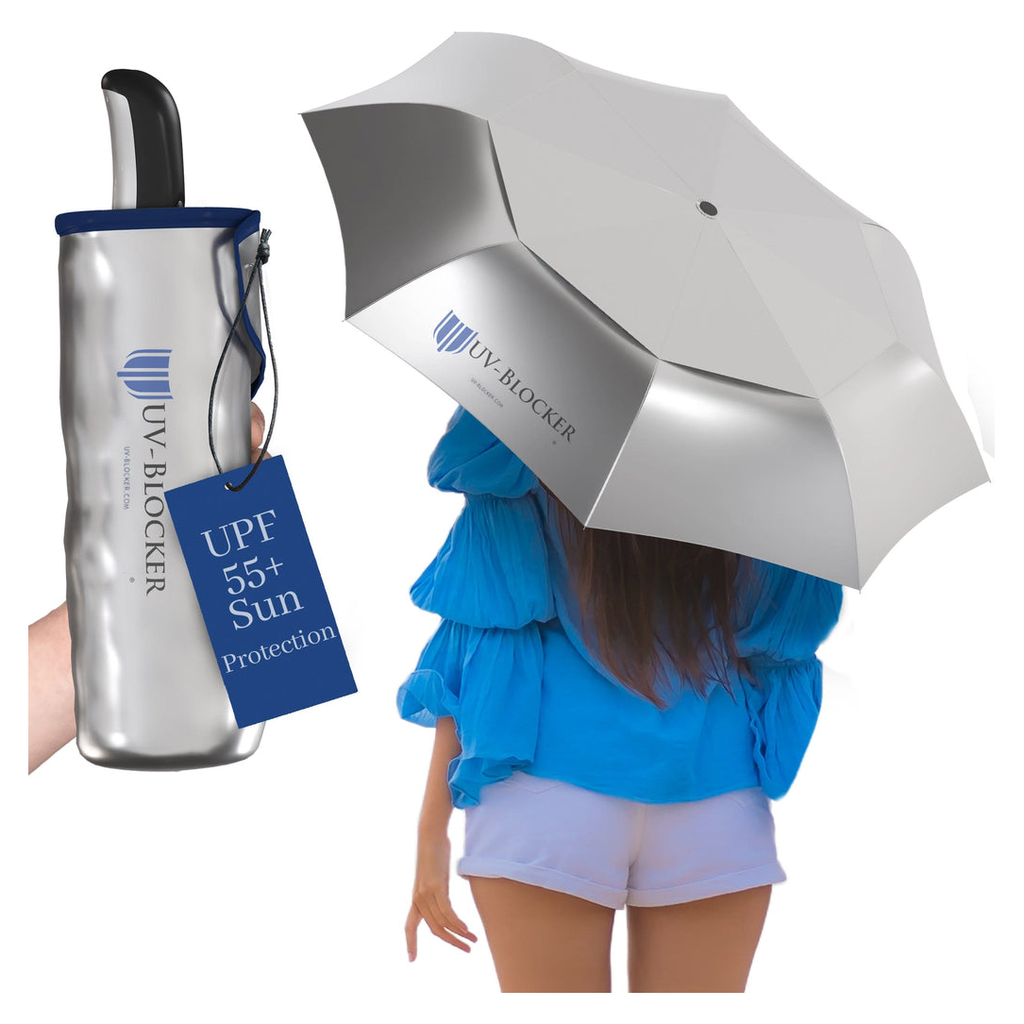
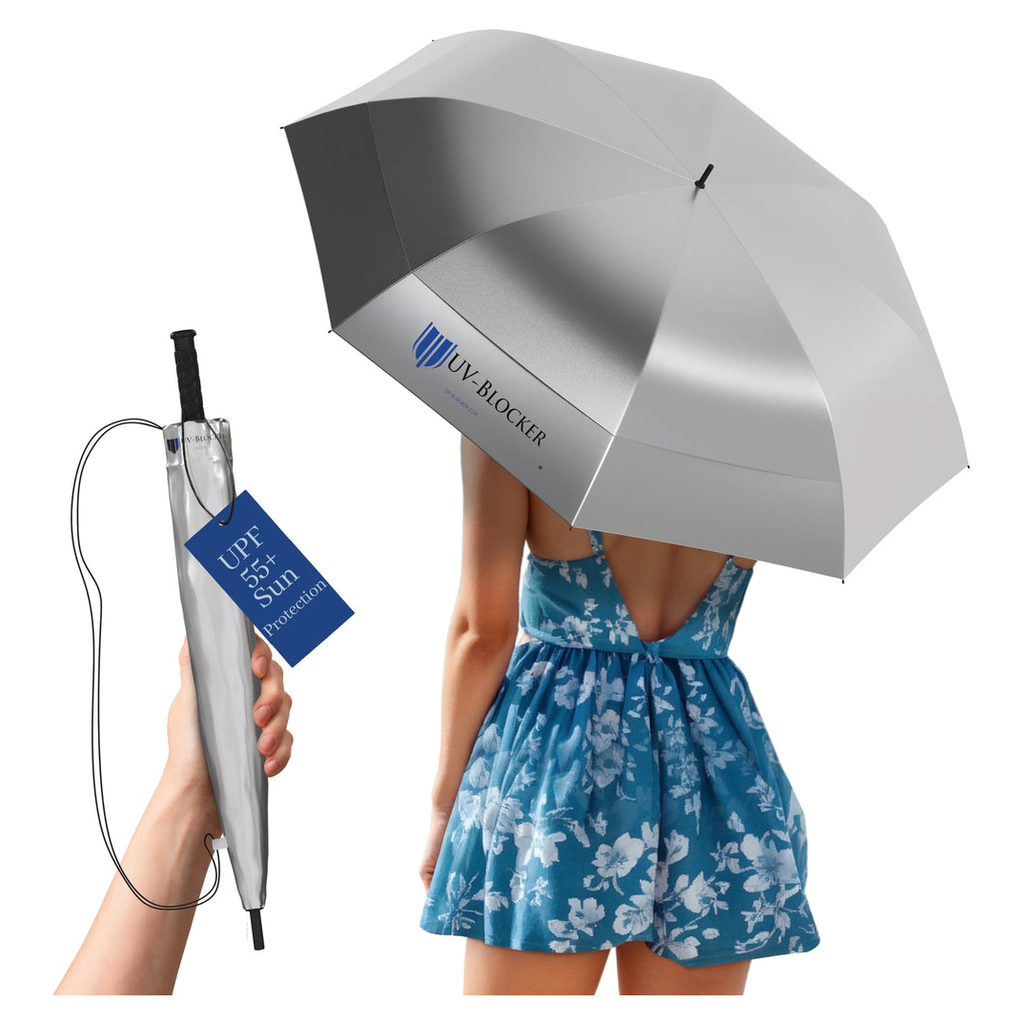
A physical barrier solves this transition problem instantly. The UV protection compact umbrella fits inside a car door pocket or center console. It folds to just 11.5 inches. The auto-open/auto-close mechanism allows one-handed operation while carrying bags or holding a child's hand.
The UPF 50+ canopy blocks 99% of UV rays and keeps the area underneath 15°F cooler than direct sun. The slightly larger UV protection travel umbrella works well for those who carry a bag or purse.
A portable umbrella paired with generic broad-spectrum sunscreen creates reliable daily defense without reapplication hassle.
How Can You Protect Passengers and Kids From UV in the Car?
Children's thinner skin absorbs more UV damage per exposure than adult skin, and rear-seat passengers sit behind tempered side windows that block less UVA than the windshield.
Rear passenger and hatch windows almost always use tempered glass. These panels offer the same weaker UVA protection found in driver-side doors. Passengers in the back seat face continuous exposure on summer road trips, with sun angling through the side glass for hours.
Children's Elevated Vulnerability
Young children have thinner skin than adults. They absorb more cellular damage per exposure and have many more decades of cumulative exposure ahead of them. Protecting them early reduces their lifelong skin cancer baseline risk.
Certain common medications that cause sun sensitivity can multiply this risk for kids taking antibiotics or acne treatments.
Car Seat Positioning Tips
Car seat placement changes exposure levels. A rear-facing infant seat next to a side window catches more direct UV. Placing a child seat in the center rear position adds distance from the side glass.
Parents often install aftermarket tint on rear windows. Most states have fewer legal restrictions on rear window tinting than on front driver-side windows.
Your Complete Car Sun Protection Checklist
A complete sun protection while driving system layers four elements: UV window film for in-car defense, broad-spectrum sunscreen for skin, a UPF 50+ umbrella for transitions, and UV-blocking sunglasses for eye protection.

No single product covers every moment of a drive-and-park cycle. A layered system provides continuous coverage from driveway to final destination.
- Layer 1: UV Window Film. Permanent installation that protects while inside the vehicle. Quality films block 99% of solar UV.
- Layer 2: Broad-Spectrum Sunscreen. SPF 30+ on exposed skin before starting the engine. Focus on the left arm and left face.
- Layer 3: UPF 50+ Umbrella. Handles the transition zones across parking lots and during outdoor errands. Deploys instantly, no reapplication needed. The UV protection compact umbrella fits in a car door pocket.
- Layer 4: UV-Blocking Sunglasses. Protects eyes from cataracts and shields periorbital skin.
- Layer 5: Sun Protection Clothing. UPF-rated driving sleeves or gloves for extended road trips. Physical coverage that never wears off.
| Protection Layer | Protects | When | Reapplication? |
|---|---|---|---|
| UV Window Film | In-car | Always | No (permanent) |
| Sunscreen SPF 30+ | Skin | Before driving | Every 2 hours |
| UPF 50+ Umbrella | Car-to-destination | Parking lots, errands | No |
| UV Sunglasses | Eyes | Always | No |
| UPF Clothing | Skin | All outdoor time | No |
Frequently Asked Questions About Sun Protection While Driving
Drivers frequently ask these questions about UV exposure in vehicles. Here are direct, research-backed answers.
Do car windows block UV rays?
Windshields block 94-99% of UVA thanks to laminated glass. Side windows block less, averaging 71% in older vehicles and 89% in newer models.
Can you get a sunburn through a car window?
Yes, particularly through side windows. UVA rays that pass through tempered glass cause cumulative skin damage, photoaging, and increase skin cancer risk over time.
Does window tint protect against UV?
Quality UV window films block up to 99% of UVA and UVB rays. Standard dark tint without UV-specific coating reduces visible light but may not block UVA effectively.
Why is skin cancer more common on the left side?
In the US, the driver's left arm and face receive up to 5x and 20x more UV exposure respectively through the driver-side window, leading to higher rates of left-side melanoma and NMSC.
How can drivers protect their skin while driving?
Use a layered approach: UV window film for in-car protection, sunscreen on exposed skin, UV-blocking sunglasses, and a UPF 50+ umbrella for the walk between car and destination.
Do car windows block UVB rays?
Yes. Both laminated and tempered automotive glass blocks virtually all UVB radiation. The risk comes from UVA, which penetrates side windows at much higher rates.
Conclusion
Sun protection while driving is not optional. The daily commute delivers a hidden dose of ultraviolet radiation that compounds over decades. Most drivers remain unaware of the risks passing through their side windows. The medical data shows a clear pattern of asymmetric damage affecting millions of Americans.
- Side windows block only 71% of UVA on average, leaving the driver's left side as a major vulnerability
- American drivers show higher rates of left-side melanoma due to this continuous daily exposure
- The walk from a parked car to a destination presents peak, unfiltered UV exposure that most people never prepare for
Compare your left arm to your right in bright light. If you see a visible difference in freckle density, spots, or skin tone, your daily commute is contributing to long-term skin damage.
Closing this gap requires a reliable physical barrier for the moments spent walking outside the vehicle. The UV protection compact umbrella fits in a car door pocket and deploys in seconds. It provides UPF 50+ shade for every errand, parking lot walk, and school pickup line without requiring sunscreen reapplication.
Window Glass vs. UV: What Your Car Actually Blocks
Car glass provides highly uneven UV protection depending on the type of glass and window position. Understanding this gap is critical for anyone driving more than 30 minutes per day.
| Window Type | UV-B Block | UV-A Block | Protection Level |
|---|---|---|---|
| Standard laminated windshield | ~96–99% | ~75–96% | Moderate-Good |
| Standard tempered side glass | ~96% | ~17–35% | Poor for UV-A |
| Standard rear window | ~96% | ~17–35% | Poor for UV-A |
| Factory tinted glass (privacy tint) | ~98% | ~40–70% | Moderate |
| Aftermarket UV window film (clear) | 99%+ | 95–99% | Excellent |
| Aftermarket UV window film (tinted) | 99%+ | 98–99%+ | Excellent |
Key insight: The laminated windshield provides reasonable UV-A protection because it uses a PVB (polyvinyl butyral) interlayer that absorbs UV. Side windows are standard tempered glass with no UV-A filtering layer — which is why dermatologists see asymmetric sun damage on the driver's left side in the USA (right side in Australia, UK, and Canada where drivers sit on the right).
Driver-Side UV Asymmetry: The Research
Multiple peer-reviewed studies have documented asymmetric UV-induced skin damage in drivers:
- A 2010 study in the Journal of the American Academy of Dermatology found that skin cancers on the left side of the face and head were significantly more common in U.S. drivers, consistent with chronic left-window UV-A exposure.
- CT scans of dermatology patients show asymmetric photoaging on the driver's side forearm, hand, and face — typically 10–15 years of accelerated aging compared to the passenger side.
- UV-A penetrates clouds with 80% efficiency, meaning overcast driving days provide almost no additional protection from side windows.
Practical Protection Options While Driving
- UV window film: The most effective solution (95–99% UV-A block) and legal in most jurisdictions when using clear or lightly tinted film. Consult local tinting regulations — many states allow UV-protective clear film with no VLT restriction.
- UPF 50+ driving gloves: Protect hands and forearms during wheel contact. Particularly recommended for multi-hour highway drives.
- Arm sleeves (UPF 50+): Cover the left arm fully during driving — comfortable even in air-conditioned vehicles.
- Sunscreen on exposed skin: Apply SPF 30+ to hands, forearms, and left side of face before driving. Reapply every 2 hours on long trips.
- Sun shades / UV curtains for rear passengers: Protect children and rear-seat passengers, particularly relevant for family road trips.
Frequently Asked Questions: Sun Protection While Driving
Does my car's tinted windows protect me from UV?
Factory privacy tinting primarily blocks visible light, not UV. Most factory tints block only 40–70% of UV-A — meaning significant cumulative exposure still occurs over years of driving. Aftermarket clear UV-protective window film offers 95–99% UV-A block without affecting appearance or visibility.
How long does it take to get UV damage from driving?
Cumulative UV-A damage is dose-dependent with no established "safe" threshold. For reference, a 30-minute midday commute through an unfiltered side window delivers UV-A exposure roughly equivalent to 15 minutes of direct outdoor sun exposure. Over a 30-year driving career, this accumulates to thousands of hours of unprotected UV-A exposure on the driver-side skin.
Is it safe to apply sunscreen while driving?
Apply sunscreen before you start driving. Sunscreen typically requires 15–20 minutes to bind to skin before providing full rated protection. Applying while driving is also a distracted driving risk. Set a routine of applying to hands, forearms, and face before morning departure.
Do sunroofs increase UV exposure?
Yes, significantly. Most sunroof glass is laminated (like windshields) and blocks UV-B effectively. However, UV-A transmission through sunroof glass ranges from 10–40% depending on manufacturer. With the sunroof open, full UV exposure occurs — UV Index matching outdoor ambient levels. Using a UV umbrella or wearing a hat when sunroof is open is advisable for long highway drives.
Are children in car seats protected from UV through windows?
Children in rear-facing or forward-facing seats positioned near side windows receive minimal UV protection from tempered rear glass. UV-blocking rear window shades (certified UPF 50+, not standard privacy shades) should be used for infants and toddlers, as their thinner skin has lower UV tolerance than adults.
Driving UV Exposure: The Facts Most Drivers Don't Know
Your car windshield blocks nearly all UV — but your side windows are a different story. Standard tempered side glass blocks UVB but allows 63–71% of UVA to pass through. For commuters, sales reps, and long-haul drivers, this translates to significant cumulative UV exposure on the left side of the face, left arm, and left hand:
- UVA passes through glass; UVB does not: You won't sunburn through a window — but UVA (aging, skin damage, and photosensitivity triggering) penetrates standard tempered glass almost unimpeded
- Left-side asymmetry in skin cancer: Studies consistently show higher rates of UV-related skin damage on the driver's left side (US/Canada/Australia left-hand-drive) — this is a direct consequence of window UV exposure
- UV index is irrelevant indoors — but not in a car: Even on overcast days, UVA levels indoors vs. in a car differ significantly because glass allows UVA transmission while blocking UVB (the component that creates cloud scattering signals)
- Film vs. tinting: Aftermarket UV-blocking window film (not just tint) can block 99%+ of UV — look for films certified to ANSI/SAE J1796 standard. Tinting alone does not guarantee UV blocking
- Daily hand and arm exposure: A UPF 50+ sun sleeve on the left arm while driving provides simple, zero-maintenance protection — an effective addition to dashboard-side UV film
Sun Protection While Driving: Expert FAQ
Do car windows block UV rays completely?
No. Standard car windshields block virtually all UVB and most UVA. However, side and rear windows (tempered glass, untinted) typically block UVB but allow 60–70% of UVA to pass through. UVA is the primary wavelength for skin aging and a major contributor to melanoma. Long-distance drivers accumulate significant left-arm and left-face UV damage over time.
Is there scientific evidence that driving increases skin cancer risk?
Yes. Multiple studies, including research published in the Journal of the American Academy of Dermatology, have found that left-side skin cancers (face, neck, arm) are disproportionately more common than right-side in countries with left-hand drive vehicles. The asymmetry directly correlates with driver-side sun exposure through untinted windows.
What is the best way to protect skin while driving without window tinting?
Options include: SPF 50+ broad-spectrum sunscreen on the left arm and face before driving; UV-blocking window film (professionally applied, legal in most jurisdictions); UV-protective driving gloves; and repositioning car sunshades on side windows during parking. For passengers, a compact UPF 50+ umbrella can provide supplemental shade during extended journeys.
How does UV exposure during driving accumulate over a year?
A driver commuting 30 minutes each way, 5 days a week, accumulates approximately 100+ hours of direct driver-side UV exposure per year — equivalent to several full days at the beach. Over a career, this represents thousands of hours of cumulative UV exposure on the left side only, dramatically increasing asymmetric aging and skin cancer risk.
Does cloud cover protect drivers from UV exposure?
Only partially. Overcast skies reduce UV intensity by approximately 20–30% but allow 70–80% of UV to pass through cloud cover. Light cloud cover on a typical summer day still delivers significant UVA through car windows. UV protection during driving should be applied regardless of cloud conditions.
Sun Safety in Australia
Australia has some of the highest UV radiation levels in the world, with the UV Index regularly reaching extreme levels (11 or above) in cities such as Sydney, Melbourne, Brisbane, Perth, and Adelaide for much of the year — including on overcast days. The Cancer Council Australia reports that approximately two in three Australians will be diagnosed with some form of skin cancer by age 70, making sun protection a national health priority.
Key resources and guidelines for Australian sun safety:
- SunSmart Program (Cancer Council Australia): The SunSmart UV Alert is broadcast daily and recommends sun protection whenever the UV Index reaches 3 or above. In most Australian cities, this threshold is met every day of the year, including winter months in northern regions.
- ARPANSA (Australian Radiation Protection and Nuclear Safety Agency): Provides real-time UV monitoring at stations across all states and territories. Australians can access current UV levels at arpansa.gov.au.
- Safe Work Australia — UV Radiation as an Occupational Hazard: Australian workplace health and safety legislation requires employers to assess and manage UV radiation exposure for outdoor workers. Physical shade, including umbrellas rated UPF 50+, is recognised as a primary engineering control under these regulations.
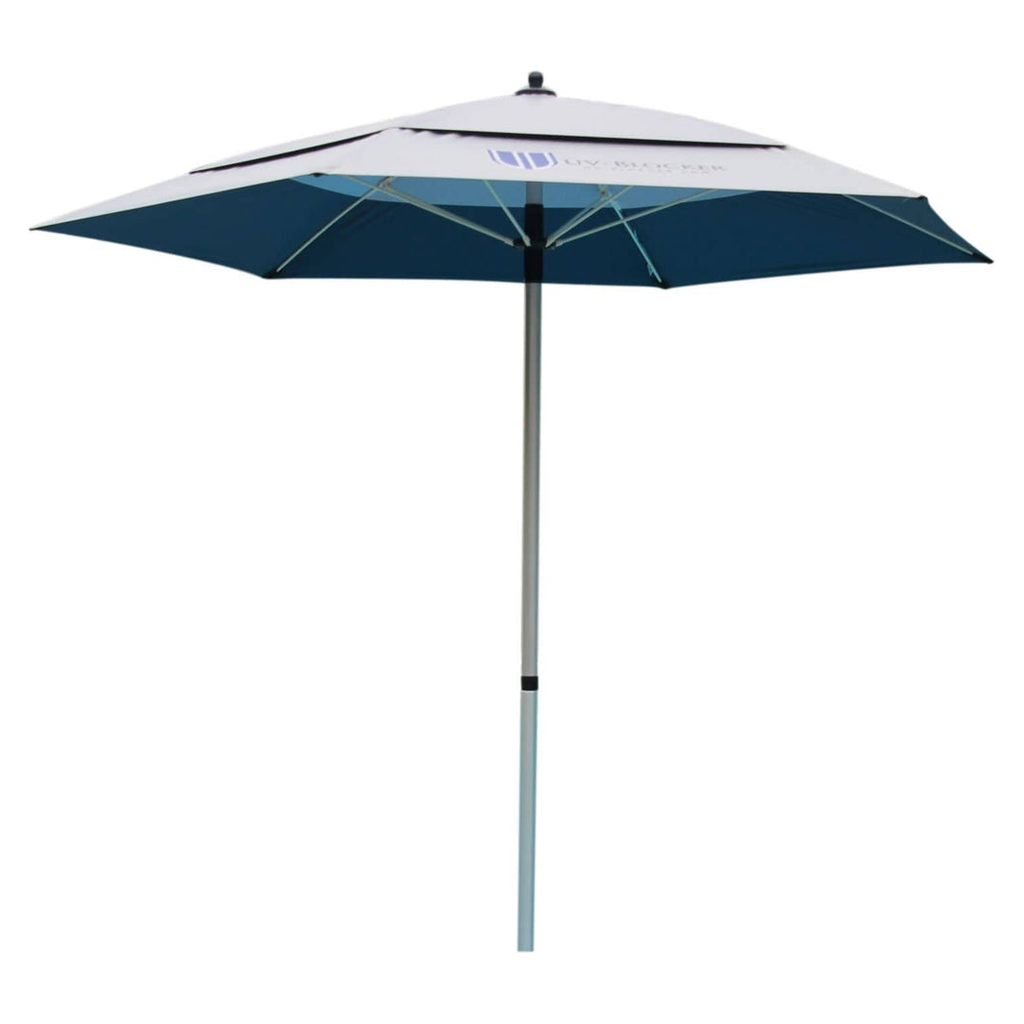
A UPF 50+ UV-blocking umbrella provides the consistent, continuous shade protection that is essential under Australia's intense sun. The UV-Blocker umbrella, with its patented Solarteck® reflective coating, blocks 99% of UV rays and reduces perceived temperature by up to 15°F — a meaningful advantage for outdoor activities in Australia's climate. It is the only umbrella of its kind approved by the Melanoma International Foundation.
Sun Safety in Canada
Canada experiences meaningful UV exposure throughout the year, with UV Index levels regularly reaching 8–10 or higher during summer months in cities such as Vancouver, Calgary, Toronto, and Ottawa. Health Canada and Environment and Climate Change Canada publish daily UV Index forecasts and recommend protective measures whenever the index exceeds 3 — a threshold reached on most clear days between May and August across the country.
Key resources for Canadian sun safety:
- Health Canada UV Index: Published daily via the Environment and Climate Change Canada weather portal (weather.gc.ca). Canadians can track UV levels by city and receive alerts when protection is recommended.
- Canadian Cancer Society: Recommends UPF 50+ clothing, hats, sunscreen, and shade-seeking as primary sun protection strategies. Physical UV barriers — such as UPF 50+ umbrellas — are emphasized for prolonged outdoor exposure.
- Canadian Dermatology Association: Endorses broad-spectrum sun protection strategies, including shade structures and UV-blocking accessories, especially for individuals with fair skin or a personal or family history of skin cancer.
For Canadians spending extended time outdoors — whether working, playing sports, or enjoying recreational activities — a UV-blocking umbrella rated UPF 50+ provides continuous, reapplication-free protection. The UV-Blocker umbrella, independently tested and approved by the Melanoma International Foundation, blocks 99% of UV rays and keeps users up to 15°F cooler — making it a practical and reliable companion for Canadian summers.
Frequently Asked Questions
What is the difference between UVA and UVB rays, and why does it matter?
UVA rays (320–400nm) are longer waves that penetrate deep into the skin, causing photoaging, wrinkles, and contributing to melanoma. They pass through glass and clouds and are relatively constant year-round. UVB rays (290–320nm) are shorter, cause sunburn, and are the primary driver of skin cancer. They're most intense midday (10am–4pm) and in summer. Effective sun protection must block both.
How effective is a UPF 50+ umbrella compared to sunscreen alone?
A UPF 50+ umbrella blocks 99%+ of direct overhead UV — more reliable than sunscreen because it doesn't require reapplication, doesn't wash off with sweat, and provides consistent protection. However, reflected UV from surfaces still reaches skin under an umbrella. The ideal combination is SPF 50+ sunscreen + UPF 50+ umbrella for 95–99% total UV reduction. UV-Blocker's umbrellas are dermatologist-recommended for this purpose.
What time of day poses the highest UV risk?
UV radiation is highest between 10am and 4pm, peaking around noon in most locations. The UV Index is the most accurate measure — when it reaches 6 or above, unprotected skin can begin to burn in as little as 15 minutes. Cloud cover reduces UV intensity but doesn't eliminate it: 80% of UV penetrates light cloud cover.
Does skin tone affect UV damage risk?
All skin tones are affected by UV radiation, but the risk and presentation differ. People with lighter skin (Fitzpatrick types I–III) burn faster and have higher non-melanoma skin cancer rates. People with darker skin (types IV–VI) are more prone to hyperpigmentation and have a higher risk of melanoma being diagnosed at later stages. Sun protection is essential for every skin tone.
What are early warning signs of skin cancer I should watch for?
Use the ABCDE rule for moles: Asymmetry, Border irregularity, Color variation, Diameter larger than 6mm, and Evolving (any change over time). Also watch for sores that don't heal, new pink or pearly bumps, and flat red or pink patches. Annual dermatologist screenings are recommended for anyone with significant sun exposure history or a family history of skin cancer.
Expert Sun Protection Recommendations
- Check the daily UV Index at weather.gov or a UV app before any extended outdoor activity
- Apply SPF 30+ broad-spectrum sunscreen 30 minutes before going outdoors, not right before sun exposure
- Reapply sunscreen every 2 hours and after swimming or heavy sweating
- Use a UPF 50+ umbrella for hands-free shade during outdoor dining, sports, or work
- Wear UV-blocking sunglasses that block 99–100% of UVA and UVB — eyes are vulnerable to UV-related damage
- Annual skin screenings with a board-certified dermatologist can catch early-stage skin cancers when highly treatable