

Up to 75 percent of pregnant women develop melasma before they reach the delivery room. Most don't think about prevention until they notice the first dark patch in the mirror. By then, the melanocytes are already running hot.
A 2024 systematic review tells a different story for women who act early. Starting broad-spectrum photoprotection in the first trimester cuts melasma incidence by over 90 percent. That's not a minor improvement — it's a near-complete prevention rate. The window opens the moment a pregnancy is confirmed. Delaying lets hormonal changes sensitize the skin to environmental triggers, and the hyperpigmentation that follows is notoriously stubborn to treat after the fact.
TL;DR: The First-Trimester Window
- Broad-spectrum photoprotection starting in the first trimester reduces pregnancy melasma incidence by over 90%.
- Prior history of the condition creates a 44x risk multiplier for subsequent pregnancies.
- Estrogen upregulates melanocyte-stimulating hormone before visible hyperpigmentation appears.
- 30% of pregnancy melasma cases persist for 10 or more years postpartum.
- Physical shade blocks UV, visible light, and heat without any chemical skin contact.
- Chemical sunscreens absorb into the bloodstream and have been found in amniotic fluid.
- The AAD recommends shade first, mineral sunscreen second.
Why Does Melasma Appear During Pregnancy and Not Before?
Pregnancy hormones (estrogen and progesterone) lower the threshold for melanocyte activation, making skin hypersensitive to UV, visible light, and heat within weeks of conception.
Estrogen and progesterone surges lower the threshold for melanocyte activation within weeks of conception. These hormonal shifts change how the skin reacts to everyday exposures. Estrogen directly upregulates melanocyte-stimulating hormone via GPER receptors in the skin. The cells responsible for pigment production become reactive to stimuli they previously ignored.

The skin becomes hypersensitive to three separate melasma triggers: ultraviolet light, visible light, and ambient heat. This priming explains why the same sun exposure that was fine before pregnancy now causes hyperpigmentation. A walk to the mailbox or an afternoon near a warm car window can be enough to activate the melanocytes. The threshold is lower than it was before conception.
Prevalence ranges from 36.4% to 75% depending on the population studied. The pigment-producing cells are essentially waiting for an environmental push — UV provides the radiation, visible light hits the opsin-3 receptors, and high temperatures add the heat trigger. Together, they create the conditions for the "mask of pregnancy" to emerge across the cheeks, forehead, and upper lip.
By the time a brown patch is visible, the melanocytes have already been overproducing for weeks. The cellular machinery starts early in the first trimester, well before any discoloration shows on the surface. Waiting for patches to appear means missing the window where pregnancy melasma prevention actually works.
Can You Prevent Pregnancy Melasma Before It Starts?
A 2024 systematic review found that broad-spectrum photoprotection from the first trimester reduces pregnancy melasma incidence by over 90% across multiple clinical cohorts.
The data on this is striking. A 2024 systematic review confirmed that broad-spectrum photoprotection from the first trimester reduces melasma incidence by over 90% — a finding replicated across multiple clinical cohorts. Prevention means blocking the environmental triggers before melanocytes begin overproducing. Once those cells activate and dark patches surface, reversing the process takes months or years of expensive treatment.
The timing matters because hormonal sensitization begins in the first trimester, long before any visible discoloration. The protective measures need to match the hormonal timeline, not the visual one. By the time someone sees a patch, the damage has been building for weeks.
Women with melasma in a previous pregnancy face a 44x risk multiplier — they are 44 times more likely to develop it again compared to women with no prior history. Genetics play a role too. Clinical data shows 37.6% of melasma patients had mothers who developed the same condition during their own pregnancies. If a mother had the mask of pregnancy, the biological risk profile is higher from day one.
Nutritional factors add another layer. Studies show 43 to 46% of melasma patients are zinc-deficient at diagnosis — a mineral deficiency that compromises the skin's defense against oxidative stress. Combining genetic predisposition, prior history, and early hormonal shifts makes immediate sun protection during pregnancy critical from the first weeks.
The genetics and hormones can't be changed. What can be controlled is how much UV, visible light, and heat reaches the face each day.
Why Does Pregnancy Melasma Sometimes Last Years After Delivery?
30% of pregnancy melasma cases persist for 10 or more years postpartum because melanocyte hyperactivity doesn't always reset when hormones normalize.
Thirty percent of pregnancy melasma cases persist for a decade or more after delivery. The dark patches don't automatically vanish once the baby arrives. Delivering normalizes estrogen and progesterone levels relatively quickly, but the melanocyte hyperactivity doesn't always follow. The cellular changes can become a lasting feature of the skin.
The pigment-producing cells often stay "primed" long after the pregnancy ends. They remain susceptible to re-activation from future UV exposure, heat, or other hormonal changes. Starting birth control or entering a second pregnancy can trigger a relapse with very little prompting.
Treatment after the fact is slow and costly. Dermatologists rely on prescription-strength hydroquinone, laser therapy, and chemical peels to break up trapped pigment. These treatments irritate the skin and require strict sun avoidance during recovery. Lasers can sometimes worsen the condition by generating localized heat in the dermis — and heat is a known melasma trigger that causes setbacks in treatment.
Prevention in the first trimester sidesteps this entire cycle. Keeping the melanocytes quiet through the full nine months means they never enter that chronic state of overproduction. Many women spend thousands over a decade trying to erase damage that started during a single summer of their first pregnancy. The emotional weight of chronic facial hyperpigmentation is real, and the cost of long-term dermatological care adds up fast. Stopping the process before it starts is the most practical approach to pregnancy melasma prevention.
What Is the Safest Sun Protection for Pregnancy Melasma Prevention?
Physical shade is the safest primary defense — zero chemical exposure, blocks all three melasma triggers, and doesn't require application during nausea-heavy first trimester weeks.

The AAD recommends shade first and mineral sunscreen second. That hierarchy matters for both safety and effectiveness during pregnancy. The FDA currently classifies only two sunscreen ingredients as Generally Recognized as Safe and Effective (GRASE): zinc oxide and titanium dioxide. These sit on the skin's surface rather than absorbing into it.
Chemical sunscreens work differently — ingredients like oxybenzone and octinoxate absorb into the bloodstream through the skin. Testing has found them in amniotic fluid and breast milk. Applying chemical filters every two hours introduces systemic exposure during a period of critical fetal development. Skin permeability also changes during pregnancy, which makes topical absorption a documented concern for obstetricians.
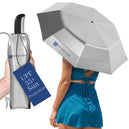
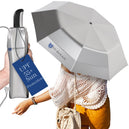
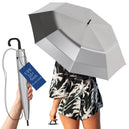
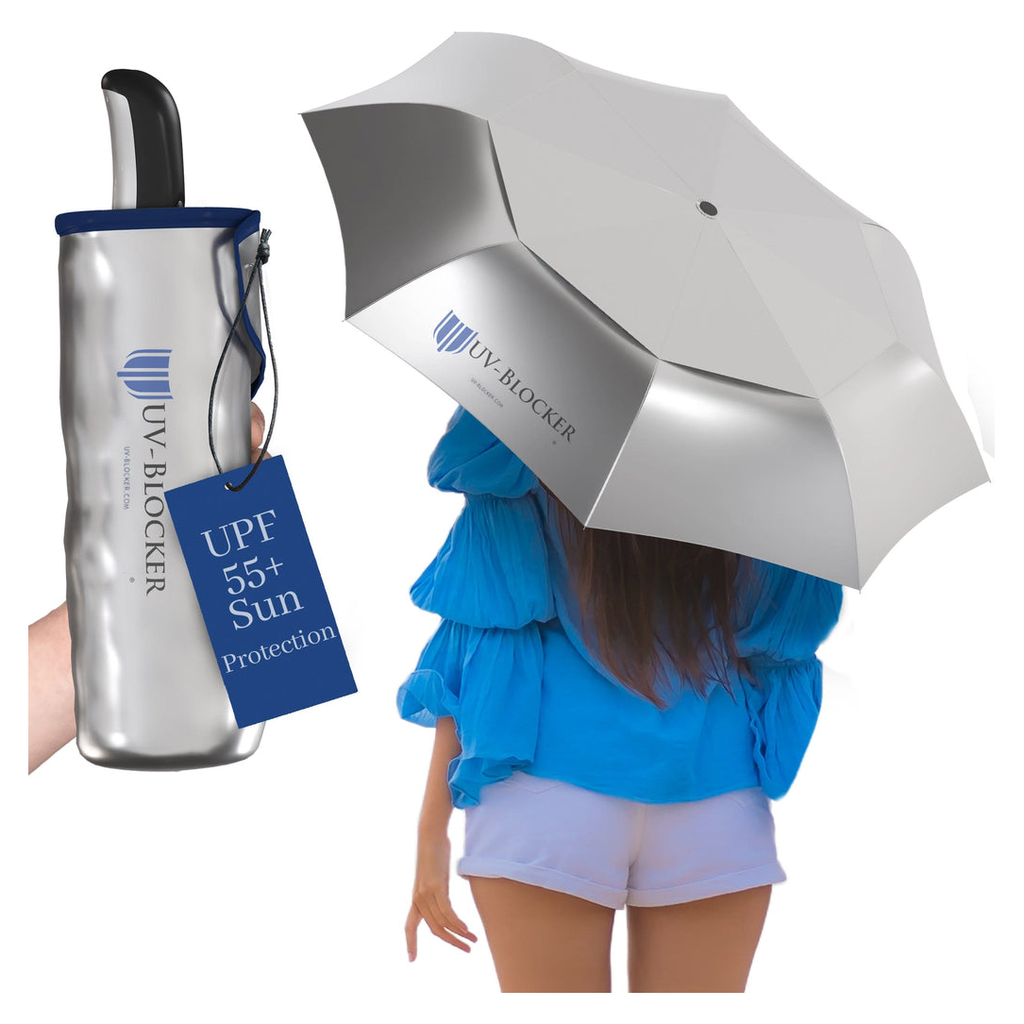
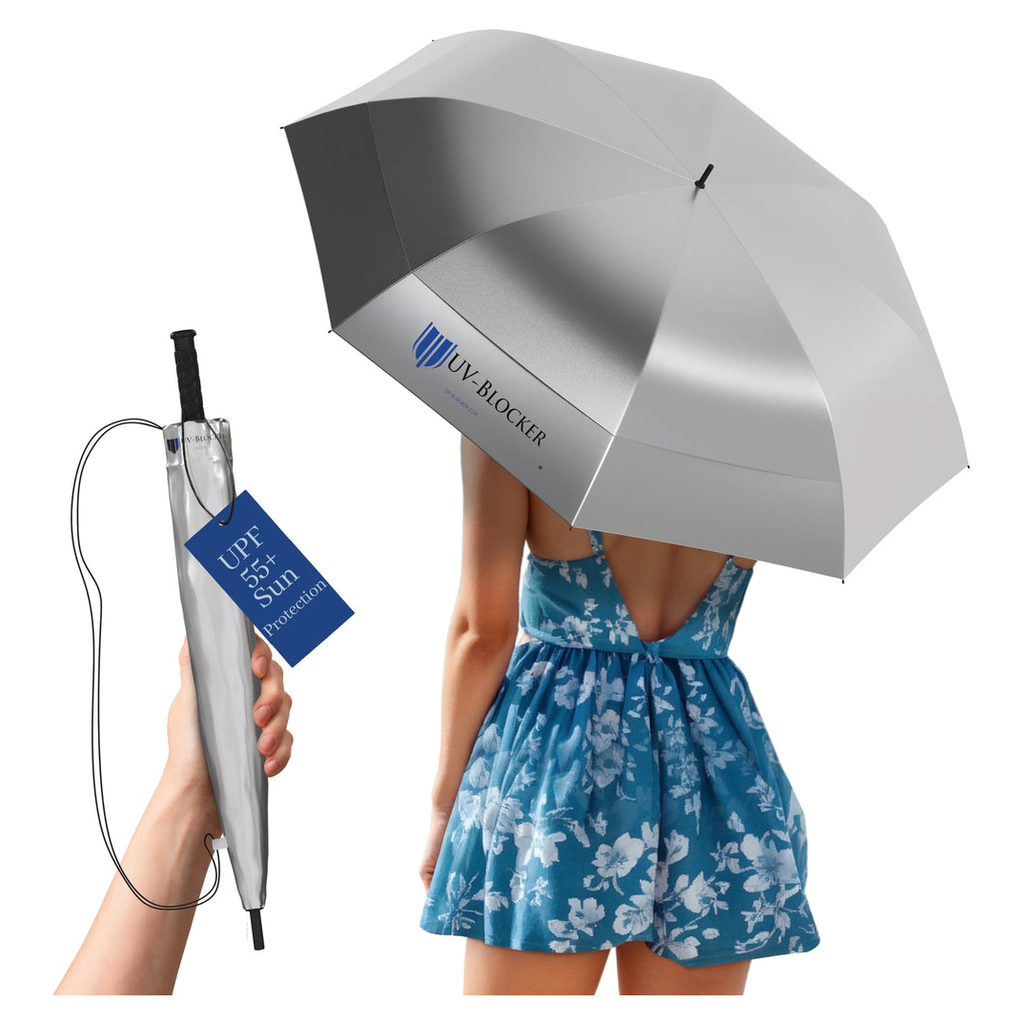
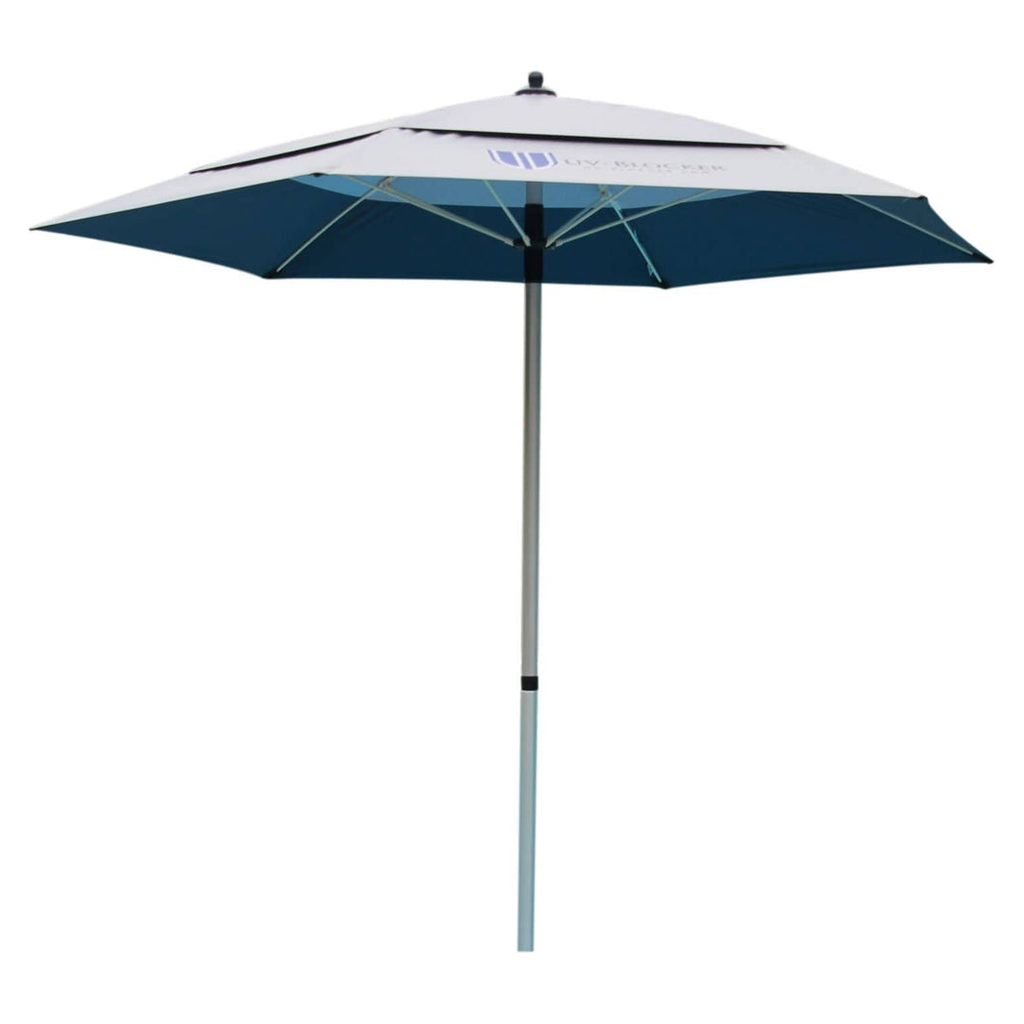
A UPF 50+ umbrella eliminates these safety concerns. It blocks UV, visible light, and heat with zero chemical exposure to mother or baby, zero skin contact, and no need for reapplication. It provides a physical barrier against all three environmental factors that trigger melasma.
The first trimester often brings nausea, smell sensitivity, and fatigue. The texture or scent of thick mineral sunscreen can trigger morning sickness. A physical shade barrier requires no application at all — open the canopy and walk.
Heat is a separate melasma trigger that sunscreen can't address. The skin still gets warm under a layer of zinc oxide. Shade actively cools the area underneath — a UV Protection Compact Umbrella drops the temperature by up to 15 degrees Fahrenheit. That's exactly why sunscreen alone fails for so many pregnant women dealing with melasma.
Tinted mineral sunscreen with iron oxides can help reflect visible light as a supplement, but it works best as a backup layer underneath shade — not as the primary defense. UPF 50+ fabric blocks 99% of UV permanently, with no degradation or expiration.
Frequently Asked Questions About Pregnancy Melasma Prevention
These are the most common questions about pregnancy melasma prevention, answered with guidance from the AAD, ACOG, and published clinical research.
Does pregnancy melasma go away on its own?
For many women, the patches fade over several months postpartum as hormones stabilize. But 30% of cases persist for a decade or longer. There's no reliable way to predict which outcome someone will get, which is why early prevention is the safer path.
Can I use retinol or hydroquinone for melasma during pregnancy?
No. ACOG advises against prescription hydroquinone and topical retinoids during pregnancy due to fetal absorption concerns. Treatment options are limited while pregnant. Prevention through photoprotection is the only safe and effective approach available.
Is vitamin D supplementation enough if I'm avoiding the sun?
Most prenatal vitamins provide adequate vitamin D for fetal development. Obstetricians routinely monitor levels through bloodwork and can prescribe supplements if a deficiency appears. The ACOG recommends 600 IU per day, with up to 4,000 IU considered safe if clinically needed. Oral supplementation replaces the vitamin D that would otherwise come from UV exposure.
Does melasma get worse with each pregnancy?
It often does. Prior history increases the risk 44-fold. The melanocytes remain primed from the first experience, so subsequent hormonal surges tend to trigger darker, more stubborn hyperpigmentation that appears earlier in the pregnancy timeline.
Can men get melasma?
Yes. While far more common in women due to estrogen and progesterone fluctuations, men make up about 10% of all diagnosed cases. Genetic predisposition, UV exposure, and certain medications can trigger it in men as well.
Conclusion
Pregnancy melasma prevention is most effective when started in the first trimester — a 90%+ reduction rate that no post-delivery treatment can match.
The prevention window is real. Starting broad-spectrum photoprotection in the first trimester reduces pregnancy melasma incidence by over 90%. Waiting for patches to appear guarantees a harder, more expensive fight against melanocytes that have already been activated.
Physical shade is the safest and most effective tool for pregnant women. It blocks UV, visible light, and heat without introducing chemical filters into the bloodstream. It doesn't require application during nausea-heavy weeks. And it addresses the heat trigger that sunscreen misses entirely.
Protecting the skin from the moment a pregnancy is confirmed changes how the next nine months affect the face — and potentially the next decade. Isn't that kind of lasting prevention worth a one-time investment?