

Close to 3,000 Georgians receive a melanoma diagnosis every year. The state's incidence rate of 25.0 per 100,000 residents exceeds the national average, and those numbers keep climbing.
Yet every Georgia sun protection guide online reads like the same generic pamphlet. Local medical practices recycle "apply sunscreen and wear a hat" in under 1,200 words, with zero Georgia-specific UV data and no destination guidance. That approach leaves residents and visitors dangerously underprepared.
This guide covers Georgia's UV reality by region, the riskiest outdoor destinations, a month-by-month protection calendar, and why physical shade outperforms sunscreen in Georgia's brutal humidity.
TLDR:
- Georgia's melanoma rate (25.0 per 100K) exceeds the national average, with about 3,000 new diagnoses per year
- Atlanta hits UV index 11.5 in July, classified "Extreme" by the WHO
- UV season runs March through October, not just summer
- Sunscreen fails fast in 90-degree heat and 80% humidity; physical shade is the foundation layer
- No state heat protection law exists after HB 1071 failed in 2026
What Does Georgia's UV Index Look Like by Region?
Georgia's UV index ranges from 9-10 in the North Georgia mountains to 11.5 in Atlanta during July, with coastal areas sustaining UV 11 from May through August.
Most people think of Georgia as a single climate zone. The data tells a different story. UV intensity varies significantly depending on geography, elevation, and surface reflection across the state's distinct regions.

Atlanta sits at the epicenter of Georgia's UV exposure. Historical data from UV Index Today shows the city averages a UV index of 11.5 in July. The highest reading on record hit 12.61 on June 22, 2017. For context, anything above 11 falls into the World Health Organization's "Extreme" category.
Tybee Island and the Georgia coast sustain UV index values of 11 from May through August. Ocean water reflects roughly 25% of UV radiation back upward, meaning beachgoers absorb UV from above and below simultaneously. At peak hours, unprotected skin can burn in under 10 minutes.
Stone Mountain presents a less obvious hazard. The exposed granite summit reflects UV in patterns similar to snow, amplifying exposure for hikers who reach the top with no tree canopy for relief.
Savannah records UV index readings of 9.5-10 during summer months. The historic district compounds the issue. Brick, stone, and asphalt create an urban heat island effect, while tree shade is intermittent along the walking routes tourists favor.
Albany and South Georgia see UV readings of 10.5-10.8, with agricultural workers absorbing the longest sustained exposure across the state.
North Georgia mountains and Blue Ridge reach UV index 9-10 in summer. Elevation matters here. UV intensity increases approximately 4-5% for every 1,000 feet of altitude gained, meaning trails at higher elevations deliver meaningfully stronger radiation than the valleys below.
Lake Lanier combines sustained UV exposure with water reflection. The lake surface bounces 25% of UV back upward, and extended hours on boats with no overhead coverage create a high-exposure scenario.
| Region | Peak Summer UV | Burns Without Protection | Key Risk Factor |
|---|---|---|---|
| Atlanta | 11.5 (July avg) | Under 15 min | Urban heat + sustained peak |
| Tybee Island | 11 (May-Aug) | Under 10 min | Ocean reflection |
| Stone Mountain | 10+ | Under 15 min | Exposed granite reflection |
| Savannah | 9.5-10 | Under 20 min | Heat island, intermittent shade |
| Albany / South GA | 10.5-10.8 | Under 15 min | Sustained agricultural exposure |
| North GA Mountains | 9-10 | Under 20 min | Altitude UV increase |
| Lake Lanier | 10-11 | Under 15 min | Water reflection (+25% UV) |
What Are the Riskiest Outdoor Destinations in Georgia?
Georgia's riskiest outdoor spots include Tybee Island's reflective beaches, Stone Mountain's exposed granite summit, and Lake Lanier's water-reflected UV during boating season.
Understanding your destination's UV profile is the difference between a good day outdoors and a trip to the dermatologist. Here is what to expect at Georgia's most popular spots.
Tybee Island and Jekyll Island
Tybee's wide, south-facing beaches catch direct sunlight for the majority of daylight hours. Ocean water amplifies UV exposure by reflecting a quarter of incoming radiation back at beachgoers. Jekyll Island shares similar characteristics: long stretches of open beach with minimal shade structures and few places to retreat from midday sun.
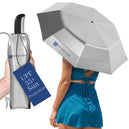
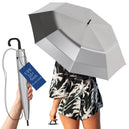
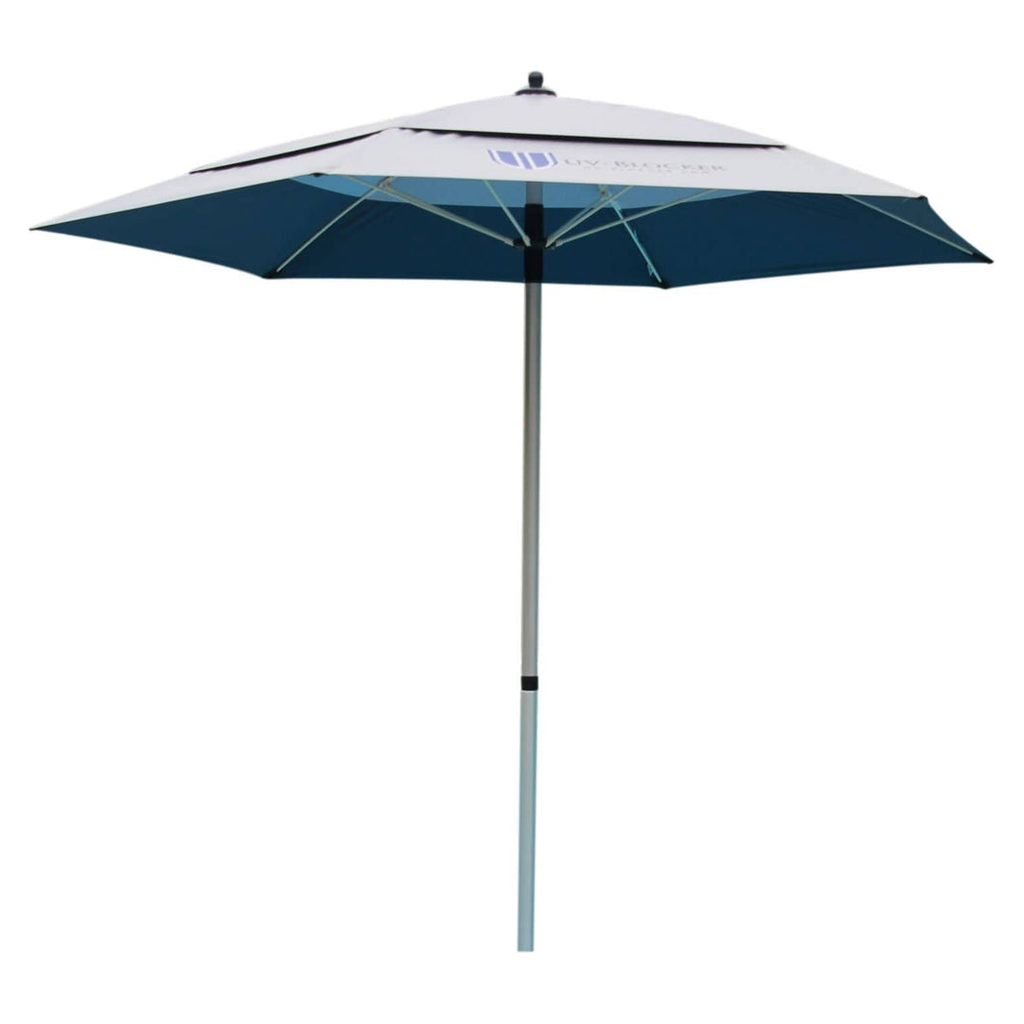
The UV-Blocker Beach 7.5ft Umbrella ($159.95) provides UPF 50+ shade for family beach days at either island, blocking 99% of UV before it reaches skin. Carry bag included; the Long Sand Anchor is recommended and sold separately. For more coastal protection strategies, see the best beach umbrellas for UV protection guide.
Stone Mountain
The 1,686-foot granite monadnock reflects UV radiation off its exposed surface, creating an amplification effect that most hikers overlook. The summit trail has no tree canopy for the final stretch, leaving hikers exposed during the climb and at the top. The Chair Umbrella Holder pairs well with a UV-Blocker umbrella for spectators at the laser show amphitheater, providing hands-free shade on bleacher seating. Hikers heading to North Georgia trails will find more tips in the sun protection for hiking guide.
Lake Lanier
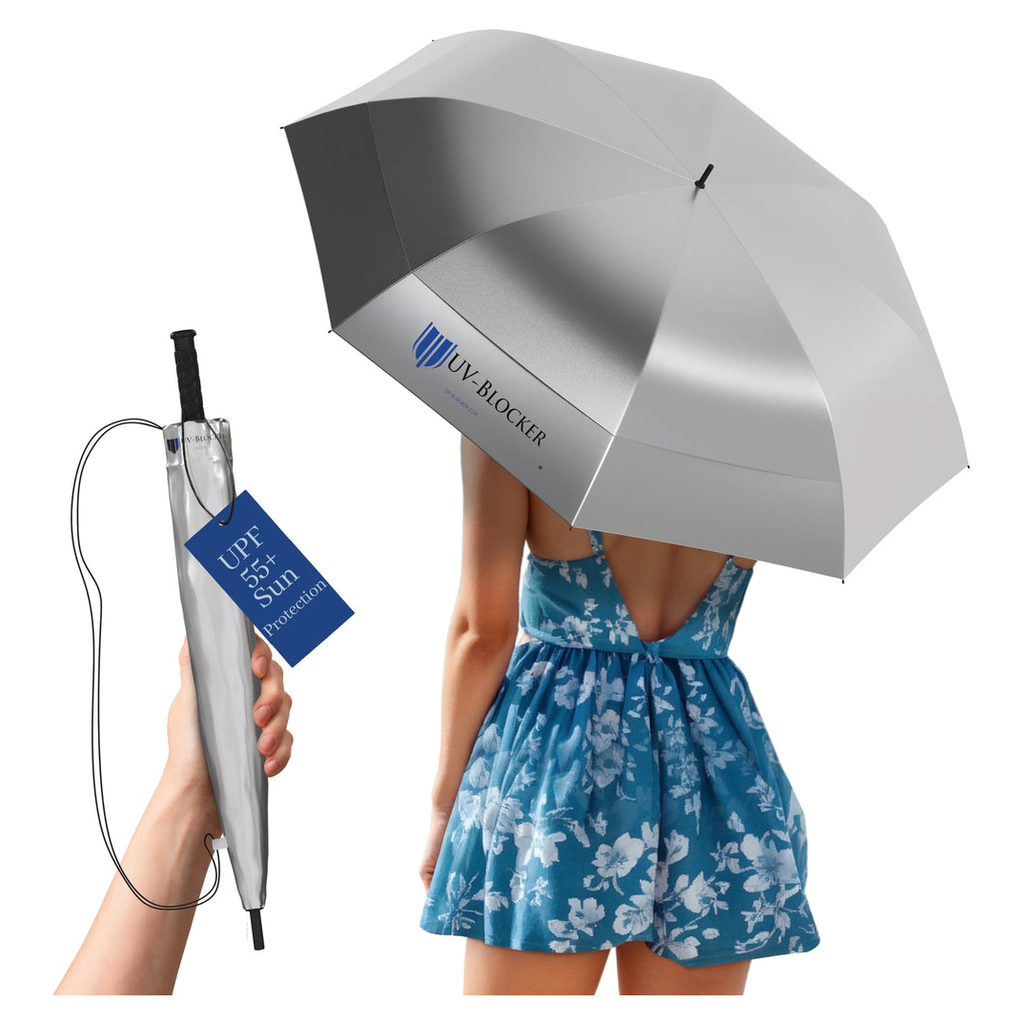
Water reflects 25% of UV radiation, and boaters spend hours on the lake with no overhead shade on most watercraft. The combination of direct sun from above and reflected UV from the water surface creates intense cumulative exposure. The Sun Protection for Boating guide covers specific strategies for water-based activities, including dock and shore shade setups with the UV-Blocker Golf 62" Umbrella ($79.95).
Savannah Historic District
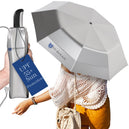
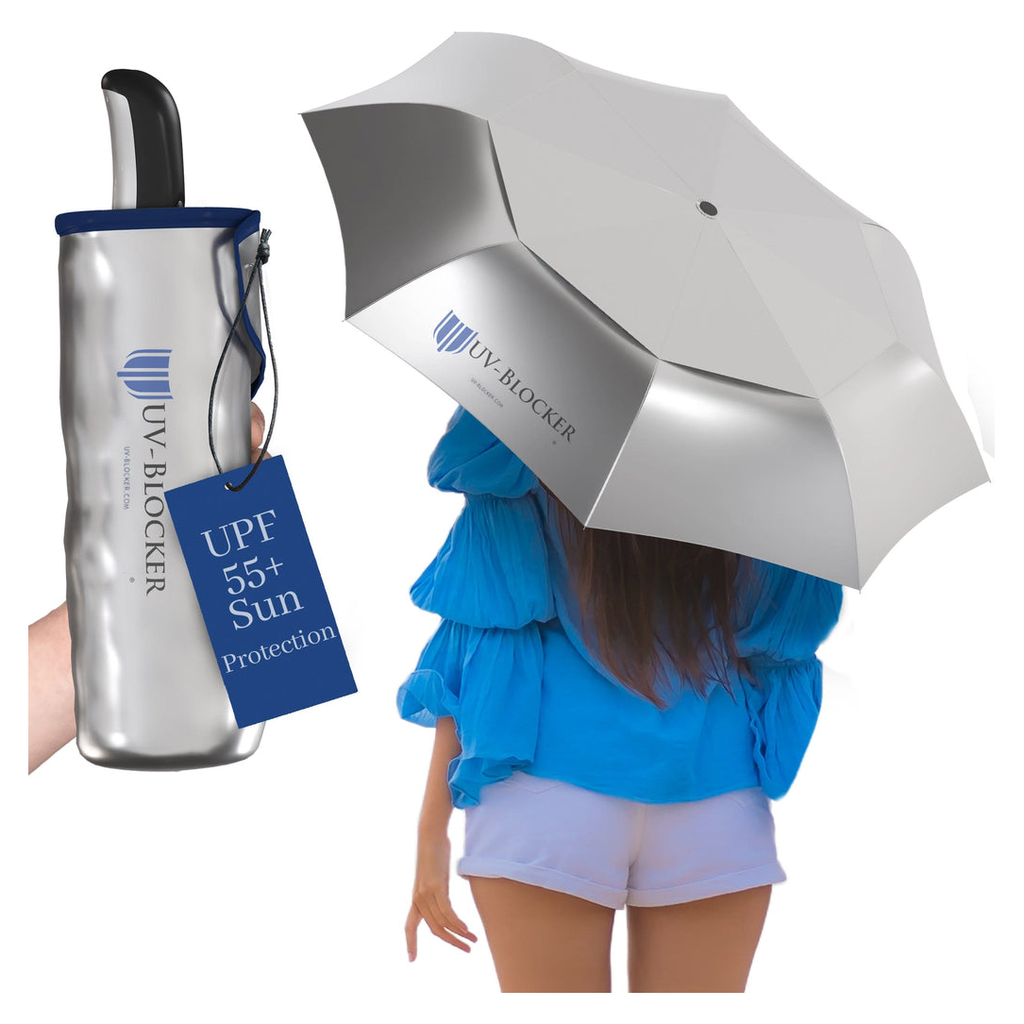
Tourists walking 3-5 miles through the squares and historic streets face sustained UV exposure with inconsistent tree shade. Brick and stone surfaces retain and radiate heat, creating an urban heat island that compounds UV discomfort. The UV-Blocker Compact Umbrella ($59.95) fits in a purse or day bag, offering UPF 50+ portable shade for walking tours without adding bulk.
Cumberland Island
This remote barrier island has no commercial facilities. If sun protection is forgotten on the ferry, there is no way to purchase it on the island. Pack physical shade and broad-spectrum sunscreen before boarding.
Why Does Sunscreen Alone Fall Short in Georgia Summers?
Sunscreen degrades faster in Georgia's heat and humidity, with sweat and water washing off protection within 40 minutes of outdoor exposure in summer conditions.
Georgia summers routinely exceed 90 degrees with humidity between 70% and 80%. That combination creates a harsh environment for sunscreen performance. Sweat begins washing off protection well before the standard two-hour reapplication window.
Most people compound the problem by under-applying. The American Academy of Dermatology reports that the average person applies only 25-50% of the recommended amount of sunscreen. Half the coverage means half the protection, and Georgia's humidity accelerates degradation further.
Water activities at Tybee, Jekyll, and Lake Lanier wash sunscreen off within minutes regardless of "water-resistant" labels. The FDA's water-resistant designation means 40 or 80 minutes of protection in controlled water conditions. Real-world scenarios (swimming, toweling off, reapplying over sweat) fall well short of those benchmarks.
Physical Shade as the Foundation Layer
The Skin Cancer Foundation recommends seeking shade as the first line of defense against UV exposure. Physical shade blocks UV radiation before it ever reaches skin, sunscreen, or clothing.
A UPF 50+ umbrella provides that foundation. Unlike sunscreen, it does not sweat off, wash away, or require reapplication. UV-Blocker's Solarteck reflective coating blocks 99% of UV rays and keeps the temperature underneath roughly 15 degrees cooler than direct sunlight.
The practical protection stack for Georgia conditions:
- UPF 50+ umbrella for portable shade (foundation layer)
- Mineral sunscreen SPF 30+ on all exposed skin
- UV-blocking sunglasses for eye protection
- Wide-brim hat for head and neck coverage
How Are Georgia's Outdoor Workers Affected by the Sun Safety Gap?
Georgia has no state heat protection law for outdoor workers after HB 1071 failed to advance in 2026, leaving shade access entirely to individual employer discretion.
Georgia's agricultural, construction, and landscaping workers face the longest sustained UV exposure in the state. Workers in South Georgia's fields endure UV index 10.5-10.8 for eight or more hours daily during growing season. Commercial rooftop construction crews work on reflective surfaces with no guaranteed shade structures.
The HB 1071 Gap
In January 2026, Georgia legislators introduced House Bill 1071, the Workplace Safety and Heat Protection Act. The bill would have required employers to provide shade, water, mandatory rest breaks, and active monitoring systems when heat index reached dangerous levels.
HB 1071 did not advance before Sine Die on April 2, 2026. Georgia outdoor workers remain covered only by OSHA's General Duty Clause, which contains no specific shade or UV protection provisions.
By comparison, California's Cal/OSHA Section 3395 mandates employer-provided shade when temperatures exceed 80 degrees. Georgia has no equivalent protection.
Without legislative shade requirements, the responsibility falls on individual workers and employers. Portable UPF 50+ shade remains one of the few options that provides reliable protection without depending on employer infrastructure.
When Does Georgia's UV Season Start and End?
Georgia's UV season runs March through October, with UV index exceeding 7 by March and remaining above 8 through September, far longer than most residents assume.
The belief that sun protection matters only from June through August is one of the most persistent myths in Georgia. UV data tells a different story.
| Month | Avg UV Index | WHO Risk Level | Protection Needed? |
|---|---|---|---|
| January | 3.0 | Moderate | Minimal |
| February | 4.5 | Moderate | Minimal |
| March | 7.2 | High | Yes |
| April | 8.8 | Very High | Yes |
| May | 10.2 | Very High | Yes |
| June | 11.0 | Extreme | Maximum protection |
| July | 11.5 | Extreme | Maximum protection |
| August | 10.8 | Very High | Yes |
| September | 8.5 | Very High | Yes |
| October | 6.2 | High | Yes |
| November | 4.0 | Moderate | Minimal |
| December | 2.8 | Low | Minimal |
March: The Month Most Georgians Ignore
By March, Atlanta's UV index reaches 7.2. The World Health Organization classifies that as "High," meaning unprotected skin can sustain damage with extended exposure. Yet most people are still three months away from thinking about sun protection.
September: Still Dangerous
After Labor Day, many Georgians pack away their sunscreen alongside their beach gear. The UV index in September averages 8.5 in Atlanta, firmly in the "Very High" category. That is stronger than what most northern states experience at their July peak.
The Eight-Month Window
Meaningful UV protection matters from March through October: an eight-month window, not the three months most people assume. For outdoor workers, athletes, and anyone spending regular time outside, that window represents the majority of the year.
For those looking at other high-UV states, the Florida sun protection guide covers the neighboring state, while the Texas and California guides address similar UV challenges across different geographies.
Frequently Asked Questions About Georgia Sun Protection
These are the most common questions about sun safety in Georgia, answered with UV index data and dermatologist recommendations.
What month has the highest UV in Georgia?
July has the highest UV index in Georgia, averaging 11.5 in Atlanta, classified as "Extreme" by the World Health Organization.
The peak UV period extends from late May through mid-August, with June and July delivering the most intense readings. Planning outdoor activities for early morning or late afternoon reduces peak exposure significantly.
Is Georgia sun worse than Florida?
Georgia and Florida have comparable peak UV during summer months, but Florida sustains high UV year-round while Georgia's drops significantly from November through February.
Both states reach UV 11 or higher in summer. Florida's lower latitude results in higher winter UV (5-7 compared to Georgia's 3-4). Georgia's melanoma incidence rate of 25.0 per 100,000 is comparable to Florida's, suggesting similar long-term risk for outdoor residents.
Do I need sun protection in North Georgia mountains?
Yes, North Georgia mountains reach UV 9-10 in summer, and elevation increases UV exposure approximately 4-5% for every 1,000 feet of altitude gained.
Trails at Brasstown Bald (4,784 feet) receive roughly 20-25% stronger UV than sea level locations. Limited canopy on exposed ridge trails means sustained direct exposure during hikes. Pack portable shade and apply sunscreen before gaining elevation.
What SPF do dermatologists recommend in Georgia?
Dermatologists recommend SPF 30 or higher for Georgia's UV conditions, applied generously and reapplied every two hours, combined with physical shade for maximum protection.
Dr. Tolutope Oyasiji of City of Hope Cancer Center Atlanta recommends reapplying sunscreen every two hours during sun exposure and scheduling outdoor activities for early morning or late afternoon when UV intensity drops.
Conclusion
Georgia's UV environment is more intense and longer-lasting than most residents realize. The state's melanoma rate of 25.0 per 100,000 is not an accident. It reflects a combination of high UV exposure, long outdoor seasons, and protection strategies that fall short of what the climate demands.
The critical takeaways:
- UV varies by destination. Coastal reflection, granite reflection, water reflection, and altitude all amplify exposure in distinct ways across the state.
- The season is longer than assumed. March through October requires active protection, not just the summer months.
- Sunscreen is not enough alone. Georgia's heat and humidity degrade sunscreen faster than the two-hour reapplication window. Physical shade is the layer that does not fail.
- No law protects outdoor workers. After HB 1071 stalled, shade access remains at individual and employer discretion.
Georgia residents and visitors can start today by checking their local UV index and adding a portable UPF 50+ umbrella to their outdoor routine. The UV-Blocker Compact ($59.95) fits in a bag for daily carry, while the Beach 7.5ft ($159.95) covers family trips to Tybee, Jekyll, or any Georgia coast destination. Browse the full UV protection umbrella collection to find the right fit.
Ready for Real UV Protection?
UV-Blocker umbrellas block 99%+ of UV rays, keep you up to 15°F cooler, and carry the only Melanoma International Foundation approval of any umbrella. Dermatologist-recommended. Loved by melanoma survivors, outdoor workers, and sun-sensitive individuals worldwide.
Shop UV-Blocker Umbrellas →Sun Safety in Australia
Australia has some of the highest UV radiation levels in the world, with the UV Index regularly reaching extreme levels (11 or above) in cities such as Sydney, Melbourne, Brisbane, Perth, and Adelaide for much of the year — including on overcast days. The Cancer Council Australia reports that approximately two in three Australians will be diagnosed with some form of skin cancer by age 70, making sun protection a national health priority.
Key resources and guidelines for Australian sun safety:
- SunSmart Program (Cancer Council Australia): The SunSmart UV Alert is broadcast daily and recommends sun protection whenever the UV Index reaches 3 or above. In most Australian cities, this threshold is met every day of the year, including winter months in northern regions.
- ARPANSA (Australian Radiation Protection and Nuclear Safety Agency): Provides real-time UV monitoring at stations across all states and territories. Australians can access current UV levels at arpansa.gov.au.
- Safe Work Australia — UV Radiation as an Occupational Hazard: Australian workplace health and safety legislation requires employers to assess and manage UV radiation exposure for outdoor workers. Physical shade, including umbrellas rated UPF 50+, is recognised as a primary engineering control under these regulations.
A UPF 50+ UV-blocking umbrella provides the consistent, continuous shade protection that is essential under Australia's intense sun. The UV-Blocker umbrella, with its patented Solarteck® reflective coating, blocks 99% of UV rays and reduces perceived temperature by up to 15°F — a meaningful advantage for outdoor activities in Australia's climate. It is the only umbrella of its kind approved by the Melanoma International Foundation.
Sun Safety in Canada
Canada experiences meaningful UV exposure throughout the year, with UV Index levels regularly reaching 8–10 or higher during summer months in cities such as Vancouver, Calgary, Toronto, and Ottawa. Health Canada and Environment and Climate Change Canada publish daily UV Index forecasts and recommend protective measures whenever the index exceeds 3 — a threshold reached on most clear days between May and August across the country.
Key resources for Canadian sun safety:
- Health Canada UV Index: Published daily via the Environment and Climate Change Canada weather portal (weather.gc.ca). Canadians can track UV levels by city and receive alerts when protection is recommended.
- Canadian Cancer Society: Recommends UPF 50+ clothing, hats, sunscreen, and shade-seeking as primary sun protection strategies. Physical UV barriers — such as UPF 50+ umbrellas — are emphasized for prolonged outdoor exposure.
- Canadian Dermatology Association: Endorses broad-spectrum sun protection strategies, including shade structures and UV-blocking accessories, especially for individuals with fair skin or a personal or family history of skin cancer.
For Canadians spending extended time outdoors — whether working, playing sports, or enjoying recreational activities — a UV-blocking umbrella rated UPF 50+ provides continuous, reapplication-free protection. The UV-Blocker umbrella, independently tested and approved by the Melanoma International Foundation, blocks 99% of UV rays and keeps users up to 15°F cooler — making it a practical and reliable companion for Canadian summers.
Frequently Asked Questions
What makes UV exposure particularly intense in Georgia Sun Protection?
Georgia Sun Protection has specific geographic, atmospheric, and seasonal factors that affect UV intensity. Latitude, altitude, proximity to reflective surfaces (water, sand, snow), and cloud cover all play roles. UV Index data from NOAA shows significant variation even within a single state. Checking the daily UV index at your specific location is the only reliable way to gauge actual risk.
What is the UV Index and how should I use it for sun safety planning?
The UV Index (UVI) is a 0–11+ scale measuring UV radiation intensity at ground level. 0–2: Low risk. 3–5: Moderate — use sunscreen. 6–7: High — seek shade. 8–10: Very High — limit midday exposure. 11+: Extreme — avoid outdoors. NOAA provides daily UV Index forecasts by zip code at weather.gov. UV-Blocker recommends checking the index every morning before outdoor planning.
Is sun protection necessary year-round in this region?
Yes. UV radiation can cause skin damage even on cloudy days and throughout all seasons. UVA rays (which penetrate clouds and glass) are relatively consistent year-round, even when visible sunshine is low. While UVB intensity peaks in summer, dermatologists recommend daily SPF 30+ moisturizer as a year-round habit regardless of season or weather.
What activities put people at highest UV risk in this region?
Water sports (reflection amplifies UV by up to 100%), snow activities (snow reflects 80% of UV), beach activities (sand reflects 25%), and any outdoor activity between 10am–4pm. High altitude activities are particularly dangerous — UV intensity increases ~10–12% per 1,000 feet of elevation. A UPF 50+ umbrella provides reliable portable shade for any of these activities.
How do local residents protect themselves from the sun effectively?
Long-term residents of high UV regions tend to adopt comprehensive sun habits: UPF 50+ protective clothing as daily wear, wide-brim hats, window tinting, avoiding peak sun hours, and SPF 50+ sunscreen applied daily (not just at the beach). Portable UV-blocking umbrellas have become increasingly popular for everyday sun protection during outdoor dining, sports spectating, and commuting.
Sun Safety Best Practices for Georgia Sun Protection Residents
- Bookmark the NOAA UV Index forecast for your Georgia Sun Protection zip code — check it each morning before planning outdoor time
- Apply SPF 30+ sunscreen every morning as part of your daily routine, not just on beach days
- Use window film rated for UV blocking in your home and car — much UV exposure happens indoors
- Keep a UV-blocking umbrella in your car — it's useful for street parking, outdoor dining, and events
- Schedule outdoor physical activity before 10am or after 4pm to avoid peak UV hours
- Annual skin cancer screenings are especially important for long-term residents of high UV regions