

Here's a number that caught dermatologists' attention: 393 different drugs and compounds can make skin dangerously sensitive to sunlight. And for anyone over 65? Over 22% of their prescriptions carry photosensitizing potential. Millions of people are walking around with heightened UV vulnerability and don't even know it.
Picture this: a 20-minute walk to the mailbox. No beach trip, no prolonged hike. Just a quick errand. Yet someone comes back with a blistering sunburn because of a pill they took that morning. Their doctor said "be careful in the sun," but nobody explained what that actually looks like day-to-day.
That's what this guide breaks down. Every major drug category, severity ratings for each, how long the sensitivity lingers after stopping, and protection strategies that don't add more chemicals to the mix. What you won't find elsewhere: chemo drugs covered right alongside everyday prescriptions, with a severity ranking and duration-after-stopping number for each one.
What Is Drug-Induced Photosensitivity?
Drug-induced photosensitivity occurs when medications chemically alter skin cells, making them abnormally reactive to ultraviolet radiation from sunlight or artificial UV sources.
Two types exist, and telling them apart matters for treatment. Phototoxic reactions hit fast, usually within hours. They look like a really exaggerated sunburn and they're dose-dependent (more medication in your system + more UV exposure = worse reaction). Only sun-exposed skin gets affected.
Photoallergic reactions are sneakier. They don't show up for 24 to 72 hours, look more like an allergic rash or eczema, and here's the tricky part: they can spread to skin that wasn't even in the sun. The body's immune system is basically reacting to the drug-UV combination itself.
About 8% of all skin-related adverse drug reactions trace back to photosensitivity. Likely more, since plenty of cases get written off as "I just burned easily today." Here's what catches most people off guard: UVA radiation (320-400nm) drives the majority of drug photosensitivity. UVA goes right through clouds. It goes through car windows. So cloudy days and even driving aren't safe if you're on certain medications that cause sun sensitivity.
The mechanisms matter, sure. But the question most people need answered first? Which specific medications actually carry this risk.
Which Medications Cause the Most Sun Sensitivity?
Antibiotics like doxycycline, diuretics like hydrochlorothiazide, NSAIDs including ibuprofen, retinoids, and cardiac drugs like amiodarone are among the most common photosensitizing medications.
The table below is the part most readers are here for. Find your medication, check the severity column, and note how long the sensitivity lingers after your last dose.
| Category | Common Drug Names (Generic) | Brand Names | Severity | Duration After Stopping |
|---|---|---|---|---|
| Antibiotics — Tetracyclines | doxycycline, minocycline | Vibramycin, Minocin | HIGH | 2-5 days |
| Antibiotics — Fluoroquinolones | ciprofloxacin, levofloxacin | Cipro, Levaquin | HIGH | 2-3 days |
| Antibiotics — Sulfonamides | sulfamethoxazole/trimethoprim | Bactrim | MEDIUM | 2-5 days |
| NSAIDs | ibuprofen, naproxen, piroxicam, celecoxib, diclofenac | Advil, Aleve, Feldene, Celebrex, Voltaren | MEDIUM | 1-3 days |
| Diuretics | hydrochlorothiazide (HCTZ), furosemide, chlorthalidone | Microzide, Lasix, Hygroton | MEDIUM | 3-7 days |
| Retinoids/Acne | isotretinoin, tretinoin, tazarotene | Accutane, Retin-A, Tazorac | HIGH | Weeks to months |
| Cardiac — Amiodarone | amiodarone | Cordarone, Pacerone | VERY HIGH | 4-12 months after stopping |
| Antidepressants — Tricyclics | amitriptyline, nortriptyline, doxepin | Elavil, Pamelor, Sinequan | LOW-MEDIUM | 2-5 days |
| Diabetes — Sulfonylureas | glipizide, glyburide, glimepiride | Glucotrol, Diabeta, Amaryl | LOW-MEDIUM | 1-3 days |
| Statins | simvastatin, atorvastatin | Zocor, Lipitor | LOW | 1-3 days |
| Hormones | oral contraceptives, estrogen therapy | various | LOW | Variable |
| Chemotherapy | 5-fluorouracil (5-FU), capecitabine, methotrexate, vemurafenib | Adrucil, Xeloda, Trexall, Zelboraf | HIGH-VERY HIGH | Weeks to months |
| Antihistamines | cetirizine, diphenhydramine, loratadine | Zyrtec, Benadryl, Claritin | LOW | 1-2 days |
A quick note on those severity ratings: they're relative. Even a "low" doesn't mean zero risk. It still means you'll burn faster and harder than usual. Then there's amiodarone, which deserves its own warning label. With a half-life of 40-55 days, this cardiac drug keeps photosensitizing skin for months after the last pill.
Chemo patients get hit especially hard. Drugs like 5-FU, capecitabine, and vemurafenib sit in the "High" to "Very High" column, and nobody's pausing cancer treatment because it's July. For chemo-specific strategies, the sun protection during chemotherapy guide goes deeper.
One more number worth knowing: doxycycline triggers photosensitivity in roughly 3% of patients at standard doses. Bump up the dosage or head somewhere tropical, and that percentage climbs fast.

What OTC Products and Supplements Increase Sun Sensitivity?
Common over-the-counter products including retinol, benzoyl peroxide, AHAs, and supplements like St. John's Wort can significantly increase skin's sensitivity to UV radiation.
Prescriptions get most of the photosensitivity attention, but the bathroom cabinet holds surprises too. Plenty of over-the-counter (OTC) products and supplements carry similar risks, and people slather them on daily without a second thought.
Check your skincare shelf: benzoyl peroxide, retinol (vitamin A derivative), adapalene (sold as Differin), glycolic acid, lactic acid, salicylic acid. All photosensitizers. These ingredients thin the skin's outer layer or strip away its natural UV defenses. Retinol is a particularly ironic case. People use it to improve their skin, then the sun exposure that follows actually accelerates damage. Anyone using topical retinoids for eczema should read the eczema sun protection guide. Rosacea patients on topical treatments have similar considerations covered in the rosacea sun protection guide.
Supplements and herbal remedies aren't exempt either. St. John's Wort (Hypericum perforatum) is probably the most well-known herbal photosensitizer, taken widely for mood support. Then there are citrus essential oils containing furanocoumarins (bergamot, lime, lemon). These can cause phytophotodermatitis, a condition bartenders and lemon squeezers know well. Squeeze a lime outside on a sunny day, and the combination of citrus oil + UV can leave blistering burns. People call it the "margarita burn" for a reason.
Bottom line: medications that cause sun sensitivity aren't limited to prescription bottles. The skincare routine and the supplement drawer deserve the same scrutiny.
How Do You Check if Your Medications Cause Photosensitivity?
Check each medication's patient information leaflet for sun sensitivity warnings, ask your pharmacist to review your full medication list, and search the drug name plus "photosensitivity" on reputable medical databases.
Three steps. That's all it takes to audit your medication list for photosensitivity risk.
Step one: read the fine print. Every prescription comes with a patient information leaflet (that folded paper most people throw away). Open that paper up and look for any of these phrases: "photosensitivity," "sun sensitivity," "avoid prolonged sun exposure," or "may cause increased sensitivity to sunlight." Spot one? That prescription needs a sun protection plan.
Step two: ask your pharmacist. This is the most underused free resource in healthcare. Pharmacists can cross-reference every single prescription, OTC product, and supplement you take against known photosensitizing interactions. Most people have no idea this service exists, let alone that it's typically free. One 10-minute conversation can surface risks from medications that cause sun sensitivity that nobody else mentioned.
Step three: search reputable databases. DailyMed (run by the NIH), Drugs.com's interaction checker, and the Skin Cancer Foundation's photosensitivity medications page all let you look up specific drugs and their photosensitizing profiles.
One critical caveat: never stop a medication because of photosensitivity without talking to the prescribing doctor. Sun sensitivity is almost always manageable with the right protection approach. Stopping a needed medication isn't the answer.
How Can You Protect Yourself From Sun Sensitivity Caused by Medication?
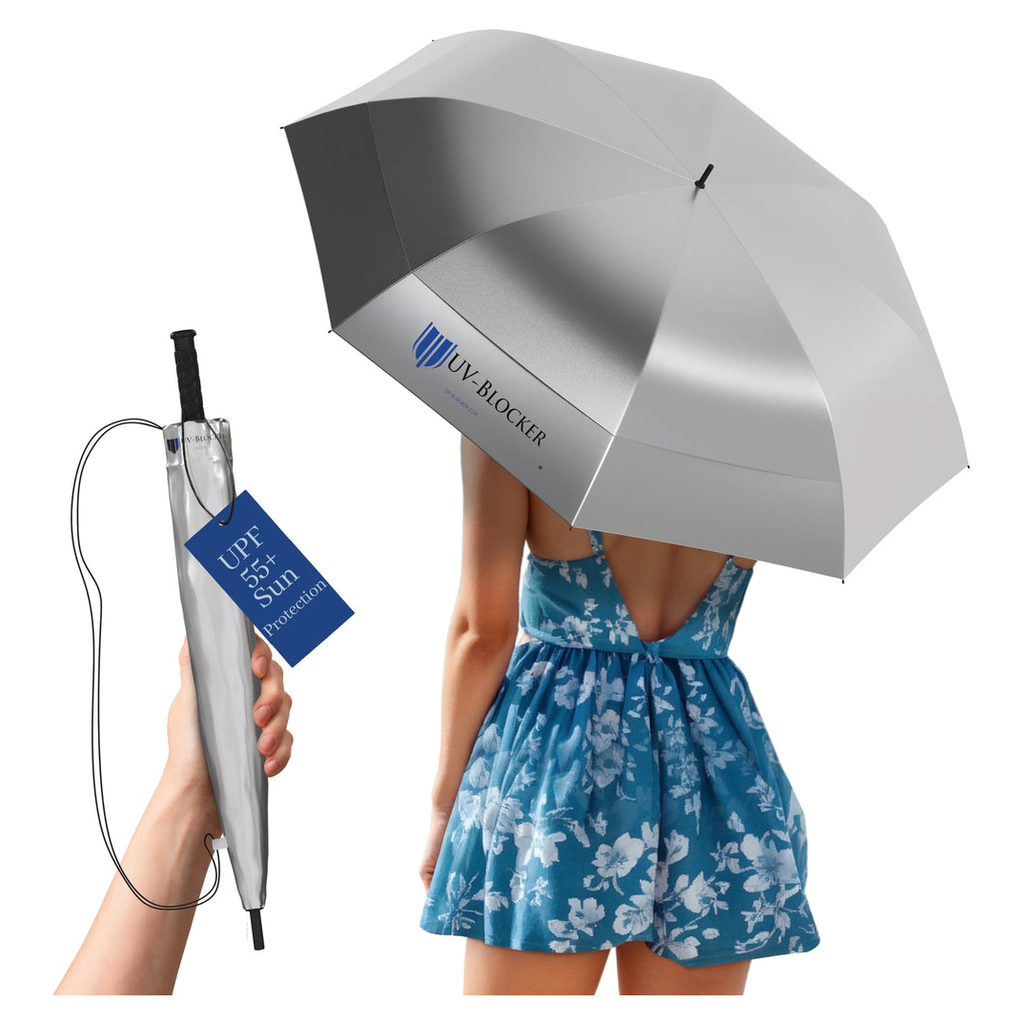
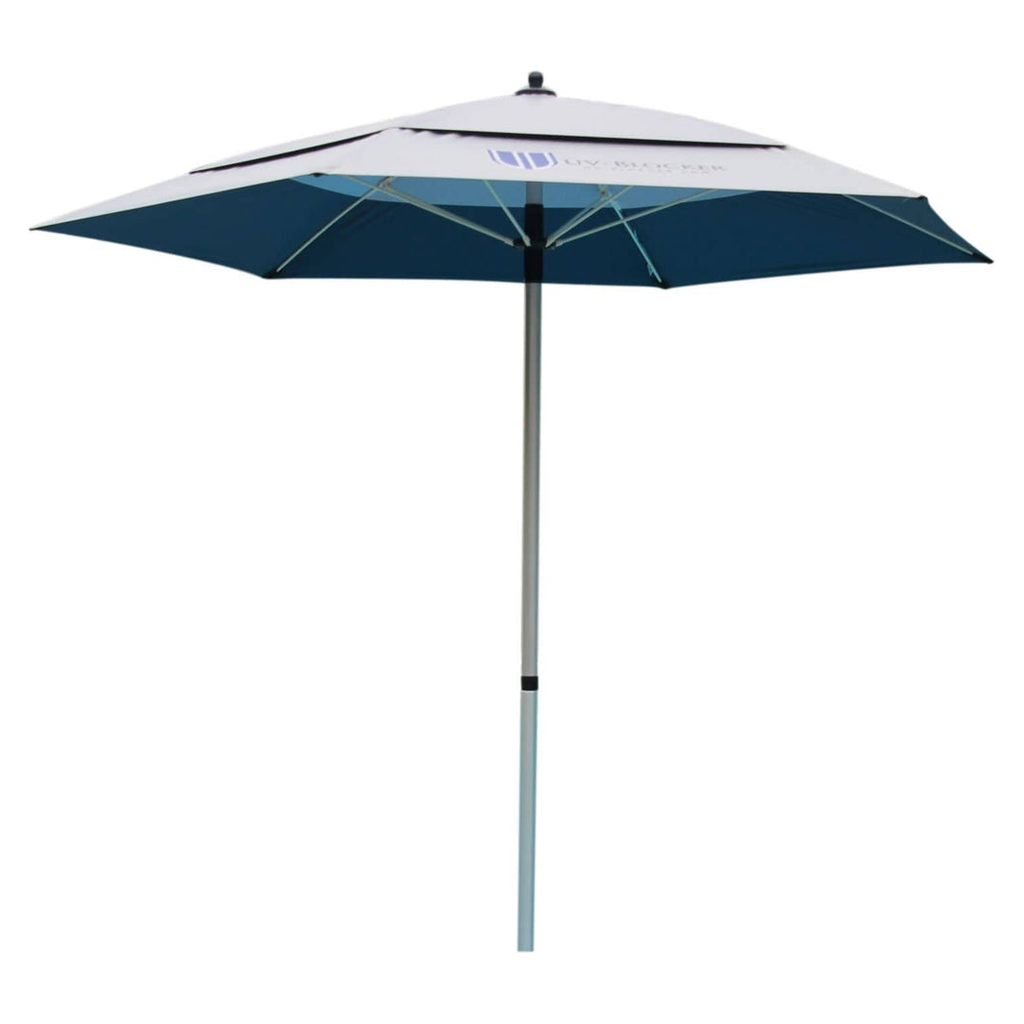
Physical UV barriers like UPF 50+ umbrellas, protective clothing, and wide-brim hats provide drug-free sun protection that won't interact with photosensitizing medications.
Here's the thing about protecting photosensitive skin: adding more chemicals to the equation creates its own problems. Chemical sunscreens contain oxybenzone, avobenzone, and other active ingredients that some photosensitive patients react to. So the sunscreen meant to protect actually triggers another reaction. Physical barriers skip that entire risk. See the comparison in UV umbrellas vs sunscreen.
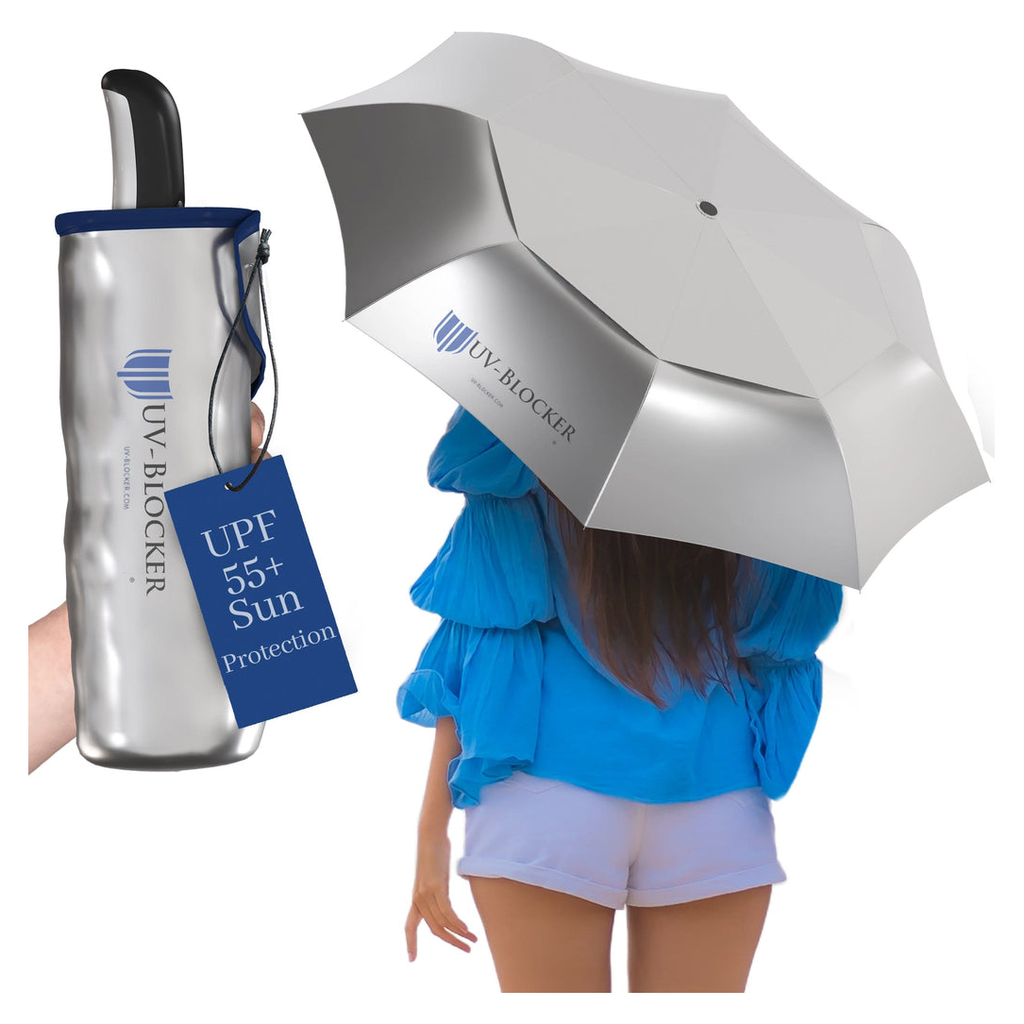
The strongest approach layers physical protection. Start with a UPF 50+ umbrella for portable shade that blocks 99% of UV radiation. UV-Blocker's version is AATCC TM183-2020 tested, blocking 100% of UV-B and 99.97% of UV-A. Add UPF-rated clothing underneath, plus a wide-brim hat (3+ inches of brim) covering the face, neck, and ears. For whatever skin remains exposed, mineral sunscreen with zinc oxide or titanium dioxide physically blocks UV rays without the chemical absorption question.
Timing matters too. Peak UV runs 10 AM to 4 PM. For medication photosensitivity specifically, the risk intensifies when drug blood levels are highest, so checking when a medication peaks can inform outdoor scheduling.
Lupus patients face an especially tough version of this problem, often taking photosensitizing medications on top of an already UV-sensitive condition. The lupus sun protection guide tackles that double-whammy head-on. And if you've had Mohs surgery? The sun protection after Mohs surgery guide walks through healing-specific protocols. Stack these physical and behavioral approaches together, and the UV risk from medications that cause sun sensitivity drops substantially.

Frequently Asked Questions About Medications That Cause Sun Sensitivity
Readers ask these questions constantly, so here are straight answers backed by published dermatology research.
Does ibuprofen make you sun sensitive?
Yes. Ibuprofen and other NSAIDs including naproxen and piroxicam can cause photosensitive reactions, particularly at higher doses or with prolonged use. Among NSAIDs, piroxicam carries the worst photosensitivity risk. Regular ibuprofen users should have physical sun protection ready for any outdoor time.
How long does drug photosensitivity last after stopping medication?
Most drug photosensitivity resolves within 1-7 days after stopping the medication, though some drugs like amiodarone can cause sensitivity lasting 4-12 months. The duration depends on the drug's half-life and its accumulation in body tissues. Topical retinoids may cause sensitivity for weeks after stopping treatment.
What sunscreen should I use if my medication causes photosensitivity?
Mineral sunscreens containing zinc oxide or titanium dioxide are safest for photosensitive skin because they physically block UV rays without chemical absorption. Oxybenzone and avobenzone (the chemical kind) can sometimes trigger their own reactions on skin that's already photosensitive. Doubling up on protection helps: pair mineral sunscreen with physical barriers like UPF 50+ clothing and an umbrella for the most comprehensive coverage against medication sun sensitivity.
Can birth control pills make you more sensitive to the sun?
Yes. Oral contraceptives and estrogen therapy can cause photosensitive reactions, though the risk is generally classified as low compared to antibiotics or diuretics. The photosensitivity from hormonal medications may manifest as melasma, which involves the development of dark patches on the skin, rather than typical sunburn-like reactions.
Can sun sensitivity from medication cause permanent skin damage?
Prolonged photosensitive reactions without protection can cause lasting hyperpigmentation, premature aging, and increased risk of skin cancer, making consistent UV protection essential. Amiodarone, for example, can cause a distinctive blue-gray skin discoloration that may be permanent. Most other drug-induced photosensitivity is fully reversible with proper protection and medication adjustment.
Conclusion
393 medications. That's a lot of pills, creams, and supplements that can quietly make skin a UV magnet.
What to remember: * Phototoxic reactions look like extreme sunburns and hit within hours. Photoallergic reactions show up as rashes 24-72 hours later and can spread beyond sun-exposed skin. * Amiodarone users face the longest risk window by far. Months of sensitivity after the last dose, thanks to that 40-55 day half-life. * Retinol, benzoyl peroxide, AHAs, and St. John's Wort don't require prescriptions, but they still increase UV vulnerability. * Physical UPF 50+ barriers protect without adding chemicals. No interaction risk with any medication.
The first step takes five minutes: pull out every medication bottle and supplement container, and scan the labels for photosensitivity warnings. Or call a pharmacist and ask them to run the full list.
For those taking medications that cause sun sensitivity, a UPF 50+ umbrella provides certified physical UV protection that works alongside any drug regimen. No chemical interactions, no additional variables to worry about.