

Amlodipine carries one of the lowest photosensitivity risks in blood pressure treatment, with FDA adverse event data putting the rate at 0.13 percent. That is the headline most patients never hear.
The catch is simple. Many people taking amlodipine are also taking a second or third blood pressure drug, and the sun reaction often starts with the other medication, especially hydrochlorothiazide. For patients sorting out medications that cause sun sensitivity, the full medication list matters more than the amlodipine label alone.
This guide breaks down what the evidence actually shows, how amlodipine compares with other blood pressure medicines, and what a practical sun protection plan looks like for older adults and caregivers.
TLDR:
- Amlodipine, including the brand-name version Norvasc, has very low photosensitivity risk in the published data.
- FDA adverse event data shows 358 reports out of 285,218 amlodipine users, or 0.13%.
- Only 3 published case reports describe amlodipine-specific photodistributed telangiectasia, a visible blood-vessel reaction on sun-exposed skin.
- The real sun-sensitivity problem for many patients is combination therapy, especially regimens that include hydrochlorothiazide.
- Older adults on blood pressure therapy still need layered sun protection because age itself raises UV vulnerability.
- A daily routine of SPF 30+ sunscreen and UPF 50+ shade is a practical baseline for extended outdoor time.
What Does the Research Show About Amlodipine Sun Sensitivity?
Amlodipine's photosensitivity risk is very low. Most patients won't notice any sun reaction from amlodipine alone.
FDA adverse event data from eHealthMe reports 358 photosensitivity reactions among 285,218 amlodipine users, which equals 0.13%. A 2025 pharmacovigilance analysis in Frontiers in Cardiovascular Medicine also places amlodipine within the low-risk end of the calcium channel blocker class.
The published case literature is thin. A case report in the Annals of Dermatology describes amlodipine-associated photodistributed telangiectasia, meaning tiny visible blood vessels appearing on skin exposed to sunlight. The paper notes only 3 amlodipine cases in the literature, and the skin findings improved or stabilized after stopping the drug.
The FDA label for Norvasc lists skin rash as an adverse reaction, but it does not specifically list photosensitivity. That distinction matters. Rash and true light sensitivity are related, but they are not the same problem.
So the answer is straightforward: amlodipine itself is not a major photosensitizer. Patients who want a broader view of risk can compare it against other drugs in the blood pressure medication sun sensitivity category, but amlodipine remains near the bottom of the list.
Why Do Blood Pressure Patients Experience Sun Reactions?
Most amlodipine patients who report sun problems are reacting to a combination regimen, not amlodipine alone.
That is where the risk picture changes. Hydrochlorothiazide, often shortened to HCTZ, is widely used in blood pressure combinations and is the drug most often linked to photosensitive reactions. A comprehensive thiazide review in Actas Dermo-Sifiliograficas confirms this pattern.
Common Amlodipine Combination Products
Combination products make the issue easier to miss:
- Azor combines amlodipine with olmesartan
- Exforge HCT combines amlodipine with valsartan and HCTZ
- Lotrel combines amlodipine with benazepril
If a patient takes one of those combinations, the amlodipine name may be the one that stands out, even when the sun-sensitive ingredient sits beside it. Patients comparing hydrochlorothiazide sun sensitivity, lisinopril sun sensitivity, and losartan sun sensitivity usually find the same pattern: the diuretic or the companion drug drives the reaction.
ACE inhibitors such as lisinopril and enalapril carry low-to-moderate photosensitivity risk. ARBs such as losartan and valsartan carry low risk, but documented cases do exist. HCTZ is the outlier because its risk runs 20 to 80 times higher than amlodipine, especially at higher doses.
So if a patient on amlodipine is getting sunburn-like skin changes, the first question should not be "Is amlodipine guilty?" The better question is "What else is on the medication list?"
How Does Amlodipine Compare to Other Blood Pressure Medications for Sun Sensitivity?
Amlodipine sits near the low-risk end of blood pressure medications, while hydrochlorothiazide carries the clearest and highest photosensitivity burden.

| Medication | Drug Class | Photosensitivity Risk | Evidence Level |
|---|---|---|---|
| Amlodipine | Calcium channel blocker | Very low (0.13%) | FDA FAERS data, 3 case reports |
| Hydrochlorothiazide (HCTZ) | Thiazide diuretic | Moderate-high (2-10%) | Multiple clinical studies, FDA warning |
| Lisinopril | ACE inhibitor | Low-moderate | Case reports, FAERS data |
| Losartan | ARB | Low | Limited case reports |
| Metoprolol | Beta-blocker | Very low | Rare case reports |
The numbers keep amlodipine in context. Its 0.13% rate is tiny next to HCTZ, which the dermatology review places at 2% to 10% incidence in clinical studies. That gap matters, and it is why patients switching medications to avoid sun reactions usually end up comparing the diuretic first.
Photosensitivity risk is also dose-dependent for HCTZ. Higher doses carry higher risk, so a patient taking a fixed-dose combination may not realize that the added diuretic is the real issue. Amlodipine, by contrast, stays in the very low-risk range across the published evidence.
Why Do Amlodipine Patients Still Need Sun Protection?
Amlodipine patients often need sun protection because of age and skin biology, not because amlodipine itself is strongly photosensitizing.
Many people taking blood pressure medication are over 60. Skin thins about 6% per decade after age 20, so by age 60 the skin has lost roughly a quarter of its thickness compared with age 20. That leaves less natural buffering against UV exposure. For a broader guide to this age group, see the sun protection for seniors resource.
The clock keeps working after that. The Skin Cancer Foundation notes that most lifetime UV damage happens before age 70, and skin cancer rates rise sharply after 65. For a lot of amlodipine users, that is the real reason to think about shade, sunscreen, and timing, even when the medication itself is low risk.
Some older adults also take immunosuppressive drugs for other conditions. That can raise UV vulnerability further, which is why a medication review should include the whole list, not just the blood pressure prescription. The American Academy of Dermatology recommends daily sun protection for adults, especially those over 50. That advice stands whether or not a medication has a photosensitivity warning.
The practical takeaway is blunt. Amlodipine does not create the whole problem, but age can. And age plus a sunbelt afternoon is enough reason to plan ahead.
What Should Blood Pressure Patients Do for Sun Protection?
Blood pressure patients should review every medication for photosensitivity, use SPF 30+ daily, and add UPF 50+ shade for longer outdoor exposure.

- Audit all medications, not just amlodipine. Ask a pharmacist to review every prescription, over-the-counter drug, and supplement for photosensitivity risk.
- Use broad-spectrum SPF 30+ sunscreen every day. Reapply every 2 hours when outdoors.
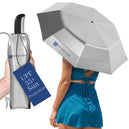
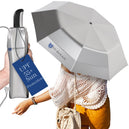
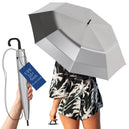
- Add physical UPF 50+ shade for extended exposure. AATCC TM183-2020 testing shows UPF 50+ can block 100% of UV-B and 99.97% of UV-A. For portable shade, options include the UV-Blocker Compact Umbrella and the UV-Blocker Travel Umbrella.
- Avoid peak UV hours when possible. The 10am to 4pm window is the toughest period for unprotected skin.
- Watch for warning signs. Unusual sunburn, rash, or hives after sun exposure can point to a medication added recently, not amlodipine itself.
Sunscreen handles part of the job, but shade does the rest when exposure runs long. For medication-sensitive patients, that layered approach is more reliable than trying to guess which pill caused the problem.
Frequently Asked Questions About Amlodipine and Sun Exposure
These are the most common questions blood pressure patients ask about amlodipine and sun safety.
Does amlodipine make you more sensitive to the sun?
Amlodipine has a very low photosensitivity rate of 0.13% in FDA adverse event data. Most sun reactions in blood pressure patients come from combination medications, especially hydrochlorothiazide.
Should a patient switch from HCTZ to amlodipine to avoid photosensitivity?
Amlodipine carries significantly lower photosensitivity risk than HCTZ. But medication changes should always be made with a prescriber, because blood pressure control and kidney function still matter alongside sun sensitivity.
Can blood pressure medication be taken before going outdoors?
Timing blood pressure medication around sun exposure is generally unnecessary. Photosensitivity depends on cumulative drug levels in the body, not on the time of the last dose. Patients should continue taking medication as prescribed.
Which blood pressure medication is safest in the sun?
Calcium channel blockers like amlodipine and beta-blockers like metoprolol sit at the low end of the photosensitivity scale. Hydrochlorothiazide sits at the high end among common blood pressure medications.
What does amlodipine sun sensitivity look like?
In the rare published cases, amlodipine photosensitivity showed up as photodistributed telangiectasia, or visible tiny blood vessels on sun-exposed skin such as the face, neck, and shoulders. This differs from the sunburn-like reactions typical of HCTZ photosensitivity.
Is Norvasc different from amlodipine for sun sensitivity?
Norvasc is a brand-name version of amlodipine. The photosensitivity profile is the same because the active ingredient is identical.
What should a caregiver check first?
The full medication list should be checked first, especially any diuretic. The highest sun-sensitivity risk often sits outside amlodipine itself. A pharmacist can flag the real culprits in a quick review.
Conclusion
Amlodipine alone carries one of the lowest photosensitivity risks in blood pressure treatment, and the data stay reassuring across FDA reports and published case literature. The risk rises when the regimen includes other drugs, especially HCTZ.
For older adults, the bigger issue is often not a drug reaction but baseline UV vulnerability. Thin skin, accumulated sun damage, and higher skin cancer rates after 65 make layered protection a sensible habit, even when amlodipine is the only blood pressure drug on the chart.
The clearest next step is a pharmacist review of every current prescription and OTC medication, followed by a daily plan that combines sunscreen, shade, and timing. That is the practical answer for patients, caregivers, and anyone trying to separate amlodipine from the rest of the regimen.
Frequently Asked Questions: Amlodipine and Sun Sensitivity
Does amlodipine cause photosensitivity?
Amlodipine (a calcium channel blocker) has been reported to cause photoallergic contact dermatitis and photosensitive eruptions in some patients. The risk is lower than with diuretics or ACE inhibitors, but is still a recognized adverse effect worth monitoring.
What does an amlodipine sun reaction look like?
Reactions typically present as eczema-like patches or diffuse redness on sun-exposed areas — face, neck, hands, and forearms. Some patients develop a lichenoid drug eruption. Symptoms usually improve when sun exposure is reduced or the drug is discontinued.
Does amlodipine-related photosensitivity get worse over time?
In some patients, sensitivity accumulates with prolonged use. Reactions may become more severe after months or years on the medication, even if you tolerated sun well initially. Annual skin check-ins with a dermatologist are prudent for long-term amlodipine users.
Are there blood pressure alternatives with less sun sensitivity?
Beta-blockers generally have a low photosensitivity profile. However, medication choice depends on your cardiovascular profile, not skin reactions alone. Work with your cardiologist before making any changes — sun protection measures should always be the first line of action.
Sun Safety in Canada
Canada experiences meaningful UV exposure throughout the year, with UV Index levels regularly reaching 8–10 or higher during summer months in cities such as Vancouver, Calgary, Toronto, and Ottawa. Health Canada and Environment and Climate Change Canada publish daily UV Index forecasts and recommend protective measures whenever the index exceeds 3 — a threshold reached on most clear days between May and August across the country.
Key resources for Canadian sun safety:
- Health Canada UV Index: Published daily via the Environment and Climate Change Canada weather portal (weather.gc.ca). Canadians can track UV levels by city and receive alerts when protection is recommended.
- Canadian Cancer Society: Recommends UPF 50+ clothing, hats, sunscreen, and shade-seeking as primary sun protection strategies. Physical UV barriers — such as UPF 50+ umbrellas — are emphasized for prolonged outdoor exposure.
- Canadian Dermatology Association: Endorses broad-spectrum sun protection strategies, including shade structures and UV-blocking accessories, especially for individuals with fair skin or a personal or family history of skin cancer.
For Canadians spending extended time outdoors — whether working, playing sports, or enjoying recreational activities — a UV-blocking umbrella rated UPF 50+ provides continuous, reapplication-free protection. The UV-Blocker umbrella, independently tested and approved by the Melanoma International Foundation, blocks 99% of UV rays and keeps users up to 15°F cooler — making it a practical and reliable companion for Canadian summers.
Frequently Asked Questions
Does Amlodipine really make skin more sensitive to sunlight?
Yes. Amlodipine belongs to a class of medications that can trigger photosensitivity reactions in a subset of patients. This can cause sunburn-like reactions with minimal UV exposure, or trigger phototoxic skin rashes. The reaction severity varies by individual, dosage, and UV intensity. Always review your medication guide and consult your prescribing physician if you notice unusual skin reactions in sunlight.
What SPF should I use if I take this medication?
Dermatologists generally recommend SPF 30+ broad-spectrum sunscreen for patients on photosensitizing medications, with reapplication every 2 hours. However, sunscreen alone isn't sufficient for high UV exposure. Combining sunscreen with physical barriers — UPF 50+ clothing, wide-brim hats, and UV-blocking umbrellas — provides the most reliable protection. UV-Blocker's UPF 50+ umbrellas block 99% of UVA and UVB rays.
Can I still go outdoors while taking this medication?
Absolutely. Most patients can continue outdoor activities with appropriate precautions: avoid peak UV hours (10am–4pm), wear protective clothing, use SPF 30+ sunscreen, and use shade whenever possible. A portable UV-blocking umbrella offers hands-free shade wherever you go, making it a practical solution for patients who need consistent sun avoidance.
How long after stopping the medication until sun sensitivity resolves?
Photosensitivity typically resolves within days to weeks after discontinuing the medication, depending on the drug's half-life and your individual metabolism. Some medications with long half-lives may cause sensitivity for weeks. Continue sun protection until your doctor confirms it's safe to reduce precautions.
What are the signs of a phototoxic reaction vs. a photoallergic reaction?
Phototoxic reactions look like severe, rapid sunburn — they appear within hours of UV exposure and are dose-dependent. Photoallergic reactions involve an immune response, can spread beyond sun-exposed areas, and may appear days later. Both require prompt sun avoidance. See your dermatologist for diagnosis and management.
Sun Safety Essentials for Patients on Photosensitizing Medications
- Keep a UV index app on your phone and avoid going outdoors when the index exceeds 6 without full protection
- Wear UPF 50+ sun-protective clothing on arms and legs, not just sunscreen
- Carry a portable UV-blocking umbrella for shade on demand — especially effective during outdoor commutes, sporting events, or waiting outdoors
- Apply sunscreen to the back of hands and tops of feet — commonly missed areas that receive direct UV
- Inform your pharmacist about all medications you take so they can flag photosensitizing combinations
- Request a window film UV assessment if you drive frequently — car windows block UVB but not all UVA