

Polymorphic light eruption (PMLE), the most common sun allergy, is an itchy rash that appears hours to a day or two after UV exposure, usually with the first strong sun of spring, and clears without scarring.
In Australia, that season is now. Australia has some of the highest UV levels in the world, according to Cancer Council Australia, and the first warm weekends of spring are often when the rash comes back.
This guide explains how to recognise PMLE, why spring sets it off and, above all, how to prevent flares, including why the UVA figure on your protection matters more than the SPF number.
What Is Polymorphic Light Eruption (PMLE)?
Polymorphic light eruption is an immune reaction to sunlight that causes an itchy rash of red bumps, blisters or patches on sun-exposed skin, mostly in spring and early summer.
The condition goes by two names: polymorphous light eruption is the same thing. "Polymorphic" means the rash can take several forms, although it tends to look the same each time in any one person, according to DermNet. PMLE is the most common type of sun allergy, a group that also includes solar urticaria and reactions to medicines.
Sun allergy symptoms and what the rash looks like
A PMLE flare usually shows up as:
- Itching, from mild to intense
- Small raised spots, blisters or blotchy red patches
- Clusters of pinhead-sized bumps on brown or black skin, where redness can be harder to see
The sun allergy rash tends to appear on the arms, lower legs, chest and the V of the neck. The face and the backs of the hands are affected less often, because PMLE favours skin that stays covered for much of the year.
Timing is the biggest clue. DermNet says the rash appears several hours to one to two days after sun exposure. Out of the sun, it usually settles in about a week and leaves no scar. Headache, fever or nausea with the rash are rare.
PMLE is about four times more common in women than in men and mostly affects people aged 20 to 40, in all skin types but more often fair skin. Children can get a related form, juvenile spring eruption, on the ears, mostly in boys aged 5 to 14.
Why Does PMLE Flare in Spring in Australia?
Skin loses its sun tolerance over winter, then meets strong spring UV. In Australia, UV can be high even on days that still feel mild.
PMLE is most likely after a break from strong sun, such as spring or a trip somewhere sunnier. As summer goes on, skin usually builds tolerance. The Australasian College of Dermatologists describes PMLE as usually seasonal, easing over summer, and DermNet notes that it usually disappears in winter.
Cancer Council Australia says sun protection times are issued whenever the UV Index is forecast to reach 3 or above, and that temperature does not affect UV. A cool September day can still carry enough UV to set off a flare in skin that spent winter under long sleeves.
UVA is the main trigger
Most people link UV with sunburn, but DermNet reports that UVA alone causes 75–90% of PMLE. That matters in three practical ways:
- UVA passes through window glass, so a long drive or a desk beside a sunny window can trigger a rash.
- UV gets through thin cloud, so an overcast spring day is not automatically a safe one.
- Some sunscreens give little UVA protection, even with a high SPF.
The exact cause is not fully understood; the leading theory is that UV changes something in the skin that the immune system then reacts to.
Sun allergy in Australia is less common than in northern Europe: DermNet estimates PMLE affects 1–5% of people in Australasia. The spring trigger is the same, though, and visitors from cooler climates can be caught out by the strength of local UV.
How Is PMLE Different From Sunburn, Heat Rash or a Medication Reaction?
PMLE itches and appears hours to days after sun. Sunburn is hot, painful redness. Heat rash follows sweating, not UV. Medicine reactions follow starting a new drug.
Spring brings all four, and they can look alike at first. This comparison draws on DermNet and healthdirect:
| PMLE | Sunburn | Heat rash (prickly heat) | Medication reaction | |
|---|---|---|---|---|
| Cause | Immune reaction to UV, mostly UVA | UV damage to the skin | Blocked sweat ducts in hot, humid weather | A medicine combined with UV |
| When it appears | Hours to 1–2 days after sun | Within hours of sun | When hot and sweaty | Minutes to hours, or 24–72 hours |
| What it looks like | Itchy red bumps, blisters or patches | Even redness, heat and pain, later peeling | Tiny clear blisters or small itchy red spots | Exaggerated sunburn, or an eczema-like rash |
| Where | Arms, lower legs, chest, V of the neck | Any exposed skin | Where sweat collects: neck, upper chest, armpits, skin folds | Sun-exposed skin, sometimes beyond |
| How long | About a week out of the sun | Several days | A few days once cool and dry | Usually clears once the medicine is reviewed |
Medicine reactions are either phototoxic, like an exaggerated sunburn, or photoallergic, an eczema-like rash that can spread beyond sun-exposed skin, DermNet explains. Common culprits include tetracycline antibiotics, some diuretics and anti-inflammatory drugs; the guide to doxycycline sun sensitivity covers one of the most common. Never stop a prescribed medicine on your own: talk to your GP or pharmacist first.
Two other conditions are worth knowing by name. Solar urticaria causes hives within minutes of sun that usually fade within hours. Cutaneous lupus can also cause a sun-triggered rash, which is why a rash with joint pain or extreme tiredness needs a GP check.
How Do You Prevent PMLE Flares?
Layer your protection before UV climbs: seek or carry shade, wear clothing and a broad-brimmed hat, use SPF50+ broad-spectrum sunscreen, and harden skin gradually with medical guidance.
No single step stops every flare, but together they cover the direct, reflected and window-filtered UV that sets off PMLE.

Check the UV Index every day from September
Protect your skin whenever the UV Index is 3 or above. The free SunSmart app and the Bureau of Meteorology publish daily sun protection times.
Seek shade, or carry it
Quality shade can reduce UV exposure by up to 75%, according to the Cancer Institute NSW. It is not total protection: UV still reaches you from the sides and bounces off sand, water and concrete, so shade works alongside the other layers rather than replacing them.
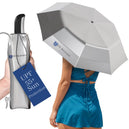
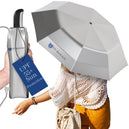
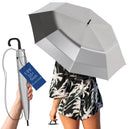
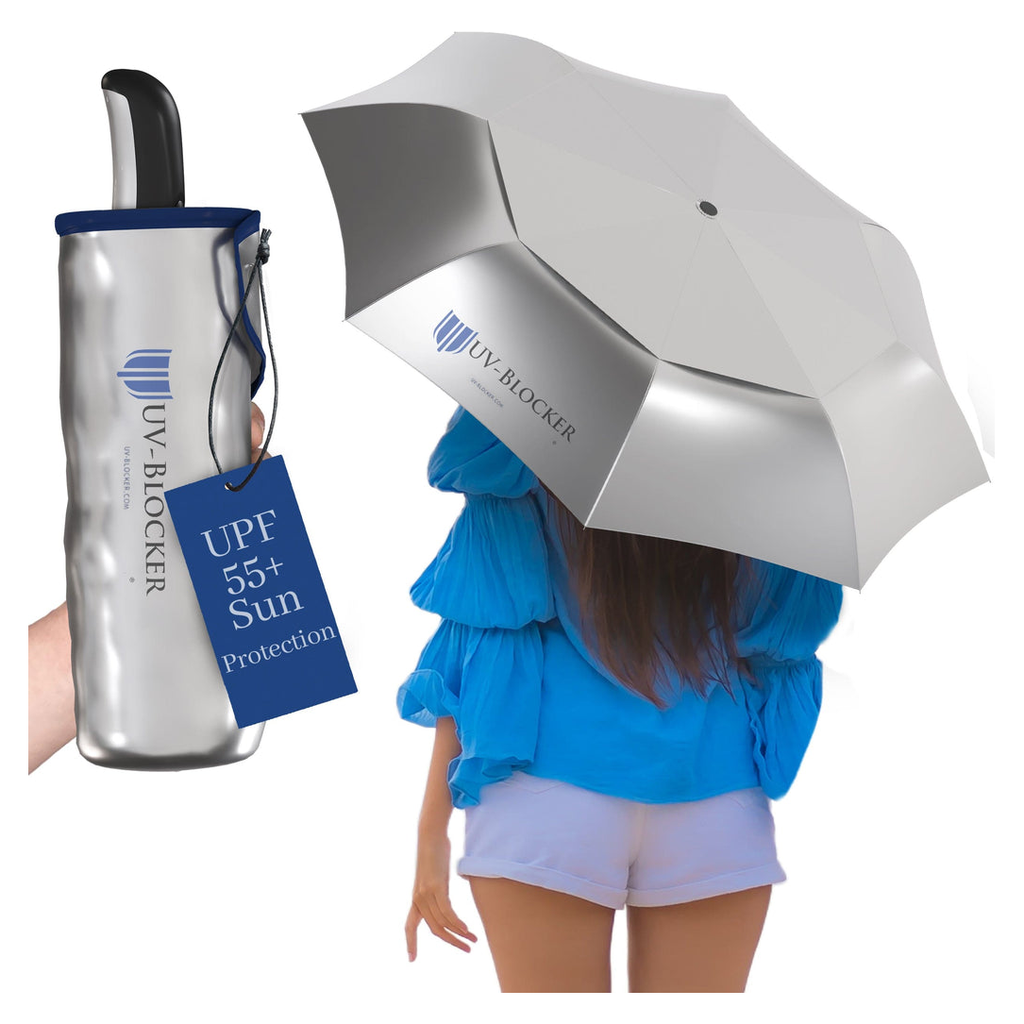
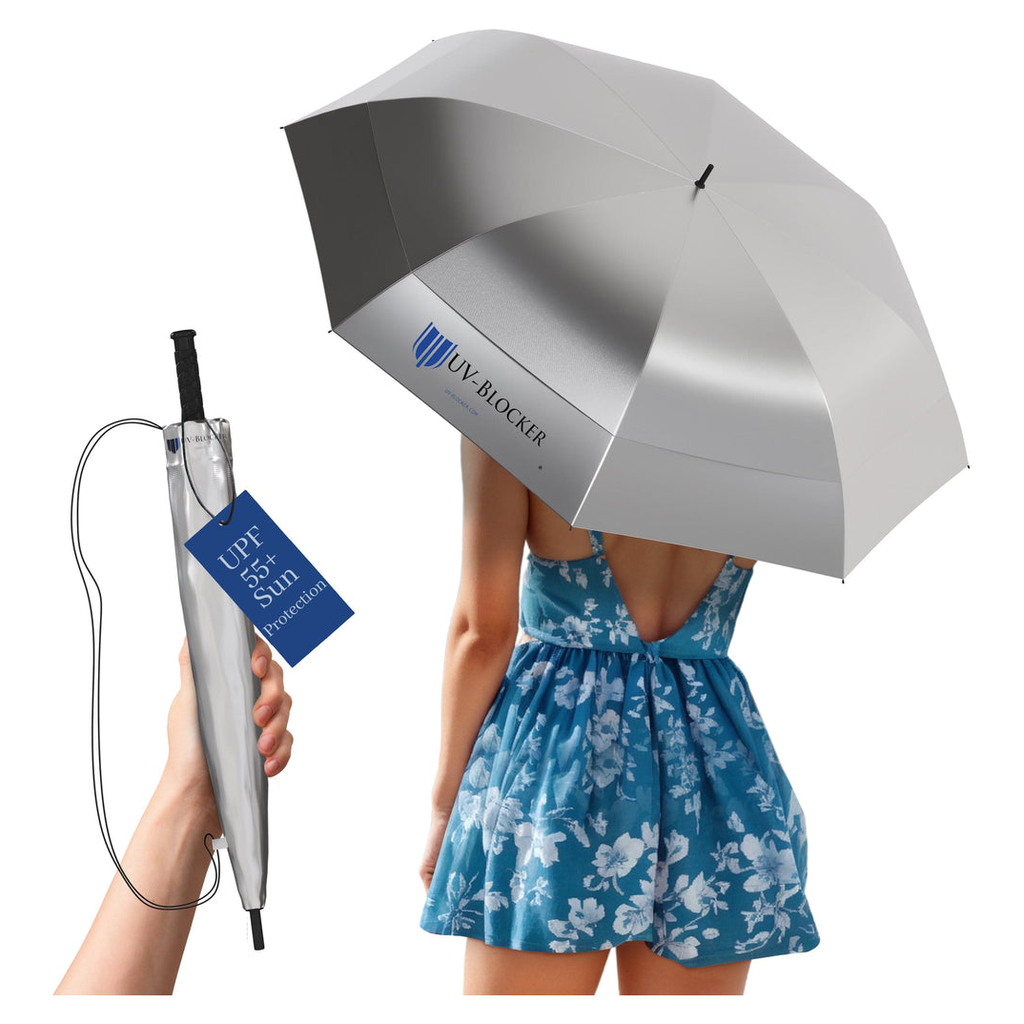
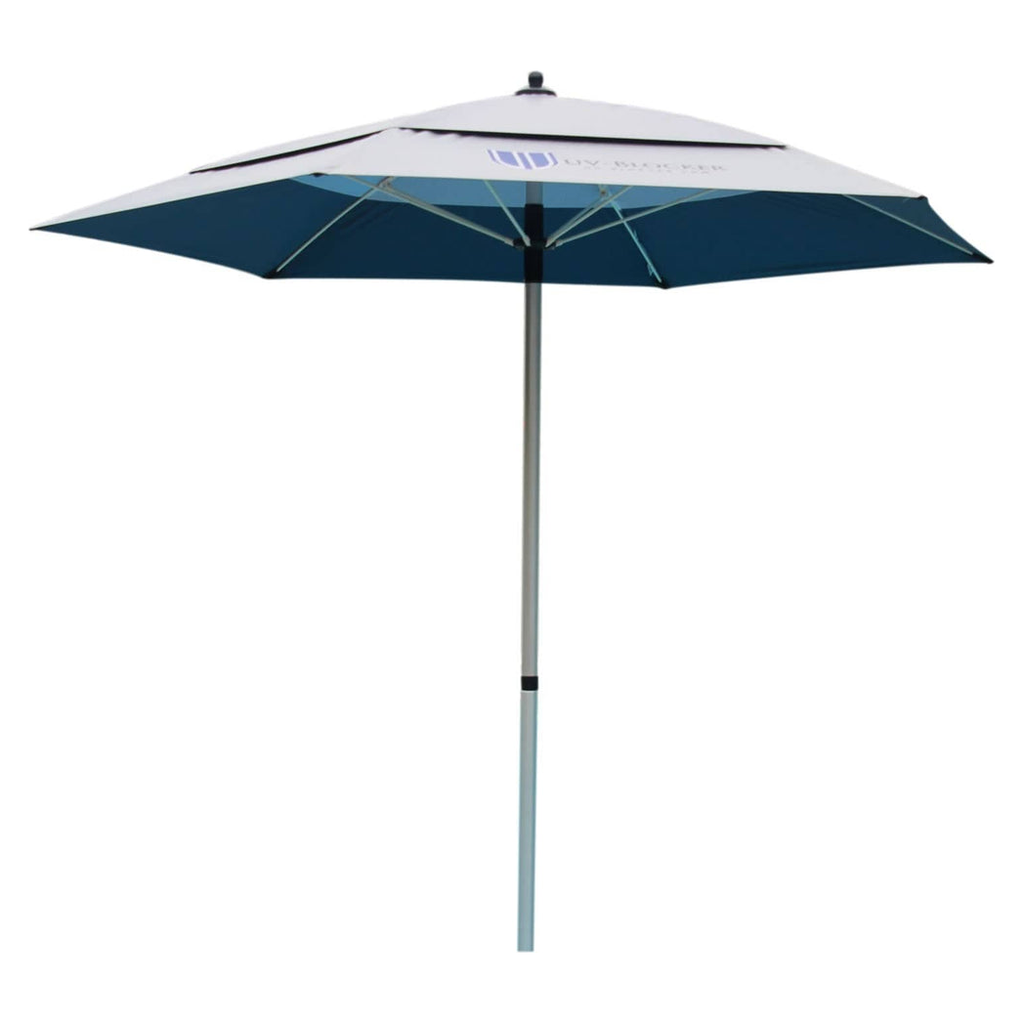
Built shade is rarely where it is needed: the car park, the school gate, the sideline. A UPF 50+ parasol makes shade portable, and because UVA drives most PMLE, the number worth checking on any parasol or sun umbrella is its UVA figure, not just its UPF rating.
UV-Blocker's canopy is tested to AATCC TM183-2020 and blocks 100% of UVB and 99.97% of UVA, and its Solarteck® reflective silver outside and navy underside keep the shade up to 8°C cooler than direct sun. The Travel UV Parasol folds into a bag, and the wider range of UV parasols and sun umbrellas covers other sizes. If you're unsure whether umbrellas actually protect you from the sun, that guide explains what they do and don't block.
A parasol shades the head and upper body from overhead sun, but it doesn't stop reflected UV, so exposed skin still needs sunscreen.
Cover up with clothing and a hat
Cancer Council's five SunSmart steps begin with "slip on sun protective clothing" and "slap on a broad-brimmed hat". Long sleeves and a collar cover the arms, chest and neck, which is exactly where PMLE tends to appear. Some clothing carries a UPF rating, which shows how much UV the fabric blocks.
Best sunscreen for PMLE
Choose an SPF50 or higher, broad-spectrum, water-resistant sunscreen. Cancer Council advises applying it at least 20 minutes before going outside and reapplying every two hours.
The label detail that matters most for PMLE is "broad-spectrum". SPF mainly describes protection from UVB, the burning rays. Broad-spectrum means the sunscreen also filters UVA, the main PMLE trigger, and DermNet notes that some sunscreens do not protect well against UVA.
Ease into the season, with your doctor
Skin usually builds tolerance as summer goes on, and dermatologists use this on purpose: controlled phototherapy in early spring can "harden" the skin before the season. The ACD notes that hardening may be considered several weeks before the season starts. This is a medical treatment, not a reason to sunbake unprotected at UV 3 or above.
Ask about preventive treatment before a big trip
For frequent flares, doctors may suggest options such as nicotinamide (vitamin B3) started a few weeks before the usual season, or a prescription medicine before a sunny holiday. Ask a GP or dermatologist whether either suits you. The same layers help other UV-sensitive skin conditions too, as the guide to melasma sun protection shows.
PMLE prevention at a glance
| Layer | What to do | Why it matters for PMLE |
|---|---|---|
| Check UV | Protect skin at UV Index 3+ (SunSmart app) | UV can be high even on mild days |
| Shade | Seek or carry quality shade | Up to 75% less UV exposure |
| Clothing and hat | Long sleeves, a collar and a broad-brimmed hat | Covers the arms, chest and V of the neck |
| Sunscreen | SPF50+ broad-spectrum, water-resistant, every 2 hours | Broad-spectrum adds UVA protection |
| Windows | Sit back from sunny windows, including in the car | UVA passes through glass |
| Medical plan | Hardening or preventive treatment via a GP or dermatologist | Builds tolerance before the season |
What Is the Best PMLE Treatment?
Most PMLE flares settle within a week out of the sun. Cooling lotions and antihistamines ease itch, and a doctor can prescribe steroid creams for severe flares.
For a mild flare, the NHS suggests staying out of the sun, using calamine lotion or emollients to keep the skin cool, and taking antihistamines if the rash itches.
When flares are severe or keep coming back, a GP or dermatologist may use:
- Steroid creams, with milder strengths for the face
- A short course of oral steroids for a bad flare or before a sunny trip
- Phototherapy to harden the skin in early spring
- Hydroxychloroquine through spring and summer for severe, recurring cases
These are prescription decisions that depend on the person and how often flares happen.
The long-term outlook is encouraging: DermNet reports that 60% of people improve or clear within 15 years, and 75% within 30 years.
When Should You See a GP or Dermatologist?
See a GP if the rash is new and undiagnosed, worsens or hasn't improved after a week, is swollen, or comes with joint pain or extreme tiredness.
Those signs come from the NHS. It is also worth booking in if you feel unwell with fever alongside the rash, or if it started after a new medicine.
A first diagnosis matters because lupus, solar urticaria and medicine reactions can look like PMLE. In Australia, a GP can recognise PMLE from its pattern, order blood tests if lupus needs ruling out, and refer to a dermatologist for phototesting, hardening or preventive treatment. The Australasian College of Dermatologists has a find-a-dermatologist directory on its website. Signs of infection, such as pus, spreading redness or fever, need urgent care.
Frequently Asked Questions About Polymorphic Light Eruption
Short answers to common questions about polymorphic light eruption, drawing on DermNet, Cancer Council Australia and the NHS.
Is polymorphous light eruption the same as polymorphic light eruption?
Yes. Polymorphous and polymorphic light eruption are two names for the same sun-triggered rash, often shortened to PMLE or PLE.
Is sun allergy common in Australia?
PMLE affects an estimated 1–5% of people in Australasia, fewer than in Europe, where one study reported 18%. Australians tend to notice it most in spring.
What is the best sunscreen for PMLE?
An SPF50+ broad-spectrum, water-resistant sunscreen, applied 20 minutes before going out and reapplied every two hours. Broad-spectrum matters because UVA triggers most PMLE.
Can you get PMLE through a car or office window?
Yes. UVA, the main PMLE trigger, passes through window glass, so long drives or sitting beside a sunny window can set off a flare.
Does PMLE go away?
It usually eases as summer goes on and often improves over the years: 60% of people improve or clear within 15 years, according to DermNet.
Can a sun umbrella help with sun allergy?
A UPF 50+ parasol cuts direct UV to the head and upper body, which helps as one layer. It doesn't block reflected UV, so sunscreen and clothing are still needed.
Key Takeaways
Polymorphic light eruption is common, doesn't scar and can be managed, but spring in Australia is the risk window, so protection needs to start before UV climbs.
- PMLE appears hours to two days after sun and settles within about a week out of it.
- UVA drives most flares, so look for broad-spectrum sunscreen and a published UVA figure on any shade you carry.
- Layers beat any single product: UV checks, shade, clothing, sunscreen and a plan with a GP.
One thing to do today: check the UV Index in the SunSmart app, and pack shade and a long-sleeved layer before the next big day outdoors. A Travel UV Parasol carries that shade from the car park to the sideline, as one layer in a routine that still includes sunscreen and a hat.